علاج الورم السحائي في إسرائيل — احصل على 3 عيادات مختارة خصيصاً لك


تمت مراجعة المقالة طبيا من قبل
فهد مولود
كيف نعمل؟
ما هي تكلفة الورم السحائي إجراءات التشخيص والعلاج في إسرائيل؟ اعرف الآن
| إسرائيل | تركيا | إسبانيا | |
|---|---|---|---|
| سايبر نايف CyberKnife | ≈ $17,000 | من $4,900 | من $14,800 |
| حج القحف | من $22,000 | من $8,900 | من $32,400 |
| العلاج الإشعاعي لسرطان القولون والمستقيم | ≈ $14,000 | من $5,000 | من $7,500 |
| استئصال الورم السحائي | ≈ $24,000 | من $10,500 | من $27,800 |
| TrueBeam | ≈ $12,000 | ≈ $7,500 | ≈ $12,000 |
اكتشف أفضل الورم السحائي العيادات في إسرائيل: 9 خيارات معتمدة والأسعار











Soroka Medical Center
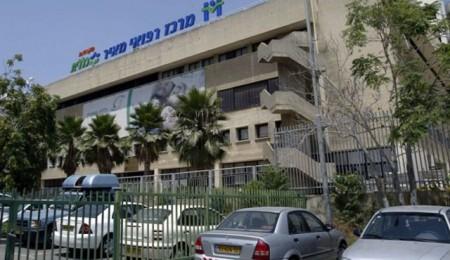
Meir Medical Center

Kaplan Medical Center

Shaare Zedek Medical Center

Elisha Hospital
احصل على تقييم طبي لـ في إسرائيل. استشر الآن 7 أطباء ذوي الخبرة.
عرض جميع الأطباء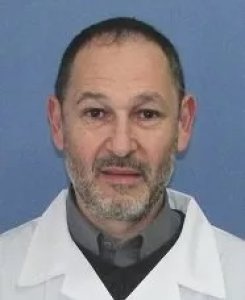
Zvi Cohen
البروفيسور زفي كوهين مدير قسم جراحة الأعصاب ووحدة الأورام العصبية في مركز شيبا الطبي. وهو جرّاح أعصاب وخبير في الأورام العصبية. اختير ضمن قائمة فوربس إسرائيل لأفضل الأطباء لعام 2025. يقود أبحاثًا سريرية حول العلاجات الدوائية لأورام الدماغ الخبيثة. كما أسّس بنك أنسجة أورام الدماغ في شيبا.
حاصل على شهادة البورد في جراحة الأعصاب، وتدرّب في جامعة تل أبيب. أكمل زمالتين: في الأشعة العصبية في بيث إسرائيل، وفي جراحة أورام الأعصاب في مركز إم دي أندرسون. تشمل ممارسته أورام الدماغ المعقّدة والغدة
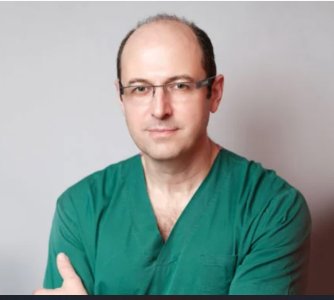
Yuri Goldes
الدكتور يوري غولدس جرّاح عام يتمتع بأكثر من 20 عامًا من الخبرة السريرية. يختص بجراحات الجهاز الهضمي العلوي وجراحة الأورام. يشغل منصب نائب مدير قسم الجراحة العامة وزراعة الأعضاء في مركز شيبا الطبي بتل أبيب، ويرأس وحدة جراحة الجهاز الهضمي العلوي. أُدرِج ضمن قائمة أفضل أطباء فوربس إسرائيل لعام 2025، ومُصنّف ضمن أفضل جراحي الجهاز الهضمي في إسرائيل بحسب فوربس. في 2019، نال جائزة «طبيب العام» من وزارة الصحة الإسرائيلية.
خبير في الجراحة طفيفة التوغل والمتقدمة والروبوتية. يعالج فتق الحجاب الحا

Dvora Blumental
تقود الدكتورة دفورا بلومنتال خدمة الأورام العصبية في مركز سوراسكي الطبي، وهي متخصصة في رعاية الأورام السحائية مع 30 سنة من الخبرة المركزة.
- تدربت في مركز ميموريال سلون كيترينج للسرطان – أحد أفضل مستشفيات السرطان في العالم
- أدارت سابقاً خدمة الأورام العصبية في معهد هنتسمان للسرطان
- أخصائية أورام عصبية أولى منذ عام 1998 – خبرة واسعة في أورام الدماغ المعقدة
- حاصلة على زمالة في الأورام العصبية من ميموريال سلون كيترينج

Zvi Ram
يرأس الجمعية الأوروبية لجمعيات جراحة الأعصاب (EANS) ويُعتبر من كبار جراحي الأعصاب على مستوى العالم.
- 37 سنة من الخبرة في جراحة الأعصاب والأورام العصبية.
- متخصص في جراحة أورام المخ والتقنيات طفيفة التوغل.
- خبير في إجراءات جراحة الأعصاب باستخدام رسم خرائط الدماغ.
- يجري أبحاثاً حول تقنيات جراحية جديدة لعلاج سرطان الدماغ.
- حائز على جائزة مؤسسة غولديرش (Goldhirsh Foundation) للعلاجات العصبية المبتكرة.
مشاركة المحتوى
قصص فيديو من مرضى Bookimed
 Anna Leonova
أسئلة متكررة حول علاج الورم السحائي في إسرائيل
هل يمكن علاج الورم السحائي (Meningioma) تماماً؟
معظم الأورام السحائية قابلة للشفاء، خاصة عندما تقع في مناطق تسمح بالاستئصال الجراحي الكامل. تشير مراكز الأورام الإسرائيلية إلى معدل نجاح متوسط قدره 90% لعلاجات الأورام. تصل نسبة البقاء على قيد الحياة إلى 95% على مدى عشر سنوات لحالات الدرجة الأولى عندما ينجح الجراحون في إجراء الاستئصال الجراحي الكامل.
- درجة الورم: الأورام الحميدة من الدرجة الأولى لديها أعلى إمكانية للشفاء السريري بعد الاستئصال.
- الهدف الجراحي: يهدف الاستئصال الكامل إلى إزالة الورم بالكامل والأغشية الملتصقة به.
- الملاحة المتقدمة: يستخدم المتخصصون خرائط الدماغ وجراحة الأعصاب الموجهة بالصور لحماية الأعصاب الحيوية.
- دعم الجراحة الإشعاعية: تتحكم تقنيات CyberKnife أو Gamma Knife في 80-90% من الحالات عند بقاء بقايا للورم.
- المراقبة طويلة الأمد: تضمن فحوصات التصوير بالرنين المغناطيسي المنتظمة الكشف المبكر عن أي حالات نادرة للانتكاس المتأخر.
رؤية خبير Bookimed: تتميز جراحة الأعصاب الإسرائيلية بسبب الحجم الهائل للحالات المعقدة التي يتعامل معها متخصصون أفراد. في مركز سوراسكي الطبي، يتمتع البروفيسور تسفي رام بأكثر من 25 عاماً من الخبرة في خرائط الدماغ والجراحة المجهرية. هذا الحجم الكبير من العمليات أمر بالغ الأهمية لأن البيانات تظهر أن الجراحين ذوي الخبرة هم أكثر عرضة لتحقيق الاستئصال الكامل مع الحفاظ على وظائف النطق والحركة. اختيار مركز يجري أكثر من 30,000 عملية سنوياً، مثل هداسا أو سوروكا، يحسن بشكل كبير من احتمالية الشفاء الجراحي النهائي.
إجماع
ما هي التقنيات الجراحية المتقدمة المستخدمة في إسرائيل؟
تستخدم إسرائيل أنظمة روبوتية مثل Da Vinci Xi و Mazor Robotics لجراحة الأعصاب عالية الدقة. وتطبق المراكز المتخصصة تقنية Surgical Theater للتخطيط بالواقع الافتراضي بزاوية 360 درجة. تساعد الملاحة الجراحية المتقدمة ورسم خرائط الدماغ في الوقت الفعلي الجراحين على إزالة الأورام مع الحفاظ على وظائف الكلام والحركة الحيوية.
- الأنظمة الروبوتية: توفر Da Vinci Xi و Mazor Robotics دقة خالية من الرعشة للعمليات الجراحية المعقدة.
- التصوير أثناء الجراحة: يسمح الموجات فوق الصوتية المركزة الموجهة بالرنين المغناطيسي بعلاجات غير جراحية في أعماق الدماغ.
- الملاحة الرقمية: تنشئ Surgical Theater عمليات إعادة بناء ثلاثية الأبعاد للتوجيه والتخطيط الجراحي العصبي في الوقت الفعلي.
- التقنيات المتخصصة: يعد رسم خرائط الدماغ والجراحة المجهرية معياراً في المراكز المعتمدة من JCI مثل Sourasky.
رؤية خبراء Bookimed: تُظهر المراكز الطبية الإسرائيلية تكاملاً فريداً بين البحث والممارسة الذي يفيد الحالات المعقدة. على سبيل المثال، يقوم البروفيسور الدكتور زفي رام في مركز سوراسكي الطبي (إيخيلوف) بتطوير علاجات قائمة على الجينات بنشاط إلى جانب إجراء عمليات جراحية عصبية متقدمة. وهذا يعني أن المرضى غالباً ما يحصلون على بروتوكولات ناشئة قبل أن تصبح معايير عالمية. مع إجراء أكثر من 34,000 عملية جراحية سنوياً في إيخيلوف، يضمن حجم الإجراءات المرتفع احتفاظ الجراحين بأعلى مستويات الكفاءة التقنية باستخدام هذه الأدوات المتقدمة.
إجماع المرضى: يؤكد المرضى أن استخدام منظار خارجي
ما هي معدلات النجاح لإجراءات الورم السحائي في إسرائيل؟
تحافظ إجراءات الورم السحائي في إسرائيل على معدل نجاح يصل إلى 95% في مراكز جراحة الأعصاب المتخصصة. تبلغ مرافق مثل مركز سوراسكي الطبي عن معدلات بقاء على قيد الحياة تصل إلى 98% في جراحة الأعصاب العامة. يستخدم الجراحون المتخصصون تقنيات الملاحة العصبية Brainlab وجاما نايف لضمان تحكم عالٍ في الورم وسلامة المريض.
- معدل النجاح: تشير المرافق الإسرائيلية الرائدة إلى معدل يتراوح بين 95% و98% لاستئصال الورم السحائي.
- الدقة الجراحية: تعمل الملاحة العصبية المتقدمة والتصوير الرقمي على زيادة مدى إزالة الورم.
- فعالية الجراحة الإشعاعية: تحقق علاجات جاما نايف معدل تحكم في الورم بنسبة 95% للحالات غير القابلة للجراحة.
- سلامة المضاعفات: يخضع حوالي 98% من المرضى للجراحة دون التعرض لمضاعفات طبية كبيرة.
رؤية خبير Bookimed: بينما يركز الكثيرون على الجراحة، تتميز إسرائيل بخدمات الأورام العصبية ذات الحجم الكبير. يعالج مركز سوراسكي الطبي وحده أكثر من 400,000 مريض سنويًا. يتمتع البروفيسور الدكتور زفي رام بخبرة تزيد عن 25 عامًا في رسم خرائط الدماغ والعلاجات القائمة على الجينات. غالبًا ما تحقق هذه المراكز ذات الحجم الكبير نتائج أفضل من العيادات الصغيرة بسبب المعدات المتخصصة مثل مجهر Zeiss KINEVO 900.
إجماع المرضى: يلاحظ المرضى أن التركيز على موقع الورم أكثر أهمية من الإحصاءات الخام. ويؤكدون أنه على الرغم من أن التكاليف أعلى بنسبة 20% إلى 50% من بعض المناطق الأخرى، إلا أن النتائج المتفوقة للحالات المعقدة تبرر السفر.
هل الجراحة ضرورية دائمًا للورم السحائي؟
الجراحة ليست ضرورية دائمًا للورم السحائي. العديد من هذه الأورام حميدة وتنمو ببطء شديد. غالبًا ما يوصي الأطباء في إسرائيل بالمراقبة من خلال فحوصات التصوير بالرنين المغناطيسي المنتظمة إذا كان الورم صغيرًا. يتم حجز التدخل الجراحي للأورام التي تسبب أعراضًا أو تظهر نموًا موثقًا أثناء المتابعة.
- المراقبة النشطة: تراقب فحوصات الرنين المغناطيسي المنتظمة الأورام الصغيرة التي لا تظهر عليها أعراض كل 6 إلى 12 شهرًا.
- خيارات الجراحة الإشعاعية: يعالج Gamma Knife أو CyberKnife الأورام في المناطق التي يصعب الوصول إليها بدون شقوق جراحية.
- دواعي الجراحة: الجراحة مطلوبة للأورام الكبيرة، أو النوبات، أو تغيرات الرؤية والسمع.
- درجة الورم: غالبًا ما تسمح الأورام الحميدة من الدرجة الأولى بالمراقبة طويلة المدى بدلاً من الجراحة.
رؤية خبير Bookimed: تظهر البيانات فجوة سعرية كبيرة بين الخيارات غير الجراحية والجراحية في إسرائيل. في حين أن بضع القحف يمكن أن يصل إلى 44,500 دولار، فإن الجراحة الإشعاعية بـ Gamma Knife متاحة بحوالي 13,800 دولار إلى 19,200 دولار. يمكن للمرضى الذين يعانون من أورام بالقرب من هياكل حرجة توفير أكثر من 10,000 دولار عن طريق اختيار الإشعاع المتخصص إذا أكد جراح الأعصاب الخاص بهم أنه بديل آمن للجراحة التقليدية.
إجماع المرضى: يشير المرضى إلى أن الأطباء غالبًا ما يفضلون نهج الانتظار والترقب للاكتشافات العرضية. يعيش العديد من الأشخاص مع أورام مستقرة لأكثر من 5 سنوات باستخدام مراقبة التصوير فقط وتتبع الأعراض مثل الصداع أو مشاكل ال
هل تتوفر خيارات علاج غير جراحية؟
تتضمن العلاجات غير الجراحية للورم السحائي في إسرائيل بشكل أساسي تقنيات إشعاعية متقدمة مثل جاما نايف (Gamma Knife) وسايبر نايف (CyberKnife). تستهدف خيارات الجراحة الإشعاعية التجسيمية (SRS) هذه الأورام دون الحاجة إلى شقوق جراحية. وهي فعالة للغاية للآفات الصغيرة التي يقل حجمها عن 3 سنتيمترات. يعود معظم المرضى إلى منازلهم في نفس يوم الإجراء.
- الجراحة الإشعاعية التجسيمية: تقدم إشعاعاً دقيقاً بجرعات عالية لإيقاف نمو الورم دون جراحة.
- جاما نايف: تستخدم حزمًا مركزة للأورام المستقرة، وغالبًا ما تحقق معدلات تحكم تصل إلى 90%.
- تقنية سايبر نايف: نظام آلي يتكيف مع حركة المريض أثناء جلسات العلاج.
- المراقبة النشطة: مراقبة منتظمة عبر التصوير بالرنين المغناطيسي للدماغ مع صبغة للأورام التي لا تظهر أعراضًا وتنمو ببطء.
رؤية خبير Bookimed: بينما يسعى العديد من المرضى للحصول على الجراحة الإشعاعية لطبيعتها غير الجراحية، غالبًا ما تفضلها المراكز الإسرائيلية مثل مركز سوراسكي الطبي (إيخيلوف) خصيصًا للأورام القريبة من الأعصاب الحساسة. تظهر البيانات أنه بالنسبة للآفات التي يقل حجمها عن 3 سنتيمترات، توفر الجراحة الإشعاعية التجسيمية (SRS) معدل نجاح بنسبة 95% في وقف النمو. يتجنب هذا النهج مخاطر جراحة الأعصاب التقليدية مع الحفاظ على الاستقرار على المدى الطويل.
إجماع المرضى: غالبًا ما يختار المرضى الجراحة الإشعاعية لطبيعتها كإجراء خارجي وعدم وجود ندبات. يؤكد الكثيرون أنه على الرغم من أنها ليست دائمًا علاجًا نهائيًا، إلا أنها توفر سنوات من الاستقرار
كم من الوقت يجب أن أبقى في إسرائيل لعلاج الورم السحائي؟
يتطلب علاج الورم السحائي القياسي في إسرائيل من 10 إلى 14 يومًا للجراحة والتعافي الأولي. يبقى المرضى الذين يخضعون لعملية حج القحف من 5 إلى 7 أيام في المستشفى. تسمح الإجراءات غير الجراحية مثل جاما نايف أو سايبر نايف عادةً بالخروج في نفس اليوم أو فترة مراقبة لمدة 24 ساعة.
- المرحلة قبل الجراحة: تستغرق التشخيصات مثل التصوير بالرنين المغناطيسي مع التباين ورسم خرائط الدماغ عادةً من 3 إلى 4 أيام.
- فترة الاستشفاء: تتطلب إزالة الورم جراحيًا عادةً من 5 إلى 10 ليالٍ لمراقبة عصبية مستقرة.
- الجدول الزمني للجراحة الإشعاعية: تنتهي علاجات جاما نايف عمومًا في غضون زيارة تستغرق يومًا إلى يومين.
- تصريح السفر: يوصي جراحو الأعصاب بالانتظار لمدة 14 يومًا بعد الجراحة لضمان السفر الجوي الدولي الآمن.
رؤية خبير Bookimed: بينما تشير الإرشادات العامة إلى أسبوعين، يقوم مركز سوراسكي الطبي ومركز هداسا الطبي بتنسيق الحالات المعقدة التي قد تتطلب وقتًا أطول. يستخدم البروفيسور الدكتور زفي رام في سوراسكي رسم خرائط دماغية متقدمة مما يحسن الدقة الجراحية. تظهر بياناتنا أن المرضى الذين يختارون مرافق خاصة مثل أسوتا غالبًا ما يستفيدون من جداول خروج أكثر مرونة. يساعد هذا في التنسيق مع متطلبات الرحلات الجوية الدولية بشكل أكثر فعالية مما هو عليه في الأجنحة العامة الأكبر.
إجماع المرضى: يشير المرضى إلى أن البقاء لمدة 3 أسابيع على الأقل أو أكثر هو أكثر أمانًا. يساعد هذا في تجنب المضاعفات المحتملة مثل التورم أو النوبات أثناء رحلة العودة إلى الوطن. يقترح الكثيرون الح
هل يمكنني الحصول على استشارة عبر الإنترنت قبل السفر إلى إسرائيل؟
يمكنك الحصول على استشارة عبر الإنترنت لعلاج الورم السحائي قبل السفر إلى إسرائيل. تستخدم المراكز الرائدة مثل مركز سوراسكي الطبي ومركز هداسا الطبي منصات الطب عن بعد للمرضى الدوليين. تسمح هذه الجلسات لجراحي الأعصاب بمراجعة التصوير ومناقشة الخطط الجراحية أو الإشعاعية عن بُعد.
- الأخصائيون المتاحون: استشر خبراء مثل البروفيسور الدكتور زفي رام في مركز سوراسكي الطبي.
- المراجعة التشخيصية: يقوم الجراحون بتقييم فحوصات الرنين المغناطيسي والأشعة المقطعية عالية الدقة عبر تحويلات رقمية آمنة.
- خيارات العلاج: يناقش الأخصائيون تقنيات سايبر نايف (CyberKnife)، غاما نايف (Gamma Knife)، أو بضع القحف أثناء مكالمة الفيديو.
- اعتمادات المنشأة: تتم الاستشارات داخل مؤسسات معتمدة من اللجنة الدولية المشتركة (JCI) والمصنفة ضمن أفضل المستشفيات في العالم.
رؤية خبير Bookimed: تظهر البيانات أن اختيار مركز متعدد التخصصات مثل سوراسكي، الذي يخدم أكثر من 400,000 مريض سنوياً، يضمن الوصول إلى الخبرة الجراحية والإشعاعية. يوفر تنسيق زيارتك الافتراضية مع طبيب أورام الأعصاب مثل الدكتورة دفورا بلومنتال رأياً ثانياً شاملاً حول الأورام الحميدة أو الخبيثة. غالباً ما تؤكد هذه الخطوة الأولية ما إذا كانت التقنيات طفيفة التوغل قابلة للتطبيق قبل حجز رحلتك.
إجماع المرضى: يشير المرضى إلى أنه من الضروري تحميل ملفات DICOM عبر روابط آمنة قبل المكالمة للحصول على تقييم دقيق. يشعر الكثيرون أن الدفع مقابل جلسة فيديو مفصلة يستحق العناء لتجنب عدم اليقين في السفر.
لماذا تُعد إسرائيل واحدة من الوجهات الرائدة في جراحة الأعصاب؟
تُعدّ إسرائيل مركزًا رائدًا في جراحة الأعصاب بفضل مزيجها من التطورات الطبية عالية التقنية والخبرات الجراحية المتميزة. وتستخدم مرافق متطورة مثل مركز شيبا الطبي أنظمة ملاحة تعتمد على الذكاء الاصطناعي والتصوير بالرنين المغناطيسي أثناء الجراحة في الوقت الفعلي. وتشير المراكز المتخصصة إلى نسبة نجاح تصل إلى 98% في العمليات الجراحية المعقدة، بما في ذلك جراحة الدماغ مع اليقظة وعلاج اضطرابات الحركة.
- التكنولوجيا المتقدمة: تستخدم العيادات الموجات فوق الصوتية المركزة الموجهة بالرنين المغناطيسي (MRgFUS) والأنظمة الروبوتية لإجراء الشقوق.
- الخبرة الجراحية: يقود جراحون مثل الدكتور تسفي رام جمعيات دولية بخبرة تزيد عن 25 عامًا.
- الوصول السريع: يمكن للمرضى الدوليين عادةً تحديد مواعيد لإجراء عمليات جراحية معقدة في الدماغ أو العمود الفقري في غضون 2-4 أسابيع.
- الرعاية الطبية المعتمدة: المراكز الكبيرة مثل سوراسكي (إيشيلوف) وأسوتا معتمدة من قبل اللجنة الدولية المشتركة، مما يؤكد سلامتها.
رأي خبراء بوكيمد: تُظهر البيانات فرقًا واضحًا بين خيارات العلاج في القطاعين العام والخاص في إسرائيل. تُجري المراكز الخاصة، مثل مركز أسوتا الطبي، أكثر من 92,000 عملية جراحية سنويًا، وتتيح للمرضى اختيار جراح را
ما هي أنواع الأمراض العصبية التي يتم علاجها في إسرائيل؟
يعالج جراحو الأعصاب الإسرائيليون طيفاً واسعاً من الحالات، بدءاً من أورام الدماغ والحبل الشوكي وصولاً إلى الاضطرابات الوظيفية المعقدة. وتستخدم المراكز المتخصصة أحدث التقنيات، مثل جهاز جاما نايف، والتحفيز العميق للدماغ، والتصوير بالرنين المغناطيسي أثناء الجراحة، لتشخيص دقيق للغاية لحالات الصرع، ومرض باركنسون، وأمراض الأوعية الدموية الدماغية.
- الأمراض السرطانية: علاج الأورام الدبقية والأورام السحائية وأورام الغدة النخامية باستخدام استئصال قاعدة الجمجمة.
- الاضطرابات الوظيفية: علاج مرض باركنسون والرعاش الأساسي باستخدام التحفيز العميق للدماغ.
- أمراض العمود الفقري: تصحيح الجنف، وانزلاق الغضروف، وأورام العمود الفقري باستخدام الأنظمة الروبوتية.
- علاج أمراض الأوعية الدموية الدماغية: العلاج الجراحي لتمدد الأوعية الدموية الدماغية والتشوهات الشريانية الوريدية باستخدام التدخلات داخل الأوعية الدموية.
- جراحة الأعصاب للأطفال: رعاية متخصصة لاستسقاء الرأس والتشوهات الخلقية في مراكز طب الأطفال المتخصصة.
رأي خبراء بوكيمد: غالبًا ما تجمع المستشفيات الإسرائيلية بين تخصصات طبية متعددة لمعالجة الحالات المعقدة. ففي مركز سوراسكي ا
ما هي المستشفيات في إسرائيل التي تشتهر بأقسام جراحة الأعصاب فيها؟
تضم إسرائيل مراكز جراحة أعصاب عالمية المستوى، مثل مركز سوراسكي الطبي، ومركز شيبا الطبي، ومركز هداسا الطبي. وتُعدّ هذه المؤسسات رائدة عالميًا في علاج أورام الدماغ المعقدة، وأمراض العمود الفقري، واضطرابات الحركة. وتستخدم أحدث التقنيات، مثل جهاز جاما نايف، والأنظمة الروبوتية، والتصوير بالرنين المغناطيسي أثناء الجراحة.
- سوراسكي (إيخيلوف): يجري أكثر من 2500 عملية جراحية عصبية سنوياً في تل أبيب بنسبة نجاح تبلغ 98%.
- مركز شيبا الطبي: مصنف ضمن أفضل عشرة مستشفيات في العالم، حيث يعالج 1.9 مليون مريض سنوياً.
- مركز هداسا الطبي: مرشح لجائزة نوبل للسلام. رائد في جراحة الأعصاب للأطفال والعلاج الجيني.
- مركز أسوتا الطبي: أكبر منشأة طبية خاصة في إسرائيل. متخصص في جراحات العمود الفقري والدماغ طفيفة التوغل.
- مستشفى شنايدر للأطفال: مركز رائد في جراحة الأعصاب للأطفال، يعالج 275000 طفل سنوياً.
رأي خبراء بوكيمد: تُظهر بياناتنا أنه بينما يلجأ معظم المرضى للعلاج في تل أبيب، يُقدّم مركز رامبام الطبي في حيفا رعايةً فريدةً لإصابات الدماغ. فهو يضم وحدةً متخصصةً للعناية المركزة العصبية تُعالج ما يقارب مليون مريض سنويًا. وهذا ما يجعله