جراحة العمود الفقري في الهند — التكاليف 2026


تمت مراجعة المقالة طبيا من قبل
فهد مولود
ما هي تكلفة جراحة العمود الفقري في الهند؟ اكتشف الآن
Spinal surgery in India typically costs from $5,400 to $9,000. Total expenses depend on the surgical technique used, such as robotic or minimally invasive methods, and the type of implants selected. Patients often find 70-80% savings compared to the US for similar neurosurgical procedures.
Typical Spinal Surgery Costs in India
- Consultation with creation of treatment plan: من $60
- Herniated disc surgery: من $4,300
- Surgical treatment of scoliosis: $7,500 – $12,000
- ApiFix system implantation: السعر عند الطلب
- Discectomy: من $5,500
- Surgery for syringomyelia: السعر عند الطلب
- Laminectomy: من $4,300
- Anterior Cervical Discectomy and Fusion: السعر عند الطلب
- Kyphoplasty: من $6,000
- Minimally invasive fusion surgery: من $7,500
Major medical hubs include Mumbai, Delhi, Bangalore, and Chennai. Prices in metro areas generally trend higher than in smaller cities, though specialized hospitals provide the most advanced technology. Consult with a specialist to get accurate pricing for your specific spinal condition.
| الهند | تركيا | إسبانيا | |
|---|---|---|---|
| رأبُ الفقرة | ≈ $3,800 | من $4,000 | من $22,500 |
| جراحة دمج العمود الفقري بالحد الأدنى من التدخل | من $7,500 | من $8,000 | من $14,600 |
| جراحة الانزلاق الغضروفي | من $4,300 | من $5,000 | من $11,000 |
| العلاج الجراحي للجنف | ≈ $7,500 | من $15,000 | من $56,200 |
| العلاج الجراحي لاعتلال الجذور | ≈ $4,200 | من $4,000 | ≈ $7,200 |
مزاياك وضماناتك مع Bookimed
أسعار مباشرة
Bookimed لا يضيف رسوماً إضافية على أسعار علاج جراحة العمود الفقري. الأسعار مأخوذة من قوائم الأسعار الرسمية للعيادات. تدفع مباشرة في العيادة مقابل علاجك عند وصولك إلى البلد.
عيادات وأطباء معتمدون فقط
Bookimed ملتزم بسلامتك. نحن نعمل فقط مع المؤسسات الطبية التي تحافظ على معايير دولية عالية في علاج جراحة العمود الفقري ولديها التراخيص اللازمة لخدمة المرضى الدوليين في جميع أنحاء العالم.
مساعدة مجانية على مدار الساعة
Bookimed يقدم مساعدة خبراء مجانية. منسق طبي شخصي يدعمك قبل وأثناء وبعد العلاج، ويحل أي مشاكل. لن تكون وحيداً أبداً في رحلة علاج جراحة العمود الفقري.

منسقك الطبي الشخصي في Bookimed
- يدعمك في كل مرحلة
- المساعدة في اختيار العيادة الطبية المناسبة والطبيب المناسب
- يضمن الوصول السريع والمريح إلى المعلومات
اكتشف أفضل عيادات جراحة العمود الفقري: 64 خيارات معتمدة والأسعار




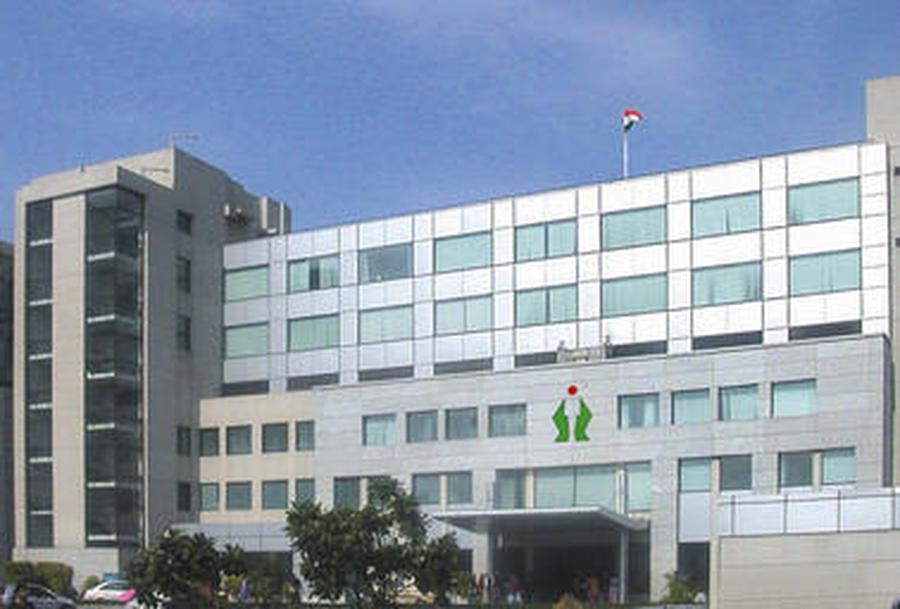


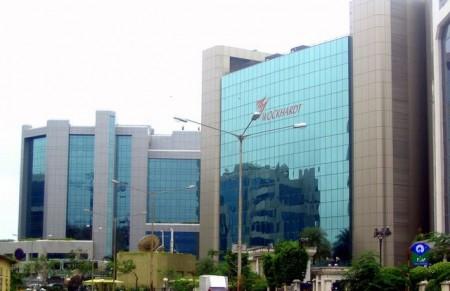
Wockhardt Hospital







أفضل مراكز جراحة العمود الفقري في الهند
- Artemis Hospitals, الهند
- Fortis Escorts Heart Institute, الهند
- Apollo Hospital Indraprastha, الهند
- Medanta Hospital, الهند
- Wockhardt Hospital, الهند
- Manipal Hospitals, الهند
- Global Hospital Chennai, الهند
- BLK Super Speciality Hospital, الهند
- Aster CMI Hospital, الهند
- Global Hospital Mumbai, الهند
احصل على تقييم طبي لـ جراحة العمود الفقري في الهند. استشر الآن 13 أطباء ذوي الخبرة.
عرض جميع الأطباء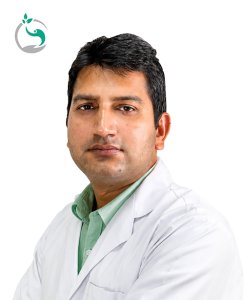
Gagan Deep Yadav
يعمل الدكتور غاغان ديب ياداف جرّاحًا لجراحة العظام والعمود الفقري في مستشفى سيلفرستريك في جورجاون. وهو حاصل على درجة MCh في جراحة العمود الفقري من معهد عموم الهند للعلوم الطبية في ريشيكيش. يُجري الدكتور ياداف تدخلات جراحية للعمود الفقري، تشمل استئصال القرص العنقي وجراحة الأقراص القطنية. ويعمل في منشأة معتمدة من اللجنة الدولية المشتركة (JCI).
- ألّف أكثر من 25 بحثًا مفهرسًا في PubMed حول أبحاث جراحة العظام والعمود الفقري.
- أكمل زمالة في استبدال المفاصل في مستشفى مارينغو آسيا.
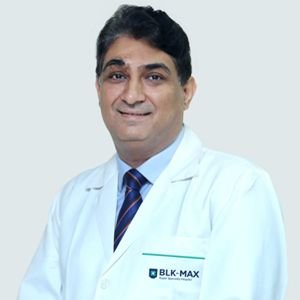
Puneet Girdhar

Chandra Mathankar Punjab
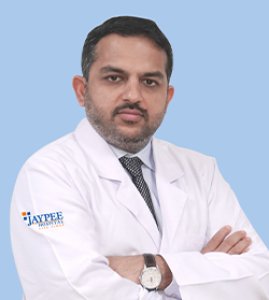
Pramod Saini
مشاركة المحتوى
قصص فيديو من مرضى Bookimed
 Anna Leonova
أسئلة متكررة حول جراحة العمود الفقري في الهند
ما مدى أمان جراحة العمود الفقري التي يتم إجراؤها في المستشفيات الهندية، وما هي الاعتمادات الدولية التي تحملها مراكز العمود الفقري؟
تعتبر جراحة العمود الفقري في المستشفيات الهندية من الدرجة الأولى آمنة للغاية. تصل معدلات النجاح إلى 85% إلى 95% لمعظم الإجراءات. تحمل المراكز الرائدة اعتمادات اللجنة الدولية المشتركة (JCI) وNABH. تستخدم هذه المرافق المساعدة الروبوتية والمراقبة العصبية في الوقت الفعلي. وهذا يضمن الدقة ويقلل من المخاطر الجراحية بشكل كبير.
- معدلات النجاح: تتراوح نسبة نجاح استئصال القرص المجهري من 90% إلى 95% في المراكز الهندية.
- بروتوكولات السلامة: تحافظ المرافق الرئيسية على معدلات عدوى منخفضة تبلغ حوالي 2.7% من خلال رقابة صارمة.
- الاعتمادات: تحمل مراكز مثل مستشفى أبولو إندرابراستا ومستشفيات أرتميس ختم الجودة الذهبي من JCI.
- المعايير الوطنية: يضمن NABH (المعتمد من ISQua) معايير رعاية صحية عالية الجودة في جميع أنحاء البلاد.
رؤية خبير Bookimed: يرتبط حجم المرضى ارتباطًا مباشرًا بالسلامة في الهند. تخدم مستشفيات مثل مانيبال وأبولو من مليون إلى مليوني مريض سنويًا. يسمح تكرار العمليات الجراحية العالي للفرق بصقل التقنيات للحالات المعقدة. على سبيل المثال، نجح مستشفى جلوبال مومباي في الجمع بين زراعة الكبد وعلاج السل الفقري. نادرًا ما توجد هذه الخبرة في المراكز ذات الحجم الأقل.
إجماع المرضى: غالبًا ما يجد المرضى أن الجراحين ذوي الخبرة الذين لديهم أكثر من 5000 حالة يقدمون نتائج أكثر أمانًا من أولئك الموجودين في العيادات الغربية. من المهم الإصرار على خطة إعادة تأهيل ما بعد الجراحة كجزء من باقتك للحصول على أفضل تعافٍ.
ما هي النتائج ومعدلات النجاح التي يمكن للمرضى الدوليين توقعها بعد جراحة العمود الفقري في الهند؟
عادةً ما يحقق المرضى الدوليون معدلات نجاح في جراحة العمود الفقري تتراوح بين 85% و95% في الهند. تستخدم المستشفيات الرائدة في دلهي ومومباي وبنغالورو المساعدة الروبوتية والتقنيات طفيفة التوغل. تتوافق هذه النتائج مع المعايير العالمية لتسكين الآلام والتحسن العصبي في حالات العمود الفقري المعقدة.
- نجاح الإجراء: تبلغ معدلات نجاح جراحات استئصال القرص المجهري وجراحة العمود الفقري العنقي أكثر من 90%.
- الجودة السريرية: تحافظ المرافق المعتمدة من قبل اللجنة الدولية المشتركة (JCI) على معدلات العدوى المكتسبة في المستشفيات أقل من 5%.
- جدول التعافي: غالبًا ما يقف المرضى في غضون 48 ساعة بعد الجراحة لتحسين النتائج.
- الرعاية المتخصصة: حقق مستشفى جلوبال في مومباي أول عملية زرع كبد وعمود فقري متزامنة في العالم.
رؤية خبير Bookimed: يعد حجم المرضى مؤشرًا رئيسيًا على الكفاءة الجراحية في الهند. تخدم مستشفيات مانيبال ومستشفى جلوبال في تشيناي 2,000,000 مريض سنويًا. يسمح هذا النطاق الهائل للجراحين بتحسين التقنيات لحالات العمود الفقري النادرة. غالبًا ما تقدم المراكز ذات الحجم الكبير نتائج طويلة المدى أكثر استقرارًا من العيادات الصغيرة.
إجماع المرضى: يؤكد المرضى أن النجاح يعتمد على البقاء في الهند لمدة 4 أسابيع على الأقل. العودة السريعة إلى الوطن قد تسبب انتكاسات. يلاحظ معظمهم تخفيفًا كبيرًا للألم والقدرة على المشي بعد فترة وجيزة من إجراء العملية.
هل جراحو العمود الفقري في الهند معتمدون من قبل المجلس الطبي ومعترف بهم من قبل الجمعيات المهنية الدولية؟
جراحو العمود الفقري في الهند الذين يشغلون مناصب في مستشفيات من الدرجة الأولى معتمدون من قبل المجلس الطبي ومعترف بهم عالميًا. يكمل معظمهم درجات الماجستير في جراحة العظام أو جراحة الأعصاب قبل متابعة زمالات متخصصة في العمود الفقري. غالبًا ما يحتفظ هؤلاء المتخصصون بعضويات في هيئات دولية مثل AO Spine أو جمعية أبحاث الجنف (Scoliosis Research Society).
- الشهادة الأساسية: يجب أن يحمل الجراحون درجات MS أو DNB المعترف بها من قبل المجلس الطبي الوطني.
- التخصص الدقيق: غالبًا ما يكمل الخبراء زمالة المجلس الوطني (FNB) لمدة عامين في جراحة العمود الفقري.
- اعتمادات المستشفيات: تحافظ المرافق الرائدة مثل مستشفيات Artemis ومستشفى Apollo Indraprastha على اعتماد JCI.
- الانتماءات الدولية: يشارك العديد من الجراحين في الجمعية الدولية لتقدم جراحة العمود الفقري.
رؤية خبير Bookimed: غالبًا ما يعوض الحجم السريري في الهند الاختلافات في هياكل المجلس الرسمية. على سبيل المثال، أجرى مستشفى Global Hospital Mumbai أول عملية زراعة كبد متزامنة مع علاج لسل العمود الفقري. تعالج المراكز ذات الحجم الكبير مثل مستشفيات Manipal مليوني مريض سنويًا. غالبًا ما تمنح هذه الترددات الهائلة للحالات الجراحين الهنود خبرة عملية أكثر من نظرائهم الغربيين.
إجماع المرضى: يشير المرضى إلى أن جراحي النخبة الهنود غالبًا ما يتمتعون بخبرة عملية أكبر بسبب أحجام الحالات العالية. يقترحون التحقق من خلفيات الزمالة الفردية في المؤسسات الدولية الكبرى لضمان أعلى المعايير.
ما هي التقنيات الجراحية (جراحة العمود الفقري طفيفة التوغل، الروبوتية، التنظيرية) التي يتم تقديمها، وما هي حالات المرضى التي تعالجها؟
تقدم المراكز الطبية الهندية جراحات متقدمة للعمود الفقري بالمنظار، والروبوتية، وجراحات العمود الفقري طفيفة التوغل (MISS) لعلاج الانزلاق الغضروفي، والجنف، وتضيق القناة الشوكية. تستخدم المرافق المعتمدة من قبل اللجنة الدولية المشتركة (JCI) مثل مستشفيات أرتميس ومستشفى أبولو إندرابراستا أدوات متخصصة لإزالة ضغط الأعصاب بدقة. تقلل هذه التقنيات بشكل كبير من أوقات التعافي مقارنة بالجراحة التقليدية.
- الجراحة التنظيرية: تستخدم شقوقاً أقل من 1 سم لعلاج الانزلاق الغضروفي وتخفيف عرق النسا.
- الجراحة بمساعدة الروبوت: تستخدم أنظمة Mazor X لوضع البراغي بدقة في تصحيح الجنف.
- الجراحة طفيفة التوغل: تعالج مرض القرص التنكسي من خلال ضامّات أنبوبية صغيرة وأنفاق.
- نطاق الحالات: تعالج البروتوكولات سل العمود الفقري، وانزلاق الفقرات، وكسور الانضغاط الفقري المعقدة.
رؤية خبير Bookimed: يتميز مستشفى جلوبال مومباي بدمج خبرة العمود الفقري مع زراعة الأعضاء المعقدة. كانوا أول من أجرى زراعة كبد عالمياً بالتزامن مع جراحة سل العمود الفقري. يعد اختيار العيادات ذات الخبرة متعددة التخصصات أمراً حيوياً للمرضى الذين يعانون من حالات صحية متعددة.
إجماع المرضى: يشير المرضى إلى أن اختيار الطرق طفيفة التوغل غالباً ما يسمح بالمشي بدون ألم في غضون 48 ساعة. يؤكد الكثيرون على استخدام استشارات الفيديو أولاً للتأكد مما إذا كانت حالتهم المحددة مؤهلة للنهج التنظيري مقابل الروبوتي.
ما هي المدة المعتادة للإقامة في المستشفى والإقامة الإجمالية في الهند لجراحة العمود الفقري، ومتى يمكن للمرضى السفر جواً إلى الوطن؟
يخضع المرضى عادةً لإقامة في المستشفى تتراوح من 2 إلى 7 أيام لجراحة العمود الفقري في الهند. تتراوح مدة الإقامة الإجمالية في البلاد من 10 إلى 21 يوماً. تعتمد الأهلية للسفر جواً على مدى تعقيد الإجراء. يتم السماح لمعظم المسافرين بالسفر جواً بعد 7 إلى 14 يوماً من العملية.
- جراحة طفيفة التوغل: تستغرق الإقامة من 1 إلى 3 أيام. غالباً ما يسافر المرضى إلى الوطن بعد 10 أيام.
- دمج الفقرات: تتطلب من 3 إلى 5 أيام كإقامة داخلية. الإقامة الإجمالية من 14 إلى 21 يوماً هي المعيار.
- توقيت إعادة التأهيل: غالباً ما يبدأ التأهيل المكثف في غضون 48 ساعة. يساعد هذا المرضى على المشي دون مساعدة في وقت أقرب.
- تصريح السفر جواً: يصدر الجراحون شهادة اللياقة للطيران (Fit to Fly) في غضون 3 أيام قبل المغادرة.
رؤية خبير Bookimed: تخدم أكبر الشبكات الطبية في الهند، مثل Apollo وManipal، أكثر من 1,000,000 مريض سنوياً. يسمح هذا الحجم الهائل لهذه المراكز بالحفاظ على فرق علاج طبيعي في الموقع متخصصة تحديداً في التعافي الدولي للعمود الفقري. غالباً ما يحقق المرضى في هذه المرافق ذات القدرة العالية معالم الحركة بنسبة 20% أسرع من المتوسط الإقليمي. يمكن لهذا التركيز المتخصص أن يقصر إقامتك الإجمالية في الهند بعدة أيام.
إجماع المرضى: يلاحظ المرضى أن التعافي يبدو أسرع بسبب الرعاية التمريضية المكثفة والعلاج الطبيعي المبكر. يوصي الكثيرون بحجز رحلات عودة مرنة في حال الحاجة إلى أيام تعافي إضافية قبل رحلة العودة الطويلة إلى الوطن.
ما هي المضاعفات التي يجب أن يكون المرضى على دراية بها، وكيف يتم إدارتها من قبل فرق العمود الفقري الهندية؟
تدير فرق العمود الفقري الهندية المضاعفات المحتملة مثل إصابة الأعصاب والعدوى من خلال بروتوكولات ذات معدل نجاح يصل إلى 95%. تستخدم المراكز المعتمدة من قبل JCI أنظمة روبوتية ومراقبة عصبية أثناء الجراحة لحماية الحبل الشوكي. تعمل المضادات الحيوية الوقائية والتحريك المبكر بعد الجراحة على تقليل المخاطر بشكل كبير للمرضى الدوليين الذين يتلقون رعاية متخصصة.
- حماية الأعصاب: تمنع المراقبة العصبية أثناء الجراحة (IONM) الإصابات أثناء إجراءات العمود الفقري المعقدة.
- مكافحة العدوى: تقلل التقنيات المعقمة الصارمة والمضادات الحيوية الوريدية الوقائية من المخاطر في موقع الجراحة.
- الوقاية من الجلطات: يحافظ التحريك المبكر والوقاية بالهيبارين على معدلات تجلط الدم أقل من 1%.
- إصلاح الجافية: يستخدم الجراحون غراء الفيبرين أو الخياطة المباشرة لإصلاح التسربات بشكل فوري ومحكم.
رؤية خبير Bookimed: تشير بيانات المرضى إلى أن المراكز ذات الحجم الكبير مثل مستشفى جلوبال مومباي تحقق غالبًا نتائج أفضل من خلال الجمع بين التخصصات. كانوا أول من أجرى عملية زراعة كبد وعلاج لسل العمود الفقري في وقت واحد على مستوى العالم. يساعد اختيار منشأة حاصلة على اعتماد NABH وذات حجم جراحي ثابت في ضمان أن الأجهزة والغرسات المستخدمة من علامات تجارية دولية معترف بها.
إجماع المرضى: يؤكد المرضى على ضرورة التوقف عن التدخين قبل 8 أسابيع من الجراحة لتجنب فشل الاندماج. كما يجدون أن بدء العلاج الطبيعي في اليوم الأول أمر حيوي للتعافي الآمن.
ما هي المدن أو مراكز العمود الفقري في الهند الأكثر شعبية لدى المرضى الدوليين، وما هي خدمات الدعم اللوجستي المتاحة في تلك المواقع؟
تشمل مراكز العمود الفقري الرائدة في الهند دلهي، ومومباي، وبنغالورو، وجورجاون، وتشيناي. توفر هذه المدن مرافق معتمدة من JCI مثل مستشفى أبولو إندرابراستا ومستشفى جلوبال تشيناي. يحصل المرضى على جراحات روبوتية وتشخيصات متقدمة. تدير الأقسام الدولية المخصصة التأشيرات الطبية، وخدمات النقل من المطار، وخدمات الترجمة متعددة اللغات لضمان رعاية سلسة.
- دلهي وجورجاون: توفر مستشفيات أرتميس وميدانتا رعاية ذات حجم كبير مع أكثر من 10,000 حالة عمود فقري دولية سنويًا.
- بنغالورو: تقدم مستشفيات مانيبال أكثر من 50 عامًا من الخبرة. وتخدم 2,000,000 مريض سنويًا من الخارج.
- تشيناي: يتميز مستشفى جلوبال تشيناي بمعدلات عدوى أقل ورحلات طيران مباشرة من الشرق الأوسط.
- المساعدة الإدارية: تساعد العيادات في دعوات التأشيرة الإلكترونية، ومعالجة المستندات، والتنسيق مع السفارات المحلية.
- الراحة في الموقع: توفر المرافق مترجمين على مدار الساعة طوال أيام الأسبوع للغة العربية أو الروسية وخيارات وجبات تراعي الثقافات.
رؤية خبير Bookimed: تظهر البيانات ميزة لوجستية واضحة في دلهي وجورجاون. تعمل المجمعات الكبيرة مثل ميدانتا وأرتميس كمدن طبية. وهي تستضيف مراكز أبحاث وأقسامًا متخصصة في الأعصاب والعمود الفقري في موقع واحد. هذا التركيز يقلل من السفر المحلي للمرضى. وهو مثالي لأولئك الذين يعانون من محدودية الحركة قبل جراحة العمود الفقري.
إجماع المرضى: يؤكد المرضى على الحجز من خلال مكاتب مستشفيات معينة لتأمين خدمات نقل مجمعة من المطار إلى الفندق. ك