التهاب المفاصل التنكسي أو الفصال العظمي العلاج في الهند - التكاليف 2026


تمت مراجعة المقالة طبيا من قبل
فهد مولود
ما هي تكلفة التهاب المفاصل التنكسي أو الفصال العظمي إجراءات التشخيص والعلاج في الهند؟ اعرف الآن
Osteoarthritis treatment cost in India typically involves diagnostic imaging like X-rays or localized MRIs, while primary surgical interventions such as knee replacement run from $5,000 to $5,500. Total expenses depend on the disease stage, implant quality, and hospital tier. Patients can achieve 60-80% savings compared to the United States. Leading medical centers for this treatment are located in Delhi, Gurgaon, and Bengaluru.
Typical Osteoarthritis Treatment Costs in India
- Knee replacement: $5,000 – $5,500
- Knee arthroscopy: $2,200 – $3,500
- Osteoarthritis stem cell treatment: $2,800 – $5,000
- Stem cell therapy for knees: $2,800 – $4,500
- MAKOplasty: $5,200 – $7,300
- Curcumin IV therapy: $900 – $2,000
Bookimed Expert Insight: Patients seeking long-term relief from advanced joint degeneration should prioritize robotic-assisted options. Centers like Altrus Healthcare utilize MAKOplasty to improve implant precision. For those exploring non-surgical alternatives, RegenOrthoSport India offers ultrasound-guided PRP and stem cell therapies. International departments at JCI-accredited hospitals, such as Apollo Indraprastha, provide specialized support and transparent pricing for overseas patients.
| الهند | تركيا | إسبانيا | |
|---|---|---|---|
| علاج التهاب المفاصل التنكسي بالخلايا الجذعية | ≈ $2,800 | ≈ $2,500 | ≈ $2,800 |
| جراحة ماكوبلاستي Makoplasty | ≈ $5,200 | من $9,000 | ≈ $9,800 |
| تنظير مفصل الركبة | ≈ $2,200 | من $2,500 | من $10,100 |
| انسداد الشريان الركبي | ≈ $3,200 | من $16,000 | ≈ $3,600 |
| العلاج بالخلايا الجذعية للركبتين | ≈ $2,800 | من $4,000 | من $35,000 |
مزاياك وضماناتك مع Bookimed
أسعار مباشرة
Bookimed لا يضيف رسوماً إضافية على أسعار علاج التهاب المفاصل التنكسي أو الفصال العظمي. الأسعار مأخوذة من قوائم الأسعار الرسمية للعيادات. تدفع مباشرة في العيادة مقابل علاجك عند وصولك إلى البلد.
عيادات وأطباء معتمدون فقط
Bookimed ملتزم بسلامتك. نحن نعمل فقط مع المؤسسات الطبية التي تحافظ على معايير دولية عالية في علاج التهاب المفاصل التنكسي أو الفصال العظمي ولديها التراخيص اللازمة لخدمة المرضى الدوليين في جميع أنحاء العالم.
مساعدة مجانية على مدار الساعة
Bookimed يقدم مساعدة خبراء مجانية. منسق طبي شخصي يدعمك قبل وأثناء وبعد العلاج، ويحل أي مشاكل. لن تكون وحيداً أبداً في رحلة علاج التهاب المفاصل التنكسي أو الفصال العظمي.

منسقك الطبي الشخصي في Bookimed
- يدعمك في كل مرحلة
- المساعدة في اختيار العيادة الطبية المناسبة والطبيب المناسب
- يضمن الوصول السريع والمريح إلى المعلومات
اكتشف أفضل التهاب المفاصل التنكسي أو الفصال العظمي العيادات في الهند: 12 خيارات معتمدة والأسعار














Dr. Rela Institute & Medical Centre
احصلوا على تقييم طبي لـ التهاب المفاصل التنكسي أو الفصال العظمي في الهند: استشيروا أطباء ذوي خبرة الآن
عرض جميع الأطباء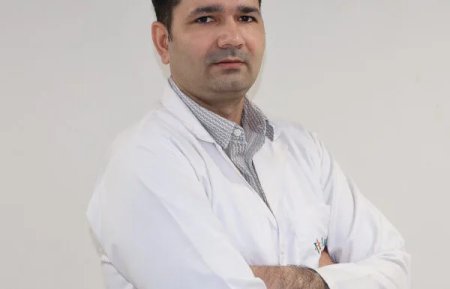
Sunil Sehrawat
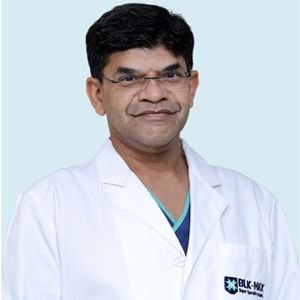
Ishwar Bohra
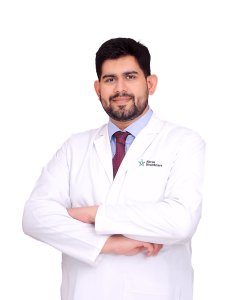
Sarthak Walia
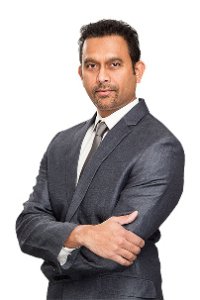
Venkatesh Movva
مواد ذات صلة

العلاج بالخلايا الجذعية لالتهاب المفاصل العظمي: حل مبتكر لراحة دائمة
كتب بواسطة Mariia Mytrofankina
مشاركة المحتوى
قصص فيديو من مرضى Bookimed
 Anna Leonova
أسئلة متكررة حول علاج التهاب المفاصل التنكسي أو الفصال العظمي في الهند
ما هي خيارات العلاج الأساسية لالتهاب المفاصل العظمي في الهند؟
تقدم الهند مجموعة شاملة من علاجات التهاب المفاصل العظمي. وتشمل هذه الإدارة التحفظية، والعلاجات التجديدية مثل البلازما الغنية بالصفائح الدموية (PRP) والخلايا الجذعية، والتدخلات الجراحية المتقدمة. تستخدم المراكز المعتمدة من JCI أنظمة روبوتية مثل Da Vinci وMAKOplasty لاستبدال المفاصل بدقة عالية وإدارة آلام المفاصل.
- الطب التجديدي: تشمل الخيارات PRP وعلاجات الخلايا الجذعية الوسيطة المعتمدة من DCGI لإصلاح الغضاريف في المراحل المبكرة.
- التميز الجراحي: يقوم الجراحون بإجراء عمليات استبدال مفصل الركبة بالكامل بمساعدة الروبوت وMAKOplasty لأوقات تعافي أسرع.
- جراحة طفيفة التوغل: يوفر تنظير الركبة والاستئصال بالترددات الراديوية الراحة عن طريق إزالة الحطام أو تعطيل الأعصاب.
- التكامل التقليدي: غالبًا ما تجمع المرافق بين الطب القائم على الأدلة وPanchakarma الأيورفيدي وبرامج العلاج الطبيعي المتخصصة.
رؤية خبير Bookimed: حجم المرضى هو مؤشر أساسي للجودة في جراحة العظام الهندية. تخدم مستشفيات Manipal وApollo أكثر من 1,000,000 مريض سنويًا. يسمح هذا التردد العالي للجراحين مثل الدكتور Anchit Uppal بصقل التقنيات في استبدال المفاصل المعقدة. بالنسبة للمرضى الذين يبحثون عن الكفاءة، توفر المراكز متعددة التخصصات مثل Global Hospital Mumbai تشخيصات متكاملة تقلل من الجداول الزمنية قبل الجراحة.
إجماع المرضى: يؤكد المرضى على بدء العلاج الطبيعي وفقدان الوزن فورًا لتأخير الجراحة. يلاحظ الكثيرون أن الجراحين ذوي الحالات الكثيرة يقدمون نتائج أفضل ووظيفة مف
ما هي المستشفيات في الهند المعترف بها دوليًا لعلاج هشاشة العظام؟
تضم الهند العديد من المستشفيات المعتمدة من قبل اللجنة الدولية المشتركة (JCI) والمصنفة من قبل مجلة نيوزويك والمعترف بها لعلاج هشاشة العظام. تستخدم مرافق مثل Artemis وManipal وApollo الجراحة بمساعدة الروبوت لاستبدال المفاصل بدقة. توفر هذه المراكز علاجات متقدمة مثل MAKOplasty والعلاج بالخلايا الجذعية إلى جانب إعادة التأهيل العظمي المتخصص.
- معايير الاعتماد: تحمل معظم المرافق من الدرجة الأولى اعتمادات JCI وNABH للسلامة.
- الدقة الروبوتية: تستخدم مستشفيات Manipal أنظمة Stryker MAKO لدقة جراحية دون المليمتر.
- حجم كبير: يخدم Apollo Indraprastha مليون مريض سنويًا بوحدات عظمية متخصصة.
- تقنيات متقدمة: تقدم العيادات زراعة الغضروف المفصلي لتعزيز تجديد المفاصل الطبيعي.
رؤية خبير Bookimed: تظهر البيانات أن الاختيار بين بنغالورو ونيودلهي يؤثر على خيارات التعافي. يسجل مستشفى Manipal في بنغالورو بعضًا من أدنى معدلات العدوى في الهند لاستبدال المفاصل. وفي الوقت نفسه، يدمج Medanta في جورجاون مركز أبحاث كامل للحالات العظمية المعقدة وغير القياسية.
إجماع المرضى: يشير المرضى إلى أن المستشفيات الكبرى توفر تنسيقًا سلسًا من الفحوصات إلى العلاج الطبيعي. ويؤكدون أن وحدات إعادة التأهيل المهنية تسرع بشكل كبير من عودتهم إلى المشي.
هل الجراحة ضرورية دائمًا لالتهاب المفاصل العظمي في المرحلة 3 أو 4؟
الجراحة ليست إلزامية لالتهاب المفاصل المتقدم. يدير العديد من المرضى أعراض المرحلتين 3 و 4 من خلال العلاجات التحفظية. يعتمد العلاج على مستويات الألم والحركة اليومية. يقترح الأطباء الجراحة عندما تفشل الخيارات غير الغازية. تقدم العيادات المتخصصة في الهند بدائل تجديدية وأخرى طفيفة التوغل.
- العلاج التجديدي: تهدف حقن الخلايا الجذعية إلى إدارة الألم بشكل طبيعي.
- خيارات طفيفة التوغل: يعمل انصمام الشريان الركبي على تقليل التهاب المفاصل المزمن.
- التشخيص المتقدم: تؤكد الأشعة السينية والتصوير بالرنين المغناطيسي المستوى الفعلي لتلف المفاصل.
- المزلقات القابلة للحقن: تعمل حقن هلام حمض الهيالورونيك على تحسين الحركة دون جراحة غازية.
رؤية خبير Bookimed: تظهر بيانات حجم المرضى تحولًا نحو الأنظمة المساعدة بالروبوت. تعالج مرافق مثل مستشفيات مانيبال ومستشفيات أرتميس الملايين سنويًا. تستخدم هذه المراكز التكنولوجيا الروبوتية لتحسين الدقة. غالبًا ما تؤدي الدقة العالية إلى أوقات تعافي أسرع للمرضى. يعطي الجراحون المحترفون في الهند الآن الأولوية لتقنيات الحفاظ على المفاصل قبل التفكير في الاستبدال الكامل.
إجماع المرضى: غالبًا ما يشعر المرضى بالارتياح عند اكتشاف أنه يمكنهم تأجيل الجراحة. يلاحظ الكثيرون أن فقدان الوزن والعلاج الطبيعي المحدد قلل بشكل كبير من انزعاجهم اليومي.
ما هي تغييرات نمط الحياة التي يوصي بها الأخصائيون الهنود للتعامل مع الفصال العظمي؟
يوصي الأخصائيون الهنود بنهج متعدد التخصصات يركز على تقليل الوزن، وممارسة التمارين منخفضة التأثير، والتغذية المضادة للالتهابات. تهدف تغييرات نمط الحياة هذه إلى الحفاظ على وظيفة المفاصل وتأخير الحاجة إلى جراحة استبدال الركبة. تدمج العديد من المرافق المعتمدة من NABH في دلهي وبنغالور هذه العادات في بروتوكولات التعافي.
- التحكم في الوزن: فقدان 5% إلى 10% من وزن الجسم يقلل بشكل كبير من الضغط على الركبة.
- نشاط محدد: يقترح الأطباء 30 دقيقة من المشي على سطح مستوٍ أو السباحة يومياً.
- الممارسات القديمة: اليوغا منخفضة التأثير مثل الهاثا يوغا تحسن المرونة والتوازن.
- الأطعمة الأساسية: يساعد شاي الكركم والزنجبيل اليومي في السيطرة على تورم المفاصل بشكل طبيعي.
رؤية خبير Bookimed: بينما يركز العديد من المرضى على مكملات معينة، تظهر بياناتنا اتجاهاً نحو الرعاية المتكاملة في المراكز الكبرى مثل مستشفى جلوبال وميدانتا. تخدم هذه المؤسسات أكثر من 20,000 مريض سنوياً وتجمع بشكل متزايد بين العلاجات الدوائية والعلاج بالخلايا الجذعية أو بروتوكولات الكركمين الوريدي. غالباً ما يؤدي هذا النهج الشامل إلى درجات رضا أعلى في عيادات بنغالور وجورجاون مقارنة بالمراكز التي تركز فقط على التدخلات الجراحية التقليدية.
إجماع المرضى: غالباً ما يؤكد المرضى أن الانتقال إلى المقاعد ذات الطراز الغربي وتقليل صعود السلالم يوفر راحة يومية فورية. يبلغ الكثيرون أن الإضافات البسيطة مثل حليب الكركم وبذور الحلبة تساعد في السيطرة على التورم بشكل أفضل من الأدوية وحدها.
هل يمكن للطب الأيورفيدي المساعدة في علاج هشاشة العظام؟
يساعد الطب الأيورفيدي في إدارة هشاشة العظام عن طريق تقليل التهاب المفاصل والألم من خلال العلاجات العشبية. تشير الأبحاث إلى أن العلاجات النباتية مثل شالاكي والكركمين تحسن القدرة على الحركة. تكون هذه الأساليب الطبيعية أكثر فعالية عند دمجها في خطط رعاية تقويم العظام الشاملة في المراكز الطبية الهندية المعتمدة من قبل اللجنة الدولية المشتركة (JCI).
- مضادات الالتهاب العشبية: يعمل شالاكي والكركمين على سد مسارات الالتهاب لإبطاء تلف الغضاريف.
- العلاجات اليدوية: يستخدم جانو باستي وأبهيانجا زيوتًا طبية دافئة لتخفيف التيبس.
- التطهير الجهازي: تهدف إجراءات بانشاكارما مثل فيريشانا إلى تقليل التهاب الجسم بشكل عام.
- الرعاية التكميلية: يوصي معظم المتخصصين باستخدام الأيورفيدا جنبًا إلى جنب مع العلاجات الطبية القياسية لتقويم العظام.
رؤية خبير Bookimed: غالبًا ما يختار المرضى الهند لأن المستشفيات الكبرى مثل مستشفيات مانيبال ومستشفيات أرتميس تمزج بين الخبرة التقليدية والتشخيصات الحديثة. في حين تخدم هذه العيادات ملايين المرضى، فإن دمج الأيورفيدا يعمل بشكل أفضل عند تنسيقه مع جراح. وهذا يضمن عدم تداخل المكملات العشبية مع الإجراءات المتقدمة مثل العلاج بالخلايا الجذعية أو الجراحة بمساعدة الروبوت.
إجماع المرضى: يلاحظ المرضى أن الجمع بين تدليك الزيت الدافئ والتمارين الموصوفة يقلل بشكل كبير من تيبس الصباح. يؤكد الكثيرون أن العلاجات العشبية توفر بديلاً أكثر لطفًا لإدارة الألم على المدى الطويل مقارنة ببعض الحبوب القياسية.
ما هي التكنولوجيا المتقدمة المتاحة في الهند لجراحة استبدال المفاصل؟
توفر الهند تكنولوجيا متقدمة لاستبدال المفاصل بما في ذلك الأنظمة الروبوتية مثل CUVIS و Mako للحصول على دقة جراحية دون المليمتر. تستخدم المراكز الطباعة ثلاثية الأبعاد للغرسات المخصصة والنماذج ما قبل الجراحة. تتوفر أطراف صناعية متخصصة عالية المرونة ومحددة حسب الجنس في المرافق المعتمدة من JCI لتحسين الحركة الطبيعية.
- المساعدة الروبوتية: يقوم مفصل CUVIS بإجراء عمليات قطع تلقائية بدقة أقل من 0.5 مم.
- الغرسات الشخصية: تتطابق الغرسات المصنوعة من التيتانيوم المطبوعة ثلاثية الأبعاد مع هندسة عظام المريض بدقة.
- الواقع المعزز: تعرض نظارات الواقع المعزز زوايا ثلاثية الأبعاد في الوقت الفعلي لعمليات قطع عظمية دقيقة للغاية.
- الأطراف الصناعية المتقدمة: تسمح الركبتان عاليتي المرونة بحركة تصل إلى 155 درجة للقرفصاء.
رؤية خبير Bookimed: بينما يبحث الكثيرون عن أحدث الروبوتات، تكمن ميزة الهند في الجمع بين الطباعة ثلاثية الأبعاد والخبرة الجراحية عالية الحجم. يستخدم مستشفى Aster CMI وغيره النمذجة ثلاثية الأبعاد لتقليل وقت العملية بنسبة 25%. هذا النهج فعال بشكل خاص لجراحات المراجعة المعقدة حيث يتطلب فقدان العظام حلاً مخصصاً.
إجماع المرضى: يلاحظ المرضى أن الجراحة الروبوتية تسمح لهم بالمشي في غضون 4 ساعات من الإجراء. إنهم يقدرون كيف تؤدي هذه التقنيات إلى ندبات أصغر وعودة أسرع بكثير إلى الأنشطة اليومية مقارنة بالطرق اليدوية.
ما هم المرضى المؤهلون للعلاج البيولوجي أو العلاج بالخلايا الجذعية لالتهاب مفاصل الركبة في الهند؟
المرضى الذين يعانون من التهاب مفاصل الركبة الخفيف إلى المتوسط والمصنفين ضمن الدرجة 2 أو 3 وفق مقياس كيلغرين-لورانس هم المرشحون الأساسيون. تتطلب الأهلية فشل العلاجات التحفظية مثل العلاج الطبيعي أو الأدوية. يجب أن يكون لدى المرشحين غضروف متبقي كافٍ. غالبًا ما يخدم هذا العلاج الأفراد النشطين تحت سن 50 عامًا الذين يهدفون إلى تأجيل الجراحة.
- حالة الغضروف: يتطلب التهاب مفاصل من الدرجة 2 أو 3 مع وجود غضروف متبقي يمكن اكتشافه.
- تاريخ العلاج: يجب ألا يظهر المرشحون أي تحسن بعد 6 أشهر من الرعاية التحفظية.
- الصحة البدنية: تتطلب الأهلية عادةً مؤشر كتلة جسم (BMI) أقل من 30 أو 35.
- معايير الاستبعاد: المرضى الذين يعانون من تلامس العظم بالعظم من الدرجة 4 أو تشوهات شديدة غير مؤهلين.
رؤية خبير Bookimed: تتعامل المراكز المتقدمة مثل مستشفى جلوبال في تشيناي ومستشفيات مانيبال مع ملايين المرضى سنويًا. تظهر البيانات أن المرافق الهندية ذات الحجم الكبير تعطي الأولوية للبلازما الغنية بالصفائح الدموية (PRP) على الخلايا الجذعية من أجل كفاءة التكلفة. غالبًا ما يتلقى المرضى علاجات بيولوجية كجزء من خطة متعددة الوسائط تشمل التشخيص بمساعدة الروبوت. يضمن هذا النهج تطبيق العلاجات فقط عندما يتم تأكيد استقرار المفصل عن طريق التصوير.
إجماع المرضى: يشير المرضى إلى أنه من الضروري تأكيد درجة التهاب المفاصل لديك عبر التصوير بالرنين المغناطيسي أولاً. يقترح الكثيرون رؤية جراحين يقومون أيضًا بإجراء عمليات الاستبدال للحصول على رأي غير متحيز بشأن الأهلية.