علاج التهاب المفاصل التنكسي أو الفصال العظمي في هنغاريا: 2 مستشفيات


تمت مراجعة المقالة طبيا من قبل
فهد مولود
ما هي تكلفة التهاب المفاصل التنكسي أو الفصال العظمي إجراءات التشخيص والعلاج في هنغاريا؟ اعرف الآن
مزاياك وضماناتك مع Bookimed
أسعار مباشرة
Bookimed لا يضيف رسوماً إضافية على أسعار علاج التهاب المفاصل التنكسي أو الفصال العظمي. الأسعار مأخوذة من قوائم الأسعار الرسمية للعيادات. تدفع مباشرة في العيادة مقابل علاجك عند وصولك إلى البلد.
عيادات وأطباء معتمدون فقط
Bookimed ملتزم بسلامتك. نحن نعمل فقط مع المؤسسات الطبية التي تحافظ على معايير دولية عالية في علاج التهاب المفاصل التنكسي أو الفصال العظمي ولديها التراخيص اللازمة لخدمة المرضى الدوليين في جميع أنحاء العالم.
مساعدة مجانية على مدار الساعة
Bookimed يقدم مساعدة خبراء مجانية. منسق طبي شخصي يدعمك قبل وأثناء وبعد العلاج، ويحل أي مشاكل. لن تكون وحيداً أبداً في رحلة علاج التهاب المفاصل التنكسي أو الفصال العظمي.

منسقك الطبي الشخصي في Bookimed
- يدعمك في كل مرحلة
- المساعدة في اختيار العيادة الطبية المناسبة والطبيب المناسب
- يضمن الوصول السريع والمريح إلى المعلومات
اكتشف أفضل التهاب المفاصل التنكسي أو الفصال العظمي العيادات في هنغاريا: 2 خيارات معتمدة والأسعار


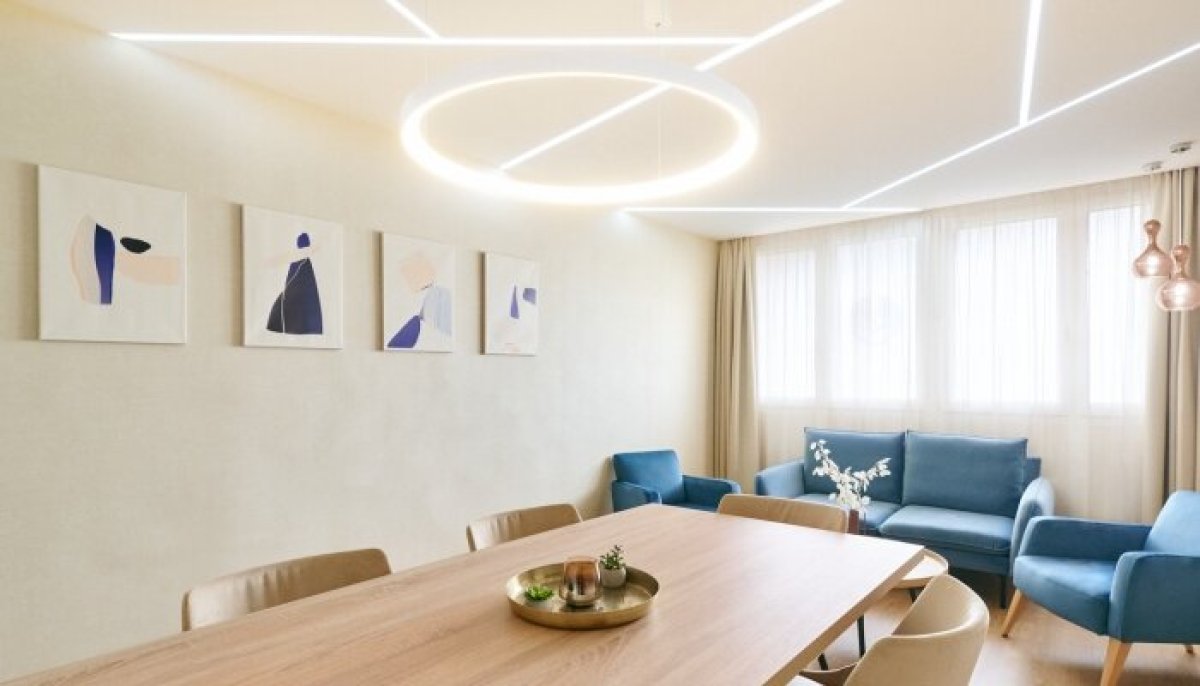
Hotel Europa Fit Superior
مواد ذات صلة

العلاج بالخلايا الجذعية لالتهاب المفاصل العظمي: حل مبتكر لراحة دائمة
كتب بواسطة Mariia Mytrofankina
مشاركة المحتوى
قصص فيديو من مرضى Bookimed
 Anna Leonova
أسئلة متكررة حول علاج التهاب المفاصل التنكسي أو الفصال العظمي في هنغاريا
ما هي المستشفيات الأعلى تقييماً لجراحة العظام في المجر؟
تشمل مستشفيات العظام الأعلى تقييماً في المجر مستشفى Medicover Hospital Hungary ومستشفى Dr. Rose Private Hospital. تحمل هذه المرافق التي تتخذ من بودابست مقراً لها شهادات ISO 9001 وتوظف جراحين يتمتعون بخبرة تزيد عن 30 عاماً. وهي متخصصة في استبدال الورك والركبة باستخدام تقنيات طفيفة التوغل لعلاج هشاشة العظام.
- Medicover Hospital Hungary: يتميز بفرق جراحية معتمدة من ISO مع أكثر من 30 عاماً من الخبرة السريرية.
- Dr. Rose Hospital: يوفر رعاية شاملة للمفاصل في بيئة خاصة فاخرة من فئة الخمس نجوم.
- Emineo Private Hospital: يستضيف أول مركز للجراحة الروبوتية للعظام في المجر باستخدام تقنية ROSA.
- Uzsoki Street Hospital: يعمل كمركز طبي متميز تابع للفيفا لإعادة بناء الغضاريف.
رؤية خبراء Bookimed: تظهر البيانات أن المستشفيات الخاصة المجرية مثل Medicover Hospital Hungary توفر ميزة خبرة كبيرة. غالباً ما يتمتع جراحوهم بخبرة تزيد عن 30 عاماً. وهذا يتجاوز متوسط الخبرة الموجود في العديد من العيادات الخاصة في أوروبا الغربية. إن الجمع بين الممارسة السريرية طويلة الأمد وبروتوكولات السلامة المعتمدة من ISO يجعل من بودابست مركزاً عالي القيمة لجراحات المفاصل المعقدة.
إجماع المرضى: يلاحظ المرضى أن العيادات الخاصة في بودابست توفر وصولاً أسرع بكثير من المستشفيات العامة. ويشيرون إلى أن الجراحين غالباً ما يكون لديهم زمالات دولية، لكنهم يقترحون الحجز مبكراً لأن المواعيد تمتلئ بسرعة خلال مواسم الذروة.
هل الحمامات الحرارية المجرية فعالة حقًا لعلاج الفصال العظمي؟
تعالج الحمامات الحرارية المجرية الفصال العظمي بفعالية من خلال مزيج فريد من المياه الغنية بالمعادن والحرارة. تؤكد الأدلة العلمية أنها تقلل من آلام المفاصل المزمنة وتحسن القدرة على الحركة. يساعد الكبريت والمعادن في تثبيط الإنزيمات التي تسبب تآكل الغضاريف. غالبًا ما تستمر التأثيرات السريرية لمدة تصل إلى ثلاثة أشهر.
- التأثير المعدني: توفر المياه الغنية بالكبريت فوائد مضادة للالتهابات ومضادة للأكسدة للمفاصل.
- الراحة الجسدية: تعمل الحرارة التي تتراوح بين 33-36 درجة مئوية على استرخاء العضلات وزيادة تدفق الدم الموضعي.
- حركة المفاصل: يقلل طفو الماء من حمل الوزن لتحسين نطاق الحركة.
- تقليل الألم: يحفز الغمر إفراز بيتا-إندورفين ويخفض مستويات السيتوكينات الالتهابية.
رؤية خبير Bookimed: بينما يزور العديد من المرضى بودابست، توفر بحيرة هيفيز ميزة متميزة لعلاج الفصال العظمي. يحتوي طينها الحراري الطبيعي على معادن مركزة تحتفظ بالحرارة لفترة أطول من الماء. تظهر البيانات من المواقع المجرية أن الغمر بالإضافة إلى المشي في المسبح يوفر راحة أكثر ديمومة. هذا المزيج أكثر فعالية من النقع السلبي وحده.
إجماع المرضى: يشير الكثيرون إلى أن دورة علاجية لمدة 10-14 يومًا من النقع اليومي توفر أفضل النتائج. يقترحون تحديد الجلسات بـ 20 دقيقة لتجنب الإرهاق والحفاظ على رطوبة الجسم بين الحمامات.
ما هي العلاجات غير الجراحية الأخرى المتاحة في المجر؟
تتركز العلاجات غير الجراحية في المجر على الطب التجديدي والعلاجات الفيزيائية المتخصصة لصحة المفاصل. يمكن للمرضى الوصول إلى علاج البلازما الغنية بالصفائح الدموية (PRP)، وحقن حمض الهيالورونيك، والعلاج بالموجات التصادمية. تدير هذه الخيارات أعراض هشاشة العظام وتحسن حركة المفاصل دون تدخل جراحي غازي في مرافق معتمدة من ISO.
- الحقن التجديدية: تستهدف علاجات PRP والخلايا الجذعية إصلاح الأنسجة في المفاصل.
- مكملات اللزوجة: توفر حقن حمض الهيالورونيك التوسيد والتشحيم للركبتين المصابتين بالتهاب المفاصل.
- العلاج بالموجات التصادمية: تعمل موجات الطاقة خارج الجسم على تقليل الالتهاب وتحفيز عمليات الشفاء المحلية.
- العلاج بالحمامات الحرارية: توفر الحمامات المعدنية ذات الدرجة الطبية فوائد طبيعية مضادة للالتهابات للألم المزمن.
رؤية خبير Bookimed: تشير بياناتنا إلى معايير جودة عالية في مراكز مثل مستشفى ميديكوفر المجر (Medicover Hospital Hungary). يحافظ هذا المرفق على شهادة ISO 9001 للسلامة والموثوقية. بينما يسعى الكثيرون للحصول على PRP لتخفيف الألم، يتمتع المتخصصون المتمرسون هنا بأكثر من 30 عاماً من الخبرة الجراحية. تضمن هذه الخبرة تحديدهم بدقة متى تظل المسارات غير الجراحية قابلة للتطبيق. تمنع هذه الخلفية السريرية العميقة المرضى من الإفراط في الاستثمار في العلاجات إذا كانت الجراحة مطلوبة في النهاية.
إجماع المرضى: يجد المرضى أن حقن PRP فعالة لتوفير حوالي 9 أشهر من الراحة في الحالات الخفيفة. يوصي الكثيرون بدمج العلاجات السريرية مع الحمامات الحر
ما الذي يجب أن أتوقعه خلال الاستشارة الأولى لالتهاب المفاصل العظمي؟
تشمل استشارات التهاب المفاصل العظمي في المجر مراجعة التاريخ الطبي وفحصاً بدنياً. يقوم الأطباء بتقييم نطاق حركة المفاصل وأي إحساس بالاحتكاك. يجب أن تتوقع إجراء تصوير تشخيصي مثل الأشعة السينية للتحقق من وجود نتوءات عظمية. غالباً ما توفر عيادات بودابست متخصصين لديهم أكثر من 30 عاماً من الخبرة الجراحية.
- التقييم البدني: يقوم المتخصصون بإجراء اختبارات نطاق الحركة والتحقق من وجود تورم في المفاصل.
- التصوير التشخيصي: تحدد الأشعة السينية تضيق مساحات المفاصل وفقدان الغضاريف.
- التقييم الوظيفي: يراقب الأطباء مشيتك واستقرارك أثناء الحركات البسيطة.
- تخطيط العلاج: تغطي المناقشات إدارة الوزن، والعلاج الطبيعي، وحقن المفاصل.
رؤية خبراء Bookimed: تحافظ مستشفيات بودابست مثل مستشفى ميديكوفر المجر على شهادات الأيزو (ISO) التي تضمن معايير سلامة عالية. تظهر البيانات أن هذه المرافق غالباً ما توظف جراحين لديهم أكثر من 30 عاماً من الخبرة. هذه الخبرة العميقة حاسمة للتمييز بين التهاب المفاصل العظمي والحالات الالتهابية الأكثر تعقيداً. إن إحضار الفحوصات السابقة يمكن أن يسرع العملية في هذه البيئات الخاصة عالية الكفاءة.
إجماع المرضى: يشير المرضى إلى أن الاستشارات الخاصة تتم بسرعة ويوصون بتجهيز أسئلة محددة. ويؤكدون على أهمية طلب فحص المشي إذا لم يقدمه الطبيب في البداية.
ما هي مدة فترة التعافي إذا سافرت لإجراء عملية جراحية؟
يتطلب التعافي من جراحة العظام في المجر عادةً من 14 يوماً إلى 3 أشهر قبل السفر جواً بأمان. غالباً ما يبقى المرضى من 7 إلى 21 يوماً لمراقبة الجرح. تتطلب العمليات الجراحية الكبرى مثل استبدال الورك أو الركبة من 4 إلى 6 أسابيع قبل رحلات الطيران الطويلة. يقدم الجراحون شهادات تصريح طبي لشركات الطيران.
- الإقامة في المستشفى: توقع من أسبوع إلى أسبوعين للتعافي الأولي في مرافق بودابست.
- الجدول الزمني للحركة: يبدأ معظم المرضى في المشي باستخدام العكازات بحلول اليوم الثاني أو الثالث.
- تصريح السفر: احصل على شهادة اللياقة للطيران بعد حوالي 14 يوماً من إجراء العملية.
- التعافي الكامل: العودة إلى العمل والأنشطة اليومية تستغرق عادةً من 3 إلى 6 أشهر.
رؤية خبير Bookimed: تستفيد العيادات المجرية مثل مستشفى ميديكوفر بودابست من جراحين يتمتعون بخبرة تزيد عن 30 عاماً. غالباً ما يفرض هؤلاء المتخصصون علاجاً طبيعياً مكثفاً مرتين يومياً. يمكن لهذا الجدول الصارم تسريع الحركة المبكرة. فهو يساعد المرضى على تلبية معايير سلامة السفر في غضون فترة الـ 14 يوماً المعتادة. ترتبط مستويات الخبرة في المستشفيات المعتمدة من ISO باستقرار أولي أفضل.
إجماع المرضى: يحذر المرضى من أن السفر جواً إلى المنزل في وقت مبكر جداً قد يسبب تورماً أو ألماً شديداً. يوصي الكثيرون بترتيب علاج طبيعي محلي قبل العودة لضمان انتقال سلس.
هل يتم التحدث باللغة الإنجليزية في المرافق الطبية المجرية؟
اللغة الإنجليزية هي لغة التواصل الأساسية للمرضى الدوليين في العيادات الخاصة المجرية. يتحدث معظم المتخصصين في المراكز الرئيسية مثل بودابست الإنجليزية بطلاقة. يحمل العديد من الأطباء شهادات من دول ناطقة بالإنجليزية. غالبًا ما توفر المرافق الخاصة وثائق وخطط علاج باللغة الإنجليزية لمرضى العظام.
- الطلاقة في القطاع الخاص: غالبًا ما يتحدث الجراحون في المستشفيات الخاصة في بودابست الإنجليزية بطلاقة.
- التعليم الطبي: يجب على طلاب الطب المجريين اجتياز اختبارات اللغة الأجنبية للتخرج.
- خدمات الطوارئ: يوفر خط الطوارئ 112 وصولاً على مدار الساعة طوال أيام الأسبوع إلى مشغلين يتحدثون الإنجليزية.
- الاختلافات الإقليمية: الكفاءة هي الأعلى في المدن الجامعية مثل بودابست وديبريتسن وسيجد.
- طاقم الدعم: تسهل الفرق الإدارية في العيادات الخاصة عادةً التواصل باللغة الإنجليزية.
رؤية خبير Bookimed: غالبًا ما ترتبط مؤشرات الجودة لإمكانية الوصول اللغوي بالشهادات الدولية. في مستشفى ميديكوفر المجر، يحمل الأطباء شهادة ISO 9001 ويتمتعون بأكثر من 30 عامًا من الخبرة الجراحية. عادةً ما يضمن اختيار مرفق بمعايير ISO عملية تواصل أكثر تنظيمًا للمرضى الأجانب مقارنة بالممارسات المحلية الأصغر.
إجماع المرضى: يشير المرضى إلى أنه بينما يتحدث الجراحون غالبًا إنجليزية ممتازة، قد يكون الموظفون الإداريون أقل كفاءة. يوصي الكثيرون باستخدام تطبيقات الترجمة للأوراق أو الاختبارات قبل الجراحة لضمان الوضوح أثناء عملية التعافي.