أمراض المستقيم في الهند — التكاليف 2026


تمت مراجعة المقالة طبيا من قبل
فهد مولود
ما هي تكلفة أمراض المستقيم في الهند؟ اكتشف الآن
Proctology cost in India typically averages between $2,200 and $6,900. Prices vary based on the condition severity, chosen surgical technique like advanced laser or traditional methods, and hospital category. Patients seeking treatment for hemorrhoids or fistulas can save approximately 70-85% compared to costs in the US.
Typical Proctology Costs in India
- Consultation with creation of treatment plan: من $60
- Hemorrhoidectomy: $1,300 – $1,500
- Rubber band ligation of hemorrhoids: $550 – $1,100
- Hemorrhoid therapy: السعر عند الطلب
- Rectal resection: $6,500 – $9,500
- Fistula laser surgery: $1,500 – $2,400
- Stapled haemorrhoidectomy: من $2,100
- Pilonidal sinus laser surgery: $1,800 – $3,200
- Rectal prolapse surgery: $3,200 – $4,800
- Perianal abscess surgery: $900 – $1,800
Major medical hubs for proctology include Mumbai, Bengaluru, and Delhi NCR, where specialized centers are concentrated. While metro hubs have higher rates, Tier-2 cities can offer significantly lower prices. Consult with a specialist to get accurate pricing for your specific medical needs.
| الهند | تركيا | إسبانيا | |
|---|---|---|---|
| عملية ربط البواسير بالشريط المطاطى | ≈ $550 | من $3,600 | من $2,300 |
| عملية استئصال البواسير | من $1,300 | من $1,800 | من $4,000 |
| جراحة هبوط المستقيم | ≈ $3,200 | من $3,300 | ≈ $6,500 |
| جراحة الناسور بالليزر | ≈ $1,500 | من $3,900 | من $4,500 |
| جراحة الناسور العصعصى بالليزر | ≈ $1,800 | من $2,700 | من $5,000 |
مزاياك وضماناتك مع Bookimed
أسعار مباشرة
Bookimed لا يضيف رسوماً إضافية على أسعار علاج أمراض المستقيم. الأسعار مأخوذة من قوائم الأسعار الرسمية للعيادات. تدفع مباشرة في العيادة مقابل علاجك عند وصولك إلى البلد.
عيادات وأطباء معتمدون فقط
Bookimed ملتزم بسلامتك. نحن نعمل فقط مع المؤسسات الطبية التي تحافظ على معايير دولية عالية في علاج أمراض المستقيم ولديها التراخيص اللازمة لخدمة المرضى الدوليين في جميع أنحاء العالم.
مساعدة مجانية على مدار الساعة
Bookimed يقدم مساعدة خبراء مجانية. منسق طبي شخصي يدعمك قبل وأثناء وبعد العلاج، ويحل أي مشاكل. لن تكون وحيداً أبداً في رحلة علاج أمراض المستقيم.

منسقك الطبي الشخصي في Bookimed
- يدعمك في كل مرحلة
- المساعدة في اختيار العيادة الطبية المناسبة والطبيب المناسب
- يضمن الوصول السريع والمريح إلى المعلومات
اكتشف أفضل عيادات أمراض المستقيم: 24 خيارات معتمدة والأسعار






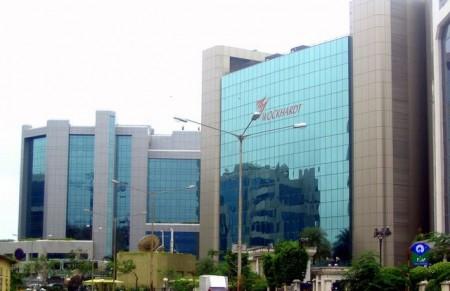
Wockhardt Hospital







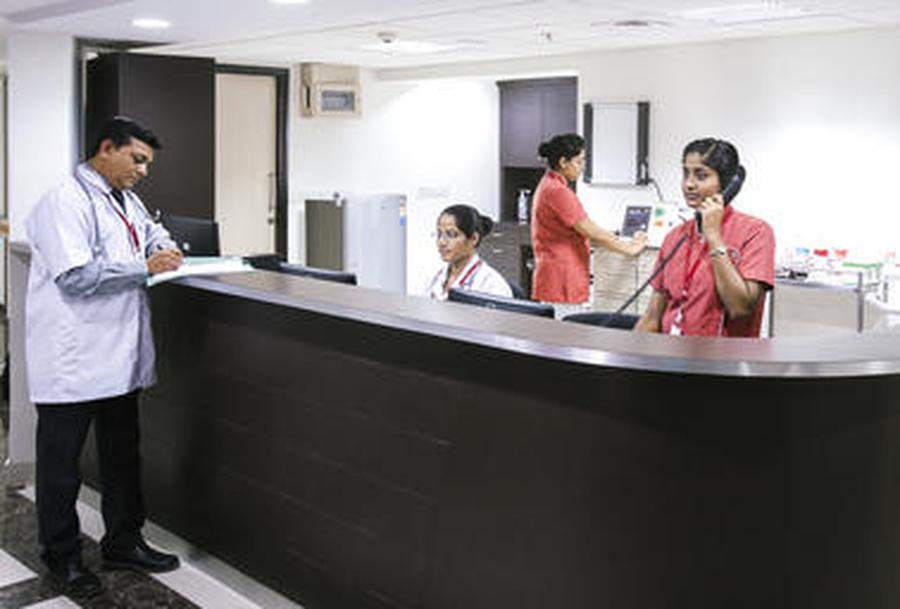
أفضل مراكز أمراض المستقيم في الهند
- Apollo Hospital Indraprastha, الهند
- Medanta Hospital, الهند
- Wockhardt Hospital, الهند
- Manipal Hospitals, الهند
- Global Hospital Chennai, الهند
- BLK Super Speciality Hospital, الهند
- Aster CMI Hospital, الهند
- Global Hospital Mumbai, الهند
- Manipal Goa Hospital, الهند
- Wockhardt Hospital South Mumbai, الهند
احصل على تقييم طبي لـ في الهند: اختر أخصائيك من بين الأفضل في هذا المجال
عرض جميع الأطباء
Devaprashanth M
Mohammad Atif Khan
مشاركة المحتوى
قصص فيديو من مرضى Bookimed
 Anna Leonova
أسئلة متكررة حول أمراض المستقيم في الهند
متى يجب أن أرى أخصائي أمراض المستقيم؟
يجب عليك مراجعة أخصائي أمراض المستقيم في حال وجود نزيف مستقيمي مستمر، أو ألم شرجي شديد، أو كتل مزمنة. حدد موعداً للزيارة إذا استمرت تغيرات عادات الأمعاء لأكثر من أسبوعين. التقييم المبكر في المستشفيات الهندية المعتمدة من قبل JCI يمنع حدوث مضاعفات. يوصي معظم المتخصصين بفحوصات القولون والمستقيم الروتينية بدءاً من سن 45.
- النزيف المستقيمي: راجع أخصائياً عند وجود أي دم في البراز أو على ورق التواليت.
- الألم المستمر: قم بزيارة الطبيب إذا استمر الحكة الشرجية، أو الحرقان، أو الألم لأكثر من أسبوع واحد.
- التغيرات الجسدية: اطلب الرعاية الفورية عند ظهور كتل جديدة، أو تورم، أو أعراض تدلي المستقيم.
- تغيرات العادات: استشر الطبيب إذا استمر الإسهال أو الإمساك لأكثر من 14 يوماً.
- احتياجات الفحص: ابدأ الفحوصات الوقائية في سن 45، أو قبل ذلك إذا كان هناك تاريخ عائلي.
رؤية خبير Bookimed: تشير البيانات الواردة من الشبكات الهندية الكبرى مثل Apollo وManipal إلى حجم كبير من الإجراءات طفيفة التوغل الناجحة. غالباً ما تحل العيادات الحاصلة على اعتمادات JCI وNABH 70% من الأعراض من خلال نصائح النظافة والنظام الغذائي المتخصصة فقط. مراجعة أخصائي المستقيم مبكراً في دلهي أو بنغالور غالباً ما تمنع الحاجة إلى الجراحة.
إجماع المرضى: يلاحظ المرضى أن تجاهل أعراض مثل الدم الأحمر القاني يؤدي غالباً إلى جراحات طارئة يمكن تجنبها. يتمنى الكثيرون لو أنهم تجنبوا كريمات الصيدلية وراجعوا أخصائياً خلال الأسبوع الأول من الانزعاج.
ماذا يحدث خلال الاستشارة الأولى؟
تتضمن استشارة أمراض الشرج والمستقيم الأولى في الهند مراجعة التاريخ الطبي والتقييم البدني. يقوم المتخصصون في عيادات مثل مستشفيات مانيبال أو مستشفى أبولو إندرابراستا بتقييم أعراض مثل النزيف أو الألم. تنتهي الجلسة بتشخيص وخطة علاج مخصصة.
- التاريخ الطبي: يناقش الأطباء عادات الأمعاء والنظام الغذائي والتاريخ العائلي لمدة 10 دقائق.
- الفحص البدني: يتم تقييم المنطقة من خلال فحص بصري موجز أو فحص مستقيمي رقمي لمدة 10 ثوانٍ.
- الخبرة السريرية: تستخدم مرافق مثل مستشفى BLK Super Speciality معدات تشخيصية بمعايير أوروبية.
- الخيارات التحفظية: غالبًا ما يصف الجراحون كريمات طبية أو حمامات المقعدة قبل اقتراح الجراحة.
رؤية خبير Bookimed: تدير المجموعات الطبية الهندية مثل Aster DM Healthcare أو مستشفيات مانيبال ملايين المرضى سنويًا. يسمح هذا الحجم الكبير لأطباء الشرج والمستقيم لديهم بتحديد الحالات المعقدة بسرعة. غالبًا ما يتلقى المرضى الذين يزورون هذه المراكز خريطة تشخيصية كاملة خلال الزيارة الأولى.
إجماع المرضى: يشير المرضى إلى أن الفحص أسرع بكثير وأقل توغلاً مما كان متوقعًا. يقترحون ارتداء ملابس فضفاضة وإحضار صور للأعراض لمساعدة الطبيب أثناء المحادثة القصيرة.
هل الفحص مؤلم؟
فحوصات أمراض الشرج والمستقيم في الهند ليست مؤلمة بشكل عام، ولكنها تنطوي على أحاسيس بالضغط أو انزعاج خفيف. تستغرق الإجراءات مثل فحص المستقيم الرقمي أو تنظير الشرج عادةً بضع دقائق فقط. يجد معظم المرضى أن الإحساس الجسدي أخف بكثير من القلق الذهني الأولي.
- مدة الإجراء: يتم الانتهاء من معظم فحوصات المستقيم التشخيصية في أقل من دقيقتين.
- نوع الإحساس: يشعر المرضى عادةً بضغط داخلي مشابه للحاجة إلى التبرز.
- إدارة الألم: تستخدم العيادات الهندية الخاصة بشكل قياسي مواد هلامية مزلقة وبخاخات مخدرة موضعية.
- جودة العيادة: تعطي المرافق المعتمدة مثل مستشفيات مانيبال الأولوية لراحة المريض أثناء الفحوصات الحساسة.
رؤية خبير Bookimed: تُظهر البيانات الواردة من الشبكات الهندية الكبرى مثل مستشفيات أبولو وميدانتا وجود صلة مباشرة بين خبرة الطبيب وراحة المريض. غالبًا ما تمتلك العيادات التي تجري أكثر من 20,000 إجراء سنويًا بروتوكولات محسنة للتشحيم وتقنيات التهدئة. عادةً ما يضمن اختيار مركز عالي الحجم في دلهي أو بنغالورو عملية تشخيص أكثر سلاسة وأقل توتراً.
إجماع المرضى: يلاحظ المرضى أن الفحص يشبه وخزة قصيرة أثناء الإدخال تتلاشى بسرعة. يؤكد الكثيرون أن البقاء مسترخياً أمر ضروري، لأن شد العضلات هو السبب الرئيسي للانزعاج الفعلي.
ما هي فوائد جراحة الليزر للبواسير والشقوق الشرجية؟
توفر جراحة الليزر للبواسير والشقوق الشرجية في الهند بديلاً طفيف التوغل للطرق التقليدية. تستخدم أشعة عالية الدقة لتقليص البواسير أو إزالة الأنسجة الندبية. تعمل هذه التقنية على إغلاق النهايات العصبية والأوعية الدموية على الفور. يعاني معظم المرضى من الحد الأدنى من الألم ويعودون إلى أنشطتهم اليومية في غضون يومين.
- وقت التعافي: غالبًا ما يعود المرضى إلى وظائفهم المكتبية في غضون 48 ساعة من الإجراء.
- إدارة الألم: يقلل إغلاق النهايات العصبية بالليزر بشكل كبير من الانزعاج بعد الجراحة والألم الحاد.
- الدقة الجراحية: يستهدف الليزر الأنسجة المريضة دون قطع عضلة العضلة العاصرة الشرجية.
- السلامة السريرية: تعمل الطاقة الحرارية كعامل تعقيم لتقليل خطر الإصابة بالعدوى.
رؤية خبير Bookimed: تجمع أكبر الشبكات الطبية في الهند مثل مستشفى أبولو إندرابراستا ومستشفيات مانيبال بين السلامة المعتمدة من JCI وأحجام المرضى العالية. تظهر بياناتنا أن هذه المراكز تجري آلاف حالات أمراض الشرج والمستقيم سنويًا. يسمح هذا الحجم الكبير غالبًا للعيادات بتقديم تقنية ليزر متقدمة بأسعار تنافسية مقارنة بالمرافق الأصغر. يجب على المرضى إعطاء الأولوية للمستشفيات التي لديها مختبرات معتمدة من NABL لإجراء فحوصات ما قبل الجراحة بشكل أسرع.
إجماع المرضى: يشير المرضى إلى الارتياح الناتج عن خروجهم من المستشفى في غضون ساعتين دون الحاجة إلى المبيت. ويؤكدون أن اتباع نظام غذائي غني بالألياف بعد الجراحة أمر حيوي لمنع أي نمو جديد للأنسجة.
هل جراحة الليزر علاج دائم للبواسير؟
توفر جراحة الليزر للبواسير معدل نجاح مرتفع يتراوح بين 90-98% لتخفيف الأعراض. وهي فعالة للغاية في تقليص البواسير من الدرجة الثانية والثالثة. ومع ذلك، فهي ليست علاجاً دائماً مضموناً. يمكن أن تتطور بواسير جديدة إذا ظلت الأسباب الكامنة مثل الإمساك المزمن دون معالجة.
- معدل النجاح: تظهر التقارير تحسناً في الأعراض على المدى القصير بنسبة 90% إلى 98%.
- خطر التكرار: تشير الدراسات طويلة المدى إلى معدل تكرار بنسبة 34% بعد 5 سنوات.
- وقت التعافي: يعود المرضى عادةً إلى العمل في غضون يومين إلى 3 أيام.
- المرشحون المثاليون: الأكثر فعالية لعلاج البواسير من الدرجة الثانية والثالثة.
- الحالات المتقدمة: قد تكون الجراحة التقليدية أكثر حسماً للبواسير من الدرجة الرابعة.
رؤية خبير Bookimed: تستخدم المستشفيات الهندية مثل مستشفى جلوبال في تشيناي ومستشفيات مانيبال تقنيات متقدمة طفيفة التوغل. تظهر بياناتنا أن المرافق الحاصلة على اعتماد اللجنة الدولية المشتركة (JCI) تتعامل غالباً مع أحجام أكبر من المرضى الدوليين. تجمع هذه المراكز بين إجراءات الليزر والاستشارات الغذائية التفصيلية لتقليل مخاطر التكرار على المدى الطويل بفعالية.
إجماع المرضى: يقدر المرضى الألم البسيط والتعافي السريع، لكنهم يحذرون من أن النزيف قد يعود في غضون عامين. يؤكد معظمهم أن النجاح يعتمد على تناول المزيد من الألياف وتجنب الإجهاد بعد الإجراء.
هل توجد خيارات غير جراحية؟
تركز خيارات أمراض الشرج غير الجراحية في الهند على الإدارة التحفظية والتقنيات طفيفة التوغل. غالبًا ما يعالج المرضى البواسير أو الشقوق الشرجية من الدرجة 1-2 من خلال تعديلات النظام الغذائي، والمستحضرات الموضعية المتخصصة، والإجراءات الخارجية. تتجنب هذه الطرق التخدير العام، والشقوق الجراحية، وفترات الإقامة الطويلة في المستشفى أثناء التعافي.
- العلاج التحفظي: غالبًا ما تؤدي الأنظمة الغذائية الغنية بالألياف وحمامات المقعدة (sitz baths) إلى حل الأعراض في غضون أسبوعين.
- تقنيات طفيفة التوغل: ربط الشريط المطاطي (RBL) هو إجراء شائع في العيادات الخارجية.
- بدائل الأيورفيدا: يوفر Kshar Sutra خيارًا تقليديًا غير جراحي لحالات الناسور المعقدة.
- الإدارة الدوائية: تعمل ملينات البراز والمراهم الموضعية على علاج مشاكل الشرج في مراحلها المبكرة بفعالية.
رؤية خبير Bookimed: تظهر البيانات من شبكات كبرى مثل مستشفيات مانيبال وأبولو تحولًا نحو دقة تشخيصية عالية. تستخدم هذه المراكز فحوصات متقدمة لتحديد ما إذا كانت تغييرات نمط الحياة يمكن أن تغني عن الجراحة. غالبًا ما يحصل المرضى الذين يختارون مرافق متخصصة في بنغالورو أو دلهي على بروتوكولات مدمجة تجمع بين الطب الحديث وممارسات التعافي المحلية.
إجماع المرضى: وجد العديد من المرضى أن تغييرات بسيطة مثل استخدام وضعية القرفصاء وإضافة قشور السيليوم إلى نظامهم الغذائي كانت فارقة بشكل كبير. أشار أحد المرضى إلى أن شهرًا من حمامات المقعدة المخصصة والكريمات الموضعية عالج شقًا شرجيًا دون الحاجة إلى أي تدخل جراحي.
ما هي المؤهلات والشهادات الدولية التي يحملها عادةً أطباء المستقيم الهنود الذين يعالجون السياح الطبيين؟
يحمل أطباء المستقيم الهنود عادةً درجة الماجستير في الجراحة (MS) أو دبلوم المجلس الوطني (DNB) في الجراحة العامة. يسعى الكثيرون للحصول على زمالات متقدمة من الكلية الملكية للجراحين (FRCS) أو كلية الجراحين الأمريكية (FACS). يجب عليهم الحفاظ على التسجيل لدى اللجنة الطبية الوطنية (NMC).
- الأساس الأكاديمي: يشمل درجة بكالوريوس الطب والجراحة (MBBS) لمدة 5.5 سنوات وتخصص دراسات عليا لمدة 3 سنوات في MS أو DNB.
- الزمالات المتقدمة: غالبًا ما يحمل الجراحون أوسمة زميل الجمعية الهندية لجراحي الجهاز الهضمي بالمنظار (FIAGES).
- درجات التخصص الدقيق: قد يحصل كبار الاستشاريين على ماجستير في الجراحة (MCh) في جراحة الجهاز الهضمي.
- اعتماد المستشفى: يعمل كبار الممارسين في مرافق معتمدة من قبل اللجنة الدولية المشتركة (JCI) أو NABH.
رؤية خبير Bookimed: تشير البيانات إلى وجود علاقة بين أعداد المرضى الكبيرة والانتماءات الدولية المحددة. تقوم المستشفيات مثل مستشفى أبولو إندرابراستا ومستشفيات مانيبال، التي تخدم أكثر من 1,000,000 مريض سنويًا، بتوظيف جراحين بنشاط حاصلين على زمالات من المملكة المتحدة أو سنغافورة أو ألمانيا. يعد هذا التدريب الغربي مؤشرًا رئيسيًا على تركيز العيادة على معايير العلاج الدولية.
إجماع المرضى: يلاحظ المرضى أنه من المفيد التحقق من بيانات اعتماد MS و DNB مباشرة على مواقع المستشفيات. يؤكد الكثيرون أن رؤية جراح لديه تدريب في الجراحة الروبوتية أو زمالة من معهد دولي معروف يضيف مستوى كبيرًا من الثقة قبل السفر.
هل العلاج مغطى بالتأمين؟
تتم تغطية علاجات أمراض الشرج والمستقيم في الهند بشكل عام عن طريق التأمين عند ثبوت الضرورة الطبية. توفر معظم شركات التأمين الكبرى مثل ICICI Lombard أو Star Health تغطية للعمليات الجراحية. يشمل ذلك إجراءات البواسير والناسور والشقوق الشرجية. تعتمد التغطية على بوليصة التأمين الخاصة بك ومزود الخدمة.
- فترات الانتظار: غالبًا ما تتضمن البوالص الجديدة فترة انتظار تتراوح من سنة إلى سنتين لحالات أمراض الشرج والمستقيم.
- أنواع البوالص: تغطي الخطط عادةً العمليات الجراحية للمرضى الداخليين مع استبعاد الحالات التجميلية أو الاختيارية البحتة.
- التغطية العامة: يوفر برنامج Ayushman Bharat عمليات جراحية مجانية لأمراض الشرج والمستقيم في المستشفيات المعتمدة للمرضى المؤهلين.
- الموافقة المسبقة: يجب على المرضى الحصول على الموافقة قبل 7-10 أيام من الجراحة لتأكيد التكاليف المغطاة.
رؤية خبير Bookimed: تُظهر بياناتنا أن الشبكات الطبية الكبرى مثل مستشفيات Apollo ومستشفيات Manipal تحافظ على معايير JCI و NABH العالية. غالبًا ما تعمل هذه الاعتمادات على تبسيط عملية المطالبة بالتأمين للمرضى الدوليين والمحليين. عادةً ما يضمن اختيار منشأة معتمدة تنسيقًا أكثر سلاسة بين إدارة المستشفى ومزود التأمين الخاص بك.
إجماع المرضى: يشير المرضى إلى أنه من المهم تصنيف العلاجات كإجراءات للمرضى الداخليين لتجنب الرفض الشائع في العيادات النهارية. شارك أحد المرضى أن الإعلان عن حالة طارئة ساعد في تأمين تغطية بنسبة 90% لعمليته الجراحية.
هل تقنيات جراحة الشرج طفيفة التوغل المستخدمة في الهند تعادل تلك المستخدمة في الولايات المتحدة أو أوروبا؟
تعتبر تقنيات جراحة الشرج طفيفة التوغل في الهند مكافئة لتلك الموجودة في الولايات المتحدة وأوروبا. تستخدم المستشفيات من الدرجة الأولى أنظمة روبوتية معتمدة من إدارة الغذاء والدواء الأمريكية (USFDA) وأدوات عالية الدقة. تبلغ هذه المراكز عن معدلات نجاح تتراوح بين 92-97% لعلاجات سرطان القولون والمستقيم. غالبًا ما يتعامل الجراحون المهرة مع عمليات الاستئصال بالمنظار والروبوت المعقدة.
- التكنولوجيا المتقدمة: تستخدم عيادات مثل مستشفى أبولو إندرابراستا منصات جراحية روبوتية معتمدة من اللجنة الدولية المشتركة (JCI).
- الدقة الجراحية: يستخدم الجراحون في مستشفى أستر سي إم آي الطباعة ثلاثية الأبعاد لعمليات الزرع المعقدة.
- معايير الاعتماد: تحافظ المرافق الرائدة على شهادات JCI وNABH وISO للسلامة الدولية.
- الإجراءات الحديثة: توفر المراكز جراحة بالمنظار واستئصال بالليزر تطابق البروتوكولات الغربية.
رؤية خبير Bookimed: تدير أكبر الشبكات الطبية في الهند، مثل مانيبال وأبولو، مئات المستشفيات عبر بلدان متعددة. يسمح هذا النطاق الهائل لهذه المؤسسات بتوحيد البروتوكولات الجراحية المعقدة. يستفيد المرضى من الخبرة العالية حيث يجري الجراحون آلاف الإجراءات طفيفة التوغل سنويًا.
إجماع المرضى: يشير المرضى إلى أن أفضل المستشفيات الخاصة في المدن الكبرى تقدم رعاية تطابق المعايير الغربية. ويؤكدون على اختيار سلاسل المستشفيات المعتمدة بدلاً من العيادات الصغيرة لضمان بروتوكولات متابعة متسقة.
ما هي المخاطر المعترف بها وكيف يتم التخفيف منها للمرضى الدوليين الذين يخضعون لجراحة المستقيم في الهند؟
يواجه المرضى الدوليون في الهند مخاطر مثل عدوى موقع الجراحة، واحتباس البول، وتجلط الأوردة العميقة المرتبط بالسفر. يشمل التخفيف من هذه المخاطر اختيار المستشفيات الحاصلة على شهادات اللجنة الدولية المشتركة (JCI) أو المجلس الوطني لاعتماد المستشفيات (NABH). تتبع هذه المرافق قوائم مراجعة السلامة الجراحية التابعة لمنظمة الصحة العالمية وتستخدم تقنية الليزر لتقليل النزيف.
- مكافحة العدوى: تتبع المستشفيات المعتمدة من JCI مثل مستشفى أبولو إندرابراستا بروتوكولات التعقيم العالمية بصرامة.
- استخدام التكنولوجيا: غالبًا ما تستخدم العيادات جراحة الليزر لتقليل الجروح وخفض مخاطر العدوى.
- سلامة السفر: يجب على المرضى البقاء لمدة 10-14 يومًا بعد الجراحة لمنع حدوث جلطات أثناء الرحلات الجوية الطويلة.
- التواصل: توفر مرافق مثل مستشفى BLK Super Speciality مديري حالات لسد فجوات اللغة.
رؤية خبير Bookimed: تظهر البيانات من المراكز ذات الحجم الكبير مثل مستشفيات مانيبال، التي تخدم 2,000,000 مريض سنويًا، أن النطاق المؤسسي غالبًا ما يرتبط بسلامة معيارية أفضل. عادةً ما تمتلك الشبكات الكبيرة أقسامًا دولية مخصصة تدير التأشيرات الطبية والوثائق بعد الجراحة. هذه البنية التحتية هي مؤشر أمان أقوى من مجرد السعر المنخفض.
إجماع المرضى: يشير المرضى إلى أن البقاء في الهند لمدة أسبوعين على الأقل بعد الجراحة أمر حيوي لإجراء فحوصات الجروح بشكل صحيح. كما يؤكدون أن وجود موظفين يتحدثون الإنجليزية أو مترجم فوري يساعد في تجنب أي ارتباك فيما يتعلق بتعليمات الدواء والتعافي.