عيادات أمراض المستقيم في النمسا


تمت مراجعة المقالة طبيا من قبل
فهد مولود
ما هي تكلفة أمراض المستقيم في النمسا؟ اكتشف الآن
تتراوح تكلفة جراحة المستقيم في النمسا عادةً ما بين $5,000 و $20,600. تعتمد التكاليف النهائية على ما إذا كان المريض يستخدم العيادات الخاصة أو التأمين الصحي العام، ومدى تعقيد التقنية الجراحية، ومدة الإقامة في المستشفى. وغالباً ما يمكن للمرضى القادمين من الولايات المتحدة تحقيق وفورات كبيرة تتراوح بين 20-40% في المرافق النمساوية الخاصة.
تكاليف جراحة المستقيم النموذجية في النمسا
- استئصال البواسير: $3,400 – $5,400
- ربط البواسير بالأربطة المطاطية: $650 – $1,300
- علاج البواسير: السعر عند الطلب
- استئصال المستقيم: $21,000 – $40,000
- جراحة الناسور بالليزر: $3,600 – $5,600
- استئصال البواسير بالدباسة: $4,300 – $6,500
- جراحة الناسور العصعصي بالليزر: $3,800 – $6,000
- جراحة تدلي المستقيم: $8,200 – $13,200
- جراحة نزيف المستقيم: السعر عند الطلب
- جراحة خراج الشرج: $2,600 – $4,600
تتواجد مراكز جراحة المستقيم المتخصصة بشكل أساسي في فيينا وغراتس. وعلى الرغم من أن الأسعار موحدة، إلا أن الاستشارات الخاصة في المدن الكبرى قد تختلف قليلاً. يجب عليك استشارة أخصائي للحصول على تسعير دقيق بناءً على تشخيصك وخطة علاجك.
| النمسا | تركيا | إسبانيا | |
|---|---|---|---|
| عملية ربط البواسير بالشريط المطاطى | ≈ $650 | من $3,600 | من $3,100 |
| عملية استئصال البواسير | ≈ $3,400 | من $1,800 | من $6,200 |
| جراحة هبوط المستقيم | ≈ $8,200 | من $3,300 | من $9,000 |
| جراحة الناسور بالليزر | ≈ $3,600 | من $3,900 | من $7,300 |
| جراحة الناسور العصعصى بالليزر | ≈ $3,800 | من $1,800 | من $6,700 |
مزاياك وضماناتك مع Bookimed
أسعار مباشرة
Bookimed لا يضيف رسوماً إضافية على أسعار علاج أمراض المستقيم. الأسعار مأخوذة من قوائم الأسعار الرسمية للعيادات. تدفع مباشرة في العيادة مقابل علاجك عند وصولك إلى البلد.
عيادات وأطباء معتمدون فقط
Bookimed ملتزم بسلامتك. نحن نعمل فقط مع المؤسسات الطبية التي تحافظ على معايير دولية عالية في علاج أمراض المستقيم ولديها التراخيص اللازمة لخدمة المرضى الدوليين في جميع أنحاء العالم.
مساعدة مجانية على مدار الساعة
Bookimed يقدم مساعدة خبراء مجانية. منسق طبي شخصي يدعمك قبل وأثناء وبعد العلاج، ويحل أي مشاكل. لن تكون وحيداً أبداً في رحلة علاج أمراض المستقيم.

منسقك الطبي الشخصي في Bookimed
- يدعمك في كل مرحلة
- المساعدة في اختيار العيادة الطبية المناسبة والطبيب المناسب
- يضمن الوصول السريع والمريح إلى المعلومات
اكتشف أفضل عيادات أمراض المستقيم: 4 خيارات معتمدة والأسعار




Leech Private Clinic
أفضل مراكز أمراض المستقيم في النمسا
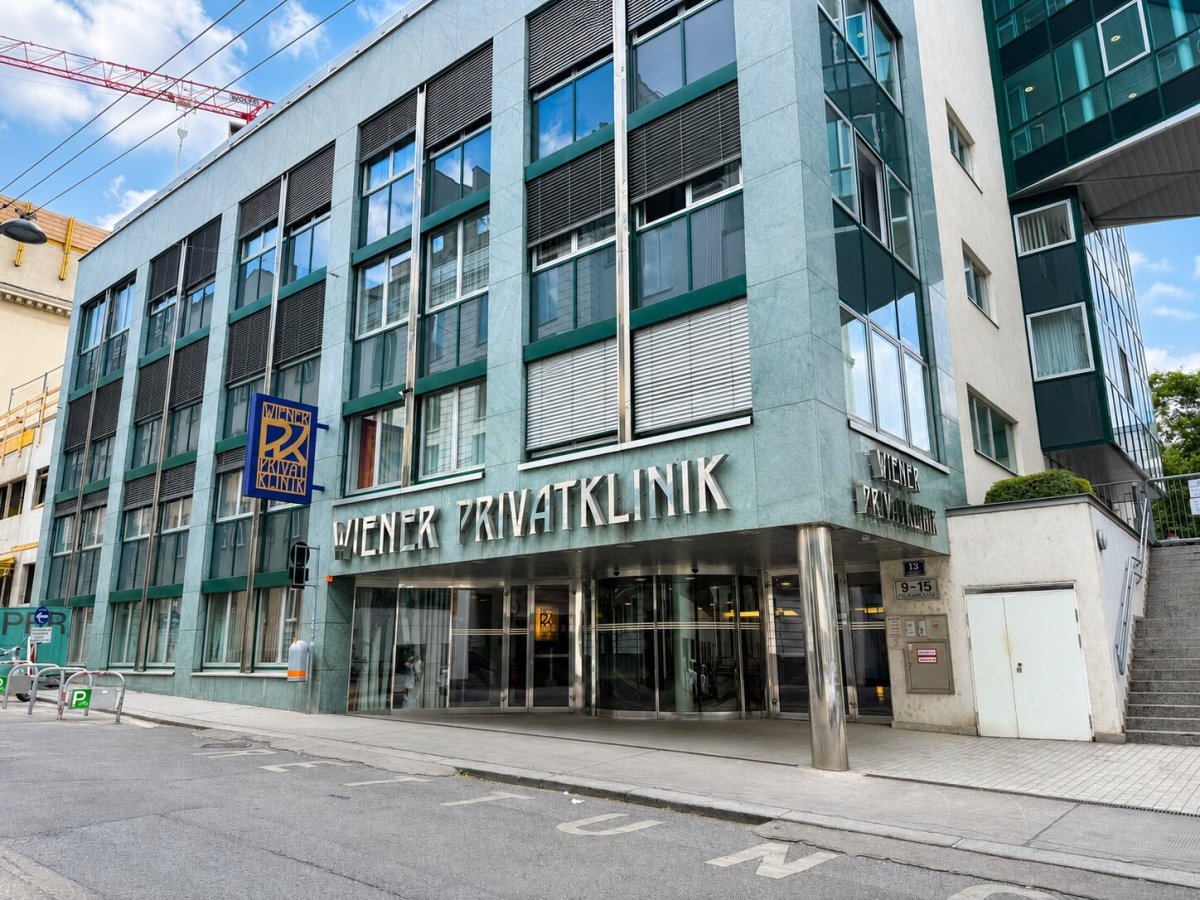
- Wiener Privatklinik, النمسا
- Vienna General Hospital (AKH), النمسا
- Leech Private Clinic , النمسا
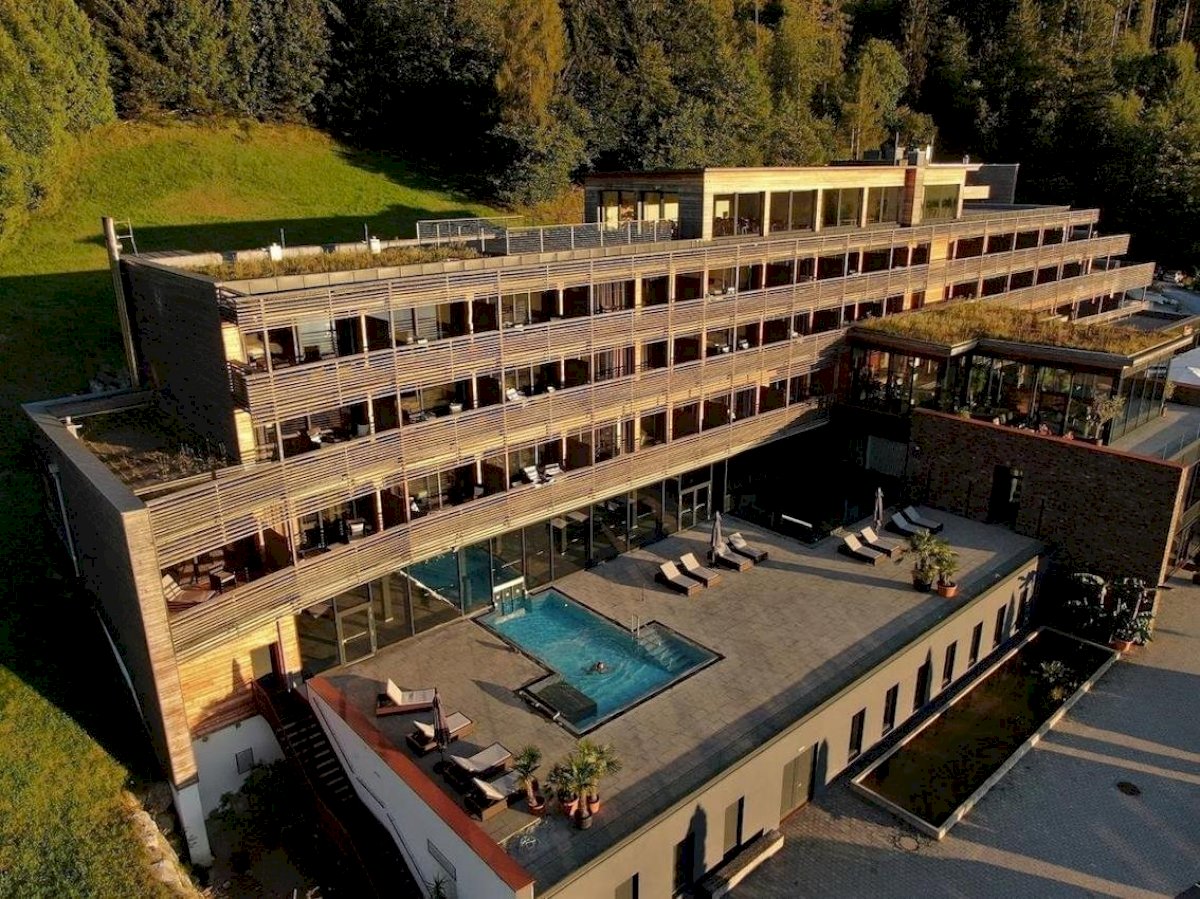
- Armona Medical Alpinresort, النمسا
مشاركة المحتوى
قصص فيديو من مرضى Bookimed
 Anna Leonova
أسئلة متكررة حول أمراض المستقيم في النمسا
ما هي المؤهلات والشهادات المعترف بها لأطباء المستقيم في النمسا؟
في النمسا، يجب أن يكون أطباء أمراض المستقيم حاصلين على شهادة البورد في الجراحة العامة أو الطب الباطني. ويكملون برنامج إقامة لمدة ست سنوات، يليه ثلاث سنوات من التدريب المتخصص. وتشمل المؤهلات الرئيسية الحصول على شهادة من المجموعة النمساوية العاملة في مجال أمراض المستقيم (ACP) وعضوية المجلس الأوروبي للتعليم المستمر (EBSQ).
- الشهادة الطبية: يجب أن يحمل الأطباء شهادة دكتور في الطب من جامعة معترف بها.
- التدريب المتخصص: إكمال برنامج الإقامة لمدة 6 سنوات بعد التخرج في الجراحة أو أمراض الجهاز الهضمي هو شرط إلزامي.
- شهادة ACP: تتطلب 3 سنوات من التخصص الإضافي خارج المجال المهني وسجل جراحي موثق.
- العضوية الأوروبية: يوفر امتحان EBSQ/Coloproct أعلى مستوى من الاعتراف المهني في أوروبا.
- التعليم المستمر: للحفاظ على الترخيص، يجب على المهنيين الحصول على 250 نقطة معتمدة من برنامج DFP كل 5 سنوات.
رأي خبراء بوكيمد: تُعدّ المراكز الكبيرة، مثل مستشفى فيينا العام (AKH)، مؤشراً فريداً على الجودة بفضل هيكلها الأكاديمي. فبينما توفر العيادات الخاصة الراحة، غالباً ما يُجري الجراحون التابعون للجامعات عمليات استئصال المستقيم الأكثر تعق
ما مدى أمان إجراءات جراحة المستقيم الخارجية مثل استئصال البواسير التي تُجرى في النمسا؟
تُعتبر جراحة المستقيم في العيادات الخارجية في النمسا آمنة للغاية بفضل المعايير الجراحية الأوروبية الصارمة. وتستخدم مؤسسات مثل مستشفى فيينا العام (AKH) أحدث التقنيات للحفاظ على معدلات نجاح عالية. وغالبًا ما يحمل الجراحون شهادات تخصصية. ويعود معظم المرضى إلى ممارسة أنشطتهم اليومية في غضون ستة أيام مع الحد الأدنى من المضاعفات.
- مؤهلات العيادة: مستشفى فيينا العام (AKH) حاصل على شهادة ISO، مما يؤكد الجودة العالية للخدمات المقدمة.
- السلامة الجراحية: يلتزم الجراحون بالبروتوكولات بدقة، بما في ذلك التوقف النهائي قبل كل شق جراحي.
- بنية تحتية حديثة: تحتوي عيادة ليتش الخاصة على غرف عمليات حديثة وأجنحة إعادة تأهيل متخصصة.
- الخدمات المتخصصة: تقدم المراكز النمساوية علاجات متقدمة مثل جراحة الليزر واستئصال البواسير بالتدبيس.
رأي خبراء بوكيمد: تُظهر البيانات أن العيادات الخاصة في مدن مثل غراتس غالبًا ما توفر وصولًا أسرع إلى الأخصائيين مقارنةً بالمستشفيات الحكومية. فبينما تعالج مراكز كبيرة مثل مستشفى فيينا العام (AKH) 595,000 مريض سنويًا، تركز المرافق الخاصة الأصغر حجمًا على تخريج المرضى بسرعة خلال يوم واحد. هذه الكفاءة تُقلل بشكل كبير من خطر الإصابة بالعدوى المكتسبة داخل المستشفى لدى ا
ما هي العلاجات طفيفة التوغل للبواسير أو الشقوق الشرجية المتوفرة في العيادات النمساوية؟
تقدم العيادات النمساوية علاجات متطورة طفيفة التوغل لأمراض المستقيم، بما في ذلك جراحة البواسير بالليزر (LHP)، وجراحة إصلاح البواسير بمساعدة الليزر (HAL-RAR)، وربط البواسير بشريط مطاطي. تضمن هذه التقنيات التعافي السريع والحفاظ على العضلة العاصرة. وتوفر مؤسسات مثل مستشفى فيينا العام (AKH) رعاية طبية على مستوى جامعي، باستخدام أنظمة ليزر متخصصة وتوجيه بالموجات فوق الصوتية في العمليات الجراحية.
- العلاجات بالليزر: تسمح إجراءات مثل LHP و FiLaC بالخروج في نفس اليوم دون جراحة.
- HAL-RAR: يسمح ربط الأوعية الدموية بالموجات فوق الصوتية بتحديد دقيق للشرايين المغذية وتقليل حجم البواسير.
- ربط الأربطة المطاطية: خيار سريع للمرضى الخارجيين يستغرق أقل من 10 دقائق في الحالات المبكرة.
- علاج الشق الشرجي: تعمل حقن البوتوكس أو العلاج بالليزر على إرخاء العضلة العاصرة، مما يعزز الشفاء الطبيعي.
رأي خبراء بوكيمد: تُظهر البيانات من مراكز نمساوية رئيسية مثل غراتس وفيينا اتجاهًا نحو دمج أساليب التشخيص. فعيادات مثل عيادة ليتش الخاصة تُدمج تقنيات التصوير الحديثة مع التنظير الداخلي لضمان تقييم دقيق لمرحلة المرض قبل اتخاذ القرار بين العلاج بالليزر أو التضميد. غالبًا ما يُبرر هذا النهج الشامل التكلفة الأو
ما هي المدة الموصى بها للتعافي والإقامة في النمسا بعد جراحة البواسير التي تُجرى في العيادات الخارجية؟
في النمسا، يسمح نظام التعافي للمرضى الخارجيين عادةً بالخروج في نفس اليوم. ينبغي على المرضى البقاء في البلاد لمدة تتراوح بين 7 و14 يومًا قبل السفر إلى أماكن أخرى. تتطلب الإجراءات البسيطة، مثل ربط المثانة، من أسبوع إلى أسبوعين للتعافي التام. أما العمليات الجراحية الأكثر تعقيدًا فقد تتطلب من 4 إلى 6 أسابيع.
- الإقامة في المستشفى: في معظم الحالات، يمكن للمرضى الذين خضعوا لإجراءات العيادات الخارجية الخروج من المستشفى في غضون 24 ساعة من الجراحة.
- العودة إلى العمل: عادةً ما يعود موظفو المكاتب إلى العمل في غضون 3-5 أيام بعد الإجراءات البسيطة.
- الوقت المناسب للسفر: ينصح الأطباء بالانتظار من أسبوع إلى أسبوعين قبل القيام برحلات جوية طويلة.
- النشاط البدني: غالباً ما يحتاج المرضى الذين يقومون بأعمال بدنية شاقة إلى فترة راحة تتراوح من 10 إلى 14 يوماً.
- مرحلة التعافي الأولية: تشمل الأيام الثلاثة الأولى عادةً الراحة في الفراش والحد الأدنى من النشاط البدني.
رأي خبراء بوكيمد: يستفيد المرضى الذين يختارون مؤسسات طبية كبيرة مثل مستشفى فيينا العام (AKH) من بنية تحتية واسعة النطاق. يعمل هذا المستشفى كمدينة داخل مدينة، حيث يضم س
هل أنا مرشح للعلاج بالليزر أو باستخدام الدباسة لعلاج البواسير في النمسا؟
تُعدّ إجراءات الليزر والدباسة في النمسا مثالية لعلاج البواسير الداخلية. يُناسب العلاج بالليزر الحالات من الدرجة الثانية والثالثة، ويضمن الشفاء السريع. أما استئصال البواسير بالتدبيس فيُعالج بفعالية حالات تدلي المستقيم من الدرجتين الثالثة والرابعة. قبل اختيار طريقة العلاج، يجب على طبيب متخصص في أمراض المستقيم تحديد مدى انتشار المرض.
- دواعي العلاج بالليزر: أفضل النتائج للبواسير الداخلية من الدرجة الثانية والحالات الفردية من الدرجة الثالثة، والتي تتطلب الحد الأدنى من الألم.
- تطبيق الدبابيس: يوصى به في حالات الدرجة 3 أو 4 المرتبطة بتدلي محيطي كبير.
- فترة التعافي: عادةً ما يعود المرضى الذين خضعوا للعلاج بالليزر إلى ممارسة أنشطتهم النشطة في غضون 3-7 أيام.
- القدرات السريرية: يخدم مستشفى فيينا العام (AKX) 595000 مريض سنويًا ويضم أقسامًا جراحية مبتكرة للغاية.
رأي خبراء بوكيمد: تؤكد البيانات على ضرورة اختيار العيادات ذات الحجم الكبير من العمليات الجراحية، مثل مستشفى فيينا العام (AKH) الذي يضم 1600 طبيب. غالبًا ما تتمتع المراكز الأكاديمية الكبيرة في النمسا بخبرة أوسع في العمليات الجراحية المعقدة باستخدام الدباسات. ويؤدي هذا الحجم من العمليات عادةً إلى نتائج أفضل على المدى الطويل
ما هي المدن أو المؤسسات النمساوية التي تعتبر مراكز امتياز في جراحة المستقيم؟
تُعدّ فيينا وغراتس المركزين الرئيسيين لجراحة المستقيم في النمسا. وتضمّ هاتان المدينتان مؤسسات حاصلة على شهادة الأيزو، متخصصة في العلاجات المتقدمة للبواسير والناسور. ويشتهر مستشفى فيينا العام (AKH) ومستشفى ليخ الخاص بدمج البحث الجامعي مع التشخيص الجراحي المتخصص.
- مستشفى مدينة فيينا (VKA): يضم 42 مستشفى جامعي ويعالج 595000 مريض سنوياً.
- عيادة ليتش الخاصة: تدير 21 قسمًا متخصصًا في غراتس، بما في ذلك أجنحة إعادة التأهيل.
- منتجع أرمونا الطبي الألبي: يقدم خدمات متخصصة في طب المستقيم وإعادة التأهيل في كوفشتاين.
- أدوات التشخيص الحديثة: تستخدم العيادات التصوير بالرنين المغناطيسي، والتنظير الداخلي بالموجات فوق الصوتية، والتصوير المقطعي المحوسب لرسم خرائط دقيقة.
- الأساليب الجراحية: تقدم المراكز جراحة الليزر وعمليات الخياطة لعلاج أمراض المستقيم المعقدة.
رأي خبراء بوكيمد: تُظهر البيانات أن العيادات في غراتس، مثل عيادة ليتش الخاصة، توفر ظروفًا أكثر راحةً بفضل سعتها التي تبلغ 44 سريرًا، مقارنةً بالمراكز الجامعية الكبيرة. يُتيح هذا العدد المنخفض من المرضى لكل سرير الوصول بشكل أسرع إلى خدمات التصوير التشخيصي، مثل التصوير
كيف تجد طبيبًا متخصصًا في أمراض المستقيم في النمسا؟
للعثور على طبيب متخصص في جراحة المستقيم في النمسا، ابحث عن طبيب متخصص في هذا المجال (Facharzt für Surgery). استخدم الدليل الرسمي، Praxisplan، الصادر عن نقابة الأطباء النمساوية. يمكنك تصفية النتائج حسب المنطقة والتخصص وإتقان اللغة الإنجليزية للعثور على أخصائيين معتمدين.
- السجلات الرسمية: استخدم دليل براكسيس بلان الخاص بالنقابة الطبية النمساوية أو دليل نقابة فيينا الطبية.
- الخبرة السريرية: يعالج مستشفى فيينا العام (AKH) أكثر من 595000 مريض سنوياً ويضم 42 قسماً جامعياً.
- التشخيص الحديث: تقدم عيادة ليتش الخاصة في غراتس خدمات متخصصة في التصوير بالرنين المغناطيسي والتصوير المقطعي المحوسب لأمراض المستقيم.
- المراكز المتخصصة: يتخصص مركز أرمونا الطبي في جبال الألب في كوفشتاين في العلاجات الجراحية وإعادة التأهيل عالية الجودة.
رأي خبراء بوكيميد: غالبًا ما تستقبل العيادات الحاصلة على شهادة الأيزو في النمسا، مثل مستشفى فيينا العام (AKH) وعيادة ليتش الخاصة، أعدادًا كبيرة من المرضى. ويؤدي هذا العدد الكبير من المرضى عادةً إلى استخدام تقنيات جراحية أكثر تطورًا لإجراءات مثل استئصال البواسير أو جراحة الناسور بالليزر. في الحالات المعقدة، يضمن اختيار هذه المراكز ذات الأعداد الكبيرة من المر
ما الذي أحتاج إلى إحضاره معي إلى موعدي مع طبيب المستقيم في النمسا؟
ينبغي على المرضى القادمين إلى النمسا لتلقي علاج أمراض المستقيم إحضار ملابس فضفاضة، وسجلاتهم الطبية، ومستلزمات النظافة الشخصية اللازمة. توفر عيادات مثل مستشفى فيينا العام (AKH) أردية أساسية. كما أن إحضار ملابس النقاهة الخاصة بكم سيضمن لكم الراحة ويساعدكم في إدارة عملية الخروج بعد الجراحة. تجنبوا الملابس الضيقة لمنع الضغط على موضع الجراحة.
- المستندات الطبية: يرجى إحضار جواز سفرك وبطاقة التأمين الصحي الأوروبية (EHIC) ونتائج فحص الرنين المغناطيسي أو التصوير المقطعي المحوسب الأخير.
- ملابس التعافي: أحضر معك بنطال رياضي فضفاض وملابس داخلية قطنية داكنة اللون تحسباً لأي تسربات بعد الجراحة.
- النظافة بعد العملية الجراحية: استخدم مناديل خالية من الكحول وضمادات شاش عالية الجودة للتنظيف اللطيف بعد العمليات الجراحية.
- مستلزمات الراحة: أحضر وسادة دائرية ونعال ذات نعل مطاطي لتوفير حركة آمنة ومريحة في المستشفى.
رأي خبراء بوكيمد: اختر عيادات تضم أقسام تأهيل متخصصة، مثل عيادة ليتش الخاصة في غراتس. غالبًا ما توفر هذه المرافق رعاية متخصصة بعد العمليات الجراحية غير متوفرة في المستشفيات العادية. تُظهر بياناتنا أن المرضى في العيادات الصغيرة والمتخصصة يُبدون رضا أكبر عن الدعم الذي يتلقونه خلال
ما هي الأعراض التي تستدعي زيارة طبيب متخصص في أمراض المستقيم في النمسا؟
استشر طبيبًا متخصصًا في أمراض المستقيم في النمسا إذا كنت تعاني من نزيف شرجي مستمر، أو ألم شرجي حاد، أو وجود كتل. اخضع للفحص إذا تغيرت عادات التبرز لديك لأكثر من أسبوعين. يستخدم هؤلاء الأخصائيون في فيينا وغراتس أساليب تشخيصية متقدمة، مثل التنظير الشرجي، للعلاج المبكر للبواسير والشقوق والزوائد اللحمية.
- نزيف المستقيم: يتطلب وجود دم أحمر فاتح ملحوظ أثناء أو بعد التبرز إجراء فحص طبي.
- ألم مستمر: يشير الشعور بعدم الراحة الشديدة أثناء الجلوس أو أثناء التبرز إلى وجود مشاكل كامنة.
- تغيرات في وظيفة الأمعاء: الإمساك أو الإسهال الذي يستمر لأكثر من 14 يومًا يتطلب استشارة أخصائي.
- التشوهات الجسدية: كتل مرئية، أو تورم، أو إفرازات غير طبيعية في منطقة الشرج.
رأي خبراء بوكيمد: غالبًا ما يختار المرضى مراكز نمساوية كبرى مثل مستشفى فيينا العام (AKH) لعلاج الحالات المعقدة المتعلقة بأمراض المستقيم. يعالج هذا المستشفى 595,000 مريض سنويًا في 42 معهدًا متخصصًا. توفر هذه المراكز الأكاديمية الكبيرة خدمات متكاملة في علم الأمراض والتصوير بالرنين المغناطيسي، مما يضمن تحديدًا دقيقًا لمراحل الحالات، مثل تدلي المستقيم، قبل الجراحة.
رأي المرضى:
أين تقع مراكز طب المستقيم الرائدة في النمسا؟
تضمّ المراكز الرائدة في مجال طبّ المستقيم في النمسا مستشفى فيينا العام (AKH)، وعيادة ليتش الخاصة في غراتس، ومنتجع أرمونا الطبي الألبي. تقدّم هذه المؤسسات رعاية عالية الجودة للبواسير والناسور. كما توفّر المراكز المتخصصة في فيينا وغراتس خدمات تشخيصية وفقًا لمعايير اللجنة الدولية المشتركة (JCI) وعلاجًا جراحيًا طفيف التوغل.
- مستشفى فيينا العام (VGH): أحد أكبر المستشفيات الجامعية في أوروبا، ويضم أكثر من 1600 طبيب.
- عيادة ليخ الخاصة: مركز يقع في غراتس متخصص في التنظير الداخلي والتشخيص بالرنين المغناطيسي الحديث.
- منتجع أرمونا الطبي الألبي: يقدم خدمات إعادة التأهيل والعلاج المتخصصة في أمراض المستقيم في منطقة كوفشتاين.
- تشمل الإجراءات المتقدمة جراحة الناسور بالليزر، واستئصال البواسير بالتدبيس، وعمليات استئصال المستقيم المعقدة.
رأي خبراء بوكيمد: على الرغم من أن مستشفى فيينا العام (AKH) يعالج حوالي 600 ألف مريض سنويًا، إلا أن العيادات المتخصصة الأصغر، مثل مستشفى ليخ الخاص، توفر وصولًا أسرع. وتشير البيانات إلى أن المرضى يختارون غراتس لإجراء فحوصات تشخيصية دقيقة باستخدام التصوير بالرنين المغناطيسي والتصوير المقطعي المحوسب لتجنب فترات الانتظار الطويلة في المراكز الأكاديمية.