العودة إلى الصفحة الرئيسية
820К+ مريضًا حصلوا على المساعدة منذ عام 2014
50 دول
1,500 عيادات
6K+ تقييمات
3K+ طبيب مؤهل

ما هي تكلفة أمراض المستقيم في الصين؟ اكتشف الآن

Proctology cost in China typically averages between $5,300 and $17,000. These prices vary based on the clinical facility tier, the complexity of the surgical intervention, and the length of the hospital stay. Patients can expect 50-70% savings compared to the United States.

Typical Proctology Costs in China

  • Hemorrhoidectomy: $2,800 – $6,200
  • Rubber band ligation of hemorrhoids: $1,400 – $2,800
  • Hemorrhoid therapy: $2,800 – $6,200
  • Rectal resection: $18,200 – $34,500
  • Fistula laser surgery: $3,400 – $6,200
  • Stapled haemorrhoidectomy: $4,500 – $9,200
  • Pilonidal sinus laser surgery: $3,200 – $6,500
  • Rectal prolapse surgery: $8,200 – $14,800
  • Rectal bleeding surgery: $4,200 – $7,500
  • Perianal abscess surgery: $1,900 – $5,200

Specialized treatments are primarily available in Beijing, Shanghai, and Guangzhou. Costs in Tier 1 cities like Beijing are often 10-30% higher than in Tier 2 cities. Consult with a specialist to get accurate pricing for your specific condition.

الصينتركياإسبانيا
عملية ربط البواسير بالشريط المطاطىمن $1,350من $400من $750
عملية استئصال البواسيرمن $2,800من $1,200من $4,000
علاج البواسيرمن $2,800من $1,200من $1,700
جراحة هبوط المستقيممن $8,200من $3,500من $6,500
جراحة نزيف المستقيممن $4,200من $1,500من $3,500
تم التحقق من البيانات بواسطة Bookimed اعتبارًا من June 2026، استنادًا إلى طلبات المرضى والعروض الرسمية من 1 عيادة حول العالم. تستند التكاليف المتوسطة إلى الفواتير الحقيقية (2025–2026) ويتم تحديثها شهريًا. قد تختلف الأسعار الفعلية.

مزاياك وضماناتك مع Bookimed

أسعار مباشرة

Bookimed لا يضيف رسوماً إضافية على أسعار علاج أمراض المستقيم. الأسعار مأخوذة من قوائم الأسعار الرسمية للعيادات. تدفع مباشرة في العيادة مقابل علاجك عند وصولك إلى البلد.

عيادات وأطباء معتمدون فقط

Bookimed ملتزم بسلامتك. نحن نعمل فقط مع المؤسسات الطبية التي تحافظ على معايير دولية عالية في علاج أمراض المستقيم ولديها التراخيص اللازمة لخدمة المرضى الدوليين في جميع أنحاء العالم.

مساعدة مجانية على مدار الساعة

Bookimed يقدم مساعدة خبراء مجانية. منسق طبي شخصي يدعمك قبل وأثناء وبعد العلاج، ويحل أي مشاكل. لن تكون وحيداً أبداً في رحلة علاج أمراض المستقيم.

لماذا نحن؟

منسقك الطبي الشخصي في Bookimed

  • يدعمك في كل مرحلة
  • المساعدة في اختيار العيادة الطبية المناسبة والطبيب المناسب
  • يضمن الوصول السريع والمريح إلى المعلومات

مشاركة المحتوى

Twitter XLinkedinFacebookWhatsAppEmail
أحصل على الرابط

قصص فيديو من مرضى Bookimed

Dayana
جمعت بين إجازتي في أنطاليا والفحص الطبي.
إجراء: فحص صحة الإناث (انظر فحص النساء)
Igor
كان رائعاً! التنقلات والإقامة والعلاج - كل شيء مشمول.
إجراء: زرع الأسنان
مستشفى: WestDent Clinic
Marina
قام Bookimed بكل شيء من أجلي. لم أضطر للقلق بشأن أي شيء.
إجراء: فحص صحة الإناث (انظر فحص النساء)
مستشفى: Severance Hospital
محدث: 11/10/2025
تأليف
Anna Leonova
Anna Leonova
رئيس فريق تسويق المحتوى
محررة طبية معتمدة لديها خبرة تزيد عن 10 سنوات، طوّرت محتوى Bookimed الموثوق، مدعومة بماجستير في علم اللغة ومقابلات مع خبراء طبيين من جميع أنحاء العالم.
تمت المراجعة من قبل المستشار الطبي في Bookimed
فهد مولود
محرر طبي وعالم بيانات
طبيب عام. حاصل على 4 جوائز علمية. خدم في غرب آسيا. رئيس الفريق الطبي الناطق بالعربية سابقا ومسؤول عن معالجة البيانات ودقة المحتوى الطبي حاليا.
فهد مولود Linkedin
قد تحتوي هذه الصفحة على معلومات تتعلق بمختلف الحالات الطبية والعلاجات وخدمات الرعاية الصحية المتوفرة في بلدان مختلفة. يرجى العلم أن المحتوى مقدم لأغراض إعلامية فقط ولا ينبغي تفسيره على أنه نصيحة أو إرشادات طبية. يرجى استشارة طبيبك أو أخصائي طبي مؤهل قبل البدء أو تغيير العلاج الطبي.

أسئلة متكررة حول أمراض المستقيم في الصين

هذه الأسئلة الشائعة مأخوذة من مرضى حقيقيين يبحثون عن رعاية طبية عبر Bookimed. يتم تقديم الإجابات من قبل منسقين طبيين ذوي خبرة وممثلين موثوقين من العيادات.

What proctology treatments are most common in China?

Proctology treatments in China combine Western surgical techniques with Traditional Chinese Medicine (TCM). Common procedures include stapled hemorrhoidopexy (PPH) and rubber band ligation. Advanced centers use robotic systems for rectal surgery. Integrated therapies often use herbal fumigation to aid post-operative recovery.

  • Hemorrhoid surgery: Surgeons use PPH and laser hemorrhoidectomy for internal piles.
  • Fistula treatment: Specialized methods like Suture Dragging preserve sphincter muscle function.
  • Cancer care: Over 50% of colorectal resections use minimally invasive laparoscopic techniques.
  • Integrated medicine: Clinics use herbal steam and acupuncture for post-surgical pain.

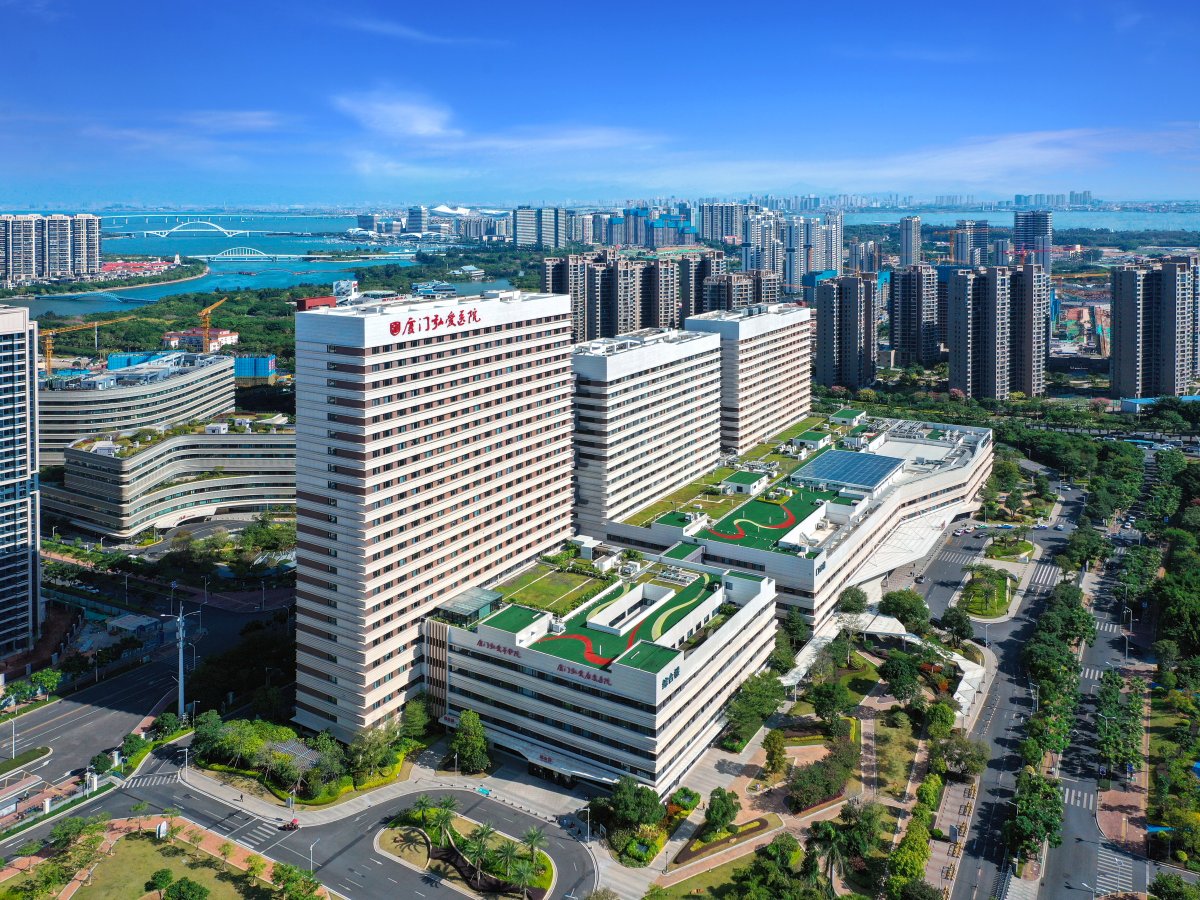
Bookimed Expert Insight: China's medical landscape features massive facilities like Xiamen Humanity Hospital. This center serves 1,000,000 patients annually across 47 departments. This high patient volume allows surgeons to gain extensive experience in complex Proctology cases quickly. Patients should look for these large-scale centers for the most refined surgical expertise.

Patient Consensus: Patients note that Western-trained doctors in major cities favor stapled procedures. Many suggest using translator apps and bringing personal pain medication to navigate local hospital settings effectively.

How is Traditional Chinese Medicine (TCM) integrated into proctology care?

Traditional Chinese Medicine (TCM) integrates with modern proctology in China to accelerate healing and manage pain. Surgeons combine Western techniques with herbal fumigation, acupuncture, and internal decoctions. This multimodal approach addresses hemorrhoids, fistulas, and chronic constipation. It aims to reduce swelling and improve recovery times.

  • Postoperative recovery: Herbal sitz baths reduce edema and pain after surgery.
  • Pain management: Acupuncture sessions alleviate discomfort and regulate bowel function after procedures.
  • Surgical assistance: Setons pretreated with herbal extracts improve outcomes for complex anal fistulas.
  • Healing speed: Integrated care can reduce fistula healing time from 28 to 21 days.

Bookimed Expert Insight: TCM is not an optional add-on in China. Major facilities like Xiamen Humanity Hospital often include these therapies in standard surgical protocols. Patients should expect herbal decoctions as a routine part of their recovery package. Always request English pharmacy printouts if labels are only in Chinese.

Patient Consensus: Many patients find that combining Western hygiene with herbal regimens leads to faster results. Most describe the herbal prescriptions as a standard expectation rather than a choice.

What is the `suture dragging and pad compression` (SDPC) method?

The suture dragging and pad compression (SDPC) method is a Chinese proctological technique. It treats anal fistulae, abscesses, and pilonidal sinuses. This two-stage therapy preserves anal muscle function. It uses internal sutures to clean tracts followed by external pressure to close dead space.

  • Suture dragging: Silk sutures pass through incisions to drain and stimulate new tissue growth.
  • Pad compression: Gauze pads apply pressure to obliterate remaining space and promote final healing.
  • Muscle preservation: The approach protects anal musculature to maintain full continence after surgery.
  • Reduced trauma: This method avoids large tissue defects common in traditional invasive cutting procedures.

Bookimed Expert Insight: Quality signals for this procedure often correlate with high-volume tertiary centers in China. Xiamen Humanity Hospital serves 1,000,000 patients annually and maintains 47 specialized clinical departments. Large-scale facilities often provide more consistent outcomes for complex anorectal techniques like SDPC due to their extensive procedural volume.

Patient Consensus: Patients often describe the dragging phase as a unique internal tugging sensation that requires proper sedation. While recovery is usually fast, some note that the compression padding must be adjusted carefully to avoid numbness.

What can I expect during recovery after common proctology procedures?

Recovery after common proctology procedures in China typically takes 2 to 8 weeks. Initial pain peaks between days 2 and 5. Most patients return to desk work within 10 to 14 days. Complete healing for complex cases like a hemorrhoidectomy may require up to 6 weeks.

  • Pain management: Doctors often prescribe Western analgesics combined with traditional Chinese herbal sitz baths.
  • Hospital stay: Inpatient care usually lasts 1 to 3 days for monitoring and initial recovery.
  • Dietary control: Patients must avoid spicy foods and alcohol for 30 days to prevent irritation.
  • Wound care: Daily iodine washes and herbal soaks help maintain hygiene and prevent infections.

Bookimed Expert Insight: Clinical data from large centers like Xiamen Humanity Hospital shows a focus on high-volume efficiency. These facilities manage over 1,000,000 patients annually across 47 departments. This immense volume allows surgeons to refine techniques that minimize tissue trauma. Patients benefit from standardized recovery protocols developed through thousands of successful monthly cases.

Patient Consensus: Patients note that the first week of bowel movements is the biggest hurdle. Many recommend using translation apps for discharge papers to ensure they follow the strict herbal soaking schedules correctly.

Which are the leading hospitals for proctology in China?

Leading Chinese hospitals for proctology include Peking Union Medical College Hospital and Xiamen Humanity Hospital. These facilities specialize in advanced anorectal and colorectal surgery. They utilize minimally invasive techniques like laparoscopic and endoscopic procedures. Major centers in Beijing and Shanghai lead in complex surgical outcomes.

  • Clinic capacity: Xiamen Humanity Hospital maintains 1,000 beds and 47 clinical departments.
  • Surgical expertise: Peking Union Medical College Hospital is a national center for complex disorders.
  • Patient volume: Xiamen Humanity Hospital treats 1,000,000 patients annually with 460 doctors.
  • Specialized care: Sun Yat-sen University Cancer Center provides comprehensive programs for colorectal oncology.

Bookimed Expert Insight: Xiamen Humanity Hospital serves a massive volume of 1,000,000 patients every year. This high capacity allows the facility to run accredited Phase I-IV drug trials. Such research capabilities often signal a hospital is using the newest treatment protocols. Patients should look for these clinical trial credentials when choosing a facility for chronic conditions.

Patient Consensus: Patients note that major university hospitals in Beijing and Shanghai offer the best surgical credentials. They also suggest confirming if a clinic has a dedicated international department to help with language barriers.

Do Chinese hospitals have English-speaking staff for international patients?

Chinese hospitals offer English-speaking staff primarily in international departments of Grade III Level A facilities. Major hubs like Beijing and Shanghai provide multilingual support. Standard public wards rarely have fluent speakers. Patients often use translation apps or hire freelance interpreters for complex proctology consultations.

  • International departments: These specialized wings in top-tier public hospitals employ English-speaking medical personnel.
  • Private clinics: Facilities like Xiamen Humanity Hospital cater specifically to international patients and travelers.
  • Digital tools: Patients frequently use Pleco or Youdao apps with medical dictionaries for exams.
  • Concierge services: Tier 1 cities offer 24/7 multilingual support and English-language medical reports.

Bookimed Expert Insight: Data from Xiamen Humanity Hospital shows that large-scale centers managing 1,000,000 patients annually prioritize structured international services. These high-volume institutions often have dedicated protocols for patients from Europe and Asia. Choosing a facility with over 450 doctors generally ensures better access to specialists who understand international medical standards.

Patient Consensus: Patients note that language barriers in proctology can be stressful during intimate examinations. Many recommend preparing key Mandarin phrases for symptoms beforehand to ensure clear communication with the nursing staff.

What visa is needed for undergoing proctology treatment in China?

China requires an L (Tourist) or M (Business) visa for proctology treatments. No dedicated medical visa category exists for international patients. Most short-term colorectal procedures under 30 days are handled via an L visa. Longer stays or repeat follow-ups often require an M visa for flexibility.

  • L visa: Standard tourist visa suitable for procedures lasting under 30 days.
  • M visa: Business category often used for medical consultations and extended stays.
  • S2 visa: Specific short-term option for private affairs including medical treatment under 180 days.
  • S1 visa: Required for long-term intensive care exceeding 180 days in Chinese hospitals.
  • Required documents: Patients need an invitation letter from a licensed Chinese hospital for applications.

Bookimed Expert Insight: Clinics in major hubs like Beijing handle extreme patient volumes. Xiamen Humanity Hospital serves 1,000,000 patients annually across 47 departments. This high turnover means administrative teams are very efficient. They typically issue the mandatory visa invitation letters within 4 to 7 days. This speed is vital for patients needing urgent proctology care.

Patient Consensus: Patients note that while some nationalities get 15-day waivers, proctology follow-ups often take 2 to 4 weeks. Most recommend applying for an L visa with multiple entries to avoid travel complications during recovery.

احصل على استشارة مجانية

حدد أفضل طريقة للاتصال بك