علاج فويتا - Vojta Therapy في ألمانيا — احصل على 3 عيادات مطابقة مع التكاليف


تمت مراجعة المقالة طبيا من قبل
فهد مولود
ما هي تكلفة علاج فويتا - Vojta Therapy في ألمانيا؟ اكتشف الآن
المزايا الرئيسية
لماذا تختار ألمانيا لعلاج فويتا؟
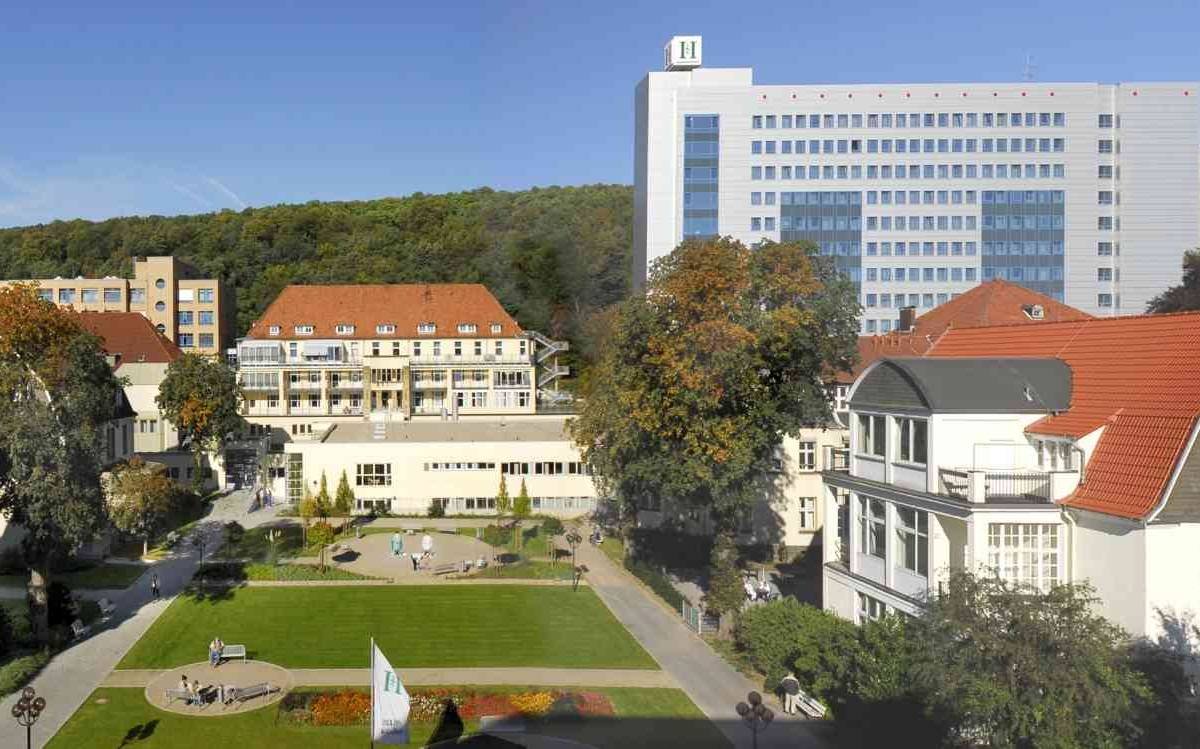
- عيادات معتمدة: تُعترف العيادات في ألمانيا من قبل KTQ لمعاييرها العالية في الرعاية الصحية. يضمن ذلك للمرضى تلقي علاج فويتا على أعلى مستوى.
- أحدث التقنيات: تُستخدم تقنيات مثل مبدأ فويتا وأجهزة مثل VojtaMat لتعزيز نتائج العلاج. تعتبر علامات تجارية مثل VojtaCare رائدة في السوق.
- نسب نجاح عالية: يظهر علاج فويتا فعالية بنسبة 85% في تحسين الوظائف الحركية للأطفال المصابين بالشلل الدماغي. كما يحقق نسبة نجاح 70% في البالغين الذين يعانون من اضطرابات عصبية.
- معالجون خبراء: المعالجون الرائدون في ألمانيا، المعتمدون من قبل الجمعية الدولية لفويتا، قد عالجوا أكثر من 5,000 حالة. يظهرون خبرة واسعة وكفاءة في هذا المجال.
احصل على حلول متقدمة لعلاج فويتا في عيادات موثوقة من $700.
| تركيا | إسبانيا | ألمانيا | |
|---|---|---|---|
| علاج فويتا - Vojta Therapy | من $230 | ≈ $600 | ≈ $700 |
مزاياك وضماناتك مع Bookimed
أسعار مباشرة
Bookimed لا يضيف رسوماً إضافية على أسعار علاج فويتا - Vojta Therapy. الأسعار مأخوذة من قوائم الأسعار الرسمية للعيادات. تدفع مباشرة في العيادة مقابل علاج فويتا - Vojta Therapy عند وصولك.
عيادات وأطباء معتمدون فقط
Bookimed ملتزم بسلامتك. نحن نعمل فقط مع المؤسسات الطبية التي تحافظ على معايير دولية عالية في علاج فويتا - Vojta Therapy ولديها التراخيص اللازمة لخدمة المرضى الدوليين في جميع أنحاء العالم.
مساعدة مجانية على مدار الساعة
Bookimed يقدم مساعدة خبراء مجانية. منسق طبي شخصي يدعمك قبل وأثناء وبعد العلاج، ويحل أي مشاكل. لن تكون وحيداً أبداً في رحلة علاج فويتا - Vojta Therapy.

منسقك الطبي الشخصي في Bookimed
- يدعمك في كل مرحلة
- المساعدة في اختيار العيادة الطبية المناسبة والطبيب المناسب
- يضمن الوصول السريع والمريح إلى المعلومات
اكتشف أفضل علاج فويتا - Vojta Therapy العيادات في ألمانيا: 3 خيارات معتمدة والأسعار
نظرة عامة على علاج فويتا - Vojta Therapy في ألمانيا
- العلاج الوظيفي باستخدام فأرة الكمبيوتر الرأسية - من $1,000
يعزز هذا العلاج المهارات الحركية والإدراك من خلال حركات الرأس الموجهة بالكمبيوتر.
- علاج سنوزلن - من $90
هذا العلاج عبارة عن تقنية تحفيز حسي تعزز الاسترخاء والفرح ، وغالبًا ما تستخدم للأشخاص ذوي الإعاقة.
- علاج فويتا - Vojta Therapy - من $700
يساعد هذا العلاج في تحسين المهارات الحركية من خلال حركات محددة ، ومناسبة للحالات العصبية ، مما يوفر تعافيًا أسرع وتنسيقًا أفضل.
- علاج بوباث الطبيعي - من $70
هذا العلاج هو نهج متخصص للحالات العصبية ، وتحسين القدرة على الحركة والوظيفة من خلال تمارين مخصصة.
- علاج غروس - من $6,500
يساعد هذا العلاج في تحسين المهارات الحركية من خلال تكرار الحركة وتدريب العضلات واللعب الإبداعي.
- إعادة تأهيل لمرض التصلب المتعدد - من $7,500
يساعد هذا العلاج في إدارة الأعراض وتحسين الوظيفة لدى المرضى الذين يعانون من اضطراب مزمن في الجهاز العصبي.
- إعادة التأهيل القلبي (لكل يوم واحد) - من $6,500
يساعد هذا العلاج مرضى القلب على استعادة قوتهم ومنع تطور الحالة وتحسين الصحة العامة.
يساعد العلاج في استعادة القدرات البدنية والمعرفية بعد السكتة الدماغية ، بما في ذلك جلسات تمارين وعلاج يومية مخصصة.
اليوم الأول: الوصول
- الوصول إلى البلاد.
- استقر في مكان إقامتك.
- الراحة والتأقلم مع البيئة الجديدة.
اليوم الثاني: ما قبل العلاج
- قم بزيارة العيادة للاستشارة الأولية.
- التقِ بمعالج فويتا للتقييم.
- ناقش تاريخك الطبي وحالتك الحالية.
اليوم 3-5: علاج فويتا
- ابدأ جلسات علاج فويتا.
- تستغرق كل جلسة من ساعة إلى ساعتين.
- لا حاجة للتخدير لأنه علاج غير جراحي.
- يتم العلاج تحت إشراف المعالج.
اليوم 6-7: ما بعد العلاج
- قابل المعالج لتقييم ما بعد العلاج.
- ناقش نتائج العلاج والخطط المستقبلية.
- البقاء في الدولة للمراقبة إذا أوصى بذلك.
الأسبوع 1-4: إعادة التأهيل
- استمر في ممارسة التمارين اليومية في المنزل حسب التعليمات.
- العودة تدريجيًا إلى العمل والأنشطة الأخرى.
- تكييف العلاج في الروتين لفوائد طويلة الأجل.
الأسبوع الخامس: النتيجة النهائية
- لاحظ التحسينات في المهارات الحركية والتنسيق.
- تجربة انخفاض الألم وزيادة الحركة.
- انظر النتيجة النهائية للعلاج.
يرجى ملاحظة أن العملية قد تختلف حيث أن كل حالة فردية.
- إيداع Bookimed: 200 دولار أو 200 يورو.
- وديعة العيادة: ادفع نسبة محددة مقدمًا.
بصفتنا المنصة العالمية الرائدة في مجال السياحة العلاجية ، فإننا نتحمل مسؤولية كبيرة أمام عملائنا - المرضى والمراكز الطبية على حد سواء. تستند جميع المعلومات المقدمة على Bookimed.com إلى البحث والاستبصار والخبرة وتفي بالاهتمام الكبير المتعلق بالمنتج وما يلي:
نظام التصنيف التلقائي الذكي
نحن نشكل قوائمنا للعيادات والأطباء مع لوائح صارمة لنظام التصنيف التلقائي الذكي الخاص بنا. يعتمد النظام على أسعار Bookimed الحقيقية للمرضى لتوفير المعلومات الأكثر موضوعية وشفافية حول العيادات والخدمات الطبية المتوفرة في ألمانيا.
يجمع عالم البيانات ذو الخبرة لدينا البيانات يوميًا ، ويراقب ويحسن نظام التصنيف باستخدام التعلم الآلي والذكاء الاصطناعي لضمان تحديث نظام التصنيف وتقديم نتائج دقيقة.
تجربة الناس الحقيقية فقط
نحن نجمع آراء عملاء Bookimed فقط بعد الحصول على خبرة طبية مع العيادة في ألمانيا - لذلك يمكن للجميع على المنصة الوثوق بالمنشأة التي يختارونها. نحن نسعى جاهدين لجعل المحتوى على منصتنا مفيدًا قدر الإمكان ونضمن حرية التعبير عن الآراء النقدية. وبالتالي ، ننشر مراجعات إيجابية وسلبية ، بهدف أن نكون مصدرًا لاتخاذ قرارات مستنيرة لعملائنا في المستقبل.
مواضيع ذات مستويات عالية من الخبرة والسلطة والجدارة بالثقة
على موقع Bookimed.com ، قد تجد الاختيار والراحة للعثور على أفضل الحلول الطبية من كبار مزودي الخدمات الطبية في ألمانيا في مكان واحد فقط ، وغالبًا بأسعار تنافسية. للتأكد من تقديم أحدث المعلومات ، يقوم ممثلو العيادة بتحديث السير الذاتية للأطباء ، وقدرات العيادات ، والصور قبل وبعد ، والأسعار ، والحزم ، والعروض الخاصة بأنفسهم قريبًا. يمكنك مقابلة ممثل العيادة والتحقق من تاريخ المحتوى المحدث في صفحة كل عيادة للتأكد من مصداقيتها.
تم إنشاء مدونتنا والقطع الداعمة من قبل مؤلفين محترفين يتمتعون بخبرة لا تقل عن 3 سنوات في الكتابة الطبية ويتم تحريرها بواسطة متخصصين طبيين يتمتعون بخبرة إكلينيكية وبحثية ذات صلة - تم تعيينهم جميعًا بعناية في الفريق. نحن نسعى جاهدين لتعزيز وصول المريض إلى المعلومات الصحية ، مما يجعلها خبيرة ولكن يسهل فهمها. تتبع جميع القطع إرشادات التحرير الخاصة بـ Bookimed.
القيم المحجوزة
نحن مصنوعون من الناس ومن أجلهم - وهذه هي قيمتنا الأساسية. هذا هو السبب في أن جميع البيانات المقدمة على المنصة يتم جمعها وتحريرها ومراجعتها وتحديثها بانتظام من قبل مرضانا وعياداتنا الشريكة في ألمانيا وفريقنا ، بما في ذلك المجلس الاستشاري الطبي Bookimed ، الذي يتكون من الأطباء المشهورين عالميًا ذوي القيمة خبرة تزيد عن 20 عامًا من الممارسة ، وسمعة طيبة. تعلم المزيد عنا وعن مهمتنا .
في حال وجدت أي خطأ أو لديك أي أسئلة حول المعلومات المقدمة على Bookimed.com بخصوص علاج فويتا في ألمانيا ، فلا تتردد في الاتصال بنا على marketing@bookimed.com .
مشاركة المحتوى
قصص فيديو من مرضى Bookimed
 Anna Leonova
أسئلة متكررة حول علاج فويتا - Vojta Therapy في ألمانيا
ما هي علاج فويتا (Vojta) بالضبط، وكيف يعمل؟
علاج فويتا هو علاج عصبي عضلي ديناميكي يستخدم الضغط البدني على مناطق تحفيز محددة لتنشيط أنماط حركة لا إرادية ومشفرة وراثياً. تتجاوز هذه الطريقة المسارات العصبية التالفة عن طريق تحفيز الجهاز العصبي المركزي مباشرة لاستعادة الوظائف الحركية الطبيعية والتحكم في الوضعية.
- مناطق التحفيز: يطبق المعالجون ضغطاً يدوياً دقيقاً على 10 مناطق محددة في الجسم.
- الحركة الانعكاسية: يؤدي الضغط إلى إطلاق مجمعات حركة تلقائية مثل الزحف الانعكاسي والدوران الانعكاسي.
- إعادة التنظيم العصبي: يؤدي التحفيز المتكرر إلى إنشاء روابط عصبية جديدة من خلال المرونة العصبية الطبيعية.
- تكرار العلاج: تتم الجلسات عدة مرات يومياً، مما يتطلب تدريباً مكثفاً للوالدين أو مقدمي الرعاية.
رؤية خبير Bookimed: بينما تفضل العديد من الدول علاج بوباث (Bobath)، تظل ألمانيا المركز العالمي لطريقة فويتا. تعالج المراكز الكبيرة مثل مستشفى هيليوس الجامعي في فوبرتال 150,000 مريض سنوياً لأنها تدمج هذه التقنيات العصبية المتخصصة في مجموعات شاملة تضم 28 قسماً. يضمن اختيار مستشفى جامعي ألماني الوصول إلى معالجين متخصصين في اضطرابات التنسيق الحركي لدى الأطفال الأكثر تعقيداً.
إجماع المرضى: توقع بكاء الرضيع أثناء الجلسات كعلامة على الإجهاد البدني وليس الألم. تشير العائلات إلى أن التقدم يبدو بطيئاً ولكنها تقدر كيف ينشط العلاج العضلات العميقة التي لا يمكن للتمارين التقليدية الوصول إليها.
هل يُستخدم علاج فويتا (Vojta Therapy) للرضع والأطفال فقط؟
لا، علاج فويتا هو إطار علاجي مدى الحياة يُستخدم للمرضى من جميع الأعمار. على الرغم من شيوعه في طب الأطفال، إلا أنه يعالج البالغين بفعالية للتعافي من السكتات الدماغية، والآلام المزمنة، والاضطرابات العصبية. تستخدم هذه الطريقة المرونة العصبية لتنشيط أنماط الحركة المتأصلة بغض النظر عن عمر المريض.
- نطاق العلاج: ينطبق على الاضطرابات العصبية مثل التصلب المتعدد والشلل الدماغي لدى البالغين.
- الفائدة التقويمية: يعالج آلام الظهر الشديدة، والجنف، والقيود الوظيفية للعمود الفقري لدى كبار السن.
- الحركة الانعكاسية: تعمل مناطق الضغط المستهدفة على تحفيز أنماط حركة لا إرادية متطابقة لدى الرضع والبالغين.
- الأهداف الوظيفية: يركز على استعادة الكفاءة اليومية ومنع ضمور العضلات لدى المرضى الأكبر سناً.
رؤية خبير Bookimed: تدير العيادات الألمانية مثل مستشفى هيليوس الجامعي في فوبرتال أكثر من 150,000 مريض سنوياً من خلال علاج الأطفال والبالغين على حد سواء. في ألمانيا، غالباً ما يتم دمج علاج فويتا في برامج إعادة التأهيل العصبي الأوسع. يسد هذا النهج الفجوة بين التطور في مرحلة الطفولة والتعافي من الإصابات لدى البالغين.
إجماع المرضى: يتفاجأ العديد من البالغين بمدى الجهد البدني الذي يتطلبه هذا العلاج. غالباً ما يبلغ المرضى عن تحسن فوري في التوازن، على الرغم من أن البعض يجد شدة التحفيز مرهقة للغاية.
ما هي الحالات المحددة التي تؤهل للعلاج بطريقة فويتا (Vojta) في ألمانيا؟
يعالج العلاج بطريقة فويتا في ألمانيا الاضطرابات العصبية والعظمية والتنفسية في جميع الأعمار. وهو يستهدف بشكل خاص اضطرابات التنسيق المركزي لدى الرضع، والشلل الدماغي، والتعافي من السكتة الدماغية، وجنف العمود الفقري. كما تستخدم العيادات الألمانية طريقة الحركة الانعكاسية هذه لعلاج الشلل المحيطي، واعتلال العضلات، وخلل التنسج الوركي الخلقي.
- الاضطرابات العصبية: يعالج الشلل الدماغي، والتصلب المتعدد، وإصابات الدماغ أو الحبل الشوكي.
- تأخر النمو لدى الرضع: يصحح اضطرابات التنسيق المركزي، وصرع العنق (تورتيكوليس)، وتأخر المعالم الحركية.
- الحالات العظمية: يدير حالات جنف العمود الفقري، وخلل التنسج الوركي، والقيود الوظيفية الناتجة عن الإصابات.
- العلاج التنفسي: يحسن التهوية للأطفال الخدج أو المرضى الذين يعانون من خلل عصبي حركي.
رؤية خبير Bookimed: غالبًا ما تدمج مراكز إعادة التأهيل الألمانية مثل Zentrum der Rehabilitation Pforzheim العلاج بطريقة فويتا في برامج استعادة مكثفة قائمة على علم الأعصاب بدلاً من جلسات منفصلة. بينما تخدم العيادات الأساسية مثل مستشفى هيليوس الجامعي في فوبرتال أعدادًا هائلة من المرضى، تركز المراكز المتخصصة على المرونة العصبية. يساعد هذا النهج المنهجي في سد الفجوة بين التحفيز الانعكاسي المبكر والتحكم الحركي طويل الأمد.
إجماع المرضى: غالبًا ما تنظر العائلات إلى طريقة فويتا كتدخل مبكر صارم للاشتباه في الشلل الدماغي أو التأخر الحركي. على الرغم من أن الجلسات مكثفة بدنيًا، إلا أن الآباء يعطونها الأولوية عندما تشير الع
ما الفرق بين الزحف الانعكاسي والدوران الانعكاسي؟
الزحف الانعكاسي والدوران الانعكاسي هما مجمعان حركيان متميزان في علاج فويتا يتم تحفيزهما عن طريق ضغط المعالج المستهدف. يبدأ الزحف من وضعية الانبطاح لمحاكاة الزحف، بينما يبدأ الدوران من وضعية الاستلقاء أو الاستلقاء الجانبي لبدء دوران الجسم نحو وضعية الأطراف الأربعة.
- وضعية البداية: يبدأ الزحف الانعكاسي في وضعية الانبطاح. يبدأ الدوران في وضعية الاستلقاء أو الاستلقاء الجانبي.
- المعلم الحركي: ينشط الزحف أنماط الزحف التبادلية. يحاكي الدوران عملية الانقلاب إلى وضعية الأطراف الأربعة.
- الهدف البدني: يحسن الزحف الانتصاب والتنفس. يطور الدوران الحركة الجانبية والتوجه الرأسي.
- مناطق التحفيز: يستهدف الزحف الكعبين والمرفقين. يستخدم الدوران مناطق الصدر أو الضلوع أو الحوض.
رؤية خبير Bookimed: تؤكد العيادات الألمانية مثل Zentrum der Rehabilitation Pforzheim أن هذه أدوات عصبية متميزة، وليست تمارين قابلة للتبديل. بينما يركز الزحف الانعكاسي على الزخم الخطي للأمام، ينشط الدوران الانعكاسي استقرارًا دورانيًا معقدًا. يجب عليك إعطاء الأولوية للعيادات التي يكون فيها المعالجون معتمدين من قبل الجمعية الدولية لفويتا لضمان تحفيز دقيق للمناطق.
إجماع المرضى: تشعرك هذه الجلسات وكأنك توضع في وضعية انعكاسية بدلاً من ممارسة تمرين طوعي. غالبًا ما يكون الدوران أسهل في التعرف عليه من خلال الانعطافات المرئية، بينما يتضمن الزحف تنشيطًا مكثفًا لكامل الجسم.
لماذا يبكي الأطفال غالبًا أثناء علاج فويتا (Vojta Therapy)؟
يبكي الأطفال أثناء علاج فويتا لأن العلاج يحفز تقلصات عضلية لا إرادية من خلال ضغط مستهدف على مناطق تحفيز محددة. تخلق هذه الحركة الانعكاسية أحاسيس جسدية غير مألوفة وتجبر الجسم على اتخاذ أوضاع صعبة، مما يؤدي إلى استجابة احتجاج طبيعية حيث يبذل الرضيع جهدًا مكثفًا.
- التحفيز الانعكاسي: يؤدي الضغط على مناطق التحفيز إلى أنماط حركة لا إرادية لا يستطيع الرضيع التحكم فيها.
- الجهد البدني: يتطلب العلاج جهدًا عضليًا كبيرًا، مما يحاكي تمرينًا عالي الكثافة للأطفال.
- عدم الأمان في الوضعية: يمكن لأوضاع البدء الدقيقة أن تجعل الرضع يشعرون بعدم الاستقرار أو الخوف أثناء التعامل معهم.
- طريقة التواصل: يعمل البكاء كوسيلة وحيدة للرضع للتعبير عن الإحباط أو الاحتجاج.
رؤية خبير Bookimed: تدمج العيادات الألمانية مثل مستشفى هيليوس الجامعي في فوبرتال علاج فويتا في برامج إعادة التأهيل العصبي الشاملة. على الرغم من أن الجلسات مكثفة، يركز الأطباء البالغ عددهم 500 في هذه المنشأة على رعاية الأطفال المتخصصة لضمان السلامة. يجب على الآباء ملاحظة أن تقنية المعالج تؤثر بشكل كبير على مستويات الضيق، لذا فإن اختيار متخصصين ذوي خبرة أمر حيوي.
إجماع المرضى: يجد العديد من الآباء أن مشاهدة الجلسات مرهقة عاطفيًا، لكنهم ينظرون إلى البكاء على أنه انزعاج قصير المدى لتحقيق فوائد حركية طويلة المدى. يتفق معظم الخبراء على أن البكاء يعكس الجهد البدني وليس الألم أو الإصابة.
كم مرة يجب إجراء التمارين في المنزل؟
بالنسبة لعلاج فويتا في ألمانيا، يقوم المرضى أو مقدمو الرعاية عادةً بإجراء التمارين 4 مرات يومياً. تستغرق كل جلسة ما بين 5 إلى 20 دقيقة. هذا التردد العالي يخلق تحفيزاً عصبياً مستمراً. وهو أمر ضروري لإعادة تدريب الجهاز العصبي المركزي لتحفيز أنماط الحركة التلقائية.
- التكرار اليومي: قم بأداء الحركات 4 مرات كل يوم لتحقيق أقصى تأثير عصبي.
- مدة الجلسة: حافظ على قصر الجلسات الفردية، وعادة ما تستغرق من 5 إلى 20 دقيقة.
- دقة التقنية: اتبع تعليمات الوضعية الدقيقة من المتخصصين في مراكز مثل بفورتسهايم.
- التعديل التدريجي: قد يقلل المعالجون من التكرار مع استقرار أنماط الحركة.
رؤية خبير Bookimed: غالباً ما تستخدم مراكز إعادة التأهيل الألمانية نموذج تدريب المدربين للعائلات الدولية. في مرافق مثل مستشفى هيليوس الجامعي في فوبرتال، يتلقى الآباء تدريباً مكثفاً. وهذا يضمن قدرتهم على الحفاظ على الروتين الصارم المكون من 4 مرات يومياً بمجرد عودتهم إلى المنزل. الجلسات القصيرة والمتكررة أكثر فعالية من جلسة واحدة طويلة لمرونة الدماغ.
إجماع المرضى: تجد العديد من العائلات أن التكرار اليومي متطلب جسدياً وصعب عاطفياً. يعتمد النجاح على البقاء متسقاً حتى عندما يبدو الروتين صعب الحفاظ عليه.
ما هي المستشفيات في ألمانيا التي تحظى بأعلى التقييمات في جراحة الأعصاب؟
تضم ألمانيا بعضًا من أرقى أقسام جراحة الأعصاب في العالم، بقيادة مستشفى شاريتيه الجامعي في برلين ومستشفى جامعة هايدلبرغ. وتتميز هذه المراكز بخبرتها الواسعة في علاج أورام الدماغ المعقدة وأمراض الأوعية الدموية الدماغية. ولتحقيق أقصى قدر من الفعالية في عملياتها، تستخدم هذه المراكز أحدث التقنيات، مثل التصوير بالرنين المغناطيسي أثناء الجراحة والتوجيه العصبي بمساعدة الحاسوب.
- مستشفى شاريتيه برلين: يُجري أكثر من 5000 عملية جراحية سنوياً. ويرأس العيادة جراح الأعصاب الشهير الدكتور بيتر فايكوتشي.
- المركز الطبي في سولينجن: أجرى الدكتور رالف بوهل أكثر من 4000 عملية جراحية، بما في ذلك جراحات العمود الفقري طفيفة التوغل.
- عيادة أسكليبيوس نورد: مجهزة بنظام التصوير بالرنين المغناطيسي الثنائي الوحيد في ألمانيا أثناء الجراحة لضمان الدقة الجراحية في الوقت الحقيقي أثناء إزالة الورم.
- عيادة نوردويست: تم الاعتراف بها من قبل مجلة نيوزويك كمستشفى رائد في مجال الابتكار في تكنولوجيا الموجات فوق الصوتية ثلاثية الأبعاد.
رأي خبراء بوكيمد: تشير البيانات إلى أن اختيار المراكز ذات الحجم الجراحي الكبير غالبًا ما يؤدي إلى توصيات علاجية أكثر تحفظًا. ففي مركز سولينجن الطبي، الذي يعالج أكثر من 60,000 مريض
ما هي نسب نجاح العمليات الجراحية العصبية المعقدة في ألمانيا؟
في ألمانيا، تتميز العمليات الجراحية العصبية بالغة التعقيد بمستوى أمان استثنائي. تصل نسبة نجاح عمليات دمج الفقرات إلى 99%، بينما تبلغ نسبة النجاة بعد استئصال أورام الدماغ الأولية 97%. كما يتمتع المرضى بقدرة عالية على الاعتماد على أنفسهم في أداء وظائفهم اليومية، حيث يغادر أكثر من 82% منهم المستشفى مباشرةً بعد العلاج. وتولي المراكز الألمانية اهتماماً بالغاً بالحفاظ على الوظائف العصبية باستخدام أحدث تقنيات التخطيط العصبي.
- استئصال الورم: يحقق الجراحون استئصالًا كاملاً للورم في 87.2% من حالات النقائل الدماغية.
- النجاح في علاج أمراض الأوعية الدموية: أفادت المستشفيات الألمانية بنسبة نجاة بلغت 98.7% لحالات تمدد الأوعية الدموية غير الممزقة.
- تحسن الحالة العصبية: يشهد ما يقرب من 43% من المرضى تحسناً في المعايير الوظيفية بعد عمليات الاستئصال المعقدة.
- سلامة التدخلات الجراحية: في المراكز الجراحية الكبيرة، تتراوح معدلات بقاء المرضى على قيد الحياة بعد جراحة العمود الفقري بين 98-99%.
رأي خبراء بوكيمد: يُجري جراحون ذوو خبرة، مثل الدكتور أوفه كولر من عيادة أسكليبيوس ألتونا، أكثر من 2000 عملية جراحية سنويًا. تُشير البيانات إلى أن هؤلاء المتخصصين يحافظون على معدلات نجاح تصل إلى 90%، حتى
ما هي التقنيات المتقدمة المتوفرة عادةً في عيادات جراحة الأعصاب الألمانية؟
تُدخل عيادات جراحة الأعصاب الألمانية بانتظام أدوات رقمية عالية الدقة وتقنيات تصوير فوري في الممارسة الجراحية. تشمل التقنيات الرئيسية الملاحة العصبية الحاسوبية لجراحات الدماغ والحبل الشوكي. تستخدم مؤسسات مثل عيادة أسكليبيوس نورد التصوير بالرنين المغناطيسي أثناء الجراحة للتحقق من استئصال الورم في الوقت الفعلي. توفر هذه الأنظمة للجراحين نظام ملاحة ثلاثي الأبعاد.
- الملاحة العصبية: توفر تصورًا ثلاثي الأبعاد وتتبعًا فوريًا للأدوات لتحقيق دقة جراحية تصل إلى مستوى أقل من المليمتر.
- التصوير أثناء العملية: تسمح أنظمة مثل التصوير بالرنين المغناطيسي أثناء العملية (iMRI) والتصوير المقطعي المحوسب ذي الذراع O (O-arm CT) بالتأكيد الفوري على نجاح عملية الاستئصال.
- المراقبة العصبية: تراقب الوظائف الحركية والحسية أثناء الجراحة لحماية الجهاز العصبي.
- التشخيص الفلوري: يتم استخدام صبغة 5-ALA لتسليط الضوء على حدود الورم من أجل إزالته بشكل أكثر اكتمالاً.
- المساعدة الروبوتية: تعمل أنظمة مثل نظام دافنشي على تحسين الدقة في الإجراءات المعقدة ذات التدخل الجراحي البسيط.
رأي خبراء بوكيمد: تُجري مراكز طبية كبيرة، مثل مستشفى شاريتيه الج
ما هي التدريبات المتخصصة التي يتلقاها جراحو الأعصاب الممارسون في ألمانيا؟
في ألمانيا، يتعين على جراحي الأعصاب إكمال برنامج إقامة تخصصي لمدة ست سنوات بعد التخرج من كلية الطب. يشمل هذا البرنامج المنظم العناية المركزة، والتدريب السريري، وكتابة مقالات في مجلة جراحية إلزامية. بعد ذلك، يجتاز المرشحون امتحانًا حكوميًا للحصول على لقب طبيب مقيم (Facharzt für Neurochirurgie).
- الإقامة السريرية: تتطلب من 48 إلى 72 شهرًا من الممارسة المتخصصة في جراحة الأعصاب.
- العناية المركزة: تتضمن فترة تدريب إلزامية لمدة 6 أشهر في وحدة العناية المركزة لجراحة الأعصاب.
- المجلة الجراحية: يوثق الجراحون مئات العمليات الجراحية، بما في ذلك عمليات فتح الجمجمة وجراحات العمود الفقري.
- امتحان الترخيص: يجب على المتقدمين اجتياز امتحان طبي شفوي وعملي تديره الدولة.
رأي خبراء بوكيميد: يركز التدريب الألماني في جراحة الأعصاب على الخبرة الجراحية الواسعة. فعلى سبيل المثال، أجرى الدكتور رالف بول من المركز الطبي في سولينجن أكثر من 4000 عملية جراحية. ويتمتع الدكتور يورغن كيويت من مستشفى ميوكلينيك بخبرة تزيد عن 25 عامًا. يضمن هذا النظام الدقيق أن يتعامل المتخصصون في المراكز الكبرى مع الحالات المعقدة بدقة مثبتة.
آراء المرضى: يشع