إعادة تأهيل لمرض التصلب المتعدد في ألمانيا — احصل على 3 عيادات مطابقة مع التكاليف


تمت مراجعة المقالة طبيا من قبل
فهد مولود
ما هي تكلفة إعادة تأهيل لمرض التصلب المتعدد في ألمانيا؟ اكتشف الآن
عادةً ما تتراوح تكلفة إعادة التأهيل لمرض التصلب المتعدد في ألمانيا من $7,500 إلى $14,500. تختلف الأسعار حسب العيادة، مدة البرنامج، كثافة العلاج، وما إذا كانت الرعاية داخلية أو خارجية.
تشمل العيادات الألمانية عادةً برنامجًا شاملاً: تقييم عصبي، علاج طبيعي، علاج وظيفي، علاج النطق، دعم نفسي، إدارة الأدوية، وتخطيط المتابعة. في الولايات المتحدة، غالبًا ما يتم احتساب العلاجات الأساسية بشكل منفصل، وتكون الخدمات الإضافية مثل الاستشارات أو إعادة التأهيل الممتدة بتكلفة إضافية. يجب دائمًا التأكد من تفاصيل ما يتضمنه كل برنامج في العيادة.
المزايا الرئيسية
لماذا تختار ألمانيا لإعادة تأهيل التصلب المتعدد؟
- عيادات معتمدة: تضمن العيادات الحاصلة على شهادة KTQ الالتزام بمعايير عالية الجودة في خدمات الرعاية الصحية.
- أحدث التقنيات: تستخدم العيادات أجهزة مثل نظام التدريب على المشي الروبوتي Lokomat وجهاز Armeo Spring للعلاج الذراعي. هذه الأدوات ضرورية لتعزيز الحركة والقوة لدى المرضى.
- نسب نجاح عالية: تُظهر برامج إعادة التأهيل في ألمانيا معدل فعالية يصل إلى 85%. فهي تحسن بشكل كبير من جودة حياة المرضى واستقلاليتهم الوظيفية.
- ممارسون خبراء: يدير أطباء الأعصاب والمعالجون الفيزيائيون البارزون، وغالبًا ما يكونون معتمدين في إعادة التأهيل العصبي، أكثر من 500 حالة سنويًا. يضمن ذلك حصول المرضى على رعاية ذات خبرة.
احصل على حلول متقدمة لإعادة تأهيل التصلب المتعدد في عيادات موثوقة من $7,500.
| تركيا | إسبانيا | ألمانيا | |
|---|---|---|---|
| إعادة تأهيل لمرض التصلب المتعدد | من $250 | من $22,400 | ≈ $7,500 |
مزاياك وضماناتك مع Bookimed
أسعار مباشرة
Bookimed لا يضيف رسوماً إضافية على أسعار إعادة تأهيل لمرض التصلب المتعدد. الأسعار مأخوذة من قوائم الأسعار الرسمية للعيادات. تدفع مباشرة في العيادة مقابل إعادة تأهيل لمرض التصلب المتعدد عند وصولك.
عيادات وأطباء معتمدون فقط
Bookimed ملتزم بسلامتك. نحن نعمل فقط مع المؤسسات الطبية التي تحافظ على معايير دولية عالية في إعادة تأهيل لمرض التصلب المتعدد ولديها التراخيص اللازمة لخدمة المرضى الدوليين في جميع أنحاء العالم.
مساعدة مجانية على مدار الساعة
Bookimed يقدم مساعدة خبراء مجانية. منسق طبي شخصي يدعمك قبل وأثناء وبعد العلاج، ويحل أي مشاكل. لن تكون وحيداً أبداً في رحلة إعادة تأهيل لمرض التصلب المتعدد.

منسقك الطبي الشخصي في Bookimed
- يدعمك في كل مرحلة
- المساعدة في اختيار العيادة الطبية المناسبة والطبيب المناسب
- يضمن الوصول السريع والمريح إلى المعلومات
اكتشف أفضل إعادة تأهيل لمرض التصلب المتعدد العيادات في ألمانيا: 1 خيار معتمدة والأسعار
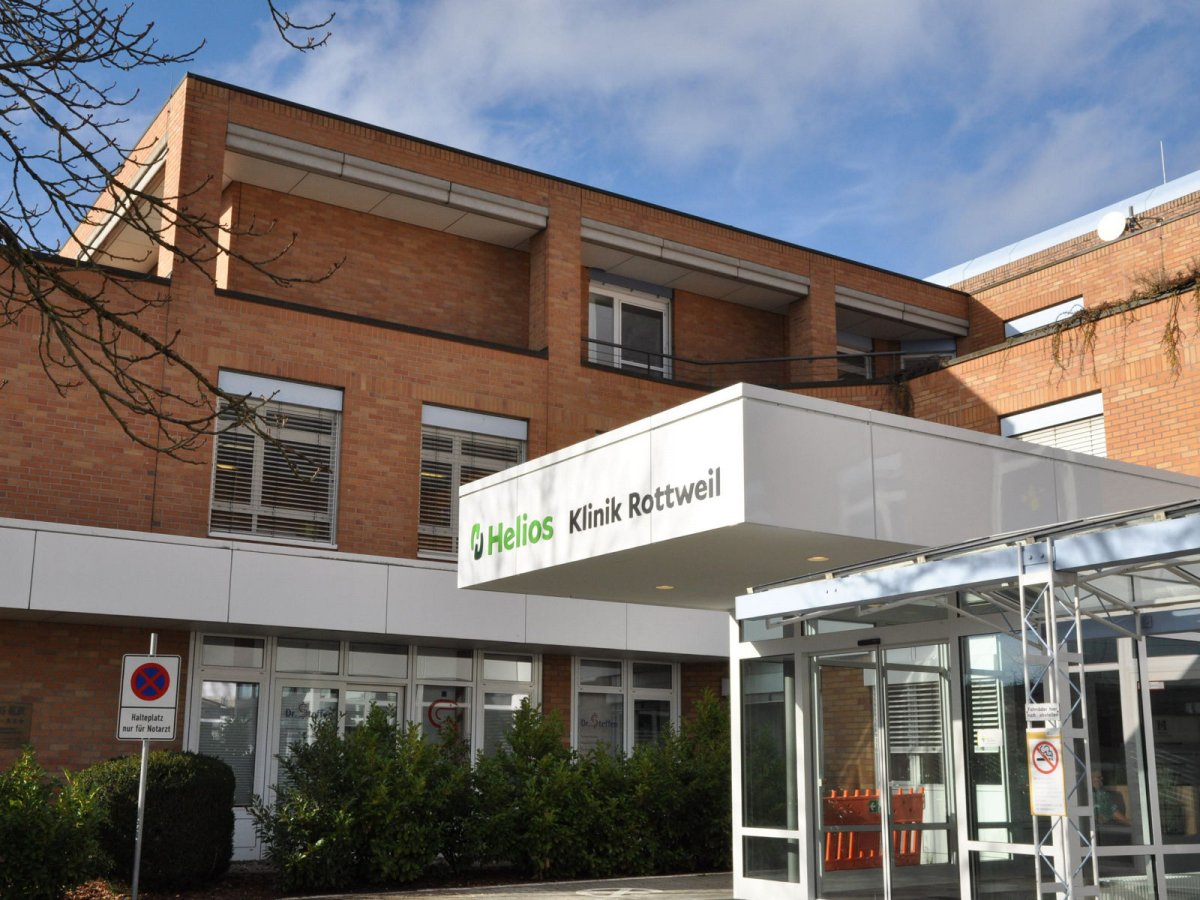

نظرة عامة على إعادة تأهيل لمرض التصلب المتعدد في ألمانيا
- العلاج الوظيفي باستخدام فأرة الكمبيوتر الرأسية - من $1,000
يعزز هذا العلاج المهارات الحركية والإدراك من خلال حركات الرأس الموجهة بالكمبيوتر.
- علاج سنوزلن - من $90
هذا العلاج عبارة عن تقنية تحفيز حسي تعزز الاسترخاء والفرح ، وغالبًا ما تستخدم للأشخاص ذوي الإعاقة.
- علاج فويتا - Vojta Therapy - من $700
يساعد هذا العلاج في تحسين المهارات الحركية من خلال حركات محددة ، ومناسبة للحالات العصبية ، مما يوفر تعافيًا أسرع وتنسيقًا أفضل.
- علاج بوباث الطبيعي - من $70
هذا العلاج هو نهج متخصص للحالات العصبية ، وتحسين القدرة على الحركة والوظيفة من خلال تمارين مخصصة.
- علاج غروس - من $6,500
يساعد هذا العلاج في تحسين المهارات الحركية من خلال تكرار الحركة وتدريب العضلات واللعب الإبداعي.
- إعادة تأهيل لمرض التصلب المتعدد - من $7,500
يساعد هذا العلاج في إدارة الأعراض وتحسين الوظيفة لدى المرضى الذين يعانون من اضطراب مزمن في الجهاز العصبي.
- إعادة التأهيل القلبي (لكل يوم واحد) - من $6,500
يساعد هذا العلاج مرضى القلب على استعادة قوتهم ومنع تطور الحالة وتحسين الصحة العامة.
يساعد العلاج في استعادة القدرات البدنية والمعرفية بعد السكتة الدماغية ، بما في ذلك جلسات تمارين وعلاج يومية مخصصة.
اليوم 1:
- الوصول والانتقال من المطار إلى الفندق.
- الراحة والتأقلم مع البيئة الجديدة.
اليوم الثاني:
- الانتقال من الفندق إلى العيادة.
- أول استشارة مع طبيب الأعصاب.
- بدء الاختبارات التشخيصية مثل التصوير بالرنين المغناطيسي واختبارات الدم.
الأسبوع الأول - الأسبوع الثاني:
- بدء برنامج إعادة تأهيل التصلب المتعدد.
- جلسات علاج طبيعي لتحسين القوة والتوازن.
- العلاج الوظيفي لتحسين مهارات الحياة اليومية.
- علاج النطق إذا لزم الأمر.
الأسبوع الثالث - الأسبوع الرابع:
- برنامج متابعة إعادة التأهيل.
- التقييم الدوري للتقدم من قبل طبيب أعصاب.
- التعديلات التي أدخلت على البرنامج إذا لزم الأمر.
الأسبوع الخامس:
- التقييم النهائي من قبل طبيب الأعصاب.
- الانتقال إلى الفندق.
يومًا بعد الأسبوع الخامس:
- نقل من الفندق إلى المطار.
- رحيل.
إعادة تأهيل:
- استمرار العلاج الوظيفي والفيزيائي في المنزل إذا لزم الأمر.
- العودة إلى العمل والأنشطة الأخرى في الأسبوع السادس.
- يمكن رؤية النتيجة النهائية في الأسبوع الثامن تقريبًا.
يرجى ملاحظة أن مدة وخصوصيات برنامج إعادة التأهيل قد تختلف حسب حالة الفرد.
- إيداع Bookimed: 200 دولار أو 200 يورو.
- وديعة العيادة: ادفع نسبة محددة مقدمًا.
بصفتها المنصة العالمية الرائدة في مجال السياحة العلاجية ، يفخر موقع Bookimed.com بتقديم المعلومات الأكثر موضوعية وشفافية حول عيادات إعادة تأهيل التصلب المتعدد والخدمات الطبية في ألمانيا. تستند جميع المعلومات المقدمة على Bookimed.com إلى البحث والاستبصار والخبرة وتفي بالاهتمام الكبير المتعلق بالمنتج وما يلي:
نظام التصنيف التلقائي الذكي
نحن نشكل قوائمنا لعيادات وأطباء إعادة تأهيل التصلب المتعدد في ألمانيا مع لوائح صارمة لنظام التصنيف الآلي الذكي الخاص بنا. يعتمد النظام على أسعار Bookimed الحقيقية للمرضى لتوفير المعلومات الأكثر موضوعية وشفافية حول العيادات والخدمات الطبية هناك.
يجمع عالم البيانات ذو الخبرة لدينا البيانات يوميًا ، ويراقب ويحسن نظام التصنيف باستخدام التعلم الآلي والذكاء الاصطناعي لضمان تحديث نظام التصنيف وتقديم نتائج دقيقة.
تجربة الناس الحقيقية فقط
نقوم بجمع آراء عملاء Bookimed فقط بعد الحصول على خبرة طبية في عيادة إعادة التأهيل لمرض التصلب المتعدد في ألمانيا - لذلك يمكن لأي شخص على المنصة الوثوق بالمنشأة التي يختارونها. نحن نسعى جاهدين لجعل المحتوى على منصتنا مفيدًا قدر الإمكان ونضمن حرية التعبير عن الآراء النقدية. وبالتالي ، ننشر مراجعات إيجابية وسلبية ، بهدف أن نكون مصدرًا لاتخاذ قرارات مستنيرة لعملائنا في المستقبل.
مواضيع ذات مستويات عالية من الخبرة والسلطة والجدارة بالثقة
على موقع Bookimed.com ، قد تجد الخيار والراحة للعثور على أفضل الحلول الطبية لإعادة تأهيل التصلب المتعدد من كبار مزودي الخدمات الطبية في ألمانيا في مكان واحد فقط ، وغالبًا ما تكون بأسعار تنافسية. للتأكد من تقديم أحدث المعلومات ، يقوم ممثلو العيادة بتحديث السير الذاتية للأطباء ، وقدرات العيادات ، والصور قبل وبعد ، والأسعار ، والحزم ، والعروض الخاصة بأنفسهم قريبًا. يمكنك مقابلة ممثل العيادة والتحقق من تاريخ المحتوى المحدث في صفحة كل عيادة للتأكد من مصداقيتها.
تم إنشاء مدونتنا والقطع الداعمة من قبل مؤلفين محترفين يتمتعون بخبرة لا تقل عن 3 سنوات في الكتابة الطبية ويتم تحريرها بواسطة متخصصين طبيين يتمتعون بخبرة إكلينيكية وبحثية ذات صلة - تم تعيينهم جميعًا بعناية في الفريق. نحن نسعى جاهدين لتعزيز وصول المريض إلى المعلومات الصحية ، مما يجعلها خبيرة ولكن يسهل فهمها. تتبع جميع القطع إرشادات التحرير الخاصة بـ Bookimed.
القيم المحجوزة
نحن مصنوعون من الناس ومن أجلهم - وهذه هي قيمتنا الأساسية. هذا هو السبب في أن جميع البيانات المقدمة على المنصة يتم جمعها وتحريرها ومراجعتها وتحديثها بانتظام من قبل مرضانا وعياداتنا الشريكة وفريقنا ، بما في ذلك المجلس الاستشاري الطبي Bookimed ، الذي يتكون من أطباء مشهورين عالميًا يتمتعون بخبرة قيمة في أكثر من 20 عاما من الممارسة وسمعة طيبة. تعلم المزيد عنا وعن مهمتنا .
في حال وجدت أي خطأ أو لديك أي أسئلة حول المعلومات المقدمة على Bookimed.com ، فلا تتردد في الاتصال بنا على marketing@bookimed.com .
المراجعات
جميع المراجعاتمشاركة المحتوى
قصص فيديو من مرضى Bookimed
 Anna Leonova
حقائق سريعة عن إعادة تأهيل لمرض التصلب المتعدد

إعادة تأهيل التصلب المتعدد
تتضمن إعادة تأهيل التصلب المتعدد علاجات متخصصة تهدف إلى تعزيز الحركة والوظائف وجودة الحياة للأفراد المصابين بالتصلب المتعدد (MS).
أسئلة متكررة حول إعادة تأهيل لمرض التصلب المتعدد في ألمانيا
هل يتم إعادة التأهيل لمرض التصلب المتعدد في ألمانيا على أساس الإقامة الداخلية أم الخارجية؟
تتبع إعادة التأهيل لمرض التصلب المتعدد في ألمانيا بشكل أساسي نموذج الإقامة الداخلية للتعافي العصبي المكثف. توفر معظم المراكز المتخصصة برامج ثابتة لعدة أسابيع للانتكاسات الشديدة أو مشاكل الحركة. توجد خيارات للعيادات الخارجية للمرضى المستقرين من خلال العيادات النهارية المحلية ومراحل إعادة الاندماج المجتمعي.
- التركيز على الإقامة الداخلية: الرعاية الثابتة هي المعيار للعلاج العصبي المكثف ومتعدد التخصصات.
- مراحل العلاج: تتطلب المرحلة الحادة (أ) والمرحلة (ب) دخول المستشفى الإلزامي.
- المدة: تستمر برامج الإقامة الداخلية المكثفة عادةً من 3 إلى 4 أسابيع.
- الانتقال للعيادات الخارجية: تركز المرحلة (هـ) على إعادة الاندماج المجتمعي ونجاح العلاج على المدى الطويل.
رؤية خبير Bookimed: تدير العيادات الألمانية مثل مستشفى هيليوس الجامعي في فوبرتال أعداداً كبيرة من المرضى عبر 28 قسماً متخصصاً. يضمن هذا النطاق حصول مرضى التصلب المتعدد على فرق متعددة التخصصات بما في ذلك أطباء الأعصاب وعلماء النفس العصبي في مكان واحد. يعد نموذج الإقامة الداخلية أكثر كفاءة لأولئك الذين يحتاجون إلى 5 جلسات علاجية متميزة أو أكثر يومياً.
إجماع المرضى: يجد العديد من المرضى أن هيكل الإقامة الداخلية المكثف أكثر ملاءمة من تنسيق المواعيد المنفصلة. ويوصون بالتأكد في وقت مبكر مما إذا كانت حالة معينة مؤهلة للمتابعة في العيادات الخارجية للحفاظ على المكاسب بعد الخروج من المستشفى.
كم تستغرق مدة برنامج إعادة التأهيل النموذجي لمرض التصلب المتعدد (MS)؟
يستغرق برنامج إعادة التأهيل النموذجي لمرض التصلب المتعدد في ألمانيا ما بين 3 إلى 4 أسابيع للعلاج الداخلي. يركز هذا الإطار الزمني على العلاج اليومي المكثف لتحسين الحركة والوظيفة الإدراكية. يمكن للأطباء تمديد البرنامج إذا أظهر المرضى تقدمًا ملحوظًا خلال إقامتهم الأولية.
- مدة الإقامة الداخلية: يكمل معظم المرضى البرامج المتخصصة في غضون 21 إلى 28 يومًا.
- تمديد البرنامج: التمديدات ممكنة بناءً على الضرورة الطبية والتحسينات الوظيفية الموثقة.
- الكثافة اليومية: يتم تركيز جداول العلاج يوميًا لتحقيق أقصى قدر من التعافي البدني والعصبي.
- خيارات العيادات الخارجية: توفر البرامج غير السكنية المرونة ولكنها عادة ما تمتد لفترات أطول مع تكرار أقل.
رؤية خبير Bookimed: تحتل ألمانيا مرتبة عالمية عالية في الرعاية العصبية مع أكثر من 80 عيادة متخصصة. تعالج المرافق الأكبر مثل مستشفى هيليوس الجامعي في فوبرتال 150,000 مريض سنويًا. يسمح حجم المرضى المرتفع لديهم بوجود فرق متعددة التخصصات مبسطة تزيد من الاستفادة من النافذة العلاجية التي تبلغ 3 أسابيع.
إجماع المرضى: يجد العديد من المرضى أن التنسيق المكثف لمدة 3 أسابيع يساعد في إنشاء روتين حيوي. ومع ذلك، يذكر البعض أن الفوائد غالبًا ما تصل إلى ذروتها تمامًا عند انتهاء البرنامج القياسي.
ما هي العلاجات المتخصصة المدمجة في برنامج إعادة تأهيل التصلب المتعدد في ألمانيا؟
تدمج برامج إعادة تأهيل التصلب المتعدد في ألمانيا الروبوتات المتقدمة، والعلاج الطبيعي العصبي، والتدريب النفسي العصبي داخل مرافق متعددة التخصصات. تؤكد هذه العيادات على المرونة العصبية باستخدام هياكل Lokomat الخارجية، ومفاهيم Bobath المتخصصة، وعلاج البلع F.O.T.T. يستهدف هذا النهج الشامل التحكم الحركي، وإدارة التعب، وإعادة التأهيل المهني لتحقيق الاستقلالية على المدى الطويل.
- التدريب على المشي الروبوتي: تعيد هياكل Lokomat الخارجية بناء المسارات العصبية من خلال حركات مشي دقيقة ومدعومة بالوزن.
- بروتوكولات العلاج الطبيعي العصبي: تعالج مفاهيم Bobath وVojta وPNF المتخصصة التشنج والتوازن.
- إعادة التأهيل المعرفي: يعمل التدريب بمساعدة الكمبيوتر على شحذ الذاكرة والانتباه والوعي المكاني للمرضى.
- علاج النطق المتخصص: تعمل تكتيكات مثل طريقتي TAKTKIN وPadovan على تصحيح اضطرابات النطق والبلع.
- إعادة التأهيل المهني: تشمل المرحلة الرابعة من إعادة التأهيل اختبارات الإجهاد في مكان العمل والتدريب على التكيف المريح.
رؤية خبير Bookimed: تحتل ألمانيا المرتبة بين أفضل 4 وجهات عالمية للرعاية العصبية المتخصصة. تعالج عيادات مثل مستشفى هيليوس الجامعي في فوبرتال 150,000 مريض سنويًا ببنية تحتية ضخمة تضم 28 قسمًا. يسمح هذا الحجم الكبير بتخصصات متخصصة، مثل الجمع بين طب المسالك البولية العصبية والارتجاع البيولوجي لقاع الحوض. نادرًا ما يوجد مثل هذا التكامل في مراكز إعادة التأهيل العامة الأصغر.
إجماع المرضى: يقدر المرضى كيفية تكيف
كيف يتم **تقسيم** إعادة التأهيل العصبي إلى مراحل في ألمانيا؟
تتبع إعادة التأهيل العصبي في ألمانيا نموذجًا قياسيًا من ست مراحل وضعه المجلس الفيدرالي الألماني لإعادة التأهيل. ينقل هذا المسار المنظم المرضى من مرحلة الاستقرار الحاد (المرحلة أ) عبر العلاج الداخلي المكثف (المراحل ب-ج) إلى إعادة الاندماج الاجتماعي والمهني (المراحل هـ-و)، مما يضمن الاستقلالية الطبية والوظيفية.
- المرحلة أ/ب: الرعاية الحادة والتحريك المبكر للمرضى الذين يحتاجون إلى إشراف طبي مكثف.
- المرحلة ج: علاج داخلي مركز للمرضى الذين يحتاجون إلى دعم تمريضي كبير وتدريب على الرعاية الذاتية.
- المرحلة د: إعادة التأهيل الطبي لمساعدة المرضى القادرين على الحركة على العودة إلى الحياة المجتمعية والعيش المستقل.
- المرحلة هـ/و: إعادة الاندماج المهني والرعاية طويلة الأمد للحفاظ على الاستقرار ومنع المضاعفات الثانوية.
رؤية خبير Bookimed: إعادة التأهيل العصبي الألماني بيروقراطي للغاية ويتطلب درجات سريرية دقيقة مثل مؤشر بارثيل. بالنسبة لمرضى التصلب المتعدد، تعطي عيادات مثل مستشفى هيليوس الجامعي في فوبرتال الأولوية لاستقرار الانتكاسات قبل بدء إعادة التأهيل. من الضروري البدء في أوراق التأمين أو التنسيب مبكرًا لأن القبول يعتمد على تعريفات المراحل القياسية هذه.
إجماع المرضى: يؤكد المرضى أن إعادة التأهيل هي عملية قائمة على مراحل وليست حدثًا واحدًا. يقدر الكثيرون جداول العلاج المنضبطة للغاية، لكنهم يحذرون من أن البرامج تختلف بشكل كبير بناءً على تخصص العيادة.
ما هي التقنيات الطبية المتقدمة المستخدمة في عيادات إعادة تأهيل التصلب المتعدد في ألمانيا؟
تدمج عيادات إعادة تأهيل التصلب المتعدد في ألمانيا الروبوتات المتقدمة والتكنولوجيا العصبية لتحفيز المرونة العصبية. تشمل التقنيات الرئيسية الهياكل الخارجية الثابتة مثل Lokomat، وأنظمة Cyberdyne HAL القابلة للارتداء، والتحفيز الكهربائي الوظيفي (FES). تعالج هذه الأدوات التشنج وخلل المشي، بينما توفر أنظمة الارتجاع البيولوجي بيانات التنسيق والتوازن في الوقت الفعلي.
- تدريب المشي الروبوتي: يستخدم هياكل خارجية ثابتة أو قابلة للارتداء لإعادة تدريب أنماط المشي الفسيولوجية.
- روبوتات الأطراف العلوية: تستخدم أجهزة متخصصة مثل Amadeo أقراصًا مغناطيسية لإعادة تأهيل المهارات الحركية الدقيقة.
- أنظمة مقاومة الجاذبية: تقلل أجهزة المشي التي تعمل بضغط الهواء والمستندة إلى تقنية ناسا من وزن الجسم بنسبة تصل إلى 80% أثناء التمرين.
- التكنولوجيا العصبية: تطلق واجهات الدماغ والحاسوب تحفيزًا كهربائيًا عن طريق اكتشاف نوايا الحركة العصبية.
رؤية خبير Bookimed: يُظهر تحليل مراكز إعادة التأهيل العصبي الألمانية أن تحليل المشي عالي الدقة هو مؤشر جودة حاسم. في حين أن العديد من العيادات تقدم الروبوتات، تستخدم المرافق المتميزة مثل مستشفى هيليوس الجامعي في فوبرتال بيانات موضوعية لتعديل العلاج يوميًا. غالبًا ما يجد المرضى أن التناوب بين تقنيات متعددة يوميًا يحقق مكاسب وظيفية أفضل من استخدام جهاز واحد.
إجماع المرضى: يجد العديد من المرضى أن الجمع بين المدربين الروبوتيين وأنظمة دعم وزن الجسم يسمح بجلسات أطول دون إرهاق. ويؤكدون أن كثافة التكامل التكنولوجي اليومي
هل يمكن للمرضى الدوليين السفر إلى ألمانيا لإعادة التأهيل من التصلب المتعدد؟
يمكن للمرضى الدوليين السفر إلى ألمانيا للحصول على إعادة تأهيل متخصصة لمرض التصلب المتعدد. تقدم المرافق الألمانية برامج متعددة التخصصات مكثفة للتعافي العصبي. توفر المراكز المتخصصة علاجات بمساعدة الروبوت، وإدارة التشنج، والتدريب المعرفي. تساعد العيادات في الحصول على خطابات الدعوة الطبية الأساسية المطلوبة للسفر الدولي وطلبات التأشيرة الطبية.
- البنية التحتية للعيادات: تضم ألمانيا 82 عيادة متخصصة تقدم برامج عصبية منظمة ومكثفة العلاج.
- مدة العلاج: تستغرق برامج إعادة التأهيل للمرضى الداخليين عادةً ما بين 3 إلى 6 أسابيع.
- سعة المستشفى: تعالج المراكز الكبرى مثل مستشفى هيليوس الجامعي في فوبرتال 150,000 مريض سنويًا.
- التكنولوجيا المتقدمة: تستخدم البرامج التدريب بمساعدة الروبوت Lokomat والتمارين المعرفية المدعومة بالكمبيوتر.
رؤية خبير Bookimed: تكون إعادة التأهيل في ألمانيا أكثر فعالية عند حجزها كإقامة مكثفة للمرضى الداخليين. على عكس العلاج الطبيعي للمرضى الخارجيين، توفر هذه البرامج رعاية تمريضية على مدار 24 ساعة وجلسات متعددة التخصصات يومية. يجب على المرضى الاتصال بمرافق إعادة التأهيل مباشرة. غالبًا ما تفتقر المستشفيات العامة إلى الوثائق المحددة اللازمة لقبول إعادة التأهيل للأجانب ودعم التأشيرات المتخصصة.
إجماع المرضى: يجد العديد من المرضى هذه البرامج مفيدة للغاية مباشرة بعد الانتكاسة أو التدهور الوظيفي. ينصح معظمهم بترتيب مترجمين فوريين في وقت مبكر، حيث أن التواصل المستمر مع طاقم التمريض والمعالجين أمر حيوي للنجاح.
هل يتوفر موظفون يتحدثون الإنجليزية في عيادات إعادة التأهيل الألمانية؟
يتوفر الموظفون الذين يتحدثون الإنجليزية على نطاق واسع في عيادات إعادة التأهيل الألمانية، وخاصة في المستشفيات الدولية الكبرى مثل مستشفى هيليوس الجامعي في فوبرتال. في حين أن معظم أطباء الأعصاب والأطباء الكبار يتحدثون الإنجليزية بطلاقة، فإن الطلاقة بين ممرضي الرعاية السريرية والمعالجين تختلف حسب المنشأة. غالبًا ما توفر المراكز المتميزة دعمًا مخصصًا متعدد اللغات للمرضى الدوليين.
- التواصل مع الأطباء: يحافظ معظم الأطباء الألمان على مستوى عالٍ من إتقان اللغة الإنجليزية للمناقشات الطبية المعقدة.
- الاختلاف السريري: تعطي العيادات الدولية الخاصة الأولوية للموظفين الذين يتحدثون الإنجليزية أكثر من المرافق العامة الإقليمية.
- طاقم الدعم: غالبًا ما تتضمن رعاية التمريض اليومية لغة إنجليزية أساسية مدعومة بأدوات الترجمة.
- جلسات العلاج: غالبًا ما تتوفر جلسات فردية باللغة الإنجليزية عند الطلب المسبق.
رؤية خبير Bookimed: تُظهر البيانات من 82 عيادة ألمانية تركيزًا عاليًا للخدمات الدولية في المستشفيات الجامعية الكبيرة. يخدم مستشفى هيليوس الجامعي في فوبرتال 150,000 مريض سنويًا ويدير حالات معقدة من خلال أقسامه الثمانية والعشرين. غالبًا ما يضمن المرضى تواصلًا أفضل من خلال اختيار هذه المراكز ذات الحجم الكبير حيث تعتاد الفرق الإدارية على الخدمات اللوجستية الدولية.
إجماع المرضى: يعتمد النجاح على تأكيد قدرة التمريض والعلاج باللغة الإنجليزية قبل الوصول. يوصي العديد من المسافرين باستخدام تطبيقات الترجمة للتفاعلات الروتينية وإحضار مرافق يتحدث الألمان
ما هي المستشفيات في ألمانيا التي تحظى بأعلى التقييمات في جراحة الأعصاب؟
تضم ألمانيا بعضًا من أرقى أقسام جراحة الأعصاب في العالم، بقيادة مستشفى شاريتيه الجامعي في برلين ومستشفى جامعة هايدلبرغ. وتتميز هذه المراكز بخبرتها الواسعة في علاج أورام الدماغ المعقدة وأمراض الأوعية الدموية الدماغية. ولتحقيق أقصى قدر من الفعالية في عملياتها، تستخدم هذه المراكز أحدث التقنيات، مثل التصوير بالرنين المغناطيسي أثناء الجراحة والتوجيه العصبي بمساعدة الحاسوب.
- مستشفى شاريتيه برلين: يُجري أكثر من 5000 عملية جراحية سنوياً. ويرأس العيادة جراح الأعصاب الشهير الدكتور بيتر فايكوتشي.
- المركز الطبي في سولينجن: أجرى الدكتور رالف بوهل أكثر من 4000 عملية جراحية، بما في ذلك جراحات العمود الفقري طفيفة التوغل.
- عيادة أسكليبيوس نورد: مجهزة بنظام التصوير بالرنين المغناطيسي الثنائي الوحيد في ألمانيا أثناء الجراحة لضمان الدقة الجراحية في الوقت الحقيقي أثناء إزالة الورم.
- عيادة نوردويست: تم الاعتراف بها من قبل مجلة نيوزويك كمستشفى رائد في مجال الابتكار في تكنولوجيا الموجات فوق الصوتية ثلاثية الأبعاد.
رأي خبراء بوكيمد: تشير البيانات إلى أن اختيار المراكز ذات الحجم الجراحي الكبير غالبًا ما يؤدي إلى توصيات علاجية أكثر تحفظًا. ففي مركز سولينجن الطبي، الذي يعالج أكثر من 60,000 مريض
ما هي نسب نجاح العمليات الجراحية العصبية المعقدة في ألمانيا؟
في ألمانيا، تتميز العمليات الجراحية العصبية بالغة التعقيد بمستوى أمان استثنائي. تصل نسبة نجاح عمليات دمج الفقرات إلى 99%، بينما تبلغ نسبة النجاة بعد استئصال أورام الدماغ الأولية 97%. كما يتمتع المرضى بقدرة عالية على الاعتماد على أنفسهم في أداء وظائفهم اليومية، حيث يغادر أكثر من 82% منهم المستشفى مباشرةً بعد العلاج. وتولي المراكز الألمانية اهتماماً بالغاً بالحفاظ على الوظائف العصبية باستخدام أحدث تقنيات التخطيط العصبي.
- استئصال الورم: يحقق الجراحون استئصالًا كاملاً للورم في 87.2% من حالات النقائل الدماغية.
- النجاح في علاج أمراض الأوعية الدموية: أفادت المستشفيات الألمانية بنسبة نجاة بلغت 98.7% لحالات تمدد الأوعية الدموية غير الممزقة.
- تحسن الحالة العصبية: يشهد ما يقرب من 43% من المرضى تحسناً في المعايير الوظيفية بعد عمليات الاستئصال المعقدة.
- سلامة التدخلات الجراحية: في المراكز الجراحية الكبيرة، تتراوح معدلات بقاء المرضى على قيد الحياة بعد جراحة العمود الفقري بين 98-99%.
رأي خبراء بوكيمد: يُجري جراحون ذوو خبرة، مثل الدكتور أوفه كولر من عيادة أسكليبيوس ألتونا، أكثر من 2000 عملية جراحية سنويًا. تُشير البيانات إلى أن هؤلاء المتخصصين يحافظون على معدلات نجاح تصل إلى 90%، حتى
ما هي التقنيات المتقدمة المتوفرة عادةً في عيادات جراحة الأعصاب الألمانية؟
تُدخل عيادات جراحة الأعصاب الألمانية بانتظام أدوات رقمية عالية الدقة وتقنيات تصوير فوري في الممارسة الجراحية. تشمل التقنيات الرئيسية الملاحة العصبية الحاسوبية لجراحات الدماغ والحبل الشوكي. تستخدم مؤسسات مثل عيادة أسكليبيوس نورد التصوير بالرنين المغناطيسي أثناء الجراحة للتحقق من استئصال الورم في الوقت الفعلي. توفر هذه الأنظمة للجراحين نظام ملاحة ثلاثي الأبعاد.
- الملاحة العصبية: توفر تصورًا ثلاثي الأبعاد وتتبعًا فوريًا للأدوات لتحقيق دقة جراحية تصل إلى مستوى أقل من المليمتر.
- التصوير أثناء العملية: تسمح أنظمة مثل التصوير بالرنين المغناطيسي أثناء العملية (iMRI) والتصوير المقطعي المحوسب ذي الذراع O (O-arm CT) بالتأكيد الفوري على نجاح عملية الاستئصال.
- المراقبة العصبية: تراقب الوظائف الحركية والحسية أثناء الجراحة لحماية الجهاز العصبي.
- التشخيص الفلوري: يتم استخدام صبغة 5-ALA لتسليط الضوء على حدود الورم من أجل إزالته بشكل أكثر اكتمالاً.
- المساعدة الروبوتية: تعمل أنظمة مثل نظام دافنشي على تحسين الدقة في الإجراءات المعقدة ذات التدخل الجراحي البسيط.
رأي خبراء بوكيمد: تُجري مراكز طبية كبيرة، مثل مستشفى شاريتيه الج