إعادة التأهيل من السكتة الدماغية في ألمانيا — احصل على 3 عيادات مطابقة مع التكاليف


تمت مراجعة المقالة طبيا من قبل
فهد مولود
ما هي تكلفة إعادة التأهيل من السكتة الدماغية في ألمانيا؟ اكتشف الآن
تتراوح تكلفة إعادة التأهيل بعد السكتة الدماغية في ألمانيا عادةً بين السعر عند الطلب و السعر عند الطلب. يعتمد السعر النهائي على مرحلة التأهيل، وكثافة العلاج اليومي، ومدى استخدام التقنيات المتخصصة. تشمل برامج التأهيل الألمانية القياسية علاجاً متعدد التخصصات، ورعاية تمريضية على مدار الساعة، وإقامة كاملة.
- العلاج بمساعدة الروبوت: تزداد التكلفة نظراً لاستخدام تقنيات متطورة مثل هياكل دعم المشي الخارجية.
- المرحلة العصبية: تكلفة الرعاية المكثفة في المرحلة المبكرة (Phase B) أعلى بكثير من المرحلتين C و D.
- العلاجات المتخصصة: تختلف شمولية علاجات بوباث وتقويم العظام وعلاج النطق حسب الأسعار اليومية للمصحة.
- المراكز الطبية الكبرى: تتركز مراكز العلاج الرئيسية في مدن برلين وإسن وبريمن وفورتسهايم.
رأي خبراء Bookimed: غالباً ما يوفر اختيار مركز متخصص قيمة أفضل من المستشفيات العامة. على سبيل المثال، يستخدم مركز إعادة التأهيل الروبوتي ووك أجين في برلين أنظمة روبوتية مخصصة لتسريع التعافي. في الوقت نفسه، تُصنف عيادة بريمن-ميته ضمن أفضل المستشفيات الألمانية وفقاً لمجلة فوكوس. تشير الأبحاث إلى أن العيادات التي تجمع بين البحث والعلاج، مثل مستشفى إسن الجامعي، تقدم معايير سريرية عالية المستوى.
المزايا الرئيسية
لماذا تختار ألمانيا لإعادة تأهيل السكتة الدماغية؟
- عيادات معتمدة: تحصل العيادات في ألمانيا على شهادات من KTQ. يضمن ذلك التزامها بمعايير عالية للجودة وتركيزها على سلامة المرضى.
- أحدث التقنيات: تستخدم طرق مبتكرة مثل العلاج بالحركة المحفزة بالقيود (CIMT). بالإضافة إلى ذلك، تستخدم أجهزة مساعدة روبوتية مثل Lokomat® وArmeo®Spring لتعزيز استعادة الحركة وتحسين النتائج الوظيفية.
- نسب نجاح عالية: إعادة تأهيل السكتة الدماغية في ألمانيا فعالة للغاية. تحقق نسبة نجاح تتراوح بين 70-80% في تحسين الحركة والاستقلالية بين المرضى.
- ممارسون خبراء: تحتضن ألمانيا كبار أطباء الأعصاب وأخصائيي العلاج الطبيعي. يحمل العديد منهم شهادات من الجمعية الألمانية لإعادة التأهيل العصبي وقد تعاملوا مع أكثر من 10,000 حالة إعادة تأهيل للسكتة الدماغية، مما يبرز خبرتهم الواسعة وكفاءتهم.
احصل على حلول متقدمة لإعادة تأهيل السكتة الدماغية في عيادات موثوقة .
مزاياك وضماناتك مع Bookimed
أسعار مباشرة
Bookimed لا يضيف رسوماً إضافية على أسعار إعادة التأهيل من السكتة الدماغية. الأسعار مأخوذة من قوائم الأسعار الرسمية للعيادات. تدفع مباشرة في العيادة مقابل إعادة التأهيل من السكتة الدماغية عند وصولك.
عيادات وأطباء معتمدون فقط
Bookimed ملتزم بسلامتك. نحن نعمل فقط مع المؤسسات الطبية التي تحافظ على معايير دولية عالية في إعادة التأهيل من السكتة الدماغية ولديها التراخيص اللازمة لخدمة المرضى الدوليين في جميع أنحاء العالم.
مساعدة مجانية على مدار الساعة
Bookimed يقدم مساعدة خبراء مجانية. منسق طبي شخصي يدعمك قبل وأثناء وبعد العلاج، ويحل أي مشاكل. لن تكون وحيداً أبداً في رحلة إعادة التأهيل من السكتة الدماغية.

منسقك الطبي الشخصي في Bookimed
- يدعمك في كل مرحلة
- المساعدة في اختيار العيادة الطبية المناسبة والطبيب المناسب
- يضمن الوصول السريع والمريح إلى المعلومات
اكتشف أفضل إعادة التأهيل من السكتة الدماغية العيادات في ألمانيا: 6 خيارات معتمدة والأسعار
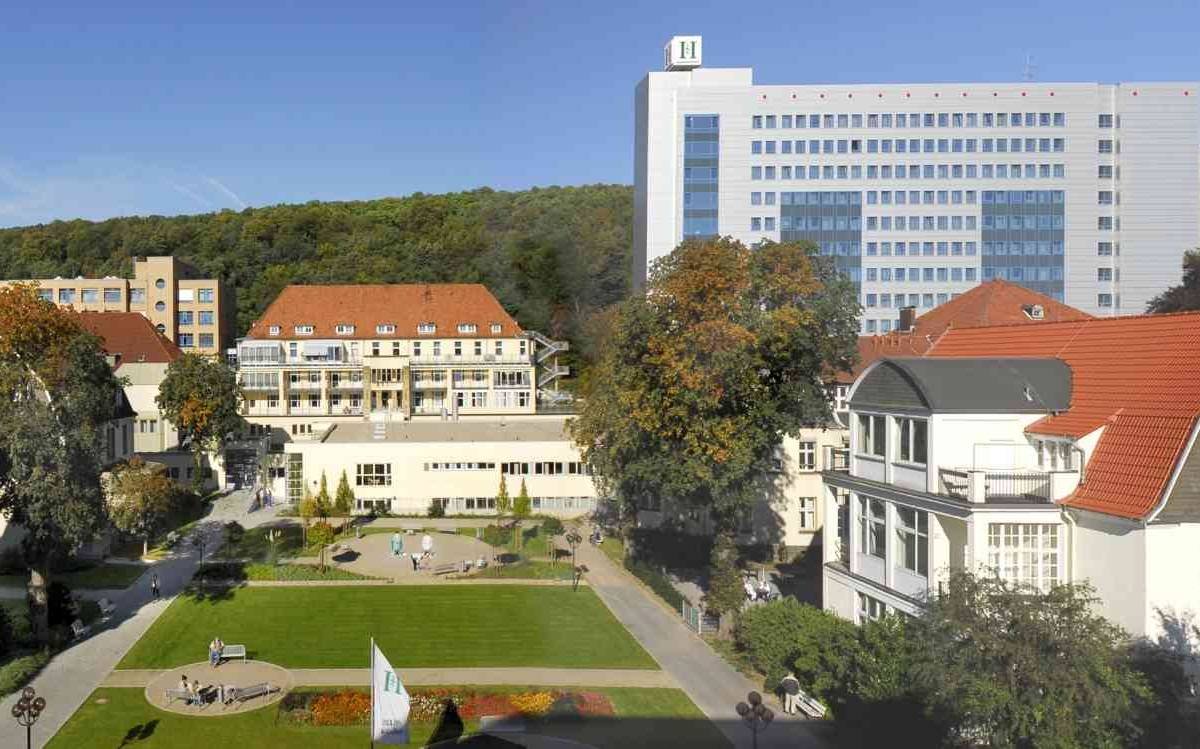



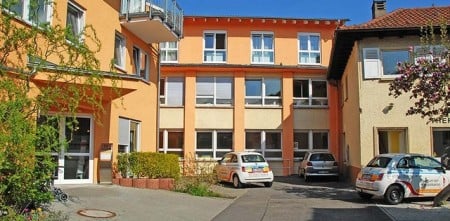
Zentrum der Rehabilitation Pforzheim
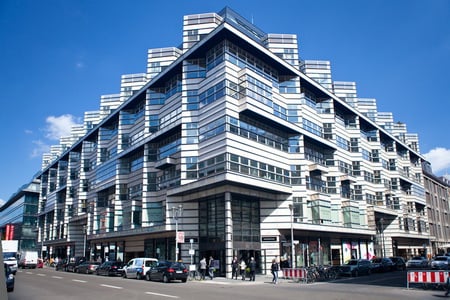
Robotic Rehabilitation Center Walk Again



نظرة عامة على إعادة التأهيل من السكتة الدماغية في ألمانيا
- العلاج الوظيفي باستخدام فأرة الكمبيوتر الرأسية - من $1,000
يعزز هذا العلاج المهارات الحركية والإدراك من خلال حركات الرأس الموجهة بالكمبيوتر.
- علاج سنوزلن - من $90
هذا العلاج عبارة عن تقنية تحفيز حسي تعزز الاسترخاء والفرح ، وغالبًا ما تستخدم للأشخاص ذوي الإعاقة.
- علاج فويتا - Vojta Therapy - من $700
يساعد هذا العلاج في تحسين المهارات الحركية من خلال حركات محددة ، ومناسبة للحالات العصبية ، مما يوفر تعافيًا أسرع وتنسيقًا أفضل.
- علاج بوباث الطبيعي - من $70
هذا العلاج هو نهج متخصص للحالات العصبية ، وتحسين القدرة على الحركة والوظيفة من خلال تمارين مخصصة.
- علاج غروس - من $6,500
يساعد هذا العلاج في تحسين المهارات الحركية من خلال تكرار الحركة وتدريب العضلات واللعب الإبداعي.
- إعادة تأهيل لمرض التصلب المتعدد - من $7,500
يساعد هذا العلاج في إدارة الأعراض وتحسين الوظيفة لدى المرضى الذين يعانون من اضطراب مزمن في الجهاز العصبي.
- إعادة التأهيل القلبي (لكل يوم واحد) - من $6,500
يساعد هذا العلاج مرضى القلب على استعادة قوتهم ومنع تطور الحالة وتحسين الصحة العامة.
يساعد العلاج في استعادة القدرات البدنية والمعرفية بعد السكتة الدماغية ، بما في ذلك جلسات تمارين وعلاج يومية مخصصة.
اليوم الأول: الوصول
- الوصول إلى عيادة إعادة التأهيل بعد السكتة الدماغية.
- تسجيل الوصول إلى فندق محلي (الإقامة غير مشمولة).
اليوم الثاني: ما قبل العملية
- استشارة طبيب أعصاب وأخصائي علاج طبيعي.
- اخضع لفحص لكامل الجسم واختبارات عصبية.
الأسبوع الأول - الأسبوع الثاني: إعادة التأهيل بعد السكتة الدماغية
- ابدأ جلسات العلاج الطبيعي اليومية.
- الانخراط في العلاج المهني.
- حضور جلسات النطق والعلاج المعرفي.
الأسبوع الثالث - الأسبوع الرابع: إعادة التأهيل المستمر
- تواصل مع جلسات العلاج اليومية.
- تقييم التقدم من قبل فريق إعادة التأهيل.
الأسبوع الخامس: بعد العملية
- التقييم النهائي من قبل طبيب الأعصاب.
- خطط لتمارين إعادة التأهيل في المنزل.
الأسبوع السادس: المغادرة
- الخروج من العيادة بعد إعادة التأهيل بنجاح.
يرجى ملاحظة أن خطة إعادة التأهيل يمكن أن تختلف بناءً على حالة المريض الفردية والتقدم.
- إيداع Bookimed: 200 دولار أو 200 يورو.
- وديعة العيادة: ادفع نسبة محددة مقدمًا.
تلتزم Bookimed، وهي منصة عالمية رائدة في مجال السياحة الطبية، بمساعدة العملاء الذين يبحثون عن إعادة تأهيل السكتة الدماغية في ألمانيا من خلال تقديم مساعدة الخبراء والحلول الطبية الجديرة بالثقة لكل حالة. يُستخدم نظام التصنيف التلقائي الذكي لإنشاء قوائم عيادات شفافة، ويتم صيانتها بدقة بواسطة عالم بيانات يستخدم الذكاء الاصطناعي للتأكد من دقتها. تضمن المنصة الأصالة من خلال نشر مراجعات من مرضى حقيقيين بعد علاجهم. يقدم Bookimed حلولاً طبية شاملة، مع تحديثات من العيادات لضمان الثقة. المحتوى الخاص بإعادة تأهيل السكتة الدماغية في ألمانيا، والذي وضعه مؤلفون طبيون ذوو خبرة ومراجعته من قبل متخصصين، يلتزم بإرشادات التحرير الخاصة بـ Bookimed ، مما يعكس التزام المنصة بتقديم معلومات صحية عالية الجودة وواضحة. لمزيد من التفاصيل أو الاستفسارات، لا تتردد في الاتصال بنا على Marketing@bookimed.com أو معرفة المزيد عنا وعن مهمتنا عن Bookimed .
احصل على تقييم طبي لـ إعادة التأهيل من السكتة الدماغية في ألمانيا: اختر أخصائيك من بين الأفضل في هذا المجال
عرض جميع الأطباء
Marco Dorshner
يتخصص الدكتور ماركو دورشنر في إعادة التأهيل بعد السكتة الدماغية، حيث يجمع بين علاج بوباث والتقنيات اليدوية لمساعدة المرضى على استعادة قدرتهم على الحركة.
- مدرب كمعالج بوباث للحالات العصبية
- يستخدم علاج الاستخدام القسري لتحسين التعافي الحركي
- يقدم إعادة تأهيل شاملة تشمل علاج النطق والتصريف اللمفاوي
- يعمل في مركز إعادة التأهيل في بفورتسهايم (Zentrum der Rehabilitation Pforzheim)

Daniela Dorshner-Gerlofs
تتخصص الدكتورة دانييلا دورشنر-جيرلوفس في طب الأعصاب والطب الطبيعي في مركز إعادة التأهيل في بفورتسهايم (Zentrum der Rehabilitation Pforzheim)، المعروف بإعادة التأهيل الشامل بعد السكتة الدماغية.
- خبرة في علاج أمراض الأعصاب والعضلات إلى جانب التعافي من السكتة الدماغية
- تحظى بثقة كبيرة من المرضى والزملاء على حد سواء
- تقدم خطط إعادة تأهيل مخصصة لتحقيق أقصى قدر من النتائج للمرضى

Ruud Gerlofs
يتمتع الدكتور جيرلوفس بخبرة تزيد عن في طب الأعصاب والعلاج الطبيعي في إعادة التأهيل بعد السكتة الدماغية في مركز إعادة التأهيل في بفورتسهايم (Zentrum der Rehabilitation Pforzheim).
- متخصص في طب الأعصاب وجراحة العظام
- خبير في علاج الإصابات الرياضية
- يتحدث الألمانية والإنجليزية والهولندية بطلاقة
- يحظى بتقدير كبير من قبل المرضى والزملاء
مشاركة المحتوى
قصص فيديو من مرضى Bookimed
 Anna Leonova
حقائق سريعة عن إعادة التأهيل من السكتة الدماغية
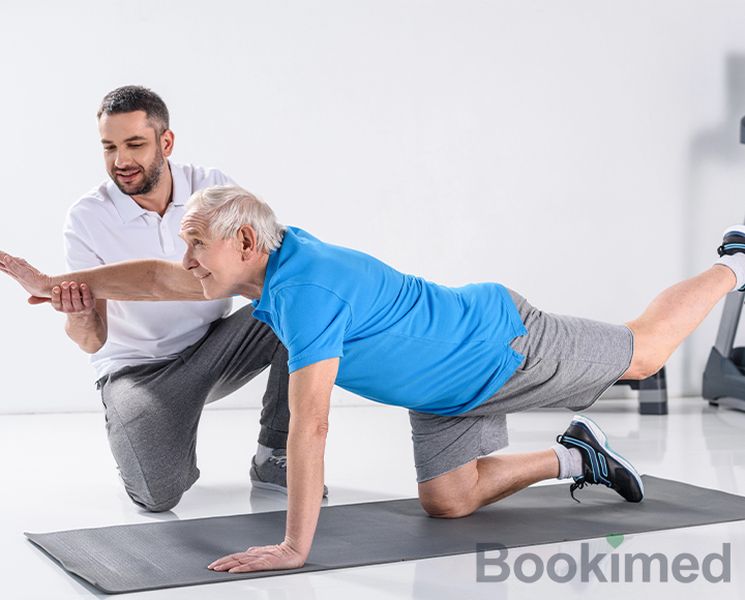
إعادة تأهيل السكتة الدماغية
إعادة التأهيل من السكتة الدماغية هو برنامج شامل مصمم لمساعدة الأفراد على التعافي واستعادة المهارات المفقودة بسبب إصابة الدماغ من السكتة الدماغية.
أسئلة متكررة حول إعادة التأهيل من السكتة الدماغية في ألمانيا
ما الذي يحدث مباشرة بعد انتهاء فترة التأهيل في المستشفى؟
بعد انتهاء فترة التأهيل من السكتة الدماغية في المستشفى في ألمانيا، ينتقل المرضى إلى خطة خروج منظمة تركز على الرعاية الخارجية. تتضمن هذه المرحلة الانتقال من الإشراف الطبي على مدار 24 ساعة إلى التأهيل العصبي في العيادات الخارجية، والعلاج الطبيعي في المنزل، ومواعيد المتابعة المتخصصة مع أطباء الأعصاب للحفاظ على تقدم التعافي العصبي.
- الانتقال الطبي: الانتقال من مرافق الرعاية الداخلية إلى مراكز التأهيل العصبي الخارجية أو المتنقلة.
- تنسيق المتابعة: تبدأ المواعيد المجدولة مع طبيب أعصاب، وطبيب إعادة تأهيل، وطبيب الأسرة.
- تسليم الوثائق: يتلقى المرضى ملخصات العلاج، والوصفات الطبية، ونماذج العجز أو الإجازة المرضية.
- الرعاية المنزلية: تستمر جلسات العلاج الوظيفي وعلاج النطق في المنزل أو في العيادات المحلية.
رؤية خبير Bookimed: بينما يختار الكثيرون مستشفيات جامعية شهيرة مثل إيسن أو بريمن-ميتي، توفر المراكز المتخصصة مثل مركز التأهيل في بفورتسهايم (Zentrum der Rehabilitation Pforzheim) ميزة كبيرة لتخطيط ما بعد الخروج. نظرًا لأن هذه المرافق الأصغر أسسها أطباء تأهيل مثل رود غيرلوفس، فإنها غالبًا ما توفر تنسيقًا أكثر تخصيصًا بين العلاج الداخلي بمساعدة الروبوت واستراتيجيات البقاء على المدى الطويل في العيادات الخارجية.
إجماع المرضى: غالبًا ما تبدو مرحلة الانتقال مفاجئة بسبب الإرهاق الفوري ونقص هيكل الـ 24 ساعة السابق. يوصي معظمهم بترتيب وسائل المساعدة على الحركة وتصاريح النقل قبل أسبوع على الأقل من تاريخ الخروج الرسمي.
ما هي هيكلية إعادة التأهيل من السكتة الدماغية في ألمانيا؟
يتبع إعادة التأهيل من السكتة الدماغية في ألمانيا نظاماً طبياً مرحلياً تنظمه مبادئ توجيهية للمجموعة العمل الفيدرالية لإعادة التأهيل (BAR). وينقل المرضى من وحدات السكتة الدماغية الحادة (المرحلة أ) عبر إعادة التأهيل العصبي المبكر المكثف (المرحلة ب) إلى التدريب الوظيفي التخصصي لما بعد المرحلة الحادة (المرحلتان ج-د) باستخدام تقنيات الروبوت المتقدمة وفرق علاجية متعددة التخصصات.
- رعاية المرحلة ب: تركز على العلاج المكثف للمرضى المستقرين طبياً الذين يحتاجون إلى مستوى عالٍ من مساعدة التمريض.
- تقنيات العلاج: تشمل علاج بوباث (Bobath)، وتدريب الاستخدام القسري (forced-use training)، وأنظمة المشي بمساعدة الروبوت لتعزيز المرونة العصبية.
- الفرق متعددة التخصصات: تنسق بين أطباء الأعصاب وأخصائيي العلاج الطبيعي وأخصائيي علاج النطق لوضع خطط تعافي فردية.
- التكنولوجيا السريرية: تستخدم التشخيص القائم على الذكاء الاصطناعي وهياكل المشي الخارجية (إكسوسكيلتون) في مراكز في برلين وإيسن.
رؤية خبير Bookimed: بينما تركز العديد من البلدان فقط على العلاج الطبيعي، تدمج المراكز الألمانية مثل Zentrum der Rehabilitation Pforzheim العلاج بتقويم العظام (الاستيوباثي) المتخصص والتصريف اللمفاوي في إعادة التأهيل العصبي. تظهر البيانات أن العيادات هنا تحافظ على نسب أعلى من الأطباء لكل مريض، حيث يدير أكثر من 500 طبيب في Helios Wuppertal مراحل تعافي معقدة. بالنسبة للمرضى الدوليين، غالباً ما يوفر التركيز على عيادات المرحلة ب-ج في مدن مثل بريمن أو بفورتسهايم وصولاً أسهل إلى العلاج الروبوتي ا
هل توجد مراكز متخصصة لإعادة التأهيل بعد السكتة الدماغية في ألمانيا؟
تضم ألمانيا كثافة عالية من مراكز إعادة التأهيل المتخصصة بعد السكتة الدماغية والمعتمدة من قبل ISO ومجلة Focus. توفر هذه المرافق إعادة تأهيل عصبي متعدد التخصصات للمرضى الداخليين، تجمع بين علاج النطق، والعلاج الوظيفي، والمساعدة الروبوتية. تستخدم المراكز المتخصصة مثل عيادة Bremen-Mitte وWalk Again Berlin تقنيات متقدمة للتعافي العصبي من أجل رعاية شاملة للمرضى.
- التكنولوجيا الروبوتية: يستخدم مركز Robotic Rehabilitation Center Walk Again روبوتات مبتكرة للتعافي العضلي الهيكلي.
- طاقم عمل متخصص: يقدم Zentrum der Rehabilitation Pforzheim برامج فريدة لترميم الأعصاب بقيادة خبراء إعادة التأهيل.
- مرافق معتمدة: تم تصنيف عيادة Bremen-Mitte ضمن أفضل المستشفيات في العالم من قبل مجلة Newsweek.
- العلاج المكثف: تركز المراكز على برامج يومية عالية الكثافة لعلاج الحبسة الكلامية، والحركة، ومشاكل البلع.
رؤية خبير Bookimed: يتبع التعافي من السكتة الدماغية في ألمانيا مساراً فريداً حيث ينتقل المرضى مباشرة من الرعاية الحادة إلى عيادات إعادة التأهيل المخصصة (Reha-Kliniken). تدير مرافق مثل عيادة Bremen-Ost وHelios Wuppertal أكثر من 150,000 مريض سنوياً، مما يبرز نظاماً عالي الكفاءة. يسمح هذا الحجم للعيادات بالحفاظ على أقسام متخصصة للمراحل شبه الحادة التي لا تستطيع العديد من المستشفيات العامة دعمها.
إجماع المرضى: البحث عن إعادة تأهيل عصبي متخصص أمر ضروري لأن الجودة تختلف بين العيادات العامة والمراكز المتخصصة في الأعصاب. يؤكد المرضى أن الإقامة في المست
ما هي العلاجات المشمولة في إعادة تأهيل السكتة الدماغية في ألمانيا؟
تتميز إعادة تأهيل السكتة الدماغية في ألمانيا بنهج متعدد التخصصات منظم على مراحل يدمج بين العلاج الطبيعي، والعلاج الوظيفي، وعلاج النطق. تستخدم البرامج تقنيات قائمة على الأدلة مثل علاج بوباث والتدريب بمساعدة الروبوت. تنتقل الرعاية من الاستقرار الطبي المكثف في المرحلة (ب) إلى التعافي تحت الحاد الذي يركز على اكتساب الاستقلالية الوظيفية.
- العلاجات الطبيعية الأساسية: يركز العلاج الطبيعي على تدريب المشي والتوازن وتمارين جهاز المشي (treadmill) لتحسين الحركة.
- العلاج الوظيفي: تساعد التمارين الموجهة المرضى على استعادة استقلاليتهم في ارتداء الملابس والأكل واستخدام اليدين.
- الدعم اللغوي (علاج النطق): يعالج الأخصائيون فقدان القدرة على الكلام (الحبسة) وعسر البلع من خلال تدريبات النطق وفهم اللغة وتمارين البلع.
- التقنيات المتقدمة: تستخدم مراكز متخصصة هياكل خارجية (exoskeletons) وأجهزة بمساعدة الروبوت لتسريع التعافي العضلي الهيكلي.
رؤية خبير Bookimed: تُظهر البيانات المستمدة من 82 عيادة ألمانية أن مراكز مثل Zentrum der Rehabilitation Pforzheim تتميز بتوظيف معالجين حاصلين على شهادات مزدوجة في علاج بوباث والعلاج اليدوي. يعد هذا التكامل أمراً بالغ الأهمية لأن كثافة إعادة التأهيل الألمانية تعتمد على الممارسة اليومية المتكررة بدلاً من الجلسات المنفصلة. يستفيد المرضى بشكل أكبر عندما تجمع العيادات المتخصصة بين هذه التقنيات اليدوية والتدريب عالي التقنية على جهاز المشي لتحفيز المرونة العصبية بشكل أسرع من البروتوكولات القياسية.
إجماع المرضى: ي
كم تستغرق إعادة التأهيل بعد السكتة الدماغية عادةً في ألمانيا؟
عادةً ما تتضمن إعادة التأهيل بعد السكتة الدماغية في ألمانيا مرحلة أولية داخل المستشفى تتراوح من 3 إلى 6 أسابيع. بينما تبدأ البرامج القياسية بموافقة لمدة 21 يوماً، يقوم المتخصصون في مراكز مثل Zentrum der Rehabilitation Pforzheim بتمديد العلاج بناءً على التقدم الوظيفي وشدة العجز العصبي.
- عملية الموافقة: يقوم الأطباء بتقييم المرضى بعد 3 أسابيع لتحديد ما إذا كانت الضرورة الطبية تبرر التمديد.
- العلاج المرحلي: تتبع البرامج مراحل منظمة، مع التركيز على التحريك المبكر في المرحلتين B و C.
- التقنيات المتقدمة: تستخدم عيادات مثل مركز Walk Again في برلين أنظمة روبوتية للتعافي المكثف.
- تنوع العلاج: تشمل الجلسات عالية الكثافة علاج بوباث (Bobath)، وعلاج النطق، والعلاج الوظيفي المتخصص للمهارات الحركية.
رؤية خبير Bookimed: غالباً ما تحقق العيادات العصبية الألمانية معدلات نجاح أعلى من خلال دمج الروبوتات في وقت مبكر خلال فترة الـ 3 إلى 6 أسابيع. في Zentrum der Rehabilitation Pforzheim، يستفيد متخصصون مثل رود غيرلوفس من 30 عاماً من الخبرة للجمع بين طرق بوباث التقليدية وعلم الأعصاب الحديث. غالباً ما يؤدي هذا النهج المزدوج إلى مكاسب وظيفية أسرع من العلاج الطبيعي القياسي وحده.
إجماع المرضى: يؤكد المرضى أن إعادة التأهيل هي بداية رحلة طويلة. يوصون بالتخطيط المبكر لتنسيق فترات الإقامة في المستشفى مع العلاج الخارجي المستمر للحصول على أفضل نتائج للحركة.
أين تقع مراكز إعادة تأهيل السكتة الدماغية عالية الجودة في ألمانيا؟
تتركز مراكز إعادة تأهيل السكتة الدماغية عالية الجودة في ألمانيا في مراكز طبية مثل برلين، وفورتسهايم، وبريمن، وهايدلبرغ. تستخدم هذه المرافق فرقاً متعددة التخصصات وتقنيات روبوتية لعلاج المرضى خلال المراحل B و C و D من التعافي العصبي ضمن شبكات مستشفيات معتمدة من قبل ISO أو مصنفة في مجلة نيوزويك.
- إعادة التأهيل الروبوتي: يقدم المتخصصون في برلين تعافياً حركياً متطوراً باستخدام تقنيات الجهاز العضلي الهيكلي المبتكرة.
- الرعاية العصبية المتخصصة: تركز مراكز فورتسهايم على علاج بوبا (Bobath) والعلاج بالاستخدام القسري (Forced Use) للسكتة الدماغية المعقدة.
- التكامل الأكاديمي: تجمع مستشفيات هايدلبرغ وإيسن بين البحوث السريرية وبرامج الأعصاب المكثفة للمرضى الداخليين.
- شبكات شاملة: تقدم عيادات بريمن طب الأعصاب الحاد وإعادة التأهيل المتكامل وفقاً لمعايير الجودة KTQ.
رؤية خبير Bookimed: بينما توفر المستشفيات الجامعية الكبرى في إيسن أو دوسلدورف نطاقاً ضخماً، توفر المراكز المتخصصة الأصغر مثل Zentrum der Rehabilitation Pforzheim برامج ترميمية فريدة. يمتلك رود غيرلوفس (Ruud Gerlofs) هناك أكثر من 30 عاماً من الخبرة. غالباً ما توفر هذه العيادات المتخصصة وصولاً مباشراً أكثر إلى المعالجين المتخصصين لجلسات علاج بوبا أو علاج النطق المكثفة.
إجماع المرضى: يؤكد المرضى على اختيار المراكز التي تجمع بين طب الأعصاب الحاد وإعادة التأهيل للمرضى الداخليين لإدارة عجز النطق والإدراك. يفضل معظمهم المرافق التي لديها إدارة حالات مخصصة لتسهيل الانتقال من المستشف
ما هو دور إعادة التأهيل في العيادات الخارجية بعد رعاية السكتة الدماغية في المستشفى في ألمانيا؟
توفر إعادة تأهيل السكتة الدماغية في العيادات الخارجية في ألمانيا انتقالًا منظمًا للمرضى المستقرين الذين ينتقلون من البيئة السريرية إلى الحياة المنزلية. تركز هذه المرحلة على الاستقلالية الوظيفية طويلة الأمد من خلال العلاج الطبيعي المتخصص، والعلاج الوظيفي، وعلاج النطق في مراكز مثل Zentrum der Rehabilitation Pforzheim أو من خلال الزيارات المنزلية.
- المكاسب الوظيفية: التركيز على استعادة الأنشطة اليومية، والوظائف الإدراكية، وإعادة الاندماج الاجتماعي بعد الخروج من المستشفى.
- تقنيات متخصصة: استخدام علاج Bobath، والعلاج اليدوي، والمساعدة الروبوتية للحفاظ على التقدم المحرز خلال فترة الإقامة في المستشفى.
- رعاية انتقالية: تعمل كجسر حيوي بين رعاية المستشفى الحادة والحياة الدائمة في المنزل.
- خيارات روبوتية: توفر مرافق مثل Walk Again في برلين تدريبًا روبوتيًا عالي الكثافة للتعافي الحركي.
رؤية خبير Bookimed: في حين يركز العديد من المرضى على المستشفيات الجامعية الكبيرة مثل هيليوس فوبرتال، غالبًا ما تأتي أفضل النتائج طويلة الأمد من مراكز خاصة متخصصة. يجلب أطباء مثل رود غيرلوفس أكثر من 30 عامًا من الخبرة إلى بيئات العيادات الخارجية. غالبًا ما تقدم هذه العيادات الأصغر ساعات علاج أسبوعية أكثر من برامج العيادات الخارجية القياسية المرتبطة بالمستشفيات.
إجماع المرضى: يؤكد المرضى أن التكيف العاطفي صعب عند ترك الرقابة على مدار 24 ساعة. يوصون بتنظيم وسائل النقل ودعم الأسرة مبكرًا، لأن إدارة السفر للمواعيد يمكن أن تكون أكثر إرهاقًا من العلاج نف
ما هي المستشفيات في ألمانيا التي تحظى بأعلى التقييمات في جراحة الأعصاب؟
تضم ألمانيا بعضًا من أرقى أقسام جراحة الأعصاب في العالم، بقيادة مستشفى شاريتيه الجامعي في برلين ومستشفى جامعة هايدلبرغ. وتتميز هذه المراكز بخبرتها الواسعة في علاج أورام الدماغ المعقدة وأمراض الأوعية الدموية الدماغية. ولتحقيق أقصى قدر من الفعالية في عملياتها، تستخدم هذه المراكز أحدث التقنيات، مثل التصوير بالرنين المغناطيسي أثناء الجراحة والتوجيه العصبي بمساعدة الحاسوب.
- مستشفى شاريتيه برلين: يُجري أكثر من 5000 عملية جراحية سنوياً. ويرأس العيادة جراح الأعصاب الشهير الدكتور بيتر فايكوتشي.
- المركز الطبي في سولينجن: أجرى الدكتور رالف بوهل أكثر من 4000 عملية جراحية، بما في ذلك جراحات العمود الفقري طفيفة التوغل.
- عيادة أسكليبيوس نورد: مجهزة بنظام التصوير بالرنين المغناطيسي الثنائي الوحيد في ألمانيا أثناء الجراحة لضمان الدقة الجراحية في الوقت الحقيقي أثناء إزالة الورم.
- عيادة نوردويست: تم الاعتراف بها من قبل مجلة نيوزويك كمستشفى رائد في مجال الابتكار في تكنولوجيا الموجات فوق الصوتية ثلاثية الأبعاد.
رأي خبراء بوكيمد: تشير البيانات إلى أن اختيار المراكز ذات الحجم الجراحي الكبير غالبًا ما يؤدي إلى توصيات علاجية أكثر تحفظًا. ففي مركز سولينجن الطبي، الذي يعالج أكثر من 60,000 مريض
ما هي نسب نجاح العمليات الجراحية العصبية المعقدة في ألمانيا؟
في ألمانيا، تتميز العمليات الجراحية العصبية بالغة التعقيد بمستوى أمان استثنائي. تصل نسبة نجاح عمليات دمج الفقرات إلى 99%، بينما تبلغ نسبة النجاة بعد استئصال أورام الدماغ الأولية 97%. كما يتمتع المرضى بقدرة عالية على الاعتماد على أنفسهم في أداء وظائفهم اليومية، حيث يغادر أكثر من 82% منهم المستشفى مباشرةً بعد العلاج. وتولي المراكز الألمانية اهتماماً بالغاً بالحفاظ على الوظائف العصبية باستخدام أحدث تقنيات التخطيط العصبي.
- استئصال الورم: يحقق الجراحون استئصالًا كاملاً للورم في 87.2% من حالات النقائل الدماغية.
- النجاح في علاج أمراض الأوعية الدموية: أفادت المستشفيات الألمانية بنسبة نجاة بلغت 98.7% لحالات تمدد الأوعية الدموية غير الممزقة.
- تحسن الحالة العصبية: يشهد ما يقرب من 43% من المرضى تحسناً في المعايير الوظيفية بعد عمليات الاستئصال المعقدة.
- سلامة التدخلات الجراحية: في المراكز الجراحية الكبيرة، تتراوح معدلات بقاء المرضى على قيد الحياة بعد جراحة العمود الفقري بين 98-99%.
رأي خبراء بوكيمد: يُجري جراحون ذوو خبرة، مثل الدكتور أوفه كولر من عيادة أسكليبيوس ألتونا، أكثر من 2000 عملية جراحية سنويًا. تُشير البيانات إلى أن هؤلاء المتخصصين يحافظون على معدلات نجاح تصل إلى 90%، حتى
ما هي التقنيات المتقدمة المتوفرة عادةً في عيادات جراحة الأعصاب الألمانية؟
تُدخل عيادات جراحة الأعصاب الألمانية بانتظام أدوات رقمية عالية الدقة وتقنيات تصوير فوري في الممارسة الجراحية. تشمل التقنيات الرئيسية الملاحة العصبية الحاسوبية لجراحات الدماغ والحبل الشوكي. تستخدم مؤسسات مثل عيادة أسكليبيوس نورد التصوير بالرنين المغناطيسي أثناء الجراحة للتحقق من استئصال الورم في الوقت الفعلي. توفر هذه الأنظمة للجراحين نظام ملاحة ثلاثي الأبعاد.
- الملاحة العصبية: توفر تصورًا ثلاثي الأبعاد وتتبعًا فوريًا للأدوات لتحقيق دقة جراحية تصل إلى مستوى أقل من المليمتر.
- التصوير أثناء العملية: تسمح أنظمة مثل التصوير بالرنين المغناطيسي أثناء العملية (iMRI) والتصوير المقطعي المحوسب ذي الذراع O (O-arm CT) بالتأكيد الفوري على نجاح عملية الاستئصال.
- المراقبة العصبية: تراقب الوظائف الحركية والحسية أثناء الجراحة لحماية الجهاز العصبي.
- التشخيص الفلوري: يتم استخدام صبغة 5-ALA لتسليط الضوء على حدود الورم من أجل إزالته بشكل أكثر اكتمالاً.
- المساعدة الروبوتية: تعمل أنظمة مثل نظام دافنشي على تحسين الدقة في الإجراءات المعقدة ذات التدخل الجراحي البسيط.
رأي خبراء بوكيمد: تُجري مراكز طبية كبيرة، مثل مستشفى شاريتيه الج