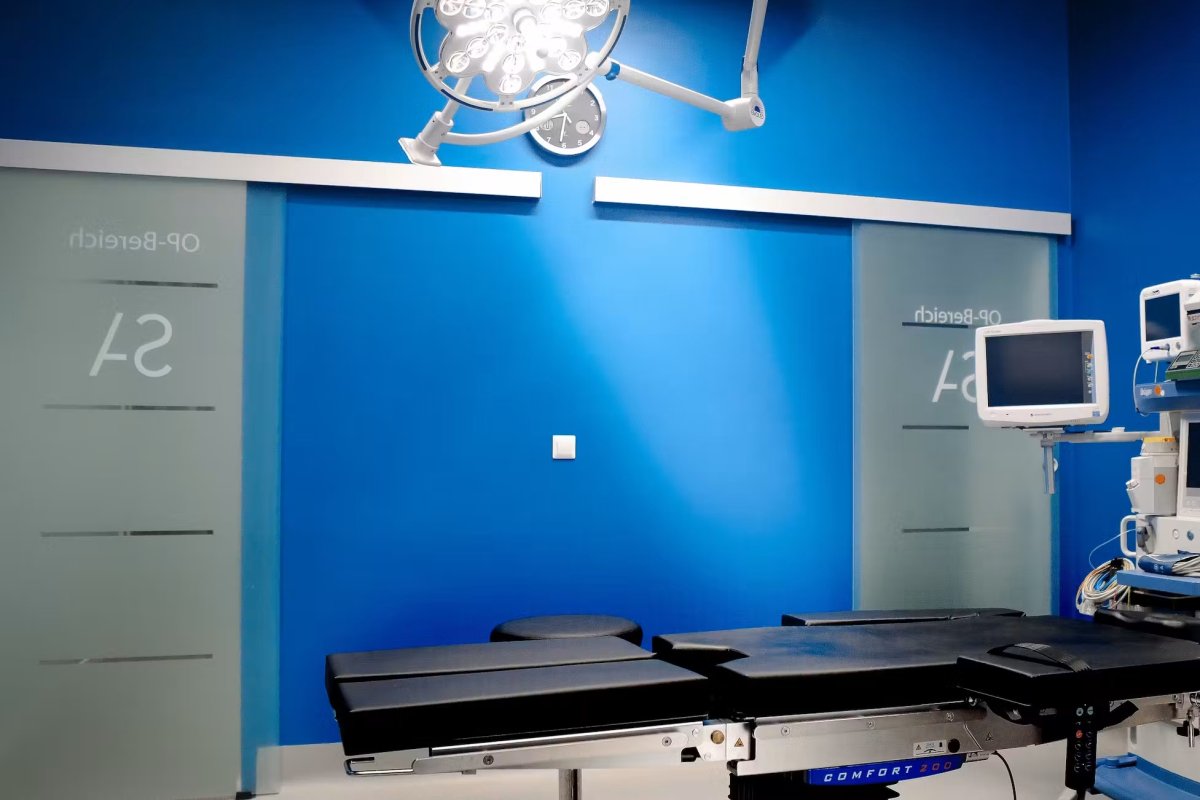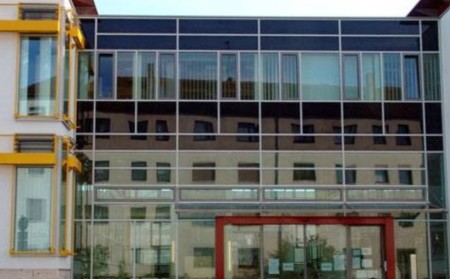
Dr. Radu + Partner Aesthetic and Plastic Surgery - Nuremberg
ألمانيا, نورنبرغ

تمت مراجعة المقالة طبيا من قبل
فهد مولود
من $5,100. يعتمد السعر النهائي على التقنية الجراحية وخبرة الجراح وموقع العيادة في مدن مثل هامبورغ أو سولينغن أو برلين. تشمل معظم عروض الأسعار أتعاب الجراح والتخدير والإقامة بالمستشفى وزيارات المتابعة اللاحقة.
رأي خبراء Bookimed: توفر ألمانيا قيمة استثنائية بفضل أخصائيين معتمدين مثل دكتور أندرياس سيسترهين أو دكتور وليد الجابو. يضمن اختيار مرفق مصنف ضمن TOP Focus مثل مستشفى أسكليبيوس بارمبيك معايير سلامة رفيعة المستوى. تحافظ العيادات الإقليمية في سولينغن، التي تبدأ أسعارها من 7,500 $، على نفس شهادات ISO الصارمة. بالنسبة للحالات التصحيحية المعقدة، يوفر اختيار جراح حاصل على ثلاثة اعتمادات مهنية أفضل النتائج على المدى الطويل.
| ألمانيا | تركيا | تايلاند | |
|---|---|---|---|
| جراحة الأنف (انظر عملية تجميل الأنف) | من $5,100 | من $2,500 | من $1,600 |
| عملية تجميل الانف المغلقة | ≈ $5,600 | من $2,500 | من $1,800 |
| عملية تجميل الأنف الثانوية أو عملية المراجعة | من $9,000 | من $3,200 | من $3,300 |
| عملية تجميل أرنبة الأنف | ≈ $4,300 | من $2,000 | من $1,500 |
| عملية الانف المفتوحة | ≈ $5,900 | من $2,300 | من $3,000 |
Bookimed لا يضيف رسوماً إضافية على أسعار جراحة الأنف (انظر عملية تجميل الأنف). الأسعار مأخوذة من قوائم الأسعار الرسمية للعيادات. تدفع مباشرة في العيادة مقابل جراحة الأنف (انظر عملية تجميل الأنف) عند وصولك.
Bookimed ملتزم بسلامتك. نحن نعمل فقط مع المؤسسات الطبية التي تحافظ على معايير دولية عالية في جراحة الأنف (انظر عملية تجميل الأنف) ولديها التراخيص اللازمة لخدمة المرضى الدوليين في جميع أنحاء العالم.
Bookimed يقدم مساعدة خبراء مجانية. منسق طبي شخصي يدعمك قبل وأثناء وبعد العلاج، ويحل أي مشاكل. لن تكون وحيداً أبداً في رحلة جراحة الأنف (انظر عملية تجميل الأنف).

تلتزم Bookimed، وهي منصة عالمية رائدة في مجال السياحة الطبية، بمساعدة العملاء الذين يبحثون عن عملية تجميل الأنف في ألمانيا من خلال تقديم مساعدة الخبراء والحلول الطبية الجديرة بالثقة لكل حالة. يُستخدم نظام التصنيف التلقائي الذكي لإنشاء قوائم عيادات شفافة، ويتم صيانتها بدقة بواسطة عالم بيانات يستخدم الذكاء الاصطناعي للتأكد من دقتها. تضمن المنصة الأصالة من خلال نشر مراجعات من مرضى حقيقيين بعد علاجهم. يقدم Bookimed حلولاً طبية شاملة، مع تحديثات من العيادات لضمان الثقة. المحتوى الخاص بعملية تجميل الأنف في ألمانيا، والذي تم صياغته من قبل مؤلفين طبيين ذوي خبرة ومراجعته من قبل متخصصين، يلتزم بإرشادات Bookimed التحريرية ، مما يعكس التزام المنصة بتقديم معلومات صحية واضحة وعالية الجودة. لمزيد من التفاصيل أو الاستفسارات، لا تتردد في الاتصال بنا على Marketing@bookimed.com أو معرفة المزيد عنا وعن مهمتنا عن Bookimed .

يرأس البروفيسور أندرياس سيسترهين أقسام طب الأنف والأذن والحنجرة والجراحة التجميلية في عيادة سولينجن، وهو متخصص في الإجراءات طفيفة التوغل.
حاصل على شهادة البورد في الجراحة التجميلية والترميمية، وجراحة اليد، وجراحة الإصابات – يجمع الدكتور الجابو بين الدقة الترميمية والخبرة الجمالية في مركز Esthétique du Nord.

الدكتور جيرد فريدريش ويستفال هو جراح تجميل وجه بارز متخصص في التحسينات الجمالية في مستشفى Meoclinic.

كتب بواسطة Kateryna Zamkovska

كتب بواسطة Anna Leonova

كتب بواسطة Veronika Kazina
 Anna Leonova
In a large study of nose-surgery patients, about 97% of first-time operations required no further surgical intervention. In Germany, strict regulations govern surgeon training and how clinics may advertise rhinoplasty (nose job). Understanding these rules helps you evaluate a surgeon’s past results, set realistic expectations, and plan your travel with confidence.
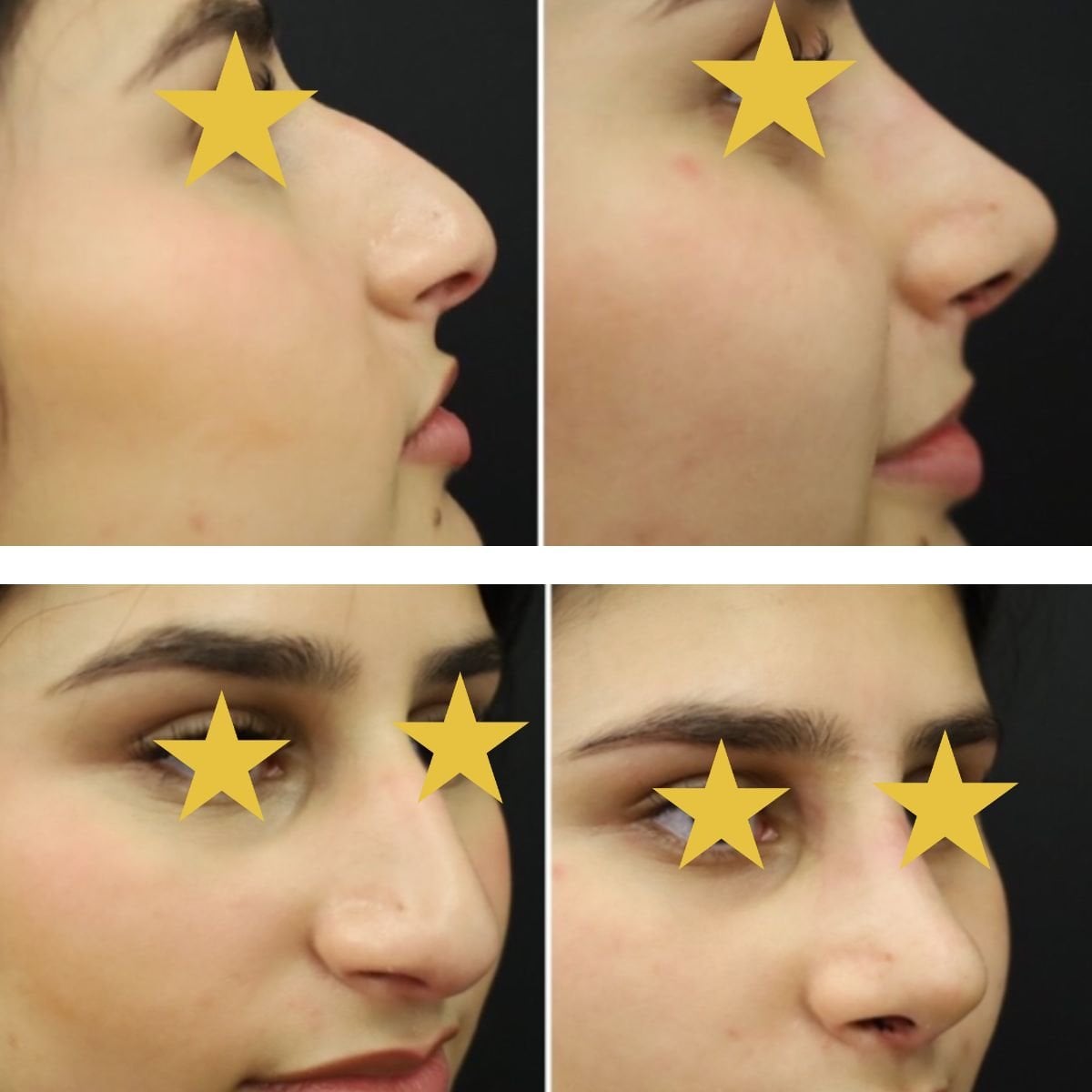
You can view a German surgeon's past results privately during an in-person or video consultation. In Germany, advertising law restricts public before-and-after galleries for elective cosmetic surgery to prevent patients from being influenced by idealized images.
For this reason, surgeons rarely publish before-and-after photos on their websites. Instead, your specialist will review relevant past cases with you in person. If you cannot travel for a first meeting, a video consultation allows the surgeon to show you healed results and discuss your goals.
Ask to review unedited photos taken at least a year after surgery. By then, residual swelling has fully subsided, and the nasal structure is stable, allowing you to evaluate the true final result. A 2025 legal ruling extended these restrictions to filler-based nose reshaping, meaning those outcomes are also shared in private consultations.
Whether you need a second operation depends on two things: your own nasal anatomy and the surgeon's plan. Structural features like wider or more deviated nasal bones raise the chance of a second surgery. That is why a specialist will thoroughly examine your nose before creating a surgical plan and quoting a price.
When the new shape requires additional structural support, a small piece of cartilage is used as a graft. Cartilage taken from the septum (the wall inside your nose) is associated with lower revision rates. Placing a small supporting graft during the first operation also reduces the need for subsequent corrections.
During your consultation, the surgeon will use computer imaging to simulate potential outcomes. Both you and your surgeon must agree on a realistic goal before scheduling the procedure. Patients tend to value this transparent planning process most, as it ensures clarity regarding what rhinoplasty can realistically achieve.
Common surgical objectives include reshaping the bridge, refining the tip, and improving breathing. These adjustments can be combined into a single procedure. When you compare prospective surgeons, consider how precisely each treatment plan addresses your unique facial structure.
Start by confirming the surgeon holds Germany's protected specialist title in plastic and aesthetic surgery. Terms like "cosmetic surgeon" and "beauty doctor" are not legally regulated titles – any licensed doctor may use them.
On a professional profile, this qualification is designated as "Facharzt für Plastische und Ästhetische Chirurgie", requiring at least six years of supervised training after medical school. What to look for:
For rhinoplasty specifically, an Otolaryngology (ENT) background provides great structural expertise, as these specialists work with nasal function and airway mechanics daily. For example, one surgeon listed here, Andreas Sesterhenn, holds dual specialization across both ENT and plastic surgery. Review each specialist's credentials and professional memberships on their profile, and don't hesitate to ask for a copy of their specialist certificate during your consultation.
A German clinic prices a nose job as a written estimate tailored to your specific case. German rules require each bill to be itemized line by line based on procedural complexity, ensuring full transparency before you commit to surgery.
Consequently, two patients can be quoted different figures for the same operation – one case may be more complex than the other. Your surgeon will explain these line items during your consultation. The quoted figure already includes the 19% sales tax on cosmetic work, meaning the final written estimate reflects the total amount you will pay.
Initial consultations typically involve a small fee. Clinics often credit it toward your surgery if you schedule your procedure within about three months. This system ensures you receive a fully transparent, tax-inclusive financial breakdown upfront.
Buying a dedicated complication insurance policy before you travel covers follow-up care or a corrective procedure if a complication arises after your rhinoplasty. Standard health insurance generally excludes complications from elective cosmetic surgery. Therefore, a dedicated policy protects a self-paying patient from an unexpected medical bill.
This coverage typically remains active for a set period after surgery, often the first year. It pays toward treatment if a complication requires medical intervention within that window. For a self-paying patient, it bridges the gap left by standard health insurance.
Buy the policy before you travel. Verify that it explicitly covers rhinoplasty and extends to care in both private clinics and general hospitals.
Book a flexible return flight and travel home only once your surgeon clears you. Flying too early can increase post-operative swelling due to cabin pressure shifts. A flexible return date protects both your comfort and your result.
Most swelling subsides within two weeks, though the final shape can take up to a full year to settle, according to the Mayo Clinic. For patients with thicker skin, the tip can take longer to settle. During the first few weeks, protect your healing nose by following a few simple recommendations:
Keep in touch with the clinic throughout your recovery. Patient reviews often highlight the importance of clear written aftercare instructions and prompt clinic follow-ups. With a realistic timeline, you can book a trip long enough to heal.
If you travel from outside the Schengen area, you need to secure a German medical treatment visa before your surgery date. German consulates require an official letter from your surgeon stating the diagnosis and estimated costs, alongside proof of pre-payment required by the German Federal Foreign Office.
Because your surgeon's written estimate serves as your official cost letter, both documents come from a single source. Keep these documents together for your visa application:
Submit your application early so the paperwork does not delay your surgery date.
يغطي التأمين الصحي الألماني عملية تجميل الأنف فقط عندما تكون الجراحة ضرورية طبياً لتصحيح مشاكل صحية وظيفية أو أضرار هيكلية في الأنف. غالباً ما تكون الإجراءات الخاصة بانسداد التنفس، أو انحراف الحاجز الأنفي، أو إصلاح الإصابات مؤهلة للتغطية، بينما تتطلب التغييرات التجميلية البحتة دفع التكاليف من جيب المريض.
رؤية خبير Bookimed: بينما تبدأ الجراحة الأساسية بحوالي $5,100، تصل الباقات المميزة في مراكز مثل Esthétique du Nord إلى 12,800 دولار. غالباً ما تشمل هذه الخيارات عالية المستوى إقامات في فنادق فاخرة من فئة 5 نجوم وخدمات نقل VIP. لا يتم تغطية هذه الخدمات أبداً من قبل التأمين القانوني، حتى في الحالات الطبية.
إجماع المرضى: تعتمد التغطية بشكل كبير على توثيق فشل العلاجات التحفظية أولاً. يجد معظم المرضى أن شركات التأمين تفصل بصرامة بين الضرورة الوظيفية والرغبات التجميلية أثناء عملية الموافقة.
يجب أن يحمل جراحو تجميل الأنف المؤهلون في ألمانيا ترخيصًا طبيًا ساريًا ولقبًا تخصصيًا محددًا يُعرف باسم Facharzt. يخضع هؤلاء المحترفون لتدريب إقامة لا يقل عن 6 سنوات في الجراحة التجميلية والترميمية أو في طب الأنف والأذن والحنجرة، مما يضمن قدرتهم على إدارة تناسق الوجه ووظائف التنفس الأنفي.
رؤية خبير Bookimed: تتجاوز المؤهلات الألمانية الجراحة التجميلية القياسية. يحمل بعض الممارسين النخبة، مثل الدكتور وليد الجابو في Esthétique du Nord، ثلاث شهادات تخصص في الجراحة التجميلية وجراحة اليد وجراحة الإصابات. يشير هذا المزيج النادر من الخبرة إلى فهم متفوق للدقة المجهرية وإعادة بناء الوجه المعقدة، وهو أمر حيوي لعمليات تجميل الأنف التصحيحية عالية المخاطر.
إجماع المرضى: يؤكد المرضى على اختيار متخصص يتعامل مع المشاكل التجميلية والوظيفية على حد سواء. يوصون بالتحقق من حجم الحالات السنوي للجراح وطلب صور قبل وبعد غير معدلة لأشكال أنف مماثلة.
تستخدم جراحة تجميل الأنف المفتوحة شقًا خارجيًا عبر العمود الأنفي للحصول على أقصى قدر من الرؤية وإعادة التشكيل المعقدة. تتضمن جراحة تجميل الأنف المغلقة شقوقًا داخلية فقط، ولا تترك أي ندبات مرئية. يعتمد الاختيار على التعقيد الجراحي، حيث تعتبر الطريقة المفتوحة هي المعيار الذهبي للمراجعات والعمليات المعقدة في طرف الأنف.
رؤية خبير Bookimed: غالبًا ما تعطي العيادات الألمانية الأولوية للخبرة المتخصصة على الباقات العامة. على سبيل المثال، يحمل الدكتور وليد الجابو في Esthétique du Nord ثلاث شهادات تخصصية وعضوية في جمعية تجميل الأنف الأوروبية. هذا المستوى من التخصص ضروري للإجراءات المفتوحة المعقدة حيث تكون السلامة الهيكلية أولوية.
إجماع المرضى: أفاد العديد من المرضى أن الندبة الخارجية الصغيرة الناتجة عن الجراحة المفتوحة تصبح غير مرئية تقريبًا في غضون أشهر. يقترح معظمهم التركيز على الشكل النهائي المطلوب بدلاً من التقنية المحددة المستخدمة أثناء الإجراء.
يتطلب التعافي الناجح من عملية تجميل الأنف في ألمانيا عادةً من أسبوع إلى أسبوعين للشفاء المرئي وإزالة الجبيرة. يعود المرضى عمومًا إلى العمل المكتبي بعد 10 أيام. بينما يتم استئناف الأنشطة الخفيفة في غضون أسبوعين، تتطلب التمارين الشاقة 6 أسابيع، ويستغرق زوال تورم طرف الأنف تمامًا 12 شهرًا.
رؤية خبير Bookimed: تؤكد البروتوكولات الجراحية الألمانية على توخي الحذر في النشاط لمنع النزيف المتأخر أو تحرك الغضروف. في حين تقترح بعض العيادات الدولية جداول زمنية أسرع، غالبًا ما يفرض كبار المتخصصين الألمان فترة توقف كاملة لمدة 6 أسابيع عن الرياضات عالية التأثير. يحمي هذا النهج المحافظ العمل الهيكلي المعقد الذي يتم إجراؤه أثناء الإجراءات المعقدة أو التصحيحية.
إجماع المرضى: غالبًا ما يتم وصف الأسبوع الأول بأنه الأكثر تحديًا بسبب الاحتقان والتعب. يشعر معظم المرضى بأنهم لائقون اجتماعيًا بعد أسبوعين، على الرغم من أن الكثيرين يحذرون من التسرع في العودة إلى الروتين البدني المكثف في وقت مبكر جدًا.
تحدد المبادئ التوجيهية القانونية والمهنية القياسية في ألمانيا الحد الأدنى لسن تجميل الأنف بـ 18 عاماً. وعلى الرغم من عدم وجود قانون فيدرالي يحظر صراحة الجراحة التجميلية للقاصرين، إلا أن الأطباء يطلبون عادةً اكتمال النضج الهيكلي وموافقة جميع الأوصياء القانونيين للمرضى الذين تقل أعمارهم عن 18 عاماً.
رؤية خبير Bookimed: في حين تقبل العديد من العيادات الأوروبية المرضى في سن 16 عاماً بموافقة الوالدين، فإن المرافق الألمانية الرائدة مثل Esthétique du Nord تعالج البالغين فقط بشكل صارم. تعطي هذه السياسة الأولوية للاستقرار الهيكلي طويل الأمد على الاتجاهات الجمالية الفورية. اختيار جراح حاصل على شهادة البورد الثلاثية يضمن قدرته على التمييز بين اكتمال النمو الحقيقي والتغيرات المؤقتة المرتبطة بالبلوغ.
إجماع المرضى: يؤكد المرضى أن الجراحين الألمان حذرون وغالباً ما يقترحون الانتظار حتى بعد سن البلوغ. وهذا يمنع الحاجة إلى جراحة تصحيحية مع استمرار تحسن شكل الأنف.
تضم ألمانيا بعضًا من أرقى أقسام جراحة الأعصاب في العالم، بقيادة مستشفى شاريتيه الجامعي في برلين ومستشفى جامعة هايدلبرغ. وتتميز هذه المراكز بخبرتها الواسعة في علاج أورام الدماغ المعقدة وأمراض الأوعية الدموية الدماغية. ولتحقيق أقصى قدر من الفعالية في عملياتها، تستخدم هذه المراكز أحدث التقنيات، مثل التصوير بالرنين المغناطيسي أثناء الجراحة والتوجيه العصبي بمساعدة الحاسوب.
رأي خبراء بوكيمد: تشير البيانات إلى أن اختيار المراكز ذات الحجم الجراحي الكبير غالبًا ما يؤدي إلى توصيات علاجية أكثر تحفظًا. ففي مركز سولينجن الطبي، الذي يعالج أكثر من 60,000 مريض
في ألمانيا، تتميز العمليات الجراحية العصبية بالغة التعقيد بمستوى أمان استثنائي. تصل نسبة نجاح عمليات دمج الفقرات إلى 99%، بينما تبلغ نسبة النجاة بعد استئصال أورام الدماغ الأولية 97%. كما يتمتع المرضى بقدرة عالية على الاعتماد على أنفسهم في أداء وظائفهم اليومية، حيث يغادر أكثر من 82% منهم المستشفى مباشرةً بعد العلاج. وتولي المراكز الألمانية اهتماماً بالغاً بالحفاظ على الوظائف العصبية باستخدام أحدث تقنيات التخطيط العصبي.
رأي خبراء بوكيمد: يُجري جراحون ذوو خبرة، مثل الدكتور أوفه كولر من عيادة أسكليبيوس ألتونا، أكثر من 2000 عملية جراحية سنويًا. تُشير البيانات إلى أن هؤلاء المتخصصين يحافظون على معدلات نجاح تصل إلى 90%، حتى
تُدخل عيادات جراحة الأعصاب الألمانية بانتظام أدوات رقمية عالية الدقة وتقنيات تصوير فوري في الممارسة الجراحية. تشمل التقنيات الرئيسية الملاحة العصبية الحاسوبية لجراحات الدماغ والحبل الشوكي. تستخدم مؤسسات مثل عيادة أسكليبيوس نورد التصوير بالرنين المغناطيسي أثناء الجراحة للتحقق من استئصال الورم في الوقت الفعلي. توفر هذه الأنظمة للجراحين نظام ملاحة ثلاثي الأبعاد.
رأي خبراء بوكيمد: تُجري مراكز طبية كبيرة، مثل مستشفى شاريتيه الج
في ألمانيا، يتعين على جراحي الأعصاب إكمال برنامج إقامة تخصصي لمدة ست سنوات بعد التخرج من كلية الطب. يشمل هذا البرنامج المنظم العناية المركزة، والتدريب السريري، وكتابة مقالات في مجلة جراحية إلزامية. بعد ذلك، يجتاز المرشحون امتحانًا حكوميًا للحصول على لقب طبيب مقيم (Facharzt für Neurochirurgie).
رأي خبراء بوكيميد: يركز التدريب الألماني في جراحة الأعصاب على الخبرة الجراحية الواسعة. فعلى سبيل المثال، أجرى الدكتور رالف بول من المركز الطبي في سولينجن أكثر من 4000 عملية جراحية. ويتمتع الدكتور يورغن كيويت من مستشفى ميوكلينيك بخبرة تزيد عن 25 عامًا. يضمن هذا النظام الدقيق أن يتعامل المتخصصون في المراكز الكبرى مع الحالات المعقدة بدقة مثبتة.
آراء المرضى: يشع
يجب على جراحي الأعصاب الأجانب استيفاء متطلبات لغوية وترخيصية صارمة للالتحاق بالتدريب أو فترة التدريب العملي في ألمانيا. يتطلب التدريب رخصة طبية سارية أو تصريحًا مؤقتًا. أما المتدربون، فيجب عليهم الحصول على إذن من مستشفى محدد. ويتطلب كلا الخيارين إتقانًا عاليًا للغة الألمانية للمشاركة في المناقشات السريرية وإجراء العمليات الجراحية المعقدة بأمان.
رأي خبراء بوكيمد: غالبًا ما تُعطي العيادات الألمانية ذات الأعداد الكبيرة من المرضى، مثل عيادة نوردويست أو أسكليبيوس نورد، الأولوية للمرشحين الذين خضعوا بالفعل لتقييم أولي للوثائق. تُظهر بياناتنا أن أساتذة مثل الدكتور أوفه كولر والدكتور
جميع المحتوى الطبي في هذه الصفحة أعده مؤلفون من ذوي المؤهلات الطبية المتخصصة وتمت مراجعته من قبل أطباء معتمدين في المجال ذي الصلة. تمت مراجعة المحتوى الطبي من قبل فهد مولود، محرر طبي وعالم بيانات.
آخر تحديث: 10/15/2026.
جميع البيانات المقدمة هي لأغراض إعلامية عامة فقط وقد لا تعكس النتائج أو التجارب الفردية.