تكبير الثدي باستخدام غرسات السيليكون في ألمانيا — احصل على 3 عيادات مطابقة مع التكاليف


تمت مراجعة المقالة طبيا من قبل
فهد مولود
ما هي تكلفة تكبير الثدي باستخدام غرسات السيليكون في ألمانيا؟ اكتشف الآن
من $7,800. قد تختلف الأسعار حسب العيادة، وخبرة الجراح، ونوع وماركة حشوة السيليكون (تشريحية أو دائرية، Motiva، Mentor، Polytech)، وما إذا كانت هناك حاجة لإجراءات إضافية.
عادةً ما تشمل العيادات الألمانية التخدير، وحشوات السيليكون الممتازة، وأتعاب الجراح والمستشفى، والإقامة لمدة 1–2 ليلة في المستشفى، والأدوية الموصوفة، وزيارات المتابعة بعد العملية. في الولايات المتحدة، غالبًا ما يغطي السعر المعلن أتعاب الجراح فقط، مع رسوم منفصلة للتخدير والحشوات واستخدام المنشأة. يجب دائمًا التأكد مما هو مشمول في الباقة قبل الحجز.
| ألمانيا | تركيا | تايلاند | |
|---|---|---|---|
| تكبير الثدي باستخدام غرسات السيليكون | من $7,800 | من $4,000 | من $3,100 |
مزاياك وضماناتك مع Bookimed
أسعار مباشرة
Bookimed لا يضيف رسوماً إضافية على أسعار تكبير الثدي باستخدام غرسات السيليكون. الأسعار مأخوذة من قوائم الأسعار الرسمية للعيادات. تدفع مباشرة في العيادة مقابل تكبير الثدي باستخدام غرسات السيليكون عند وصولك.
عيادات وأطباء معتمدون فقط
Bookimed ملتزم بسلامتك. نحن نعمل فقط مع المؤسسات الطبية التي تحافظ على معايير دولية عالية في تكبير الثدي باستخدام غرسات السيليكون ولديها التراخيص اللازمة لخدمة المرضى الدوليين في جميع أنحاء العالم.
مساعدة مجانية على مدار الساعة
Bookimed يقدم مساعدة خبراء مجانية. منسق طبي شخصي يدعمك قبل وأثناء وبعد العلاج، ويحل أي مشاكل. لن تكون وحيداً أبداً في رحلة تكبير الثدي باستخدام غرسات السيليكون.

منسقك الطبي الشخصي في Bookimed
- يدعمك في كل مرحلة
- المساعدة في اختيار العيادة الطبية المناسبة والطبيب المناسب
- يضمن الوصول السريع والمريح إلى المعلومات
اكتشف أفضل تكبير الثدي باستخدام غرسات السيليكون العيادات في ألمانيا: 1 خيار معتمدة والأسعار

نظرة عامة على تكبير الثدي باستخدام غرسات السيليكون في ألمانيا
- تكبير الثدي - من $8,000
تعمل هذه العملية على تحسين حجم الثدي عن طريق زراعة أو نقل الدهون ، مما يوفر ثقة أكبر ويحسن شكل الجسم.
- تكبير الثدي مع نقل الدهون - من $10,100
يعزز هذا العلاج حجم الثدي باستخدام دهون المريض ، وهو بديل طبيعي يقدم نتائج دقيقة وطويلة الأمد.
- تكبير الثدي بزراعة غرسات قطرة الدموع - من $6,200
يتم في العملية استخدام غرسات على شكل ، وتعزيز صدر المرأة ، وتقليد شكل الثدي الطبيعي وتوفير شد دقيق.
- تكبير الثدي باستخدام غرسات الدب الصمغية - من $6,200تعمل هذه الجراحة التجميلية على تحسين حجم الثدي وشكله باستخدام غرسات سيليكون متينة على شكل دمعة لإطلالة طبيعية، مع فترة تعافي نموذجية تستغرق بضعة أسابيع.
- تكبير الثدي بزراعات المحلول الملحي - من $10,100تعمل هذه الجراحة التجميلية على تحسين حجم وشكل الثدي باستخدام حشوات مملوءة بمحلول ملحي، وعادةً ما تستغرق فترة نقاهة قصيرة وتقدم نتائج قابلة للتخصيص.
- تكبير الثدي باستخدام غرسات السيليكون - من $7,800تعمل هذه الجراحة على تحسين حجم الثدي وشكله عن طريق وضع حشوات السيليكون تحت أنسجة الثدي أو عضلة الصدر، مما يوفر ملمساً ومظهراً طبيعياً مع فترة تعافي تتضمن تورماً وألمًا مؤقتًا.
- إيداع Bookimed: 200 دولار أو 200 يورو.
- وديعة العيادة: ادفع نسبة محددة مقدمًا.
احصل على تقييم طبي لـ تكبير الثدي باستخدام غرسات السيليكون في ألمانيا: اختر أخصائيك من بين الأفضل في هذا المجال
عرض جميع الأطباء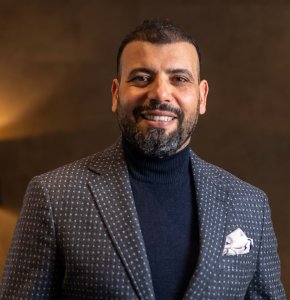
Walid Eljabu
يجمع الدكتور وليد الجابو بين شهادات البورد في الجراحة التجميلية والترميمية، وجراحة اليد، وجراحة الإصابات، مما يوفر دقة لا مثيل لها في عمليات تكبير الثدي.
- تدرب في المملكة المتحدة وألمانيا مع تدريب تجميلي متخصص في السويد وتركيا
- عضو في الجمعية الأمريكية لجراحي التجميل والجمعية الأوروبية لجراحي تجميل الأنف
- كبير الجراحين في Esthétique du Nord مع خلفية واسعة في الجراحة الترميمية
- يجري عمليات تجديد شباب الوجه، وجراحة الثدي، وإجراءات نحت الجسم
قصص فيديو من مرضى Bookimed
تكبير الثدي باستخدام غرسات السيليكون: صور قبل/بعد
عرض جميع الصور قبل وبعد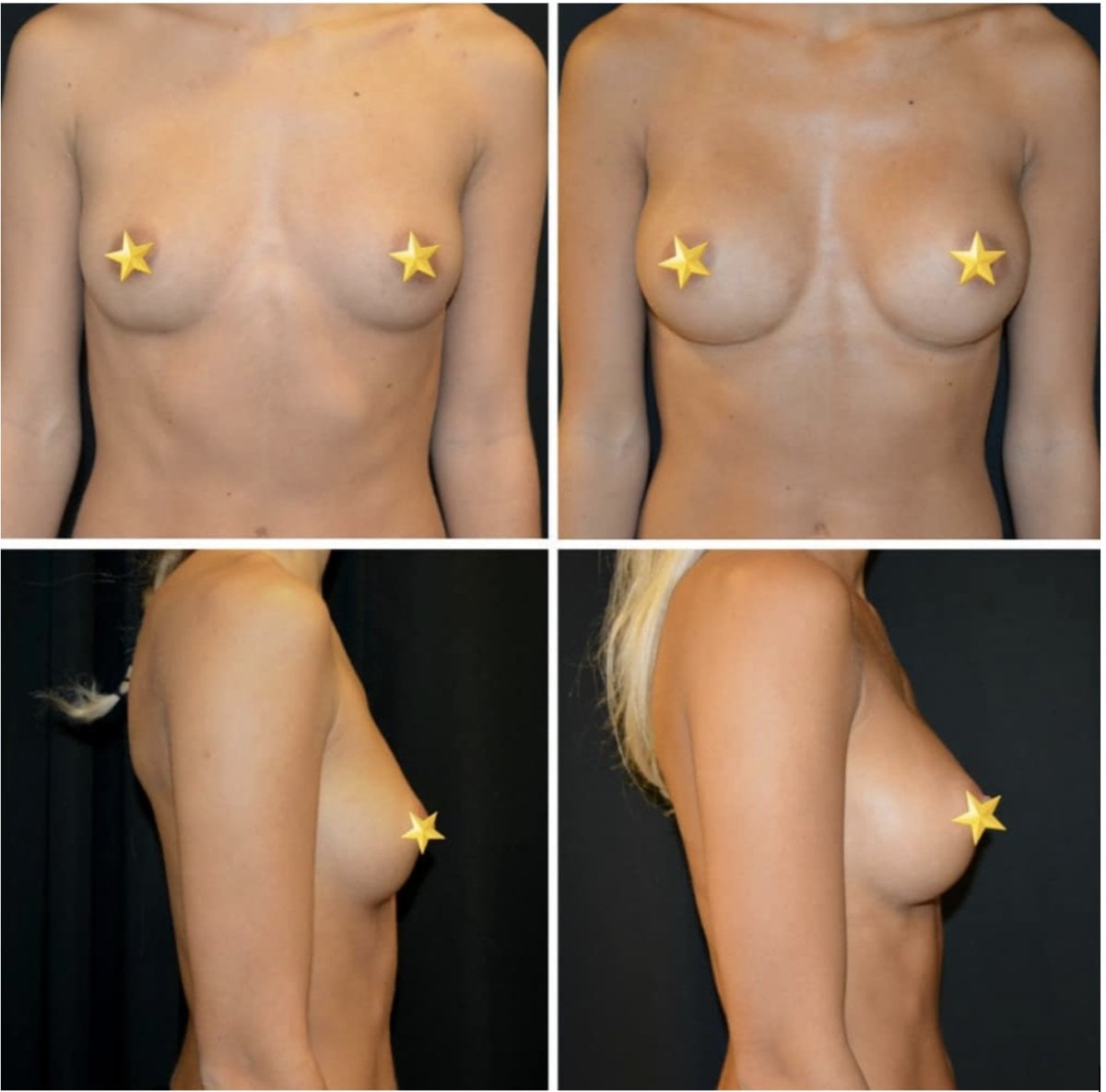
مشاركة المحتوى
 Anna Leonova
أسئلة متكررة حول تكبير الثدي باستخدام غرسات السيليكون في ألمانيا
هل حشوات السيليكون آمنة للاستخدام طويل الأمد؟
تعتبر حشوات السيليكون الحديثة آمنة للاستخدام طويل الأمد عند مراقبتها من قبل جراحي تجميل معتمدين. على الرغم من أن دراسات إدارة الغذاء والدواء (FDA) تظهر أنها تحتفظ بأكثر من 90٪ من قوتها بعد 10 سنوات، إلا أنها ليست أجهزة تدوم مدى الحياة وقد تتطلب مراجعة أو استبدال بسبب التآكل الطبيعي أو الشيخوخة أو الحمل.
- طول عمر الجهاز: تخضع معظم الحشوات للاستبدال أو المراجعة الاختيارية في غضون 10 إلى 20 عاماً.
- التمزق الصامت: تكتشف فحوصات التصوير بالرنين المغناطيسي أو الموجات فوق الصوتية الروتينية التسريبات التي غالباً لا تظهر أي أعراض.
- انكماش الكبسولة: يظل تصلب الأنسجة الندبية السبب الأكثر تكراراً لمراجعة الحشوات على المدى الطويل.
- اعتمادات الجراح: تعتمد السلامة على جراحين معتمدين من قبل الجمعية الألمانية لجراحي التجميل (DGPRÄC).
رؤية خبير Bookimed: بينما يركز العديد من المرضى على التمزق، تشير بياناتنا إلى أن التغيرات الجمالية غالباً ما تؤدي إلى مراجعات مبكرة. في عيادات مثل Esthétique du Nord في هامبورغ، يؤكد الجراحون أن تغيرات الوزن أو الحمل تؤثر على الرضا طويل الأمد أكثر من فشل المواد. إن اختيار جراح يتمتع بتدريب دولي، مثل الدكتور وليد الجابو، يضمن وضع خطة جراحية تراعي هذه التغيرات التشريحية الطبيعية على مر العقود.
إجماع المرضى: يؤكد العديد من المرضى أن كونها آمنة لا يعني أنها لا تحتاج إلى صيانة. فهم غالباً ما يكتشفون مشاكل مثل التمزقات الصامتة بالصدفة أثناء فحوصات التصوير الروتينية وينصحون الآخرين بالاستعداد نفسياً لإجراء جراحة
هل سأتمكن من الرضاعة الطبيعية بعد عملية تكبير الثدي؟
تستطيع معظم المريضات الرضاعة الطبيعية بنجاح بعد عملية تكبير الثدي. وعلى الرغم من أن الجراحة قد تؤثر على حجم الحليب، إلا أنها نادراً ما تمنع الرضاعة تماماً. يعتمد النجاح على الحفاظ على قنوات الحليب والأعصاب وإمدادات الدم حول مجمع الحلمة والهالة أثناء الإجراء الجراحي في ألمانيا.
- وضع الغرسة: عادة ما يؤدي وضع الغرسات تحت عضلة الصدر إلى الحفاظ على المزيد من أنسجة الغدد المنتجة للحليب.
- اختيار الشق الجراحي: تتجنب الشقوق تحت الثدي أو عبر الإبط قنوات الحليب تماماً لضمان السلامة.
- الحفاظ على الأعصاب: يعد الحفاظ على حساسية الحلمة أمراً بالغ الأهمية لتحفيز الاستجابة الهرمونية اللازمة لتدفق الحليب.
- إمدادات الحليب: قد تواجه المريضات انخفاضاً في الإمدادات بدلاً من العجز التام عن إنتاج الحليب.
رؤية خبراء Bookimed: غالباً ما تتميز العيادات الألمانية مثل Esthetique du Nord بجراحين حاصلين على شهادات اعتماد ثلاثية. على سبيل المثال، يحمل الدكتور وليد الجابو مؤهلات في الجراحة التجميلية وجراحة اليد وجراحة الإصابات. يعد هذا العمق في الخبرة المجهرية أمراً حيوياً للمريضات اللاتي يضعن الرضاعة الطبيعية كأولوية، حيث يضمن الحفاظ الدقيق على الهياكل العصبية الوعائية الحساسة المحيطة بالهالة.
إجماع المريضات: تجد العديد من المريضات أن الرضاعة الطبيعية ممكنة، على الرغم من أن بعضهن يلاحظن الحاجة إلى شفط الحليب بشكل متكرر أكثر. يوفر اختيار الشقوق الجراحية تحت طية الثدي أكبر قدر من راحة البال لأهداف الرضاعة المستقبلية.
ما هي أنواع الغرسات الأكثر شيوعاً التي يوصى بها في ألمانيا؟
تُعد غرسات هلام السيليكون (Silicone gel) التوصية القياسية في ألمانيا لتكبير الثدي. يعطي الجراحون الأولوية للغرسات المستديرة ذات السطح الأملس نظراً لملمسها الطبيعي وانخفاض احتمالية حدوث مضاعفات على المدى الطويل. تعتمد الاختيارات بين الأشكال التشريحية أو المستديرة على عرض الصدر الفردي، ومرونة الجلد، وسمك الأنسجة.
- مادة الغرسة: هلام السيليكون هو الخيار الافتراضي لقوامه الناعم والواقعي.
- ملمس السطح: يُفضل استخدام الغرسات ذات السطح الأملس لتقليل مخاطر السلامة والمضاعفات على المدى الطويل.
- اختيار الشكل: يوصي الجراحون بالأشكال المستديرة للامتلاء العلوي وبالأشكال التشريحية لملفات تعريف تشبه الدمعة.
- نهج التحجيم: يُعد اختيار الأحجام المحافظة أمراً شائعاً لضمان تغطية كافية للأنسجة ونتائج تدوم طويلاً.
رؤية خبراء Bookimed: تُظهر العيادات الألمانية مثل Esthétique du Nord توجهاً نحو تخصص عالي المستوى، حيث يحمل جراحون مثل الدكتور وليد الجابو ثلاث شهادات تخصصية. يعني هذا التركيز على الخبرة متعددة التخصصات أن التوصيات غالباً ما تعطي الأولوية لتقنيات الوضع الجراحي، مثل الوضع تحت العضلة مقابل تحت الغدة، بدلاً من تسويق علامات تجارية محددة لضمان النتيجة الجمالية الأكثر استقراراً.
إجماع المرضى: يجد العديد من المرضى أن الجراحين الألمان لا يشجعون على استخدام الغرسات كبيرة الحجم للحفاظ على التناسب الطبيعي. يشير تحليل المشاعر إلى تفضيل السيليكون الأملس لأنه يبدو أكثر واقعية من بدائل المحلول الملحي.
كم يستغرق التعافي الكامل؟
يستغرق التعافي الكامل بعد تكبير الثدي بحشوات السيليكون في ألمانيا عادةً من 3 إلى 12 شهرًا للتكيف النهائي للأنسجة. وعلى الرغم من أن المرضى غالبًا ما يعودون إلى العمل المكتبي في غضون 7 إلى 14 يومًا، إلا أن الشفاء الداخلي والوضع النهائي للحشوة يستمران لفترة أطول بكثير من المرحلة الجراحية الأولية.
- التعافي الأولي: في الأسبوعين الأولين، غالبًا ما يتم ملاحظة ألم شديد وشعور بالشد وضغط في منطقة الصدر.
- قيود النشاط: عادة ما يُمنع رفع الأثقال وتدريب عضلات الصدر لمدة 6 أسابيع على الأقل.
- النتائج النهائية: تصبح الحشوات أكثر ليونة وتتخذ وضعها الطبيعي بعد 3 أشهر.
- ملابس الضغط: يفرض الجراحون بصرامة ارتداء حمالة صدر ضاغطة لعدة أسابيع لضمان الشفاء السليم.
رأي خبراء Bookimed: تولي العيادات الألمانية، مثل Esthétique du Nord، اهتمامًا خاصًا لمؤهلات الجراحين، وغالبًا ما تستعين بمتخصصين حاصلين على شهادات ثلاثية في الجراحة التجميلية وجراحة اليد وجراحة الإصابات. تعكس هذه الخبرة متعددة التخصصات اتجاهًا وطنيًا حيث تُعطى الأولوية للدقة التقنية والسلامة الهيكلية لتقليل مخاطر إزاحة الحشوة على المدى الطويل.
آراء المرضى: كوني مستعدة لأنك ستحتاجين إلى مساعدة جسدية كبيرة خلال الأسبوع الأول. يشير المرضى إلى أنه على الرغم من عودة الطاقة بسرعة، إلا أن الشفاء الداخلي الحقيقي يستغرق أشهرًا، وغالبًا ما يظهر الشكل الجمالي النهائي فقط بعد زوال التورم تمامًا بحلول الشهر السادس.
هل يجب تغيير الغرسات بعد 10 سنوات؟
لا تتطلب غرسات السيليكون استبدالاً تلقائياً بعد 10 سنوات. على الرغم من أنها ليست أجهزة تدوم مدى الحياة، إلا أن العديد من المرضى يحتفظون بها لمدة 20 عاماً أو أكثر. يوصي الجراحون في ألمانيا بالاستبدال فقط بناءً على مؤشرات طبية، مثل التمزق أو الانكماش المحفظي، وليس وفقاً لجدول زمني صارم.
- المراقبة المنتظمة: تسمح الفحوصات البدنية السنوية أو التصوير بمراقبة سلامة الغرسة وصحة الأنسجة.
- الكشف عن التمزقات: يمكن للموجات فوق الصوتية أو التصوير بالرنين المغناطيسي اكتشاف التسريبات «الصامتة» المميزة لأجيال السيليكون القديمة.
- المؤشرات الطبية: يتم إجراء الاستبدال في حالة وجود ألم أو تصلب أو تغيرات كبيرة في شكل الثدي.
- المتانة الحديثة: تتمتع الغرسات التماسكية الأحدث (غرسات «الدب الهلامي») بمتانة أكبر مقارنة بالموديلات القديمة.
رأي خبراء Bookimed: تفضل العيادات الألمانية، مثل Esthetique du Nord، الجراحين ذوي التدريب الدولي المتنوع. يتمتع الدكتور وليد الجابو بشهادة ثلاثية في ثلاث دول. يضمن هذا المستوى العالي من التخصص أن تركز جراحات المراجعة على الصحة التشريحية وليس على تواريخ عشوائية.
رأي المرضى: أفاد العديد من المرضى أنهم يستخدمون غرساتهم لأكثر من 10 سنوات دون مضاعفات. وهم يؤكدون على أهمية مراقبة الصلابة أو عدم التماثل بدلاً من القلق بشأن «تاريخ انتهاء الصلاحية».
هل يغطي التأمين الصحي الألماني هذا الإجراء؟
لا يغطي التأمين الصحي الألماني تكبير الثدي إلا إذا اعترف الجراحون بذلك كضرورة طبية. عادة ما تستبعد شركات التأمين العامة والخاصة الإجراءات التجميلية البحتة. لتغطية التكاليف، يلزم تقديم دليل على وجود مؤشر طبي، مثل إعادة البناء بعد السرطان، أو علاج عدم التماثل الخلقي، أو إصابة جسدية خطيرة موثقة من قبل طبيب.
- الضرورة الطبية: يغطي المؤمنون عمليات إعادة البناء بعد استئصال الثدي أو الصدمات.
- التأمين العام: يجب على المرضى تقديم أدلة على الضرر الجسدي أو النفسي للحصول على الموافقة.
- التفويض المسبق: يجب على المرضى الحصول على موافقة كتابية من شركة التأمين الخاصة بهم قبل حجز العملية.
- التأمين الخاص: يعتمد السداد على شروط البوليصة المحددة والوثائق الطبية المسبقة.
رأي خبراء Bookimed: يعتمد النجاح غالبًا على كيفية صياغة الجراح للتشخيص في الوثائق. في عيادات مثل Esthétique du Nord في هامبورغ، يقدم الجراحون الحاصلون على شهادات ثلاثية مثل وليد الجابو (Walid Eljabu) الوثائق السريرية التفصيلية التي يطلبها المؤمنون. التقارير عالية الجودة حول العيوب الخلقية أو تلف الأنسجة تزيد بشكل كبير من فرص نجاح الاستئناف في حالة الرفض الأولي.
رأي المرضى: أفاد العديد من المرضى أن الموافقة نادراً ما تكون تلقائية وغالباً ما تتطلب استئنافاً مفصلاً. يوصون بالحصول على جميع الوثائق الطبية وتأكيد كتابي من شركة التأمين قبل البدء في أي علاج جراحي.
ما هي المستشفيات في ألمانيا التي تحظى بأعلى التقييمات في جراحة الأعصاب؟
تضم ألمانيا بعضًا من أرقى أقسام جراحة الأعصاب في العالم، بقيادة مستشفى شاريتيه الجامعي في برلين ومستشفى جامعة هايدلبرغ. وتتميز هذه المراكز بخبرتها الواسعة في علاج أورام الدماغ المعقدة وأمراض الأوعية الدموية الدماغية. ولتحقيق أقصى قدر من الفعالية في عملياتها، تستخدم هذه المراكز أحدث التقنيات، مثل التصوير بالرنين المغناطيسي أثناء الجراحة والتوجيه العصبي بمساعدة الحاسوب.
- مستشفى شاريتيه برلين: يُجري أكثر من 5000 عملية جراحية سنوياً. ويرأس العيادة جراح الأعصاب الشهير الدكتور بيتر فايكوتشي.
- المركز الطبي في سولينجن: أجرى الدكتور رالف بوهل أكثر من 4000 عملية جراحية، بما في ذلك جراحات العمود الفقري طفيفة التوغل.
- عيادة أسكليبيوس نورد: مجهزة بنظام التصوير بالرنين المغناطيسي الثنائي الوحيد في ألمانيا أثناء الجراحة لضمان الدقة الجراحية في الوقت الحقيقي أثناء إزالة الورم.
- عيادة نوردويست: تم الاعتراف بها من قبل مجلة نيوزويك كمستشفى رائد في مجال الابتكار في تكنولوجيا الموجات فوق الصوتية ثلاثية الأبعاد.
رأي خبراء بوكيمد: تشير البيانات إلى أن اختيار المراكز ذات الحجم الجراحي الكبير غالبًا ما يؤدي إلى توصيات علاجية أكثر تحفظًا. ففي مركز سولينجن الطبي، الذي يعالج أكثر من 60,000 مريض
ما هي نسب نجاح العمليات الجراحية العصبية المعقدة في ألمانيا؟
في ألمانيا، تتميز العمليات الجراحية العصبية بالغة التعقيد بمستوى أمان استثنائي. تصل نسبة نجاح عمليات دمج الفقرات إلى 99%، بينما تبلغ نسبة النجاة بعد استئصال أورام الدماغ الأولية 97%. كما يتمتع المرضى بقدرة عالية على الاعتماد على أنفسهم في أداء وظائفهم اليومية، حيث يغادر أكثر من 82% منهم المستشفى مباشرةً بعد العلاج. وتولي المراكز الألمانية اهتماماً بالغاً بالحفاظ على الوظائف العصبية باستخدام أحدث تقنيات التخطيط العصبي.
- استئصال الورم: يحقق الجراحون استئصالًا كاملاً للورم في 87.2% من حالات النقائل الدماغية.
- النجاح في علاج أمراض الأوعية الدموية: أفادت المستشفيات الألمانية بنسبة نجاة بلغت 98.7% لحالات تمدد الأوعية الدموية غير الممزقة.
- تحسن الحالة العصبية: يشهد ما يقرب من 43% من المرضى تحسناً في المعايير الوظيفية بعد عمليات الاستئصال المعقدة.
- سلامة التدخلات الجراحية: في المراكز الجراحية الكبيرة، تتراوح معدلات بقاء المرضى على قيد الحياة بعد جراحة العمود الفقري بين 98-99%.
رأي خبراء بوكيمد: يُجري جراحون ذوو خبرة، مثل الدكتور أوفه كولر من عيادة أسكليبيوس ألتونا، أكثر من 2000 عملية جراحية سنويًا. تُشير البيانات إلى أن هؤلاء المتخصصين يحافظون على معدلات نجاح تصل إلى 90%، حتى
ما هي التقنيات المتقدمة المتوفرة عادةً في عيادات جراحة الأعصاب الألمانية؟
تُدخل عيادات جراحة الأعصاب الألمانية بانتظام أدوات رقمية عالية الدقة وتقنيات تصوير فوري في الممارسة الجراحية. تشمل التقنيات الرئيسية الملاحة العصبية الحاسوبية لجراحات الدماغ والحبل الشوكي. تستخدم مؤسسات مثل عيادة أسكليبيوس نورد التصوير بالرنين المغناطيسي أثناء الجراحة للتحقق من استئصال الورم في الوقت الفعلي. توفر هذه الأنظمة للجراحين نظام ملاحة ثلاثي الأبعاد.
- الملاحة العصبية: توفر تصورًا ثلاثي الأبعاد وتتبعًا فوريًا للأدوات لتحقيق دقة جراحية تصل إلى مستوى أقل من المليمتر.
- التصوير أثناء العملية: تسمح أنظمة مثل التصوير بالرنين المغناطيسي أثناء العملية (iMRI) والتصوير المقطعي المحوسب ذي الذراع O (O-arm CT) بالتأكيد الفوري على نجاح عملية الاستئصال.
- المراقبة العصبية: تراقب الوظائف الحركية والحسية أثناء الجراحة لحماية الجهاز العصبي.
- التشخيص الفلوري: يتم استخدام صبغة 5-ALA لتسليط الضوء على حدود الورم من أجل إزالته بشكل أكثر اكتمالاً.
- المساعدة الروبوتية: تعمل أنظمة مثل نظام دافنشي على تحسين الدقة في الإجراءات المعقدة ذات التدخل الجراحي البسيط.
رأي خبراء بوكيمد: تُجري مراكز طبية كبيرة، مثل مستشفى شاريتيه الج
ما هي التدريبات المتخصصة التي يتلقاها جراحو الأعصاب الممارسون في ألمانيا؟
في ألمانيا، يتعين على جراحي الأعصاب إكمال برنامج إقامة تخصصي لمدة ست سنوات بعد التخرج من كلية الطب. يشمل هذا البرنامج المنظم العناية المركزة، والتدريب السريري، وكتابة مقالات في مجلة جراحية إلزامية. بعد ذلك، يجتاز المرشحون امتحانًا حكوميًا للحصول على لقب طبيب مقيم (Facharzt für Neurochirurgie).
- الإقامة السريرية: تتطلب من 48 إلى 72 شهرًا من الممارسة المتخصصة في جراحة الأعصاب.
- العناية المركزة: تتضمن فترة تدريب إلزامية لمدة 6 أشهر في وحدة العناية المركزة لجراحة الأعصاب.
- المجلة الجراحية: يوثق الجراحون مئات العمليات الجراحية، بما في ذلك عمليات فتح الجمجمة وجراحات العمود الفقري.
- امتحان الترخيص: يجب على المتقدمين اجتياز امتحان طبي شفوي وعملي تديره الدولة.
رأي خبراء بوكيميد: يركز التدريب الألماني في جراحة الأعصاب على الخبرة الجراحية الواسعة. فعلى سبيل المثال، أجرى الدكتور رالف بول من المركز الطبي في سولينجن أكثر من 4000 عملية جراحية. ويتمتع الدكتور يورغن كيويت من مستشفى ميوكلينيك بخبرة تزيد عن 25 عامًا. يضمن هذا النظام الدقيق أن يتعامل المتخصصون في المراكز الكبرى مع الحالات المعقدة بدقة مثبتة.
آراء المرضى: يشع