علاج الاورام الحميدة في الانف في ألمانيا: 8 مستشفيات


تمت مراجعة المقالة طبيا من قبل
فهد مولود
كيف نعمل؟
ما هي تكلفة الاورام الحميدة في الانف إجراءات التشخيص والعلاج في ألمانيا؟ اعرف الآن
| تركيا | إسبانيا | ألمانيا | |
|---|---|---|---|
| جراحة بوليب الأنف | من $2,300 | من $6,700 | ≈ $3,400 |
| جراحة الجيوب الأنفية بالمنظار | من $6,000 | ≈ $3,600 | ≈ $4,200 |
اكتشف أفضل الاورام الحميدة في الانف العيادات في ألمانيا: 8 خيارات معتمدة والأسعار

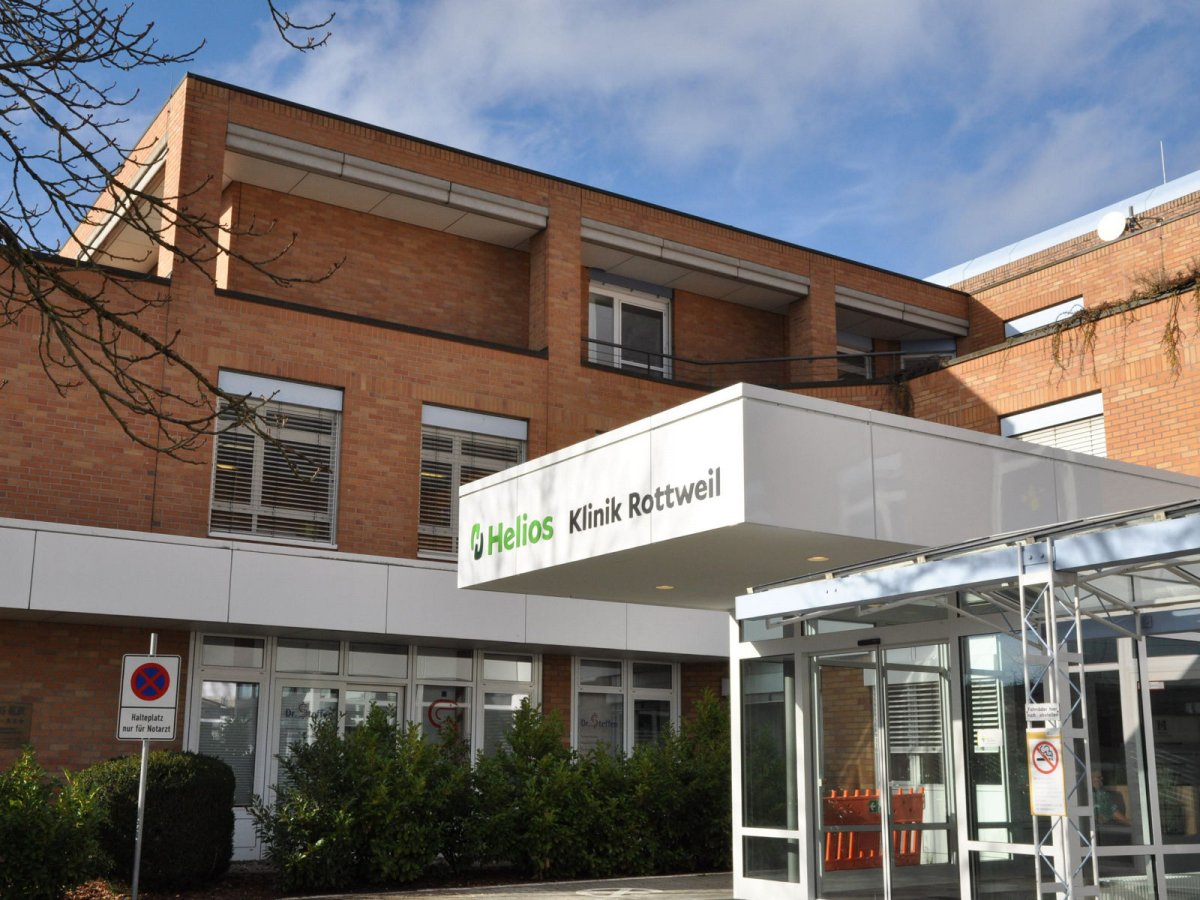


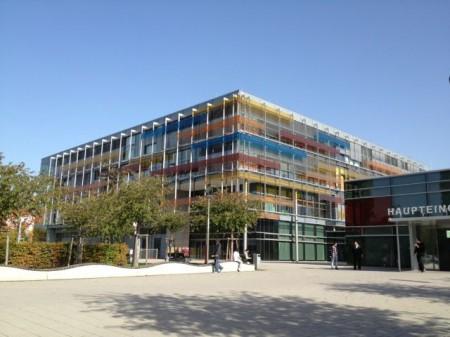
University Hospital in Haydelberge

Hospital in the Pfeiffer`s foundations






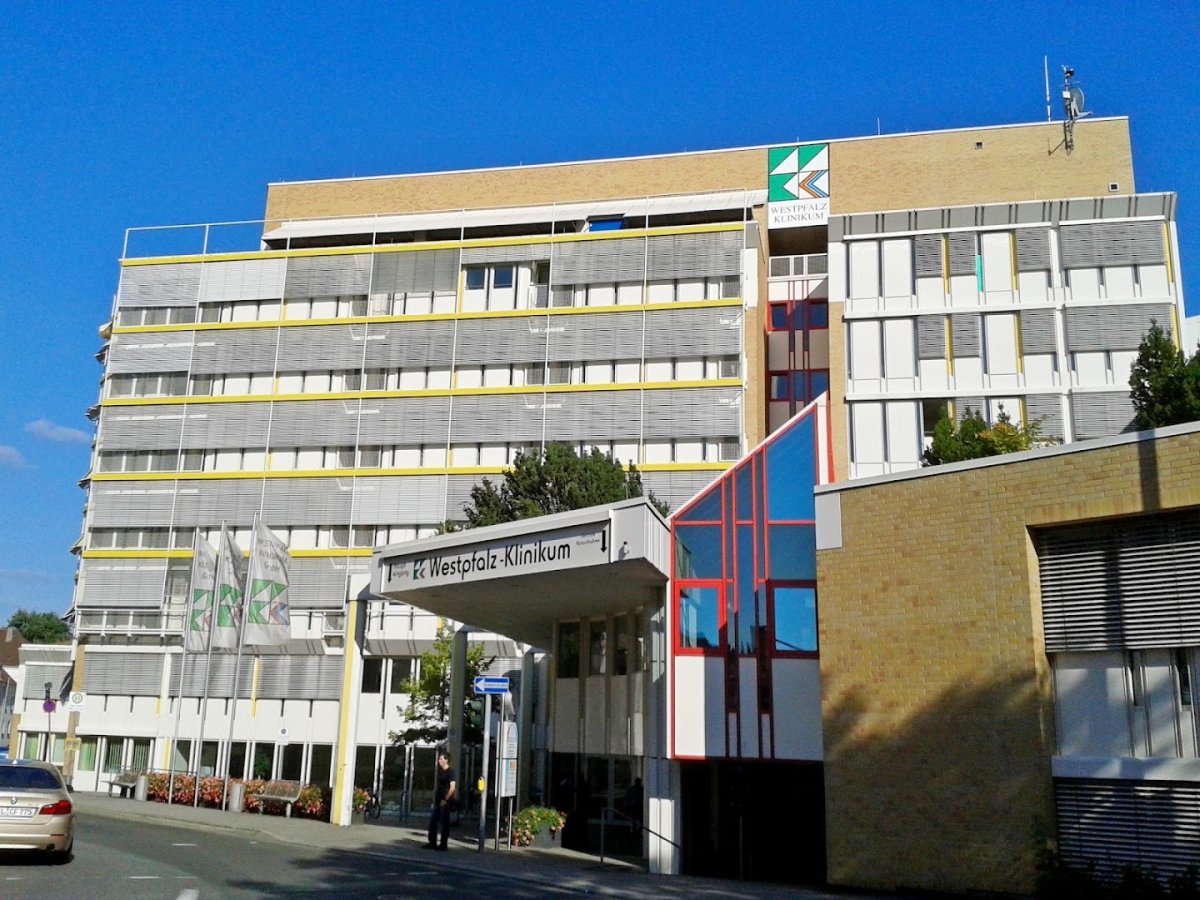
Westpfalz-Klinikum GmbH
احصلوا على تقييم طبي لـ الاورام الحميدة في الانف في ألمانيا: استشيروا أطباء ذوي خبرة الآن
عرض جميع الأطباء
Ralf Buhl
الدكتور بول هو جراح أعصاب مشهور متخصص في حالات الدماغ والحبل الشوكي المعقدة، ولديه أبحاث مكثفة في جراحة الأعصاب.
- مؤلف 47 ورقة علمية في علم الأمراض العصبية
- خبير في تقنيات الجراحة طفيفة التوغل والجراحة المجهرية
- مؤسس صندوق مخصص لأبحاث أورام الدماغ
- متخصص في الملاحة العصبية بمساعدة الكمبيوتر لإجراء جراحات دقيقة

Andreas Sesterhenn
يتخصص البروفيسور أندرياس سيسترهين في جراحات الأنف طفيفة التوغل، حيث يجري عمليات دقيقة بالمنظار والجراحة الروبوتية بشقوق لا تتجاوز 1 سم.
- كبير أطباء الأنف والأذن والحنجرة والجراحة التجميلية في عيادة سولينجن منذ عام 2012
- أكثر من 26 سنة من الخبرة في جراحات الرأس والرقبة
- مؤلف لـ 78 منشوراً علمياً في هذا المجال
- تدرب في طب الأنف والأذن والحنجرة في جامعة فيليبس في ماربورغ
مشاركة المحتوى
قصص فيديو من مرضى Bookimed
 Anna Leonova
أسئلة متكررة حول علاج الاورام الحميدة في الانف في ألمانيا
ما هي خيارات العلاج الأساسية المتاحة في ألمانيا للزوائد الأنفية؟
يعالج أخصائيو الأنف والأذن والحنجرة الألمان الزوائد الأنفية باستخدام نهج تدريجي يركز على تقليل الالتهاب واستعادة التنفس. عادةً ما يتضمن العلاج الأولي الكورتيكوستيرويدات الأنفية مثل موميتازون أو بوديسونيد. بالنسبة للحالات المستمرة، تشمل الخيارات المتقدمة جراحة الجيوب الأنفية بالمنظار الوظيفي والعلاجات البيولوجية بالأجسام المضادة أحادية النسيلة لمنع التكرار.
- العلاج الطبي: تعمل بخاخات أو قطرات الكورتيكوستيرويد كعلاج أساسي من الخط الأول.
- الحقن البيولوجية: يستهدف دوبيلوماب وميبوليزوماب التهاب النوع 2 في الحالات الشديدة.
- الجراحة بالمنظار: يستخدم الجراحون أدوات إزالة الأنسجة الدقيقة (microdebriders) لإزالة الزوائد بشكل طفيف التوغل دون شقوق.
- الري الملحي: يعتبر شطف الأنف اليومي بروتوكولاً قياسياً في 80% من الأقسام.
رؤية خبير Bookimed: غالباً ما توفر المستشفيات الجامعية الألمانية مثل إيسن أو هايدلبرغ إمكانية الوصول إلى التجارب السريرية للعلاجات البيولوجية الجديدة قبل وصولها إلى العيادات العامة. في حين أن أوقات انتظار الجراحة في القطاع العام يمكن أن تصل إلى 6 أشهر، تتعامل المراكز الأكاديمية بشكل متكرر مع أكثر من 300,000 مريض سنوياً. يسمح هذا الحجم الكبير لهذه المؤسسات بتقديم تصنيف تشخيصي أكثر دقة من خلال التصوير المقطعي المبكر واختبارات IgE.
إجماع المرضى: يشير المرضى إلى أن البدء في العلاجات البيولوجية غالباً ما يتطلب تدريباً على الحقن المنزلي ويؤكدون على أهمية طلب خزعة في وقت مبكر. يسلط الكثيرون الضوء على أن اتباع روتين شط
هل الأدوية البيولوجية مثل دوبيلوماب (Dupilumab) متاحة في ألمانيا لعلاج الزوائد الأنفية؟
دوبيلوماب متاح على نطاق واسع في ألمانيا لعلاج التهاب الجيوب الأنفية المزمن مع الزوائد الأنفية. كان أول دواء بيولوجي تمت الموافقة عليه في أواخر عام 2019. غالبًا ما يتلقى المرضى هذا الدواء كعلاج إضافي للحالات الشديدة. عادةً ما يغطي التأمين الصحي القانوني التكاليف بعد توثيق فشل العلاجات القياسية.
- حالة الموافقة: تمت الموافقة على دوبيلوماب في ألمانيا في أكتوبر 2019.
- المعايير السريرية: يجب أن يظهر المرضى التهابًا من النوع 2 أو ضعفًا كبيرًا في جودة الحياة.
- اتجاه الاستخدام: ارتفع استخدام الأدوية البيولوجية للزوائد الأنفية في ألمانيا إلى 5% بحلول عام 2023.
- تاريخ العلاج: تطلب شركات التأمين إثبات فشل الجراحة أو العلاجات بالستيرويد أولاً.
رؤية خبراء Bookimed: تُظهر المستشفيات الجامعية الألمانية كفاءة أعلى في تبسيط تصاريح الأدوية البيولوجية. تتعامل مراكز مثل المركز الطبي في سولينغن أو مستشفى جامعة إيسن مع آلاف الحالات المعقدة سنويًا. غالبًا ما تمتلك هذه المؤسسات أقسامًا مخصصة تدير عملية موافقة التأمين التي تستغرق من 4 إلى 12 أسبوعًا بكفاءة أكبر من العيادات الريفية الصغيرة. يجب على المرضى استهداف العيادات التي تستقبل أكثر من 50,000 زيارة سنويًا للحصول على وصول أسرع إلى هذه العلاجات المتخصصة.
إجماع المرضى: يؤكد المرضى على ضرورة الاحتفاظ بسجلات مفصلة لجميع بخاخات الأنف والغسولات المستخدمة في الماضي. ويشيرون إلى أنه على الرغم من أن الموافقة قد تستغرق أشهرًا، فإن تخفيف الأعراض غالبًا ما يؤجل الحاجة إلى مزيد من العمليات الجراحية.
ما الذي يشمله الفحص التشخيصي للزوائد الأنفية في المراكز الألمانية؟
يتبع الفحص التشخيصي في مراكز الأنف والأذن والحنجرة الألمانية بروتوكولات صارمة وفقاً للمبادئ التوجيهية الوطنية S2k. يبدأ عادةً بتنظير الأنف للتأكيد البصري. تلي ذلك فحوصات تصوير متقدمة وتحليل المؤشرات الحيوية لرسم خريطة لتشريح الجيوب الأنفية وتحديد الأنماط الظاهرية الالتهابية. تضمن هذه العمليات تخطيطاً جراحياً دقيقاً أو تحديد الأهلية للعلاج البيولوجي.
- تنظير الأنف: يستخدم الجراحون كاميرات صلبة أو مرنة لتصوير الزوائد الشفافة.
- التصوير المقطعي المحوسب: توفر فحوصات الأشعة المقطعية منخفضة الجرعة خريطة تشريحية إلزامية قبل أي جراحة.
- اختبار الشم: تقيس أعواد الشم (Sniffin' Sticks) المعتمدة فقدان حاسة الشم لتتبع فعالية العلاج.
- تحليل المؤشرات الحيوية: يساعد تعداد الحمضات في الدم على تحديد المرشحين للعلاجات البيولوجية الموجهة.
Bookimed Expert Insight: تدمج المستشفيات الجامعية الألمانية مثل مستشفى إيسن التصوير الرقمي والذكاء الاصطناعي لتحسين التشخيص. تظهر بياناتنا أن العيادات مثل عيادة سولينغن، حيث يعمل البروفيسور الدكتور أندرياس سيسترين، تركز على التدخلات الأنفية الروبوتية والتنظيرية. يشير هذا إلى نمط تعطي فيه المراكز ذات الحجم الكبير الأولوية للدقة التشخيصية طفيفة التوغل لتقليل أوقات التعافي. غالباً ما يضمن اختيار منشأة حاصلة على اعتماد ISO أو JCI وصولاً موحداً إلى تقنيات التشخيص المتقدمة هذه.
ما هي المستشفيات في ألمانيا المعترف بها دولياً لعلاج الزوائد الأنفية؟
تستضيف ألمانيا مراكز معترف بها دولياً لعلاج الزوائد الأنفية، حيث تظهر مرافق رائدة مثل مستشفى شاريتيه برلين ومستشفى جامعة هايدلبرغ باستمرار في التصنيفات. تقدم هذه المؤسسات جراحة الجيوب الأنفية بالمنظار المتقدمة والعلاجات البيولوجية. غالباً ما تحمل المرافق شهادات اللجنة الدولية المشتركة (JCI) أو شهادات الأيزو لضمان معايير جودة عالية.
- التميز الجامعي: تتصدر شاريتيه برلين وهايدلبرغ في حالات الأنف والأذن والحنجرة المعقدة.
- خبراء متخصصون: البروفيسور الدكتور أندرياس سيسترين في سولينغن هو أخصائي جراحة الجيوب الأنفية المعترف به من قبل مجلة FOCUS.
- حجم كبير: تعالج عيادة نوردويست في فرانكفورت أكثر من 25,000 مريض أنف وأذن وحنجرة سنوياً بنجاح.
- المعايير الدولية: يحمل مستشفى أسكليبيوس بارمبيك شهادة MTQUA لخدمات السياحة الطبية عالية الجودة.
رؤية خبير Bookimed: بينما تتعامل المستشفيات الجامعية من الدرجة الأولى مع أكثر من 300,000 مريض سنوياً، تسد المرافق الخاصة مثل Meoclinic في برلين الفجوة من خلال تقديم رعاية معتمدة من الأيزو مع جدولة مواعيد أسرع. تدير المراكز الأكاديمية الأكبر عادةً الحالات المعقدة مثل ثالوث سامتر، بينما توفر المستشفيات البلدية غالباً اهتماماً أكثر تخصيصاً لاستئصال الزوائد الأنفية الروتيني.
إجماع المرضى: يشير المرضى إلى أن المستشفيات الجامعية الألمانية الكبرى توفر خبرة عالمية المستوى وغالباً ما يفضلون هذه المؤسسات العامة لجراحات المراجعة المعقدة. يذكر معظمهم أن الدعم باللغة الإنجليزية شائع في المدن الكبرى، على الرغ
هل تنمو الزوائد الأنفية مرة أخرى بعد العلاج؟
تتكرر الزوائد الأنفية بشكل متكرر لأن العلاج غالبًا ما يعالج النمو نفسه بدلاً من الالتهاب المزمن الكامن. يعاني حوالي 20% إلى 40% من المرضى من نمو جديد في غضون بضع سنوات من الجراحة. تشير البيانات طويلة المدى إلى أن معدلات التكرار يمكن أن تصل إلى 80% على مدى 12 عامًا دون إدارة مستمرة.
- الجدول الزمني للتكرار: قد يظهر نمو جديد في غضون أشهر أو سنوات بعد جراحة المنظار الناجحة.
- النتائج الجراحية: تقوم المراكز الألمانية مثل المركز الطبي في سولينجن بإجراء جراحة الجيوب الأنفية بالمنظار المتخصصة.
- عوامل الخطر العالية: يواجه المرضى الذين يعانون من الربو أو الحساسية تجاه الأسبرين مخاطر أعلى بكثير لنمو أسرع.
- الرعاية الوقائية: يعد الري الملحي اليومي وبخاخات الستيرويد ضروريين للحفاظ على ممرات الأنف واضحة.
- العلاج البيولوجي: تساعد الأدوية الحديثة مثل Dupixent في استهداف مسارات الالتهاب لمنع العمليات المتكررة.
رؤية خبير Bookimed: تدمج العيادات الألمانية مثل مستشفى أسكليبيوس بارمبيك ومستشفى جامعة إيسن الأبحاث السريرية عالية الحجم في الرعاية الروتينية. تظهر البيانات أن العيادات التي تتعامل مع أكثر من 100,000 مريض سنويًا غالبًا ما توفر وصولًا مبكرًا إلى العلاجات البيولوجية. يساعد هذا التركيز المتخصص في تقليل خطر التكرار بنسبة 50% إلى 70% المعتاد في الحالات المزمنة.
إجماع المرضى: يؤكد المرضى أن الالتزام الصارم بروتين الستيرويد بعد الجراحة أمر حيوي لمنع النمو المبكر. يقترح الكثيرون تتبع مسببات الربو والحساسية بقوة
ما هو الجدول الزمني النموذجي للتعافي بعد جراحة الجيوب الأنفية بالمنظار في ألمانيا؟
يعود معظم المرضى إلى العمل في غضون 7 أيام بعد جراحة الجيوب الأنفية بالمنظار في ألمانيا. يصل الانزعاج الأولي والاحتقان إلى ذروتهما في أول 48 ساعة. يتطلب الشفاء الداخلي عادةً من 4 إلى 8 أسابيع حتى تتعافى بطانة الجيوب الأنفية تماماً. غالباً ما تقدم العيادات شهادة طبية أولية لمدة أسبوع واحد.
- النشاط البدني: تجنب رفع أثقال تزيد عن 4.5 كجم لمدة 14 يوماً على الأقل.
- السفر جواً: يوصي المتخصصون بالانتظار لمدة 3 أسابيع قبل الطيران بسبب الضغط.
- الروتين اليومي: يلزم إجراء غسول بمحلول ملحي 4 مرات يومياً لمنع تكون القشور.
- الرعاية بعد الجراحة: عادة ما يتم إجراء مناظير المتابعة في الأسابيع 1 و3 و6.
رؤية خبير Bookimed: تدير المستشفيات الجامعية الألمانية مثل مستشفيات إيسن أو هايدلبرغ أعداداً كبيرة جداً من المرضى، تتجاوز 300,000 مريض سنوياً. غالباً ما يرتبط هذا التردد العالي ببروتوكولات موحدة لما بعد الجراحة. تستخدم المراكز الكبيرة غالباً التصوير الرقمي لتتبع الشفاء بدقة خلال فترة التعافي الحرجة التي تبلغ 6 أسابيع.
إجماع المرضى: أفاد المرضى أن الأسبوع الأول يتضمن احتقاناً وتكون قشور بشكل كبير مما يجعل الشعور أسوأ مما كان عليه قبل الجراحة. ويؤكدون أن الالتزام بجدول غسول المحلول الملحي الصارم أمر حيوي للوصول إلى تعافٍ بنسبة 70% بحلول الأسبوع الثاني.
ما هي المستشفيات في ألمانيا التي تحظى بأعلى التقييمات في جراحة الأعصاب؟
تضم ألمانيا بعضًا من أرقى أقسام جراحة الأعصاب في العالم، بقيادة مستشفى شاريتيه الجامعي في برلين ومستشفى جامعة هايدلبرغ. وتتميز هذه المراكز بخبرتها الواسعة في علاج أورام الدماغ المعقدة وأمراض الأوعية الدموية الدماغية. ولتحقيق أقصى قدر من الفعالية في عملياتها، تستخدم هذه المراكز أحدث التقنيات، مثل التصوير بالرنين المغناطيسي أثناء الجراحة والتوجيه العصبي بمساعدة الحاسوب.
- مستشفى شاريتيه برلين: يُجري أكثر من 5000 عملية جراحية سنوياً. ويرأس العيادة جراح الأعصاب الشهير الدكتور بيتر فايكوتشي.
- المركز الطبي في سولينجن: أجرى الدكتور رالف بوهل أكثر من 4000 عملية جراحية، بما في ذلك جراحات العمود الفقري طفيفة التوغل.
- عيادة أسكليبيوس نورد: مجهزة بنظام التصوير بالرنين المغناطيسي الثنائي الوحيد في ألمانيا أثناء الجراحة لضمان الدقة الجراحية في الوقت الحقيقي أثناء إزالة الورم.
- عيادة نوردويست: تم الاعتراف بها من قبل مجلة نيوزويك كمستشفى رائد في مجال الابتكار في تكنولوجيا الموجات فوق الصوتية ثلاثية الأبعاد.
رأي خبراء بوكيمد: تشير البيانات إلى أن اختيار المراكز ذات الحجم الجراحي الكبير غالبًا ما يؤدي إلى توصيات علاجية أكثر تحفظًا. ففي مركز سولينجن الطبي، الذي يعالج أكثر من 60,000 مريض
ما هي نسب نجاح العمليات الجراحية العصبية المعقدة في ألمانيا؟
في ألمانيا، تتميز العمليات الجراحية العصبية بالغة التعقيد بمستوى أمان استثنائي. تصل نسبة نجاح عمليات دمج الفقرات إلى 99%، بينما تبلغ نسبة النجاة بعد استئصال أورام الدماغ الأولية 97%. كما يتمتع المرضى بقدرة عالية على الاعتماد على أنفسهم في أداء وظائفهم اليومية، حيث يغادر أكثر من 82% منهم المستشفى مباشرةً بعد العلاج. وتولي المراكز الألمانية اهتماماً بالغاً بالحفاظ على الوظائف العصبية باستخدام أحدث تقنيات التخطيط العصبي.
- استئصال الورم: يحقق الجراحون استئصالًا كاملاً للورم في 87.2% من حالات النقائل الدماغية.
- النجاح في علاج أمراض الأوعية الدموية: أفادت المستشفيات الألمانية بنسبة نجاة بلغت 98.7% لحالات تمدد الأوعية الدموية غير الممزقة.
- تحسن الحالة العصبية: يشهد ما يقرب من 43% من المرضى تحسناً في المعايير الوظيفية بعد عمليات الاستئصال المعقدة.
- سلامة التدخلات الجراحية: في المراكز الجراحية الكبيرة، تتراوح معدلات بقاء المرضى على قيد الحياة بعد جراحة العمود الفقري بين 98-99%.
رأي خبراء بوكيمد: يُجري جراحون ذوو خبرة، مثل الدكتور أوفه كولر من عيادة أسكليبيوس ألتونا، أكثر من 2000 عملية جراحية سنويًا. تُشير البيانات إلى أن هؤلاء المتخصصين يحافظون على معدلات نجاح تصل إلى 90%، حتى
ما هي التقنيات المتقدمة المتوفرة عادةً في عيادات جراحة الأعصاب الألمانية؟
تُدخل عيادات جراحة الأعصاب الألمانية بانتظام أدوات رقمية عالية الدقة وتقنيات تصوير فوري في الممارسة الجراحية. تشمل التقنيات الرئيسية الملاحة العصبية الحاسوبية لجراحات الدماغ والحبل الشوكي. تستخدم مؤسسات مثل عيادة أسكليبيوس نورد التصوير بالرنين المغناطيسي أثناء الجراحة للتحقق من استئصال الورم في الوقت الفعلي. توفر هذه الأنظمة للجراحين نظام ملاحة ثلاثي الأبعاد.
- الملاحة العصبية: توفر تصورًا ثلاثي الأبعاد وتتبعًا فوريًا للأدوات لتحقيق دقة جراحية تصل إلى مستوى أقل من المليمتر.
- التصوير أثناء العملية: تسمح أنظمة مثل التصوير بالرنين المغناطيسي أثناء العملية (iMRI) والتصوير المقطعي المحوسب ذي الذراع O (O-arm CT) بالتأكيد الفوري على نجاح عملية الاستئصال.
- المراقبة العصبية: تراقب الوظائف الحركية والحسية أثناء الجراحة لحماية الجهاز العصبي.
- التشخيص الفلوري: يتم استخدام صبغة 5-ALA لتسليط الضوء على حدود الورم من أجل إزالته بشكل أكثر اكتمالاً.
- المساعدة الروبوتية: تعمل أنظمة مثل نظام دافنشي على تحسين الدقة في الإجراءات المعقدة ذات التدخل الجراحي البسيط.
رأي خبراء بوكيمد: تُجري مراكز طبية كبيرة، مثل مستشفى شاريتيه الج
ما هي التدريبات المتخصصة التي يتلقاها جراحو الأعصاب الممارسون في ألمانيا؟
في ألمانيا، يتعين على جراحي الأعصاب إكمال برنامج إقامة تخصصي لمدة ست سنوات بعد التخرج من كلية الطب. يشمل هذا البرنامج المنظم العناية المركزة، والتدريب السريري، وكتابة مقالات في مجلة جراحية إلزامية. بعد ذلك، يجتاز المرشحون امتحانًا حكوميًا للحصول على لقب طبيب مقيم (Facharzt für Neurochirurgie).
- الإقامة السريرية: تتطلب من 48 إلى 72 شهرًا من الممارسة المتخصصة في جراحة الأعصاب.
- العناية المركزة: تتضمن فترة تدريب إلزامية لمدة 6 أشهر في وحدة العناية المركزة لجراحة الأعصاب.
- المجلة الجراحية: يوثق الجراحون مئات العمليات الجراحية، بما في ذلك عمليات فتح الجمجمة وجراحات العمود الفقري.
- امتحان الترخيص: يجب على المتقدمين اجتياز امتحان طبي شفوي وعملي تديره الدولة.
رأي خبراء بوكيميد: يركز التدريب الألماني في جراحة الأعصاب على الخبرة الجراحية الواسعة. فعلى سبيل المثال، أجرى الدكتور رالف بول من المركز الطبي في سولينجن أكثر من 4000 عملية جراحية. ويتمتع الدكتور يورغن كيويت من مستشفى ميوكلينيك بخبرة تزيد عن 25 عامًا. يضمن هذا النظام الدقيق أن يتعامل المتخصصون في المراكز الكبرى مع الحالات المعقدة بدقة مثبتة.
آراء المرضى: يشع