علاج الاورام الحميدة في الانف في كوريا الجنوبية — احصل على 3 عيادات مختارة خصيصاً لك


تمت مراجعة المقالة طبيا من قبل
فهد مولود
كيف نعمل؟
ما هي تكلفة الاورام الحميدة في الانف إجراءات التشخيص والعلاج في كوريا الجنوبية؟ اعرف الآن
| كوريا الجنوبية | تركيا | إسبانيا | |
|---|---|---|---|
| جراحة بوليب الأنف | من $4,000 | من $2,300 | من $6,700 |
| جراحة الجيوب الأنفية بالمنظار | من $4,000 | من $6,000 | ≈ $3,600 |
اكتشف أفضل الاورام الحميدة في الانف العيادات في كوريا الجنوبية: 3 خيارات معتمدة والأسعار


احصلوا على تقييم طبي لـ الاورام الحميدة في الانف في كوريا الجنوبية: استشيروا أطباء ذوي خبرة الآن
عرض جميع الأطباء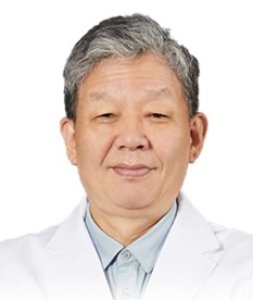
Kim Gyeonrae
الدكتور كيم غيون ري، MD، PhD، اختصاصي أنف وأذن وحنجرة (ENT). يشغل منصب المدير الطبي الفخري في قسم طب الأنف والأذن والحنجرة بمستشفى نايون. تتركز خبرته السريرية على أمراض الأنف، التهاب الأنف والجيوب الأنفية والتهاب الجيوب الأنفية المزمن، التهاب الأنف التحسسي، وجراحة الجيوب الأنفية بالمنظار الوظيفي (FESS).
المؤهلات: ماجستير في الطب (MMed)، جامعة هانيانغ. دكتوراه في الطب، جامعة وونغوانغ. تدريب زمالة في كلية الطب بجورجيا وكلية طب جامعة ولاية أوهايو (الولايات المتحدة). رئيس سابق لقسم طب الأن
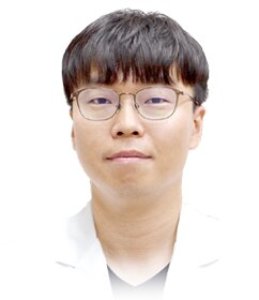
Kim Geonho
الدكتور كيم غونهو أخصائي ورئيس قسم الأنف والأذن والحنجرة في مستشفى نايون. يعالج أمراض اللوزتين واللحمية، والتهاب الجيوب الأنفية، والتهاب الأنف، كما يتعامل مع الشخير وانقطاع النفس أثناء النوم، وتغيرات الصوت الناجمة عن اضطرابات الأحبال الصوتية، وأمراض الغدد اللعابية واضطرابات الغدة الدرقية.
تخرّج من كلية الطب في جامعة هانيانغ، وأتمّ الامتياز والإقامة والزمالة السريرية في طب الأنف والأذن والحنجرة بمستشفى جامعة هانيانغ. شغل سابقاً منصب نائب مدير عيادة بارو (أنف وأذن وحنجرة). أكمل تدريباً م
مشاركة المحتوى
قصص فيديو من مرضى Bookimed
 Anna Leonova
أسئلة متكررة حول علاج الاورام الحميدة في الانف في كوريا الجنوبية
ما هي خيارات العلاج الرئيسية للزوائد الأنفية في كوريا الجنوبية؟
تعالج العيادات الكورية الجنوبية الزوائد الأنفية باستخدام بروتوكولات طبية وجراحية. يعطي الأطباء الأولوية لجراحة الجيوب الأنفية بالمنظار الوظيفي (FESS) للحالات المستعصية. تشمل العلاجات المتقدمة الأدوية البيولوجية مثل دوبيلوماب (Dupilumab). تتبع هذه المراكز معايير KOIHA لضمان السلامة السريرية والدقة الجراحية.
- العلاج الطبي: بخاخات الستيرويد والمحاليل الملحية تقلل الالتهاب وحجم الزوائد.
- التدخل الجراحي: يستخدم الجراحون تقنيات المنظار لإزالة الزوائد وفتح الجيوب الأنفية.
- العلاج البيولوجي: تستهدف الأجسام المضادة وحيدة النسيلة مسارات المناعة للمرضى الذين يعانون من زوائد متكررة.
- طرق التوصيل البديلة: يعمل التبخير عبر الأنف على إيصال الدواء إلى عمق أكبر في تجاويف الجيوب الأنفية مقارنة بالبخاخات.
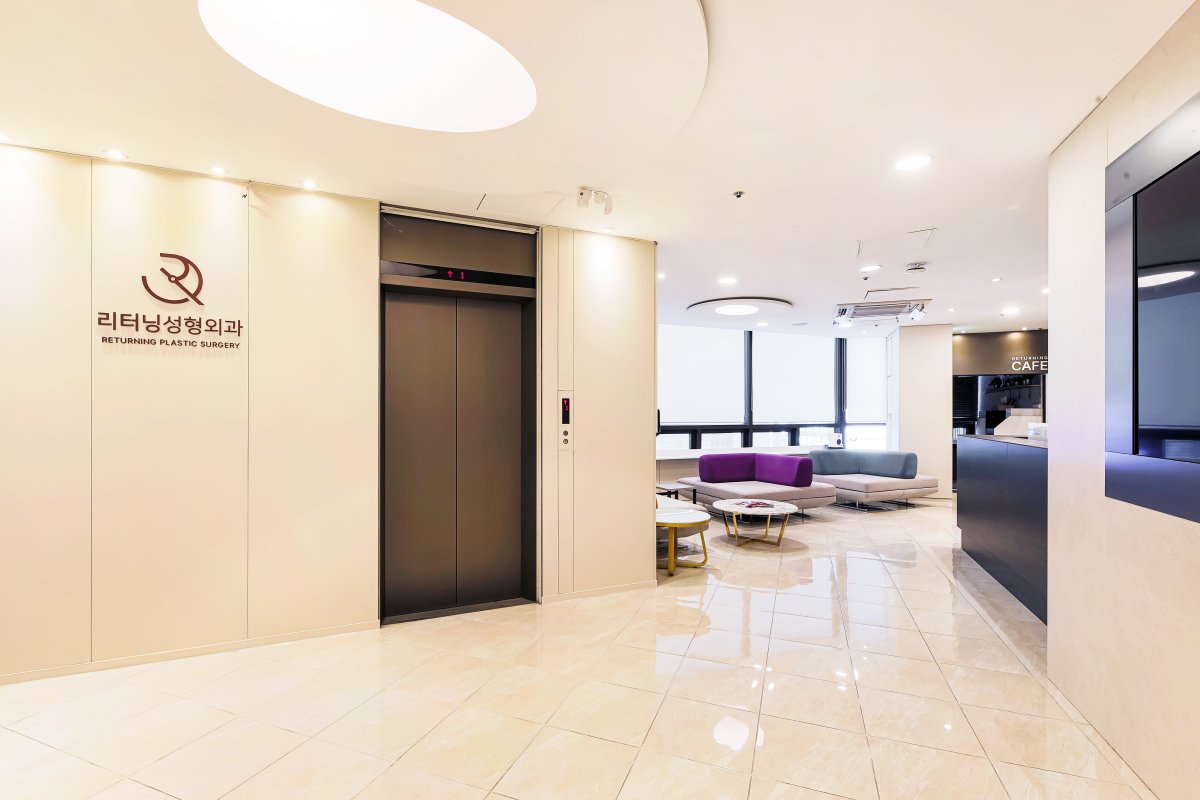
رؤية خبير Bookimed: تحتفظ العيادات في سيول مثل VG Plastic Surgery باعتماد KOIHA. يؤكد هذا الاعتماد أنها تلبي معايير السلامة الدولية للإجراءات الجراحية. تظهر بياناتنا أن هذه المرافق تجري أكثر من 1000 عملية سنوياً. غالباً ما يختار المرضى هذه المراكز لأنها تجمع بين تخفيف مشاكل الجيوب الأنفية وأهداف تجميل الأنف.
إجماع المرضى: يؤكد المرضى أن الجراحة ليست حلاً نهائياً لمرة واحدة. يوصي الكثيرون بمعالجة الحساسية الكامنة على الفور لمنع خطر نمو الزوائد مرة أخرى.
ما هو الجدول الزمني النموذجي للتعافي بعد جراحة الجيوب الأنفية بالمنظار؟
عادةً ما يسمح التعافي بعد جراحة الجيوب الأنفية بالمنظار بالعودة إلى العمل في غضون 7 أيام. يعاني معظم المرضى من التئام كامل للأنسجة في غضون 4 إلى 8 أسابيع. يقل الاحتقان والضغط الأولي بشكل ملحوظ بعد زيارة المتابعة الأولى. تضمن قيود النشاط قصيرة المدى الشفاء الأمثل خلال الشهر الأول.
- الأنشطة اليومية: يستأنف معظم المرضى العمل غير الشاق بعد 5 إلى 7 أيام.
- التمارين البدنية: يُشجع على المشي الخفيف على الفور. تجنب رفع الأثقال لمدة أسبوعين.
- العناية بالجيوب الأنفية: تبدأ غسولات المحلول الملحي عادةً في اليوم الثاني لتنظيف المخاط.
- الشفاء الكامل: غالبًا ما يستمر إعادة تشكيل الأنسجة الداخلية لمدة تصل إلى 8 أسابيع.
رؤية خبير Bookimed: بينما تشتهر كوريا الجنوبية بجراحات تجميل الأنف، تحافظ مراكز مثل VG Plastic Surgery على اعتماد KOIHA. وهذا يضمن معايير سلامة صارمة لإجراءات الأنف الوظيفية. تُظهر بياناتنا أن هذه المرافق غالبًا ما تستخدم التصوير المتقدم لتقليل صدمات الأنسجة. يساعد هذا التركيز على الدقة المرضى على التعامل مع تورم الـ 48 ساعة الأولى بشكل أكثر راحة.
إجماع المرضى: يشير المرضى إلى أن الأيام الثلاثة الأولى هي الأكثر صعوبة بسبب ضغط الوجه. يسلط الكثيرون الضوء على أن تخطي حشو الأنف التقليدي في العيادات الكورية يجعل التنفس المبكر أسهل بكثير.
هل يغطي التأمين الصحي الوطني الكوري العلاج البيولوجي للزوائد الأنفية؟
لا يغطي التأمين الصحي الوطني الكوري العلاج البيولوجي للزوائد الأنفية. على الرغم من أن أدوية مثل Dupixent معتمدة من قبل وزارة سلامة الغذاء والدواء، إلا أنها تظل غير قابلة للاسترداد لهذه الحالة المحددة. يجب على المرضى دفع تكاليف باهظة من جيبهم الخاص مقابل هذه الحقن المتخصصة.
- حالة التأمين: تُصنف المواد البيولوجية حاليًا على أنها غير قابلة للاسترداد لحالات التهاب الجيوب الأنفية المزمن.
- استثناءات الأمراض المصاحبة: قد ينطبق التغطية إذا كان المرضى يعانون من الربو الحاد أو التهاب الجلد التأتبي.
- البديل الأساسي: غالبًا ما يوصي الجراحون بجراحة الجيوب الأنفية بالمنظار لأن التأمين يغطيها بالكامل.
- الهيئات التنظيمية: تضع خدمة التأمين الصحي الوطني و HIRA قواعد السداد هذه.
رؤية خبير Bookimed: تحافظ عيادات مثل VG Plastic Surgery في سيول على اعتماد KOIHA لتلبية معايير السلامة الدولية. تظهر بياناتنا أن التكاليف المرتفعة للمواد البيولوجية غالبًا ما تدفع المرضى نحو الخيارات الجراحية. يعطي معظم الجراحين الأولوية للجراحة لأنها توفر نتيجة أسرع وأكثر فعالية من حيث التكلفة بموجب التأمين القياسي. اختيار منشأة حاصلة على شهادات المعايير الدولية يضمن رعاية عالية الجودة أثناء هذه الإجراءات.
إجماع المرضى: يشير المرضى إلى أنهم يجب أن يدفعوا السعر الكامل للمواد البيولوجية ما لم يكن لديهم سجلات ربو حاد. يختار الكثيرون الجراحة لأن التكلفة السنوية للحقن مرتفعة للغاية بدون دعم التأمين.
ما هي مستشفيات سيول المعترف بها كمراكز لجراحة الزوائد الأنفية والعناية المتقدمة بالجيوب الأنفية؟
تعد سيول موطناً لمراكز معترف بها عالمياً لجراحة الزوائد الأنفية والعناية بالجيوب الأنفية. تشمل المؤسسات الرائدة مستشفى جامعة سيول الوطنية ومركز أسان الطبي. تستخدم هذه المرافق جراحة الجيوب الأنفية بالمنظار الوظيفي (FESS) المتقدمة. وهي تحمل شهادات JCI و ISO للسلامة والجودة.
- التكنولوجيا الجراحية: تستخدم المراكز التصوير ثلاثي الأبعاد ورأب الجيوب الأنفية بالبالون للحصول على رعاية دقيقة وبأقل تدخل جراحي.
- الخبرة السريرية: تتخصص مرافق مثل مستشفى سيفيرانس في بروتوكولات متقدمة لإزالة الزوائد الأنفية.
- المعايير التنظيمية: تحافظ المستشفيات على اعتماد KOIHA، مما يضمن الامتثال للمعايير الطبية الدولية الصارمة.
- الرعاية الوظيفية: يقدم المتخصصون في VG Plastic Surgery علاجات وظيفية لانحراف الحاجز الأنفي.
رؤية خبير Bookimed: بينما تدير المستشفيات الجامعية الكبرى الزوائد الأنفية المعقدة المرتبطة بالأورام، غالباً ما تجمع المراكز المتخصصة في سيول بين إصلاح الجيوب الأنفية الوظيفي وتجميل الأنف. تخدم مرافق مثل VG Plastic Surgery مرضى من 47 دولة. وهي تحافظ على تقييمات عالية تبلغ 4.9 لإجراءات الأنف والأذن والحنجرة والوجه المتكاملة.
إجماع المرضى: يشير المرضى إلى أن الجراحين الكوريين غالباً ما يفضلون الإزالة الجراحية الشاملة على الاستخدام طويل الأمد للستيرويدات. يؤكد الكثيرون أن المراكز التابعة للجامعات توفر نتائج أكثر أماناً لحالات المراجعة مقارنة بالعيادات الصغيرة.
كم يوماً يجب أن يخطط السياح الطبيون للبقاء في كوريا الجنوبية بعد جراحة الجيوب الأنفية؟
يجب على السياح الطبيين التخطيط لإقامة تتراوح بين 10 إلى 14 يوماً في كوريا الجنوبية. تسمح هذه الفترة بالمراقبة الحرجة وتضمن سلامة السفر الجوي. عادةً ما يطلب الجراحون إجراء فحص نهائي بين اليوم السابع والعاشر. اتباع هذا الجدول الزمني يمنع حدوث مضاعفات ناتجة عن تغيرات ضغط المقصورة.
- التعافي الأولي: يواجه المرضى ذروة التورم خلال الأيام الثلاثة الأولى.
- إزالة الحشوات: عادةً ما يقوم الجراحون بإزالة الحشوات الأنفية الداخلية في الأيام من 4 إلى 6.
- مرحلة حاسمة: تتم إزالة الغرز والجبائر الأنفية بين اليوم السابع والعاشر.
- تصريح السفر: عادةً ما يحصل المرضى الدوليون على تصريح بالطيران بعد فحص نهائي في اليوم الحادي عشر.
رؤية خبير Bookimed: تحافظ العيادات المعتمدة من KOIHA في سيول مثل VG Plastic Surgery على معايير السلامة الدولية. غالباً ما تدير هذه المرافق أكثر من 1000 إجراء سنوياً. يعني حجم المرضى الكبير أن الموظفين يتمتعون بخبرة عالية في بروتوكولات التعافي الدولية. غالباً ما يقدمون رعاية لاحقة متخصصة مثل العلاج بالضوء LED. هذا ضروري لتقليل التورم قبل رحلات الطيران الطويلة إلى الوطن.
إجماع المرضى: يحذر المرضى من أن التسرع في العودة إلى المنزل بعد 5 أيام يؤدي إلى ألم شديد أثناء الرحلات الجوية. يوصي معظمهم بالبقاء لمدة 12 يوماً على الأقل للتعامل مع التعب والتورم غير المتوقع.