تشوه الصدر المقعر العلاج في ألمانيا - التكاليف 2026


تمت مراجعة المقالة طبيا من قبل
فهد مولود
ما هي تكلفة تشوه الصدر المقعر إجراءات التشخيص والعلاج في ألمانيا؟ اعرف الآن
من $330
تكاليف علاج تشوه الصدر القمعي النموذجية في ألمانيا
- استشارة أخصائي العظام: من $330
- استشارة أخصائي عظام (جراح إصابات): من $330
- تخطيط كهربية القلب (ECG): $50 – $60
رؤية خبراء Bookimed: يجب على المرضى الذين يبحثون عن رعاية مبتكرة إعطاء الأولوية للمراكز التي تتمتع بحجم عمليات جراحية كبير وتكامل بحثي. تُعد عيادة "نوردويست" (Nordwest) في فرانكفورت خيارًا رائدًا للابتكار، حيث تحمل اعتماد TÜV وتصنيفات ضمن أفضل 10 مراكز حسب مجلة "فوكوس" (Focus). بالنسبة لحالات الأطفال أو الحالات التي تنطوي على تعقيدات في الوجه والفكين، تقدم عيادة "أسكليبيوس نورد" (Asklepios Nord) في هامبورغ خبرة متخصصة. أما المجمعات الجامعية الكبيرة مثل مستشفى إيسن الجامعي، فهي الأنسب للمرضى ذوي المخاطر العالية الذين يحتاجون إلى تصوير رقمي متقدم ودعم متعدد التخصصات.
مزاياك وضماناتك مع Bookimed
أسعار مباشرة
Bookimed لا يضيف رسوماً إضافية على أسعار علاج تشوه الصدر المقعر. الأسعار مأخوذة من قوائم الأسعار الرسمية للعيادات. تدفع مباشرة في العيادة مقابل علاجك عند وصولك إلى البلد.
عيادات وأطباء معتمدون فقط
Bookimed ملتزم بسلامتك. نحن نعمل فقط مع المؤسسات الطبية التي تحافظ على معايير دولية عالية في علاج تشوه الصدر المقعر ولديها التراخيص اللازمة لخدمة المرضى الدوليين في جميع أنحاء العالم.
مساعدة مجانية على مدار الساعة
Bookimed يقدم مساعدة خبراء مجانية. منسق طبي شخصي يدعمك قبل وأثناء وبعد العلاج، ويحل أي مشاكل. لن تكون وحيداً أبداً في رحلة علاج تشوه الصدر المقعر.

منسقك الطبي الشخصي في Bookimed
- يدعمك في كل مرحلة
- المساعدة في اختيار العيادة الطبية المناسبة والطبيب المناسب
- يضمن الوصول السريع والمريح إلى المعلومات
اكتشف أفضل تشوه الصدر المقعر العيادات في ألمانيا: 10 خيارات معتمدة والأسعار



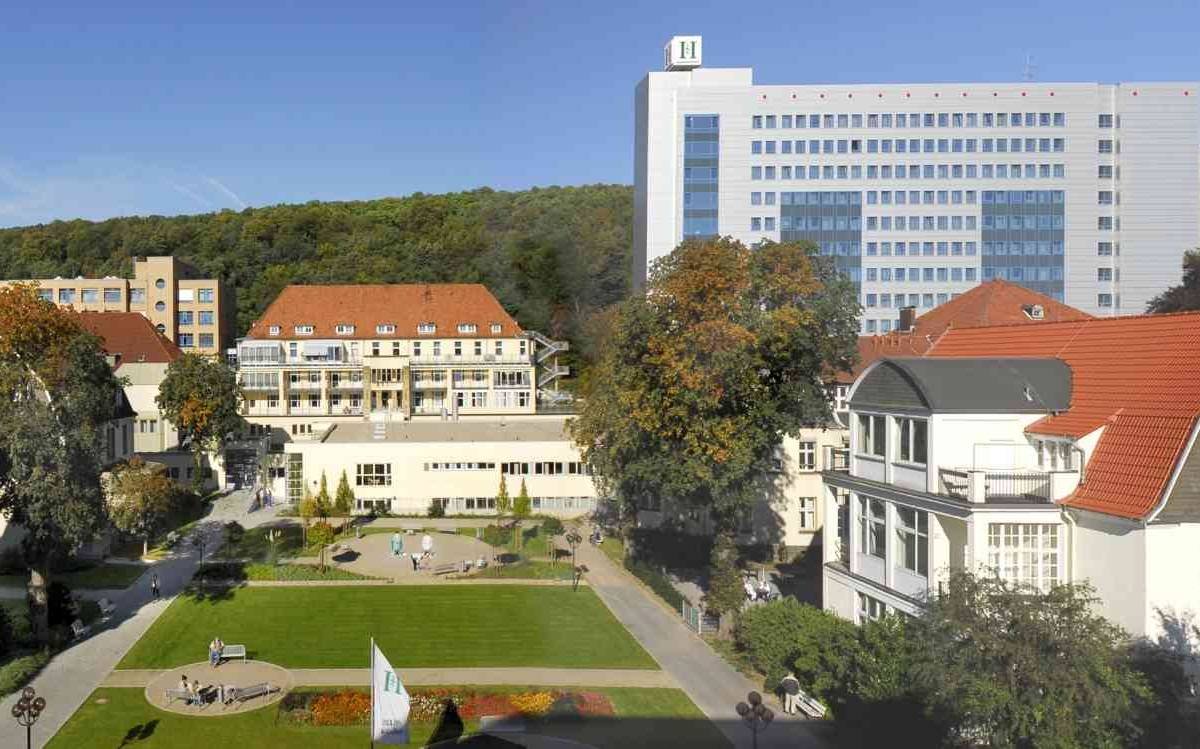
University Hospital in Haydelberge

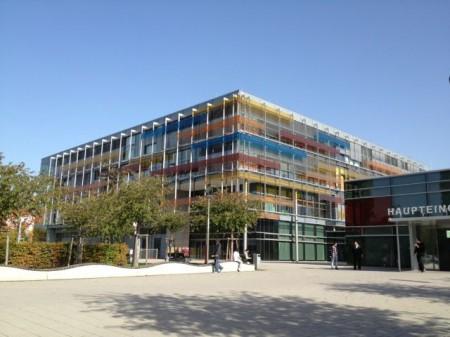
Hannover Medical School







Lippe Detmold Clinic
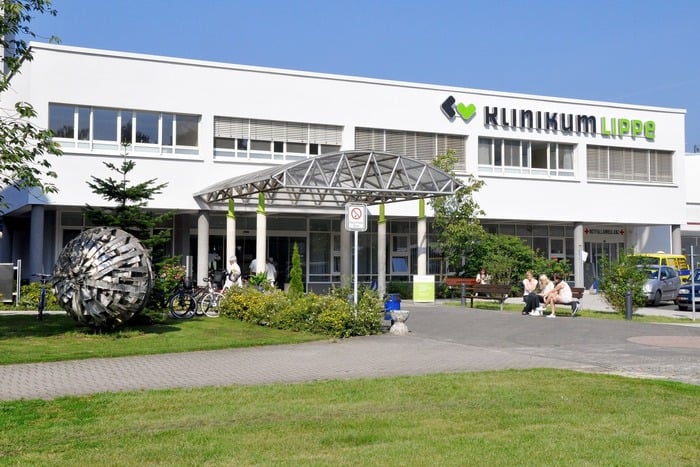
Lippe Lemgo Clinic

مشاركة المحتوى
قصص فيديو من مرضى Bookimed
 Anna Leonova
أسئلة متكررة حول علاج تشوه الصدر المقعر في ألمانيا
ما هي العيادات والجراحون الألمان الأكثر احتراماً لإصلاح الصدر القمعي؟
تعد ألمانيا وجهة رائدة لإصلاح الصدر القمعي (الصدر الغائر). تتخصص مراكز مرموقة مثل عيادة نوردويست (Nordwest Clinic) ومركز ثوراكس كلينيك هايدلبرغ (Thoraxklinik Heidelberg) في تقنية نوس (Nuss) طفيفة التوغل وإجراءات رافيتش (Ravitch). تحمل هذه المرافق شهادات من مجلة فوكوس (Focus) ونيوزويك (Newsweek). وهي توفر معدلات نجاح عالية وتخطيطاً جراحياً متقدماً ثلاثي الأبعاد.
- جراحون خبراء: أجرت الدكتورة ستيفاني فيت أكثر من 1100 عملية جراحية للصدر القمعي.
- تقنيات متخصصة: تقدم العيادات طرق نوس ورافيتش وأبرامسون لجميع الأعمار.
- حجم عمليات مرتفع: يجري مركز ثوراكس كلينيك هايدلبرغ أكثر من 1750 إجراءً صدرياً كل عام.
- اعتماد المرافق: تحافظ المراكز الكبرى على شهادات إدارة الجودة TÜV و JCI.
رؤية خبير Bookimed: يعد حجم المرضى هو المؤشر الأكثر موثوقية لنجاح هذا الإجراء. يخدم مجمع عيادات شمال الراين-وستفاليا 145,000 مريض سنوياً. غالباً ما يرتبط هذا النطاق الهائل برعاية محيطة بالجراحة متطورة. يضمن اختيار مستشفى جامعي الوصول إلى فرق متعددة التخصصات. تتعامل هذه الفرق مع حالات البالغين المعقدة التي قد تتجنبها العيادات الخاصة الأصغر.
إجماع المرضى: يؤكد المرضى أن التخطيط بالأشعة المقطعية ثلاثية الأبعاد يقلل بشكل كبير من مضاعفات ما بعد الجراحة. غالباً ما يبلغ أولئك الذين عولجوا في العيادات الجامعية عن عودة أسرع للأنشطة الرياضية.
ما هي الخيارات الجراحية وغير الجراحية المتاحة في ألمانيا؟
تقدم ألمانيا علاجات متخصصة للصدر الغائر (pectus excavatum)، بما في ذلك إجراء نوس (Nuss) طفيف التوغل والعلاج غير الجراحي بجرس التفريغ (vacuum bell). توفر مراكز ذات حجم كبير مثل مجمع عيادات شمال الراين-وستفاليا وعيادة نوردويست رعاية تقويم عظام متكاملة. تتراوح الخيارات من وضع قضبان مخصصة إلى الدعامات الهيكلية بناءً على عمر المريض.
- الإصلاح طفيف التوغل: يظل إجراء نوس هو المعيار الذهبي لعلاج الصدر الغائر.
- علاج جرس التفريغ: يعتبر العلاج غير الجراحي فعالاً للغاية للمرضى الذين تقل أعمارهم عن 16 عاماً.
- تثبيت القضيب المخصص: تبقى القضبان الجراحية عادةً في الصدر لمدة 3 سنوات.
- التشخيص المتقدم: تستخدم العيادات تخطيط القلب (ECG) والموجات فوق الصوتية ثلاثية الأبعاد لتقييم دقيق للصدر.
رؤية خبير Bookimed: يعمل حجم المرضى كمؤشر جودة حاسم في ألمانيا. تخدم مرافق مثل كلية هانوفر الطبية ومستشفى جامعة هايدلبرغ أكثر من 300,000 مريض سنوياً. يسمح هذا التردد العالي للجراحين بتحسين تقنيات تشوهات الصدر المعقدة. غالباً ما يضمن اختيار العيادات التي تضم أكثر من 50 قسماً متخصصاً وصولاً أفضل إلى فرق إدارة الألم متعددة التخصصات.
إجماع المرضى: يؤكد المرضى على أهمية البدء في علاج جرس التفريغ مبكراً لتجنب الجراحة تماماً. يشير أولئك الذين يخضعون لإجراء نوس إلى أن التخطيط لمدة شهر من وقت التعافي وتسكين الألم الفعال أمر ضروري للحصول على نتيجة سلسة.
كم تستغرق فترة التعافي ومتى يمكن استئناف الأنشطة الطبيعية؟
تستغرق فترة التعافي بعد جراحة الصدر القمعي في ألمانيا عمومًا من 4 إلى 6 أسابيع للحركة الأساسية. يمكن للمرضى عادةً استئناف الأنشطة الطبيعية والعمل المكتبي في غضون 4 إلى 6 أسابيع. تتطلب المشاركة الكاملة في رياضات التلامس أو التدريب البدني الشاق حوالي 3 إلى 6 أشهر لضمان الاستقرار الداخلي.
- الإقامة في المستشفى: يبقى المرضى عادةً في المستشفى لمدة 3 إلى 7 أيام بعد الجراحة.
- الحركة اليومية: يبدأ المشي الخفيف عادةً في اليوم الأول لتسريع عملية الشفاء.
- العودة المهنية: يعود معظم المرضى إلى العمل المكتبي أو الدراسة بحلول الأسبوع الرابع.
- النشاط البدني: يُسمح بتمارين القلب الخفيفة بعد 6 أسابيع مع تجنب رفع الأثقال.
- الرياضات الشاقة: تعتبر رياضات التلامس آمنة بعد 3 إلى 6 أشهر لمنع إزاحة الشريط المعدني.
رؤية خبير Bookimed: تؤكد العيادات الألمانية مثل Nordwest و Asklepios على الخبرة الجراحية عالية المستوى لتبسيط التعافي. في حين تخدم مراكز مثل كلية هانوفر الطبية ومستشفى جامعة إيسن أكثر من 300,000 مريض سنويًا، فإن هذا الحجم الكبير غالبًا ما يترجم إلى بروتوكولات علاج طبيعي بعد الجراحة موحدة للغاية. تسمح هذه المسارات المنظمة للعديد من المرضى الدوليين بالعودة إلى ديارهم بأمان بعد 4 إلى 7 أيام فقط من إجراء عملية نوس (Nuss).
إجماع المرضى: يشير المرضى إلى أن المشي منذ اليوم الأول يقلل بشكل كبير من وقت التعافي الإجمالي. ويذكرون أن الأسبوعين الأولين هما الأكثر كثافة من حيث إدارة الألم، لكن معظمهم يعودون إلى الركض الخف
من هو المرشح المناسب للعلاج غير الجراحي باستخدام Vacuum-Bell؟
المرشحون المثاليون للعلاج غير الجراحي باستخدام Vacuum-Bell هم الأطفال والمراهقون الصغار الذين تقل أعمارهم عن 12 عاماً والذين لا تزال صدورهم مرنة. هذا العلاج مناسب للمرضى الذين يعانون من تشوهات الصدر الغائر الخفيفة والمتماثلة بعمق أقل من 1.8 سم. يعد انخفاض مؤشر كتلة الجسم والالتزام اليومي العالي أمراً ضرورياً للنجاح.
- الفئة العمرية: يستجيب الأطفال دون سن 12 عاماً بشكل أفضل بسبب مرونة هياكل جدار الصدر العالية.
- عمق التشوه: يتم الحصول على أفضل النتائج عندما يكون انخفاض عظمة القص أقل من 1.8 سم.
- التماثل: يكون النجاح أكثر شيوعاً عندما يكون انخفاض الصدر مركزاً ومتساوياً.
- الصحة البدنية: يجب ألا يعاني المرشحون من اضطرابات في الهيكل العظمي، أو حالات نزيف، أو مشاكل قلبية خطيرة.
رؤية خبير Bookimed: تخدم المستشفيات الجامعية الألمانية مثل إيسن وهايدلبرغ أكثر من 300,000 مريض سنوياً. يسمح هذا الحجم الكبير لأخصائيي العظام بفحص مرونة جدار الصدر بدقة قبل بدء العلاج. تظهر بياناتنا أن المراكز الألمانية الرائدة غالباً ما تستخدم Vacuum-Bell كخطوة ما قبل الجراحة لتليين الأنسجة الصلبة. يمكن لهذا النهج أن يحسن النتائج إذا كانت هناك حاجة في النهاية لإجراء عملية نوس (Nuss).
إجماع المرضى: يشير المرضى إلى أن النتائج تعتمد كلياً على ارتداء الجهاز لعدة ساعات كل يوم. تجد العديد من العائلات أنه وسيلة مفيدة لتجنب الجراحة للأطفال الأصغر سناً بينما لا تزال عظامهم في طور النمو.
هل ستكون هناك ندبات مرئية بعد جراحة الصدر القمعي؟
تؤدي جراحة الصدر القمعي في ألمانيا إلى ندبات تختلف باختلاف التقنية. يترك إجراء نوس (Nuss) طفيف التوغل شقوقاً صغيرة تتراوح بين 1-2 سم على جانبي الصدر. بينما تخلق الطرق المفتوحة علامة مرئية أكبر. تركز العيادات الألمانية على التموضع الجمالي لضمان اندماج الندبات مع ثنايا الجلد الطبيعية.
- إجراء نوس (Nuss): يخلق شقين صغيرين بحجم 1-2 سم وعادة ما يكونان مخفيين تحت الإبطين.
- تقنية رافيتش (Ravitch): تترك ندبة بحجم 7-8 سم في مقدمة الصدر.
- غرسات السيليكون: تتطلب شقاً عمودياً واحداً بطول 7 سم تقريباً عند عظمة القص.
- نضج الندبة: تتلاشى معظم علامات الجراحة من اللون الوردي إلى الأبيض في غضون 1-3 سنوات.
رؤية خبير Bookimed: تعالج المستشفيات الجامعية الألمانية مثل مستشفى جامعة إيسن 370,000 مريض سنوياً باستخدام التصوير الرقمي المتقدم والذكاء الاصطناعي. يسمح هذا الحجم الكبير للجراحين بإتقان التقنيات التنظيرية التي تحد من الشقوق إلى بوابات صغيرة. يستفيد المرضى الذين يختارون هذه المراكز الأكاديمية غالباً من بروتوكولات متابعة متخصصة تعطي الأولوية للنتائج الجمالية طويلة المدى إلى جانب التصحيح البدني.
إجماع المرضى: يلاحظ المرضى أن الندبات تصبح بالكاد مرئية بمرور الوقت وغالباً ما تختفي جيداً تحت عضلات الصدر. يؤكد الكثيرون على استخدام شرائح السيليكون مباشرة بعد الشفاء لضمان أن تصبح العلامات شاحبة ومسطحة خلال السنة الأولى.
ما هي فحوصات التصوير أو الاختبارات قبل الجراحة التي تتطلبها العيادات الألمانية؟
تتطلب العيادات الألمانية اختبارات تشخيصية متخصصة لتقييم شدة الصدر القمعي (pectus excavatum) والجاهزية للجراحة. تشمل المتطلبات الأساسية إجراء تصوير مقطعي محوسب (CT) ثلاثي الأبعاد أو بجرعة منخفضة لحساب مؤشر هالر. يخضع المرضى أيضًا لاختبارات وظائف الرئة وتخطيط صدى القلب لتقييم ضغط القلب والرئة قبل الإجراء.
- معايير التصوير: توفر الأشعة المقطعية ثلاثية الأبعاد عالية الدقة قياسات دقيقة لمؤشر هالر.
- التخطيط الجراحي: غالبًا ما تُستخدم عمليات إعادة البناء ثلاثية الأبعاد لتحسين وضع القضيب المعدني أثناء الجراحة.
- تقييم القلب: يستبعد تخطيط صدى القلب وجود ضغط على القلب ويضمن إعطاء التخدير بشكل آمن.
- اختبارات الجهاز التنفسي: تؤكد اختبارات وظائف الرئة مثل قياس التنفس ما إذا كان التشوه يقيد سعة الرئة.
رؤية خبير Bookimed: تُظهر البيانات الواردة من مراكز ألمانية رائدة مثل عيادة نوردويست ومستشفى جامعة إيسن تركيزًا كبيرًا على الفحص متعدد التخصصات. في حين أن المختبرات القياسية روتينية، تعطي هذه المؤسسات الأكاديمية الأولوية للتصوير الرقمي المتقدم والموجات فوق الصوتية ثلاثية الأبعاد لتقليل المخاطر الجراحية. غالبًا ما يضمن اختيار عيادة بها معاهد بحثية متكاملة الوصول إلى بروتوكولات الأشعة المقطعية منخفضة الجرعة التي تقلل من التعرض للإشعاع أثناء الحساب الإلزامي لمؤشر هالر.
إجماع المرضى: يؤكد المرضى أن الأشعة المقطعية على الصدر أمر عالمي تقريبًا وضروري لتأكيد مؤشر هالر فوق 3.25 للتأهل للجراحة. يشير الكثيرون إلى أن الخضوع لاختبار وظائف الرئة كا
ما هي المستشفيات في ألمانيا التي تحظى بأعلى التقييمات في جراحة الأعصاب؟
تضم ألمانيا بعضًا من أرقى أقسام جراحة الأعصاب في العالم، بقيادة مستشفى شاريتيه الجامعي في برلين ومستشفى جامعة هايدلبرغ. وتتميز هذه المراكز بخبرتها الواسعة في علاج أورام الدماغ المعقدة وأمراض الأوعية الدموية الدماغية. ولتحقيق أقصى قدر من الفعالية في عملياتها، تستخدم هذه المراكز أحدث التقنيات، مثل التصوير بالرنين المغناطيسي أثناء الجراحة والتوجيه العصبي بمساعدة الحاسوب.
- مستشفى شاريتيه برلين: يُجري أكثر من 5000 عملية جراحية سنوياً. ويرأس العيادة جراح الأعصاب الشهير الدكتور بيتر فايكوتشي.
- المركز الطبي في سولينجن: أجرى الدكتور رالف بوهل أكثر من 4000 عملية جراحية، بما في ذلك جراحات العمود الفقري طفيفة التوغل.
- عيادة أسكليبيوس نورد: مجهزة بنظام التصوير بالرنين المغناطيسي الثنائي الوحيد في ألمانيا أثناء الجراحة لضمان الدقة الجراحية في الوقت الحقيقي أثناء إزالة الورم.
- عيادة نوردويست: تم الاعتراف بها من قبل مجلة نيوزويك كمستشفى رائد في مجال الابتكار في تكنولوجيا الموجات فوق الصوتية ثلاثية الأبعاد.
رأي خبراء بوكيمد: تشير البيانات إلى أن اختيار المراكز ذات الحجم الجراحي الكبير غالبًا ما يؤدي إلى توصيات علاجية أكثر تحفظًا. ففي مركز سولينجن الطبي، الذي يعالج أكثر من 60,000 مريض
ما هي نسب نجاح العمليات الجراحية العصبية المعقدة في ألمانيا؟
في ألمانيا، تتميز العمليات الجراحية العصبية بالغة التعقيد بمستوى أمان استثنائي. تصل نسبة نجاح عمليات دمج الفقرات إلى 99%، بينما تبلغ نسبة النجاة بعد استئصال أورام الدماغ الأولية 97%. كما يتمتع المرضى بقدرة عالية على الاعتماد على أنفسهم في أداء وظائفهم اليومية، حيث يغادر أكثر من 82% منهم المستشفى مباشرةً بعد العلاج. وتولي المراكز الألمانية اهتماماً بالغاً بالحفاظ على الوظائف العصبية باستخدام أحدث تقنيات التخطيط العصبي.
- استئصال الورم: يحقق الجراحون استئصالًا كاملاً للورم في 87.2% من حالات النقائل الدماغية.
- النجاح في علاج أمراض الأوعية الدموية: أفادت المستشفيات الألمانية بنسبة نجاة بلغت 98.7% لحالات تمدد الأوعية الدموية غير الممزقة.
- تحسن الحالة العصبية: يشهد ما يقرب من 43% من المرضى تحسناً في المعايير الوظيفية بعد عمليات الاستئصال المعقدة.
- سلامة التدخلات الجراحية: في المراكز الجراحية الكبيرة، تتراوح معدلات بقاء المرضى على قيد الحياة بعد جراحة العمود الفقري بين 98-99%.
رأي خبراء بوكيمد: يُجري جراحون ذوو خبرة، مثل الدكتور أوفه كولر من عيادة أسكليبيوس ألتونا، أكثر من 2000 عملية جراحية سنويًا. تُشير البيانات إلى أن هؤلاء المتخصصين يحافظون على معدلات نجاح تصل إلى 90%، حتى
ما هي التقنيات المتقدمة المتوفرة عادةً في عيادات جراحة الأعصاب الألمانية؟
تُدخل عيادات جراحة الأعصاب الألمانية بانتظام أدوات رقمية عالية الدقة وتقنيات تصوير فوري في الممارسة الجراحية. تشمل التقنيات الرئيسية الملاحة العصبية الحاسوبية لجراحات الدماغ والحبل الشوكي. تستخدم مؤسسات مثل عيادة أسكليبيوس نورد التصوير بالرنين المغناطيسي أثناء الجراحة للتحقق من استئصال الورم في الوقت الفعلي. توفر هذه الأنظمة للجراحين نظام ملاحة ثلاثي الأبعاد.
- الملاحة العصبية: توفر تصورًا ثلاثي الأبعاد وتتبعًا فوريًا للأدوات لتحقيق دقة جراحية تصل إلى مستوى أقل من المليمتر.
- التصوير أثناء العملية: تسمح أنظمة مثل التصوير بالرنين المغناطيسي أثناء العملية (iMRI) والتصوير المقطعي المحوسب ذي الذراع O (O-arm CT) بالتأكيد الفوري على نجاح عملية الاستئصال.
- المراقبة العصبية: تراقب الوظائف الحركية والحسية أثناء الجراحة لحماية الجهاز العصبي.
- التشخيص الفلوري: يتم استخدام صبغة 5-ALA لتسليط الضوء على حدود الورم من أجل إزالته بشكل أكثر اكتمالاً.
- المساعدة الروبوتية: تعمل أنظمة مثل نظام دافنشي على تحسين الدقة في الإجراءات المعقدة ذات التدخل الجراحي البسيط.
رأي خبراء بوكيمد: تُجري مراكز طبية كبيرة، مثل مستشفى شاريتيه الج
ما هي التدريبات المتخصصة التي يتلقاها جراحو الأعصاب الممارسون في ألمانيا؟
في ألمانيا، يتعين على جراحي الأعصاب إكمال برنامج إقامة تخصصي لمدة ست سنوات بعد التخرج من كلية الطب. يشمل هذا البرنامج المنظم العناية المركزة، والتدريب السريري، وكتابة مقالات في مجلة جراحية إلزامية. بعد ذلك، يجتاز المرشحون امتحانًا حكوميًا للحصول على لقب طبيب مقيم (Facharzt für Neurochirurgie).
- الإقامة السريرية: تتطلب من 48 إلى 72 شهرًا من الممارسة المتخصصة في جراحة الأعصاب.
- العناية المركزة: تتضمن فترة تدريب إلزامية لمدة 6 أشهر في وحدة العناية المركزة لجراحة الأعصاب.
- المجلة الجراحية: يوثق الجراحون مئات العمليات الجراحية، بما في ذلك عمليات فتح الجمجمة وجراحات العمود الفقري.
- امتحان الترخيص: يجب على المتقدمين اجتياز امتحان طبي شفوي وعملي تديره الدولة.
رأي خبراء بوكيميد: يركز التدريب الألماني في جراحة الأعصاب على الخبرة الجراحية الواسعة. فعلى سبيل المثال، أجرى الدكتور رالف بول من المركز الطبي في سولينجن أكثر من 4000 عملية جراحية. ويتمتع الدكتور يورغن كيويت من مستشفى ميوكلينيك بخبرة تزيد عن 25 عامًا. يضمن هذا النظام الدقيق أن يتعامل المتخصصون في المراكز الكبرى مع الحالات المعقدة بدقة مثبتة.
آراء المرضى: يشع