علاج تشوه الصدر المقعر في النمسا — احصل على 3 عيادات مختارة خصيصاً لك


تمت مراجعة المقالة طبيا من قبل
فهد مولود
كيف نعمل؟
ما هي تكلفة تشوه الصدر المقعر إجراءات التشخيص والعلاج في النمسا؟ اعرف الآن
من $60. يعتمد التسعير على شدة الصدر القمعي (pectus excavatum)، والتقنية الجراحية المختارة مثل إجراء نوس (Nuss procedure)، ومستوى المنشأة الطبية. من الشائع تحقيق وفورات تتراوح بين 20-30% مقارنة بالولايات المتحدة. وتعد فيينا المدينة الرئيسية لهذه الإجراءات.
تكاليف علاج تشوه الصدر القمعي النموذجية في النمسا
- تخطيط كهربية القلب (ECG): من $60
- استشارة مع أخصائي تقويم العظام: من $140
- استشارة مع أخصائي تقويم العظام (جراح إصابات): من $140
رؤية خبراء Bookimed: بالنسبة لحالات الأطفال أو الحالات المعقدة لدى البالغين، يضمن اختيار المراكز ذات الروابط الأكاديمية الوصول إلى أفضل الخبرات. تُعد عيادة فيينا الخاصة (Wiener Privatklinik) خياراً قوياً، حيث يعمل العديد من أطبائها البالغ عددهم 400 طبيب كأساتذة في جامعة فيينا الطبية. بالنسبة للمرضى الدوليين الذين يعطون الأولوية للسلامة وانخفاض معدلات المضاعفات، يعالج مستشفى دوبلينج الخاص (Döbling Private Hospital) 16,000 مريض سنوياً. وهم يتبعون أهداف سلامة المرضى الخاصة بـ JCI ويتخصصون في جراحة العظام للبالغين والأطفال على حد سواء.
اكتشف أفضل تشوه الصدر المقعر العيادات في النمسا: 3 خيارات معتمدة والأسعار
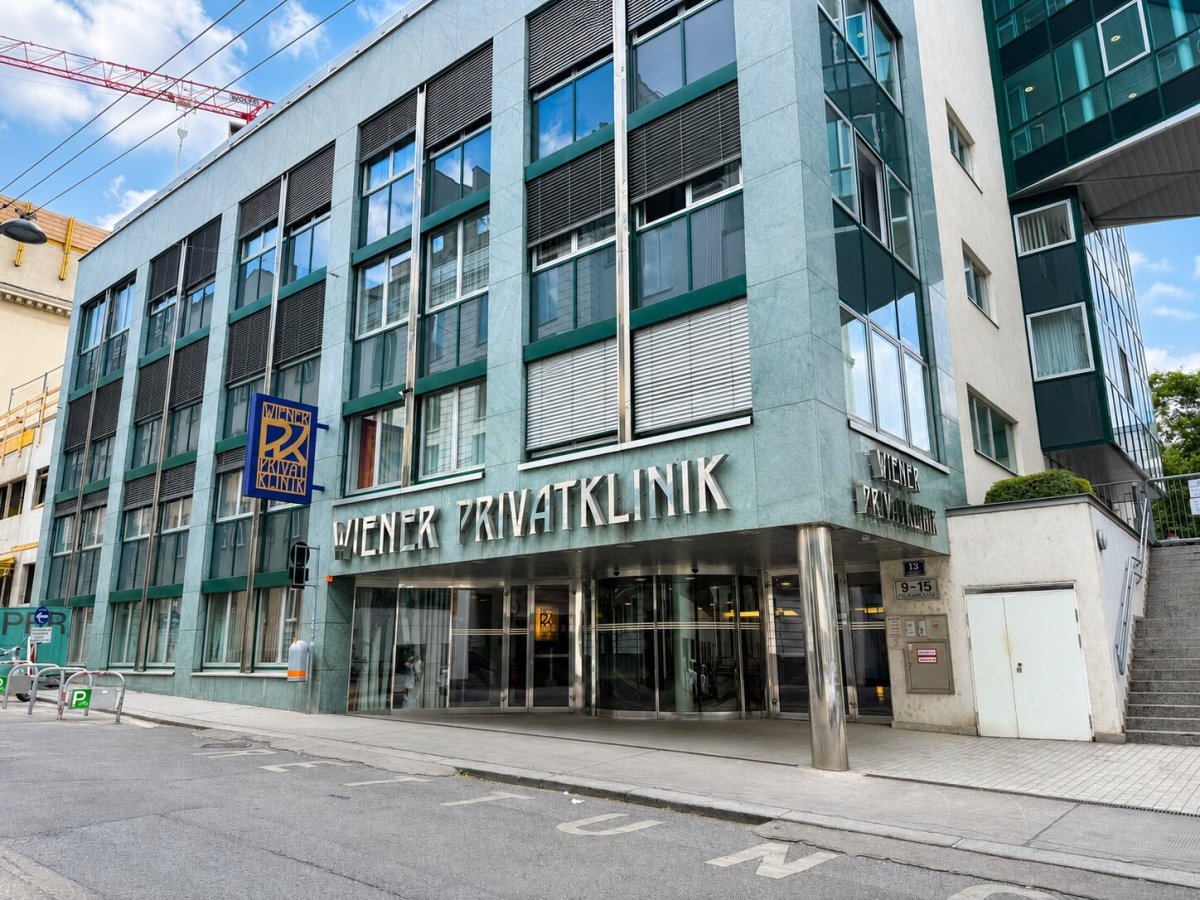




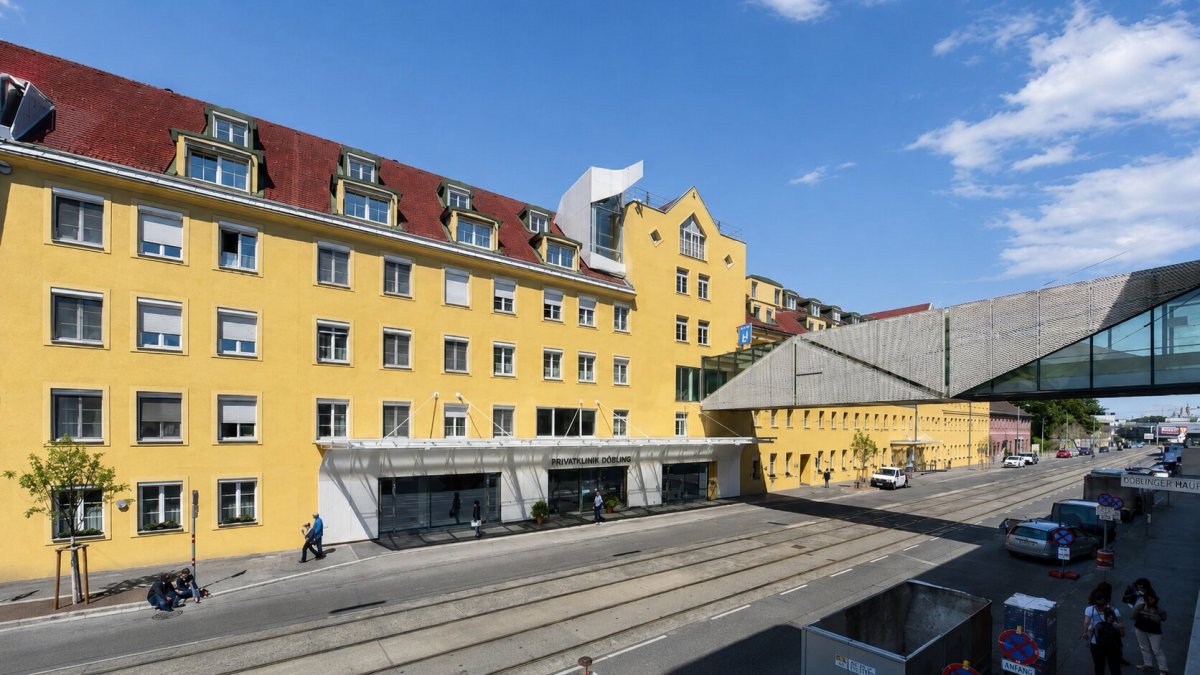
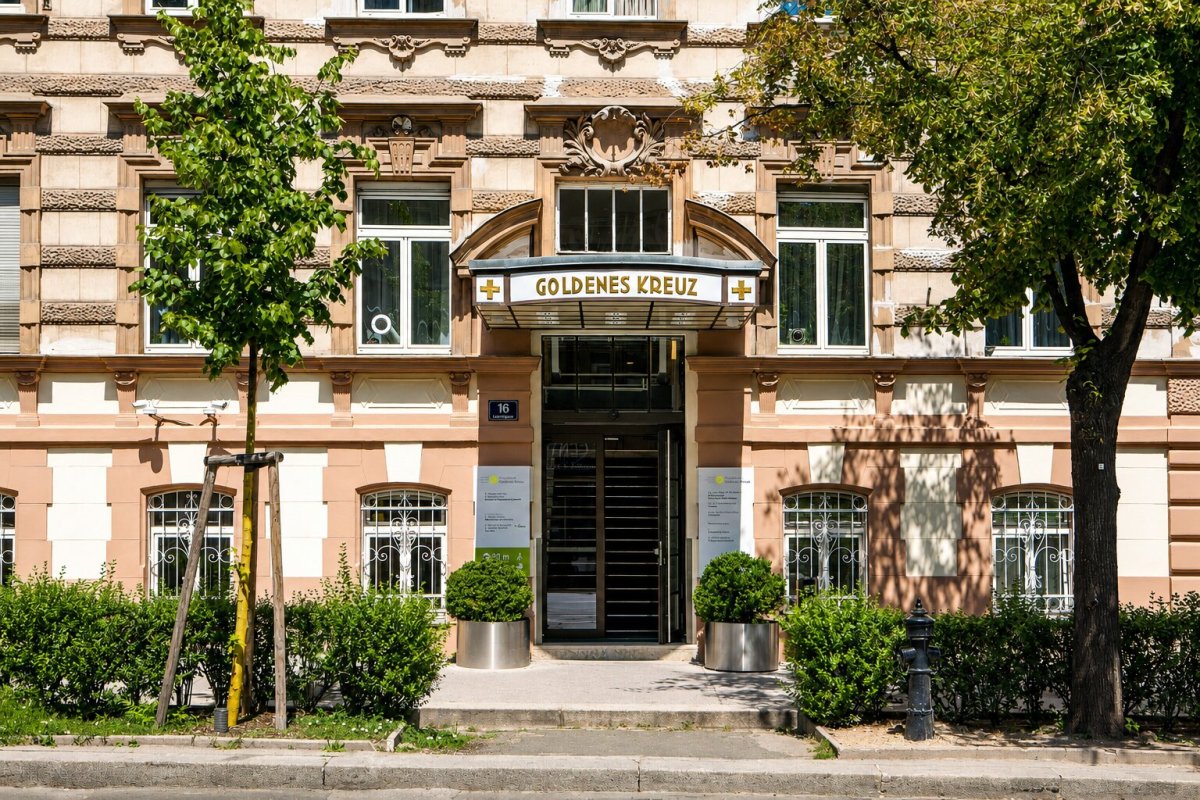
Confraternitaet Private Hospital
مشاركة المحتوى
قصص فيديو من مرضى Bookimed
 Anna Leonova
أسئلة متكررة حول علاج تشوه الصدر المقعر في النمسا
ما هي العلاجات الرئيسية المتاحة في النمسا لمرض الصدر المقعر؟
يشمل علاج الصدر المقعر في النمسا إجراءات جراحية طفيفة التوغل وعلاجات غير جراحية. وتُعتبر عملية نوس المعيار الذهبي للعلاج الجراحي. كما تتوفر خيارات متخصصة، مثل طريقة روكيتانسكي وطريقة رفع الصدر. وتشمل العلاجات التحفظية العلاج بالشفط واستخدام أجهزة مصممة خصيصًا لتطبيق الضغط على الأضلاع.
- إجراء نوس: تسمح الشقوق الصغيرة برفع عظمة القص ووضعها في مكانها الصحيح باستخدام قضبان معدنية.
- طريقة روكيتانسكي: تساعد الغرسات المعدنية المصممة خصيصًا مع النتوءات المثبتة على منع انزياح القضيب.
- رفع الصدر: تتضمن هذه التقنية غير الصدرية رفع عظمة القص لأعلى باستخدام غرسات التيتانيوم الخارجية.
- جرس الشفط: يعمل العلاج بالشفط اليومي على إعادة تشكيل جدران الصدر المرنة تدريجياً لدى المرضى الشباب.
- العلاج الطبيعي: يساعد تصحيح وضعية الجسم وتقوية العضلات على تقليل القيود الوظيفية والشعور بعدم الراحة.
رأي خبراء بوكيمد: تتجاوز مؤشرات الجودة في النمسا مجرد الشهادات القياسية. فمستشفيات مثل مستشفى دوبلينغ الخاص لديها معدلات مضاعفات أقل بكثير من المعدل القياسي، ويتضح ذلك جلياً في عمليات تدقيق سلامة المرضى. وبينما تركز البرامج العامة على ال
ما هي المستشفيات النمساوية التي تُعتبر رائدة في علاج فتق الصدر المقعر؟
تُعدّ عيادة فيينا الخاصة ومستشفى دوبلينغ الخاص من أبرز المراكز الطبية في النمسا في مجال تصحيح الصدر المقعر. وتتخصص هذه المؤسسات في إجراء نوس الجراحي طفيف التوغل، والذي يستخدم قضبانًا معدنية لرفع عظمة القص. وفي الحالات المعقدة، يعمل أساتذة جامعيون في مراكز العلاج في فيينا.
- عيادة فيينا الخاصة: موطن لمركز متخصص لعلاج الصدر المقعر، بقيادة الدكتور ألكسندر روكيتانسكي.
- الدكتور ألكسندر روكيتانسكي: يشرف على الإجراءات التصحيحية بخبرة متخصصة تزيد عن 40 عامًا.
- مستشفى دوبلينغ الخاص: يقدم رعاية صدرية للأطفال والبالغين وفقًا لمعايير السلامة المعتمدة من ISO.
- التخصص العلمي: العديد من الجراحين هم أساتذة في جامعة فيينا الطبية.
رأي خبراء بوكيمد: يتيح اختيار عيادة خاصة مثل عيادة فيينا الخاصة الوصول المباشر إلى رؤساء الأقسام الجامعية. غالبًا ما يقود هؤلاء الأساتذة أبحاثًا، لكنهم يمارسون الطب في عياداتهم الخاصة. وهذا يضمن حصول المرضى على رعاية عالية الجودة دون فترات انتظار طويلة كما هو الحال في المستشفيات الجامعية الحكومية.
رأي المرضى: يؤكد المرضى على أهمية اختيار جراحين يُجرون أكثر من 50 عملية نوس سنوياً. ويُفضلون جراحة ال
في أي عمر يجب البدء بالعلاج للحصول على أفضل النتائج؟
يبدأ علاج الصدر المقعر في النمسا عادةً بين سن 13 و16 عامًا. تتزامن هذه الفترة مع طفرات النمو في سن المراهقة، مما يضمن إعادة بناء مثالية لجدار الصدر. يُحسّن التدخل المبكر مرونة الأضلاع، ويقلل الحاجة إلى إجراءات جراحية أكثر توغلاً، حيث يبقى الغضروف مرنًا خلال فترة البلوغ.
- العلاج غير الجراحي: يبدأ العلاج باستخدام جرس الشفط عادةً بين سن 8 و 12 عامًا.
- النافذة الجراحية: من الأفضل إجراء جراحة نوس بين سن 12 و 16 عامًا.
- تزامن النمو: إجراء الجراحة خلال فترات النمو المكثف يضمن التكوين السليم للصدر.
- القيود المفروضة على البالغين: قد يكون العلاج بعد سن 18 عامًا صعبًا بسبب زيادة تصلب الأضلاع.
رأي خبراء بوكيمد: بينما يركز الكثيرون على فترة المراهقة، تعالج مستشفيات مثل مستشفى دوبلينغ الخاص في فيينا الأطفال والبالغين على حد سواء. تُظهر بياناتنا أن الجراحين النمساويين يُعطون الأولوية للتوقيت الدقيق لتجنب الانتكاس المبكر. الانتظار حتى سن 13 عامًا يسمح لجدار الصدر بالوصول إلى الحجم الكافي لوضع القضيب بشكل ثابت، مما يقلل من خطر انزياح الزرعة خلال مراحل النمو المتأخرة في الطفولة.
رأي المرضى: يشير المرضى إلى أهمية المراقبة ا
كم من الوقت يستغرق التعافي من الجراحة طفيفة التوغل لعلاج الصدر المقعر؟
بعد إجراء جراحة طفيفة التوغل لعلاج الصدر المقعر، يستغرق التعافي التام حوالي ستة أشهر. ويعود المرضى عادةً إلى ممارسة أنشطتهم اليومية المعتادة في غضون أربعة إلى ستة أسابيع. ويبقى معظم المرضى في المستشفى لمدة ثلاثة إلى خمسة أيام لتلقي العلاج المناسب للألم.
- الإقامة في المستشفى: توقع قضاء من ثلاثة إلى خمسة أيام للمراقبة وإدارة الألم بشكل احترافي.
- المرحلة الأولية: تجنب الالتواء ورفع الأوزان التي تزيد عن 4.5 كجم لمدة أربعة أسابيع.
- العودة إلى المدرسة/العمل: عادةً ما يعود الطلاب والعاملون في المكاتب إلى العمل في غضون أسبوعين إلى أربعة أسابيع.
- الموافقة الرياضية: يبدأ التدريب الخفيف بعد ستة أسابيع. أما الرياضات التي تتطلب احتكاكاً جسدياً فتتطلب ستة أشهر.
رأي خبراء بوكيمد: تعتمد جودة الحياة بعد الجراحة على مدى التدخل الجراحي ومراقبة المضاعفات. تحافظ عيادة فينر الخاصة ومستشفى دوبلينغ الخاص على معدلات منخفضة للمضاعفات. وتستخدم هذه العيادات معايير معتمدة من منظمة المعايير الدولية (ISO) لضمان بروتوكولات تعافي آمنة. غالبًا ما يؤدي اختيار المراكز التي تستقبل أعدادًا كبيرة من المرضى إلى خطط رعاية ما بعد الجراحة أكثر توحيدًا.
آرا