العودة إلى الصفحة الرئيسية

كيف نعمل؟

لقد قمنا بتحويل عملية البحث عن العيادة، وجعلناها بسيطة وسريعة وشخصية.
أجب عن بعض الأسئلة املأوا استمارة قصيرة لتخبرونا عن حالتكم الصحية واحتياجاتكم الطبية.
احصل على عروض مخصصة٣ عيادات تم اختيارها بعناية بناءً على إجاباتك، ستقدّم خطط علاج وتقديرات تكلفة مخصصة لك.
اختر الخيار الأفضلقارن بين العروض واختر العيادة الأنسب لك.
يمكنك أيضًا تصفح 2 عيادة أدناه.
820К+ مريضًا حصلوا على المساعدة منذ عام 2014
50 دول
1,500 عيادات
6K+ تقييمات
3K+ طبيب مؤهل

ما هي تكلفة شلل محيطي إجراءات التشخيص والعلاج في الصين؟ اعرف الآن

السعر يقدم بعد الطلب

اكتشف أفضل شلل محيطي العيادات في الصين: 2 خيارات معتمدة والأسعار

تم تصنيف العيادات بواسطة نظام Bookimed الذكي، باستخدام تحليل علوم البيانات عبر 5 معايير رئيسية.
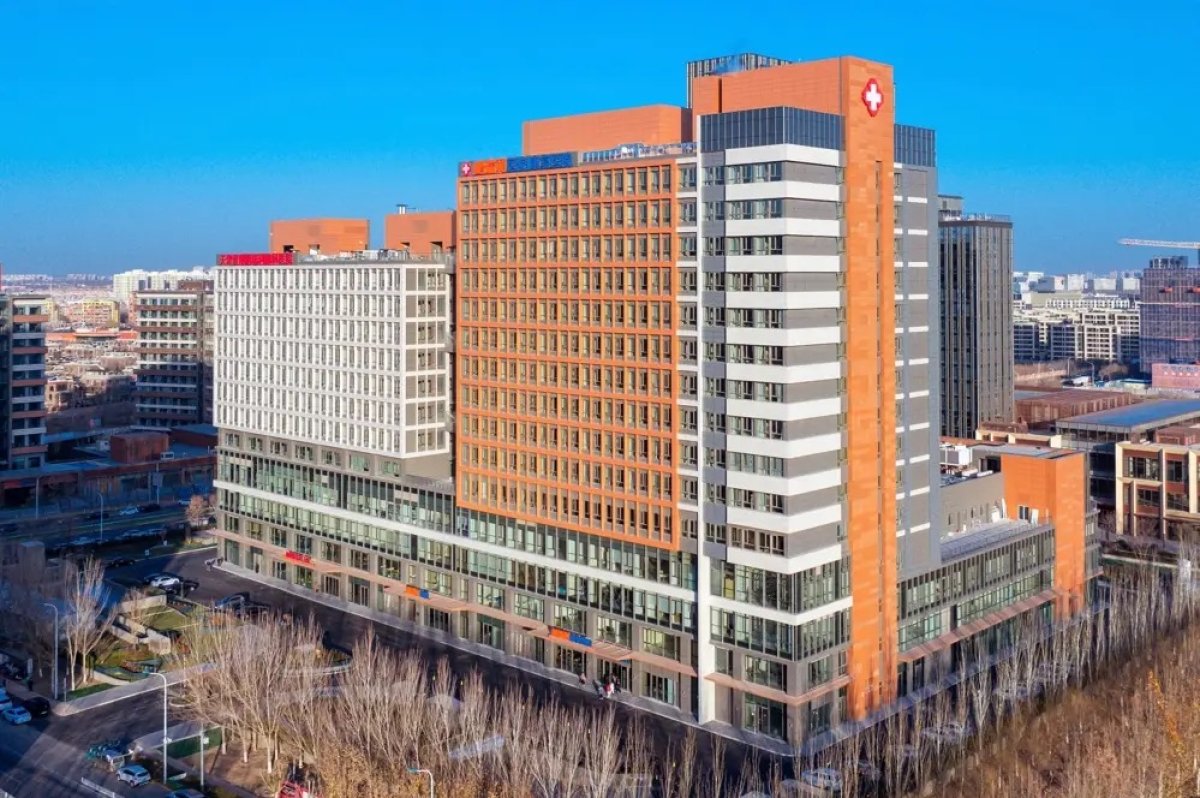
Yanda International Hospital
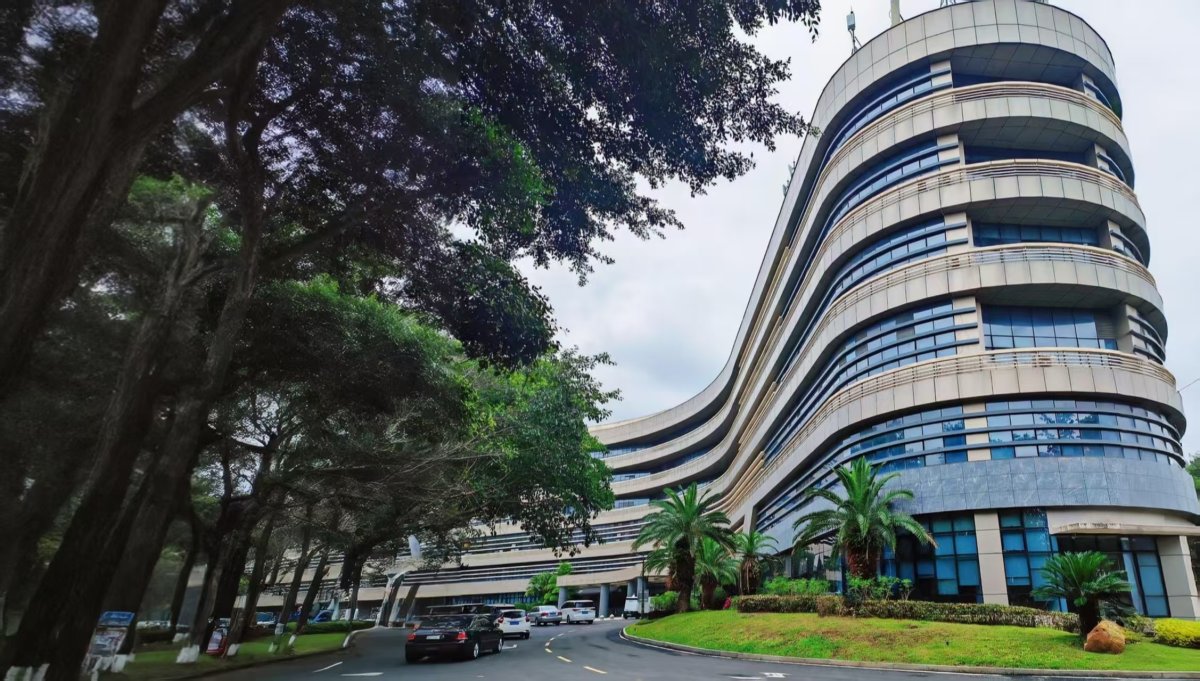
Dr. Eber Brain Hospital

احصلوا على تقييم طبي لـ شلل محيطي في الصين: استشيروا أطباء ذوي خبرة الآن

عرض جميع الأطباء
يؤكد

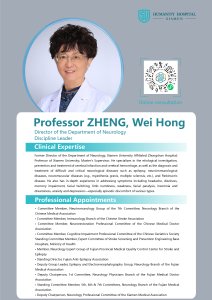
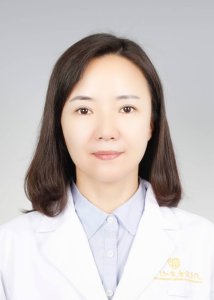
Zheng Wei Hong

45سنة خبره ١٦ سنة

البروفيسور تشنغ وي هونغ هو مدير قسم طب الأعصاب وقائد التخصص. شغل سابقًا منصب مدير قسم الأعصاب في مستشفى تشونغشان التابع لجامعة شيامن. وهو أستاذ بجامعة شيامن ومشرف على طلاب الماجستير.

يركّز عمله السريري على الاستقصاء السببي والوقاية وعلاج احتشاء الدماغ والنزف الدماغي. كما يشخّص ويعالج الأمراض العصبية المعقّدة، بما فيها الصرع، والاضطرابات العصبية‑المناعية والعصبية‑العضلية (الوهن العضلي الوبيل، التصلّب المتعدد)، ومرض باركنسون.

العضويات والمناصب: عضو في مجموعة علم المناعة العصبية (فرع طب الأعصاب بالجمعية الطبية الصينية)، وفرع علم المناعة (جمعية السكتة الدماغية الصينية)، ولجنة ترميم الجهاز العصبي (رابطة الأطباء الصينية)، ولجنة اضطرابات الإدراك (الجمعية الصينية لطب المسنين). عضو باللجنة الدائمة للجنة خبراء المستشفيات القاعدية لمشروع فحص السكتة الدماغية والوقاية منها (وزارة الصحة). عضو مجموعة خبراء طب الأعصاب بمركز فوجيان الإقليمي لمراقبة جودة الرعاية الطبية للسكتة والصرع. مدير دائم بجمعية مكافحة الصرع في فوجيان. نائب قائد مجموعة الصرع وتخطيط الدماغ الكهربائي (فرع طب الأعصاب بالجمعية الطبية في فوجيان). نائب رئيس الدورة الأولى للجنة فرع أطباء الأعصاب (رابطة الأطباء في فوجيان). عضو اللجنة الدائمة (الدورات الخامسة–السابعة) لفرع طب الأعصاب (الجمعية الطبية في فوجيان). نائب رئيس اللجنة المتخصصة لطب الأعصاب (الجمعية الطبية في شيامن).

يؤكد

Sun Chen Yang

38سنة خبره ١٦ سنة

بروفيسور وطبيب رائد متخصص في الطب الصيني التقليدي والطب الغربي المتكامل للحالات العصبية في مستشفى تيانجين إيبر بيرينيال للدماغ.

  • دكتور في العلوم الطبية مع مؤهلات واسعة
  • مدير معهد الطب الصيني التقليدي والغربي المتكامل بجامعة بكين
  • رئيس لأقسام متعددة في المستشفيات التابعة لجامعة بكين
  • مؤلف لأكثر من 100 مقال في مجلات SCI ومجلات أخرى
  • خبير استشاري للجنة المركزية للصحة ومواهب الطب الصيني التقليدي في بكين
يؤكد

Shao Ming

32سنة خبره ١٦ سنة

قدم الدكتور شاو مينغ البروبوفول لاختبار وادا في الصين، مما عزز السلامة والكفاءة الجراحية. كما يقوم بتطبيق التحفيز الكهربائي القشري لتحديد المواقع الدقيقة للبؤر الصرعية.

  • دكتور في العلوم الطبية مع خبرة سريرية واسعة
  • زميل ما بعد الدكتوراه في مؤسسات مرموقة بما في ذلك جامعة هارفارد
  • نشر أكثر من 50 مقالاً علمياً، بما في ذلك في مجلة ذي جورنال أوف نيوروساينس
  • مؤلف ومؤلف مشارك للعديد من الدراسات المرجعية في علم الأعصاب
  • شغل أدواراً قيادية في منظمات علم الأعصاب الرئيسية في الصين

مشاركة المحتوى

Twitter XLinkedinFacebookWhatsAppEmail
أحصل على الرابط

قصص فيديو من مرضى Bookimed

Dayana
جمعت بين إجازتي في أنطاليا والفحص الطبي.
إجراء: فحص صحة الإناث (انظر فحص النساء)
Igor
كان رائعاً! التنقلات والإقامة والعلاج - كل شيء مشمول.
إجراء: زرع الأسنان
مستشفى: WestDent Clinic
Marina
قام Bookimed بكل شيء من أجلي. لم أضطر للقلق بشأن أي شيء.
إجراء: فحص صحة الإناث (انظر فحص النساء)
مستشفى: Severance Hospital
محدث: 10/23/2024
تأليف
Anna Leonova
Anna Leonova
رئيس فريق تسويق المحتوى
محررة طبية معتمدة لديها خبرة تزيد عن 10 سنوات، طوّرت محتوى Bookimed الموثوق، مدعومة بماجستير في علم اللغة ومقابلات مع خبراء طبيين من جميع أنحاء العالم.
تمت المراجعة من قبل المستشار الطبي في Bookimed
فهد مولود
محرر طبي وعالم بيانات
طبيب عام. حاصل على 4 جوائز علمية. خدم في غرب آسيا. رئيس الفريق الطبي الناطق بالعربية سابقا ومسؤول عن معالجة البيانات ودقة المحتوى الطبي حاليا.
فهد مولود Linkedin
قد تحتوي هذه الصفحة على معلومات تتعلق بمختلف الحالات الطبية والعلاجات وخدمات الرعاية الصحية المتوفرة في بلدان مختلفة. يرجى العلم أن المحتوى مقدم لأغراض إعلامية فقط ولا ينبغي تفسيره على أنه نصيحة أو إرشادات طبية. يرجى استشارة طبيبك أو أخصائي طبي مؤهل قبل البدء أو تغيير العلاج الطبي.

أسئلة متكررة حول علاج شلل محيطي في الصين

هذه الأسئلة الشائعة مأخوذة من مرضى حقيقيين يبحثون عن رعاية طبية عبر Bookimed. يتم تقديم الإجابات من قبل منسقين طبيين ذوي خبرة وممثلين موثوقين من العيادات.

What is the standard treatment approach for peripheral paralysis in China?

China uses an integrated medical model combining Western pharmaceuticals with Traditional Chinese Medicine (TCM). Treatment typically starts with corticosteroids and neurotrophic injections to reduce inflammation. Clinical guidelines also incorporate acupuncture, electroacupuncture, and medical massage to stimulate nerve repair and prevent muscle atrophy.

  • Early intervention: Corticosteroids like prednisone are prescribed within 72 hours of onset.
  • Neurotrophic support: Patients receive B12 injections (mecobalamin) to promote myelin sheath repair.
  • Integrated therapies: Manual and electroacupuncture target specific meridians to restore nerve signaling.
  • Rehabilitation: Daily Tuina massage and mirror-feedback exercises help prevent facial muscle stiffness.

Bookimed Expert Insight: Chinese healthcare often fuses high-tech diagnostics with centuries-old practices. For example, JCI-accredited facilities like Yanda International Hospital offer 28,500 modern technologies alongside TCM. Specialized centers like Dr. Eber Brain Hospital employ professors like Sun Chen Yang, who is recognized as a doctor-scientist of ancient Chinese medicine. This combination allows patients to receive advanced Western nerve-monitoring data while undergoing traditional acupuncture protocols under one roof.

Patient Consensus: Patients emphasize that rehabilitation is a central requirement rather than an optional secondary step. Although recovery can take months, many note that starting intensive physical therapy and acupuncture early provides the best sense of progress.

When should acupuncture begin after the onset of paralysis?

Acupuncture for peripheral paralysis should ideally start within 24 hours to 7 days after the condition stabilizes. Clinical data suggests early intervention enhances nerve regeneration and muscle recovery. Success depends on treating specific causes like Bell palsy or nerve injuries while the nervous system is most receptive.

  • Ischemic stroke: Start within 24 to 36 hours for medically stable patients to protect brain cells.
  • Hemorrhagic stroke: Begin within 24 to 48 hours once a physician confirms bleeding is controlled.
  • Facial paralysis: Initiate treatment within 3 to 7 days to reduce inflammation and facial swelling.
  • Peripheral injury: Apply once acute injury stops worsening and surgical emergencies are ruled out.

Bookimed Expert Insight: China's highest-tier hospitals like Yanda International Hospital integrate traditional techniques with modern neurology for over 2.5 million patients annually. Our data shows clinics often combine acupuncture with active rehabilitation on the same day. This synergy helps prevent muscle stiffness more effectively than using acupuncture alone. Centers like Dr. Eber Brain Hospital employ nearly 400 doctors to ensure these combined protocols remain safe and medically supervised.

Patient Consensus: Patients note that acupuncture works best as an add-on to physical therapy rather than a standalone cure. Most advise ensuring a clear diagnosis via scans before starting needles to avoid treating around unexplained nerve compression.

How soon and how likely is recovery in China?

Recovery in China for peripheral paralysis often begins within 6 to 12 weeks of treatment. Meaningful functional restoration typically requires 6 to 18 months of intensive rehabilitation. Success depends on early intervention and the specific type of nerve injury being treated.

  • Treatment level: Class A Level III clinics represent the highest medical tier in China.
  • Clinical expertise: Facilities like Yanda International Hospital serve over 2,500,000 patients every year.
  • Specialist credentials: Experts like Dr. Zheng Wei Hong specialize in facial paralysis and limb numbness.
  • Integrated protocols: Top centers combine international medical standards with traditional Chinese medicine approaches.

Bookimed Expert Insight: While many seek China for traditional methods, the real advantage lies in the integration of specialized neurological hospitals. Dr. Eber Brain Hospital alone has 400 doctors and 63 departments. This massive scale allows for rapid diagnostics and immediate transition to multi-disciplinary rehab, which is critical for nerve recovery.

Patient Consensus: Patients note that recovery happens in stages, often starting with tiny signs like twitching or reduced numbness. They emphasize that rehabilitation is just as vital as the initial procedure to see real progress.

What acupuncture techniques are used during different stages of paralysis?

Chinese clinicians adjust acupuncture techniques based on the three distinct phases of paralysis. Early treatment focuses on reducing nerve inflammation using scalp acupuncture. Middle stages transition to penetrating needling for functional connectivity. Long-term chronic care utilizes electroacupuncture to manage muscle spasticity and stimulate dormant neurons.

  • Acute stage: Shallow manual needling reduces nerve swelling through gentle stimulation.
  • Neurological reorganization: Scalp acupuncture targets motor cortex regions to restore cerebral circulation.
  • Quiescent phase: Penetrating needling (Tou Ci) threads needles subcutaneously to stimulate muscle fibers.
  • Chronic recovery: Electroacupuncture provides micro-current impulses to retrain neuromuscular pathways and strength.

Bookimed Expert Insight: Top-tier Class A Level III facilities like Yanda International Hospital integrate traditional techniques with JCI-accredited safety standards. Data shows that specialists like Dr. Sun Chen Yang often combine ancient Qihuang principles with modern neurology. This dual approach is why China remains a leading destination for motor function restoration.

Patient Consensus: Patients note that acupuncture works best when paired with daily physical therapy and range-of-motion exercises. They emphasize consistency, often undergoing near-daily sessions to see concrete improvements in functional movement and muscle tightness.

Which Chinese herbal formulas are routinely prescribed?

Chinese practitioners treat peripheral paralysis using synergistic herbal formulas that target circulation and nerve restoration. Buyang Huanwu Tang is the most standard prescription for motor weakness. It combines astragalus with blood-moving herbs. This formula supports recovery by improving microcirculation in affected tissues.

  • Circulation support: Buyang Huanwu Tang promotes movement in paralyzed limbs.
  • Nerve recovery: Huo Luo Xiao Ling Dan addresses blood stasis.
  • Vitality boosting: Si Jun Zi Tang builds energy for physical therapy.
  • Nourishing formulas: Liu Wei Di Huang Wan addresses underlying aging factors.

Bookimed Expert Insight: Top Chinese facilities like Yanda International Hospital integrate these traditional formulas with modern neurology protocol. Dr. Sun Chen Yang at Dr. Eber Brain Hospital specialize in this integrative approach. Using ancient medicine alongside 28,500+ modern technologies often helps patients recover faster. This combination is especially effective for restoring motor functions after neurological injuries.

Patient Consensus: Patients note that herbal decoctions are customized and change as symptoms evolve. They emphasize that while herbs support the body, intensive rehabilitation drives measurable physical gains.

Can chronic or long-standing paralysis still benefit from China's treatments?

Chronic paralysis patients benefit from China’s integration of neurotechnology and traditional medicine. Advanced brain-spine interfaces (BSI) now challenge the permanence of long-term injuries. Specialized centers use AI-driven implants and electro-acupuncture to reactivate dormant neural pathways and improve motor scores.

  • Hybrid protocols: Clinics combine microsurgery, nerve transfers, and specialized rehabilitation for chronic cases.
  • Technology access: Facilities like Yanda International Hospital offer over 28,500 modern medical technologies.
  • Expert oversight: Specialists like Dr. Shao Ming bring experience from Harvard and University of Texas.
  • Regulatory standards: Top-tier Class A Level III hospitals often maintain Joint Commission International accreditation.

Bookimed Expert Insight: Bookimed data shows a clear advantage in China’s tertiary-level facilities like Yanda International Hospital. These centers manage massive volumes of up to 2,500,000 patients annually. This high concentration of cases allows surgeons to refine techniques for rare, long-standing paralysis. Patients should prioritize hospitals with Joint Commission International (JCI) accreditation to ensure international safety standards while accessing local neuro-technologies.

Patient Consensus: Patients note that recovery for long-standing paralysis depends heavily on muscle viability. Many emphasize that combining surgery with structured rehabilitation yields better functional outcomes than single therapies alone.

What is the modern biomedical rationale for using acupuncture?

Modern biomedical rationale views acupuncture as a form of neuromodulation. It stimulates strategic anatomical sites rich in nerves and connective tissues. This process triggers endogenous opioid release and activates the spinal gate. These mechanisms help manage pain and inflammation during peripheral paralysis rehabilitation.

  • Neurochemical release: Needle insertion prompts the brain to release endorphins and enkephalins.
  • Vagal-adrenal activation: Electroacupuncture stimulates the vagus nerve to down-regulate pro-inflammatory cytokines.
  • Micro-circulation boost: Targeted stimulation releases vasodilators like nitric oxide to improve regional blood flow.
  • Central remodeling: Frequent sessions may rewire how the brain perceives chronic neurological distress.

Bookimed Expert Insight: Leading Chinese institutions like Yanda International Hospital integrate these biomedical protocols within a Class A Level III medical framework. Data reveals that specialized centers in Beijing often combine traditional techniques with modern neurology under experts like Dr. Sun Chen Yang. This integrated approach ensures that acupuncture is never a standalone treatment but a scientifically monitored part of a complex rehabilitation plan.

Patient Consensus: Patients note that acupuncture effectively reduces muscle spasticity and improves sleep during recovery. Most emphasize using it alongside physical therapy rather than expecting it to reverse nerve damage alone.

احصل على استشارة مجانية

حدد أفضل طريقة للاتصال بك