علاج Immunotherapy في تايلاند — احصل على 3 عيادات مختارة خصيصاً لك


تمت مراجعة المقالة طبيا من قبل
فهد مولود
كيف نعمل؟
ما هي تكلفة Immunotherapy إجراءات التشخيص والعلاج في تايلاند؟ اعرف الآن
اكتشف أفضل Immunotherapy العيادات في تايلاند: 3 خيارات معتمدة والأسعار




مشاركة المحتوى
قصص فيديو من مرضى Bookimed
 Anna Leonova
أسئلة متكررة حول علاج Immunotherapy في تايلاند
ما هو العلاج المناعي وكيف يعمل في تايلاند؟
يعمل العلاج المناعي في تايلاند على تعزيز جهاز المناعة لاكتشاف وتدمير الخلايا السرطانية باستخدام مثبطات نقاط التفتيش أو العلاجات الخلوية. توفر المستشفيات المعتمدة من اللجنة الدولية المشتركة (JCI) هذا العلاج لسرطان الرئة المتقدم، والأورام الميلانينية، وسرطان الخلايا الكلوية. يستخدم الأخصائيون اختبارات المؤشرات الحيوية مثل تعبير PD-L1 لتأكيد أهلية المريض قبل بدء الحقن.
- آلية النظام: حجب البروتينات التي تساعد السرطان على الاختباء من الهجمات المناعية لخلايا T الطبيعية.
- أنواع العلاج: تشمل أدوية مثل بيمبروليزوماب وخيارات متقدمة مثل علاج الخلايا التائية (CAR T-cell).
- الاختبارات التشخيصية: تعد اختبارات PD-L1 و MSI إلزامية لضمان تطابق العلاج مع ملف الورم.
- معايير المنشأة: تحافظ المراكز الخاصة في بانكوك وفوكيت على شهادات الجودة JCI و ISO.
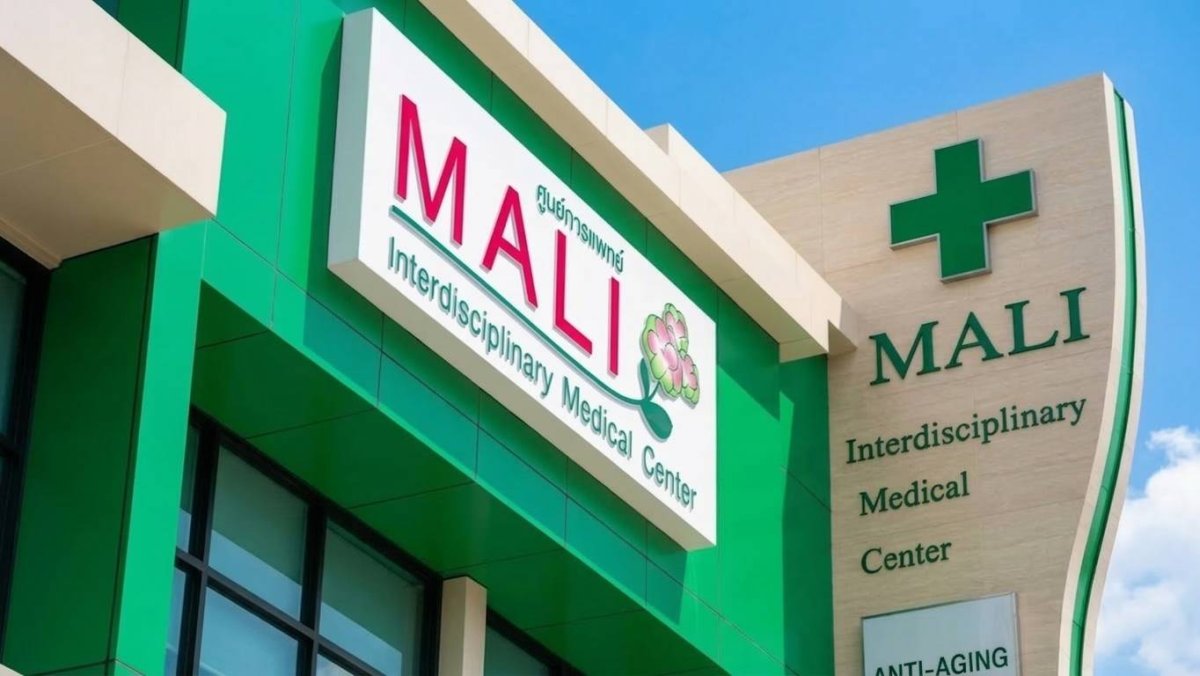
رؤية خبير Bookimed: تحتل تايلاند المرتبة الثانية عالميًا في بيانات السياحة العلاجية لدينا، ويرجع ذلك إلى حد كبير إلى مراكز عالية الكثافة مثل مستشفى مالي متعدد التخصصات الذي يخدم 50,000 مريض سنويًا. بينما يسعى الكثيرون للحصول على مثبطات نقاط التفتيش القياسية، تجمع عيادات مثل مستشفى باناسي راما 2 بين هذه العلاجات والطب التجديدي والعلاج الخلوي المعتمد من GMP. هذا النهج التكاملي هو اتجاه إقليمي محدد يمزج بين الأورام التقليدية وتجديد الخلايا المتقدم.
إجماع المرضى: يؤكد المرضى أن العلاج المناعي فئة واسعة، وليس دواءً واحدًا، ويتطلب تقارير أمراض وصورًا شعاعية محددة لتحديد الأهلية. يلاحظ الكثيرون أنه
ما هي أنواع السرطان التي تعالج عادةً بالعلاج المناعي في تايلاند؟
تعالج مراكز الأورام التايلاندية عادةً سرطانات الرئة والكبد والكلى المتقدمة بالعلاج المناعي. تستخدم المستشفيات المتخصصة مثبطات نقاط التفتيش المناعية للميلانوما وسرطان المثانة. تطبق المراكز المعتمدة من اللجنة الدولية المشتركة (JCI) في بانكوك هذه العلاجات أيضًا لسرطانات الرأس والرقبة والمعدة المقاومة لبروتوكولات العلاج الكيميائي القياسية.
- سرطان الجهاز التنفسي: مثبطات نقاط التفتيش الموجهة لسرطان الرئة غير صغير الخلايا المتقدم.
- سرطان الجهاز الهضمي: خيارات العلاج المناعي للكبد وسرطانات المعدة المقاومة للعلاج الكيميائي.
- سرطان الجهاز البولي التناسلي: علاج لسرطانات الكلى والمثانة المتقدمة باستخدام مؤشرات PD-L1.
- الجلد والدم: توافر البروتوكولات للميلانوما وأنواع فرعية محددة من ليمفوما اللاهودجكين.
رؤية خبير Bookimed: تحتل تايلاند المرتبة الثانية عالميًا في طلبات السياحة العلاجية على منصتنا. تخدم المراكز الكبرى مثل مستشفى مالي متعدد التخصصات 50,000 مريض سنويًا. يسمح هذا الحجم الكبير لأطباء الأورام التايلانديين بتطوير خبرة واسعة في المؤشرات الحيوية للعلاج المناعي وإدارة الآثار الجانبية.
إجماع المرضى: يؤكد المرضى على الحاجة إلى إجراء اختبارات طفرة PD-L1 و MSI قبل السفر. يلاحظ معظمهم أن الوصول إلى أدوية معينة مثل مثبطات نقاط التفتيش أعلى بكثير في المراكز الخاصة الكبرى.
ما هي الآثار الجانبية الرئيسية للعلاج المناعي؟
تشمل الآثار الجانبية الرئيسية للعلاج المناعي التعب، وتفاعلات الجلد، وأعراض تشبه أعراض الإنفلونزا. تحدث هذه عندما يهاجم الجهاز المناعي الخلايا السليمة. تشمل التفاعلات الشائعة الطفح الجلدي، وآلام المفاصل، ومشاكل الجهاز الهضمي مثل الإسهال. تعالج مراكز الأورام التايلاندية هذه الأعراض من خلال الأدوية والراحة.
- تغيرات الجلد: كثيرًا ما يبلغ المرضى عن حكة أو احمرار أو جفاف الجلد أثناء العلاج.
- التعب الجسدي: التعب الشديد أمر شائع وقد يزداد سوءًا مع الإجهاد البدني.
- التهاب الأعضاء: قد تسبب أحداث نادرة متعلقة بالمناعة التهابًا في الرئتين أو الكبد.
- أعراض شبيهة بالإنفلونزا: غالبًا ما تحدث القشعريرة والحمى وآلام العضلات بعد الحقن الأولية.
رؤية خبير Bookimed: تدمج المراكز الطبية التايلاندية مثل مستشفى مالي متعدد التخصصات ومستشفى بانسيه العلاجات التجديدية مع الأورام القياسية. يهدف هذا النهج المشترك إلى إدارة الآثار الجانبية المزمنة أثناء خدمة أكثر من 50,000 مريض سنويًا. يضمن اختيار المراكز الحاصلة على اعتماد اللجنة الدولية المشتركة (JCI) معايير سلامة عالية لإدارة التفاعلات الالتهابية.
إجماع المرضى: يلاحظ المرضى أن تنظيم الأنشطة اليومية أمر حيوي للتعامل مع التعب المستمر. يؤكد العديد من المرضى على أهمية استخدام الكريمات الموضعية الموصوفة في وقت مبكر لمنع تحول الطفح الجلدي البسيط إلى حالة شديدة.
هل العلاج المناعي أفضل من العلاج الكيميائي؟
يعتمد ما إذا كان العلاج المناعي أفضل من العلاج الكيميائي على نوع السرطان ومرحلته. يستهدف العلاج المناعي خلايا سرطانية محددة مع الحفاظ على الأنسجة السليمة. وغالبًا ما يؤدي ذلك إلى بقاء أطول على قيد الحياة في حالات الميلانوما المتقدمة أو سرطان الخلايا الكلوية. يعمل العلاج الكيميائي بشكل أسرع لتقليص الأورام ولكنه يؤثر على الخلايا السليمة.
- دقة الاستهداف: يدرب العلاج المناعي الخلايا المناعية على إيجاد السرطان وتدميره بشكل محدد.
- سرعة العلاج: يعمل العلاج الكيميائي بسرعة لتقليل حجم الورم والسيطرة على نموه.
- التأثير على البقاء: يمكن للعلاج المناعي زيادة معدلات البقاء على قيد الحياة لمدة خمس سنوات بنسبة 16% في سرطانات رئة محددة.
- معدلات الاستجابة: يُظهر حصار نقاط التفتيش المناعية معدلات استجابة تبلغ حوالي 20% في الأورام الصلبة.
رؤية خبير Bookimed: تتمتع المراكز الطبية التايلاندية مثل مستشفى بانكوك بوكيت باعتماد JCI للسلامة. في حين تركز العيادات المتخصصة على الخلايا الجذعية والرعاية التجديدية، تعطي مراكز الأورام التقليدية الأولوية للاختيار القائم على المؤشرات الحيوية. يعتمد الاختيار بين هذه الخيارات على مدى استجابة سرطانك لمثبطات نقاط التفتيش المناعية.
إجماع المرضى: يلاحظ المرضى أن إدارة الآثار الجانبية أسهل مع العلاج المناعي مقارنة بالعلاج الكيميائي القياسي. يقدر الكثيرون التواصل الواضح من الفرق الطبية حول كيفية تأثير العلاجات المختلفة على مستويات الطاقة اليومية.
كم يستغرق العلاج المناعي ليعطي مفعوله؟
يستغرق العلاج المناعي عادةً ما بين 8 إلى 12 أسبوعًا لإظهار نتائج سريرية قابلة للقياس. يرى معظم المرضى تحسنات ملحوظة بعد شهرين من العلاج. على عكس العلاج الكيميائي، يتطلب هذا المسار وقتًا لتنشيط الخلايا المناعية وشن هجوم مستهدف على مواقع الأورام.
- الاستجابة الأولية: تحتاج الخلايا المناعية إلى عدة أسابيع للتكاثر بعد دورة العلاج الأولى.
- التقييم النموذجي: يقوم الأطباء عادةً بإجراء أول مسح ضوئي للاستجابة بعد شهرين أو ثلاثة أشهر.
- خطر التقدم الكاذب (Pseudoprogression): قد تبدو الأورام أكبر حجمًا مؤقتًا بينما تتسلل الخلايا المناعية إلى الأنسجة السرطانية.
- علامات النجاح: استقرار المرض غالبًا ما يكون أول علامة على أن العلاج يعمل.
رؤية خبير Bookimed: تعد تايلاند مركزًا عالميًا رئيسيًا للعلاجات التجديدية والقائمة على الخلايا. تخدم عيادات مثل مستشفى مالي متعدد التخصصات أكثر من 50,000 مريض سنويًا باستخدام الطب الدقيق. بينما تركز مراكز الأورام القياسية على العلاج المناعي القائم على الأدوية، تستخدم هذه المرافق التكاملية غالبًا تقنيات خلوية معتمدة من ISO. وهذا يشير إلى مستوى عالٍ من الخبرة الإقليمية في إدارة الاستجابات المناعية المعقدة.
إجماع المرضى: يلاحظ المرضى أن صور الأشعة المبكرة قد تكون مضللة لأن الأورام غالبًا ما تبدو أكبر قبل أن تتقلص. ويؤكد الكثيرون أن الآثار الجانبية لا تشير إلى ما إذا كان العلاج يعمل بالفعل في تلك المرحلة.
هل تتوفر أحدث أدوية العلاج المناعي في تايلاند؟
توفر تايلاند مجموعة كاملة من أحدث أدوية العلاج المناعي. وافقت هيئة الغذاء والدواء التايلاندية على مثبطات نقاط التفتيش (Checkpoint inhibitors) الرئيسية مثل Pembrolizumab و Nivolumab. هذه العلاجات هي معيار قياسي في المراكز المعتمدة من JCI في بانكوك وفوكيت. وهي تعالج بفعالية سرطان الرئة المتقدم والميلانوما والأورام الصلبة.
- الأدوية البيولوجية المعتمدة من FDA: مثبطات نقاط التفتيش مثل Pembrolizumab و Nivolumab متاحة بسهولة.
- الإنتاج المحلي: وافقت تايلاند مؤخرًا على IMCRANIB 100 لزيادة الوصول إلى الأدوية محليًا.
- التشخيص الدقيق: تستخدم العيادات اختبارات المؤشرات الحيوية مثل PD-L1 لتأكيد أهلية المريض.
- المرافق المتخصصة: تقدم شبكات كبرى مثل مستشفى بانكوك ومستشفى مالي متعدد التخصصات هذه الأدوية.
رؤية خبير Bookimed: بينما تمتلك مراكز رائدة مثل مستشفى بانكوك فوكيت اعتماد JCI، يجب على المرضى ملاحظة فجوة التخصص. تركز بعض المرافق مثل مستشفى مالي متعدد التخصصات على الطب الدقيق لـ 50,000 مريض سنويًا. اختيار مركز عالي الإقبال يضمن أن قسم الأورام لديه مخزون من هذه الأدوية البيولوجية باهظة الثمن بشكل دائم.
إجماع المرضى: يلاحظ المرضى أن التوفر يختلف وينصحون بالتحقق مما إذا كانت أدوية معينة متوفرة محليًا. ويؤكدون على أهمية تأكيد التكاليف الإجمالية للحقن والمختبرات قبل حجز السفر.
ما الذي يجب أن أسأل طبيبي عنه قبل بدء العلاج المناعي؟
قبل بدء العلاج المناعي في تايلاند، اسأل طبيبك عن نوع الدواء المحدد والهدف السريري. تأكد مما إذا كان العلاج يهدف إلى الشفاء أو الوقاية أو الرعاية التلطيفية. استفسر عن الآثار الجانبية المرتبطة بالمناعة ووضح الأعراض التي تتطلب عناية طارئة فورية.
- النهج المحدد: اسأل عما إذا كانت العيادة تستخدم العلاج المناعي القائم على الأدوية أو تقنيات التجديد الخلوي.
- مراقبة النجاح: استفسر عن كيفية التمييز بين التقدم الكاذب (Pseudoprogression) والنمو الفعلي من خلال الأشعة وتحاليل الدم.
- بروتوكولات السلامة: تحقق مما إذا كانت المنشأة حاصلة على اعتماد JCI أو ISO 9001:2015 للسلامة.
- الحالات الموجودة مسبقًا: ناقش كيف يمكن أن يتفاعل العلاج مع أمراض المناعة الذاتية الموجودة مسبقًا مثل الذئبة أو الربو.
رؤية خبير Bookimed: تجذب تايلاند حوالي 50,000 مريض سنويًا إلى مراكز مثل مستشفى مالي متعدد التخصصات (Mali Interdisciplinary Hospital). تُظهر بياناتنا تميزًا بين مراكز الأورام القياسية والعيادات التجديدية التي تستخدم العلاج بالخلايا الجذعية من الدم المحيطي. إذا كنت تبحث عن علاج للسرطان، فتأكد من أن المنشأة لديها أقسام طوارئ معتمدة من JCI للتعامل مع ردود الفعل النادرة تجاه الحقن. غالبًا ما تركز المراكز التجديدية على إدارة الأمراض المزمنة بدلاً من بروتوكولات الأورام الأولية.
إجماع المرضى: يؤكد المرضى على الحاجة إلى خطة مكتوبة للآثار الجانبية مع تعليمات واضحة حول متى يجب الاتصال بالطبيب. يلاحظ الكثيرون أن صور الأشعة قد تبدو أسوأ قبل أن تتحسن، مما يتط