Markus Granrath
- 4 جيد • 1 تقييم
- 35سنة خبره ١٦ سنة
- ألمانيا, دوسلدورف, St. Martinus-Krankenhaus Düsseldorf
تكلفة استشارة الطبيب
السعر عند الطلب
الأستاذ الدكتور Marek Zbigniew Synder استشاري في جراحة العظام وإصابات الجهاز العضلي الهيكلي، وله عقود من الخبرة السريرية والبحثية والأكاديمية. نال الدكتوراه عام 1982، وأتم دكتوراه العلوم (التأهيل للأستاذية) عام 1993، وأصبح أستاذاً في الطب عام 1998. شغل منصب المستشار الإقليمي في جراحة العظام والرضوض بإقليم لودز.
التركيز السريري: طب عظام الأطفال، إطالة الأطراف، استبدال المفاصل (رأب المفصل)، وجراحة الأوتار. كما يجري في العيادة تصويراً بالموجات فوق الصوتية عالية الدقة للجهاز العضلي الهيكلي (USG) لتشخيص دقيق.
الإنتاج الأكاديمي والإشراف: درّب أكثر من 20 اختصاصياً. شارك في تأليف كتب دراسية لجراحي العظام. ألّف أو شارك في تأليف نحو 400 بحث علمي في مجلات بولندية ودولية.
الطبيب هو جراح أعصاب ذو خبرة واسعة في الممارسات الطبية العسكرية والمدنية على حد سواء. حصل الطبيب على شهادة الطب من كلية GATA للطب العسكري وتخصص في جراحة الأعصاب، وقد شغل مناصب مختلفة، بما في ذلك رئيس عيادة جراحة الأعصاب ومساعد رئيس قسم جراحة الأعصاب. كما يحمل الطبيب درجة الماجستير في إدارة المستشفيات والمؤسسات الصحية.
بفضل حضوره الأكاديمي القوي، عمل الطبيب كمحاضر وعضو هيئة تدريس في جامعة ألتينباش. تمتد خبرته السريرية لتشمل الجراحة المجهرية، وجراحة العمود الفقري، وجراحة الأعصاب الطرفية، مدعومة بالعديد من الشهادات في دعم الحياة القلبي المتقدم والتقنيات الجراحية المتخصصة. الطبيب باحث غزير الإنتاج وله منشورات واسعة في مجلات جراحة الأعصاب.
الدكتور Premkamol Patraithikul جرّاح عام تلقّى تدريبًا متقدمًا على التقنيات الجراحية طفيفة التوغل. حصل على درجة M.D. من جامعة خون كاين، وأتمّ إقامة في الجراحة العامة بجامعة ثاماسات، كما أنهى زمالة في الجراحة بالمنظار بجامعة ماهيدول (مستشفى سريراج) في تايلاند.
تشمل خبرته السريرية الجراحة بالمنظار والجراحة الروبوتية. وتشمل ممارسته أيضًا الجراحة العامة، وجراحات السمنة وإدارة الوزن، وجراحات أمراض الجهاز الهضمي.
الدكتور كيم تايكهيون جرّاح جهاز هضمي ورئيس قسم جراحة الجهاز الهضمي في مستشفى نايون. حصل على درجتَي دكتوراه الطب والماجستير من كلية الطب بجامعة تشونغ أنغ. أكمل فترة الامتياز في مستشفى سونغاي، وإقامة الجراحة العامة في مستشفى جامعة تشونغ أنغ، ثم أنهى زمالة في جراحة الجهاز الهضمي في مستشفى سانت ماري بسيول. عمل سابقًا جرّاحًا استشاريًا في مستشفى غوانغميونغ سونغاي.
تشمل أبحاثه السيرفايفين وHSP90 في سرطان القولون والمستقيم، والسرطانات الأولية الثانية لدى مرضى سرطان المعدة، وسرطان المعدة من نوع بورمان الرابع. ونشر نتائج إصلاح الفتق الأربي بالمنظار بطريقة خارج الصفاق بالكامل في 92 حالة. وتشمل ممارسته السريرية سرطانات وأمراض المعدة والمريء والأمعاء الدقيقة، كما يعالج الفتوق، وحصوات المرارة والتهاب المرارة، والتهاب الزائدة الدودية، وأمراض الشرج، والدوالي، والحروق.
الدكتور Marek Aleksander Synder اختصاصي في جراحة العظام وطب إصابات الجهاز العضلي الهيكلي. يركز على استعادة الحركة عبر الرعاية غير الجراحية والجراحات طفيفة التوغل أو بالمنظار المفصلي. نال درجة الدكتوراه عام 2020 عن أبحاثه حول مرض بيرثس.
هو ضمن الفريق الطبي في المستشفى التعليمي المركزي (CKD) في Łódź. يجري العمليات في مركز Księży Młyn الطبي، ومستشفى Salve، ومستشفى Brzeziny.
يشمل نطاقه السريري آلام الكتف والورك والركبة والحوض والأربية. يعالج التهاب المفاصل العظمي وأمراض المفاصل التنكسية. كما يعالج الكسور وإصابات العمود الفقري والرضوض العامة، إضافة إلى حالات فرط الاستعمال مثل مرفق التنس، وشوكة الكعب، ومتلازمة النفق الرسغي.
Zhang Jinshan, male, China’s First M.D. in the Radiation Medicine, CCI (Chinese College of Interventionalists) Master Interventionalist, Director of the Department of Former Radiological Diagnosis at Chinese PLA General Hospital(No.3 in China) Ph.D. of Medicine, Nagasaki University, Japan.
1980–1985: Completed doctoral studies at Nagasaki University, Japan
1968–present: Department of Radiology, Chinese PLA General Hospital
1988: Third Prize of the Military Science and Technology Progress Award
1989–present: Member of Radiological Society of North America(RSNA)
1990–2009: Standing Committee Member of the Radiology and Therapeutic Radiology Committee of the PLA
1991: Second Prize of the Military Science and Technology Progress Award
1992–2008: Group Leader of the Group of Intervention of Chinese Journal of Radiology
1992–2015: Standing Editorial Board Member and Editorial Board Member of Journal of Interventional Radiology
1993: Granted the Lifetime Special Government Allowance of the State Council
1993–2012: Deputy Chief Editor of Chinese Journal of Medical Image Technology
1994: Third Prize of the Military Science and Technology Progress Award
1997: Second Prize of the Military Science and Technology Progress Award
1997–2009: Standing Member of Chinese Society of Radiology
1999: Third Prize of the Military Science and Technology Progress Award
1999–2010: Deputy Director Member of Chinese Society of Interventional Oncology
2002: Second Prize of the Military Science and Technology Progress Award
2005: Third Prize of the Military Science and Technology Progress Award
Member of Radiological Society of North America(RSNA)
Standing Member of Chinese Society of Radiology
Group Leader of the Group of Intervention of Chinese Journal of Radiology
Deputy Director Member of Chinese Society of Interventional Oncology
Director Member of Beijing Medical Association Society of Interventional Radiology
Deputy Chief Editor of Chinese Journal of Medical Image Technology
Standing Member of Professional Committee of Radiological Medicine of the Chinese People’s Liberation Army
Standing Editorial Board Member and Editorial Board Member of Journal of Interventional Radiology
Awarded the Special Government Allowance of the State Council
Awarded three Second Prizes and four Third Prizes for Military Science and Technology Progress.
Awarded the honorary title of “Chinese College of Interventionalists(CCI) Master Interventionalist”
Led multiple national and provincial/ministerial scientific research projects, including two projects funded by the National Natural Science Foundation of China and two projects funded by the Department of Science and Technology of Sichuan Province.
In the pioneering development of interventional medicine in China, Zhang Jinshan has been an indispensable founder and leading figure. As China’s first overseas-trained doctoral graduate in radiological medicine, he returned to China in the 1980s after completing his studies abroad and introduced cutting-edge international interventional technologies to the country. Over more than four decades of dedicated practice and research, he has helped propel Chinese interventional medicine from its infancy to a position at the forefront of the global field through his exceptional clinical expertise and profound academic accomplishments.
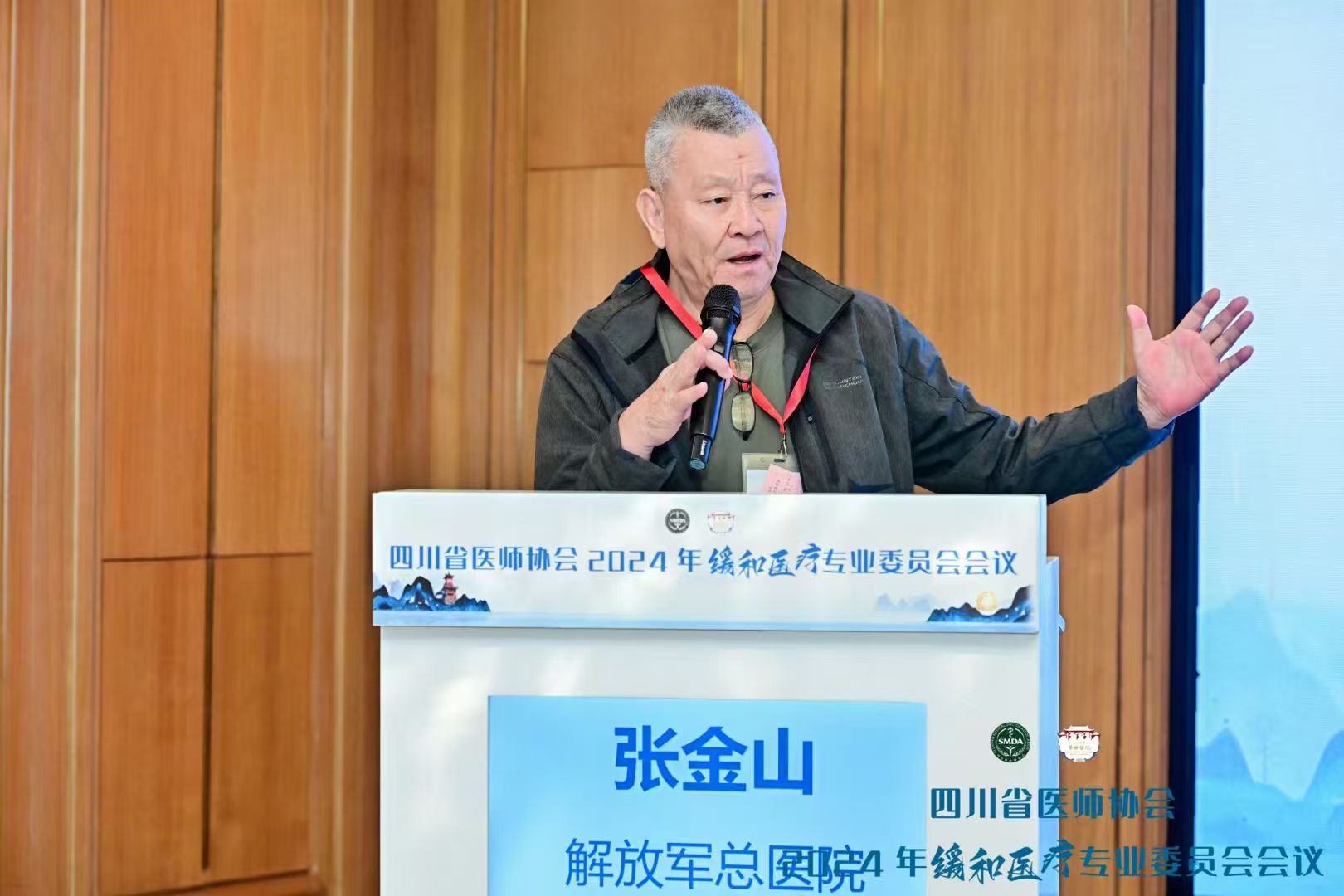
Professor Zhang Jinshan has long been dedicated to the field of medical imaging and has developed distinctive expertise in selective and superselective interventional diagnosis and treatment for solid tumors such as liver cancer, demonstrating exceptional technical proficiency and profound academic accomplishment. Beginning in the 1990s, he led his team in pioneering the clinical application and research of TIPSS and B-ORTO in China, filling major gaps in the domestic field and opening new paths for the interventional management of gastrointestinal bleeding caused by portal hypertension secondary to liver cirrhosis. In addition, he has made groundbreaking contributions to the interventional diagnosis and treatment of peripheral vascular diseases, as well as to preoperative embolization for spinal tumors.
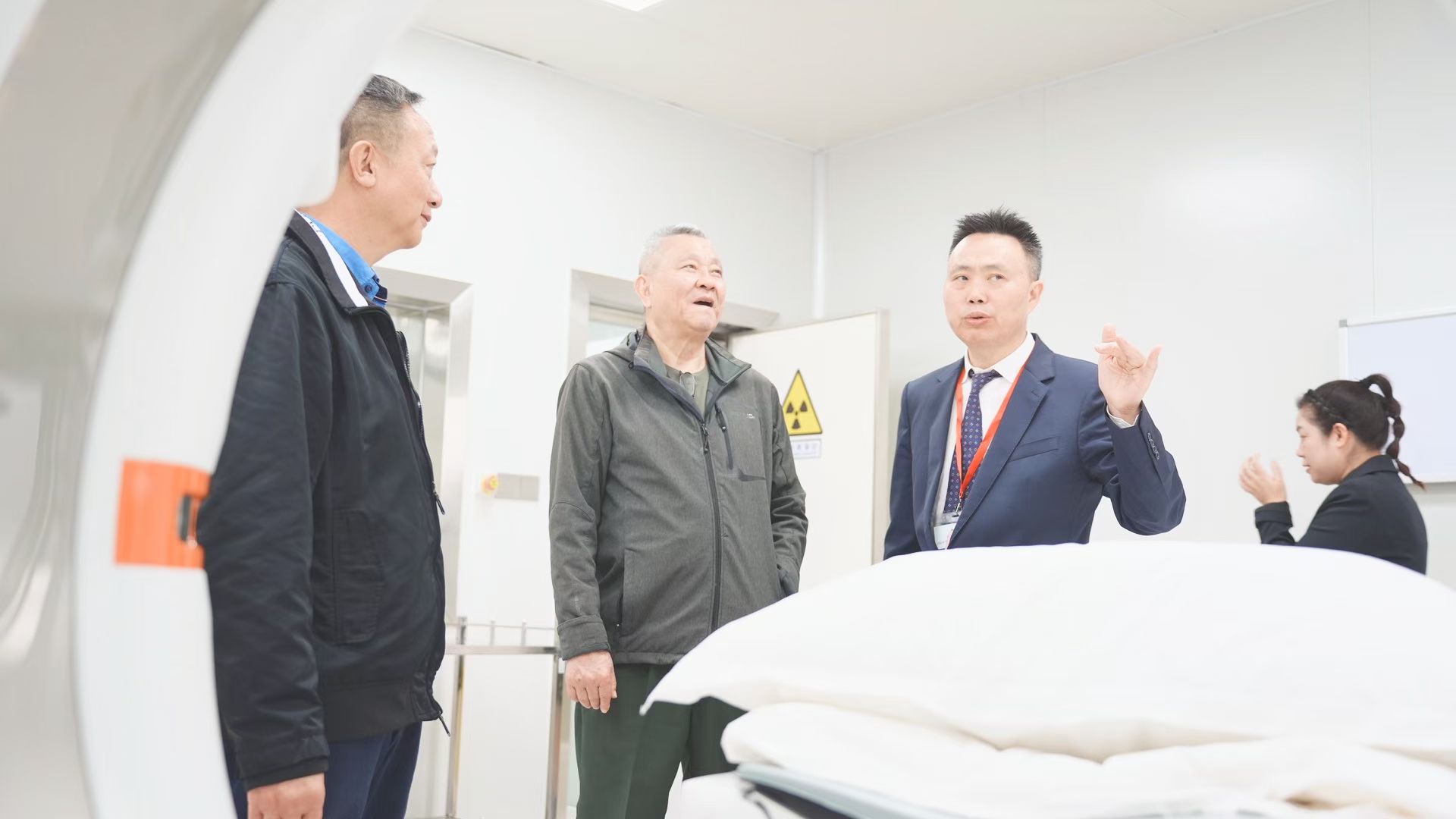
In the field of liver cancer treatment, Professor Zhang Jinshan not only led the development of standardized treatment protocols for liver cancer but also pioneered Transcatheter Arterial Chemoembolization with temporary Hepatic Vein Thrombosis (TACE-THVO) for primary liver cancer, bringing the efficacy of interventional therapy to a new level. In recognition of his outstanding clinical and scientific contributions, he was awarded the honorary title of “Chinese Master of Interventional Radiology” at the 2019 annual conference of the Chinese College of Interventionalists.
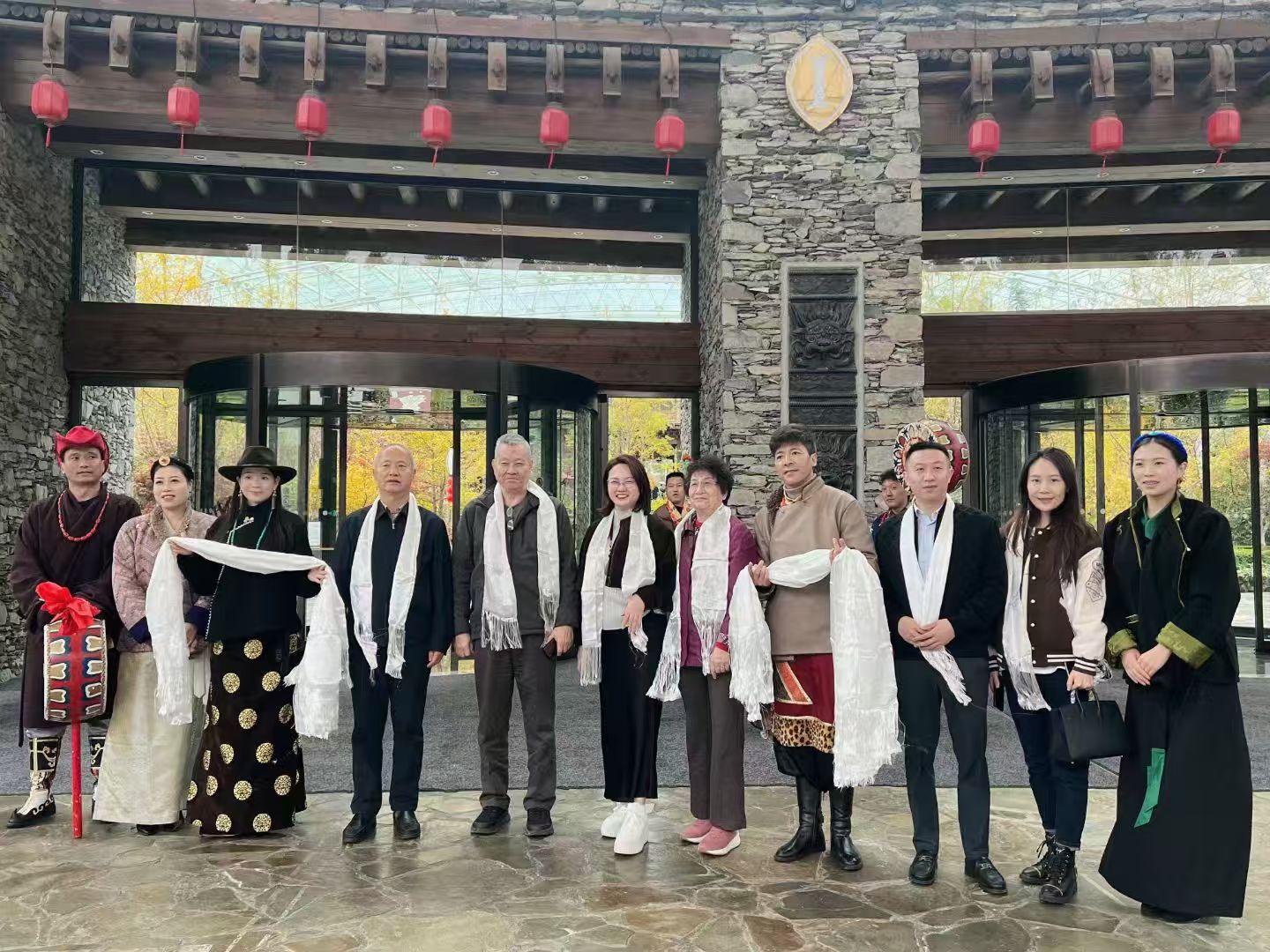
Professor Zhang Jinshan is not only a master clinician but also a driving force in the development of the discipline and a dedicated mentor in talent cultivation. He led his team in establishing one of China’s premier interventional therapy centers. As a doctoral supervisor, he has trained a large number of outstanding specialists and future leaders in interventional medicine, with many of his students and protégés now serving across the country. Academically, he has led multiple key national and military research projects, published more than 300 academic papers, and served as chief editor of three monographs, making remarkable contributions to the establishment of China’s academic framework for interventional medicine and the nationwide dissemination of its technologies.
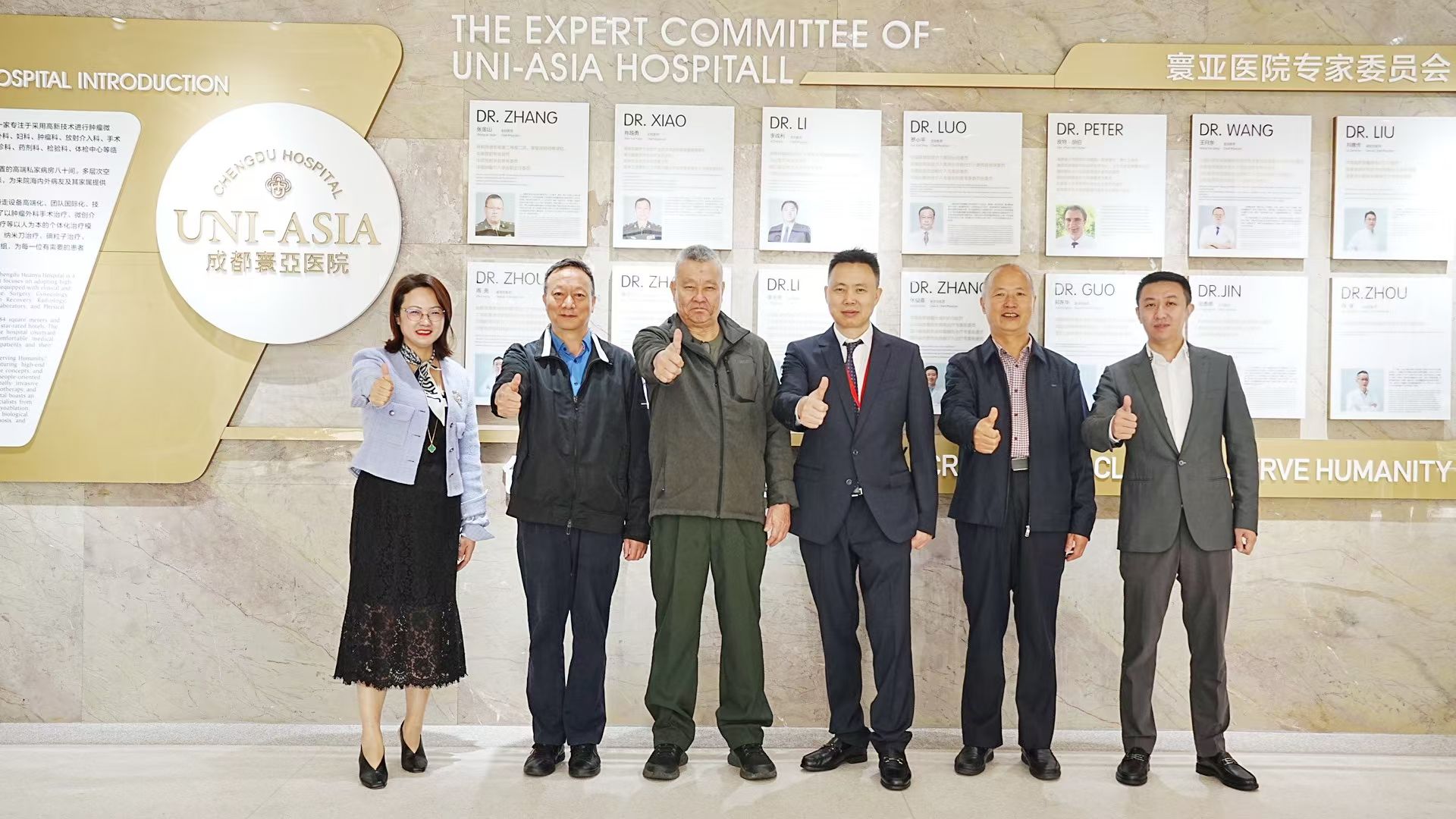
From the laboratory to the operating room, and from academic podiums to grassroots hospitals, Professor Zhang Jinshan has consistently upheld the principles of “pioneering, innovation, pragmatism, and compassion". He has devoted his life to fulfilling the mission of a physician—relieving patients’ suffering through minimally invasive techniques and advancing the discipline through academic excellence—thereby establishing himself as a truly towering figure and one of the foremost authorities in the field of interventional medicine in China.
Professor Zhang Jinshan has achieved prolific academic accomplishments, having published over 300 academic papers covering areas such as interventional therapy for liver cancer, minimally invasive treatment of portal hypertension, interventional treatment of vascular diseases, and tumor ablation.
1. Zhang Jinshan, Wang Maoqiang. Experiments and Clinical Studies of transjugular intrahepatic portosystemic stent shunt (TIPSS). Chinese Journal of Radiology, 1993,27(6):361-365.
Professor Zhang Jinshan is the first author. This is one of the early research papers in China that systematically elaborates on the TIPSS technique. Through animal experiments and clinical case analysis, it confirmed that TIPSS is a safe and effective minimally invasive method for treating portal hypertension and its complications, laying an important foundation for the promotion and application of this technique in China.
2.Zhang Jinshan, Li Huai. Clinical study on transcatheter arterial embolization with temporary hepatic vein occlusion for the treatment of primary liver cancer.Chinese Journal of Radiology, 1996,30(8):521-524.
Professor Zhang Jinshan is the first author. He innovatively proposed the technique of "transcatheter arterial embolization with temporary hepatic vein occlusion." Clinical results demonstrated that this method can significantly increase the drug concentration within liver cancer lesions, reduce damage to normal liver tissue, and effectively improve the therapeutic outcomes for intermediate and advanced liver cancer, providing a novel strategy for the interventional treatment of liver cancer.
3. Zhang Jinshan, Wang Maoqiang, Li Huai. Interventional treatment of Budd-Chiari syndrome. Chinese Journal of Medical Imaging Technology, 1998,14(3):189-191.
Professor Zhang Jinshan is the first author. This paper systematically summarizes the early experience in interventional treatment of Budd-Chiari syndrome in China, elaborating in detail on the key operational points and therapeutic efficacy of techniques such as percutaneous transluminal angioplasty and stent placement. It confirms that interventional therapy is the preferred minimally invasive method for Budd-Chiari syndrome, promoting the standardized development of treatment for this disease.
4.Zhang Jinshan, Li Huai, Wang Maoqiang. Clinical value of superselective hepatic arterial chemoembolization in the treatment of hypovascular liver cancer. Chinese Journal of Radiology, 2000,34(5):335-337.
Professor Zhang Jinshan is the first author. Addressing the challenges in interventional treatment of hypovascular liver cancer, this paper explores the clinical efficacy of superselective hepatic arterial chemoembolization. The results indicate that this technique can precisely target the lesions and improve the treatment response rate, providing an important clinical basis for the interventional treatment of hypovascular liver cancer.
5. Zhang Jinshan, Li Huai, Wang Maoqiang. Interventional treatment of peripheral vascular stenosis and occlusion.Chinese Journal of Radiology, 2002,36(7):612-614.
Professor Zhang Jinshan is the first author. This paper summarizes the interventional treatment experience of over 400 patients with peripheral vascular stenosis and occlusion, analyzing the indications and efficacy of techniques such as balloon angioplasty and stent placement. It confirms that interventional therapy is a safe and effective approach for peripheral vascular diseases, providing practical support for its clinical promotion.
6.Zhang Jinshan, Li Huai, Wang Maoqiang. Clinical application of CT-guided percutaneous puncture ablation in the treatment of abdominal tumors. Chinese Journal of Medical Imaging Technology, 2004,20(9):1395-1397.
Professor Zhang Jinshan is the first author. This paper explores the application value of CT-guided percutaneous puncture techniques such as radiofrequency ablation and chemical ablation in the treatment of abdominal tumors. The clinical results show that this method is minimally invasive with reliable efficacy, offering a minimally invasive treatment option for patients with inoperable abdominal tumors.
7.Zhang Jinshan, Wang Maoqiang, Li Huai. Advances in the application of interventional therapy for benign prostatic hyperplasia. Chinese Journal of Radiology, 2006,40(8):876-878.
Professor Zhang Jinshan is the corresponding author. This paper systematically reviews the cutting-edge advances in interventional therapy for benign prostatic hyperplasia, including the principles, procedures, and efficacy of techniques such as prostatic artery embolization and stent placement, providing new insights for the minimally invasive treatment of benign prostatic hyperplasia.
8.Zhang Jinshan, Li Huai, Wang Maoqiang. Discussion on the standardization of interventional therapy for liver cancer. Chinese Journal of Practical Surgery, 2008,28(10):856-858.
Professor Zhang Jinshan is the corresponding author. Drawing on years of clinical experience and research findings, he led the discussion on standardized protocols for interventional therapy of liver cancer, covering key aspects such as preoperative assessment, treatment modality selection, and postoperative management, providing important references for the formulation of clinical guidelines for interventional therapy of liver cancer in China.
1. Interventional Radiology (People's Military Medical Press, 1995): The first monograph in China to systematically discuss the theories and techniques of interventional radiology. It comprehensively elaborates on the interventional diagnosis and treatment system for tumors, vascular diseases, and non-vascular diseases, becoming a classic essential textbook for interventional physicians in China.
2.Interventional Therapy for Liver Cancer (People's Health Press, 2001): Focusing on minimally invasive interventions for liver cancer, this book systematically summarizes techniques such as TACE, ablation, and vascular intervention, refines operational standards and the prevention and management of complications, and promotes the standardization of interventional therapy for liver cancer.
3.Interventional Treatment of Portal Hypertension (Science Press, 2005): This book systematically elaborates on minimally invasive techniques for portal hypertension, such as TIPSS and B-ORTO, covering experimental research, clinical procedures, long-term follow-up, and efficacy evaluation, filling the gap in monographs on interventional treatment of portal hypertension in China.
1.The National "Eighth Five-Year Plan" Scientific and Technological Key Project—Clinical and Basic Research on Comprehensive Interventional Therapy for Liver Cancer (Project Leader): This project systematically explored multimodal interventional strategies for liver cancer, established the core regimen of superselective TACE combined with local ablation, and significantly improved the therapeutic outcomes for intermediate and advanced liver cancer.
2.The Military "Ninth Five-Year Plan" Key Medical Scientific Research Project—Standardized Research on TIPSS for the Treatment of Portal Hypertension (Project Leader): This project formulated China's first operational standards and postoperative management guidelines for TIPSS, reduced the incidence of complications, and promoted the popularization of this technique throughout the military and across the country.
3.National Natural Science Foundation of China Project — Research on the Mechanism of Targeted Therapy for Liver Cancer Using Hepatic Vein Occlusion Combined with Chemoembolization (Project Leader): This project revealed the synergistic enhancement mechanisms of the innovative technique at the levels of hemodynamics, drug metabolism, and the tumor microenvironment, providing theoretical support for precision interventional therapy of liver cancer.
4.Military Clinical High-Tech Major Project-Establishment and Clinical Application of the Interventional Treatment Technology System for Complex Vascular Diseases (Project Leader): This project overcame interventional challenges in complex lesions such as Budd-Chiari syndrome, peripheral vascular occlusion, and vascular malformations, forming a complete technical system that has been promoted and applied widely.
د. Michał Przybył اختصاصي في جراحة العظام وإصابات الجهاز العضلي الهيكلي. درس في جامعة لودج الطبية وجامعة كلارك.
يركّز على جراحة المفاصل طفيفة التوغّل. لديه خبرة طويلة في تنظير مفصل الورك لعلاج الانحشار الفخذي الحُقّي (FAI) وتمزّقات الشفا الحُقّي. كما يُجري استبدالاً كاملاً للورك والركبة وترميماً معقّداً للأربطة: الرباط الصليبي الأمامي (ACL) والخلفي (PCL) والرباط الكاحلي الشظوي الأمامي (ATFL).
التصوير بالموجات فوق الصوتية (USG) في العيادة يتيح تشخيصاً فورياً ويوجّه العلاج. يعالج الفُصال العظمي، وخلل تنسّج الورك، واضطرابات العمود الفقري والكتف، والشدّات العضلية، ومشكلات الوكعة (إبهام القدم الأروح). يستقبل المرضى في لودج.
الدكتور ألبر كاراوجلان أستاذ جراحة الأعصاب في مستشفى ميموريال بودروم، ويتمتع بخبرة طويلة في هذا المجال. عمل في كلية الطب بجامعة مالتيبه ومستشفى تقسيم للتدريب والبحوث في إسطنبول. ومنذ عام 2008، شغل مناصب أستاذ وأستاذ مشارك وأستاذ مساعد في جراحة الأعصاب.
الدكتور كاراوجلان عضو في الجمعية الطبية التركية والجمعية التركية لجراحة الأعصاب. حصل على عدة جوائز، منها جائزة أفضل بحث في مؤتمر الجمعية التركية لجراحة الأعصاب عام 2005 عن بحثه حول تأثير الريسفيراترول الوقائي بعد النزيف تحت العنكبوتية، وجائزة تشجيع جراحي الأعصاب الشباب عام 2008.
الدكتور شادي محمد السباعي أخصائي أشعة تداخلية واستشاري تصوير تشخيصي. يشغل منصب استشاري ورئيس قسم الأشعة التداخلية بمستشفى شفاء الأورمان للأورام (2021–حتى الآن)، كما يرأس وحدة الأشعة التداخلية بالمعهد القومي للأورام، جامعة القاهرة (2022–حتى الآن). وهو محاضر في الأشعة التداخلية بالمعهد القومي للأورام منذ 2018. وتشمل مناصبه السابقة: مدرسًا مساعدًا وأخصائيًا، وطبيبًا مقيمًا في الأشعة، وأخصائيًا بمركز الخرطوم لرعاية الثدي، وأخصائيًا ثم استشاريًا في تكنو سكان.
تشمل خبراته خزعات ترو‑كت وشفطًا بالإبرة الدقيقة (FNAC) موجهة بالأشعة المقطعية أو بالموجات فوق الصوتية؛ والانصمام الكيميائي عبر الشريان لسرطان الخلية الكبدية (HCC) ولأورام الكبد والكلى والأنسجة الرخوة؛ وفغر الكلية عبر الجلد ودعامات الحالب؛ وتصريفًا بقساطر بيغتايل؛ والاستئصال بالترددات اللاسلكية أو بالميكروويف لآفات الكبد والعظام والرئة والغدة الدرقية. كما يجري التصريف عبر الكبد (PTD) ودعامات القنوات الصفراوية؛ وانصمام شرايين الرحم؛ والتلفيف (coiling) لدوالي الحوض والدوالي الخصوية؛ واستئصال/كيّ دوالي الأوردة وعلاج التصليب؛ وإجراءات الثدي (خزعة، علامات، توجيه سلكي، ماموتوم). وهو متمرس في الموجات فوق الصوتية والأشعة المقطعية والرنين المغناطيسي.
الدكتور أوه دونغجو (MD، PhD) طبيب قلب. يختص بارتفاع ضغط الدم، فرط شحميات الدم، الذبحة الصدرية، احتشاء عضلة القلب، أمراض الصمامات، اعتلال عضلة القلب التوسعي، والتهاب عضلة القلب. يشمل عمله أيضًا تصلب الشرايين وأمراض الانسداد الشرياني. وهو متمرس في تخطيط صدى القلب والتصوير القلبي الوعائي.
أكمل زمالة أمراض القلب في كلية الطب بجامعة إيموري. كما عمل مدرسًا سريريًا في قسم الطب بكلية طب وايل كورنيل، جامعة كورنيل. تولى العديد من المناصب القيادية: رئيسًا لـ KSIC؛ مديرًا للنشر والشؤون العامة والعلاقات العامة في KSC؛ رئيسًا لـ KACG؛ عضوًا في مجلس إدارة مؤسسة أسان للقلب؛ نائبًا لرئيس KHA؛ رئيسًا لقسم أمراض القلب في KAIM؛ نائبًا لرئيس NAMOK/KAMS؛ محافظًا لفرع ACC في كوريا؛ وعضوًا في اللجنة الوطنية لأخلاقيات علم الأحياء.
الدكتور راتاليرك أروناكول متخصص في جراحة العمود الفقري بالمنظار، والجراحة طفيفة التوغل للعمود الفقري، وجراحة إعادة بناء العمود الفقري للكبار. حصل على شهادة الطب من مستشفى شولالونغكورن عام 1999، وأكمل تدريبه في جراحة العظام بمستشفى سريناكارين، جامعة خون كاين عام 2004.
عمل الدكتور أروناكول في مجالات البحث والعيادات بمؤسسات رائدة مثل جامعة كاليفورنيا إيرفاين، مستشفى الأطفال رادي بجامعة كاليفورنيا سان دييغو، مركز سيدرز-سيناي الطبي، وكلية الطب بجامعة ييل. كما أكمل تدريبات وزمالات دولية في رعاية العمود الفقري للكبار والأطفال.
الدكتور فريدون سيلي هو جراح عظام في مستشفى ميموريال بودروم. أكمل زمالة في الطب الرياضي في المركز الطبي بجامعة بيتسبرغ. يتخصص الدكتور سيلي في جراحة الركبة والكتف ورعاية إصابات العظام. وهو حاصل على شهادة في الجراحة المجهرية من مركز تدريب الجراحة المجهرية التابع لـ GATA.
الأستاذ الدكتور هاكان ليفنت غول طبيب أعصاب. تخرج في كلية الطب بجامعة تراقيا عام 1998. أتم اختصاصه في طب الأعصاب في مستشفى د. لطفي كردار كارتال للتدريب والبحوث. ثم أصبح أستاذا مشاركا ثم أستاذا. كما يحمل درجة بكالوريوس ثانية في إدارة الخدمات الصحية.
عمل كطبيب أعصاب واستشاري أول في مؤسسات عامة وخاصة. تشمل خبرته الصداع والدوار، والصرع، وداء باركنسون، والخرف، واضطرابات الحركة، والسكتة الدماغية، واضطرابات النوم. يقدم الرعاية العصبية في مستشفى موديست.
تقود البروفيسورة لانغ التدخلات الوعائية في مستشفى فيينا العام. وقد ابتكرت طرقاً جديدة لتوسيع الأوعية الرئوية الضيقة في النمسا.
يتخصص رئيس AO-Spine النمسا، جوزيف غروس، في جراحة العمود الفقري المعقدة. يستخدم الأشعة المقطعية لتخطيط الإجراءات الدقيقة في مستشفى فيينا العام.
يتخصص الطبيب في جراحة الصدر وكان رئيس قسم جراحة الصدر في قسم الجراحة بجامعة فيينا الطبية/المستشفى العام في فيينا منذ عام 2010. تشمل مجالات الخبرة الجراحة لسرطان القصبات الهوائية، أمراض الكبد الوظيفية، ارتفاع ضغط الدم الرئوي، زراعة الرئة، وجراحة القصبة الهوائية. الطبيب هو الرئيس السابق للجمعية الأوروبية لجراحة القلب والصدر وعضو مجلس إدارة الجمعية الأمريكية لجراحة الصدر. برنامج زراعة الرئة في جامعة فيينا الطبية، الذي أنشأه الطبيب، هو واحد من أكبر البرامج عالميًا، حيث يتم إجراء أكثر من 100 عملية سنويًا.<\/p>
الدكتور جوزيف غروس هو الرئيس السابق للجمعية النمساوية للعمود الفقري. يشغل منصب نائب رئيس وحدة العمود الفقري في جامعة فيينا الطبية.
يرأس الدكتور فيرليتش قسم الطب الباطني الأول في مستشفى فيينا العام. يستخدم التصوير المقطعي المحوسب (CT) للتشخيص الدقيق للجهاز الهضمي والكبد.