Seyda Gunduz
- 4.2 جيد • 19 تقييمات
- 16سنة خبره ١٦ سنة
- تركيا, إسطنبول, Istinye University Liv Hospital Bahcesehir
تكلفة استشارة الطبيب
السعر عند الطلب
الدكتور Muhammed Mustafa Atci أستاذ مشارك في طب الأورام بجامعة İstinye وLiv Hospital Topkapı (2025–حتى الآن). شغل سابقًا منصب أستاذ مشارك ومنسق التعليم في Prof. Dr. Cemil Taşcıoğlu City Hospital (2023–2025). كما عمل اختصاصي طب الأورام هناك (2018–2021).
هو عضو في ASCO والجمعية التركية لطب الأورام منذ 2018. وهو مؤلف أو مشارك في تأليف 19 مقالة دولية محكّمة حول سرطانات القولون والثدي والمعدة والبنكرياس والرئة والغدة الدرقية والساركوما والقولون والمستقيم.
تشمل أعماله البارزة دراسة متعددة المراكز حول البقاء على قيد الحياة في سرطان القولون المرحلة IIB (Journal of Chemotherapy). كما درس نسبة De Ritis لانتقالات الرئة في سرطان الخصية (Current Urology). واستخدمت دراساته التنبؤية PET/CT وMSI ونسبة العقد اللمفاوية وحجم الورم الاستقلابي.
الدكتور عرفان سيتشين هو أستاذ طب الأورام في مستشفى جامعة إستينيا ليف توبكابي. وهو متخصص في علاج السرطانات المعقدة، بما في ذلك الورم الأرومي الدبقي، وسرطان الرئة، وأورام البنكرياس. يعمل كأستاذ في كلية الطب بجامعة تراكيا. خدم الدكتور سيتشين سابقاً كطبيب في القوات الجوية التركية.
يتخصص الدكتور علمدار في طب الأورام، حيث تلقى تدريباً مكثفاً في جامعة أكدنيز، ويركز على خطط العلاج الشخصية.
الدكتورة مريم محمد حسين أبو زيد طبيبة أورام سريرية. تعالج الأورام الصلبة وسرطانات الدم. حصلت على بكالوريوس الطب والجراحة من جامعة عين شمس عام 2007 (امتياز). أنهت ماجستير الأورام السريرية والطب النووي عام 2011 (جيد جدًا). نالت درجة الدكتوراه عام 2018 وشهادة ESMO عام 2015.
تقود وتراقب التجارب السريرية. يشمل عملها جمع البيانات وتحليلها. تُعطي العلاج الكيميائي وتدير الآثار السميّة للعلاج. كما تخطط للرعاية مع فرق متعددة التخصصات. تشمل خبرتها مستشفيات جامعة عين شمس (2009–2012)، المركز الطبي الدولي (2012–2014)، ومستشفى وادي النيل (2015–2019). شملت أدوارها التشخيص وتحديد المراحل، الرعاية الداعمة، تحسين الجودة، والكشف المبكر. وتُثقف المرضى وأسرهم حول التشخيص، خيارات العلاج، والرعاية التلطيفية.
الأستاذ تشنغ تشيو هونغ هو مدير مركز أبحاث العلاج الخلوي وخبير وطني كبير في العلاج البيولوجي. وهو أستاذ ومشرف دراسات الماجستير بجامعة فوجيان الطبية. لديه أكثر من 30 عامًا من الخبرة السريرية في بيولوجيا الأورام الجزيئية والعلاج البيولوجي. بين عامي 2012 و2013 كان باحثًا زائرًا في أبحاث الخلايا الجذعية بكلية علوم الحياة في جامعة كونيتيكت. شغل سابقًا مناصب قيادية في مستشفى فوجيان للسرطان، منها مدير مختبر بيولوجيا الأورام الجزيئية ومدير مختبر أبحاث جراحة الأورام. كما عمل نائبًا لمدير المختبر الرئيسي بفوجيان للعلاج البيولوجي للأورام ونائبًا لمدير مركز العلاج البيولوجي والمناعي.
تشمل مناصبه: عضو اللجنة الدائمة للجنة العلاج البيولوجي في جمعية المستشفيات البحثية الصينية، وعضو لجنة مناعة الأورام والعلاج البيولوجي التابعة للجمعية الصينية لعلم المناعة. بالإضافة إلى ذلك، يشغل منصب نائب رئيس اللجنة الأكاديمية لمركز شيامن لأبحاث العلاج الخلوي في المستشفى الأول التابع لجامعة شيامن.
البروفيسور رعنان بيرغر، حاصل على درجتي MD وPhD، أخصائي أورام طبية ومعالِج إشعاعي. يشغل منصب مدير مركز السرطان في مركز شيبا الطبي ويرأس وحدة الأبحاث السريرية فيه. أُدرِج ضمن قائمة «أفضل الأطباء» لفوربس إسرائيل (2025). يقود برنامج أورام الجهاز البولي التناسلي مع تركيز على سرطان البروستاتا. تشمل رعايته العلاج الجهازي والعلاج الإشعاعي ضمن نموذج متعدد التخصصات محوره المريض.
يحمل شهادة البورد في طب الأورام. حصل على درجتي MD وPhD من جامعة تل أبيب وأكمل تدريبه السريري في شيبا. ثم أنهى زمالة ما بعد الدكتوراه في دانا-فاربر/هارفارد، تركزت على سرطان البروستاتا مع الدكتور فيليب كانتوف وعلى علم الأورام الجزيئي في مختبر الدكتور ويليام سي. هان. وهو عضو في ESMO وASCO. شارك في تأليف أكثر من 20 مقالة مُحكَّمة، منها دراسات عن النتائج في سرطان البروستاتا عالي المخاطر مقابل عالي المخاطر جداً، وعن BRCA1/2 في مجموعات كبيرة.
الدكتور يعقوب لورانس، MA وMBBS وMRCP، رئيس قسم علاج الأورام بالإشعاع في مركز شيبا الطبي. يتمتع بما يقرب من 30 عامًا من الخبرة في طب الأورام الإشعاعي الدقيق وطب الأورام العصبية.
خبير في العلاج الإشعاعي المتقدم والجراحة الإشعاعية، ويجري الجراحة الإشعاعية التجسيمية لأورام الدماغ. يقود برنامج أورام الجهاز الهضمي في شيبا، ويقدّم رعاية دقيقة لحالات سرطان الرئة والبروستاتا. وكان رائدًا في الجراحة الإشعاعية للضفيرة البطنية لتخفيف الألم الشديد الناجم عن سرطان البنكرياس.
التدريب والمؤهلات: MA وMBBS (كامبريدج وUCLH)؛ MRCP (الكلية الملكية للأطباء RCP)؛ زمالة علاج الأورام بالإشعاع (جامعة توماس جيفرسون). تشمل التكريمات جائزة الباحث الشاب من ASCO وزمالة ASTRO (FASTRO). ألّف أكثر من 280 منشورًا. وهو مدير مركز علاج الأورام الإشعاعي الترجمي وأستاذ مشارك في جامعة تل أبيب.
الدكتور محمد محمود عبدالحكيم رئيس قسم علاج الأورام بالإشعاع بمستشفى شفاء الأورمان بالأقصر. أستاذ علاج الأورام بالإشعاع بالمعهد القومي للأورام، جامعة القاهرة. شغل سابقاً مناصب: أستاذ مساعد (2015–2020)، مدرس (2010–2015)، مدرس مساعد (2003–2009)، وطبيب مقيم (2000–2003). كما عمل أخصائياً بجمعية الغربية للأورام.
يعالج المرضى المقيمين ومرضى العيادات الخارجية المصابين بأورام الثدي، وساركوما الأنسجة الرخوة، والأورام اللمفاوية، والأورام النسائية، وأورام الجهاز الهضمي، والجهاز البولي التناسلي، والجهاز العصبي المركزي. تشمل مهاراته المعالجة الكثبية الموجهة بالتصوير، IMRT، وVMAT، وSRS، وSBRT. يضع خطط علاج تقليدية ومعتمدة على التصوير المقطعي و3D‑CRT، ويعمل على أجهزة الكوبالت والمعجلات الخطية وعلاج حزم الإلكترونات. يقدم معالجة كثبية داخل التجاويف وداخل النسيج بجرعات مرتفعة (HDR) ومنخفضة (LDR). كما يجري العلاج الإشعاعي التجسيمي، وتشعيع الجسم الكامل، وتشعيع الجلد الكامل.
عضو في: الجمعية المصرية للسرطان، ESTRO، ESMO.
Zhang Jinshan, male, China’s First M.D. in the Radiation Medicine, CCI (Chinese College of Interventionalists) Master Interventionalist, Director of the Department of Former Radiological Diagnosis at Chinese PLA General Hospital(No.3 in China) Ph.D. of Medicine, Nagasaki University, Japan.
1980–1985: Completed doctoral studies at Nagasaki University, Japan
1968–present: Department of Radiology, Chinese PLA General Hospital
1988: Third Prize of the Military Science and Technology Progress Award
1989–present: Member of Radiological Society of North America(RSNA)
1990–2009: Standing Committee Member of the Radiology and Therapeutic Radiology Committee of the PLA
1991: Second Prize of the Military Science and Technology Progress Award
1992–2008: Group Leader of the Group of Intervention of Chinese Journal of Radiology
1992–2015: Standing Editorial Board Member and Editorial Board Member of Journal of Interventional Radiology
1993: Granted the Lifetime Special Government Allowance of the State Council
1993–2012: Deputy Chief Editor of Chinese Journal of Medical Image Technology
1994: Third Prize of the Military Science and Technology Progress Award
1997: Second Prize of the Military Science and Technology Progress Award
1997–2009: Standing Member of Chinese Society of Radiology
1999: Third Prize of the Military Science and Technology Progress Award
1999–2010: Deputy Director Member of Chinese Society of Interventional Oncology
2002: Second Prize of the Military Science and Technology Progress Award
2005: Third Prize of the Military Science and Technology Progress Award
Member of Radiological Society of North America(RSNA)
Standing Member of Chinese Society of Radiology
Group Leader of the Group of Intervention of Chinese Journal of Radiology
Deputy Director Member of Chinese Society of Interventional Oncology
Director Member of Beijing Medical Association Society of Interventional Radiology
Deputy Chief Editor of Chinese Journal of Medical Image Technology
Standing Member of Professional Committee of Radiological Medicine of the Chinese People’s Liberation Army
Standing Editorial Board Member and Editorial Board Member of Journal of Interventional Radiology
Awarded the Special Government Allowance of the State Council
Awarded three Second Prizes and four Third Prizes for Military Science and Technology Progress.
Awarded the honorary title of “Chinese College of Interventionalists(CCI) Master Interventionalist”
Led multiple national and provincial/ministerial scientific research projects, including two projects funded by the National Natural Science Foundation of China and two projects funded by the Department of Science and Technology of Sichuan Province.
In the pioneering development of interventional medicine in China, Zhang Jinshan has been an indispensable founder and leading figure. As China’s first overseas-trained doctoral graduate in radiological medicine, he returned to China in the 1980s after completing his studies abroad and introduced cutting-edge international interventional technologies to the country. Over more than four decades of dedicated practice and research, he has helped propel Chinese interventional medicine from its infancy to a position at the forefront of the global field through his exceptional clinical expertise and profound academic accomplishments.
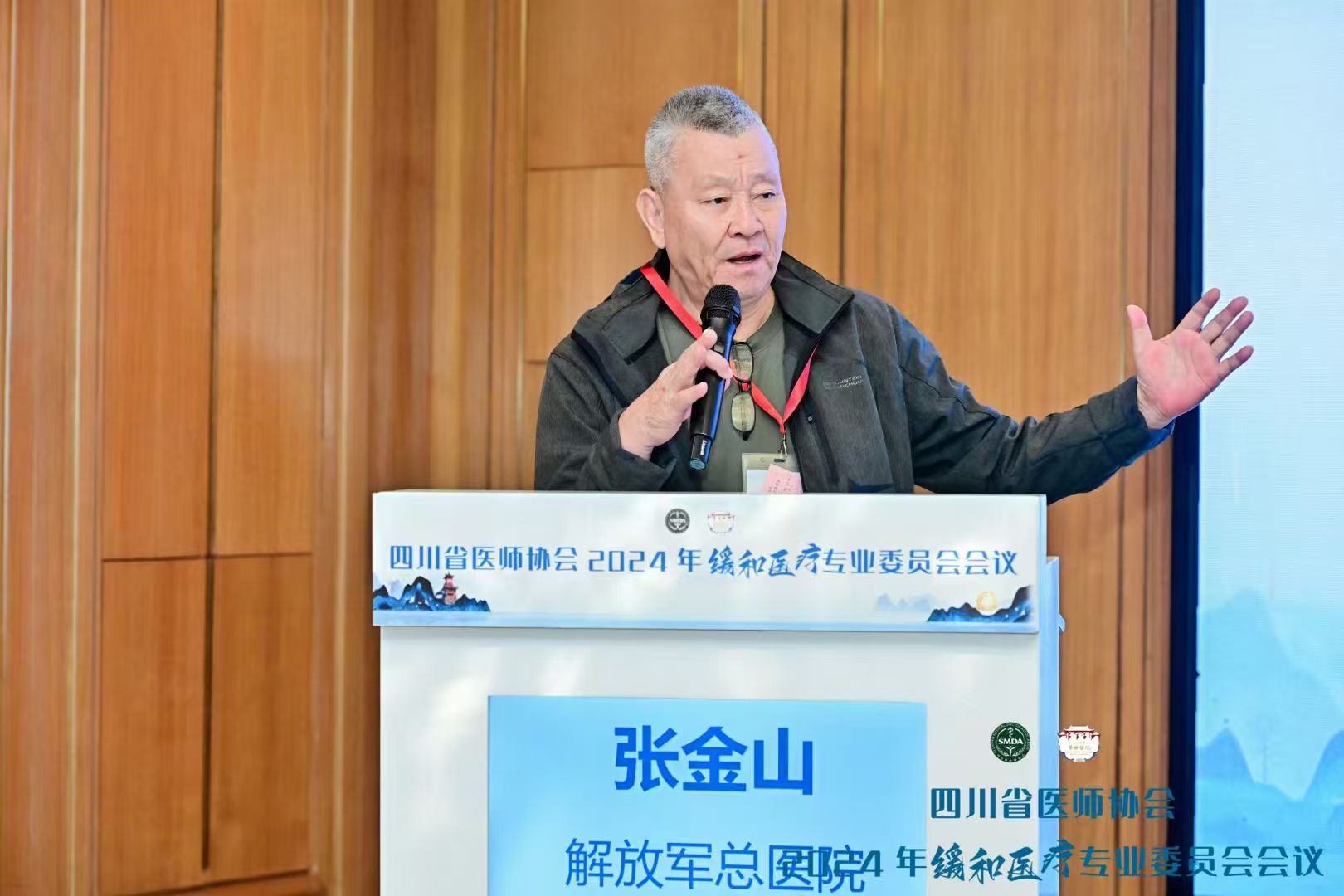
Professor Zhang Jinshan has long been dedicated to the field of medical imaging and has developed distinctive expertise in selective and superselective interventional diagnosis and treatment for solid tumors such as liver cancer, demonstrating exceptional technical proficiency and profound academic accomplishment. Beginning in the 1990s, he led his team in pioneering the clinical application and research of TIPSS and B-ORTO in China, filling major gaps in the domestic field and opening new paths for the interventional management of gastrointestinal bleeding caused by portal hypertension secondary to liver cirrhosis. In addition, he has made groundbreaking contributions to the interventional diagnosis and treatment of peripheral vascular diseases, as well as to preoperative embolization for spinal tumors.
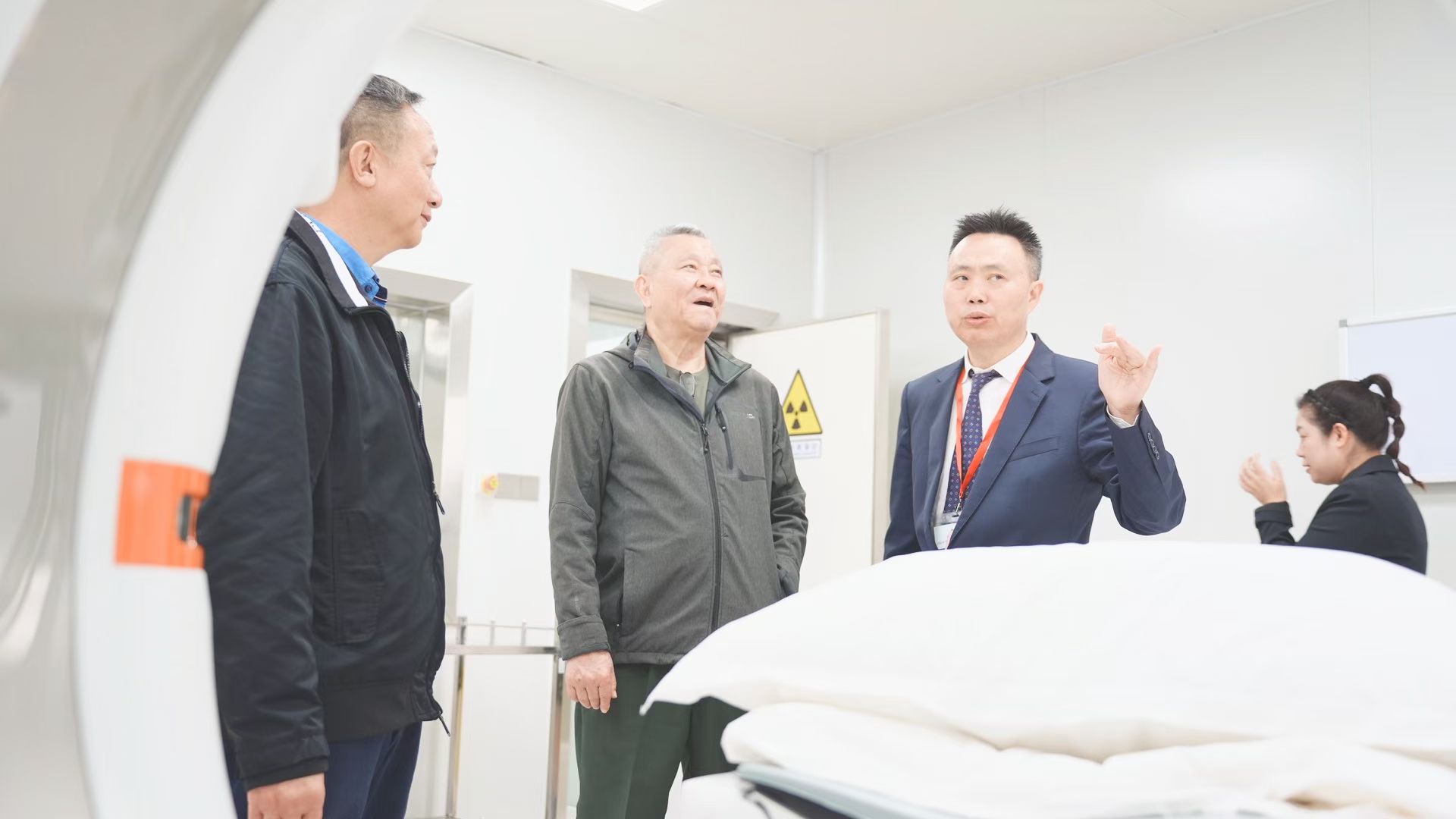
In the field of liver cancer treatment, Professor Zhang Jinshan not only led the development of standardized treatment protocols for liver cancer but also pioneered Transcatheter Arterial Chemoembolization with temporary Hepatic Vein Thrombosis (TACE-THVO) for primary liver cancer, bringing the efficacy of interventional therapy to a new level. In recognition of his outstanding clinical and scientific contributions, he was awarded the honorary title of “Chinese Master of Interventional Radiology” at the 2019 annual conference of the Chinese College of Interventionalists.
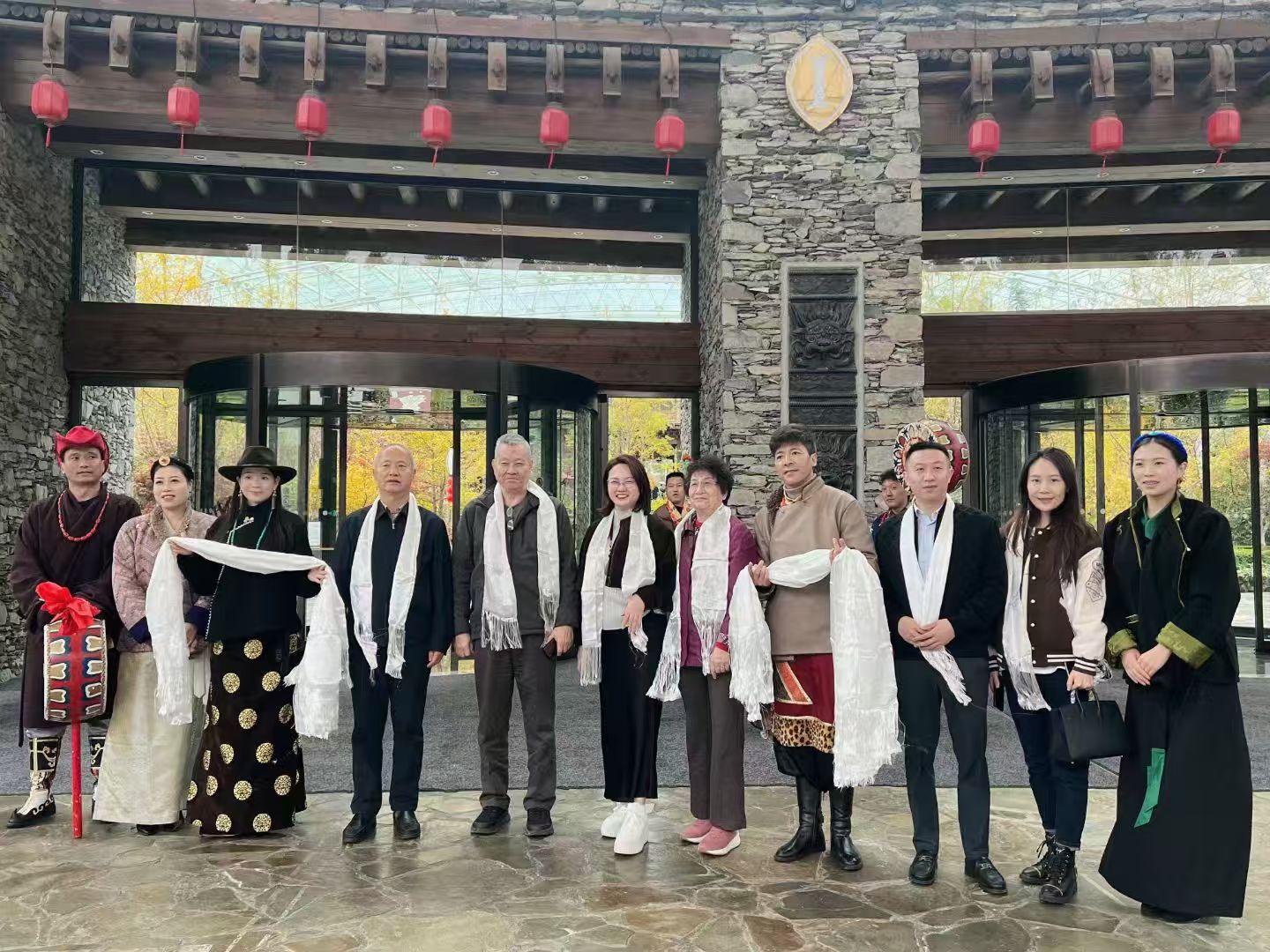
Professor Zhang Jinshan is not only a master clinician but also a driving force in the development of the discipline and a dedicated mentor in talent cultivation. He led his team in establishing one of China’s premier interventional therapy centers. As a doctoral supervisor, he has trained a large number of outstanding specialists and future leaders in interventional medicine, with many of his students and protégés now serving across the country. Academically, he has led multiple key national and military research projects, published more than 300 academic papers, and served as chief editor of three monographs, making remarkable contributions to the establishment of China’s academic framework for interventional medicine and the nationwide dissemination of its technologies.
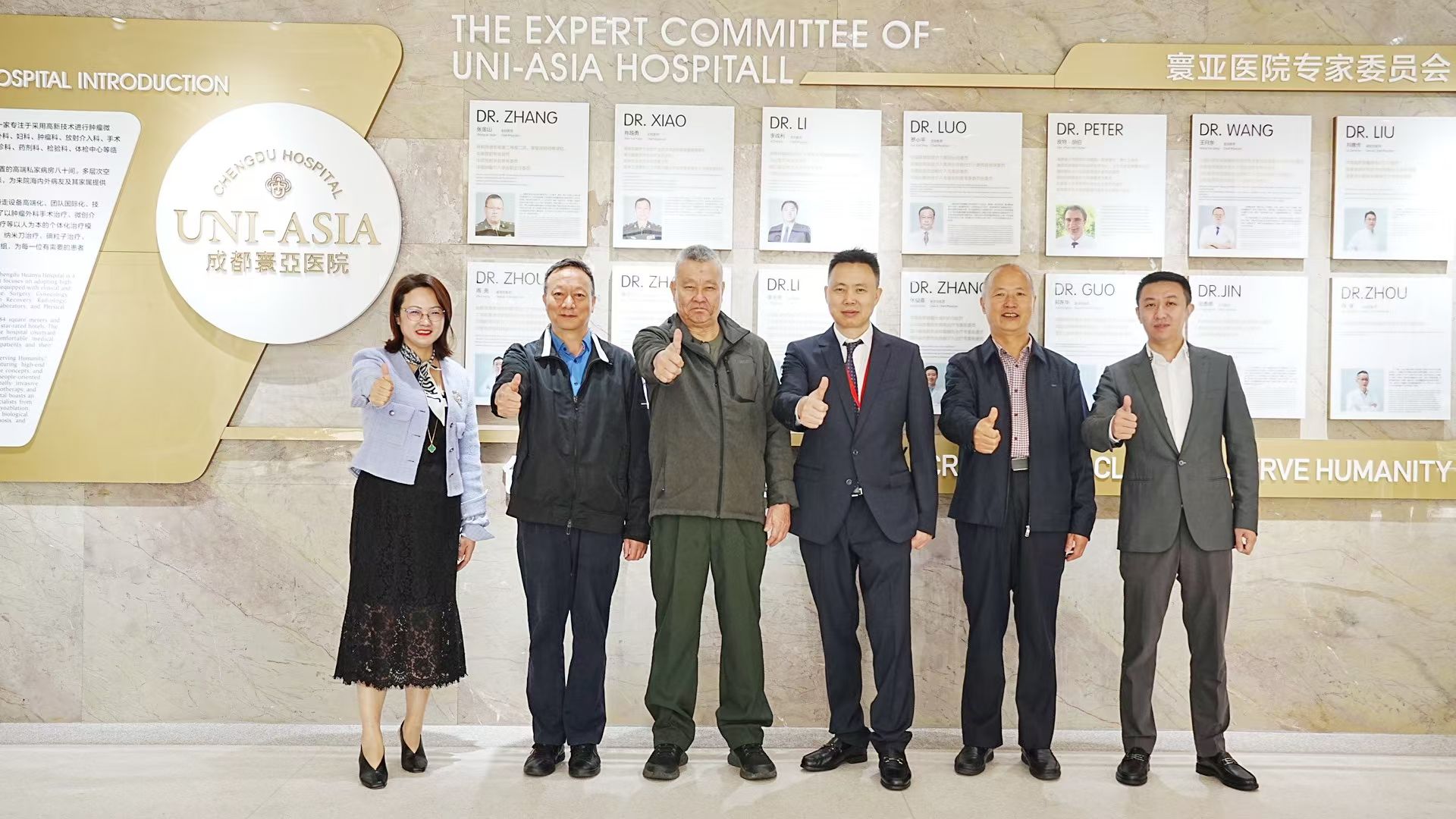
From the laboratory to the operating room, and from academic podiums to grassroots hospitals, Professor Zhang Jinshan has consistently upheld the principles of “pioneering, innovation, pragmatism, and compassion". He has devoted his life to fulfilling the mission of a physician—relieving patients’ suffering through minimally invasive techniques and advancing the discipline through academic excellence—thereby establishing himself as a truly towering figure and one of the foremost authorities in the field of interventional medicine in China.
Professor Zhang Jinshan has achieved prolific academic accomplishments, having published over 300 academic papers covering areas such as interventional therapy for liver cancer, minimally invasive treatment of portal hypertension, interventional treatment of vascular diseases, and tumor ablation.
1. Zhang Jinshan, Wang Maoqiang. Experiments and Clinical Studies of transjugular intrahepatic portosystemic stent shunt (TIPSS). Chinese Journal of Radiology, 1993,27(6):361-365.
Professor Zhang Jinshan is the first author. This is one of the early research papers in China that systematically elaborates on the TIPSS technique. Through animal experiments and clinical case analysis, it confirmed that TIPSS is a safe and effective minimally invasive method for treating portal hypertension and its complications, laying an important foundation for the promotion and application of this technique in China.
2.Zhang Jinshan, Li Huai. Clinical study on transcatheter arterial embolization with temporary hepatic vein occlusion for the treatment of primary liver cancer.Chinese Journal of Radiology, 1996,30(8):521-524.
Professor Zhang Jinshan is the first author. He innovatively proposed the technique of "transcatheter arterial embolization with temporary hepatic vein occlusion." Clinical results demonstrated that this method can significantly increase the drug concentration within liver cancer lesions, reduce damage to normal liver tissue, and effectively improve the therapeutic outcomes for intermediate and advanced liver cancer, providing a novel strategy for the interventional treatment of liver cancer.
3. Zhang Jinshan, Wang Maoqiang, Li Huai. Interventional treatment of Budd-Chiari syndrome. Chinese Journal of Medical Imaging Technology, 1998,14(3):189-191.
Professor Zhang Jinshan is the first author. This paper systematically summarizes the early experience in interventional treatment of Budd-Chiari syndrome in China, elaborating in detail on the key operational points and therapeutic efficacy of techniques such as percutaneous transluminal angioplasty and stent placement. It confirms that interventional therapy is the preferred minimally invasive method for Budd-Chiari syndrome, promoting the standardized development of treatment for this disease.
4.Zhang Jinshan, Li Huai, Wang Maoqiang. Clinical value of superselective hepatic arterial chemoembolization in the treatment of hypovascular liver cancer. Chinese Journal of Radiology, 2000,34(5):335-337.
Professor Zhang Jinshan is the first author. Addressing the challenges in interventional treatment of hypovascular liver cancer, this paper explores the clinical efficacy of superselective hepatic arterial chemoembolization. The results indicate that this technique can precisely target the lesions and improve the treatment response rate, providing an important clinical basis for the interventional treatment of hypovascular liver cancer.
5. Zhang Jinshan, Li Huai, Wang Maoqiang. Interventional treatment of peripheral vascular stenosis and occlusion.Chinese Journal of Radiology, 2002,36(7):612-614.
Professor Zhang Jinshan is the first author. This paper summarizes the interventional treatment experience of over 400 patients with peripheral vascular stenosis and occlusion, analyzing the indications and efficacy of techniques such as balloon angioplasty and stent placement. It confirms that interventional therapy is a safe and effective approach for peripheral vascular diseases, providing practical support for its clinical promotion.
6.Zhang Jinshan, Li Huai, Wang Maoqiang. Clinical application of CT-guided percutaneous puncture ablation in the treatment of abdominal tumors. Chinese Journal of Medical Imaging Technology, 2004,20(9):1395-1397.
Professor Zhang Jinshan is the first author. This paper explores the application value of CT-guided percutaneous puncture techniques such as radiofrequency ablation and chemical ablation in the treatment of abdominal tumors. The clinical results show that this method is minimally invasive with reliable efficacy, offering a minimally invasive treatment option for patients with inoperable abdominal tumors.
7.Zhang Jinshan, Wang Maoqiang, Li Huai. Advances in the application of interventional therapy for benign prostatic hyperplasia. Chinese Journal of Radiology, 2006,40(8):876-878.
Professor Zhang Jinshan is the corresponding author. This paper systematically reviews the cutting-edge advances in interventional therapy for benign prostatic hyperplasia, including the principles, procedures, and efficacy of techniques such as prostatic artery embolization and stent placement, providing new insights for the minimally invasive treatment of benign prostatic hyperplasia.
8.Zhang Jinshan, Li Huai, Wang Maoqiang. Discussion on the standardization of interventional therapy for liver cancer. Chinese Journal of Practical Surgery, 2008,28(10):856-858.
Professor Zhang Jinshan is the corresponding author. Drawing on years of clinical experience and research findings, he led the discussion on standardized protocols for interventional therapy of liver cancer, covering key aspects such as preoperative assessment, treatment modality selection, and postoperative management, providing important references for the formulation of clinical guidelines for interventional therapy of liver cancer in China.
1. Interventional Radiology (People's Military Medical Press, 1995): The first monograph in China to systematically discuss the theories and techniques of interventional radiology. It comprehensively elaborates on the interventional diagnosis and treatment system for tumors, vascular diseases, and non-vascular diseases, becoming a classic essential textbook for interventional physicians in China.
2.Interventional Therapy for Liver Cancer (People's Health Press, 2001): Focusing on minimally invasive interventions for liver cancer, this book systematically summarizes techniques such as TACE, ablation, and vascular intervention, refines operational standards and the prevention and management of complications, and promotes the standardization of interventional therapy for liver cancer.
3.Interventional Treatment of Portal Hypertension (Science Press, 2005): This book systematically elaborates on minimally invasive techniques for portal hypertension, such as TIPSS and B-ORTO, covering experimental research, clinical procedures, long-term follow-up, and efficacy evaluation, filling the gap in monographs on interventional treatment of portal hypertension in China.
1.The National "Eighth Five-Year Plan" Scientific and Technological Key Project—Clinical and Basic Research on Comprehensive Interventional Therapy for Liver Cancer (Project Leader): This project systematically explored multimodal interventional strategies for liver cancer, established the core regimen of superselective TACE combined with local ablation, and significantly improved the therapeutic outcomes for intermediate and advanced liver cancer.
2.The Military "Ninth Five-Year Plan" Key Medical Scientific Research Project—Standardized Research on TIPSS for the Treatment of Portal Hypertension (Project Leader): This project formulated China's first operational standards and postoperative management guidelines for TIPSS, reduced the incidence of complications, and promoted the popularization of this technique throughout the military and across the country.
3.National Natural Science Foundation of China Project — Research on the Mechanism of Targeted Therapy for Liver Cancer Using Hepatic Vein Occlusion Combined with Chemoembolization (Project Leader): This project revealed the synergistic enhancement mechanisms of the innovative technique at the levels of hemodynamics, drug metabolism, and the tumor microenvironment, providing theoretical support for precision interventional therapy of liver cancer.
4.Military Clinical High-Tech Major Project-Establishment and Clinical Application of the Interventional Treatment Technology System for Complex Vascular Diseases (Project Leader): This project overcame interventional challenges in complex lesions such as Budd-Chiari syndrome, peripheral vascular occlusion, and vascular malformations, forming a complete technical system that has been promoted and applied widely.
يشتهر الدكتور دو هيون نام بجراحات الدماغ بالمنظار وإزالة الأورام في مركز سامسونج الطبي - أحد أفضل المستشفيات في كوريا الجنوبية.
قاد الدكتور غراوس لجنة الخبراء التي وضعت لأول مرة معايير تشخيصية صارمة للمتلازمات العصبية المصاحبة للأورام، وهو إنجاز كبير في مجال طب الأورام العصبي.
طبيبة أورام تدربت في مركز سلون كيترينج للسرطان ذي الشهرة العالمية في نيويورك. تطبق الدكتورة جابلونسكي-بيريك هذه الخبرة العميقة في عملها في مركز هداسا الطبي.
تُعد البروفيسورة إلكه ييغر واحدة من أفضل أطباء الأورام في ألمانيا وفقاً لتصنيف مجلة Focus. وهي ترأس قسم الأورام وأمراض الدم في عيادة نوردويست.
من بين كبار جراحي الأعصاب على مستوى العالم، يقوم البروفيسور أكالان بإجراء جراحات الدماغ والأعصاب باستخدام تقنيات التصوير المتقدمة O-arm وiMRI.
مدير وحدة جراحة الأعصاب التجريبية في سان رافاييل، البروفيسور مارتيني متخصص في جراحات الدماغ والعمود الفقري طفيفة التوغل.