Marcin Sibinski
الأستاذ الدكتور مارسين سيبينسكي اختصاصي في جراحة العظام وإصابات الجهاز العضلي الهيكلي. تخرّج في أكاديمية الطب في وودج عام 1999، ونال الدكتوراه عام 2004، ودرجة دكتور التأهيل (habilitation) عام 2010، وحصل على لقب أستاذ عام 2014. أتمّ زمالات طبية دولية، منها في المملكة المتحدة.
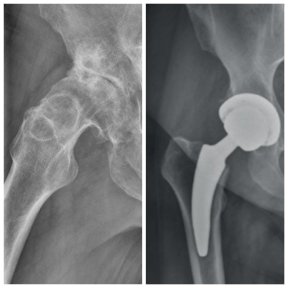
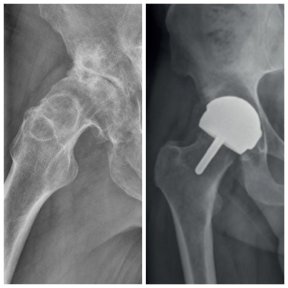
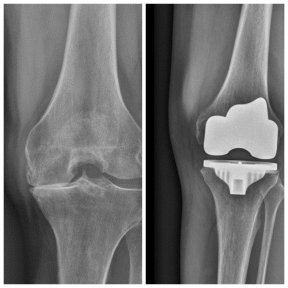
يعالج البالغين والأطفال بالعلاج غير الجراحي والعمليات الحديثة. تشمل جراحاته استبدال مفصل الورك، ومنظار الركبة والكاحل، وإجراءات متخصصة لليد والقدم مثل تصحيح إبهام القدم الأروح وتشوه أصابع المطرقة، وجراحات وتر العرقوب، وتحرير النفق الرسغي. كما يجري في العيادة تصويرًا بالموجات فوق الصوتية للعظام والمفاصل، بما في ذلك فحص ورك الرضّع للكشف عن حالات ما قبل الخلع.
يعمل أستاذًا مشاركًا في قسم جراحة العظام وعظام الأطفال في وودج، وقد نشر عشرات الأبحاث في مجلات طبية دولية.
سعر الباقة من
$2,354.74