الحول العلاج في الولايات المتحدة الامريكيه - التكاليف 2026


تمت مراجعة المقالة طبيا من قبل
فهد مولود
ما هي تكلفة الحول إجراءات التشخيص والعلاج في الولايات المتحدة الامريكيه؟ اعرف الآن
تتراوح تكلفة علاج الحول في الولايات المتحدة الأمريكية عادةً ما بين $250 إلى $350 لتشخيص الحالة. أما التدخل الجراحي، مثل جراحة الحول، فيتراوح ما بين $6,500 إلى $12,500. تعتمد التكاليف الإجمالية على التغطية التأمينية، وعدد عضلات العين المعنية، ونوع المنشأة الجراحية. تشمل المدن الرائدة في رعاية العيون المتخصصة هذه كلاً من بالتيمور، ونيويورك، وهيوستن.
تكاليف علاج الحول النموذجية في الولايات المتحدة الأمريكية
- تشخيص الحول: $250 – $350
- استشارة طبيب عيون: $300 – $450
- فحص المصباح الشقي (Slit lamp): $250 – $500
- جراحة الحول: $6,500 – $12,500
- علاج الحول: $4,000 – $7,500
رؤية خبراء Bookimed: يجب على المرضى الذين يبحثون عن خبرة عالية المستوى التفكير في المؤسسات متعددة التخصصات للحالات المعقدة لدى البالغين أو الأطفال. يخدم مستشفى جونز هوبكنز في ماريلاند المرضى من 49 ولاية سنوياً، ويوفر إمكانية الوصول إلى متخصصين من الجيل التالي مدربين على تقنيات جراحية متقدمة. إن اختيار مراكز الجراحة النهارية المستقلة بدلاً من أقسام المستشفيات يمكن أن يقلل من تكاليف يوم الجراحة بشكل كبير. غالباً ما يغطي التأمين هذه الإجراءات باعتبارها رعاية ترميمية ضرورية طبياً.
| الولايات المتحدة الامريكيه | تركيا | إسبانيا | |
|---|---|---|---|
| علاج الحول | ≈ $4,000 | من $1,200 | من $5,600 |
| جراحة الحول | ≈ $6,500 | من $1,800 | من $14,900 |
مزاياك وضماناتك مع Bookimed
أسعار مباشرة
Bookimed لا يضيف رسوماً إضافية على أسعار علاج الحول. الأسعار مأخوذة من قوائم الأسعار الرسمية للعيادات. تدفع مباشرة في العيادة مقابل علاجك عند وصولك إلى البلد.
عيادات وأطباء معتمدون فقط
Bookimed ملتزم بسلامتك. نحن نعمل فقط مع المؤسسات الطبية التي تحافظ على معايير دولية عالية في علاج الحول ولديها التراخيص اللازمة لخدمة المرضى الدوليين في جميع أنحاء العالم.
مساعدة مجانية على مدار الساعة
Bookimed يقدم مساعدة خبراء مجانية. منسق طبي شخصي يدعمك قبل وأثناء وبعد العلاج، ويحل أي مشاكل. لن تكون وحيداً أبداً في رحلة علاج الحول.

منسقك الطبي الشخصي في Bookimed
- يدعمك في كل مرحلة
- المساعدة في اختيار العيادة الطبية المناسبة والطبيب المناسب
- يضمن الوصول السريع والمريح إلى المعلومات
اكتشف أفضل الحول العيادات في الولايات المتحدة الامريكيه: 2 خيارات معتمدة والأسعار
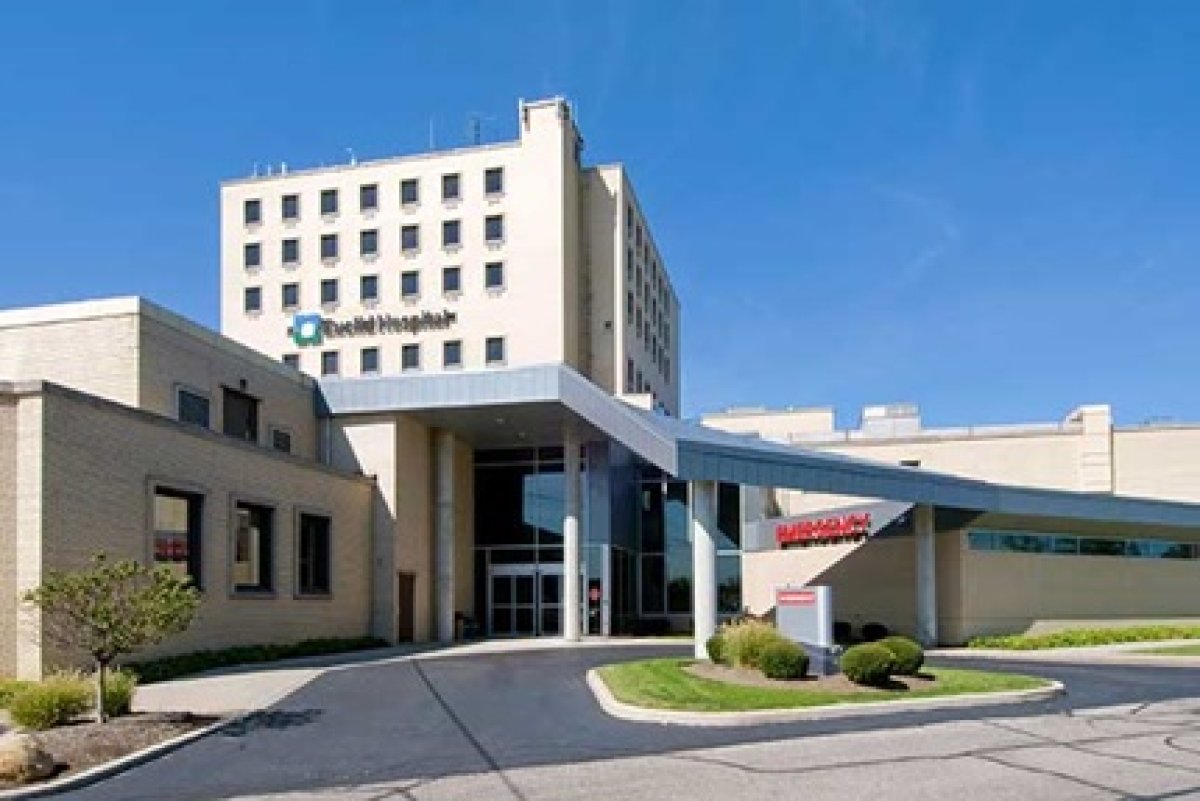





Johns Hopkins Hospital
مشاركة المحتوى
قصص فيديو من مرضى Bookimed
 Anna Leonova
أسئلة متكررة حول علاج الحول في الولايات المتحدة الامريكيه
هل تُعتبر جراحة الحول `تجميلية` أم `ترميمية` في الولايات المتحدة؟
تُعتبر جراحة الحول جراحة ترميمية في الولايات المتحدة. وتُعرفها المنظمات الطبية مثل الأكاديمية الأمريكية لطب العيون بهذا الشكل. يعمل الإجراء على استعادة الرؤية الوظيفية ومحاذاة العين. ولا يتم تصنيفها على أنها تجميلية لأنها تعالج التشوهات الجسدية والضعف البصري.
- الاستعادة الوظيفية: تقضي الجراحة على الرؤية المزدوجة وتحسن إدراك العمق.
- المجال البصري: يمكن لتصحيح العيون المنحرفة للداخل توسيع الرؤية المحيطية بشكل كبير.
- تصحيح القوام: تعمل إعادة المحاذاة على حل مشكلة إمالة الرأس غير الطبيعية المستخدمة للتعويض عن عدم المحاذاة.
- التغطية التأمينية: تغطي معظم شركات التأمين الإجراء عندما يوثق الأطباء الضرورة الطبية.
رؤية خبير Bookimed: تُظهر بياناتنا أن المراكز ذات الحجم الكبير مثل مستشفى جونز هوبكنز تعالج مرضى من 49 ولاية. وهذا يشير إلى خبرة وطنية في التعامل مع الحالات المعقدة. غالبًا ما يتفوق المتخصصون في مثل هذه المؤسسات رفيعة المستوى في توثيق العجز الوظيفي. يعد هذا التوثيق حيويًا لإعادة تصنيف الرفض المحتمل لأسباب تجميلية إلى جراحة ترميمية.
إجماع المرضى: يشير المرضى إلى أن إثبات المشكلات الوظيفية مثل الصداع أو إجهاد العين يساعد في الحصول على التأمين. ينجح الكثيرون في استئناف قرارات الرفض من خلال إظهار أن العيون غير المتوازنة تؤثر على عملهم اليومي وتفاعلاتهم الاجتماعية.
ما هي الخيارات غير الجراحية المثبتة لعلاج الحول قبل اللجوء إلى الجراحة؟
تعطي علاجات الحول غير الجراحية المثبتة الأولوية لإعادة التدريب العصبي والتصحيح البصري. تتميز هذه العلاجات بمعدلات نجاح وظيفية تتراوح بين 75% و87% لحالات معينة. تشمل البروتوكولات القياسية العلاج البصري المتخصص، وعدسات المنشور التصحيحية، وإضعاف العضلات الدوائي. عادة ما يستنفد الأطباء هذه الخيارات قبل التوصية بالتدخل الجراحي.
- العلاج البصري: تستخدم برامج مخصصة مدتها 12-24 أسبوعاً تمارين لإعادة تدريب التنسيق بين الدماغ والعين.
- العدسات التصحيحية: تقضي النظارات الطبية أو ثنائية البؤرة على الحول وعدم المحاذاة الناجم عن الإجهاد.
- عدسات المنشور: تعمل البصريات المتخصصة على إزاحة الصور لحل مشكلة الرؤية المزدوجة وإجهاد العين.
- العلاج الدوائي: تعمل حقن البوتوكس على إضعاف العضلات المفرطة النشاط مؤقتاً لتسهيل المحاذاة الطبيعية للعين.
- علاج الانسداد: يعمل تغطية العين المهيمنة على تقوية العين الأضعف والمسارات العصبية.
رؤية خبير Bookimed: يخضع المرضى في المؤسسات الرائدة مثل مستشفى جونز هوبكنز غالباً لاختبارات تشخيصية مكثفة أولاً. يضمن مخطط التخثر وفحص المصباح الشقي عدم وجود مشاكل صحية كامنة. تشير البيانات إلى أن التتبع الكمي باستخدام المنشور لمدة 6 أشهر يمنع الجراحة المبكرة. يبحث المرضى من 49 ولاية عن هذه التقييمات المتخصصة قبل الالتزام بالإجراءات الجراحية.
إجماع المرضى: يؤكد العديد من البالغين على أهمية البحث عن أخصائي بصريات معتمد من COVD لإجراء تقييم كامل أولاً. وغالباً ما يوصون باستخدام منشورات لاصقة مؤقت
من هو المؤهل لعلاج الحول - الأطفال فقط أم البالغون أيضاً؟
يُعد كل من الأطفال والبالغين مؤهلين لعلاج الحول في الولايات المتحدة. العلاج فعال في أي عمر، من الرضاعة وحتى التسعينيات. يُفضل التدخل المبكر للأطفال لمنع فقدان البصر الدائم. يسعى البالغون للحصول على التصحيح لمشاكل الطفولة المتكررة أو الحالات التي تظهر حديثاً.
- مرونة العمر: يقوم المتخصصون بإجراء العمليات للمرضى الأصحاء حتى سن 80 عاماً.
- طرق التشخيص: يشمل التقييم فحوصات المصباح الشقي واختبارات حدة البصر.
- معايير الرضع: غالباً ما يعطي الجراحون الأولوية للعلاج بين عمر 6 و 12 شهراً.
- أسباب البالغين: قد تنجم الحالات الجديدة عن السكتة الدماغية أو الصدمات أو أمراض الغدة الدرقية.
رؤية خبير Bookimed: يعتقد العديد من المرضى خطأً أن هذه الجراحة التصحيحية مخصصة للأطفال فقط. ومع ذلك، تتخصص المراكز الأمريكية مثل مستشفى جونز هوبكنز في الحالات المعقدة لجميع الأعمار. تظهر البيانات أن حتى المرضى الذين يعانون من الحول لفترة طويلة قد يستعيدون إدراك العمق بعد عقود. من الضروري للبالغين الذين يعانون من تغيرات مفاجئة في الرؤية مراجعة طبيب أعصاب العيون.
إجماع المرضى: يندم العديد من البالغين على تأخير العلاج لأنهم اعتقدوا أنه مخصص للأطفال فقط. يلاحظ المرضى أن حتى أولئك الذين تزيد أعمارهم عن 40 عاماً يشهدون تحسينات تغير حياتهم في الرؤية المزدوجة بعد الجراحة.
ما هي `الغرز القابلة للتعديل` التي قد تُستخدم أثناء جراحة الحول؟
الغرز القابلة للتعديل هي تقنية متخصصة في جراحة الحول. فهي تسمح للجراحين بضبط محاذاة عضلات العين بدقة بعد الإجراء. تستخدم هذه الطريقة عقدًا مؤقتة. يقوم الجراحون بالتلاعب بها بينما يكون المريض مستيقظًا لتحقيق تناظر بصري مثالي.
- توقيت الإجراء: تحدث التعديلات عادةً في غضون 24 ساعة من الجراحة الأولية.
- التغذية الراجعة الفورية: يقدم المرضى مدخلات حول محاذاة العين أثناء كونهم واعين ومنتبهين.
- التخدير الموضعي: يستخدم الجراحون قطرات مخدرة لضبط العقد بأقل قدر من الانزعاج.
- معدلات النجاح: تقلل هذه التقنية بشكل كبير من الحاجة إلى جراحات مراجعة ثانوية.
- الترشيح السريري: إنها مثالية للحالات المعقدة لدى البالغين وأمراض العين المرتبطة بالغدة الدرقية.
رؤية خبير Bookimed: بينما يعتقد الكثيرون أن جراحة الحول هي حل من خطوة واحدة، تتطلب الغرز القابلة للتعديل جلسة متابعة مخصصة. تظهر البيانات أن هذا النهج ضروري للحالات غير المتوقعة مثل مرض غريفز. تستخدم مرافق مثل مستشفى جونز هوبكنز في ماريلاند مثل هذه التقنيات المتقدمة لعلاج المرضى من 49 ولاية سنويًا. اختيار مركز ذو حجم كبير من المرضى غالبًا ما يضمن أن الجراح قد أتقن بروتوكولات التعديل الدقيقة هذه.
إجماع المرضى: يجد المرضى أن القدرة على تقديم التغذية الراجعة أثناء التعديل مطمئنة للغاية. ويشيرون إلى أنه على الرغم من أن العملية تستغرق وقتًا أطول، إلا أن الدقة تقلل بشكل كبير من قلقهم بشأن الحاجة إلى جراحة ثانية لاحقًا.
ما هو وقت التعافي النموذجي بعد جراحة الحول؟
يعود معظم المرضى إلى العمل أو المدرسة بعد أسبوع واحد من جراحة الحول. يستغرق الشفاء التام عادةً من 4 إلى 6 أسابيع حتى تستقر الأنسجة. يمكن أن يستمر استقامة العين الكاملة وتكيف الدماغ لمدة تصل إلى 12 شهرًا. يعود معظم المرضى إلى روتينهم اليومي في غضون 2 إلى 7 أيام.
- الأنشطة اليومية: العودة إلى العمل أو المدرسة تحدث عادةً بعد 7 أيام.
- زوال الأعراض: تتلاشى الاحمرار والتورم عمومًا في غضون 2 إلى 4 أسابيع.
- القيود البدنية: تجنب السباحة والرياضات التي تتطلب الاحتكاك الجسدي لمدة 4 أسابيع على الأقل.
- استقرار الرؤية: يستمر تكيف الدماغ وتحسين الاستقامة لمدة تتراوح بين 3 إلى 12 شهرًا.
رؤية خبير Bookimed: تظهر البيانات من مراكز أمريكية كبرى مثل مستشفى جونز هوبكنز أن سرعة التعافي تعتمد على التعقيد. عادةً ما تلتئم الجراحة في عضلة واحدة في غضون 6 أسابيع. غالبًا ما تؤدي الإجراءات التي تشمل عضلات متعددة أو كلتا العينين إلى تمديد فترة التعافي إلى 12 أسبوعًا. يساعد حجم المرضى الكبير في هذه المؤسسات المتخصصين على التنبؤ بهذه الجداول الزمنية الفريدة بدقة.
إجماع المرضى: يشير المرضى إلى أن الاحمرار والإفرازات الكبيرة أمر طبيعي في الأسبوع الأول. يؤكد الكثيرون أنه على الرغم من أن الألم خفيف، إلا أن إجهاد العين الناتج عن الشاشات يسبب التعب المبكر.