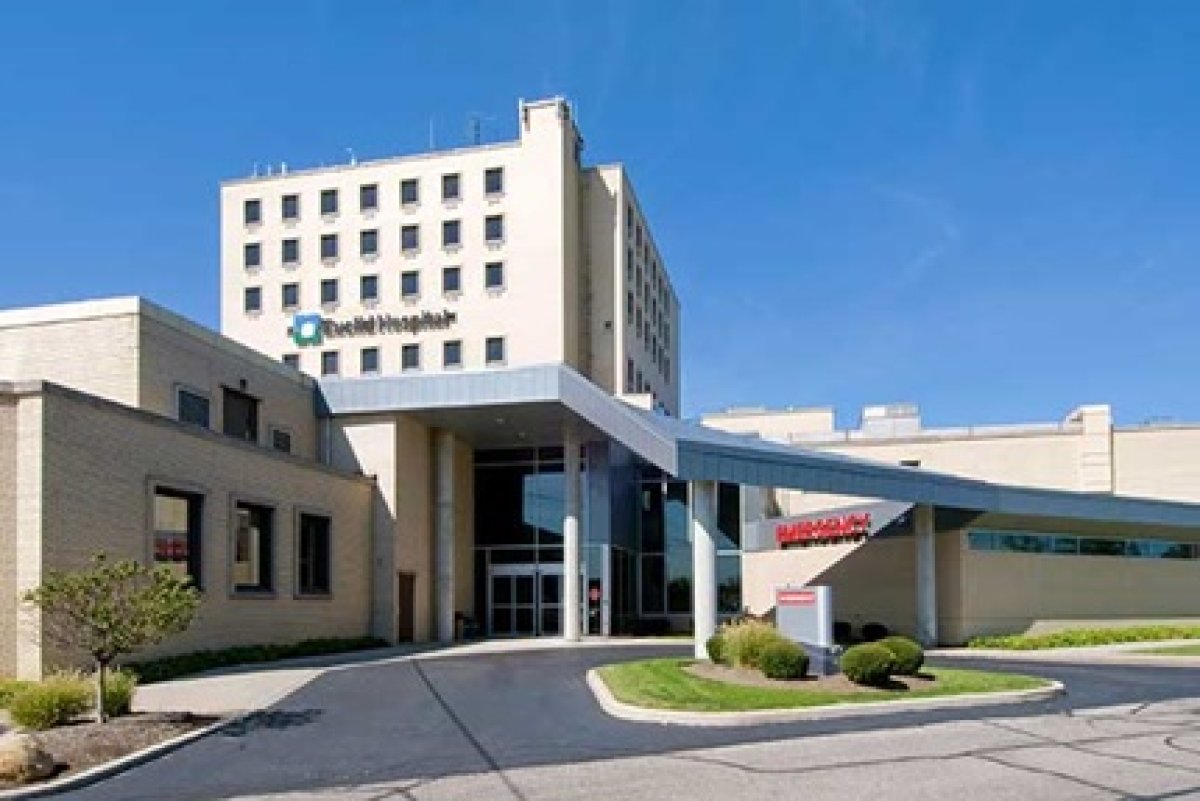
University of Texas MD Anderson Cancer Center
الولايات المتحدة الامريكيه, Houston


تمت مراجعة المقالة طبيا من قبل
فهد مولود
تتراوح تكلفة علاج الورم الميلانيني في الولايات المتحدة الأمريكية عادةً ما بين استشارة طبيب الأورام، والتي تتراوح من $450 إلى $800. من $10,000. تعتمد التكاليف الإجمالية على مرحلة السرطان، والتغطية التأمينية، وأنظمة الأدوية. تشمل مراكز العلاج الرائدة هيوستن، ونيويورك، وبالتيمور.
تكاليف علاج الورم الميلانيني النموذجية في الولايات المتحدة الأمريكية
رؤية خبراء Bookimed: من الأفضل إدارة حالات الورم الميلانيني المتقدمة التي تتطلب رعاية متعددة التخصصات ومعقدة في المراكز الشاملة المعتمدة من المعهد الوطني للسرطان (NCI). يقدم مركز إم دي أندرسون للسرطان التابع لجامعة تكساس، والذي يحتل المرتبة الأولى في طب الأورام في الولايات المتحدة، خدماته لأكثر من 130,000 مريض سنوياً. وبالنسبة للمرضى الذين يبحثون عن خبرة تخصصية راسخة، يعالج مركز ميموريال سلون كيترينج للسرطان 200 نوع من أنواع السرطان ويوظف 15,600 متخصص. توفر هذه المؤسسات النخبوية أعلى قيمة لبروتوكولات المرحلة الثالثة أو الرابعة المعقدة.
| الولايات المتحدة الامريكيه | تركيا | إسبانيا | |
|---|---|---|---|
| جراحة موس المجهرية | ≈ $1,800 | من $26,900 | من $7,300 |
| جراحة سرطان الجلد | من $10,000 | من $4,000 | من $6,000 |
| العلاج بالأنتيوم-225 | ≈ $60,000 | من $20,500 | ≈ $28,000 |
| العلاج الموضعي للورم الميلاني | ≈ $4,500 | ≈ $1,800 | من $5,000 |
| العلاج المناعي مع Keytruda (Pembolizumab) | ≈ $13,500 | من $3,900 | من $10,300 |
Bookimed لا يضيف رسوماً إضافية على أسعار علاج سرطان الجلد. الأسعار مأخوذة من قوائم الأسعار الرسمية للعيادات. تدفع مباشرة في العيادة مقابل علاجك عند وصولك إلى البلد.
Bookimed ملتزم بسلامتك. نحن نعمل فقط مع المؤسسات الطبية التي تحافظ على معايير دولية عالية في علاج سرطان الجلد ولديها التراخيص اللازمة لخدمة المرضى الدوليين في جميع أنحاء العالم.
Bookimed يقدم مساعدة خبراء مجانية. منسق طبي شخصي يدعمك قبل وأثناء وبعد العلاج، ويحل أي مشاكل. لن تكون وحيداً أبداً في رحلة علاج سرطان الجلد.


كتب بواسطة Veronika Kazina

كتب بواسطة Veronika Kazina

كتب بواسطة Veronika Kazina

كتب بواسطة Halina Shubala

كتب بواسطة Veronika Kazina
 Anna Leonova
يعطي علاج الورم الميلانيني في الولايات المتحدة الأولوية للاستئصال الجراحي في المراحل المبكرة والعلاج المناعي المتقدم للحالات النقيلية. تستخدم المراكز الكبرى التنميط الجيني لطفرات BRAF لتوجيه العلاج الموجه. تشمل الخيارات الرئيسية جراحة موس المجهرية، ومثبطات نقاط التفتيش المناعية، والعلاجات الخلوية المتخصصة في مراكز السرطان المعتمدة من NCI.
رؤية خبير Bookimed: تقدم المؤسسات الأمريكية الرائدة مثل MD Anderson و Memorial Sloan Kettering علاجات متخصصة غير متاحة على نطاق واسع في أماكن أخرى. على سبيل المثال، قد تتراوح تكلفة علاج الأكتينيوم-225 بين 120,000 و 210,000 دولار. يجب على المرضى التحقق مما إذا كانت منشأتهم توفر تقنيات محددة مثل المعجل الخطي TrueBeam أو نظام Da Vinci الروبوتي للحالات المعقدة.
إجماع المرضى: يؤكد المرضى على أهمية الاختبارات الجينية قبل بدء العلاج. يوصي الكثيرون بطلب رأي ثانٍ في مراكز متخصصة لضمان الوصول إلى أحدث التجارب السريرية.
الاستئصال الجراحي هو العلاج الأساسي للميلانوما في المرحلة 0 والمرحلة الأولى. غالبًا ما يكون علاجيًا بحد ذاته. على الرغم من أن الخزعة التشخيصية قد تزيل الآفة المرئية، إلا أن الأطباء عادةً ما يجرون استئصالًا موضعيًا واسعًا. وهذا يضمن حوافًا نظيفة ويمنع التكرار.
رؤية خبراء Bookimed: تعالج المراكز الأمريكية الرائدة مثل MD Anderson أو Memorial Sloan Kettering أكثر من 100,000 مريض أورام سنويًا. يسمح حجم الحالات الكبير لديهم باستخدام تقنيات متخصصة مثل جراحة الحفاظ على الأطراف أو الاستئصال الواسع بمساعدة الروبوت. تساعد هذه الخيارات في الحفاظ على الوظيفة مع ضمان حواف الأمان بمقدار 1 سم المطلوبة لحالات المرحلة الأولى.
إجماع المرضى: يشير المرضى إلى أنه حتى لو بدت الخزعة وكأنها أزالت البقعة، فإن الاستئصال اللاحق حيوي لراحة البال. يؤكد الكثيرون أن الآفات الموجودة على القدم أو الكاحل قد تتطلب ترقيع الجلد بسبب ضيق الجلد.
يعالج العلاج المناعي الميلانوما المتقدمة عن طريق إعادة تدريب الجهاز المناعي للتعرف على الخلايا السرطانية وقتلها. يستخدم بشكل أساسي مثبطات نقاط التفتيش مثل بيمبروليزوماب (Keytruda) لحجب البروتينات التي تحمي الأورام. تعمل هذه العلاجات على إزالة "مكابح" الجهاز المناعي، مما يسمح للخلايا التائية بمهاجمة الميلانوما النقيلية في جميع أنحاء الجسم.
رؤية خبراء Bookimed: تعطي المراكز الأمريكية المتقدمة مثل MD Anderson و Memorial Sloan Kettering الأولوية لاختبار طفرة BRAF قبل بدء العلاج المناعي. هذا أمر بالغ الأهمية لأن المرضى الذين لديهم طفرة BRAF قد يستفيدون أكثر من العلاج الموجه أولاً. يؤثر اختيار التسلسل الصحيح بين هذين النهجين بشكل كبير على معدلات الشفاء على المدى الطويل.
إجماع المرضى: يشير المرضى إلى أن الإبلاغ المبكر عن الآثار الجانبية مثل الطفح الجلدي أو التعب أمر حيوي. وغالباً ما يجدون هذه الآثار قابلة للإدارة مقارنة بالعلاج الكيميائي، على الرغم من أن العلاجات المركبة يمكن أن تكون مرهقة جسدياً.
العلاج الموجه هو نهج طب دقيق يستخدم أدوية لحجب الجزيئات التي يحتاجها السرطان للنمو. يتم تأهيل المرضى بناءً على علامات جينية محددة يتم العثور عليها من خلال اختبار المؤشرات الحيوية. في الولايات المتحدة الأمريكية، تستخدم مراكز الأورام هذا العلاج لاستهداف الأورام التي تحتوي على طفرات قابلة للاستهداف مثل BRAF.
رؤية خبير Bookimed: يؤثر حجم العمل السريري في المراكز الأمريكية على الوصول إلى التشخيصات المتخصصة. على سبيل المثال، يخدم مركز إم دي أندرسون للسرطان أكثر من 130,000 مريض سنويًا. غالبًا ما يرتبط ارتفاع عدد المرضى بوصول أسرع إلى اختبارات طفرة جين BRAF المتقدمة والفحوصات الجينية. هذه التشخيصات ضرورية للتأهل لبروتوكولات دوائية محددة.
إجماع المرضى: يؤكد المرضى أن نتائج الاختبارات الجزيئية إلزامية قبل بدء هذا العلاج. وغالبًا ما يلاحظون أن هذه الأدوية يمكن أن تقلص الأورام المرئية بسرعة كبيرة مقارنة بالخيارات الأخرى.
العلاج المساعد هو علاج إضافي يُعطى بعد الجراحة الأولية للقضاء على الخلايا السرطانية المجهرية. وهو يقلل من خطر تكرار الإصابة بالورم الميلانيني. تُعد شبكة الأمان الثانوية هذه معياراً لحالات المرحلة الثانية أو الثالثة عالية الخطورة. تعتمد التوصيات على سمك الورم وتورط العقد الليمفاوية.
رؤية خبير Bookimed: بينما يركز الكثيرون على الجراحة، فإن اختيار المنشأة يؤثر على نجاح العلاج المساعد. تستخدم المراكز الأمريكية الرائدة مثل ميموريال سلون كيترينج إشعاع SHARP وأساطيل روبوتية كبيرة. تسمح هذه التقنيات بإزالة أولية أكثر دقة. غالباً ما تبسط هوامش الجراحة الأفضل بروتوكول العلاج المساعد اللاحق. تظهر البيانات أن هذه المراكز ذات الحجم الكبير تدير الحالات المعقدة مع تأخيرات أقل في العلاج.
إجماع المرضى: يشير المرضى إلى أنه من الضروري التمييز بين علاج الأورام المرئية ومنع الأورام المستقبلية. يؤكد الكثيرون على طلب اختبار الطفرات مبكراً لفهم جميع خيارات الأدوية المتاحة بعد الجراحة.
يوجد حاليًا أكثر من 500 تجربة سريرية نشطة لعلاج الميلانوما تجند المرضى في جميع أنحاء الولايات المتحدة. وعلى الرغم من توفرها بكثرة، إلا أن إمكانية الوصول إليها تظل محدودة بسبب الجغرافيا ومعايير الأهلية الصارمة. يتركز الوصول بشكل أساسي في المراكز المعتمدة من قبل المعهد الوطني للسرطان في المراكز الحضرية الكبرى مثل هيوستن ونيويورك وميريلاند.
رؤية خبير Bookimed: غالبًا ما تقود مراكز الأبحاث المتخصصة في مجالات الأورام المتعددة، مثل مركز ميموريال سلون كيترينج للسرطان، تطوير الأدوية. هذا المرفق وحده طور 9 أدوية معتمدة من إدارة الغذاء والدواء الأمريكية. يجب على المرضى الذين يبحثون عن تجارب سريرية البحث عن مراكز ذات أعداد كبيرة من المرضى، مثل مستشفى جونز هوبكنز، الذي يدير 2.8 مليون زيارة خارجية سنويًا. غالبًا ما تشير الأعداد الكبيرة إلى وصول أوسع إلى دراسات متنوعة من المرحلة الأولى والثانية.
إجماع المرضى: يشير المرضى إلى أن العثور على تجربة سريرية يتطلب عادةً إحالة مباشرة من طبيب أورام على دراية واسعة. يؤكد الكثيرون أنه على الرغم من أن العلاج التجريبي قد يكون مج