استئصال المثانة في تركيا — احصل على ٣ خيارات مخصصة للعيادات


تمت مراجعة المقالة طبيا من قبل
فهد مولود
كيف نعمل؟
ما هي تكلفة استئصال المثانة في تركيا؟ اكتشف الآن
من $9,000. يتأثر السعر النهائي أيضاً بمستوى العيادة والحاجة إلى جراحة ترميم المسالك البولية. تشمل معظم المراكز الطبية التركية الجراحة، والتخدير، والإقامة بالمستشفى لمدة تصل إلى 10 أيام، والانتقالات من المطار.
- استئصال المثانة مع الترميم: تبلغ التكلفة ما بين $18,400 و $38,800، وتشمل إنشاء مثانة اصطناعية.
- استئصال الورم عبر الإحليل: تتراوح بين $6,200 و $10,000، ويشمل ذلك إزالة أورام المثانة عبر مجرى البول.
- الجراحة الروبوتية: تزيد التكلفة عادةً بنسبة 20 إلى 30 % لاستخدام تقنية Da Vinci Xi المتطورة.
- موقع المستشفى: غالباً ما تكون باقات العلاج في إسطنبول أعلى سعراً مقارنة بالمراكز العلاجية في أنقرة.
رأي خبراء Bookimed: يضمن اختيار المراكز المعتمدة من JCI، مثل مركز الأناضول الطبي أو مستشفى ميموريال شيشلي، الحصول على خبرات متميزة بأسعار تنافسية. ترتبط هذه العيادات بمؤسسة Johns Hopkins Medicine، وتستخدم أحدث الأنظمة الروبوتية. أطلق البروفيسور تونتش أوزدمير في مستشفى إسطنبول فلورنس نايتنجيل أول برنامج لجراحة المسالك البولية الروبوتية في تركيا. تساهم زيادة عدد العمليات في تقليل فترة الإقامة بالمستشفى. تلبي العديد من المرافق الطبية معايير المباني الصديقة للبيئة، مما يوفر أجواء مريحة تدعم استشفاء المرضى.
المزايا الرئيسية
لماذا يختار المرضى تركيا لإجراء إزالة المثانة؟
- العيادات المعتمدة: المستشفيات والمراكز في تركيا، مثل تلك المعتمدة من قبل JCI والمعتمدة من وزارة الصحة، تحافظ على معايير عالية للرعاية.
- أحدث التقنيات: الجراحة الروبوتية لاستئصال المثانة الجذري، بما في ذلك نظام دافنشي الجراحي، توفر دقة عالية ويمكن أن تقلل من وقت التعافي. تتوفر أيضًا خيارات مثل إعادة بناء المثانة الجديدة.
- معدلات نجاح عالية: تظهر عمليات إزالة المثانة في تركيا فعالية بنسبة 90-95% في علاج سرطان المثانة الموضعي، مع معدلات مضاعفات منخفضة.
- جراحون خبراء: أطباء المسالك البولية المشهورون، مثل البروفيسور مراد بينباي من مستشفى ميموريال شيشلي، أجروا أكثر من 500 عملية إزالة مثانة. خبرتهم الواسعة ومعرفتهم معترف بها جيدًا.
احصل على حلول متقدمة لإزالة المثانة في عيادات موثوقة من $9,000.
| تركيا | إسبانيا | ألمانيا | |
|---|---|---|---|
| استئصال المثانة | من $9,000 | من $28,000 | من $22,000 |
| استئصال المثانة عبر الاحليل | من $6,200 | ≈ $4,200 | من $4,700 |
| إزالة المثانة مع إعادة الإعمار | من $18,400 | ≈ $24,000 | ≈ $30,000 |
اكتشف أفضل استئصال المثانة العيادات في تركيا: 20 خيارات معتمدة والأسعار


Memorial Bahçelievler Hospital
Abdulmuttalip Simsek




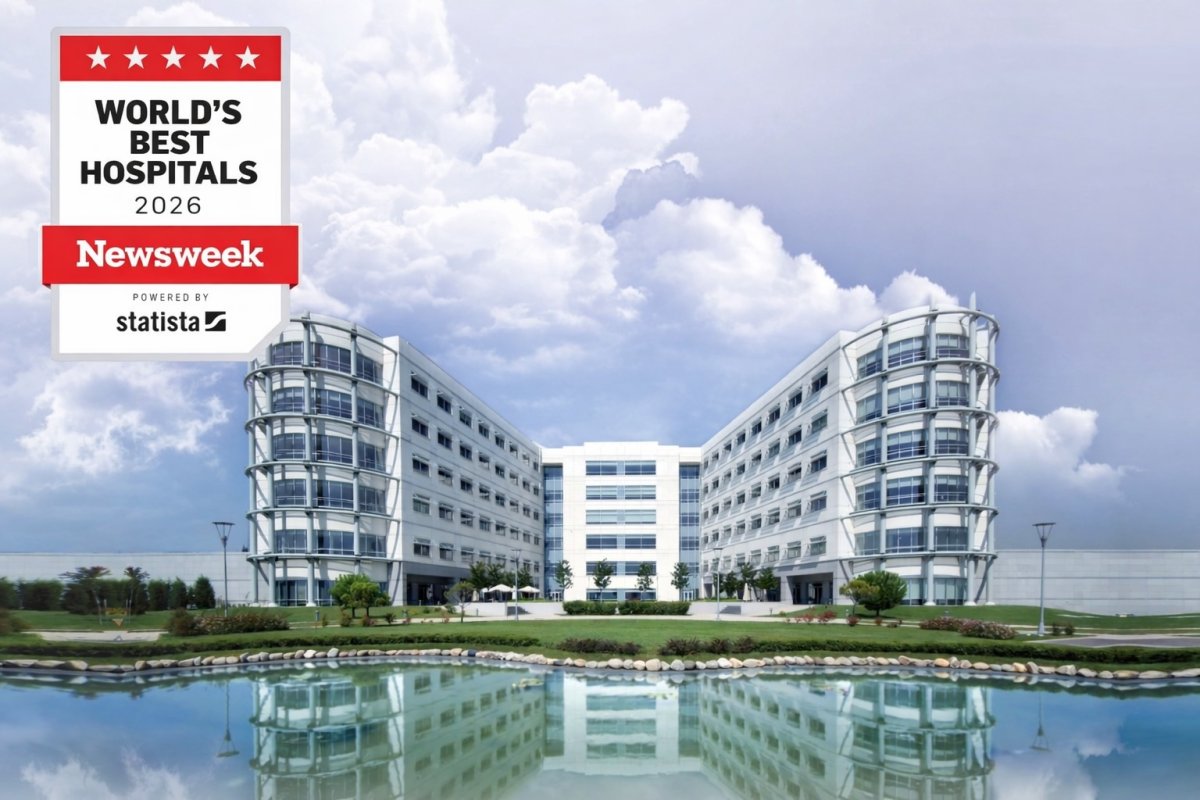
Hisar Intercontinental Hospital
Basri Cakiroglu










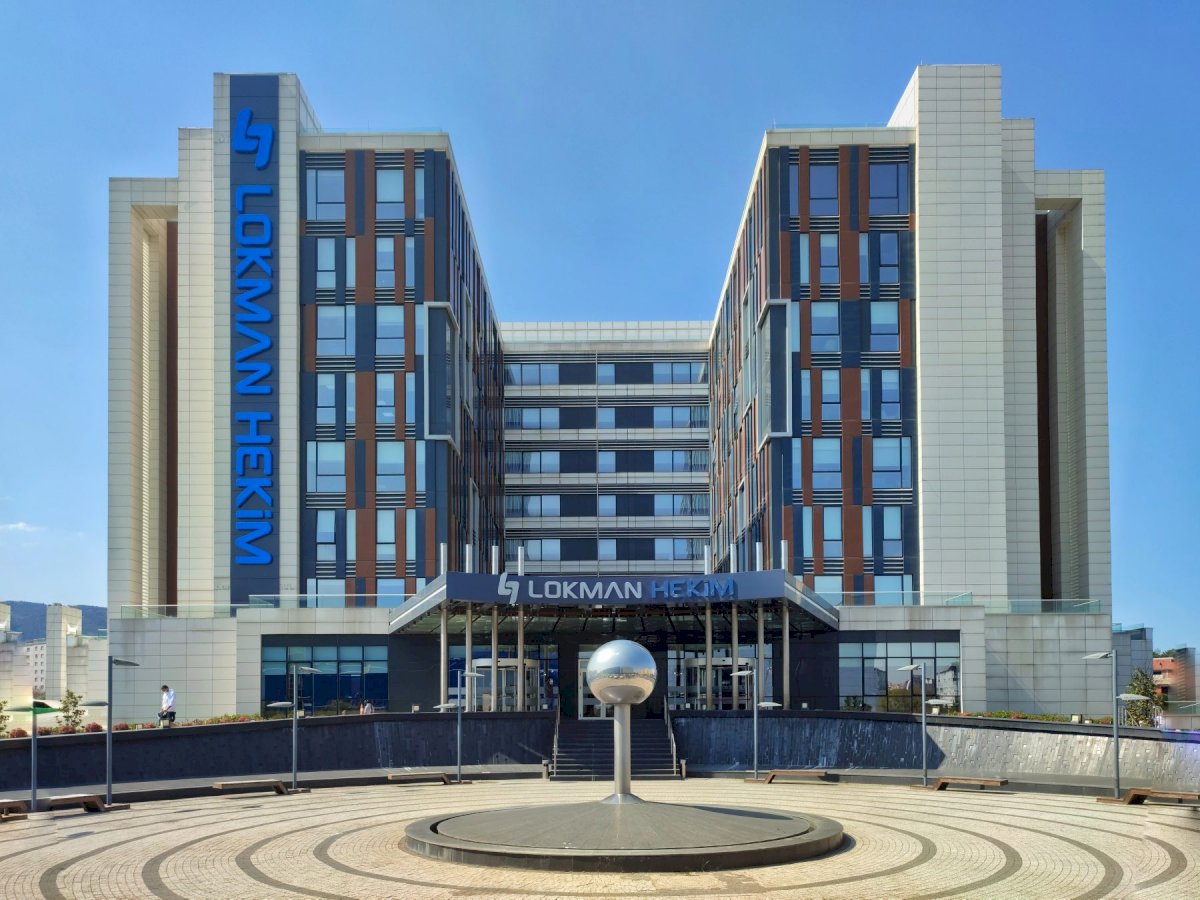






نظرة عامة على استئصال المثانة في تركيا
- استئصال المثانة عبر الاحليل - من $6,200
تزيل هذه الجراحة أورام المثانة باستخدام أداة خاصة من خلال مجرى البول تساعد في علاج السرطان وتشخيصه.
- استئصال المثانة - من $9,000
يتضمن الإجراء إزالة المثانة المريضة جراحيًا ، عادةً بسبب السرطان ، وتحسين صحة المريض.
- إزالة المثانة مع إعادة الإعمار - من $18,400
تتضمن هذه الجراحة إخراج المثانة وتشكيل واحدة جديدة لاستعادة وظيفة المسالك البولية.
اليوم 1
- الوصول والتسجيل في المستشفى.
- التشاور مع طبيب المسالك البولية.
- إجراء اختبارات الدم والبول قبل الجراحة.
- الأشعة المقطعية أو الموجات فوق الصوتية إذا لزم الأمر.
اليوم الثاني
- استشارة طبيب التخدير.
- إحاطة نهائية قبل الجراحة مع الجراح.
يوم 3
- الخضوع لجراحة إزالة المثانة ، وعادة ما تستغرق 3-6 ساعات.
- يتم إعطاء التخدير العام.
- الانتعاش بعد الجراحة في وحدة العناية المركزة.
اليوم الرابع - اليوم العاشر
- مراقبة تعافي المريض في المستشفى.
- بدء نشاط بدني خفيف تحت إشراف.
- تنفيذ قسطرة لتصريف البول.
الأسبوع الثاني - الأسبوع الرابع
- الخروج من المستشفى.
- مواعيد المتابعة المنتظمة مع طبيب المسالك البولية.
- استمرار النشاط البدني الخفيف.
الأسبوع الخامس - الأسبوع الثامن
- العودة التدريجية إلى الأنشطة اليومية ، باستثناء العمل البدني الشاق.
- مواعيد المتابعة المستمرة مع طبيب المسالك البولية.
الأسبوع التاسع - الأسبوع الثاني عشر
- العودة إلى العمل حسب طبيعة الوظيفة.
- العودة التدريجية للرياضة والأنشطة المضنية.
بعد 3 أشهر
- انظر النتيجة النهائية والعودة الكاملة للأنشطة العادية.
يرجى ملاحظة أن الجدول الزمني للتعافي قد يختلف تبعًا للظروف الفردية والحالة الصحية العامة.
ماذا يحب المرضى:
- يكلف. تتراوح تكلفة إزالة المثانة في تركيا من 7000 دولار إلى 10000 دولار. هذا السعر ميسور التكلفة مقارنة بمتوسط التكلفة في الولايات المتحدة ، والذي يبلغ حوالي 20000 دولار.
- احتراف الأطباء. يقدر المرضى المستوى العالي من احتراف الأطباء. غالبًا ما يكونون أعضاء في المنظمات الطبية الدولية ولديهم خبرة كبيرة في إجراء جراحات إزالة المثانة.
- مستوى الخدمة. أعجب المرضى بمستوى الخدمة الممتازة. يقدم الطاقم الطبي الرعاية الرحيمة ويضمن إقامة مريحة خلال فترة النقاهة.
- فعالية إزالة المثانة. يقدر المرضى إجراءات إزالة المثانة الفعالة. يتم استخدام التقنيات والتقنيات الحديثة لضمان نتائج ناجحة.
- الخدمات اللوجستية. يحب المرضى الخدمات اللوجستية الفعالة. غالبًا ما يتم تضمين ترتيبات السفر والإقامة في الحزمة الطبية ، مما يجعل العملية أقل إجهادًا.
ما لا يحبه المرضى:
- حاجز اللغة. قد يواجه بعض المرضى صعوبة في التواصل حيث لا يجيد جميع الطاقم الطبي اللغة الإنجليزية بطلاقة.
- وقت الانتظار. قد يواجه المرضى فترات انتظار أطول بسبب ارتفاع الطلب على هذه الإجراءات في تركيا.
- مسافة. قد يجد المرضى من البلدان البعيدة السفر لمسافات طويلة إلى تركيا غير مريح.
- إيداع Bookimed: 200 دولار أو 200 يورو.
- وديعة العيادة: ادفع نسبة محددة مقدمًا.
احصل على تقييم طبي لـ استئصال المثانة في تركيا. استشر الآن 38 أطباء ذوي الخبرة.
عرض جميع الأطباء
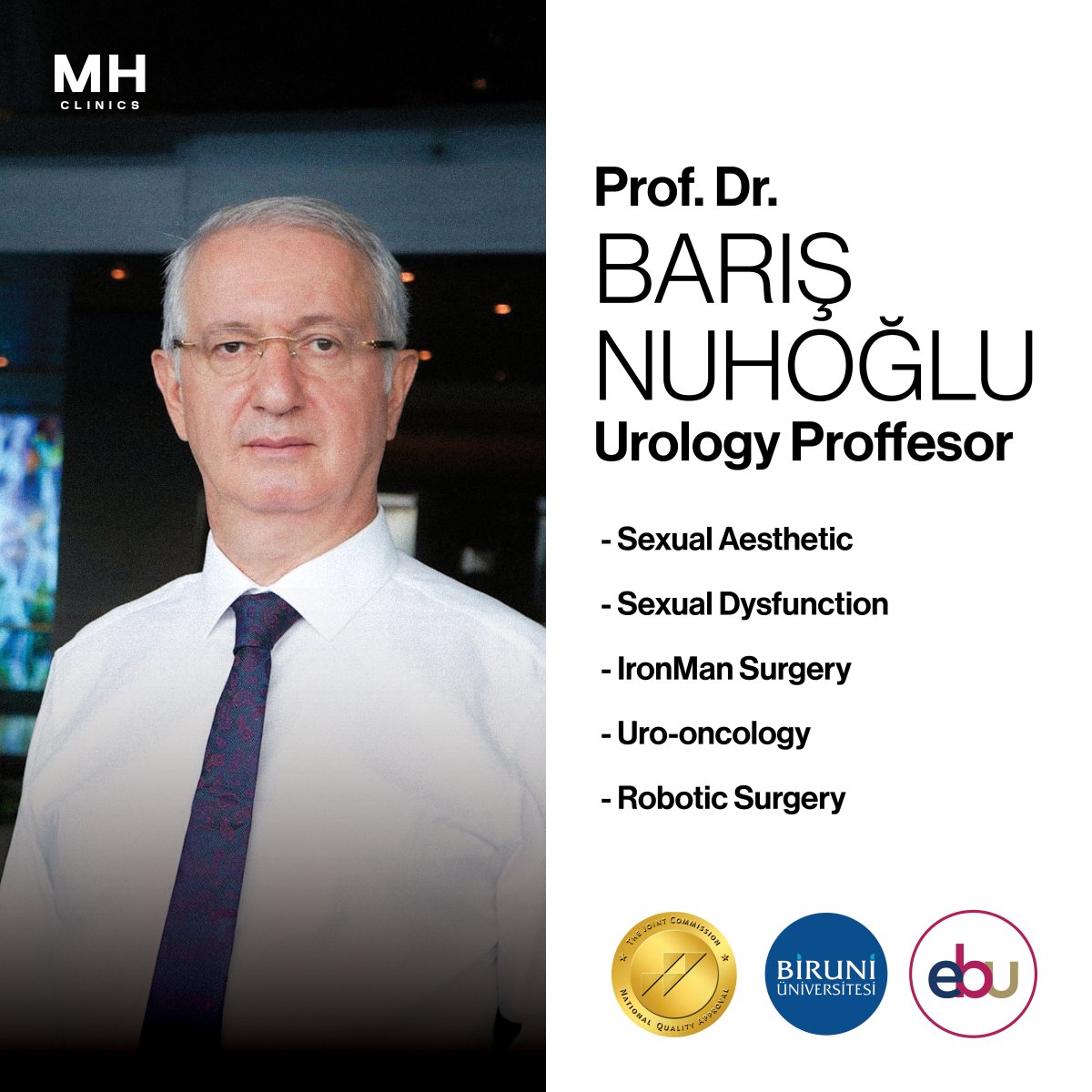
Baris Nuhoglu
Basri Cakiroglu
تخرج الطبيب من كلية الطب بجامعة 19 مايو في عام 1994 وأكمل الإقامة في مستشفى تعليم وبحث تقسيم في عام 2002. ساهم الطبيب في العديد من المجلات الدولية والمحلية، مما يظهر خبرة في مجالات التنظير البولي، جراحة المسالك البولية للأطفال، علم الأورام البولية، علم الذكورة، والعقم. عمل الطبيب في مراكز صحية ومستشفيات مختلفة، بما في ذلك مركز صحة أيواجيك التابع لوزارة الصحة التركية، مركز صحة جارشامبا في سامسون، مستشفى تعليم وبحث تقسيم، ومستشفى الدولة في شيبينكاراهيسار في جيرسون.<\/p>
Abdulmuttalip Simsek
الدكتور عبد المطلب شيمشيك هو جراح مسالك بولية في مستشفى ميموريال بهجيليفلر في إسطنبول. وهو متخصص في الجراحة الروبوتية والترميمية للحالات البولية المعقدة. يحمل الدكتور شيمشيك رتبة أستاذ وأكمل تدريبه في جراحة المسالك البولية الترميمية في المملكة المتحدة. يعالج مجموعة واسعة من السرطانات بما في ذلك أورام الكلى والبروستاتا والمثانة.
- يجري عمليات استئصال البروستاتا بالليزر (HoLEP) لتضخم البروستاتا الحميد وجراحات زراعة العضو الذكري.
- خبير في الإجراءات الترميمية مثل رأب الإحليل وجراح
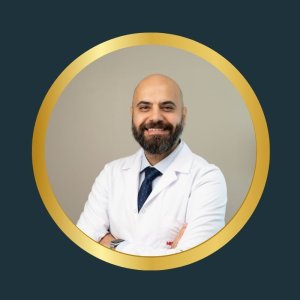
Dr Bugra Cetin
يتخصص الدكتور بوجرا سيتين في جراحات استئصال المثانة، ويجري عمليات استئصال المثانة والبروستاتا الجذري مع التركيز على التقنيات طفيفة التوغل.
- طبيب مسالك بولية معتمد من المجلس الطبي مع تدريب مكثف في جراحة أورام المسالك البولية
- خبير في استئصال العقد الليمفاوية الحوضية وتحويل مجرى البول عبر القناة اللفائفية
- حاصل على درجة الدكتوراه في الطب الجزيئي – يطبق الأبحاث المتقدمة في الممارسة السريرية
- عضو في الجمعية الأوروبية لجراحة المسالك البولية والجمعية التركية لجراحة المسالك البولية
قصص فيديو من مرضى Bookimed
المراجعات
جميع المراجعاتمشاركة المحتوى
 Anna Leonova
أسئلة متكررة حول استئصال المثانة في تركيا
ما هو أفضل وقت للذهاب إلى تركيا؟
الميزة الرئيسية للمنتجعات التركية هي موسم الشاطئ الطويل. على ساحل البحر الأبيض المتوسط ، يبدأ في أبريل ويستمر حتى نوفمبر. في منتجعات بحر إيجة - من مايو إلى أكتوبر. أفضل وقت للسباحة هو من منتصف يونيو حتى نهاية أكتوبر. يحدث تدفق كبير للسياح في الفترة من يوليو إلى أغسطس ، عندما تكون درجة حرارة الهواء + 38 درجة مئوية ، والماء دافئ حتى + 27 درجة مئوية.
ما هو مستوى الطب في تركيا؟
الرعاية الصحية هي قطاع التنمية الرئيسي للحكومة التركية. السلطات التركية مقتنعة بأن رعاية صحة المواطنين يجب أن تكون أولوية غير مشروطة في سياسة الدولة ، وتنفق سنويًا حوالي 77 مليار ليرة على الرعاية الصحية.
نتيجة لذلك ، توفر 28000 منشأة طبية رعاية طبية ممتازة في البلاد. تم اعتماد حوالي 50 مركزًا من قبل JCI (اللجنة الدولية المشتركة) - وهي هيئة دولية لتحسين جودة وسلامة الخدمات الطبية في جميع أنحاء العالم. فهرس الشهادات المتلقاة هو الأكبر. للمقارنة ، هناك 20 مؤسسة معتمدة من اللجنة الدولية المشتركة في إسرائيل ، و 10 عيادات فقط من هذا النوع في ألمانيا.
ماذا تريد أن تعرف عن تركيا قبل رحلتك؟
| عملة | الليرة (الدفع مقابل الخدمات ممكن أيضًا بالدولار واليورو) |
| أفضل فترة للسفر | مايو-أكتوبر |
| لغة | التركية (معظم الطاقم الطبي يجيد اللغة الإنجليزية) |
| تأشيرة | غير مطلوب للسفر لمدة 30 يومًا على الأقل لكل زيارة |
| فارق التوقيت مع أوروبا | 3 ساعات |
| فارق التوقيت من الولايات المتحدة الأمريكية | الساعة 8 |
| عاصمة | أنقرة |
| مركز السياحة العلاجية | اسطنبول |
| منتجعات رائجة | ألانيا ، أنطاليا ، كيمير ، مرماريس |
هل أحتاج إلى تأشيرة؟
لعام 2020 ، أبرمت جمهورية تركيا اتفاقيات بدون تأشيرة مع 89 دولة. يُعفى بعض الأجانب من الحصول على تأشيرة دخول ، ويتعين على البعض الآخر الحصول على تأشيرة إلكترونية (تأشيرة إلكترونية) ، ولا يزال يتعين على آخرين التقدم للحصول على تأشيرة في الممثليات التركية بالخارج.
ما هي الدول التي تحتاج إلى تأشيرة للعلاج في تركيا وأي الدول يمكنك عبورها بحرية بسهولة وببساطة هنا .
ما هي المستندات المطلوبة للتقدم للحصول على تأشيرة دخول إلى تركيا للعلاج؟
تتطلب تأشيرات السفر إلى تركيا عددًا من المستندات . يمكن تقديم الأوراق اللازمة قبل 90 يومًا من المغادرة المخطط لها. قائمة الوثائق تشمل:
- بطاقة الهوية
- تأكيد التسجيل عبر الإنترنت وملء الاستبيان
- شهادة الدخل وتوافر الأموال (50 دولارًا في اليوم للشخص الواحد)
- بوليصة تأمين للإقامة في تركيا (أصل وصورة)
- صورتان (5x6)
- الحصول على تأشيرة
- حجز الطيران والفنادق
- رأي الطبيب في الحاجة للعلاج.
ما هي الخدمات الفندقية المقدمة هنا؟
يوجد في تركيا فنادق ذات نطاقات أسعار ومستويات خدمة مختلفة . مستوى الفنادق التركية مشابه للفنادق في تونس أو المغرب أو مصر. يختار معظم السياح فنادق 4 و 5 نجوم مع وجبات شاملة كليًا. تحتوي هذه الفنادق على كل شيء لإقامة مريحة: طعام متنوع ، منطقة كبيرة جيدة الإعداد ، رسوم متحركة للأطفال والكبار. تحتوي بعض الفنادق على حديقة مائية خاصة بها ، والتي يمكن للضيوف استخدامها مجانًا. يمكن للمسافرين ذوي الميزانية المحدودة حجز فندق اقتصادي من فئة 3 نجوم مع نصف إقامة أو بدون وجبات على الإطلاق.