إزالة جزء من الورم وعصب العين في تركيا — احصل على 3 عيادات مطابقة مع التكاليف


تمت مراجعة المقالة طبيا من قبل
فهد مولود
ما هي تكلفة إزالة جزء من الورم وعصب العين في تركيا؟ اكتشف الآن
تتراوح تكلفة استئصال جزء من ورم وعصب العين في تركيا عادةً بين $7,500 و $12,000. يعتمد السعر النهائي على موقع الورم، ومدى تأثر العصب، والتقنية الجراحية المستخدمة. تشمل هذه الرسوم الجراحية عادةً الإجراء، والتخدير، والإقامة بالمستشفى، والفحوصات التشخيصية الروتينية قبل الجراحة.
- اعتماد العيادة: غالباً ما تكون تكاليف الرعاية المتخصصة في المراكز الحاصلة على اعتمادات JCI و ISO أعلى.
- موقع المدينة: ترتفع التكاليف في المدن الكبرى مثل إسطنبول وأنقرة مقارنةً بمدن أخرى مثل سيواس.
- تعقيد الجراحة: تزيد تكلفة الجراحة عند مشاركة فرق متعددة التخصصات، بما في ذلك جراحو الأعصاب.
- محتوى الباقات: تدرج العديد من المراكز خدمات النقل من المطار والإقامة الفاخرة ضمن السعر الإجمالي للعلاج.
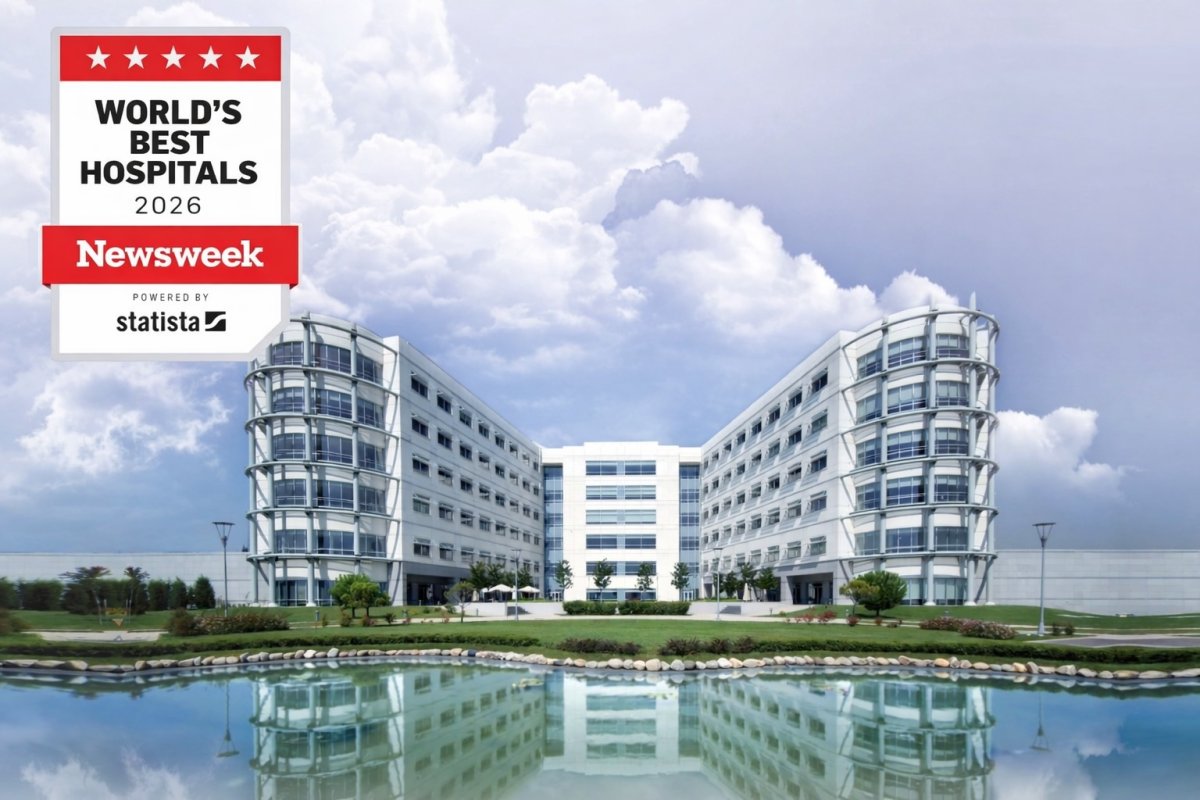
رأي خبراء Bookimed: يوفر اختيار مركز تابع لجامعة أفضلية تقنية كبيرة للحالات المعقدة. يحافظ مركز الأناضول الطبي على شراكة مع جونز هوبكنز ميديسن لضمان تطبيق البروتوكولات السريرية الأمريكية في إسطنبول. كان مستشفى ميموريال شيشلي الأول في تركيا الذي يحصل على اعتماد JCI ويحقق معدلات نجاح عالية. وللحصول على رعاية عيون متخصصة، تركز شبكة باتي غوز على طب العيون منذ أكثر من 15 عاماً.
المزايا الرئيسية
لماذا يختار المرضى تركيا لإزالة جزء من الورم والعصب في العين؟
- العيادات المعتمدة: المستشفيات المعتمدة من JCI تقدم ضمانًا للرعاية الطبية عالية الجودة ومعايير السلامة.
- أحدث التقنيات: استخدام معدات مثل نظام CyberKnife وMRI أثناء العملية يضمن الدقة في إزالة الورم. هذا النهج يساعد في الحفاظ على وظيفة العصب.
- نسب نجاح عالية: تصل الفعالية إلى 85% في الاستئصال الكامل للورم. يأتي هذا النجاح مع مضاعفات قليلة عبر حالات المرضى المختلفة.
- الجراحون الخبراء: أطباء العيون الرائدون، المعتمدون من قبل الهيئات الدولية، قد أجروا بنجاح أكثر من 500 حالة. خبرتهم الواسعة ومهاراتهم موثقة جيدًا.
احصل على حلول متقدمة لإزالة جزء من الورم والعصب في العين في عيادات موثوقة من $7,500.
| تركيا | إسبانيا | ألمانيا | |
|---|---|---|---|
| إزالة جزء من الورم وعصب العين | ≈ $7,500 | ≈ $6,500 | ≈ $20,000 |
مزاياك وضماناتك مع Bookimed
أسعار مباشرة
Bookimed لا يضيف رسوماً إضافية على أسعار إزالة جزء من الورم وعصب العين. الأسعار مأخوذة من قوائم الأسعار الرسمية للعيادات. تدفع مباشرة في العيادة مقابل إزالة جزء من الورم وعصب العين عند وصولك.
عيادات وأطباء معتمدون فقط
Bookimed ملتزم بسلامتك. نحن نعمل فقط مع المؤسسات الطبية التي تحافظ على معايير دولية عالية في إزالة جزء من الورم وعصب العين ولديها التراخيص اللازمة لخدمة المرضى الدوليين في جميع أنحاء العالم.
مساعدة مجانية على مدار الساعة
Bookimed يقدم مساعدة خبراء مجانية. منسق طبي شخصي يدعمك قبل وأثناء وبعد العلاج، ويحل أي مشاكل. لن تكون وحيداً أبداً في رحلة إزالة جزء من الورم وعصب العين.

منسقك الطبي الشخصي في Bookimed
- يدعمك في كل مرحلة
- المساعدة في اختيار العيادة الطبية المناسبة والطبيب المناسب
- يضمن الوصول السريع والمريح إلى المعلومات
اكتشف أفضل إزالة جزء من الورم وعصب العين العيادات في تركيا: 11 خيارات معتمدة والأسعار
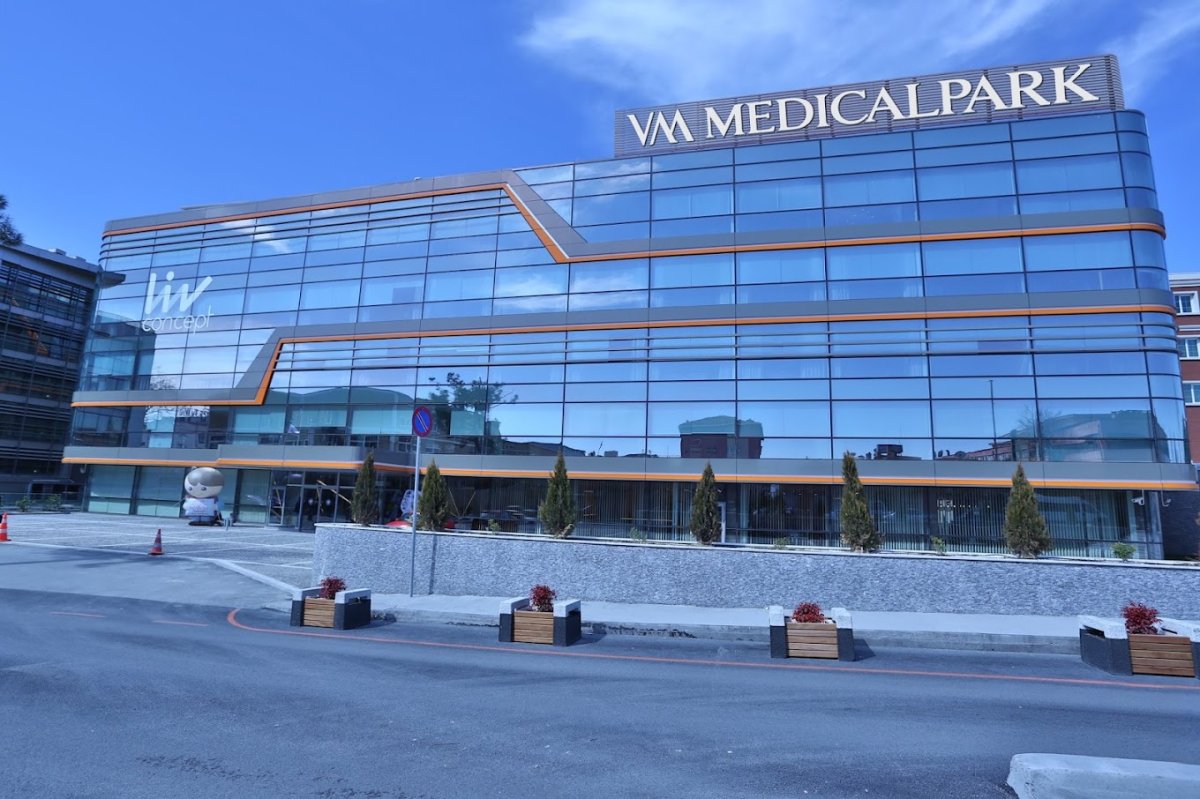











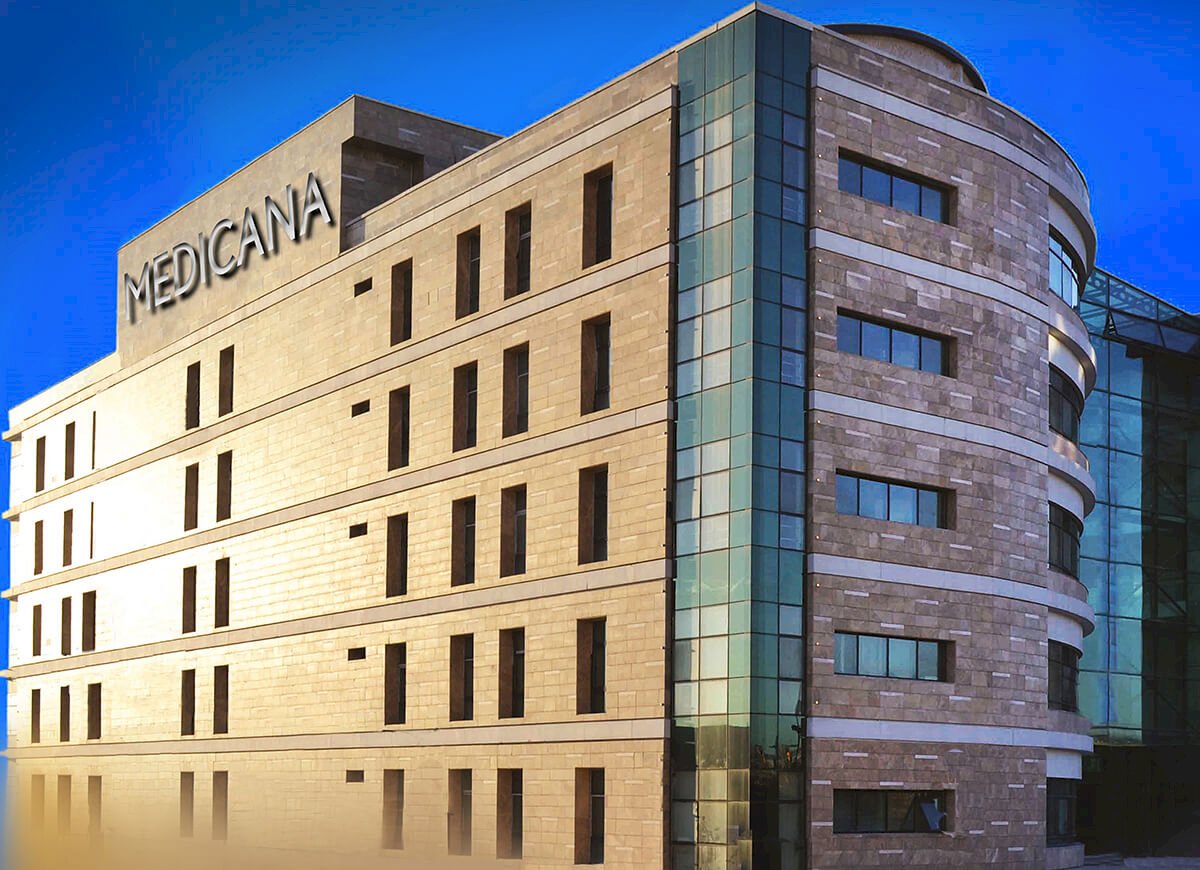
Medicana Sivas Hospital

Ophthalmology Clinics Bati Goz




نظرة عامة على إزالة جزء من الورم وعصب العين في تركيا
- قلع العين - من $1,800
تقوم هذه الجراحة بإزالة العين التالفة لتخفيف الألم أو استبدالها بأخرى صناعية لأسباب تجميلية.
- إزالة جزء من الورم وعصب العين - من $7,500
تستأصل العملية جزءًا من ورم وعصب في العين ، مما يساعد في الحفاظ على الرؤية وتقليل الورم.
- Enucleation مع الإدراج زرع - من $2,000
تقوم هذه العملية بإزالة عين غير صحية واستبدالها بأخرى صناعية لتحسين المظهر.
اليوم الأول - الوصول
- الوصول إلى المستشفى للقبول.
- قابل جراح العيون للاستشارة.
- اخضع لفحص العين قبل الجراحة.
- أخذ عينات الدم للاختبار.
اليوم 2 - ما قبل العملية
- قابل طبيب التخدير لمناقشة خيارات التخدير.
- تلقي تعليمات الصيام قبل الجراحة.
- ناقش ووقع نماذج الموافقة على الجراحة.
اليوم الثالث - الجراحة
- الوصول إلى جناح العمليات للجراحة.
- الحصول على تخدير موضعي أو عام.
- تستغرق الجراحة من 2 إلى 4 ساعات ، حسب حجم الورم.
- يتم استئصال جزء من الورم وأعصاب العين.
اليوم 4 - بعد العملية
- البقاء في المستشفى للمراقبة والتعافي.
- تناول مسكنات الألم إذا لزم الأمر.
- قابل جراح العيون لاستشارة ما بعد الجراحة.
الأسبوع الأول - إعادة التأهيل
- ابدأ نشاطًا خفيفًا في المنزل.
- اتبع التعليمات الخاصة بالعناية بالعيون والأدوية.
- حضور موعد متابعة ما بعد الجراحة.
الأسبوع الثاني - إعادة التأهيل
- استمر في النشاط الخفيف وتجنب المهام الشاقة.
- احضر مواعيد المتابعة المنتظمة.
الأسبوع الرابع - إعادة التأهيل
- استئناف الأنشطة العادية ، باستثناء الرياضة.
- احضر مواعيد المتابعة لتقييم التعافي.
الأسبوع السادس - إعادة التأهيل
- استأنف الرياضة والأنشطة الشاقة الأخرى.
- يجب أن تكون النتيجة النهائية مرئية في هذه المرحلة.
يرجى ملاحظة أن الجدول الزمني وخبرة كل مريض قد تختلف قليلاً.
- إيداع Bookimed: 200 دولار أو 200 يورو.
- وديعة العيادة: ادفع نسبة محددة مقدمًا.
احصل على تقييم طبي لـ إزالة جزء من الورم وعصب العين في تركيا: اختر أخصائيك من بين الأفضل في هذا المجال
عرض جميع الأطباء
Mustafa Solak
يتخصص الدكتور سولاك في سرطانات الرأس والرقبة، مع تدريب زمالة في معهد السرطان بجامعة حجة تبه.
- تدرب في مركز إم دي أندرسون للسرطان بجامعة تكساس
- خبير في إجراءات إزالة الأورام المعقدة
- يعمل في مستشفى هيسار إنتركونتيننتال

Mustafa Serkan Alemdar
يتخصص الدكتور ألمدار في طب الأورام مع تدريب مكثف في مستشفى جامعة أكدينيز.
- حاصل على شهادة البورد في طب الأورام منذ عام 2018
- أكثر من _doctor_9570_ سنوات من الخبرة في الطب الباطني والأورام
- عمل في العديد من المستشفيات المرموقة بما في ذلك مستشفى جامعة أكدينيز
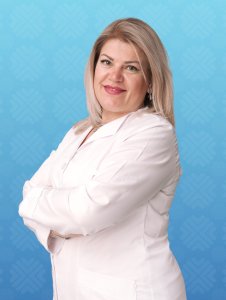
Gul Alco
الأستاذة الدكتورة غُل ألتشو أخصائية علاج الأورام بالإشعاع ولديها خبرة تقارب 27 عاماً. تعالج سرطانات الثدي والرئة والبروستاتا والجهاز الهضمي والأورام النسائية والجهاز العصبي المركزي والرأس والعنق والأنسجة الرخوة والعظام باستخدام العلاج الإشعاعي.
تشمل خبرتها العلاج الإشعاعي التكيفي والجراحة الإشعاعية. تستخدم تقنيات إشعاعية متقدمة لتقديم رعاية مخصصة قائمة على الأدلة ضمن بيئة متعددة التخصصات محورها المريض.
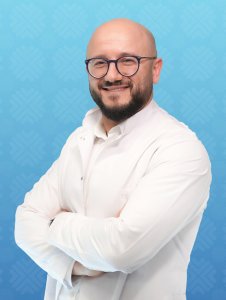
Abdullah Sakin
الأستاذ الدكتور عبد الله ساكن أستاذ طب الأورام. يعالج الأورام الصلبة، بما في ذلك سرطانات الرئة والثدي والجهاز الهضمي والجهاز البولي التناسلي والنسائية، وسرطانات الرأس والعنق، والميلانوما.
يقدم رعاية شخصية قائمة على الأدلة. تشمل علاجاته العلاج الكيميائي والعلاج الموجّه والعلاج المناعي والعلاج الهرموني وطب الأورام الدقيق. ألّف أكثر من 200 منشور علمي ويشارك في أبحاث سريرية دولية، ما يسهم في تطوير رعاية سرطان تتمحور حول المريض.
قصص فيديو من مرضى Bookimed
المراجعات
جميع المراجعاتمشاركة المحتوى
 Anna Leonova
أسئلة متكررة حول إزالة جزء من الورم وعصب العين في تركيا
ما هي الأسباب الرئيسية لإزالة جزء من ورم الحجاج والعصب البصري المصاب؟
يقوم الجراحون بإزالة جزء من ورم الحجاج والعصب البصري المصاب للقضاء على الأورام الخبيثة، ومنع غزو الدماغ، وإدارة الأعراض الشديدة. هذا الإجراء شائع للأورام الدبقية أو السحائية العدوانية عندما يكون العصب غير وظيفي ويهدد الورم التصالب البصري.
- السيطرة على المرض: تحقيق هوامش نظيفة للأورام الخبيثة مثل سرطان الخلايا الحرشفية أو القاعدية.
- الحماية داخل الجمجمة: منع السرطان من الانتشار على طول العصب إلى الدماغ أو التصالب.
- تخفيف الأعراض: تخفيف آلام الحجاج المنهكة، أو جحوظ العين الشديد، أو ضغط العين غير المنضبط.
- إدارة العدوى: وقف الالتهابات الفطرية التي تهدد الحياة مثل داء الفطريات من الوصول إلى الجهاز العصبي المركزي.
رؤية خبير Bookimed: غالبًا ما يشرك المراكز متعددة التخصصات التركية مثل مركز الأناضول الطبي أو مستشفى ميموريال شيشلي جراحي الأعصاب وأطباء العيون في هذه الحالات. تظهر البيانات أن هذه المرافق المعتمدة من قبل JCI تحافظ على معايير العلاج الأمريكية من خلال شراكات مع جونز هوبكنز مع تقديم تكاليف أقل بنسبة 69% من متوسط الولايات المتحدة. هذا النهج التعاوني حيوي لأن الاستئصال الجزئي غالبًا ما يعمل كإجراء منقذ للحياة عندما يفشل العلاج الإشعاعي أو الكيميائي بالفعل.
إجماع المرضى: هذه الخطوة الجذرية عادة ما تكون الملاذ الأخير عندما يكون البصر قد فُقد بالفعل، مع إعطاء الأولوية للسيطرة على الورم لإنقاذ الحياة على الحفاظ على البصر. غالبًا ما يسعى المرضى لهذه الجراحة لحل التشوهات الجسدية الشديدة والألم المزمن الذي لم يعد يستجيب لل
ما هي المخاطر المحددة والمضاعفات المحتملة لهذه الجراحة؟
تحمل جراحة أورام الحجاج والأعصاب مخاطر محددة بما في ذلك فقدان الرؤية الدائم، وشلل العصب الوجهي، وتكرار الورم. يجب على المرضى والجراحين الموازنة بين الحفاظ على الوظيفة وضرورة استئصال الورم. المضاعفات مثل تسرب السائل النخاعي أو جفاف العين المزمن ممكنة بسبب القرب من الدماغ والقنوات الدمعية.
- فقدان الرؤية: تحمل إزالة العصب الجزئية خطرًا بنسبة 50% للإصابة بضعف بصري دائم أو العمى.
- شلل الوجه: يؤدي تلف الأعصاب إلى خطر بنسبة 20-40% لعدم قدرة الجفن على الانغلاق.
- تكرار الورم: يؤدي الاستئصال غير الكامل إلى معدل نمو متجدد بنسبة 30-50% خلال عامين.
- المخاطر الجهازية: القرب من الدماغ يخلق خطرًا بنسبة 1-5% لتسرب السائل النخاعي.
رؤية خبير Bookimed: على الرغم من وجود خيارات اقتصادية، تشير البيانات من مراكز إسطنبول الرائدة مثل مركز الأناضول الطبي أو ميموريال شيشلي إلى سلامة أعلى. تحافظ هذه المرافق المعتمدة من JCI على معدلات عدوى أقل من العيادات الصغيرة. يجب على المرضى إعطاء الأولوية للعيادات التي تضم فرقًا متعددة التخصصات في طب الأعصاب والعيون لإدارة خطر حدوث مضاعفات داخل الجمجمة بنسبة 5% بفعالية.
إجماع المرضى: يؤكد العديد من الناجين على أهمية تتبع وظيفة الأعصاب يوميًا بعد الجراحة. غالبًا ما يوصون بالتخطيط لإقامة لمدة 14 يومًا في تركيا لإدارة الشفاء بعد الجراحة مباشرة والمخاطر الإنتانية المحتملة.
ما هي الأساليب الجراحية المستخدمة للوصول إلى أورام الحجاج والعصب البصري وإزالتها جزئياً؟
يستخدم الجراحون ثلاثة أساليب جراحية رئيسية للوصول إلى أورام الحجاج والعصب البصري: الخارجية، وعبر الجمجمة، والمنظار عبر الأنف. تعتمد الطريقة المحددة على موقع الورم بالنسبة للعصب، بهدف زيادة إزالة الورم مع الحفاظ على الهياكل البصرية.
- النهج الحجاجي الخارجي: تستهدف بضع الحجاج الجانبي أو الإنسي الأورام الأمامية من خلال شقوق في الجفن أو الملتحمة.
- نهج عبر الجمجمة: تصل حج القحف الجبهي أو الجبهي الحجاجي إلى الأورام الخلفية أو تلك التي تصل إلى الدماغ.
- نهج المنظار عبر الأنف: يصل الوصول الأنفي طفيف التوغل إلى الأورام الإنسية دون إحداث أي ندبات خارجية.
- نهج فوق الحجاج (ثقب المفتاح): يوفر شق صغير في الحاجب مساراً للأورام الموجودة فوق العصب.
رؤية خبير Bookimed: غالباً ما تفضل فرق طب الأعصاب والعيون التركية في مراكز مثل مركز الأناضول الطبي نهج فوق الحجاج للأورام العلوية. تقلل هذه التقنية بشكل كبير من تراجع الدماغ مقارنة بحج القحف التقليدي.
إجماع المرضى: غالباً ما يعطي المرضى الأولوية لخيار المنظار عبر الأنف لتجنب ندبات الوجه المرئية. يؤكد العديد من الناجين على أهمية وجود فريق طب الأعصاب والعيون للمراقبة والحفاظ على الرؤية أثناء عمليات استئصال العصب الجزئية.
كم تستغرق الجراحة عادةً عند إجرائها في مراكز الإحالة في تركيا؟
تستغرق جراحة إزالة أورام العين والأعصاب في تركيا عادةً من ساعتين إلى 4 ساعات. يمتد الوقت إلى 5 أو 6 ساعات إذا كان على الجراحين إجراء عمليات ترقيع أعصاب معقدة أو إعادة بناء الحجاج. يتم إجراء العمليات في مرافق معتمدة من قبل اللجنة الدولية المشتركة (JCI) بواسطة متخصصين تدربوا في مؤسسات مثل جونز هوبكنز.
- المدة القياسية: تنتهي معظم الحالات التي تتضمن تشريحًا دقيقًا للورم في غضون ساعتين إلى 3 ساعات.
- التدخلات المعقدة: تتطلب مشاركة العصب البصري أو العضلات إضافة ساعة إلى ساعتين للحفاظ عليها.
- احتياجات إعادة البناء: غالبًا ما تصل الحالات متعددة المراحل التي تتطلب إصلاح قاع الحجاج إلى علامة 4 ساعات.
- إجمالي الوقت في المنشأة: يجب على المرضى التخطيط لمدة 5 إلى 6 ساعات بما في ذلك التخدير والتعافي.
رؤية خبير Bookimed: غالبًا ما تجري المراكز ذات الحجم الكبير مثل مركز الأناضول الطبي ومستشفى ميموريال شيشلي هذه الجراحات المعقدة بشكل أسرع من المستشفيات الغربية بسبب الخبرة المتخصصة المركزة. على الرغم من أن تقدير 3 ساعات أمر شائع، إلا أن جراحي الحجاج الأكثر خبرة يعطون الأولوية للحفاظ على الأنسجة على السرعة. نرى أن العيادات ذات الانتماءات الدولية، مثل ارتباط الأناضول بجونز هوبكنز، تحافظ على بروتوكولات السلامة التي تأخذ في الاعتبار 60 دقيقة إضافية للإغلاق الجراحي الدقيق.
إجماع المرضى: غالبًا ما يلاحظ المرضى أنه على الرغم من تحديد النافذة الجراحية بوضوح، فإن الوقت الفعلي الذي يقضونه في غرفة العمليات يبدو أطول بسبب التحضير قبل التخدير. يقدر
ما هو الجدول الزمني المتوقع للتعافي الأولي والشفاء العام؟
يتطلب التعافي الأولي بعد إزالة ورم في العين أو عصب في تركيا إقامة في المستشفى لمدة 2-5 أيام. عادة ما يعود المرضى إلى منازلهم في غضون 1-2 أسبوع، على الرغم من أن التورم والكدمات تصل إلى ذروتها في اليوم الثالث. يستغرق التئام الأنسجة بالكامل عمومًا من 3-6 أشهر، بينما قد يستمر تجدد الأعصاب لمدة عام واحد.
- الإقامة في المستشفى: توقع البقاء لمدة 2-5 أيام في مرافق معتمدة من JCI مثل Memorial Şişli للمراقبة المهنية.
- العناية بالجروح: عادة ما يتم إزالة الغرز بين اليوم العاشر والرابع عشر بعد الإجراء.
- النشاط الأولي: خطط لأخذ إجازة من العمل لمدة أسبوعين وتجنب الحركات الشاقة لمدة شهر واحد.
- الشفاء طويل الأمد: تستقر الندبات المدارية الداخلية في غضون 3-6 أشهر، على الرغم من أن نتائج الأعصاب تستغرق وقتًا أطول.
رؤية خبير Bookimed: بينما ينتهي الشفاء السريري بحلول الشهر السادس، يتبع تعافي الأعصاب ساعة بيولوجية أبطأ بكثير. تظهر البيانات من مراكز إسطنبول الرائدة أن التحسينات الوظيفية تظهر غالبًا بين الشهر التاسع والثاني عشر. يستفيد المرضى في عيادات مثل مركز الأناضول الطبي من بروتوكولات إعادة التأهيل العصبي المبكرة لتعظيم هذه النتائج طويلة الأمد.
إجماع المرضى: توقع أن تظل عينك مغلقة لمدة تقارب 10 أيام بسبب التورم الشديد. كن مستعدًا لتغيرات محتملة في الرؤية مثل الرؤية المزدوجة بينما تلتئم الأنسجة الداخلية ويستقر العصب.