عيادات العلاج الإشعاعي لسرطان الكلى في تركيا


تمت مراجعة المقالة طبيا من قبل
فهد مولود
كيف نعمل؟
ما هي تكلفة العلاج الإشعاعي لسرطان الكلى في تركيا؟ اكتشف الآن
اكتشف أفضل العلاج الإشعاعي لسرطان الكلى العيادات في تركيا: 18 خيارات معتمدة والأسعار



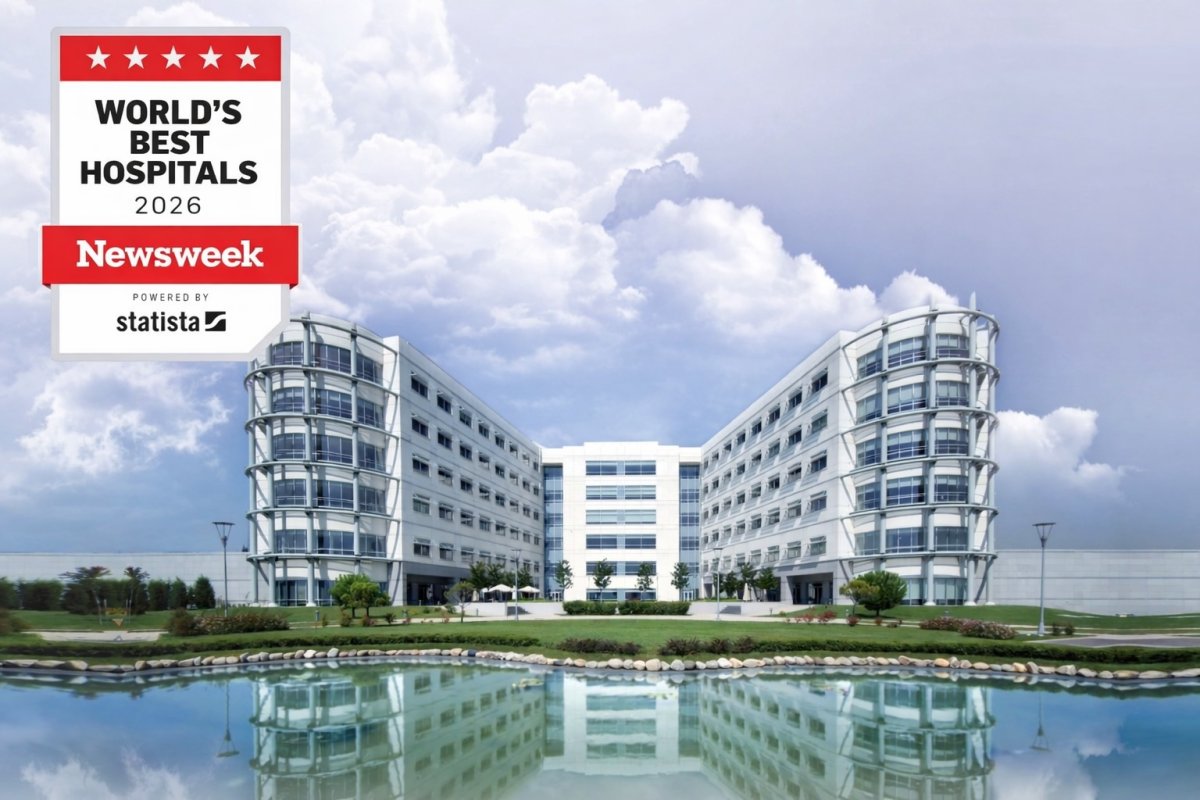






Memorial Ankara Hospital





Estophia Hospital
نظرة عامة على العلاج الإشعاعي لسرطان الكلى في تركيا
- العلاج بالإشعاع - من $3,500
يستخدم هذا العلاج موجات عالية الطاقة لتدمير الخلايا السرطانية ، مما يوفر علاجًا غير جراحي مع القليل من الآثار الجانبية.
- TrueBeam - من $7,500
هذا العلاج هو تقنية إشعاعية عالية القوة لعلاج السرطان بدقة عالية وسرعة.
- جراحة التجسيمي - من $6,400
يستهدف هذا العلاج الأورام بإشعاع دقيق ، مما يقلل من تلف الأنسجة المحيطة وتجنب الجراحة الغازية.
- المعالجة المقطعية - من $6,700
هذا العلاج هو علاج إشعاعي متطور ، يستهدف الأورام بدقة مع تقليل الضرر الذي يلحق بالأنسجة السليمة المجاورة.
- الجراحة الإشعاعية لورم في المخ - من $5,000
يستهدف هذا العلاج بشكل انتقائي أورام المخ ، باستخدام إشعاع دقيق للقضاء على الخلايا مع تجنيب الأنسجة المحيطة.
- العلاج الإشعاعي لسرطان القولون والمستقيم - من $5,000
يستخدم هذا الإجراء أشعة عالية الطاقة لتدمير خلايا سرطان القولون والمستقيم ، وهي طريقة علاج فعالة وموجهة.
- العلاج الإشعاعي لأورام الدماغ - من $4,000
يهدف هذا العلاج إلى تدمير أورام المخ باستخدام أشعة عالية الطاقة وتقليل الأعراض وتحسين معدلات البقاء على قيد الحياة.
- العلاج الإشعاعي لسرطان الحنجرة - من $5,000
يهدف هذا العلاج إلى تدمير خلايا سرطان الحلق باستخدام الإشعاع عالي الطاقة ، وتحسين البقاء على قيد الحياة والتحكم في الأعراض.
اليوم الأول - الوصول
- الوصول إلى المستشفى للتشاور.
- قابل طبيب الأورام لمناقشة الإجراء.
- قد يستشيرك طبيب المسالك البولية أيضًا بشأن وظائف الكلى.
اليوم 2 - ما قبل العملية
- اخضع لفحص جسدي كامل.
- قم بإجراء اختبارات الدم لتقييم الصحة العامة.
- اخضع لاختبارات التصوير لتحديد موقع السرطان بدقة.
اليوم 3 - ما قبل العملية
- ناقش خطة العلاج الإشعاعي مع طبيب الأورام الخاص بك.
- راجع المخاطر المحتملة والآثار الجانبية للعلاج.
اليوم الرابع - العلاج الإشعاعي
- الوصول إلى المستشفى للعلاج الإشعاعي.
- لا حاجة للتخدير في هذا الإجراء.
- تستغرق جلسة العلاج عادة حوالي 15-30 دقيقة.
اليوم الخامس - ما بعد العملية
- البقاء في المستشفى للمراقبة ، إذا لزم الأمر.
- قابل طبيب الأورام لمناقشة نتائج العلاج.
الأسبوع الأول إلى الثاني - إعادة التأهيل
- استرح في المنزل ، مع الحد من الأنشطة البدنية.
- تابع مع طبيب الأورام بانتظام.
الأسبوع الثالث إلى الرابع - إعادة التأهيل
- استئناف الأنشطة الخفيفة كما هو مسموح به.
- استمر في زيارات المتابعة المنتظمة مع طبيب الأورام.
الأسبوع الخامس - إعادة التأهيل
- استئناف العمل والأنشطة اليومية العادية ، إذا كان ذلك مريحًا.
- عادة ما تظهر النتائج النهائية للعلاج بحلول هذا الوقت.
يرجى ملاحظة أن حالة كل مريض فردية ، وقد يختلف الجدول الزمني أعلاه بناءً على حالة المريض والاستجابة للعلاج.
- إيداع Bookimed: 200 دولار أو 200 يورو.
- وديعة العيادة: ادفع نسبة محددة مقدمًا.
احصل على تقييم طبي لـ العلاج الإشعاعي لسرطان الكلى في تركيا. استشر الآن 13 أطباء ذوي الخبرة.
عرض جميع الأطباء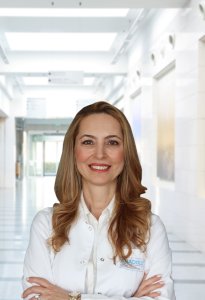
Banu Atalar
يتخصص البروفيسور أتار في الجراحة الإشعاعية التجسيمية لسرطان الكلى، مع تدريب متقدم في جامعة ستانفورد.
- أستاذ علاج الأورام بالإشعاع في جامعة أجيبادم MAA
- زميل فخري في الكلية الأمريكية للأشعة (H.FACR)
- حاصل على جائزة الإرشاد الدولية من IASLC
- 72 منشوراً دولياً خاضعاً لمراجعة الأقران
- خبير في تقنيات الجراحة الإشعاعية التجسيمية التكيفية الموجهة بالرنين المغناطيسي

Sefik Igdem
يتخصص البروفيسور الدكتور شفيق إغدم في علاج الأورام بالإشعاع باستخدام تقنيات متقدمة مثل Truebeam Stx وHalcyons في مستشفى غايريتبي فلورنس نايتنجيل.
- _doctor_8338_عاماً_ من الخبرة في علاج الأورام بالإشعاع
- خبير في العلاجات المطابقة للاستهداف الدقيق
- أستاذ مشارك في جامعة ديمير أوغلو بيليم
- تركيز خاص على سرطانات البروستاتا والرأس/الرقبة

Mustafa Solak
يتخصص الدكتور سولاك في العلاج الإشعاعي لسرطان الكلى في مستشفى هيسار إنتركونتيننتال، مع تدريب في معهد السرطان بجامعة حجي تبه.
- أكمل زمالة في معهد السرطان بجامعة حجي تبه
- عمل في مركز إم دي أندرسون للسرطان بجامعة تكساس
- لديه خبرة في علاج أنواع مختلفة من السرطان بما في ذلك سرطان الكلى
- تخرج من كلية الطب بجامعة حجي تبه
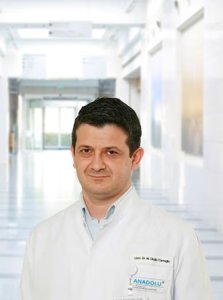
Mehmet Dogu Canoglu
يتخصص الدكتور محمد دوغو جان أوغلو في علاجات الإشعاع المتقدمة لسرطان الكلى في مركز الأناضول الطبي.
- تدرب في طب الأورام الإشعاعي في جامعة كوجالي
- خبير في أنظمة MR Linac وCyberKnife وVarian TrueBeam
- يتمتع بخبرة في المستشفيات التركية الكبرى منذ عام 2012
- يعمل حالياً في مركز الأناضول الطبي الرائد والحاصل على اعتماد اللجنة الدولية المشتركة (JCI)
قصص فيديو من مرضى Bookimed
المراجعات
جميع المراجعاتمشاركة المحتوى
 Anna Leonova
أسئلة متكررة حول العلاج الإشعاعي لسرطان الكلى في تركيا
هل العلاج الإشعاعي علاج فعال لسرطان الكلى؟
يعد العلاج الإشعاعي فعالاً للغاية لحالات معينة من سرطان الكلى ولكنه ليس علاجاً أولياً. يحقق العلاج الإشعاعي التجسيمي للجسم (SBRT) الحديث تحكماً محلياً بنسبة تزيد عن 90% للأورام غير القابلة للجراحة ومواقع النقائل. في تركيا، تستخدم مراكز الأورام مثل Memorial وAnadolu Medical Center تقنيات متقدمة مثل CyberKnife تحت اعتماد JCI.
- SBRT الاستئصالي: يستهدف الأورام الصغيرة بدقة عالية الجرعة في 1-5 جلسات.
- التخفيف التلطيفي: فعال جداً للألم الناتج عن نقائل العظام أو الدماغ.
- بديل للجراحة: للمرضى الذين لديهم كلية واحدة أو حالة صحية لا تسمح بالجراحة.
- التكنولوجيا الحديثة: تستخدم العيادات CyberKnife وTrueBeam والأنظمة الموجهة بالرنين المغناطيسي.
- المعايير العالمية: يتم تقديم العلاج في مستشفيات معتمدة من JCI في إسطنبول.
رؤية خبير Bookimed: تشترك مستشفيات الأورام الرائدة في تركيا في سمة رئيسية: شراكات مباشرة مع مؤسسات أمريكية رائدة. يرتبط مركز Anadolu الطبي بـ Johns Hopkins، وتدرب أطباء مثل البروفيسورة بانو أتار في ستانفورد. يضمن هذا الرابط أن بروتوكولات العلاج تتوافق مع أفضل الممارسات العالمية لحالات الإشعاع المعقدة.
إجماع المرضى: يصف المرضى الإشعاع بأنه أداة حاسمة لإدارة الألم النقيلي، حيث يحقق البعض انكماشاً كبيراً في الورم من أجل حركة ممتدة، لكن الكثيرين يشيرون إلى أنه عادة ما يتم النظر فيه بعد خيارات أخرى مثل الجراحة أو العلاج المناعي.
ما الذي يجب أن يتوقعه المرضى الدوليون فيما يتعلق بالخدمات اللوجستية في تركيا؟
يمكن للمرضى الدوليين توقع خدمات لوجستية منسقة لكبار الشخصيات (VIP) في مراكز الأورام المعتمدة من JCI في تركيا، بما في ذلك انتقالات خاصة من المطار، ومنسقين يتحدثون الإنجليزية، وإقامة بالقرب من مستشفيات مثل ميموريال شيشلي ومركز الأناضول الطبي. تتعامل معظم العيادات مع الجدولة في غضون أيام باستخدام أنظمة مثل TrueBeam STx، وتوفر خطط متابعة باللغة الإنجليزية.
- نقل كبار الشخصيات: الانتقالات الخاصة من مطارات مثل IST إلى المستشفيات هي المعيار.
- دعم المنسقين: يدير منسقو المرضى المتخصصون الذين يتحدثون الإنجليزية جميع عمليات الجدولة.
- الجدولة السريعة: غالبًا ما يبدأ تخطيط العلاج الإشعاعي والاستشارات بعد 1-3 أيام من الوصول.
- حجز الإقامة: تؤمن العيادات إقامات فندقية على بعد 10-15 دقيقة من المنشأة.
- التحضير الأساسي: أحضر السجلات الطبية المترجمة وتقدم بطلب للحصول على تأشيرة إلكترونية باستخدام خطابات المستشفى.
رؤية خبير Bookimed: تعتمد العيادات التي تتعامل مع 500,000 مريض دولي سنويًا على أنظمة مبسطة. على سبيل المثال، يقوم مركز الأناضول الطبي بتعيين منسقين مثل زايدة للغة والنقل. يفسر هذا الحجم سبب بدء جلسات العلاج الإشعاعي لسرطان الكلى غالبًا بعد أيام قليلة فقط من الوصول.
إجماع المرضى: يؤكد المرضى على أهمية تأكيد عدد الجلسات لعلاج SBRT مسبقًا واستخدام WhatsApp للتواصل على مدار الساعة طوال أيام الأسبوع مع المنسقين. يوصون بالمستشفيات المعتمدة من JCI للحصول على دعم موثوق باللغة الإنجليزية للتنقل في حركة المرور الم
كم تستغرق فترة العلاج؟
يستغرق العلاج الإشعاعي لسرطان الكلى في تركيا عادةً من 1 إلى 6 أسابيع، اعتمادًا على التقنية المستخدمة. العلاج الإشعاعي التجسيمي للجسم (SBRT) هو علاج قصير المدى بجرعات عالية يتطلب 3-5 جلسات على مدار أسبوع إلى أسبوعين. يتطلب العلاج الإشعاعي التقليدي المجزأ جلسات يومية لأكثر من 6 أسابيع.
- مدة SBRT: 3-5 جلسات تكتمل في أسبوع إلى أسبوعين.
- العلاج الإشعاعي التقليدي: جلسات يومية لأكثر من 6 أسابيع.
- التكنولوجيا المستخدمة: TrueBeam وCyberKnife وMR-Linac.
- الجدول الزمني الإجمالي: بما في ذلك التحضير، يستغرق الأمر 4-6 أسابيع.
- الجدول الزمني للمتابعة: أول متابعة بالتصوير بعد شهر إلى شهرين من العلاج.
رؤية خبير Bookimed: تقدم أفضل العيادات في تركيا أسرع بروتوكولات SBRT. يستخدم مركز الأناضول الطبي تقنية SRS التكيفية الموجهة بـ MR-Linac، والتي يمكن أن تكثف العلاج. الدكتورة بانو أتalar هناك هي خبيرة دولية في SRS ورئيسة لجنة. كما يقدم مستشفى ميموريال شيشلي تقنية Elekta Versa HD المتقدمة.
إجماع المرضى: يؤكد المرضى أن SBRT لأورام الكلى سريع، ويستغرق أسبوعًا إلى أسبوعين في المجموع. وينصحون بالتخطيط للإرهاق المستمر الذي قد يستمر من شهر إلى 3 أشهر بعد الجلسة الأخيرة.
ما هي أفضل المستشفيات التي توفر العلاج الإشعاعي لسرطان الكلى في تركيا؟
تشمل أفضل المستشفيات التركية للعلاج الإشعاعي لسرطان الكلى مركز الأناضول الطبي ومستشفى ميموريال شيشلي في إسطنبول، حيث توفر تقنيات CyberKnife وTrueBeam STx والعلاج بالبروتون داخل مرافق معتمدة من اللجنة الدولية المشتركة (JCI) ويعمل بها متخصصون مدربون في الولايات المتحدة مثل البروفيسورة بانو أتalar.
- مراكز الأورام الرائدة: تقدم مستشفيات الأناضول وميموريال وحصار أنظمة CyberKnife وVarian.
- التقنيات الرئيسية: تشمل الخيارات العلاج الإشعاعي التجسيمي للجسم (SBRT)، والجراحة الإشعاعية التجسيمية (SRS) الموجهة بالرنين المغناطيسي، والعلاج الإشعاعي المعدل الشدة (IMRT).
- الاعتمادات: المراكز الرئيسية معتمدة من JCI وتتبع معايير ESMO وISO.
- حجم المرضى: تعالج المراكز أكثر من 500,000 مريض سنوياً مع خدمات دولية مخصصة.
رؤية خبير Bookimed: تكشف البيانات عن تركز تقنيات SRS المتقدمة والعلاج بالبروتون في أكبر شبكات JCI في إسطنبول. بالنسبة لسرطان الكلى، ترتبط العيادات ذات أعلى أحجام للمرضى، مثل ميموريال والأناضول، بأطباء متخصصين لديهم تدريب دولي رفيع المستوى، مثل زمالات ستانفورد أو إم دي أندرسون.
إجماع المرضى: يذكر المرضى أنهم يختارون تركيا لسرعة إنجاز العلاج مقارنة بالاتحاد الأوروبي، مشيرين إلى أهمية التحقق من اعتماد JCI مسبقاً وتأكيد شمول الفندق عند التفاوض على باقات العلاج.
ما هي التقنيات المتقدمة المتاحة لعلاج سرطان الكلى بالإشعاع في العيادات التركية؟
تقدم عيادات الأورام التركية تقنيات إشعاعية متطورة مثل SBRT، والمعجلات الخطية الموجهة بالرنين المغناطيسي (MR-Linac)، وأنظمة CyberKnife الروبوتية، ومنصات Varian مثل TrueBeam STx وHalcyon. تتيح هذه التقنيات، المتوفرة في أفضل المراكز المعتمدة من JCI، تتبع الأورام في الوقت الفعلي وتوفير جرعات دقيقة للغاية للحفاظ على وظائف الكلى.
- التقنيات الرئيسية: SBRT، IMRT، العلاج الإشعاعي رباعي الأبعاد، والجراحة الإشعاعية التجسيمية.
- الأنظمة المتقدمة: CyberKnife، Varian TrueBeam، MR Linac، ومنصات Halcyon.
- قاعدة الخبرة: متخصصون مثل البروفيسور مردان فايدا بخبرة 19 عاماً في العلاج الإشعاعي الدقيق.
- العيادات الرائدة: Medipol Bahçelievler تقدم TrueBeam STx، ومركز Anadolu الطبي يوفر CyberKnife.
- دقة البرمجيات: Monaco وEclipse لتخطيط العلاج المتقدم.
رؤية خبير Bookimed: يكشف مزيج التكنولوجيا عن تركيز العيادة. Medipol Bahçelievler جديدة تماماً وتدفع بأنظمة TrueBeam STx وHalcyon للسرعة والدقة. تركز Anadolu وMedipol Mega على CyberKnife وGamma Knife للجراحة الإشعاعية. تخصص طبيبك هو المفتاح—خبراء مثل الدكتورة بيرين بهليفان يجلبون أبحاث العلاج بالبروتون، وهو أمر نادر في تركيا.
إجماع المرضى: ينصح المرضى باستمرار بالتحقق من طراز المعجل الخطي وبرنامج التخطيط المحدد، لأن هذا يهم أكثر من الموقع. يلاحظ الكثيرون فعالية SBRT للمرض في مراحله المبكرة، ويفضلون جلساته التي تتراوح بين 3-5 جلسات على العلاج التقليدي الأطول.
ما هي الآثار الجانبية النموذجية لإشعاع الكلى؟
تشمل الآثار الجانبية النموذجية لإشعاع الكلى التعب قصير المدى، والتغيرات البولية، وتفاعلات الجلد الموضعية التي تختفي عادةً في غضون أسابيع. في تركيا، تساعد العلاجات التي تستخدم تقنية SBRT عالية الدقة، أو CyberKnife، أو MR Linac في المرافق المعتمدة من JCI على تقليل المخاطر، مع خضوع المرضى لمراقبة منتظمة لمستوى الكرياتينين لوظائف الكلى.
- الآثار الأكثر شيوعاً: التعب، والحاجة الملحة للتبول، وتغيرات الجلد الموضعية التي تشبه حروق الشمس.
- تقنيات السلامة: تضمن تقنيات SBRT وCyberKnife وMR Linac استهدافاً عالي الدقة.
- بروتوكول المراقبة: تحاليل الدم كل أسبوعين لتتبع الكرياتينين وصحة الكلى.
- معايير العيادات: المراكز الرائدة مثل Anadolu وMemorial حاصلة على اعتماد JCI.
رؤية خبير Bookimed: تعطي العيادات الرائدة في تركيا الأولوية للإدارة الاستباقية للأعراض. يوفر مركز Anadolu الطبي، على سبيل المثال، أطباء يتحدثون الإنجليزية لضمان تواصل واضح، ويستخدم Medipol Bahçelievler أنظمة TrueBeam وHalcyon المتقدمة لاستهداف الأورام بدقة. يساعد هذا التركيز على توجيه المرضى والتكنولوجيا الدقيقة في إدارة الآثار الشائعة مثل التعب والتغيرات البولية.
إجماع المرضى: يبلغ العديد من المرضى عن بدء التعب حوالي الأسبوع الثاني، ويجدون أن المشي لمسافات قصيرة والحفاظ على رطوبة الجسم يساعد أكثر مما كان متوقعاً. كما يؤكدون على البدء المبكر في روتين مضاد للغثيان وارتداء ملابس فضفاضة للتعامل مع تفاعلات الجلد.