عيادات الضوئي في تركيا


تمت مراجعة المقالة طبيا من قبل
فهد مولود
كيف نعمل؟
ما هي تكلفة الضوئي في تركيا؟ اكتشف الآن
من $400. يعتمد السعر النهائي على الحالة المحددة للعين، والاعتماد الدولي للمستشفى، وموقع المركز الطبي. تشمل معظم العيادات تكلفة إجراء الليزر والاستشارة الأولية ضمن السعر.
- مستوى المستشفى: تميل الأسعار في المراكز المعتمدة من JCI في إسطنبول إلى الارتفاع قليلاً مقارنة بالعيادات الإقليمية.
- خبرة المتخصص: قد يؤثر اختيار أساتذة أجروا أكثر من 20,000 عملية على إجمالي تكلفة العلاج.
- المستوى التقني: يمكن أن يؤثر استخدام أنظمة ليزر متطورة لعلاج الشبكية أو المياه الزرقاء على التسعير.
- المراكز الطبية: يفضل معظم المرضى الدوليين إسطنبول أو أنطاليا أو أنقرة لتوفر أعداد كبيرة من العمليات وأسعار تنافسية.
رأي خبراء Bookimed: يوفر اختيار شبكات متخصصة مثل مستشفى دنياغوز للعيون، التي تخدم 62,000 مريض سنوياً، ميزة ممتازة في معادلة السعر والجودة. تقدم هذه المراكز المتخصصة في طب العيون تكاليف أقل من المستشفيات العامة نظراً لكثافة إجراء العمليات. يجمع كبار المتخصصين مثل الدكتور حمدي إير في فرع دنياغوز ألتونيزاد بين الزمالات الدولية وأكثر من 12,000 جراحة ناجحة، مما يضمن أفضل النتائج وفقاً لأسعار السوق التركية.
اكتشف أفضل الضوئي العيادات في تركيا: 14 خيارات معتمدة والأسعار
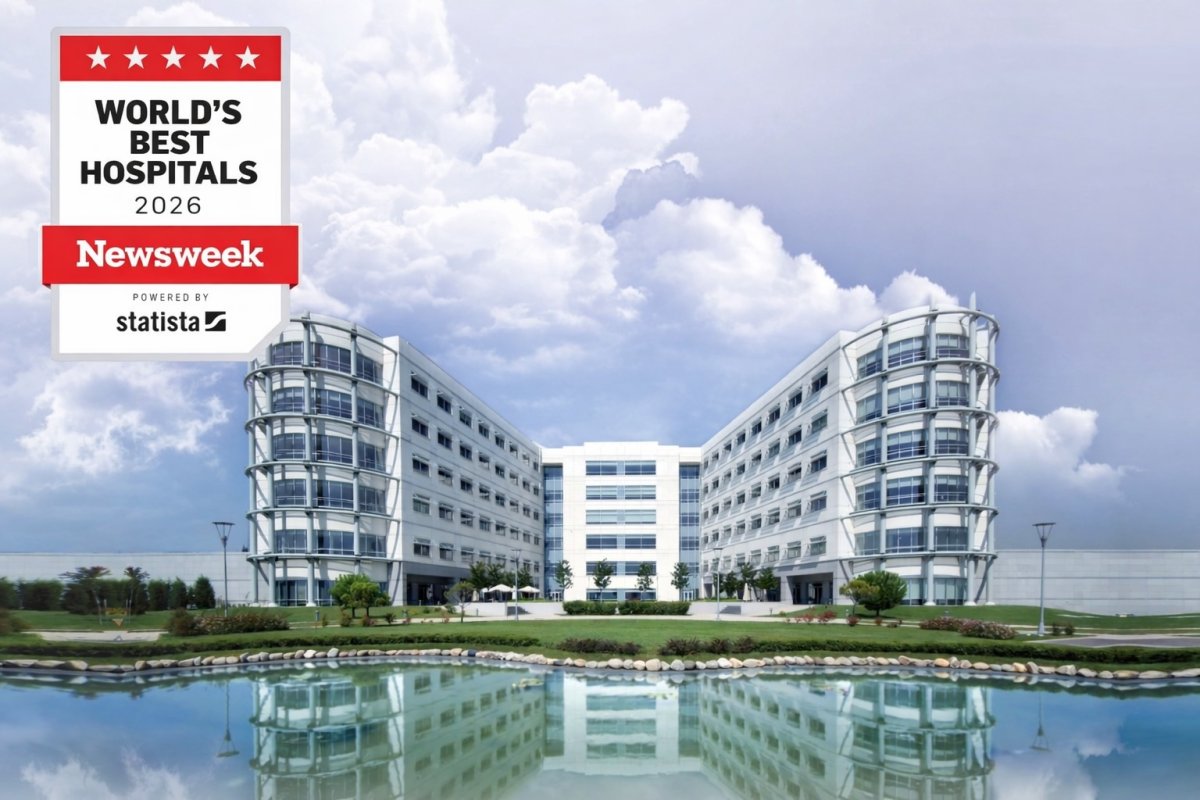










Dunyagoz Eye Hospital Istanbul Altunizade
Hamdi Er





Ophthalmology Clinics Bati Goz


نظرة عامة على الضوئي في تركيا
- استئصال سرطان القولون - من $7,500
تقضي هذه العملية على أورام القولون الخبيثة ، وتحسن نوعية الحياة وتمنع النقائل.
- مجموع استئصال mesorectumect الروبوتية - من $9,500
العملية عبارة عن إزالة المستقيم بمساعدة الروبوت ، مما يعزز الدقة ويقلل الصدمات ويسرع من تعافي المريض.
- الضوئي - من $400
يستخدم هذا العلاج الحرارة من الضوء لتقليص أو سد الأوعية الدموية ، وغالبًا ما يعالج حالات مثل انفصال الشبكية.
- استئصال القولون - من $5,000
يقوم هذا الإجراء بإزالة جزء من القولون أو كله لعلاج الأمراض وتعزيز الهضم والصحة العامة.
- استئصال المستقيم - من $7,000
يزيل الإجراء جزءًا من المستقيم لعلاج حالات مثل السرطان ، مما يضمن معدل بقاء أعلى.
- mesorectumrctonomy بالمنظار - من $37,900
تتضمن العملية جراحة طفيفة التوغل لإزالة المستقيم ، عادةً لسرطان المستقيم ؛ يوفر تعافيًا سريعًا وألمًا أقل.
- استئصال الدم من القولون الدموي - من $16,400
هذه العملية تزيل نصف القولون لعلاج أمراض القولون والمستقيم ، وتساعد المريض على التعافي وتقليل المخاطر المستقبلية.
اليوم الأول - الوصول
- الوصول إلى البلاد والتسجيل في المستشفى المعين.
- أكمل أي أوراق لازمة للسجلات الطبية والتأمين.
اليوم 2 - ما قبل العملية
- قابل طبيب العيون لإجراء فحص شامل للعين.
- اخضع لاختبارات مثل مسح OCT وتصوير الأوعية الدموية بالقاع.
- ناقش الإجراء والمخاطر والفوائد مع الطبيب.
اليوم الثالث - إجراء التخثير الضوئي
- الوصول إلى العيادة صائماً حسب تعليمات الطبيب.
- سيتم استخدام التخدير الموضعي لتخدير منطقة العين.
- يبدأ الإجراء ، الذي يستمر لمدة 30 دقيقة تقريبًا.
- يستخدم الليزر لإغلاق أو تدمير الأوعية الدموية المتسربة في العين.
اليوم 4 - بعد العملية
- البقاء في العيادة للمراقبة والراحة.
- تلقي تعليمات الرعاية بعد الجراحة والأدوية.
الأسبوع الأول - إعادة التأهيل
- زيارات متابعة منتظمة مع طبيب العيون لفحص العيون.
- تجنب الأنشطة الشاقة والتعرض المباشر لأشعة الشمس.
الأسبوع 2
- الاستئناف التدريجي للأنشطة اليومية غير الشاقة.
- استمرار استخدام قطرات العين أو الأدوية الموصوفة.
الأسبوع الرابع
- الفحص النهائي بعد الجراحة مع طبيب العيون.
- الشفاء التام واستئناف الأنشطة العادية.
يرجى ملاحظة ما يلي: هذا جدول زمني عام. قد تختلف الحالات الفردية بناءً على تفاصيل الحالة والصحة العامة للمريض.
- إيداع Bookimed: 200 دولار أو 200 يورو.
- وديعة العيادة: ادفع نسبة محددة مقدمًا.
احصل على تقييم طبي لـ الضوئي في تركيا. استشر الآن 24 أطباء ذوي الخبرة.
عرض جميع الأطباءHamdi Er
البروفيسور الدكتور حمدي إير هو أخصائي متميز في أمراض العيون، حاصل على زمالات من مؤسسات مرموقة مثل مستشفى مورفيلدز للعيون ومعهد دوهيني للعيون.
- متخصص في علاجات الشبكية بما في ذلك التخثير الضوئي
- عضو في ASRS و EVRS - الجمعيات الرائدة لأمراض الشبكية
- خلفية بحثية واسعة في طب العيون
- يجري إجراءات متقدمة للشبكية في مستشفى دنيجوز للعيون

Ahmet Satici
أجرى البروفيسور الدكتور أحمد ساتيجي أكثر من 20,000 عملية جراحية للعين، متخصصاً في التخثير الضوئي في عيادته الخاصة.
- _doctor_6097_عاماً_ من الخبرة السريرية في طب العيون
- أستاذ مشارك منذ عام 2002 وأستاذ كامل في جامعة حران
- عضو الجمعية التركية لطب العيون
- خريج كلية الطب بجامعة أولوداغ

Muhammet Derda Ozer
يتخصص الأستاذ المشارك أوزر في التخثير الضوئي مع تدريب متقدم في قسم أورام العيون بمعهد ويلز للعيون.
- أكمل زمالة جراحية مرموقة من ICO-STAAR في جراحة الشبكية والجسم الزجاجي
- نشر أبحاثاً حول نتائج التخثير الضوئي في مؤتمرات وطنية
- حاصل على شهادة البورد من المجلس الدولي لطب العيون بعد اجتياز اختبارات متقدمة
- عضو نشط في الجمعية التركية لطب العيون

Yasar Dag
يتخصص الدكتور داغ في التخثير الضوئي مع تدريب مكثف في استئصال الزجاجية وأمراض القرنية في المستشفيات التركية الرائدة.
- 17 سنة من الخبرة في طب العيون
- تدرب على استئصال الزجاجية في مستشفى أولوجانلار للتدريب والبحوث في طب العيون
- نشر العديد من الدراسات حول التشخيص الضوئي والعلاج الديناميكي الضوئي
- عضو في الجمعية التركية لطب العيون
قصص فيديو من مرضى Bookimed
المراجعات
جميع المراجعات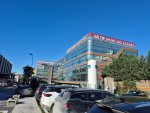


مشاركة المحتوى
 Anna Leonova
أسئلة متكررة حول الضوئي في تركيا
هل التخثير الضوئي بالليزر آمن في تركيا؟
يعد التخثير الضوئي بالليزر آمناً في تركيا بفضل المعايير الصارمة للجنة الدولية المشتركة (JCI) وأطباء العيون ذوي الخبرة العالية. تستخدم المرافق الرائدة مثل مستشفى ميموريال شيشلي ومركز الأناضول الطبي أنظمة معتمدة من إدارة الغذاء والدواء الأمريكية (FDA)، مما يحافظ على معدلات نجاح تضاهي أو تتجاوز المعايير الطبية الغربية.
- شهادات العيادات: تحمل المستشفيات من الدرجة الأولى اعتمادات اللجنة الدولية المشتركة (JCI) و ISO 9001.
- خبرة الجراحين: غالباً ما يقوم الأطباء المتخصصون بإجراء أكثر من 10,000 إلى 25,000 عملية ناجحة في الشبكية والجسم الزجاجي طوال حياتهم المهنية.
- التكنولوجيا المستخدمة: تستخدم المراكز أنظمة ليزر باسكال المتقدمة والتصوير التشخيصي الحديث لضمان دقة عالية.
- سلامة المرضى: تضمن الفحوصات الدقيقة قبل الجراحة الملاءمة السريرية وتقلل من المضاعفات المحتملة أو الحساسية بعد الليزر.
رؤية خبير Bookimed: تظهر البيانات تركيزاً عالياً للجراحين ذوي الخبرة الفائقة، وتحديداً في إسطنبول. على سبيل المثال، تعامل الدكتور محمد ديردا أوزير في عيادته الخاصة والدكتور محمد شاهين في مستشفى كورو أنقرة مع أكثر من 25,000 حالة لكل منهما. غالباً ما يؤدي هذا الحجم الجراحي الهائل إلى أوقات إجراء أسرع ونتائج أكثر قابلية للتنبؤ مقارنة بالعيادات ذات الحجم الأقل.
إجماع المرضى: على الرغم من أن البنية التحتية الطبية قابلة للمقارنة مع الولايات المتحدة، يؤكد المرضى على أهمية التحقق من التدريب التخصصي. يعتمد النجاح العملي على التواصل الواضح بين العيادة ال
ما هي الحالات التي يتم علاجها بالتخثير الضوئي في تركيا؟
يعالج التخثير الضوئي في تركيا بفعالية العديد من حالات الشبكية الحرجة، بما في ذلك اعتلال الشبكية السكري، وتمزقات الشبكية، ووذمة البقعة الصفراء. تستخدم مراكز طب العيون المتخصصة في إسطنبول وإزمير ليزر عالي الدقة لإغلاق الأوعية الدموية المسربة، ومنع انفصال الشبكية، وتثبيت الرؤية لدى المرضى الذين يعانون من الجلوكوما أو التنكس البقعي المرتبط بالعمر الرطب.
- اعتلال الشبكية السكري: يغلق الأوعية المسربة أو يقلص النمو غير الطبيعي لمنع المزيد من فقدان البصر.
- تمزقات الشبكية: يحدث حروقاً صغيرة للحام الشبكية، مما يمنع الانفصال الكامل الخطير.
- وذمة البقعة الصفراء: يستهدف أوعية مسربة محددة لتقليل التورم في مركز الشبكية.
- إدارة الجلوكوما: يستخدم التخثير الضوئي الحلقي بالليزر الداخلي لتقليل ضغط العين في الحالات المتقدمة.
رؤية خبير Bookimed: على الرغم من أن العديد من المستشفيات العامة تقدم هذا العلاج، فإن اختيار مراكز متخصصة مثل مستشفى Dunyagoz للعيون - الذي يخدم 62,000 مريض سنوياً - يعد خياراً أكثر أماناً. تظهر بياناتنا أن كبار الجراحين الأتراك مثل البروفيسور الدكتور أحمد ساتيجي قد أجروا أكثر من 20,000 جراحة للعين. غالباً ما يؤدي هذا الحجم الهائل إلى دقة أعلى في استهداف تمزقات الشبكية المحيطية الدقيقة مقارنة بالعيادات العامة ذات الحجم الأقل.
إجماع المرضى: يؤكد المرضى على أهمية استخدام تصوير عالي الجودة مثل OCT قبل الإجراء لتأكيد منطقة العلاج. وجد الكثيرون أن فترة التعافي التي تتراوح من أسبوع إلى أسبوعين يمكن إدارتها، لكنهم شددوا على ا
هل يمكن للتخثير الضوئي استعادة الرؤية المفقودة؟
التخثير الضوئي بالليزر هو علاج وقائي مصمم لتثبيت الرؤية ووقف المزيد من الضرر بدلاً من استعادة الرؤية المفقودة بالفعل. فهو يغلق بفعالية تمزقات الشبكية ويقلل التورم الناتج عن حالات مثل اعتلال الشبكية السكري للحفاظ على مجال رؤيتك الحالي ومنع العمى التام.
- الهدف الأساسي: تثبيت الرؤية عن طريق إغلاق الأوعية الدموية المتسربة أو إصلاح تمزقات وانفصال الشبكية.
- تحسن الرؤية: قد تحدث مكاسب طفيفة في الوضوح فقط إذا انحسر الوذمة البقعية أو التورم بعد العلاج.
- الآثار الجانبية: قد تسبب الندبات الصغيرة الدائمة نقاط عمياء صغيرة أو انخفاض في تغطية الرؤية المحيطية.
- النتائج النموذجية: يحافظ معظم المرضى على مستويات الرؤية الحالية بدلاً من استعادة حدة البصر المفقودة.
رؤية خبير Bookimed: التثبيت هو النصر الحقيقي هنا. بينما تجري عيادات مثل مستشفى Dunyagoz للعيون أكثر من 62,000 حالة سنوياً، يؤكد الجراحون الأكثر خبرة أن التخثير الضوئي غالباً ما يكون علاجاً جسرياً. تظهر البيانات أن المرضى يجمعون بشكل متكرر بين العلاج بالليزر وحقن مضادات عامل نمو بطانة الأوعية الدموية (anti-VEGF) لتحقيق أقصى قدر من التثبيت طويل الأمد، خاصة في المراكز المتخصصة في إسطنبول.
إجماع المرضى: يصف العديد من المرضى النتيجة بأنها مقايضة حيث يقبلون تغييرات طفيفة في الرؤية المحيطية أو الليلية لتأمين ما تبقى من رؤيتهم المركزية. ويؤكدون أنه على الرغم من أن الألوان قد تبدو مختلفة قليلاً بعد الإجراء، فإن راحة البال الناتجة عن منع حدوث انفصال إضافي هي الفائدة الأساسية.
ما الذي يجب أن أتوقعه أثناء وبعد الإجراء؟
التخثير الضوئي في تركيا هو إجراء ليزر سريع للمرضى الخارجيين يستغرق من 10 إلى 30 دقيقة. يتلقى المرضى قطرات تخدير موضعية بدلاً من الحقن، مما يضمن تجربة محتملة. يمكنك توقع الخروج في نفس اليوم، على الرغم من أن الرؤية ستظل ضبابية لمدة تتراوح بين 2 إلى 48 ساعة، مما يتطلب وجود مرافق للنقل.
- طريقة التخدير: توفر قطرات العين الموضعية تخديرًا دون الحاجة إلى حقن إبرية غازية.
- مدة الإجراء: يستغرق علاج الليزر عادةً من 10 إلى 30 دقيقة لكل عين.
- التعافي الفوري: توقع حساسية مؤقتة للضوء، وأجسام طافية، ورؤية ضبابية لعدة ساعات.
- قيود النشاط: يجب على المرضى تجنب القيادة، واستخدام الشاشات، وممارسة التمارين الشاقة لمدة 48 ساعة على الأقل.
رؤية خبير Bookimed: على الرغم من أن التخثير الضوئي هو علاج قياسي للمرضى الخارجيين، إلا أن مستوى الخبرة في مراكز العيون التركية مرتفع بشكل استثنائي. أجرى جراحون مثل الدكتور محمد ديردا أوزير أكثر من 25,000 إجراء، بما في ذلك العلاج المتخصص بليزر الأرجون. تظهر بياناتنا أن أفضل العيادات مثل مستشفى دنيجوز للعيون تعالج أكثر من 62,000 مريض سنويًا. غالبًا ما يترجم هذا الحجم الكبير إلى استقرار أفضل بعد الجراحة، والذي يحدث عادةً في غضون أسبوع إلى أسبوعين.
إجماع المرضى: يصف المرضى الليزر بأنه ومضات قصيرة أو وخزات خفيفة يسهل التعامل معها. يوصون بشدة بإحضار نظارات شمسية داكنة وترتيب سائق، لأن الرؤية تكون متأثرة جدًا لرحلة العودة.
ما هي الأنواع المختلفة للتخثير الضوئي المتاحة؟
يشمل التخثير الضوئي المتاح في تركيا علاجات الليزر البؤري، والشبكي، والبانريتينال (PRP)، إلى جانب طرق متقدمة مثل ليزر مسح الأنماط (PASCAL) وعلاج النبضات الدقيقة. تستهدف هذه التقنيات المتخصصة الأوعية الدموية المتسربة أو نمو الشبكية غير الطبيعي باستخدام طاقة حرارية دقيقة لمنع فقدان البصر الناتج عن اعتلال الشبكية السكري ووذمة البقعة الصفراء.
- التخثير الضوئي البانريتينال: المعيار لاعتلال الشبكية التكاثري، حيث يتم تطبيق 1000 إلى 2000 نقطة ليزر عبر الشبكية.
- التخثير الضوئي البؤري: علاج مستهدف لأوعية دموية محددة متسربة تسبب مباشرة وذمة البقعة الصفراء الموضعية.
- التخثير الضوئي الشبكي: تطبيق الليزر بنمط شبكي لعلاج التسرب المنتشر وعدم تروية الشعيرات الدموية.
- ليزر مسح الأنماط: نظام شبه آلي يوصل نقاطًا متعددة بسرعة لتقليل وقت العلاج وعدم ارتياح المريض.
- علاج الليزر بالنبضات الدقيقة: تقنية تحت العتبة تستخدم نبضات قصيرة لتقليل الضرر الحراري وتندب الشبكية.
رؤية خبير Bookimed: تتعامل عيادات مثل مستشفى Dunyagoz للعيون وعيادات Veni Vidi للعيون مع أكثر من 50,000 مريض سنويًا لأنها توفر أجنحة ليزر متخصصة. في حين أن ليزر الأرجون التقليدي هو المعيار، فإن اختيار منشأة مجهزة بتقنية PASCAL يمكن أن يقلل إجمالي جلسات العلاج الخاصة بك من 3 زيارات إلى زيارة واحدة فقط.
إجماع المرضى: يجد العديد من المرضى أن ليزر النقاط المتعددة الحديث أكثر راحة بشكل ملحوظ من أنظمة النقاط الواحدة القديمة. توقع بعض النقاط العمياء المؤقتة أو ا