تتجاوز معدلات نجاح جراحة المياه البيضاء مع زراعة العدسات متعددة البؤر في تركيا 98% من حيث النتائج الجراحية. يحقق ما يقرب من 70% إلى 90% من المرضى استقلالية كاملة عن النظارات. يستخدم متخصصون مثل الدكتور محمد ديردا أوزير تقنية Alcon PanOptix ثلاثية البؤر المتميزة لضمان جودة بصرية عالية.
- معدل النجاح: تبلغ عيادات العيون التركية الرائدة عن نجاح جراحي بنسبة 98% إلى 99% لزراعة العدسات.
- الاستقلالية البصرية: ما بين 70% و90% من المرضى لم يعودوا بحاجة إلى نظارات بعد الإجراء.
- رضا المريض: تتراوح معدلات الرضا عن العدسات متعددة البؤر (IOLs) في تركيا عمومًا بين 80% و94%.
- فترة التكيف: يستقر التكيف العصبي مع البصريات متعددة البؤر عادةً في غضون شهر إلى 3 أشهر بعد الجراحة.
رؤية خبير Bookimed: يؤثر حجم العمليات الجراحية في تركيا بشكل كبير على النتائج؛ حيث أجرى متخصصون مثل الدكتور أحمد ساتيجي أو الدكتور بها تويجار أكثر من 20,000 إلى 30,000 إجراء. يعد هذا الحجم الكبير من الحالات مؤشرًا حاسمًا على الجودة. في حين تبدأ الباقات الأساسية من $2,000، غالبًا ما تشمل الخيارات المميزة 3 ليالٍ في فنادق 5 نجوم وخدمات نقل VIP.
إجماع المرضى: يبلغ المرضى عن رضا عالٍ عن العدسات المخصصة، وغالبًا ما يرون بشكل أفضل مما كانوا عليه سابقًا باستخدام النظارات. يعاني البعض من هالات ليلية أولية، لكن معظمهم يؤكدون على قيمة الحرية البصرية المستعادة والرعاية المهنية.




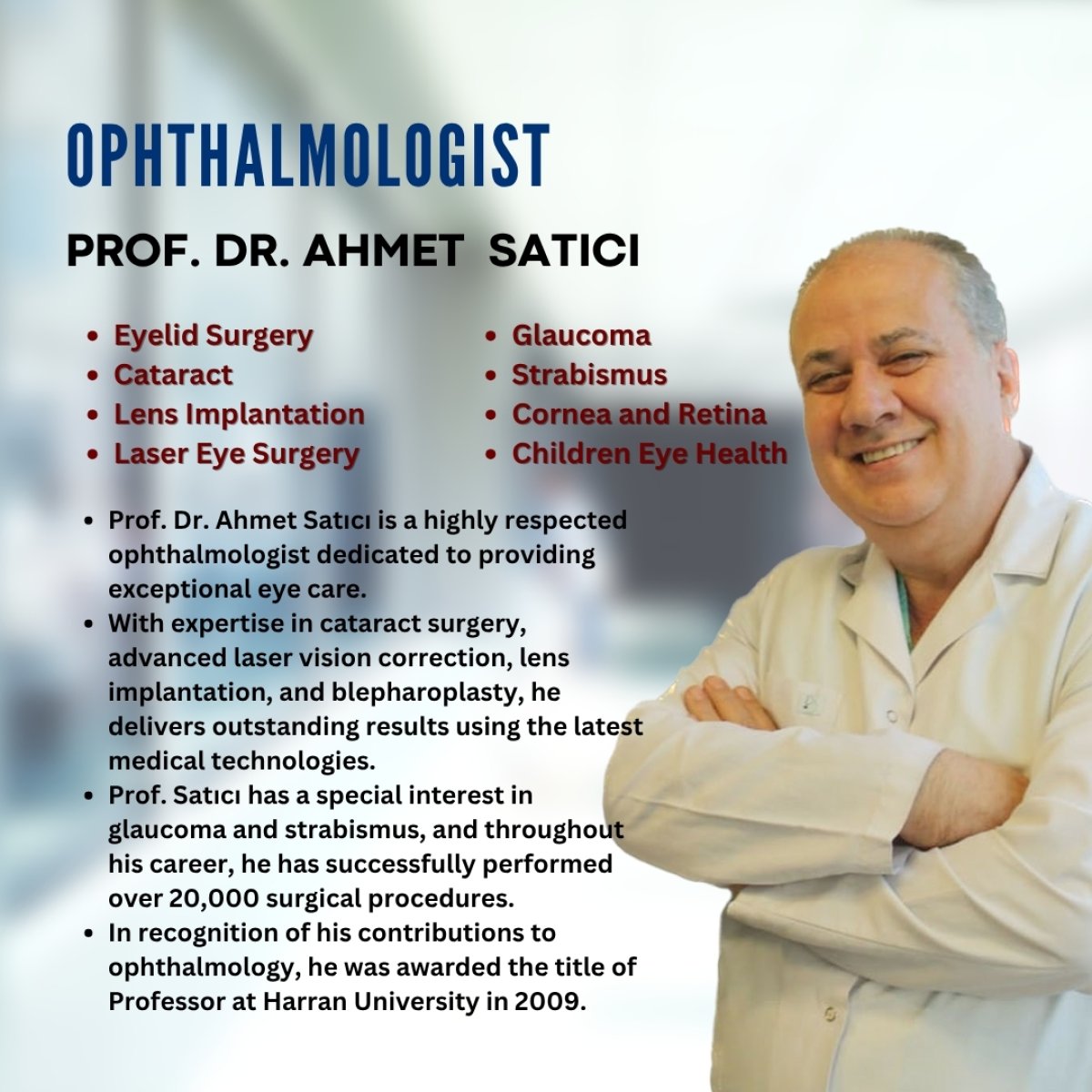 جراحة الساد بعدسة الألياف الثلاثية Alcon PanOptix على يد جراح أجرى أكثر من 20,000 حالة