عيادات جراحة الساد مع زرع عدسة متعددة البؤر في إسرائيل


تمت مراجعة المقالة طبيا من قبل
فهد مولود
ما هي تكلفة جراحة الساد مع زرع عدسة متعددة البؤر في إسرائيل؟ اكتشف الآن
تتراوح تكلفة جراحة المياه البيضاء باستخدام عدسات متعددة البؤر في إسرائيل بين $3,800 و $5,600. يعتمد السعر النهائي على التقنية الجراحية، ومستوى العيادة، وتقنية العدسات المستخدمة. تشمل الباقات غالباً فحوصات ما قبل الجراحة وتركيب عدسات متطورة داخل العين.
- جراحة المياه البيضاء (للعين الواحدة): من $4,000 للإزالة التقليدية أو المدعومة بالليزر.
- جراحة المياه البيضاء (للعينين): من $9,000 لاستعادة الرؤية في كلتا العينين.
- التقنية المدعومة بالليزر: تزيد التكلفة بنسبة 20-30% عادةً عن النهج الجراحي التقليدي في المراكز الخاصة.
- المراكز الطبية الكبرى: تتركز المراكز الرئيسية في تل أبيب والقدس ومدينة بتاح تكفا.
رأي خبراء Bookimed: يوفر اختيار أخصائي مثل البروفيسور أور كايسرمان قيمة متميزة. تقدم عيادته تقنيات ليزر متطورة تبدأ تكلفتها من حوالي 3,400 $. تعد هذه الأسعار تنافسية للمرضى الدوليين الباحثين عن رعاية طبية فائقة. تتمتع مراكز رائدة مثل مركز سوراسكي الطبي باعتماد JCI. توفر هذه المراكز خدمات نقل مجانية من المطار مع توفير مترجمين. تسهل هذه المزايا رحلة العلاج للقادمين إلى تل أبيب.
| إسرائيل | تركيا | إسبانيا | |
|---|---|---|---|
| جراحة الساد مع زرع عدسة متعددة البؤر | ≈ $3,800 | من $2,000 | من $6,700 |
| جراحة الساد (كلتا العينين) | من $9,000 | من $2,100 | من $10,100 |
| جراحة الساد (عين واحدة) | من $4,000 | من $1,200 | من $3,500 |
مزاياك وضماناتك مع Bookimed
أسعار مباشرة
Bookimed لا يضيف رسوماً إضافية على أسعار جراحة الساد مع زرع عدسة متعددة البؤر. الأسعار مأخوذة من قوائم الأسعار الرسمية للعيادات. تدفع مباشرة في العيادة مقابل جراحة الساد مع زرع عدسة متعددة البؤر عند وصولك.
عيادات وأطباء معتمدون فقط
Bookimed ملتزم بسلامتك. نحن نعمل فقط مع المؤسسات الطبية التي تحافظ على معايير دولية عالية في جراحة الساد مع زرع عدسة متعددة البؤر ولديها التراخيص اللازمة لخدمة المرضى الدوليين في جميع أنحاء العالم.
مساعدة مجانية على مدار الساعة
Bookimed يقدم مساعدة خبراء مجانية. منسق طبي شخصي يدعمك قبل وأثناء وبعد العلاج، ويحل أي مشاكل. لن تكون وحيداً أبداً في رحلة جراحة الساد مع زرع عدسة متعددة البؤر.

منسقك الطبي الشخصي في Bookimed
- يدعمك في كل مرحلة
- المساعدة في اختيار العيادة الطبية المناسبة والطبيب المناسب
- يضمن الوصول السريع والمريح إلى المعلومات
اكتشف أفضل جراحة الساد مع زرع عدسة متعددة البؤر العيادات في إسرائيل: 3 خيارات معتمدة والأسعار







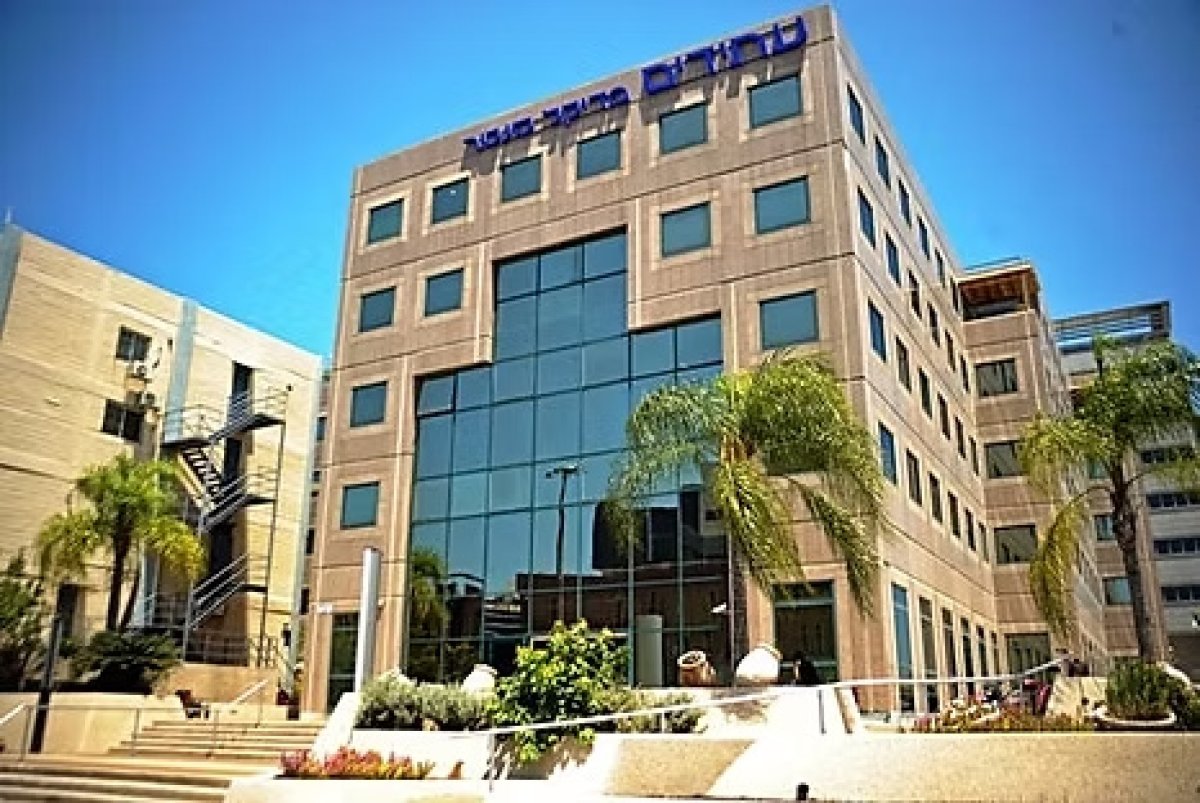
Prof. Or Kaiserman
نظرة عامة على جراحة الساد مع زرع عدسة متعددة البؤر في إسرائيل
- جراحة الساد (عين واحدة) - من $4,000
يزيل الإجراء عدسة غائمة في عين واحدة واستبدالها بعدسة اصطناعية لاستعادة الرؤية.
- جراحة الساد (كلتا العينين) - من $9,000
تعمل عملية العين المزدوجة هذه على إزالة العدسات الضبابية واستبدالها بأخرى اصطناعية ، مما يعزز وضوح الرؤية وجودتها.
- جراحة الساد مع زرع عدسة متعددة البؤر - من $3,800
تستبدل العملية عدسة العين الغائمة بزرع متعدد البؤر ، مما يعزز وضوح الرؤية والتركيز على مسافات متعددة.
اليوم الأول - الوصول
- الوصول إلى البلد الذي ستجرى فيه الجراحة.
- تحقق في فندق 4 * المقدم في الحزمة.
اليوم 2 - ما قبل العملية
- قابل طبيب العيون للتشاور.
- اخضع لاختبار الانكسار الذاتي.
- أكمل أي اختبارات إضافية إذا وصفها المختص.
اليوم الثالث - جراحة الساد مع زراعة عدسة متعددة البؤر
- الوصول إلى العيادة لإجراء الجراحة.
- تستغرق العملية حوالي ساعة إلى ساعتين.
- يتم استخدام التخدير الموضعي أثناء العملية.
- بعد الجراحة ، ستبقى في العيادة للمراقبة.
اليوم 4 - بعد العملية
- البقاء في العيادة للمراقبة والتعافي.
- الخروج من المستشفى إذا وافق المختص.
الأسبوع الأول - إعادة التأهيل
- الراحة والتعافي بعد الجراحة.
- استخدم قطرات العين الموصوفة للوقاية من العدوى والالتهابات.
الأسبوع الثاني - المتابعة
- قم بزيارة طبيب العيون لإجراء فحص متابعة.
- استئناف الأنشطة اليومية الخفيفة إذا وافق عليها الاختصاصي.
الأسبوع 3-4 - النتيجة النهائية
- تجربة رؤية محسنة أثناء شفاء العينين.
- استئناف العمل والأنشطة الرياضية بموافقة المختص.
يرجى ملاحظة أن هذه خطة عامة وقد تختلف العملية الفعلية حسب الاحتياجات الفردية والظروف الطبية.
- إيداع Bookimed: 200 دولار أو 200 يورو.
- وديعة العيادة: ادفع نسبة محددة مقدمًا.
بصفتها المنصة العالمية الرائدة في مجال السياحة العلاجية ، فإن Bookimed.com يتحمل المسؤولية أمام عملائها ، سواء المرضى أو المراكز الطبية ، لتوفير المعلومات ذات الصلة التي تلبي الاهتمام العالي المتعلق بالمنتج. Bookimed.com هو مصدر موثوق للمعلومات عن المراكز والخدمات الطبية ، بما في ذلك جراحة الساد مع زرع العدسة متعددة البؤر في إسرائيل ودول أخرى.
نظام التصنيف التلقائي الذكي
تشكل Bookimed.com قوائمها للعيادات والأطباء مع لوائح صارمة لنظام التصنيف التلقائي الذكي. يعتمد نظام التصنيف على معدلات Bookimed الحقيقية للمرضى لتوفير المعلومات الأكثر موضوعية وشفافية حول العيادات والخدمات الطبية هناك. توظف Bookimed.com عالم بيانات متمرسًا يجمع البيانات يوميًا ، ويراقب ويحسن نظام التصنيف باستخدام التعلم الآلي والذكاء الاصطناعي لضمان تحديث نظام التصنيف وتقديم نتائج دقيقة.
تجربة الناس الحقيقية فقط
يقوم موقع Bookimed.com بجمع آراء عملاء Bookimed فقط بعد الحصول على خبرة طبية مع العيادة ، لذلك يمكن للجميع على المنصة الوثوق بالمنشأة التي يختارونها. تسعى Bookimed.com جاهدة لجعل المحتوى الموجود على نظامها الأساسي مفيدًا قدر الإمكان ويضمن حرية التعبير عن الآراء النقدية. وبالتالي ، فإنها تنشر مراجعات إيجابية وسلبية ، بهدف أن تكون مصدرًا لاتخاذ قرارات مستنيرة لعملائها في المستقبل.
مواضيع ذات مستويات عالية من الخبرة والسلطة والجدارة بالثقة
على Bookimed.com ، يمكن للمرضى العثور على الاختيار والراحة للعثور على أفضل الحلول الطبية من كبار مزودي الخدمات الطبية في مكان واحد فقط ، وغالبًا ما يكون ذلك بأسعار تنافسية. للتأكد من تقديم أحدث المعلومات ، يقوم ممثلو العيادة بتحديث السير الذاتية للأطباء ، وقدرات العيادات ، والصور قبل وبعد ، والأسعار ، والحزم ، والعروض الخاصة بأنفسهم قريبًا. يمكن للمرضى مقابلة ممثل العيادة والتحقق من تاريخ المحتوى المحدث في صفحة كل عيادة للتأكد من مصداقيتها.
تم إنشاء مدونة Bookimed.com والقطع الداعمة من قبل مؤلفين محترفين يتمتعون بخبرة لا تقل عن 3 سنوات في الكتابة الطبية ويتم تحريرها من قبل متخصصين طبيين يتمتعون بخبرة إكلينيكية وبحثية ذات صلة ، ويتم تعيينهم جميعًا بعناية في الفريق. تسعى Bookimed.com جاهدة لتعزيز وصول المريض إلى المعلومات الصحية ، مما يجعلها خبيرًا ولكن يسهل فهمها. تتبع جميع القطع إرشادات التحرير الخاصة بـ Bookimed.
القيم المحجوزة
يتكون موقع Bookimed.com من الأشخاص ومن أجلهم ، وهذه هي قيمته الأساسية. هذا هو السبب في أن جميع البيانات المقدمة على المنصة يتم جمعها وتحريرها ومراجعتها وتحديثها بانتظام من قبل المرضى والعيادات الشريكة والفريق ، بما في ذلك المجلس الاستشاري الطبي Bookimed ، الذي يتألف من أطباء مشهورين عالميًا يتمتعون بخبرة قيمة تزيد عن 20 عامًا من الممارسة وسمعة طيبة. تعلم المزيد عنا وعن مهمتنا .
في حالة عثور المرضى على أي أخطاء أو لديهم أي أسئلة حول المعلومات المقدمة على Bookimed.com ، يمكنهم الاتصال بنا على marketing@bookimed.com .
احصل على تقييم طبي لـ جراحة الساد مع زرع عدسة متعددة البؤر في إسرائيل: اختر أخصائيك من بين الأفضل في هذا المجال
عرض جميع الأطباء
Elyia Levinger
الدكتور إيليا ليفينجر هو جراح عيون رائد في إسرائيل، متخصص في جراحة المياه البيضاء (الكاتاراكت) مع زراعة العدسات متعددة البؤر في مركز سوراسكي الطبي.
- يجري العديد من جراحات زراعة القرنية والعدسات
- جراح أول في العديد من المراكز الطبية المرموقة في تل أبيب
- عضو في الأكاديمية الأمريكية لطب العيون والجمعية الأمريكية لجراحي المياه البيضاء وتصحيح الإبصار
- زمالة ما بعد الدكتوراه في مستشفى تورونتو الغربي في كندا

Anat Loewenstein
تتخصص البروفيسورة أنات لوفنشتاين في طب العيون في مركز سوراسكي الطبي (إيخيلوف).
- خبيرة في جراحة المياه البيضاء (الكاتاركت) مع زراعة العدسات متعددة البؤر
- بروفيسورة ذات خبرة أكاديمية وسريرية واسعة
- تمارس عملها في أحد المراكز الطبية الرائدة في إسرائيل

Jacob Peer
الدكتور يعقوب بير هو جراح صدر أول يتمتع بخبرة 51 سنة، متخصص في تقنيات جراحة الرئة المتقدمة.
- تدرب على جراحة تنظير الصدر في مستشفى سيدارز-سيناي، لوس أنجلوس
- رئيس سابق لقسم جراحة الصدر في مركز أساف هاروفيه الطبي
- مؤلف لأكثر من 20 مقالاً حول سرطان الرئة وجراحة الصدر
- متحدث دائم في المؤتمرات الطبية الدولية
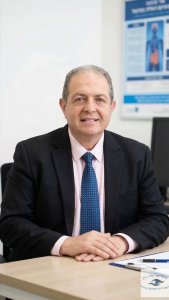
Or Kizerman
قصص فيديو من مرضى Bookimed
المراجعات
جميع المراجعاتمشاركة المحتوى
 Anna Leonova
أسئلة متكررة حول جراحة الساد مع زرع عدسة متعددة البؤر في إسرائيل
ما هي الآثار الجانبية الشائعة لزراعة العدسات متعددة البؤر؟
تشمل الآثار الجانبية الشائعة لزراعة العدسات متعددة البؤر ظواهر بصرية مثل الهالات، والوهج، وتشتت الضوء، خاصة في ظروف الإضاءة المنخفضة. تحدث هذه الأعراض أثناء التكيف العصبي، وهي فترة تستمر من 3 إلى 12 أسبوعاً حيث يتكيف الدماغ مع الضوء المعالج من خلال علامات تجارية متقدمة مثل PanOptix أو Odyssey.
- الاضطرابات البصرية: تظهر الهالات والوهج وتشتت الضوء بشكل متكرر حول المصابيح الأمامية أو أضواء الشوارع في الليل.
- حساسية التباين: قد يعاني المرضى من رؤية ضبابية أو صعوبة في تمييز الظلال في البيئات الخافتة.
- فترة التكيف العصبي: يحتاج معظم الأفراد من 3 إلى 6 أشهر حتى يتكيف الدماغ تماماً.
- الإجراءات الثانوية: يسبب تعتيم المحفظة الخلفية ضبابية، يمكن تصحيحها بسهولة بإجراء ليزر سريع.
رؤية خبير Bookimed: تحافظ مراكز الأورام الإسرائيلية مثل مركز سوراسكي الطبي على معايير JCI العالية لهذه العمليات. تشير نقطة بيانات رئيسية إلى أن العدسات متعددة البؤر تحمل خطراً أعلى بـ 3.14 مرة للإصابة بالهالات مقارنة بالعدسات أحادية البؤرة. ومع ذلك، يتكيف 90% من المرضى بنجاح دون الحاجة إلى جراحة استبدال العدسة الثانوية المتاحة كخيار طوارئ.
إجماع المرضى: يلاحظ العديد من المرضى وجود ظلال على النصوص عالية التباين مثل ترجمات الأفلام خلال الأشهر القليلة الأولى. يظل القيادة ليلاً التحدي العملي الرئيسي حتى ينهي الدماغ عملية التكيف.
هل سأتمتع برؤية مثالية بدون نظارات بعد الجراحة؟
على الرغم من أن عدسات العين متعددة البؤر تقلل بشكل كبير من الاعتماد على النظارات، إلا أن الرؤية المثالية على جميع المسافات ليست مضمونة. يعتمد النجاح على صحة العين، وتقنية العدسات المستخدمة، وكيفية تكيف دماغك مع الإشارات البصرية الجديدة خلال عملية التكيف العصبي.
- تقنية العدسات: تستخدم العيادات الإسرائيلية عدسات PanOptix وPureSee وLuxlife المتقدمة لنطاق الرؤية.
- الجدول الزمني للتعافي: عادة ما تستقر الرؤية القريبة بعد شهر واحد من الاستبدال الجراحي.
- فترة التكيف: يحتاج معظم المرضى من أسبوع إلى 4 أسابيع ليكمل الدماغ عملية التكيف العصبي.
- التقييم طويل الأمد: يوصي جراحون مثل الدكتور إيليا ليفينجر بفترة 6 أشهر للحصول على النتائج البصرية النهائية.
رؤية خبير Bookimed: تشير البيانات الصادرة عن مركز سوراسكي الطبي إلى أن اختيار جراح يتمتع بخبرة واسعة في أبحاث القرنية أمر حيوي. يركز كبار المتخصصين هناك على بروتوكولات التكيف العصبي المخصصة. إذا كانت نتائج العدسات متعددة البؤر غير مرضية بعد 6 أشهر، يظل الاستبدال الثانوي بعدسات أحادية البؤرة خياراً طبياً قابلاً للتطبيق.
إجماع المرضى: يبلغ العديد من المرضى عن نتائج ممتازة ولكنهم يذكرون ظهور هالات أو وهج شائع في الإضاءة المنخفضة. يؤكد الإجماع العام على أن تكيف الدماغ لا يقل أهمية عن الجراحة نفسها للحصول على رؤية واضحة.
من هو المرشح المناسب للعدسات متعددة البؤر؟
المرشحون المثاليون للعدسات متعددة البؤر هم المرضى الذين يعانون من إعتام عدسة العين (الكاتاراكت) أو قصور البصر الشيخوخي والذين يسعون للاستغناء عن النظارات للقراءة والمهام البعيدة. يجب أن يتمتع الأفراد المناسبون بصحة بصرية عامة، بما في ذلك شبكية مستقرة، وبقعة صفراء سليمة، واستجماتيزم قرني ضئيل عادةً أقل من 1.0 ديوبتر.
- الأهداف البصرية: المرضى الذين يرغبون في التخلص من النظارات للقيادة، والعمل على الكمبيوتر، والهوايات الخارجية.
- صحة العين: يشترط عدم وجود جلوكوزا (المياه الزرقاء)، أو جفاف العين الشديد، أو التنكس البقعي.
- التكيف العصبي: يجب أن يمتلك المرشحون القدرة على التكيف مع أنماط الضوء البصري الجديدة.
- توقعات واقعية: من الضروري تقبل احتمالية ظهور هالات ضوئية ليلية أو انخفاض في التباين.
رؤية خبراء Bookimed: يؤكد المتخصصون الإسرائيليون مثل الدكتور إيليا ليفينجر في مركز سوراسكي الطبي على أهمية التحقق من التاريخ السابق للقرنية. غالبًا ما يواجه المرضى الذين خضعوا لعملية الليزك صعوبة في تشتت الضوء مع العدسات متعددة البؤر. تستخدم العيادات الناجحة في تل أبيب تشخيصات متقدمة لضمان معدلات نجاح تصل إلى 80% دون الحاجة لنظارات.
إجماع المرضى: يعطي معظم المرضى الأولوية لحرية نمط الحياة ولكنهم يوصون بتجربة الرؤية الأحادية (monovision) باستخدام العدسات اللاصقة أولاً. يعتمد النجاح غالبًا على تقبل حقيقة أن بعض المهام الصغيرة قد لا تزال تتطلب نظارات قراءة خفيفة.
كيف تعمل العدسات متعددة البؤر على تحسين الرؤية مقارنة بالعدسات التقليدية؟
تعمل العدسات متعددة البؤر على تحسين الرؤية من خلال توفير عدة نقاط تركيز داخل هيكل عدسة واحد. على عكس العدسات أحادية البؤرة التقليدية التي تركز الضوء على مسافة واحدة فقط، تستخدم العدسات متعددة البؤر حلقات متحدة المركز لتمكين الرؤية الواضحة على المسافات القريبة والمتوسطة والبعيدة في وقت واحد.
- نطاق الرؤية: يرى المرضى شاشات الكمبيوتر وعلامات الطرق بوضوح دون الحاجة للتبديل بين نظارات مختلفة.
- الاستغناء عن النظارات: يقوم معظم الأفراد بـ 80% من الأنشطة اليومية دون الحاجة إلى مساعدات قراءة إضافية.
- تكنولوجيا العدسات: توفر العلامات التجارية المتقدمة مثل PanOptix و Vivity انتقالات أكثر سلاسة بين مناطق التركيز المختلفة.
- تصحيح قصور البصر الشيخوخي: تعالج هذه الغرسات تحديداً فقدان الرؤية القريبة المرتبط بالعمر أثناء جراحة المياه البيضاء القياسية.
رؤية خبير Bookimed: يستخدم الجراحون الإسرائيليون بشكل متكرر عدسات عمق التركيز الممتد (EDOF) مثل Vivity كحل وسط. في حين توفر العدسات متعددة البؤر الكاملة أفضل رؤية قريبة، توفر خيارات EDOF في عيادات مثل مركز سوراسكي الطبي تبايناً فائقاً. وهذا يقلل من تأثير الهالة أثناء القيادة الليلية للمرضى النشطين.
إجماع المرضى: يقدر العديد من المرضى الحرية من النظارات ولكنهم يوصون بتجربة الرؤية الأحادية أولاً. كن مستعداً لفترة تكيف عصبي بينما يتعلم دماغك معالجة صور متعددة.
كيف تبدو تجربة الجراحة؟
جراحة المياه البيضاء (الكاتاركت) في إسرائيل هي تجربة فعالة تتم في العيادات الخارجية وتستغرق من 20 إلى 30 دقيقة دون ألم. يقوم الجراحون في المراكز المعتمدة من قبل اللجنة الدولية المشتركة (JCI) مثل مركز سوراسكي الطبي باستبدال العدسات الغائمة بعدسات متعددة البؤر. يحصل معظم المرضى على رؤية واضحة وعالية الدقة بعد وقت قصير من الاستيقاظ من التخدير الخفيف.
- مرحلة التحضير: يقوم الطاقم بإجراء فحوصات السلامة البيومترية وإعطاء قطرات عين مخدرة مع تخدير خفيف.
- العملية الجراحية: يستخدم الجراحون تقنيات طفيفة التوغل لاستبدال العدسة داخل العين (IOL) متعددة البؤر تحت توجيه مجهري.
- الجدول الزمني للتكيف العصبي: تتكيف الرؤية القريبة في غضون أسبوع، على الرغم من أن تكيف الدماغ يستغرق عدة أشهر.
- الآثار الجانبية البصرية: الهالات أو الوهج هي نتائج طبيعية تتلاشى عادةً في غضون شهر إلى 3 أشهر.
رؤية خبير Bookimed: تجري العيادات الإسرائيلية مثل سوراسكي (إيخيلوف) أكثر من 34,000 عملية سنوياً، مما يعكس براعة جراحية عالية. الجراحون الرائدون هناك، مثل الدكتور إيليا ليفينجر، مدربون دولياً. هذا الحجم الكبير يؤدي غالباً إلى بروتوكولات تكيف عصبي متطورة. يجب على المرضى السؤال عن ماركات عدسات محددة مثل Rayner Galaxy لتقليل الآثار الجانبية بعد العملية.
إجماع المرضى: يصف المرضى التحول إلى رؤية عالية الدقة بأنه فوري وغير مؤلم. يؤكد الكثيرون أن التحلي بالصبر خلال مرحلة الهالات الأولية التي تستمر 3 أشهر هو مفتاح الرضا على المدى الطويل.
كم يستغرق استقرار الرؤية؟
تستقر الرؤية عادةً في غضون أسبوع إلى 4 أسابيع بعد جراحة إزالة المياه البيضاء (الكاتاركت) مع زرع عدسات متعددة البؤر. بينما تعود حدة الإبصار بسرعة، فإن التكيف العصبي الكامل - حيث يتكيف الدماغ مع تقسيم الضوء الجديد للعدسات ثلاثية البؤر - قد يستغرق من 3 إلى 6 أشهر لحل الآثار الجانبية مثل الهالات.
- الاستقرار الأولي: يحقق معظم المرضى وضوحاً وظيفياً في غضون أسبوع إلى 4 أسابيع بعد الإجراء.
- مرحلة التكيف العصبي: يستمر تكيف الدماغ مع العدسات ثلاثية البؤر ما بين 3 إلى 6 أشهر.
- توقيت فحص الانكسار: حدد موعداً لاختبارات الرؤية النهائية بعد 5 إلى 6 أسابيع من الجراحة.
- الجدولة الثنائية: يوصي الجراحون بالانتظار لمدة 6 أسابيع على الأقل قبل إجراء العملية للعين الثانية.
رؤية خبير Bookimed: تستخدم المراكز الإسرائيلية مثل مركز سوراسكي الطبي بروتوكولات معتمدة من JCI لمراقبة التكيف العصبي. تظهر البيانات أنه بينما تتحسن الرؤية البعيدة بسرعة، غالباً ما تتأخر الرؤية المتوسطة لعدة أسابيع. الصبر خلال الشهر الأول يمنع التوتر غير الضروري بشأن تأثيرات الظلال المؤقتة.
إجماع المرضى: يلاحظ الكثيرون حساسية للضوء ووميضاً خلال الأسبوعين الأولين أثناء استخدام القطرات الموصوفة. يتفق معظمهم على أن الهالات حول الأضواء تتضاءل عادةً بشكل كبير في غضون 4 إلى 12 أسبوعاً من الشفاء.
هل تغطي التأمين الصحي الوطني الإسرائيلي العدسات متعددة البؤر؟
لا يتم تغطية العدسات متعددة البؤر ضمن سلة الخدمات الصحية الوطنية الإسرائيلية (سال بريوت). في حين أن التغطية الصحية العامة تشمل جراحة المياه البيضاء (الكاتاركت) القياسية باستخدام عدسات أحادية البؤرة، تُعتبر الغرسات المتميزة متعددة البؤر أو التوريكية ترقيات اختيارية. يجب على المرضى دفع تكاليف هذه العدسات المتميزة بشكل مستقل أو من خلال تأمين تكميلي.
- حدود التغطية الأساسية: يغطي التأمين الوطني القياسي فقط غرسات العدسات أحادية البؤرة التقليدية.
- متطلبات الدفع الذاتي: عادة ما تضيف ترقيات العدسات متعددة البؤر المتميزة ما بين $3,800 إلى $5,600 إلى تكاليف الجراحة.
- عوامل وقت الانتظار: اختيار العدسات الخاصة في مراكز مثل "سوراسكي" غالباً ما يضمن مواعيد جراحية أسرع.
- تنسيق التأمين: قد يوفر التأمين التكميلي (شابان) خصومات طفيفة أو تغطية للنظارات فقط.
رأي خبير Bookimed: تعطي المراكز الطبية الإسرائيلية مثل "هداسا" و"سوراسكي" الأولوية لكفاءة الجراحة عالية الحجم. مع إجراء أكثر من 34,000 عملية سنوياً في "سوراسكي"، يتمتع جراحون مثل الدكتور إيليا ليفينجر بخبرة كبيرة في جراحة الانكسار. غالباً ما يتجاوز المرضى الذين يختارون العدسات متعددة البؤر فترات الانتظار العامة التي تصل إلى 6 أشهر والمعهودة للعدسات أحادية البؤرة القياسية. يجمع هذا المسار المتميز بين تحسين الرؤية والوصول السريع إلى كبار المتخصصين الأكاديميين.
إجماع المرضى: يجد العديد من المرضى أن استعادة الرؤية بالعدسات أحادية البؤرة القياسية كافية إذا كانت الم
لماذا تُعد إسرائيل واحدة من الوجهات الرائدة في جراحة الأعصاب؟
تُعدّ إسرائيل مركزًا رائدًا في جراحة الأعصاب بفضل مزيجها من التطورات الطبية عالية التقنية والخبرات الجراحية المتميزة. وتستخدم مرافق متطورة مثل مركز شيبا الطبي أنظمة ملاحة تعتمد على الذكاء الاصطناعي والتصوير بالرنين المغناطيسي أثناء الجراحة في الوقت الفعلي. وتشير المراكز المتخصصة إلى نسبة نجاح تصل إلى 98% في العمليات الجراحية المعقدة، بما في ذلك جراحة الدماغ مع اليقظة وعلاج اضطرابات الحركة.
- التكنولوجيا المتقدمة: تستخدم العيادات الموجات فوق الصوتية المركزة الموجهة بالرنين المغناطيسي (MRgFUS) والأنظمة الروبوتية لإجراء الشقوق.
- الخبرة الجراحية: يقود جراحون مثل الدكتور تسفي رام جمعيات دولية بخبرة تزيد عن 25 عامًا.
- الوصول السريع: يمكن للمرضى الدوليين عادةً تحديد مواعيد لإجراء عمليات جراحية معقدة في الدماغ أو العمود الفقري في غضون 2-4 أسابيع.
- الرعاية الطبية المعتمدة: المراكز الكبيرة مثل سوراسكي (إيشيلوف) وأسوتا معتمدة من قبل اللجنة الدولية المشتركة، مما يؤكد سلامتها.
رأي خبراء بوكيمد: تُظهر البيانات فرقًا واضحًا بين خيارات العلاج في القطاعين العام والخاص في إسرائيل. تُجري المراكز الخاصة، مثل مركز أسوتا الطبي، أكثر من 92,000 عملية جراحية سنويًا، وتتيح للمرضى اختيار جراح را
ما هي أنواع الأمراض العصبية التي يتم علاجها في إسرائيل؟
يعالج جراحو الأعصاب الإسرائيليون طيفاً واسعاً من الحالات، بدءاً من أورام الدماغ والحبل الشوكي وصولاً إلى الاضطرابات الوظيفية المعقدة. وتستخدم المراكز المتخصصة أحدث التقنيات، مثل جهاز جاما نايف، والتحفيز العميق للدماغ، والتصوير بالرنين المغناطيسي أثناء الجراحة، لتشخيص دقيق للغاية لحالات الصرع، ومرض باركنسون، وأمراض الأوعية الدموية الدماغية.
- الأمراض السرطانية: علاج الأورام الدبقية والأورام السحائية وأورام الغدة النخامية باستخدام استئصال قاعدة الجمجمة.
- الاضطرابات الوظيفية: علاج مرض باركنسون والرعاش الأساسي باستخدام التحفيز العميق للدماغ.
- أمراض العمود الفقري: تصحيح الجنف، وانزلاق الغضروف، وأورام العمود الفقري باستخدام الأنظمة الروبوتية.
- علاج أمراض الأوعية الدموية الدماغية: العلاج الجراحي لتمدد الأوعية الدموية الدماغية والتشوهات الشريانية الوريدية باستخدام التدخلات داخل الأوعية الدموية.
- جراحة الأعصاب للأطفال: رعاية متخصصة لاستسقاء الرأس والتشوهات الخلقية في مراكز طب الأطفال المتخصصة.
رأي خبراء بوكيمد: غالبًا ما تجمع المستشفيات الإسرائيلية بين تخصصات طبية متعددة لمعالجة الحالات المعقدة. ففي مركز سوراسكي ا
ما هي المستشفيات في إسرائيل التي تشتهر بأقسام جراحة الأعصاب فيها؟
تضم إسرائيل مراكز جراحة أعصاب عالمية المستوى، مثل مركز سوراسكي الطبي، ومركز شيبا الطبي، ومركز هداسا الطبي. وتُعدّ هذه المؤسسات رائدة عالميًا في علاج أورام الدماغ المعقدة، وأمراض العمود الفقري، واضطرابات الحركة. وتستخدم أحدث التقنيات، مثل جهاز جاما نايف، والأنظمة الروبوتية، والتصوير بالرنين المغناطيسي أثناء الجراحة.
- سوراسكي (إيخيلوف): يجري أكثر من 2500 عملية جراحية عصبية سنوياً في تل أبيب بنسبة نجاح تبلغ 98%.
- مركز شيبا الطبي: مصنف ضمن أفضل عشرة مستشفيات في العالم، حيث يعالج 1.9 مليون مريض سنوياً.
- مركز هداسا الطبي: مرشح لجائزة نوبل للسلام. رائد في جراحة الأعصاب للأطفال والعلاج الجيني.
- مركز أسوتا الطبي: أكبر منشأة طبية خاصة في إسرائيل. متخصص في جراحات العمود الفقري والدماغ طفيفة التوغل.
- مستشفى شنايدر للأطفال: مركز رائد في جراحة الأعصاب للأطفال، يعالج 275000 طفل سنوياً.
رأي خبراء بوكيمد: تُظهر بياناتنا أنه بينما يلجأ معظم المرضى للعلاج في تل أبيب، يُقدّم مركز رامبام الطبي في حيفا رعايةً فريدةً لإصابات الدماغ. فهو يضم وحدةً متخصصةً للعناية المركزة العصبية تُعالج ما يقارب مليون مريض سنويًا. وهذا ما يجعله