جراحة الساد مع زرع عدسة متعددة البؤر في ألمانيا — احصل على 3 عيادات مطابقة مع التكاليف


تمت مراجعة المقالة طبيا من قبل
فهد مولود
ما هي تكلفة جراحة الساد مع زرع عدسة متعددة البؤر في ألمانيا؟ اكتشف الآن
المزايا الرئيسية
لماذا تختار ألمانيا لجراحة الساد مع زراعة العدسات متعددة البؤر؟
- عيادات معتمدة: تشتهر العيادات في ألمانيا بمعاييرها العالية. العديد منها يحمل شهادات من KTQ، مما يضمن رعاية عالية الجودة وسلامة المرضى.
- أحدث التقنيات: تستخدم العيادات تقنيات مثل جراحة الساد بمساعدة الليزر الفيمتوثانية. تقدم عدسات متعددة البؤر متميزة مثل Alcon PanOptix وZeiss AT LISA tri، التي توفر نتائج بصرية فائقة.
- معدلات نجاح عالية: تتمتع جراحات الساد مع زراعة العدسات متعددة البؤر في ألمانيا بمعدل فعالية مثير للإعجاب يبلغ 95%. وهذا يحسن بشكل كبير الرؤية للمرضى الذين يعانون من حالات متنوعة.
- جراحون خبراء: أطباء العيون المشهورون، مثل الأستاذ الدكتور أولريش شاوديج في عيادة أسكليبيوس بارمبيك، لديهم خبرة واسعة. لقد أجروا آلاف العمليات الناجحة ومعترف بهم في تصنيفات طبية مرموقة.
احصل على حلول متقدمة لجراحة الساد مع زراعة العدسات متعددة البؤر في عيادات موثوقة من $4,200.
| تركيا | إسبانيا | ألمانيا | |
|---|---|---|---|
| جراحة الساد مع زرع عدسة متعددة البؤر | من $1,500 | من $6,700 | من $4,200 |
| جراحة الساد (كلتا العينين) | من $2,300 | من $10,100 | ≈ $3,600 |
| جراحة الساد (عين واحدة) | من $1,200 | من $3,500 | من $2,200 |
مزاياك وضماناتك مع Bookimed
أسعار مباشرة
Bookimed لا يضيف رسوماً إضافية على أسعار جراحة الساد مع زرع عدسة متعددة البؤر. الأسعار مأخوذة من قوائم الأسعار الرسمية للعيادات. تدفع مباشرة في العيادة مقابل جراحة الساد مع زرع عدسة متعددة البؤر عند وصولك.
عيادات وأطباء معتمدون فقط
Bookimed ملتزم بسلامتك. نحن نعمل فقط مع المؤسسات الطبية التي تحافظ على معايير دولية عالية في جراحة الساد مع زرع عدسة متعددة البؤر ولديها التراخيص اللازمة لخدمة المرضى الدوليين في جميع أنحاء العالم.
مساعدة مجانية على مدار الساعة
Bookimed يقدم مساعدة خبراء مجانية. منسق طبي شخصي يدعمك قبل وأثناء وبعد العلاج، ويحل أي مشاكل. لن تكون وحيداً أبداً في رحلة جراحة الساد مع زرع عدسة متعددة البؤر.

منسقك الطبي الشخصي في Bookimed
- يدعمك في كل مرحلة
- المساعدة في اختيار العيادة الطبية المناسبة والطبيب المناسب
- يضمن الوصول السريع والمريح إلى المعلومات
اكتشف أفضل جراحة الساد مع زرع عدسة متعددة البؤر العيادات في ألمانيا: 6 خيارات معتمدة والأسعار


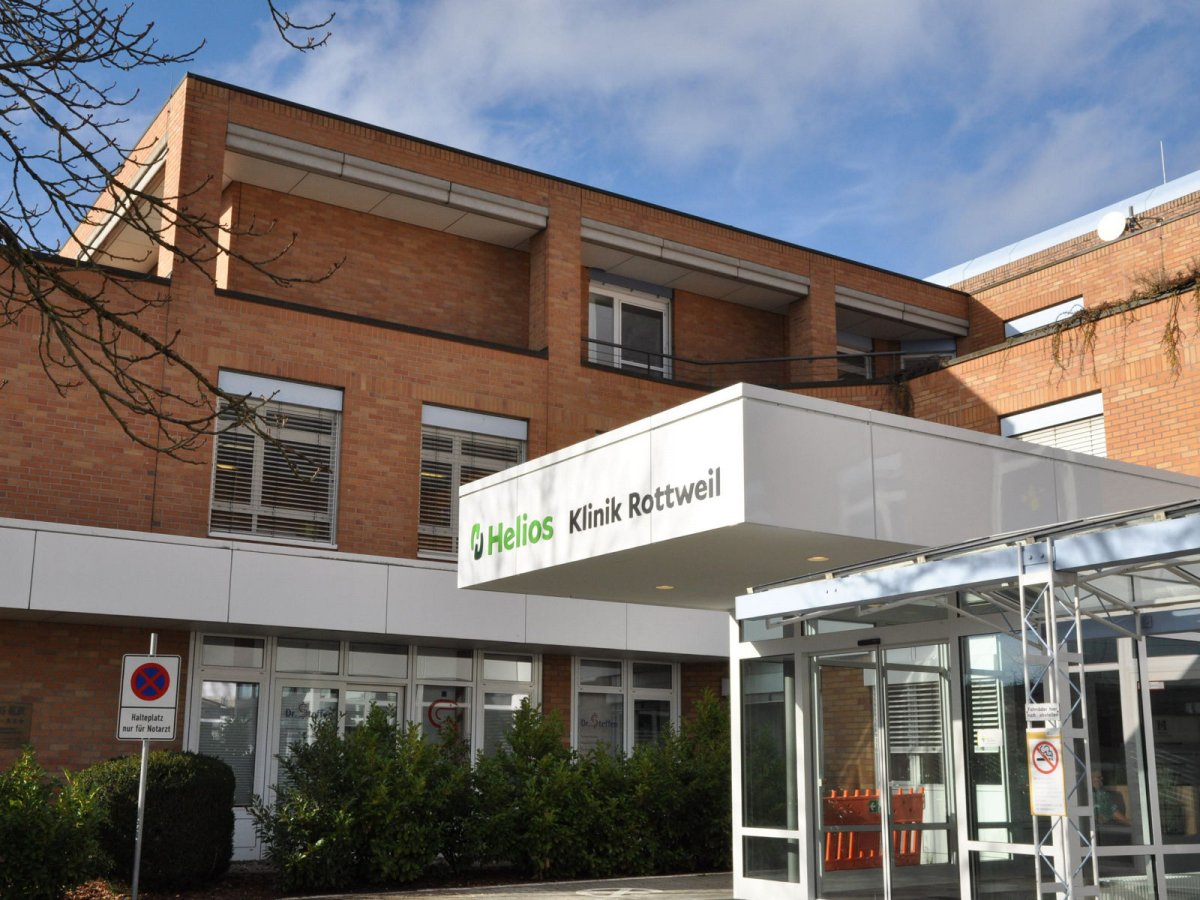




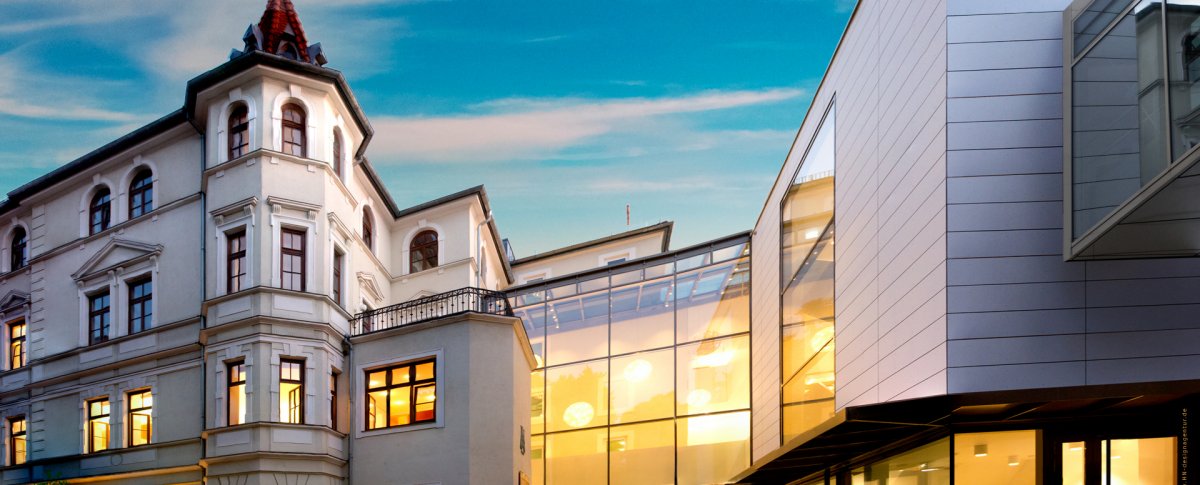
Eye Surgeries Professor Schaller's Private Practice in Eye Clinic of Herzog Carl Theodor-Munich





نظرة عامة على جراحة الساد مع زرع عدسة متعددة البؤر في ألمانيا
- جراحة الساد (عين واحدة) - من $2,200
يزيل الإجراء عدسة غائمة في عين واحدة واستبدالها بعدسة اصطناعية لاستعادة الرؤية.
- جراحة الساد (كلتا العينين) - من $3,600
تعمل عملية العين المزدوجة هذه على إزالة العدسات الضبابية واستبدالها بأخرى اصطناعية ، مما يعزز وضوح الرؤية وجودتها.
- جراحة الساد مع زرع عدسة متعددة البؤر - من $4,200
تستبدل العملية عدسة العين الغائمة بزرع متعدد البؤر ، مما يعزز وضوح الرؤية والتركيز على مسافات متعددة.
اليوم الأول - الوصول
- الوصول إلى البلد الذي ستجرى فيه الجراحة.
- تحقق في فندق 4 * المقدم في الحزمة.
اليوم 2 - ما قبل العملية
- قابل طبيب العيون للتشاور.
- اخضع لاختبار الانكسار الذاتي.
- أكمل أي اختبارات إضافية إذا وصفها المختص.
اليوم الثالث - جراحة الساد مع زراعة عدسة متعددة البؤر
- الوصول إلى العيادة لإجراء الجراحة.
- تستغرق العملية حوالي ساعة إلى ساعتين.
- يتم استخدام التخدير الموضعي أثناء العملية.
- بعد الجراحة ، ستبقى في العيادة للمراقبة.
اليوم 4 - بعد العملية
- البقاء في العيادة للمراقبة والتعافي.
- الخروج من المستشفى إذا وافق المختص.
الأسبوع الأول - إعادة التأهيل
- الراحة والتعافي بعد الجراحة.
- استخدم قطرات العين الموصوفة للوقاية من العدوى والالتهابات.
الأسبوع الثاني - المتابعة
- قم بزيارة طبيب العيون لإجراء فحص متابعة.
- استئناف الأنشطة اليومية الخفيفة إذا وافق عليها الاختصاصي.
الأسبوع 3-4 - النتيجة النهائية
- تجربة رؤية محسنة أثناء شفاء العينين.
- استئناف العمل والأنشطة الرياضية بموافقة المختص.
يرجى ملاحظة أن هذه خطة عامة وقد تختلف العملية الفعلية حسب الاحتياجات الفردية والظروف الطبية.
- إيداع Bookimed: 200 دولار أو 200 يورو.
- وديعة العيادة: ادفع نسبة محددة مقدمًا.
بصفتنا المنصة العالمية الرائدة في مجال السياحة العلاجية ، فإننا نتحمل مسؤولية كبيرة أمام عملائنا - المرضى والمراكز الطبية على حد سواء. جميع المعلومات المقدمة على Bookimed.com المتعلقة بجراحة الساد مع زراعة العدسة متعددة البؤر في ألمانيا تستند إلى البحث والاستبصار والخبرة وتلبي اهتمامًا كبيرًا.
نظام التصنيف التلقائي الذكي
نحن نشكل قوائمنا للعيادات والأطباء مع لوائح صارمة لنظام التصنيف التلقائي الذكي الخاص بنا. يعتمد النظام على معدلات Bookimed الحقيقية للمرضى لتوفير المعلومات الأكثر موضوعية وشفافية حول العيادات والخدمات الطبية لجراحة الساد باستخدام عدسة متعددة البؤر في ألمانيا.
يجمع عالم البيانات ذو الخبرة لدينا البيانات يوميًا ، ويراقب ويحسن نظام التصنيف باستخدام التعلم الآلي والذكاء الاصطناعي لضمان تحديث نظام التصنيف وتقديم نتائج دقيقة.
تجربة الناس الحقيقية فقط
نحن نجمع آراء عملاء Bookimed فقط بعد الحصول على خبرة طبية مع العيادة - لذلك يمكن للجميع على المنصة الوثوق بالمنشأة التي يختارونها لجراحة الساد مع زراعة العدسة متعددة البؤر في ألمانيا. نحن نسعى جاهدين لجعل المحتوى على منصتنا مفيدًا قدر الإمكان ونضمن حرية التعبير عن الآراء النقدية. وبالتالي ، ننشر مراجعات إيجابية وسلبية ، بهدف أن نكون مصدرًا لاتخاذ قرارات مستنيرة لعملائنا في المستقبل.
مواضيع ذات مستويات عالية من الخبرة والسلطة والجدارة بالثقة
قد تجد على Bookimed.com الاختيار والراحة للعثور على أفضل الحلول الطبية من كبار مزودي الخدمات الطبية في ألمانيا في مكان واحد فقط ، وغالبًا بأسعار تنافسية. للتأكد من تقديم أحدث المعلومات ، يقوم ممثلو العيادة بتحديث السير الذاتية للأطباء ، وقدرات العيادات ، والصور قبل وبعد ، والأسعار ، والحزم ، والعروض الخاصة بأنفسهم قريبًا. يمكنك مقابلة ممثل العيادة والتحقق من تاريخ المحتوى المحدث في صفحة كل عيادة للتأكد من مصداقيتها.
تم إنشاء مدونتنا والقطع الداعمة من قبل مؤلفين محترفين يتمتعون بخبرة لا تقل عن 3 سنوات في الكتابة الطبية ويتم تحريرها بواسطة متخصصين طبيين يتمتعون بخبرة إكلينيكية وبحثية ذات صلة - تم تعيينهم جميعًا بعناية في الفريق. نحن نسعى جاهدين لتعزيز وصول المريض إلى المعلومات الصحية ، مما يجعلها خبيرة ولكن يسهل فهمها. تتبع جميع القطع إرشادات التحرير الخاصة بـ Bookimed.
القيم المحجوزة
نحن مصنوعون من الناس ومن أجلهم - وهذه هي قيمتنا الأساسية. هذا هو السبب في أن جميع البيانات المقدمة على المنصة يتم جمعها وتحريرها ومراجعتها وتحديثها بانتظام من قبل مرضانا وعياداتنا الشريكة وفريقنا ، بما في ذلك المجلس الاستشاري الطبي Bookimed ، الذي يتكون من أطباء مشهورين عالميًا يتمتعون بخبرة قيمة في أكثر من 20 عاما من الممارسة وسمعة طيبة. تعلم المزيد عنا وعن مهمتنا .
في حال وجدت أي خطأ أو كان لديك أي أسئلة حول المعلومات المقدمة على Bookimed.com المتعلقة بجراحة الساد باستخدام عدسة متعددة البؤر في ألمانيا ، فلا تتردد في الاتصال بنا على marketing@bookimed.com .
احصل على تقييم طبي لـ جراحة الساد مع زرع عدسة متعددة البؤر في ألمانيا: اختر أخصائيك من بين الأفضل في هذا المجال
عرض جميع الأطباء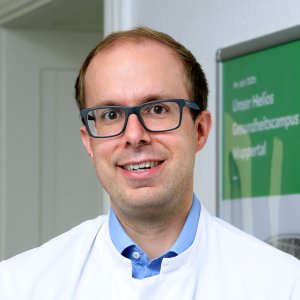
André Rosentreter Chief Of Ophthalmology
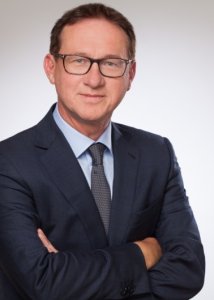
Randolf Widder
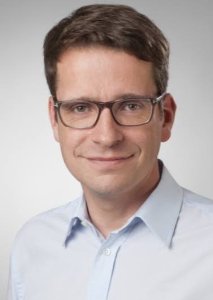
Gernot Rößler
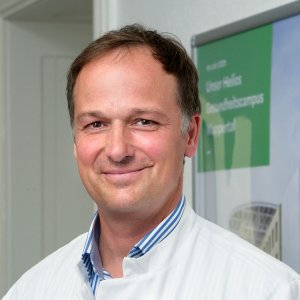
Ansgar Neußer
قصص فيديو من مرضى Bookimed
المراجعات
جميع المراجعاتمشاركة المحتوى
 Anna Leonova
أسئلة متكررة حول جراحة الساد مع زرع عدسة متعددة البؤر في ألمانيا
ما هو معدل نجاح جراحة المياه البيضاء (الكاتاركت) مع زرع العدسات متعددة البؤر؟
تحقق جراحة المياه البيضاء مع زرع العدسات متعددة البؤر في ألمانيا معدل نجاح طبي يصل إلى 99.8% في المراكز المتخصصة. يحقق ما يقرب من 80% إلى 90% من المرضى استقلالية كاملة عن النظارات. ينبع الرضا العالي من تحسن حدة البصر في المسافات القريبة والمتوسطة والبعيدة داخل المرافق المعتمدة من قبل اللجنة الدولية المشتركة (JCI).
- رضا المريض: أفاد ما بين 84% و90% من المرضى بأنهم راضون عن رؤيتهم على المدى الطويل.
- معدل النجاح: تبلغ العيادات المتخصصة في ميونيخ عن معدلات نجاح تصل إلى 99.8% لعلاجات المياه البيضاء الحديثة.
- حدة البصر: يصل أكثر من 96% من المرضى إلى رؤية بعيدة غير مصححة بمقدار 20/40 بعد الجراحة.
- الاستقلالية عن النظارات: يقوم ما يصل إلى 90% من المرضى بأنشطتهم اليومية دون الحاجة إلى أي نظارات.
رؤية خبراء Bookimed: تجري العيادات الألمانية مثل شبكة EuroEyes 20,000 جراحة مياه بيضاء سنويًا، مما يخلق فجوة خبرة عالية الحجم. تظهر البيانات أن جراحين مثل الدكتور يوهانس جونرمان قد أجروا شخصيًا 30,000 إجراء. هذا المستوى الهائل من الخبرة هو السبب في أن المراكز الألمانية غالبًا ما تبلغ عن معدلات نجاح سريري أعلى من المتوسط العالمي.
إجماع المرضى: يؤكد العديد من المرضى أنه على الرغم من تمتعهم بالحرية من النظارات، إلا أنهم اضطروا للتكيف مع الهالات الليلية. غالبًا ما يُشار إلى العلاج المكثف لجفاف العين أثناء التعافي على أنه المفتاح للوصول إلى الوضوح البصري النهائي.
هل سأظل بحاجة إلى نظارات بعد الجراحة؟
تقلل غرسات العدسات متعددة البؤر في ألمانيا بشكل كبير من الاعتماد على النظارات. يحقق ما بين 60% و88% من المرضى استقلالية كاملة عن النظارات. في حين أن الأنشطة اليومية مثل القيادة والقراءة تكون واضحة عادةً، فقد تظل بحاجة إلى نظارات للخطوط الدقيقة، أو القيادة ليلاً، أو في ظروف الإضاءة المنخفضة.
- معدل النجاح: تبلغ العيادات المتخصصة في ميونيخ عن معدل نجاح قدره 99.8% لعلاجات إعتام عدسة العين (الكاتاراكت).
- وظائف العدسة: توفر العدسات داخل العين (IOL) متعددة البؤر نقاط تركيز متعددة للرؤية القريبة والمتوسطة والبعيدة.
- تأثير الاستجماتيزم: تعتمد النتائج بشكل كبير على تصحيح الاستجماتيزم المتبقي جنباً إلى جنب مع إزالة إعتام عدسة العين.
- وقت التعافي: يستغرق الاستقرار عادةً من 4 إلى 8 أسابيع قبل تأكيد الرؤية النهائية.
رؤية خبير Bookimed: تعتمد الجودة غالباً على حجم العمليات الجراحية والشهادات المتقدمة. أجرى الدكتور يوهانس جونرمان في AugenCentrum am Rothenbaum أكثر من 30,000 إجراء. غالباً ما توفر العيادات الحاصلة على معايير ISO الدولية وشهادات FEBO (زميل المجلس الأوروبي لطب العيون) استهدافاً أكثر دقة لقوة العدسة.
إجماع المرضى: يدير العديد من الأشخاص حياتهم اليومية بدون نظارات ولكنهم يلاحظون هالات أو وهجاً في الليل. إدارة التوقعات أمر حيوي، حيث قد تظل هناك حاجة إلى تعديلات صغيرة أو وسائل مساعدة للقراءة.
هل نتائج زراعة العدسات متعددة البؤر دائمة؟
تعد زراعة العدسات متعددة البؤر أجهزة طبية دائمة مصممة لتدوم مدى الحياة. هذه العدسات الاصطناعية عالية الجودة لا تتحلل ولا تفقد قوتها البصرية. ولأن العدسة الطبيعية تتم إزالتها، لا يمكن أن تعود المياه البيضاء (الكاتاراكت). ومع ذلك، قد يؤثر التغيم الثانوي أو التكيف العصبي على تجربتك البصرية بمرور الوقت.
- متانة العدسة: المواد الطبية لا تبلى أبدًا ولا تتطلب استبدالًا.
- المياه البيضاء الثانوية: قد تغطي أغشية رقيقة الرؤية ولكن يتم إزالتها بواسطة ليزر YAG.
- تكيف الدماغ: يتكيف معظم المرضى مع تقسيم الضوء في غضون 3 إلى 6 أشهر.
- متغيرات الصحة: حالات مثل الجلوكوما أو التنكس البقعي لا تزال تؤثر على الوضوح.
رؤية خبير Bookimed: تبلغ العيادات الألمانية مثل هيرزوغ كارل تيودور في ميونيخ عن معدلات نجاح تصل إلى 99.8% لعلاجات المياه البيضاء. تظهر البيانات أن الرضا طويل الأمد يعتمد بشكل كبير على مرحلة التشخيص الأولية. اختيار جراحين مثل الدكتور يوهانس جونرمان، الذي أجرى 30,000 عملية، يضمن مطابقة العدسة لتشريح عينك الخاص لتقليل الهالات.
إجماع المرضى: يحقق العديد من المرضى الاستقلال عن النظارات في معظم المهام اليومية. ومع ذلك، لا يزال البعض يوصي بالاحتفاظ بنظارات قراءة خفيفة للقوائم في الإضاءة الخافتة أو الخطوط الدقيقة جدًا.
كم تستغرق فترة التعافي بعد جراحة المياه البيضاء (الكاتاركت) مع زرع عدسة متعددة البؤر؟
يتضمن التعافي من جراحة المياه البيضاء مع زرع عدسات متعددة البؤر مرحلتين متميزتين. بينما تلتئم الشقوق الجراحية عادةً في غضون 4 إلى 8 أسابيع، يستغرق التكيف العصبي — وهي العملية التي يتكيف فيها الدماغ مع الإشارات متعددة البؤر — من 3 إلى 6 أشهر. يستأنف معظم المرضى أنشطتهم الأساسية في غضون يوم إلى يومين.
- الشفاء الجسدي: عادةً ما تختفي الشقوق الجراحية والاحمرار تماماً في غضون 4 إلى 8 أسابيع.
- فترة التكيف العصبي: يحتاج الدماغ من 3 إلى 6 أشهر لمعالجة نقاط التركيز المتزامنة.
- استئناف الأنشطة: الأنشطة الخفيفة مثل القراءة أو مشاهدة التلفاز آمنة في غضون 48 ساعة.
- الآثار الجانبية البصرية: الهالات والوهج شائعة ولكنها تتلاشى عادةً بحلول الشهر السادس.
رؤية خبير Bookimed: تشير العيادات الألمانية مثل EuroEyes و Eye Surgeries Professor Schaller إلى معدلات نجاح عالية في جراحات المياه البيضاء. تظهر البيانات أن الرضا عن العدسات متعددة البؤر يصل إلى ذروته فقط بعد علاج كلتا العينين. يعاني العديد من المرضى من تذبذب في الرؤية أو ضبابية صباحية حتى يوازن الإجراء الثاني مدخلاتهم البصرية.
إجماع المرضى: يذكر المرضى غالباً أنه على الرغم من سرعة التعافي الجسدي، إلا أن جفاف العين قد يبطئ الوضوح البصري مؤقتاً. ينصح الكثيرون بأن القيادة ليلاً تصبح أسهل بكثير بمجرد أن يتكيف الدماغ تماماً مع تقنية تقسيم الضوء في العدسة.
هل يغطي التأمين الصحي القانوني الألماني زراعة العدسات متعددة البؤر أثناء جراحة المياه البيضاء (الكاتاركت)؟
يغطي التأمين الصحي القانوني الألماني (GKV) الضرورة الطبية لجراحة المياه البيضاء وعدسة أحادية البؤرة قياسية فقط. إذا اخترت زراعة عدسة متعددة البؤر، فيجب عليك دفع فرق السعر لمادة العدسة والتشخيصات المتخصصة من جيبك الخاص.
- تكلفة الترقية: يدفع المرضى عادةً ما بين 700 إلى 2500 يورو لكل عين مقابل مادة العدسة متعددة البؤر.
- الخدمات المشمولة: يغطي التأمين 100% من الإجراء الجراحي وتكاليف العدسة أحادية البؤرة الأساسية.
- التشخيص: يتم إصدار فواتير القياسات المتقدمة مثل القياسات الحيوية البصرية بشكل منفصل كخدمات صحية فردية (IGeL).
- نظام الدفع: تضمن قاعدة «Mehrkostenregelung» أن تدفع شركة التأمين الخاصة بك رسوم الجراحة الأساسية مباشرة.
رؤية خبير Bookimed: تُظهر الخبرة المهنية أن اختيار عيادات متخصصة مثل عيادة العيون هيرتزوغ كارل تيودور في ميونيخ يمكن أن يوفر معدل نجاح بنسبة 99.8%. في حين أن التكاليف الأساسية مغطاة بالتأمين، فإن هذه الممارسات الخاصة رفيعة المستوى غالبًا ما تدمج تقنيات عالية الدقة وجراحين مثل البروفيسور أولريش شالر. وهذا يضمن سلامة ونتائج فائقة لنتائج العدسات المتميزة التي قد لا تركز عليها المستشفيات العامة القياسية.
إجماع المرضى: يقترح العديد من المرضى طلب تفصيل دقيق للتكاليف في وقت مبكر. كما يلاحظون أنه على الرغم من أن العدسات متعددة البؤر تقلل من الاعتماد على النظارات، يجب أن تستعد لوجود هالات خفيفة أو وهج ليلي في البداية.
ما هي العلامات التجارية للعدسات متعددة البؤر التي تستخدمها العيادات بشكل شائع؟
تستخدم العيادات في ألمانيا بشكل شائع علامات تجارية متميزة للعدسات متعددة البؤر مثل Alcon و Johnson & Johnson لجراحة المياه البيضاء (الكاتاراكت). غالبًا ما يقوم كبار الجراحين بزراعة عدسة Alcon Clareon PanOptix ثلاثية البؤر لوضوح القراءة أو عدسة AcrySof Vivity EDOF لرؤية فائقة أثناء القيادة الليلية وفي ظروف الإضاءة المنخفضة.
- Alcon: تتميز بنماذج PanOptix ثلاثية البؤر و Vivity ذات عمق التركيز الممتد (EDOF).
- Johnson & Johnson: تركز على TECNIS Synergy و Odyssey لنطاقات رؤية مستمرة.
- Bausch + Lomb: توفر عدسة enVista Envy الهجينة لزيادة حساسية التباين.
- العدسات المتخصصة: غالبًا ما تقرن العيادات هذه العلامات التجارية بمتغيرات توريك لتصحيح الاستجماتيزم.
رؤية خبير Bookimed: تُظهر مراكز طب العيون الألمانية تفضيلًا واضحًا للجراحين ذوي الخبرة العالية، مثل الدكتور يوهانس جونرمان، الذي أجرى 30,000 عملية جراحية. تلتزم العيادات ذات معدلات النجاح العالية، مثل الرقم القياسي البالغ 99.8% في ميونيخ، عادةً بعلامة تجارية واحدة أو اثنتين محددتين للعدسات لإتقان نتائجها الانكسارية الفريدة.
إجماع المرضى: غالبًا ما يوصي المرضى بطلب أسماء طرازات محددة مثل Symfony أو PanOptix بدلاً من المصطلح العام متعدد البؤر. تسلط التعليقات الشائعة الضوء على المقايضة بين الراحة أثناء النهار والهلوسة المحتملة أثناء القيادة ليلاً.
ما هي معدلات الأمان والنجاح البصري التي تبلغ عنها العيادات الألمانية الرائدة لجراحة المياه البيضاء (الكاتاراكت) متعددة البؤر؟
تُبلغ العيادات الألمانية الرائدة عن معدلات نجاح جراحي تتراوح بين 95% و99.8% لجراحة المياه البيضاء متعددة البؤر. تحقق المراكز المتخصصة ما يصل إلى 97% من الاستغناء عن النظارات باستخدام بصريات ثلاثية البؤر متقدمة. تحافظ هذه المرافق على معايير أمان صارمة من خلال شهادات TÜV NORD DIN EN ISO و KTQ (التعاون من أجل الشفافية والجودة في الخدمة الصحية).
- الاستقلالية البصرية: تفيد عيادة EuroEyes بأن 97% من المرضى لم يعودوا بحاجة إلى نظارات بعد الجراحة.
- جودة الرؤية: يحقق حوالي 92% إلى 96% من المرضى رؤية بعيدة غير مصححة بمعدل 20/40.
- الأمان الجراحي: تحدث مضاعفات أثناء الجراحة مثل تمزق المحفظة في أقل من 1% من الحالات.
- الآثار الجانبية: يلاحظ حوالي 19% من المرضى هالات أو وهجاً مؤقتاً أثناء فترة التكيف العصبي الأولية.
رؤية خبير Bookimed: تتميز العيادات الألمانية بحجم العمليات الجراحية الكبير والتخصص الدقيق. على سبيل المثال، تدير العيادة الخاصة للبروفيسور شالر في عيادة العيون هيرزوغ كارل تيودور في ميونيخ 13,314 مريضاً سنوياً بنسبة نجاح 99.8%. غالباً ما يضمن اختيار العيادات ذات الحجم الكبير الوصول إلى التقنيات المتقدمة بمساعدة ليزر الفيمتو ثانية.
إجماع المرضى: يؤكد العديد من المرضى أن تحقيق الحرية من النظارات ينطوي على مقايضة. في حين أن معظمهم يقدرون الراحة، فإنهم يوصون بمناقشة المخاطر المحددة للوهج الليلي أو الهالات مع جراحك.
ما هي الآثار الجانبية المحتملة واستثناءات الترشح للعدسات داخل العين متعددة البؤر؟
تقلل العدسات داخل العين متعددة البؤر من الاعتماد على النظارات ولكنها قد تسبب اضطرابات في الرؤية الليلية مثل الهالات أو الوهج. يستبعد الجراحون المرضى الذين يعانون من حالات سابقة في العين مثل التنكس البقعي، أو الجلوكوما، أو جفاف العين الشديد. عادة ما يكون السائقون المحترفون ليلاً مرشحين غير مناسبين بسبب احتمالية فقدان حساسية التباين.
- اضطرابات بصرية: يبلغ المرضى عادةً عن هالات، وتوهجات نجمية، ووهج حول مصادر الضوء الليلية.
- حساسية التباين: قد تبدو الصور باهتة في الإضاءة المنخفضة، مما يعقد المهام التفصيلية.
- استثناءات طبية: أمراض البقعة الصفراء، وندبات القرنية، والجلوكوما المتقدمة تستبعد معظم المرشحين المحتملين.
- التاريخ الجراحي: قد تؤدي الإجراءات الانكسارية السابقة مثل الليزك إلى انحرافات غير متوافقة مع البصريات متعددة البؤر.
رؤية خبير Bookimed: يعتمد النجاح في ألمانيا غالبًا على حجم العمليات الكبير للجراح والتكنولوجيا المتخصصة. أجرى الدكتور يوهانس جونرمان في EuroEyes أكثر من 30,000 إجراء، مما يوفر الدقة اللازمة لهذه الغرسات المعقدة. تبلغ بعض العيادات مثل عيادة البروفيسور شالر الخاصة عن معدلات نجاح تصل إلى 99.8% لعلاجات المياه البيضاء. اختيار جراح ذو خبرة يقلل من احتمالية الحاجة إلى لمسات ليزر بعد العملية لعلاج الاستجماتيزم المتبقي.
إجماع المرضى: يجد العديد من المرضى أن الهالات حول المصابيح الأمامية تمثل تعديلاً كبيراً خلال الأشهر القليلة الأولى. في حين أن الرؤية النهارية غالباً ما تكون ممتازة، تظل القراءة في الإضاءة ال
هل يمكنني توقع التخلص تماماً من النظارات بعد زراعة العدسات متعددة البؤر؟
تقلل زراعة العدسات متعددة البؤر بشكل كبير من الاعتماد على النظارات، حيث يحقق 80% إلى 90% من المرضى حرية كاملة من النظارات في المهام اليومية. وبينما يرى معظمهم بوضوح على جميع المسافات، لا يزال حوالي 10% يحتاجون إلى نظارات للخطوط الدقيقة، أو القراءة في الإضاءة الخافتة، أو الأنشطة المتخصصة.
- معدل النجاح: تبلغ العيادات الألمانية مثل هيرزوغ كارل تيودور في ميونيخ عن نجاح بنسبة 99.8% في علاجات المياه البيضاء (الكاتاراكت).
- الاستقلالية اليومية: يقود معظم المرضى السيارات، ويشاهدون التلفاز، ويستخدمون أجهزة الكمبيوتر دون أي نظارات تصحيحية.
- متطلبات القراءة: قد تكون نظارات القراءة ذات القوة المنخفضة ضرورية لزجاجات الأدوية أو الأعمال اليدوية المستمرة.
- الرؤية الليلية: يعاني الكثيرون من هالات أو توهجات حول المصابيح الأمامية، والتي تتلاشى عادةً في غضون أشهر.
رؤية خبير Bookimed: تتميز العيادات الألمانية بخبرة جراحية عالية الحجم تقلل من الأخطاء بعد العملية. أجرى الدكتور يوهانس جونرمان في هامبورغ أكثر من 30,000 جراحة عيون، وهو أمر بالغ الأهمية لأن الدقة في تصحيح الاستجماتيزم الثانوي غالباً ما تحدد ما إذا كانت تلك النسبة المتبقية (10%) من المرضى بحاجة إلى نظارات.
إجماع المرضى: يبلغ المرضى عن انخفاض في استخدام النظارات يغير حياتهم، لكنهم يشيرون إلى أن هالات القيادة الليلية حقيقة شائعة. الرضا يكون في أعلى مستوياته بين أولئك الذين يعطون الأولوية للراحة اليومية على الرؤية المثالية في المطاعم ذات الإضاءة الخافتة.
كيف تختلف جراحة المياه البيضاء (الكاتاراكت) بمساعدة الليزر عن استحلاب العدسة التقليدي للعدسات متعددة البؤر؟
تستبدل جراحة المياه البيضاء بمساعدة الليزر الأدوات اليدوية بليزر الفيمتو ثانية الموجه بالكمبيوتر لتحديد موضع العدسة بدقة عالية. تعمل هذه التقنية على أتمتة فتح المحفظة وتفتيت المياه البيضاء مسبقاً. هذه الدقة ضرورية للعدسات متعددة البؤر، التي تتطلب تمركزاً مثالياً تقريباً لمنع التشوهات البصرية مثل الهالات أو ضبابية الرؤية.
- فتح المحفظة: ينشئ الليزر فتحة دائرية تماماً لتمركز ثابت للعدسة متعددة البؤر.
- طاقة الموجات فوق الصوتية: يقلل التفتيت المسبق بالليزر من استخدام الموجات فوق الصوتية بنسبة 33% إلى 70% أثناء الإزالة.
- دقة القرنية: تسمح تقنية التصوير المدمجة بتصحيح دقيق للاستجماتيزم من خلال شقوق قرنية محددة بدقة.
- التعافي التقني: يؤدي تقليل استخدام الطاقة عادةً إلى تورم أقل في القرنية مباشرة بعد الجراحة.
رؤية خبير Bookimed: بينما تساعد دقة الليزر، يظل حجم العمليات التي يجريها الجراح هو أقوى مؤشر للنجاح في ألمانيا. على سبيل المثال، أجرى الدكتور يوهانس جونرمان في مركز AugenCentrum am Rothenbaum أكثر من 30,000 إجراء. غالباً ما يحقق المتخصصون ذوو الحالات الكثيرة معدلات نجاح تصل إلى 99.8% من خلال تحسين الخطوات اليدوية التي يقوم الليزر عادةً بأتمتتها.
إجماع المرضى: يجد الكثيرون أن اختيار العلامة التجارية للعدسة متعددة البؤر له تأثير أكبر على الرؤية اليومية من الليزر نفسه. ويشير معظمهم إلى أن إدارة التوقعات فيما يتعلق بفترة التكيف مع العدسات الممتازة أكثر أهمية من الطريقة الجراحية المستخدمة.