يعد علاج كسور العظام في تركيا آمناً وموثوقاً بفضل المعايير السريرية العالية وتكنولوجيا العظام المتقدمة. تحمل أكثر من 50 منشأة اعتماد اللجنة الدولية المشتركة (JCI)، مما يضمن بروتوكولات سلامة صارمة. غالباً ما يحمل الجراحون شهادة المجلس الأوروبي لجراحة العظام والكسور (EBOT) ويستخدمون أنظمة مساعدة روبوتية للدقة.
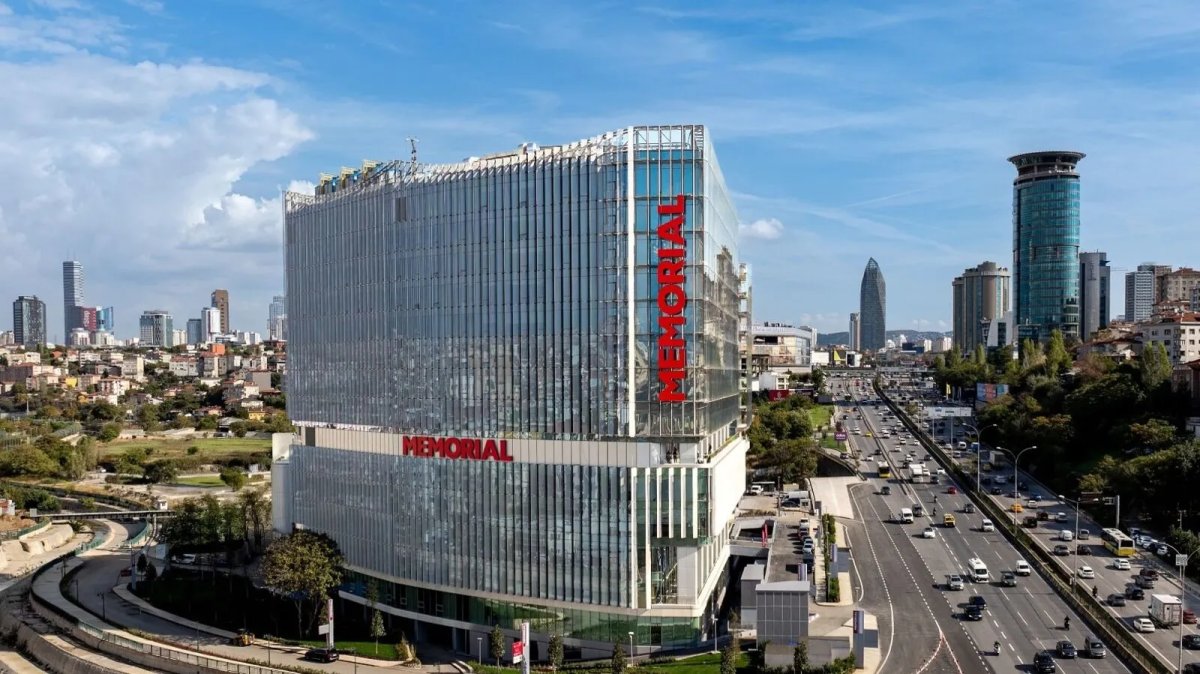
- معايير الاعتماد: تحافظ منشآت مثل مركز الأناضول الطبي ومستشفى ميموريال شيشلي على شهادات JCI وISO.
- خبرة الجراحين: أجرى أطباء مثل كايان توران في مجموعة توران توران الصحية أكثر من 3500 إجراء روبوتي.
- التكنولوجيا المتقدمة: تستخدم العيادات أنظمة MAKO الروبوتية والتوجيه التنظيري للعمليات الجراحية الجلدية.
- بروتوكول التعافي: يبقى المرضى عادةً من 1 إلى 3 ليالٍ في المستشفى وينتظرون من 7 إلى 10 أيام قبل السفر جواً.
رؤية خبير Bookimed: بينما يبحث الكثيرون عن تركيا بسبب انخفاض التكاليف، تكمن القيمة الحقيقية في مراكز الصدمات المتخصصة. تظهر بياناتنا أن عيادات مثل مجموعة توران توران الصحية تتخصص بشكل شبه حصري في جراحة العظام بدلاً من الرعاية العامة. غالباً ما تتعامل هذه المراكز المتخصصة مع عدد أكبر من الحالات المعقدة، مثل 10,000 عملية استبدال مفصل أجراها خبراء مثل إيرمان تشيكيك.
إجماع المرضى: يؤكد المرضى على إعطاء الأولوية للمستشفيات الخاصة المعتمدة من JCI والجراحين الذين يتحدثون الإنجليزية لضمان تواصل واضح. ينصح الكثيرون بالتخطيط لمدة أسبوعين على الأقل للتعافي المحلي لتجنب المضاعفات المرتبطة بالسفر مثل تجلط الأوردة العميقة.




 العلاج الجراحي لكسور العظام الطويلة، بما في ذلك التثبيت عبر الجلد تحت التوجيه الفلوري