Centro Médico Teknon
إسبانيا, برشلونة
Joaquim Casañas
33سنة خبره ١٦ سنة • تم تنفيذ 460+ علاجات

الاعتمادات : 
العيادة معتمدة من قبل : 





تمت مراجعة المقالة طبيا من قبل
فهد مولود
من $6,800. تعكس الأسعار في مراكز طبية مثل برشلونة ومدريد مستوى المنشأة وخبرة المتخصصين. تشمل الرسوم القياسية عادةً أجور الجراح والتخدير والتصوير التشخيصي الأولي.
رأي خبراء Bookimed: توفر إسبانيا رعاية تقويم عظام متميزة تمنح قيمة عالية مقابل التكلفة في الحالات المعقدة. على سبيل المثال، تحقق عيادة جامعة نافارا معدل نجاح يصل إلى 95% في الحفاظ على الأطراف عند علاج ساركوما العظام. تعالج مراكز النخبة مثل مركز تيكنون الطبي رياضيين عالميين، مع باقات متخصصة تبدأ من حوالي 21,500 $. وتُعد هذه التكلفة أقل بشكل ملحوظ من مثيلاتها في السعودية لخدمات الطب الرياضي المتقدمة واستشفاء الإصابات البليغة.
لماذا تختار إسبانيا لعلاج كسور العظام؟
احصل على حلول متقدمة لعلاج كسور العظام في عيادات موثوقة من $6,800.
| تركيا | إسبانيا | ألمانيا | |
|---|---|---|---|
| علاج كسور العظام | من $7,400 | من $6,800 | ≈ $5,200 |
| جراحة تصحيح تشوه العظام | من $6,000 | من $22,500 | ≈ $25,000 |
| العلاج الجراحي لكسر الساعد | من $3,800 | من $9,000 | ≈ $5,200 |
Bookimed لا يضيف رسوماً إضافية على أسعار علاج كسور العظام. الأسعار مأخوذة من قوائم الأسعار الرسمية للعيادات. تدفع مباشرة في العيادة مقابل علاج كسور العظام عند وصولك.
Bookimed ملتزم بسلامتك. نحن نعمل فقط مع المؤسسات الطبية التي تحافظ على معايير دولية عالية في علاج كسور العظام ولديها التراخيص اللازمة لخدمة المرضى الدوليين في جميع أنحاء العالم.
Bookimed يقدم مساعدة خبراء مجانية. منسق طبي شخصي يدعمك قبل وأثناء وبعد العلاج، ويحل أي مشاكل. لن تكون وحيداً أبداً في رحلة علاج كسور العظام.

تقوم هذه العملية بإعادة تنظيم العظام المكسورة في الذراع ، باستخدام ألواح أو قضبان أو براغي ، مما يوفر تعافيًا أسرع وأكثر راحة.
يقوم هذا الإجراء بإصلاح العظام المكسورة ، من خلال الجبيرة أو الجراحة أو الجر ، مما يعزز التعافي السريع واستعادة القدرة على الحركة.
يصحح الإجراء أشكال العظام غير المنتظمة ، ويحسن الوظيفة البدنية ويقلل الانزعاج من خلال التعديلات الجراحية الدقيقة.
اليوم 1
اليوم الثاني
يوم 3
يوم 4-7
الأسبوع 1-2
الأسبوع 3-6
الأسبوع 7-12
ملاحظة: يختلف الجدول الزمني للشفاء لكل مريض ويعتمد على شدة الكسر والحالة الصحية العامة والاستجابة الفردية للعلاج.
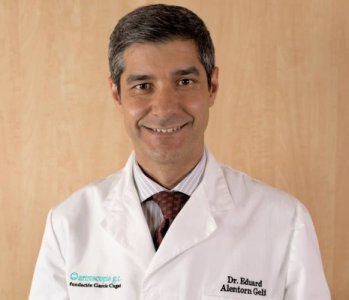
33 سنة متخصص في علاج كسور العظام – كان الدكتور كاسانياس رائدًا في رسم خرائط الأعصاب أثناء الجراحة لإجراء عمليات دقيقة في مركز تكنون الطبي (Centro Médico Teknon).

مع ما يقرب من _doctor_8927_سنوات_ من الخبرة، يتخصص الدكتور ليز في أمراض مفصل الركبة والكتف، والإصابات الرياضية، والجراحة الروبوتية في مستشفى أوليمبيا كيرونسالود.
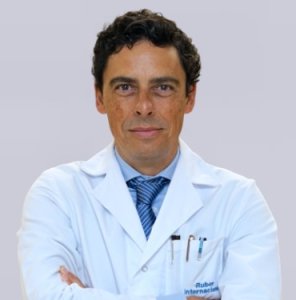
أكثر من 25 عاماً من التخصص في إصابات الملاعب – يقود الدكتور دي لا كوادرا فريقه الطبي الخاص في بروتوكولات التعافي السريع.

 Anna Leonova
يمكن للسياح تلقي علاج لكسور العظام في أي مستشفى عام في إسبانيا. يلزم القانون الإسباني أقسام الطوارئ بتقديم رعاية فورية للجميع. يحصل مواطنو الاتحاد الأوروبي الذين يحملون بطاقة EHIC أو GHIC سارية المفعول على علاج مجاني، بينما يتحمل الزوار من خارج الاتحاد الأوروبي المسؤولية المالية عن جميع التكاليف الطبية.
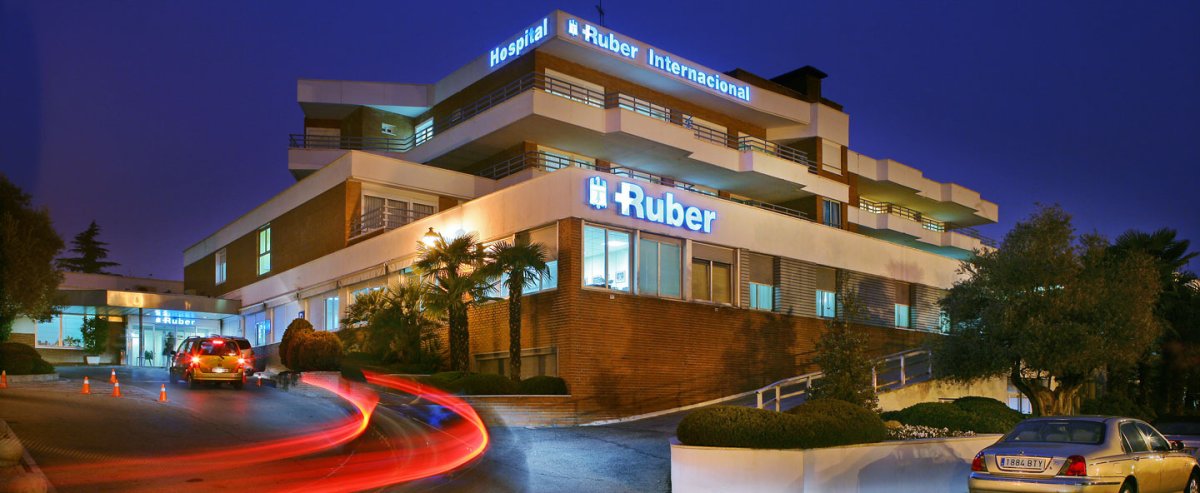
رؤية خبير Bookimed: تحتل إسبانيا المرتبة الخامسة عالمياً من حيث الطلبات الطبية في شبكتنا، مما يعكس ثقة عالية في نظام الرعاية الصحية فيها. تقدم المراكز المتميزة مثل Centro Médico Teknon أو Hospital Ruber Internacional رعاية تقويم عظام متخصصة تنافس معايير المستشفيات العامة. غالباً ما توفر هذه المرافق الخاصة وصولاً أسرع إلى منسقين يتحدثون الإنجليزية وتقنيات تثبيت روبوتية متقدمة.
إجماع المرضى: العلاج سريع، ولكن يجب عليك الاحتفاظ بجميع التقارير الطبية الإسبانية الأصلية للمطالبات التأمينية. يجب على الزوار من خارج الاتحاد الأوروبي توقع تلقي فاتورة لاحقاً إذا لم يتمكنوا من تقديم إثبات التأمين فوراً في المستشفى.
تعالج كل من المستشفيات العامة والعيادات الخاصة في إسبانيا كسور العظام بفعالية. توفر المستشفيات العامة رعاية صدمات عالمية المستوى وتتعامل مع الكسور المعقدة متعددة الشظايا. تعطي المرافق الخاصة الأولوية للسرعة والموظفين الذين يتحدثون الإنجليزية. يجب على جميع غرف الطوارئ الإسبانية تثبيت الإصابات العاجلة بغض النظر عن حالة التأمين.
رؤية خبير Bookimed: بينما توفر المستشفيات العامة رعاية تقويم عظام ممتازة، فإن أوقات الانتظار للكسور التي لا تهدد الحياة طويلة. تسمح لك العيادات الخاصة بتخطي طوابير الانتظار التي تصل إلى 4 ساعات. اتصل دائمًا بمزود التأمين الخاص بك قبل الوصول. هذا يضمن الحصول على تفويض مسبق ويمنع مشاكل الفوترة المباشرة لاحقًا.
إجماع المرضى: يقدر المرضى الجودة التقنية العالية للجراحين في القطاع العام. ومع ذلك، يوصي الكثيرون بالعيادات الخاصة في المناطق السياحية. هذا يتجنب ضغوط حواجز اللغة أثناء الإجراءات المؤلمة.
يصل المغتربون إلى خدمات الوقاية الثانوية من الكسور وخدمات ربط الكسور من خلال شبكات الصحة العامة، أو التأمين الدولي الخاص، أو المسارات ذاتية التمويل. يبدأ الوصول عادةً بعد حدوث كسر هشاشة، مما يتطلب إحالة إلى متخصصين مثل أطباء الغدد الصماء أو أطباء الروماتيزم لإجراء فحوصات قياس كثافة العظام (DXA) وإدارة أدوية هشاشة العظام على المدى الطويل في مرافق معتمدة.
رؤية خبير Bookimed: غالبًا ما تعطي المراكز الخاصة الإسبانية مثل مستشفى روبير الدولي (Hospital Ruber Internacional) ومركز تكنون الطبي (Centro Médico Teknon) الأولوية لسرعة التشخيص. في حين أن الأنظمة العامة قد يكون لديها قوائم انتظار، فإن هذه المرافق الخاصة تقوم بجدولة فحوصات DXA والمختبرات الأيضية في غضون 48 ساعة. يجب على المرضى البحث عن جراحين ذوي تدريب دولي من مؤسسات مثل مايو كلينك لضمان توافق البروتوكولات مع معايير الوقاية الثانوية العالمية.
إجماع المرضى: يجد العديد من المرضى أن تقييمات صحة
تستخدم المراكز الإسبانية الرائدة الملاحة أثناء الجراحة، والجراحة بمساعدة الروبوت، والعلاجات التقويمية التجديدية لعلاج الكسور المعقدة. تستخدم مرافق مثل Centro Médico Teknon وClinica Universidad de Navarra التخطيط قبل الجراحة القائم على التصوير المقطعي ثلاثي الأبعاد والتثبيت عن طريق الجلد. تضمن هذه الأساليب المتقدمة دقة دون مليمترية وتسرع بشكل كبير من التئام العظام.
رؤية خبير Bookimed: بينما يركز الكثيرون على الأجهزة، تتميز العيادات الإسبانية من الدرجة الأولى بفرق الصدمات المتخصصة وليس فقط بالمعدات. تحافظ مراكز مثل Clinica Universidad de Navarra على معدل حفظ للأطراف بنسبة 95% لحالات العظام المعقدة. ينبع هذا النجاح من الجمع بين الدقة الروبوتية والخبرة الجراحية عالية الحجم، والتي غالبًا ما تتجاوز 20,000 عملية سنويًا لكل مرفق.
إجماع المرضى: يقدر المرضى المراكز التي تعطي الأولوية للتثبيت المستقر طفيف التوغل الذي يسمح بالحركة المبكرة. يفضل المرضى باستمرار فرق الصدمات ذات ال