عيادات الرفع الخلفي في تركيا


تمت مراجعة المقالة طبيا من قبل
فهد مولود
كيف نعمل؟
ما هي تكلفة الرفع الخلفي في تركيا؟ اكتشف الآن
تتراوح تكلفة عملية شد الظهر في تركيا عادةً بين $2,800 و $3,900. يعتمد السعر النهائي على التقنية الجراحية، وكمية الأنسجة المزالة، وإدراج شفط الدهون ضمن الإجراء. تشمل الباقات القياسية عادةً أتعاب الجراح، والإقامة في المستشفى، وتكاليف الفندق، وخدمات النقل لكبار الشخصيات.
- شد الظهر العلوي: يتضمن غالباً إزالة طيات الجلد أسفل خط حمالة الصدر للحصول على قوام أكثر تناسقاً.
- شد الظهر السفلي: يركز على منطقة الفقرات القطنية، وغالباً ما يُجرى بجانب عملية شد الأرداف.
- إضافة شفط الدهون: عادةً ما تؤدي إضافة تقنية VASER أو شفط الدهون بالليزر إلى زيادة التكلفة الإجمالية بنسبة 20 إلى 30 %.
- أسعار المراكز الطبية: تتسم الباقات في إسطنبول أو أنطاليا بتنافسية عالية نتيجة لارتفاع أعداد المرضى.
رأي خبراء Bookimed: يضمن اختيار متخصص مثل الدكتورة ليلى أرفاس في مستشفى كوارز الوصول إلى تقنيات متطورة. تُعد أرفاس مدربة معتمدة لتقنية VASER، وهو أمر حيوي لنحت الظهر بدقة عالية. تبدأ أسعار الباقات المميزة في إسطنبول من حوالي 5,400 $، وغالباً ما تشمل إقامة في فنادق 5 نجوم. يوفر ذلك قيمة أفضل مقارنة بالعيادات الأساسية من خلال تضمين دعم التعافي والاعتمادات الدولية مثل JCI أو ISAPS.
| تركيا | تايلاند | كوريا الجنوبية | |
|---|---|---|---|
| الرفع الخلفي | من $2,800 | من $4,000 | من $4,000 |
اكتشف أفضل الرفع الخلفي العيادات في تركيا: 74 خيارات معتمدة والأسعار



Dr. MED Clinic















نظرة عامة على الرفع الخلفي في تركيا
- الرفع الخلفي - من $2,800
يعمل هذا العلاج على إعادة تشكيل منطقة الظهر ، مما يقلل من الجلد الزائد والدهون لتحسين الشكل والمظهر.
اليوم الأول - الوصول
- نقل من المطار إلى الفندق.
- لقاء مع المساعد الطبي للمساعدة اللغوية.
اليوم 2 - ما قبل العملية
- استشارة جراح التجميل.
- إجراء الفحوصات الطبية اللازمة.
- مناقشة حول خيارات التخدير.
اليوم الثالث - جراحة شد الظهر
- القبول في العيادة.
- التحضير للجراحة تحت التخدير العام.
- جراحة شد الظهر ، وعادة ما تستغرق 2-5 ساعات.
- مراقبة ما بعد العملية في العيادة.
اليوم 4 - بعد العملية
- الخروج من العيادة.
- نقل إلى الفندق للشفاء.
- وصفة طبية من أدوية ما بعد الجراحة.
الأسبوع الأول - التعافي
- الراحة والنشاط البدني المحدود.
- التناول المنتظم لأدوية ما بعد الجراحة.
الأسبوع 2-4 - إعادة التأهيل
- زيادة تدريجي في النشاط البدني.
- استشارات المتابعة مع الجراح.
الأسبوع الخامس وما بعده
- العودة إلى العمل والأنشطة العادية.
- تحسن ملحوظ في شكل الظهر ومظهره.
يرجى ملاحظة أن الجدول الزمني وخطة العلاج قد تختلف حسب الحالة الصحية للفرد وتوصيات الجراح.
ماذا يحب المرضى:
- يكلف. تتراوح تكلفة المصعد الخلفي في تركيا من 4000 دولار إلى 7000 دولار. هذا أقل بكثير مقارنة بالتكلفة في الولايات المتحدة (8000 دولار إلى 12000 دولار) أو المملكة المتحدة (9000 دولار إلى 15000 دولار).
- احتراف الطبيب. يتمتع الأطباء الأتراك بمهارات عالية ، وغالبًا ما يحملون شهادات دولية وعضويات في منظمات مشهورة. هم من ذوي الخبرة ، بعد أن أجروا العديد من عمليات شد الظهر.
- مستوى الخدمة. يقدّر المرضى المستوى العالي للخدمة. من الاستشارة إلى الرعاية اللاحقة ، فإن الاهتمام بالتفاصيل وراحة المريض جدير بالثناء.
- فعالية شد الظهر. التقنيات الحديثة المستخدمة في تركيا تعطي نتائج ممتازة. يبلغ المرضى عن معدلات رضا عالية بسبب شد الظهر الفعال.
- الخدمات اللوجستية. يحب المرضى الباقات الشاملة كليًا ، بما في ذلك النقل والإقامة. هذا يجعل العملية برمتها أكثر سلاسة وراحة.
ما لا يحبه المرضى:
- حاجز اللغة. أبلغ بعض المرضى عن صعوبات بسبب حواجز اللغة ، على الرغم من جهود العيادات لتوفير مترجمين.
- وقت الانتظار. في بعض الأحيان ، قد تكون هناك أوقات انتظار أطول للمشاورات أو الإجراءات بسبب ارتفاع الطلب.
- مسافة. بالنسبة لبعض المرضى ، وخاصة أولئك القادمين من بلدان بعيدة ، قد يكون السفر الطويل إلى تركيا عيبًا.
- إيداع Bookimed: 200 دولار أو 200 يورو.
- وديعة العيادة: ادفع نسبة محددة مقدمًا.
تلتزم Bookimed، وهي منصة عالمية رائدة في مجال السياحة الطبية، بمساعدة العملاء الذين يبحثون عن شد الظهر في تركيا من خلال تقديم مساعدة الخبراء والحلول الطبية الجديرة بالثقة لكل حالة. يُستخدم نظام التصنيف التلقائي الذكي لإنشاء قوائم عيادات شفافة، ويتم صيانتها بدقة بواسطة عالم بيانات يستخدم الذكاء الاصطناعي للتأكد من دقتها. تضمن المنصة الأصالة من خلال نشر مراجعات من مرضى حقيقيين بعد علاجهم. يقدم Bookimed حلولاً طبية شاملة، مع تحديثات من العيادات لضمان الثقة. المحتوى الخاص بعملية شد الظهر في تركيا، والذي تم صياغته من قبل مؤلفين طبيين ذوي خبرة ومراجعته من قبل متخصصين، يلتزم بإرشادات التحرير الخاصة بـ Bookimed ، مما يعكس التزام المنصة بتقديم معلومات صحية واضحة وعالية الجودة. لمزيد من التفاصيل أو الاستفسارات، لا تتردد في الاتصال بنا على Marketing@bookimed.com أو معرفة المزيد عنا وعن مهمتنا عن Bookimed .
احصل على تقييم طبي لـ الرفع الخلفي في تركيا. استشر الآن 85 أطباء ذوي الخبرة.
عرض جميع الأطباء
Murat Yaman
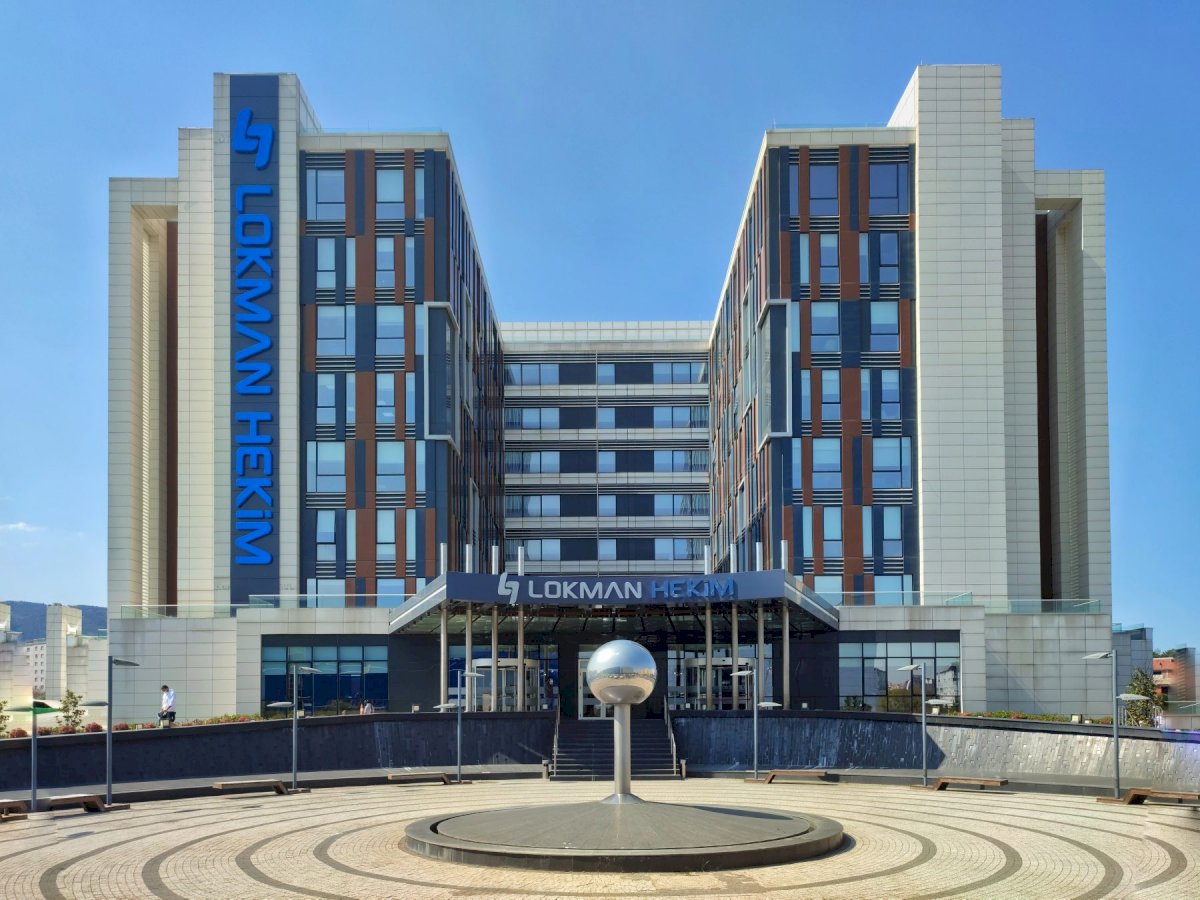
يجري الدكتور يامان 500-600 عملية جراحية سنوياً، وهو متخصص في تحقيق نتائج طبيعية المظهر لنحت الجسم وشد الظهر في مستشفى لقمان حكيم في إسطنبول.
- جراح تجميل معتمد يتمتع بتدريب مكثف في الجراحة المجهرية
- عضو الجمعية التركية للجراحة التجميلية والترميمية
- متخصص في مجموعة واسعة من إجراءات نحت الجسم
- ملتزم بتحقيق رضا عالٍ للمرضى مع نتائج طبيعية
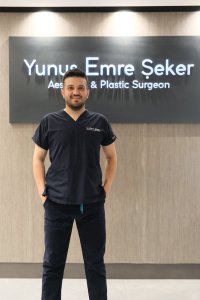
Yunus Emre Seker
يجلب الدكتور شيكر دقة جراحية فائقة اكتسبها من حالات الترميم المعقدة إلى كل إجراء لشد الظهر، بهدف تحقيق نتائج طبيعية ومتناغمة.
- تدرب على يد البروفيسور الدكتور عمر أوزكان، الرائد في مجال زراعة الأعضاء الترميمية
- متخصص في نحت الجسم مع التركيز على الدقة التشريحية
- نهج متوازن يجمع بين العلم والفن في الإجراءات التجميلية
- أكمل فترة الإقامة في مستشفى جامعة أكدينيز، وهو مركز جراحي رائد

Muhammet Mustafa Aydinol
الدكتور أيدينول عضو في جمعيات الجراحة التجميلية الدولية، مما يجلب خبرة عالمية إلى ممارسته.
- متخصص في الجراحة التجميلية والترميمية والجمالية في جامعة دجلة
- نشر أبحاثًا حول تقنيات مبتكرة مثل السدائل المروحية القائمة على الثاقبات (Perforator-based propeller flaps)
- عضو في الجمعية الدولية للجراحة التجميلية
- يركز على الجمع بين النتائج الجمالية والوظيفية في الإجراءات الجراحية

Kadriye Ipek Uzunoglu
الدكتورة قادرية إيبك أوزونوغلو هي جراحة تجميل وترميم مرموقة في مستشفى ميموريال شيشلي، متخصصة في الإجراءات التجميلية والترميمية.
- متخصصة في جراحات تجميل الأنف التصحيحية وشد الظهر
- تدربت في قسم الجراحة التجميلية بجامعة ألاباما في برمنغهام
- عضو في الجمعية التركية للجراحة التجميلية والترميمية
- خبرة واسعة في الجراحة التجميلية والترميمية منذ عام 2011
قصص فيديو من مرضى Bookimed
المراجعات
جميع المراجعات










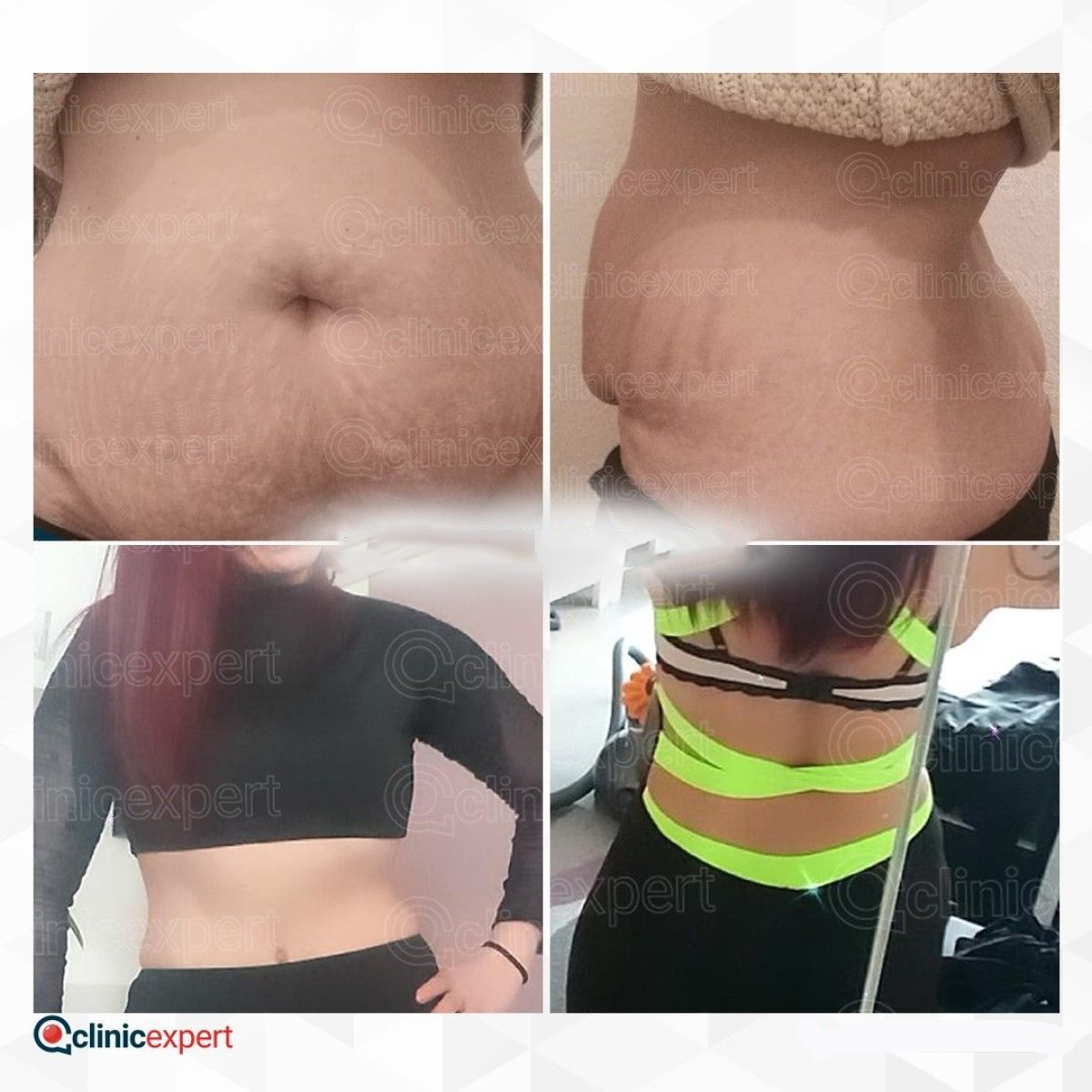
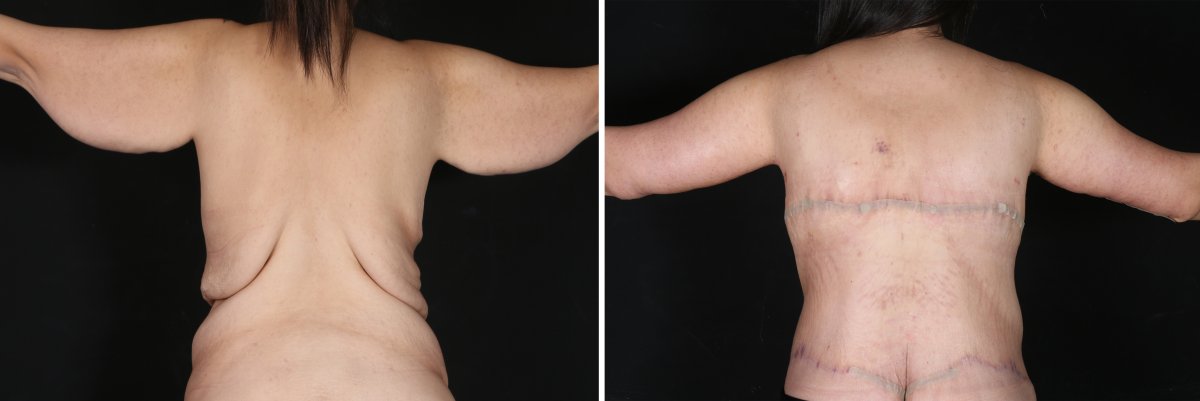
الرفع الخلفي: صور قبل/بعد
عرض جميع الصور قبل وبعد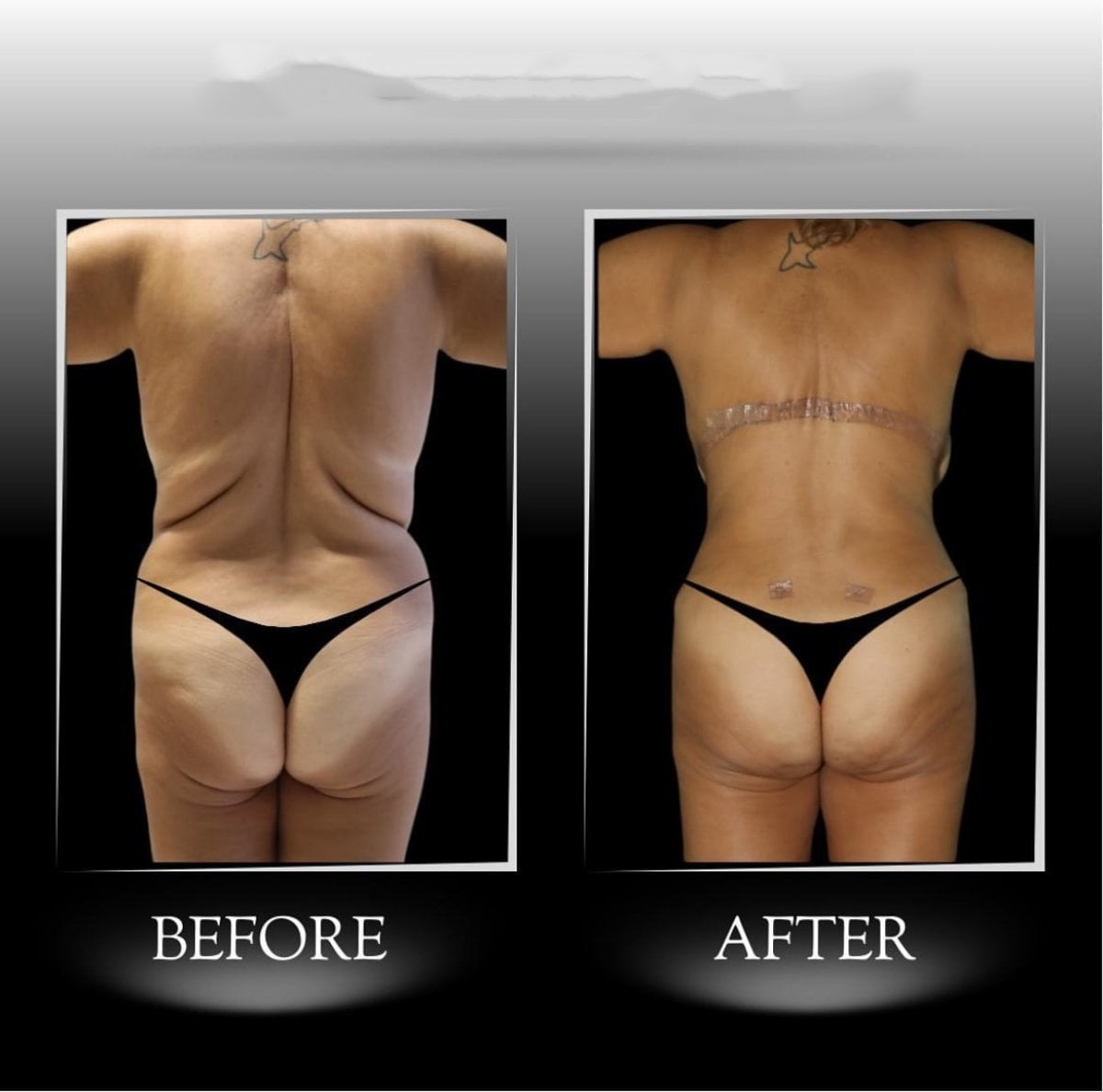
مشاركة المحتوى
 Anna Leonova
أسئلة متكررة حول الرفع الخلفي في تركيا
ما هي المخاطر والمضاعفات المحتملة لعملية شد الظهر؟
عملية شد الظهر في تركيا تعتبر آمنة بشكل عام ولكنها تحمل مخاطر مثل تجمع السوائل، العدوى، وتباعد الجروح. قد يعاني المرضى من تورم مؤقت، خدر أو كدمات. اختيار الجراحين الحاصلين على شهادة من الجمعية التركية لجراحة التجميل والترميم والجراحة التجميلية والمرافق ذات اعتماد JCI يساعد على تقليل هذه المضاعفات الجراحية المحتملة.
- تجمع السوائل: تجمع السوائل شائع وقد يتطلب التصريف بواسطة متخصص خلال فترة التعافي الأولى.
- التئام الشقوق: تباعد الجروح يحدث في بعض الحالات، وغالبًا ما يكون نتيجة النشاط البدني المبكر.
- تغيرات الإحساس: عادة ما يزول خدر الأعصاب المؤقت أو الوخز في غضون بضعة أسابيع إلى شهور.
- نضوج الندبات: عادة ما تظهر الندبات حمراء خلال 6 أشهر قبل أن تلين على مدى 12-18 شهراً.
رؤية خبير Bookimed: تظهر البيانات من أفضل العيادات في إسطنبول أن المراكز ذات الحجم العالي التي تقوم بأكثر من 12,000 عملية سنويًا غالبًا ما تستخدم تقنية VASER لعمليات شد الظهر. هذه الطريقة، التي يستخدمها متخصصون مثل الدكتورة ليلى عارفاس، تساعد في تقليل إصابة الأنسجة مقارنة بالطرق التقليدية. في حين أن التعافي يظل مكثفًا، إلا أن اختيار مدرب معتمد بتقنية VASER يمكن أن يحسن بشكل كبير من دقة عملية شد الجلد.
إجماع المرضى: يؤكد العديد من المرضى على ضرورة تخصيص ميزانية للإقامة الممتدة لطريقة إدارة المصارف الجراحية بشكل صحيح. ينصحون بتأجيل الرحلات الجوية حتى التئام الجروح بشكل كلي لتجنب مضاعفات الشفاء المرتبطة بالسفر.
ما هو الجدول الزمني للتعافي بعد جراحة شد الظهر التي تُجرى في تركيا؟
عادةً ما يتطلب التعافي من رفع الظهر في تركيا البقاء من 7 إلى 10 أيام في البلد للمراقبة الأولية وإزالة الأنابيب. يعود المرضى عادةً إلى العمل المكتبي الخفيف خلال 3 إلى 4 أسابيع، في حين أن الأنشطة البدنية الشاملة وظهور النتائج النهائية يستغرق من 6 إلى 12 شهرًا.
- الإقامة في المستشفى: تتطلب معظم العيادات التركية، مثل مستشفى CE International، يومين من المراقبة الداخلية.
- الحركة الأولية: يبدأ المرضى المشي الخفيف خلال 48 ساعة لكن يحتاجون إلى مساعدة لمدة أسبوعين.
- العلاج بالضغط: ارتداء ملابس الضغط الطبي إلزامي لمدة 6 إلى 8 أسابيع بدوام كامل.
- قيود النشاط: يجب تجنب الرفع الثقيل والتمارين الجهدية لمدة لا تقل عن 8 إلى 12 أسبوعًا.
رأي خبير Bookimed: في حين أن العديد من الخطط القياسية تقترح العودة إلى الوطن بعد أسبوع واحد، تشير البيانات من العيادات ذات الحجم الكبير مثل مستشفى Quartz إلى أن البقاء من 10 إلى 14 يومًا يعزز الشفاء بشكل كبير. يتيح هذا الوقت الإضافي إزالة الغرز بشكل احترافي وضبط ملابس الضغط بشكل شخصي، مما يساعد في منع تجمع السوائل في المراحل المبكرة ويضمن تناسق الظهر بشكل صحيح.
إجماع المرضى: يجد العديد من المرضى أن الأسابيع الأولى أكثر تطلبًا بدنيًا من عملية تجميل البطن بسبب توتر الكتفين. يوصون بوجود مساعد خاص للشهر الأول وتتبع التورم يوميًا لضمان التئام الجرح بشكل متوازن.
ما هي المدة التي يجب أن أبقى فيها في تركيا بعد جراحة رفع الظهر قبل العودة إلى المنزل؟
يوصي معظم الجراحين بالبقاء في تركيا لمدة 7 إلى 10 أيام بعد عملية رفع الظهر قبل العودة إلى المنزل بالطائرة. تضمن هذه المدة الشفاء الأولي للجروح، تسمح بإزالة المصارف الجراحية، وتشمل التقييمات للمتابعة الأساسية للتأكد من أنك مؤهل للسفر بالطائرة.
- الإقامة في المستشفى: توقع البقاء تحت المراقبة الداخلية لمدة 1 إلى 2 يوم لتلقي الرعاية الفورية بعد العملية.
- إزالة المصارف: عادة ما يقوم الجراحون بإزالة المصارف الجراحية بين اليوم الخامس واليوم العاشر.
- الفحص السريري: هناك حاجة لإجراء تقييم نهائي شخصيًا لتلقي التصريح الرسمي المناسب للسفر بالطائرة.
- سلامة السفر: البقاء لمدة 10 أيام يقلل من مخاطر التخثر الوريدي العميق وانفصال الجروح.
رؤية خبير بوكيمد: بينما تتضمن العديد من الحزم القياسية 6 ليالي في الفندق، تُظهر بياناتنا أن المراكز ذات الحجم الكبير مثل مستشفى CE الدولي تتعامل غالبًا مع حالات معقدة تتطلب فترة تعافي أطول. في عمليات رفع الظهر الواسعة التي تشمل شفط الدهون بتقنية VASER، فإن تمديد الإقامة إلى 12 أو 14 يومًا هو استراتيجي أكثر أمانًا. هذه النافذة الإضافية تأخذ في الاعتبار التقلبات المحتملة في التورم التي غالبًا ما تصل إلى الذروة بعد أسبوع من العملية.
إجماع المرضى: يشدد المرضى على أنه بينما يشعر البعض بالاستعداد بعد 7 أيام، فإن الإقامة لمدة 10 إلى 14 يومًا هي أكثر واقعية لإدارة الانزعاج الناتج عن الجلوس بشكل عمودي في الرحلات الطويلة. يقترح الكثيرون طلب المساعدة في المطار لتجنب رفع الأمتعة الثقيلة، مما قد يجهد شقوق الظهر.
ما هي أنواع عمليات شد الظهر المتوفرة؟
تشمل عمليات شد الظهر المتاحة في تركيا شد منطقة حمالة الصدر للجزء العلوي من الظهر، وشد أسفل الظهر الذي يستهدف منطقة الخصر، وتنسيق الشكل الكامل للظهر. غالبًا ما يجمع الجراحون بين استئصال الجلد الجراحي وشفط الدهون بتقنية الفيزر لإزالة الدهون وشد الأنسجة للحصول على صورة ظلية متناغمة.
- شد منطقة حمالة الصدر: يتم إخفاء الشقوق الأفقية على طول حمالات الصدر لإزالة ثنيات الجلد في الجزء العلوي من الظهر.
- شد أسفل الظهر: يستهدف الجلد المترهل قرب الوركين والخصر من خلال شقوق منخفضة الموضع.
- شد الظهر الرأسي: يستخدم شقوقًا من الوركين إلى الإبطين لتضييق شامل لمنطقة الوسط.
- شد بمساعدة شفط الدهون: يستخدم تقنية الفيزر لتسييل الدهون قبل استئصال أو شد الجلد بالحد الأدنى.
رؤية خبيرة من بوكيميد: غالبًا ما تتخصص العيادات التركية في شفط الدهون بتقنية الفيزر عالية الدقة بدلاً من استئصال الجلد التقليدي وحده. يقلل هذا النهج من ندبات الجراحة بينما يزيد من تحديد الشكل. على سبيل المثال، تستخدم الدكتورة ليلى أرواس في مستشفى كوارتز تقنيات معتمدة من الفيزر بشكل خاص لتقليل التورم بعد الجراحة وتحسين انكماش الجلد.
إجماع المرضى: يؤكد المرضى أن جلد الظهر يشفى بشكل أكثر سمكًا من المناطق الأخرى، مما يتطلب غالبًا 12 شهرًا ليتم التئام الندوب بالكامل. العديد يوصون بطلب صور قبل وبعد محددة لأجسام مشابهة لتأكيد تقنية الاستئصال الخاصة بالجراح.
هل يمكنني دمج عملية شد الظهر مع عمليات تجميلية أخرى؟
غالبًا ما يتم دمج عملية شد الظهر مع إجراءات أخرى مثل شفط الدهون، شد البطن، أو رفع الثدي لتحقيق تنسيق شامل للجسم. يقوم الجراحون الأتراك غالبًا بإجراء هذه العمليات المتكاملة لمرضى فقدان الوزن لمعالجة مناطق متعددة من الجلد المترهل خلال جلسة جراحية واحدة.
- الجمعيات الشائعة: غالبًا ما يقرن الجراحون عمليات شد الظهر مع شفط الدهون VASER أو شد البطن لتحقيق نتائج بزاوية 360 درجة.
- تجديد الجزء العلوي من الجسم: إنشاء انسجام في الجزء العلوي من الجسم عن طريق دمج شد الظهر بحزام الصدر مع رفع الثدي.
- الكفاءة المُعززة: يوفر المرضى تكاليف المرافق والتخدير بينما يخوضون فترة شفاء واحدة فقط.
- حدود الجراحة: تظل مجموعات العمليات الرئيسية تحت 6 إلى 7 ساعات لضمان سلامة المرضى.
رؤية خبراء Bookimed: بينما من الممكن إجراء جلسات كبيرة تستغرق أكثر من 8 ساعات، تظهر بياناتنا نتائج أفضل عندما تبقى العمليات ضمن حدود أكثر أمانًا. غالبًا ما يقترح د. صالح أونور باسات وخبراء آخرون معتمدون من EBOPRAS التركيز على منطقة واحدة، مثل دمج شد الظهر مع رفع الثدي، للحفاظ على الدورة الدموية المثلى وتقليل خطر حدوث تراكم السوائل خلال فترة الإقامة في المستشفى التي تستمر لمدة 2 يوم.
إجماع المرضى: يقدِّر المرضى النهج الشامل لتحويله الدرامي لكنهم يؤكدون على الحفاظ على مؤشر كتلة الجسم تحت 30. تُشير التقارير إلى أنه رغم أن الأسابيع الثلاثة الأولى تتضمن تورمًا كبيرًا، إلا أن التماثل طويل الأمد يفوق فترة التعافي المكثفة.
كيف يجب أن أهيئ جسدي وأسلوب حياتي قبل إجراء جراحة رفع الظهر في تركيا؟
يتطلب التحضير لرفع الظهر في تركيا تثبيت وزنك لمدة 6 إلى 12 شهرًا والتوقف عن استخدام النيكوتين على الأقل 4 إلى 6 أسابيع قبل الجراحة. يجب عليك أيضًا ترتيب إقامة من 7 إلى 14 يومًا في إسطنبول لتلبية احتياجات المستشفى الإلزامية لمدة يومين والرعاية اللاحقة.
- استقرار الوزن: حافظ على وزن ثابت لمدة 6 أشهر لضمان نتائج مثالية في إزالة الجلد.
- التوقف عن النيكوتين: توقف عن التدخين والتدخين الإلكتروني قبل 6 أسابيع لتجنب نخر الأنسجة والالتهابات.
- التحضير الغذائي: زد البروتين إلى 1.5 جرام لكل كيلوجرام يوميًا لتسريع شفاء الجروح بعد الجراحة.
- سلامة الأدوية: توقف عن تناول الأسبرين، والإيبوبروفين، والمكملات العشبية قبل أسبوعين من الوصول إلى تركيا.
- ترتيبات السفر: احزم الملابس التي تفتح من الأمام لتجنب رفع الذراعين فوق الرأس خلال مرحلة الشفاء الأولى.
رؤية خبير بووكيميد: بينما يبحث العديد عن أقل الأسعار، تظهر بياناتنا أن أنجح النتائج تأتي من عيادات مثل مستشفى كوارتر، حيث يكون الجراحون مثل الدكتورة ليلى أرفاس مدربين معتمدين على تقنية VASER. الجمع بين رفع الظهر التقليدي وتقنية VASER غالبًا ما ينتج عنه ملامح أنعم من الجراحة وحدها، مما يجعل الإقامة في المستشفى لمدة يومين التي تتضمنها هذه الحزم شبكة أمان حاسمة للمراقبة.
إجماع المرضى: يشدد المرضى على أن الحفاظ على الترطيب والمشي 5000 خطوة يوميًا قبل الرحلة يقلل بشكل كبير من التورم بعد الجراحة. ينصح الكثيرون بتعديل جدول نومك على توقيت إسطنبول قبل أسبوع لتجنب التعب يوم ال