علاج نقص الصفائح الدمويه في تركيا — احصل على 3 عيادات مختارة خصيصاً لك


تمت مراجعة المقالة طبيا من قبل
فهد مولود
كيف نعمل؟
ما هي تكلفة نقص الصفائح الدمويه إجراءات التشخيص والعلاج في تركيا؟ اعرف الآن
تختلف التكلفة الإجمالية لعلاج نقص الصفيحات الدموية في تركيا بناءً على خطة العلاج. تبلغ تكلفة زراعة نخاع العظم من متبرع ذو صلة $65,000. وتبلغ تكلفة كل من الزراعة نصف المتطابقة وزراعة المتبرع غير المرتبط، بما في ذلك البحث عن متبرع دولي، $95,000. وتبلغ تكلفة الاستشارات عبر الإنترنت $110، بينما تبلغ تكلفة الفحوصات الدموية الشاملة $5,000. يتم تحديد برنامج العلاج بعد تقييم فردي لكل مريض من قبل الطبيب.
| تركيا | إسبانيا | ألمانيا | |
|---|---|---|---|
| علاج الأعراض | من $220 | من $20,200 | ≈ $1,800 |
| تبادل البلازما | ≈ $3,900 | ≈ $2,400 | ≈ $3,800 |
| الفصل العلاجي للدم | ≈ $450 | ≈ $1,400 | ≈ $1,400 |
| البلازما | من $3,200 | من $12,300 | ≈ $2,200 |
اكتشف أفضل نقص الصفائح الدمويه العيادات في تركيا: 20 خيارات معتمدة والأسعار










Memorial Ankara Hospital
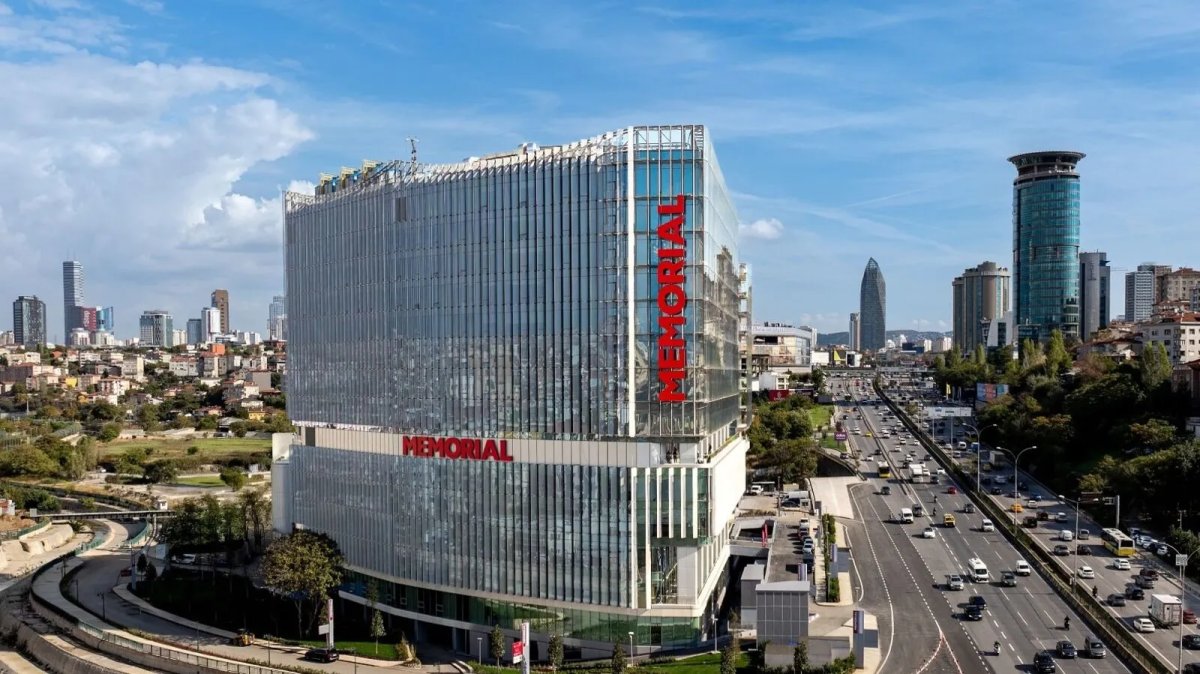
Memorial Göztepe Hospital


Dr. MED Clinic
احصل على تقييم طبي لـ في تركيا. استشر الآن 20 أطباء ذوي الخبرة.
عرض جميع الأطباء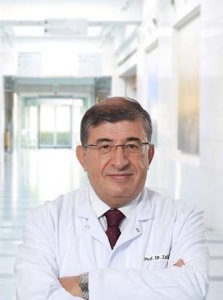
Zafer Gulbas
البروفيسور الدكتور ظافر غولباش هو أحد كبار أطباء أمراض الدم والأورام في تركيا، ومتخصص في زراعة نخاع العظم في مركز الأناضول الطبي.
- مؤسس مركز زراعة نخاع العظم في الأناضول
- مدير قسم الأورام الطبية منذ عام 2005
- تدرب في مراكز مرموقة بما في ذلك فريد هاتشينسون ومركز إم دي أندرسون
- متخصص في أورام الدم

Omur Gokmen Sevindik
يتمتع البروفيسور سيفينديك بخبرة من عيادة مايو كلينك وأكثر من _doctor_8431_ سنوات في أمراض الدم، مع التركيز على اضطرابات الدم المعقدة في مستشفى إسطنبول فلورنس نايتنجيل.
- متخصص في أمراض الدم مع التركيز على نقص الصفيحات
- نشر 18 مقالاً في مجلات دولية محكمة
- تدرب في جامعة دوكوز أيلول وعيادة مايو كلينك
- شارك في العديد من التجارب السريرية

Ceyhun Bozkurt
البروفيسور بوزكورت هو طبيب أورام وأمراض دم رائد للأطفال في مستشفى ميديكال بارك بهجيليفلر، مع تدريب متخصص من مؤسسات أمريكية كبرى مثل مستشفى سينسيناتي للأطفال.
- أكثر من _doctor_8094_ سنوات من الخبرة في أمراض دم وأورام الأطفال
- متخصص في زراعة الخلايا الجذعية المكونة للدم لدى الأطفال
- تدرب في معهد دانا-فاربر للسرطان التابع لجامعة هارفارد في مجال أورام الأعصاب
- نشر أكثر من 40 مقالاً خاضعاً لمراجعة الأقران حول اضطرابات الدم لدى الأطفال
- نائب مدير وحدة زراعة الخلايا الجذعية

Bulent Eser
يتخصص البروفيسور بولنت إيسر في أمراض الدم بخبرة تزيد عن _doctor_9528_عاماً_، مع التركيز على نقص الصفيحات في مجمع مستشفيات ميديكال بارك أنطاليا.
- حاصل على شهادة البورد في الطب الباطني/أمراض الدم
- عضو في المجموعة الأوروبية لزراعة الدم ونخاع العظام
- عضو هيئة تدريس سابق في جامعة إرجييس
- أبحاث منشورة في أورام الدم
مشاركة المحتوى
قصص فيديو من مرضى Bookimed
 Anna Leonova
أسئلة متكررة حول علاج نقص الصفائح الدمويه في تركيا
ما الذي يسبب نقص الصفائح الدموية لدي، وهل هو مؤقت؟
يحدث نقص الصفائح الدموية عندما ينخفض عدد الصفائح الدموية عن 150,000 لكل ميكرولتر. غالباً ما تسبب العدوى الفيروسية أو الأدوية أو الحمل انخفاضات مؤقتة. تنبع الحالات المزمنة عادةً من اضطرابات المناعة الذاتية مثل فرفرية نقص الصفيحات المناعية أو مشاكل نخاع العظم. يتطلب التشخيص إجراء تعداد دم كامل واستشارة طبيب أمراض دم.
- محفزات العدوى: الأمراض الفيروسية مثل الإنفلونزا أو كوفيد-19 تسبب انخفاضاً مؤقتاً في الصفائح الدموية.
- تأثيرات الأدوية: يمكن لبعض المضادات الحيوية أو العلاج الكيميائي أو مميعات الدم أن تخفض الأعداد مؤقتاً.
- عوامل المناعة الذاتية: قد تؤدي حالات مثل فرفرية نقص الصفيحات المناعية إلى تدمير الصفائح الدموية على المدى الطويل.
- احتجاز الطحال: يمكن للطحال المتضخم بسبب أمراض الكبد أن يخزن الكثير من الصفائح الدموية.
- أدوات التشخيص: يستخدم المتخصصون مخططات المناعة ومسحات الدم لتحديد ما إذا كانت الحالات مزمنة.
رؤية خبير Bookimed: تقدم مراكز أمراض الدم التركية خبرة عالية المستوى لاضطرابات الدم المعقدة. أجرى الأستاذ الدكتور ظافر غولباش أكثر من 3,000 عملية زرع نخاع عظم. يضمن اختيار مركز معتمد من JCI سلامة قياسية لإجراءات التشخيص. تخدم المنشآت الكبيرة مثل ميدي بول ميجا أكثر من 1,000,000 مريض سنوياً. يسمح هذا الحجم للأطباء بتحديد المحفزات النادرة التي قد تفوتها العيادات الصغيرة.
إجماع المرضى: يشير المرضى إلى أن قراءة منخفضة واحدة ليست تشخيصاً. تتبع العدوى الأخيرة والأدوية أمر حيوي للأطباء للعثور على
هل عدد الصفائح الدموية لدي منخفض بشكل خطير؟
يُعتبر عدد الصفائح الدموية الأقل من 50,000 لكل ميكرولتر خطيراً. المستويات الأقل من 20,000 حرجة وتشكل خطراً عالياً للنزيف التلقائي. تتراوح النطاقات الطبيعية بين 150,000 و 450,000. تستخدم مراكز أمراض الدم التركية مخططات المناعة وفصادة الدم العلاجية لتثبيت حالة المرضى الذين يعانون من نقص الصفيحات الحرج.
- نطاق خفيف: الأعداد بين 101,000 و 140,000 لا تشكل عادة خطراً طبياً فورياً.
- خطر متوسط: المستويات من 51,000 إلى 100,000 تزيد من مخاطر النزيف أثناء الإصابات أو الجراحات.
- مضاعفات شديدة: تحت 50,000، غالباً ما يعاني المرضى من كدمات كبيرة ويتطلبون احتياطات سريرية فورية.
- حالة حرجة: المستويات تحت 20,000 تتطلب تدخلاً عاجلاً لمنع نزيف داخلي أو تلقائي خطير.
رؤية خبير Bookimed: بينما تهم الأرقام، يركز المتخصصون الأتراك مثل الأستاذ الدكتور عثمان إلهان بشكل كبير على فصادة الدم وتبادل البلازما. تظهر البيانات أن العيادات الرائدة تدير أكثر من 250,000 مريض سنوياً. غالباً ما يعطون الأولوية لعلاج السبب الكامن، مثل فرفرية نقص الصفيحات المناعية (ITP) أو فرفرية نقص الصفيحات التخثرية (TTP)، بدلاً من مجرد التركيز على العدد. تحقق دائماً مما إذا كانت العيادة التي اخترتها تحتوي على بنك دم في الموقع لعمليات نقل الدم الفورية.
إجماع المرضى: يشير المرضى إلى أن الشعور بحالة جيدة ليس دليلاً على الأمان. يؤكد الكثيرون على ضرورة التحقق من الحد الأدنى المحدد للجراح وخطة فحص الدم في نفس اليوم قبل أي إجراء.
ما هي خيارات العلاج الشائعة في تركيا؟
يركز علاج قلة الصفيحات في تركيا على إدارة الأعراض وتحديد الأسباب الجذرية من خلال أمراض الدم المتقدمة. توفر المرافق المعتمدة من قبل اللجنة الدولية المشتركة (JCI) مخططات مناعية تشخيصية واستشارات أطباء أمراض الدم. يستخدم متخصصون مثل الدكتور ظافر جولباش بروتوكولات راسخة بما في ذلك الستيرويدات والغلوبولين المناعي الوريدي لتثبيت مستويات الصفائح الدموية ومنع النزيف.
- الدقة التشخيصية: يستخدم أطباء أمراض الدم المخططات المناعية وأجهزة التصوير المقطعي المحوسب ذات 256 شريحة لتحديد الحالات.
- الإدارة الطبية: تعمل الستيرويدات مثل بريدنيزون كعلاج قياسي للخط الأول للحالات المناعية.
- تثبيت الطوارئ: توفر المرافق الغلوبولين المناعي الوريدي (IVIG) لزيادة سريعة في الصفائح الدموية أثناء الطوارئ.
- المراكز ذات الحجم الكبير: يخدم مستشفى ميديبول ميجا الجامعي 1,000,000 مريض سنوياً مع تشخيصات متقدمة.
رؤية خبير Bookimed: توفر مراكز أمراض الدم التركية عمقاً فريداً، حيث أجرى الدكتور ظافر جولباش وحده أكثر من 3,300 إجراء معقد. هذه الخبرة القائمة على الحجم حاسمة لأن اضطرابات الصفائح الدموية غالباً ما تخفي حالات كامنة. يضمن الوصول إلى مثل هؤلاء المتخصصين في العيادات المعتمدة من JCI دقة التشخيص قبل بدء علاج الستيرويد طويل الأمد.
إجماع المرضى: يؤكد المرضى على الحاجة إلى فحص دم شامل لتأكيد السبب المحدد لانخفاض الصفائح الدموية. ويشيرون إلى أن المستشفيات الخاصة توفر وصولاً أسرع بكثير إلى المختبرات والتصوير مقارنة بالمرافق العامة.
ماذا لو لم ينجح العلاج الأول (فرفرية نقص الصفيحات المناعية المقاومة للعلاج)؟
تحدث فرفرية نقص الصفيحات المناعية المقاومة للعلاج (ITP) عندما تفشل علاجات الستيرويد الأولية في الحفاظ على مستويات آمنة من الصفائح الدموية. ينتقل أطباء أمراض الدم الأتراك إلى بروتوكولات الخط الثاني بما في ذلك ناهضات مستقبلات الثرومبوبويتين، أو ريتوكسيماب، أو استئصال الطحال. تستخدم المراكز المتخصصة في إسطنبول تشخيصات متقدمة مثل المخططات المناعية لتخصيص العلاج وتثبيت تعداد الصفائح الدموية بفعالية.
- أدوية الخط الثاني: تحفز ناهضات مستقبلات الثرومبوبويتين (TPO-RAs) مثل إلتومبوباغ نخاع العظم لزيادة إنتاج الصفائح الدموية.
- فصادة الدم المتقدمة: تساعد تقنيات مثل فصادة البلازما أو الفصادة العلاجية في إزالة الأجسام المضادة الضارة.
- التدخل الجراحي: يزيل استئصال الطحال الموقع الرئيسي لتدمير الصفائح الدموية من أجل تحقيق مغفرة طويلة الأمد.
- الأدوية البيولوجية المستهدفة: يثبط ريتوكسيماب خلايا الجهاز المناعي المسؤولة عن تدمير الصفائح الدموية.
رؤية خبير Bookimed: تُظهر البيانات أن كبار أطباء أمراض الدم مثل البروفيسور عثمان إلهان غالباً ما يستخدمون الفصادة العلاجية إلى جانب العلاج الدوائي. يمكن أن يكون هذا المزيج جسراً للمرضى الذين لا يستجيبون لعوامل الخط الثاني القياسية. اختيار مركز به بنك دم ووحدة فصادة في الموقع أمر حيوي للحالات المقاومة للعلاج.
إجماع المرضى: يلاحظ المرضى أنه في حين أن الستيرويدات غالباً ما تسبب ارتفاعاً مؤقتاً ثم انتكاسة، فإن التحول إلى ناهضات الثرومبوبويتين غالباً ما يوفر أول استقرار طويل الأمد. غالباً ما يُشار إلى
هل هناك قيود يجب أن أتبعها أثناء العلاج؟
يجب على المرضى الذين يعالجون قلة الصفيحات في تركيا اتباع بروتوكولات سلامة صارمة لإدارة مخاطر النزيف. تشمل القيود الأساسية تجنب الأدوية المسيلة للدم مثل الأسبرين ومضادات الالتهاب غير الستيروئيدية. يجب عليك الحد من الأنشطة عالية التأثير لمنع النزيف الداخلي. تضمن مراكز أمراض الدم المتخصصة السلامة من خلال مخططات مناعية تشخيصية مفصلة واستشارات أطباء أمراض الدم.
- سلامة الأدوية: تجنب الأسبرين ومضادات الالتهاب غير الستيروئيدية ما لم يصرح بذلك طبيب أمراض الدم الخاص بك.
- النشاط البدني: تجنب رياضات التلامس ورفع الأثقال لتقليل مخاطر الإصابة.
- العناية الشخصية: استخدم فرش أسنان ناعمة وشفرات حلاقة كهربائية لمنع جروح الجلد.
- مراقبة الأعراض: أبلغ فوراً عن أي نزيف في الأنف أو اللثة أو كدمات غير عادية.
رؤية خبير Bookimed: تستفيد مراكز أمراض الدم التركية مثل مستشفى ميديبول ميجا الجامعي ومركز أناضولو الطبي من أحجام المرضى الكبيرة لتحسين بروتوكولات السلامة. يستخدم أساتذة مثل الدكتور ظافر جولباش خبرتهم التي تزيد عن 3,000 إجراء لتصميم جداول زمنية للقيود الفردية. هذه الخبرة حيوية لأن هذه المراكز تخدم الآلاف من الحالات المعقدة سنوياً، مما يضمن حصول المرضى على توجيهات قائمة على أكثر من مجرد النظرية القياسية.
إجماع المرضى: يؤكد المرضى على ضرورة التعامل مع أي صدمة في الرأس كحالة طوارئ طبية. كما يقترحون فحص كل دواء للبرد يُصرف بدون وصفة طبية مع طبيبك أولاً.
كيف يمكنني تتبع تقدمي إذا عدت إلى المنزل؟
يتضمن تتبع التقدم بعد علاج قلة الصفيحات في تركيا مراقبة اتجاهات الصفائح الدموية من خلال فحوصات تعداد الدم الكامل المنتظمة. يقوم المرضى بالتنسيق مع طبيب أمراض الدم المحلي لتقييم مختبرات المتابعة. تضمن مقارنة هذه النتائج مقابل مستندات الخروج الأساسية الاستقرار. يحدد هذا النهج المنهجي التغيرات في تعداد خلايا الدم في وقت مبكر.
- المراقبة الروتينية: جدولة فحوصات تعداد الدم الكامل المتكررة مع طبيب أمراض دم محلي بانتظام.
- تسجيل الأعراض: سجل أي كدمات جديدة أو حبرات أو نزيف غير عادي في دفتر يومي.
- مقارنة الأساس: قارن نتائج المختبر المحلية ببيانات الخروج من العيادات التركية.
- تنسيق الخبراء: تأكد من حصول الأطباء المحليين على تفاصيل العلاج ونطاقات الصفائح الدموية المستهدفة.
رؤية خبير Bookimed: تُظهر بيانات المرضى أن العيادات الراسخة مثل مركز أناضولو الطبي ومستشفى حصار تخدم أكثر من 65,000 إلى 250,000 مريض سنوياً. توفر هذه المراكز ذات الحجم الكبير غالباً ملخصات خروج مفصلة بناءً على معايير العلاج الأمريكية. نصيحة غير واضحة هي التأكد من أن تقرير المختبر التركي النهائي الخاص بك يتضمن خط الأساس الخاص بصفائحك الدموية. وهذا يسمح لطبيبك المحلي بالتمييز بين التقلب الطبيعي والاتجاه السريري.
إجماع المرضى: يؤكد المرضى أن استقرار العدد عند الخروج من المستشفى هو الخطوة الأولى فقط. ويوصون بتتبع مستويات الطاقة والعلامات الجسدية مثل نزيف اللثة لتزويد الأطباء المحليين ببيانات ملموسة.
هل يوجد أطباء يتحدثون الإنجليزية؟
توظف المستشفيات الخاصة التركية العديد من أطباء أمراض الدم الذين يتحدثون الإنجليزية. وعادةً ما يكون هؤلاء المتخصصون قد تلقوا تدريبهم في الولايات المتحدة أو المملكة المتحدة أو اليابان. وتوفر المراكز المعتمدة من قبل اللجنة الدولية المشتركة (JCI) أقسامًا دولية مخصصة. تتولى هذه الفرق التنسيق والترجمة الطبية لمرضى قلة الصفيحات طوال فترة إقامتهم.
- التدريب المتخصص: أطباء مثل د. ظافر غولباش ود. جيهون بوزكورت تلقوا تدريبهم في مؤسسات أمريكية كبرى.
- المؤهلات المتقدمة: غالبًا ما يكون المتخصصون أعضاء في الجمعيات الأمريكية أو الأوروبية لأمراض الدم.
- الدعم اللغوي: توفر المرافق المعتمدة مثل مركز الأناضول الطبي مترجمين متخصصين للاستشارات الطبية.
- سهولة الوصول إلى الموارد: توفر المستشفيات الكبرى في إسطنبول جميع التقارير الطبية وتعليمات الخروج باللغة الإنجليزية.
رأي خبراء Bookimed: على الرغم من أن العديد من الأطباء يبدون طلقاء في اللغة، إلا أن أولئك الذين يعملون في المراكز التابعة للجامعات غالبًا ما يكون لديهم معايير تواصل أعلى بسبب نشاطهم في النشر العلمي. د. عثمان إلهان لديه أكثر من 300 منشور في PubMed وأكثر من 5000 استشهاد. يضمن هذا التركيز الأكاديمي أنهم على دراية عميقة بالمصطلحات الطبية الإنجليزية وبروتوكولات العلاج الدولية.
رأي المرضى: يشير المرضى إلى أن جودة التواصل تختلف بين المنشآت. ويوصون بالتركيز على المستشفيات الخاصة في المدن الكبرى، ويقترحون إرسال جميع السجلات الطبية كتابةً قبل الوصول لضمان الوضوح.