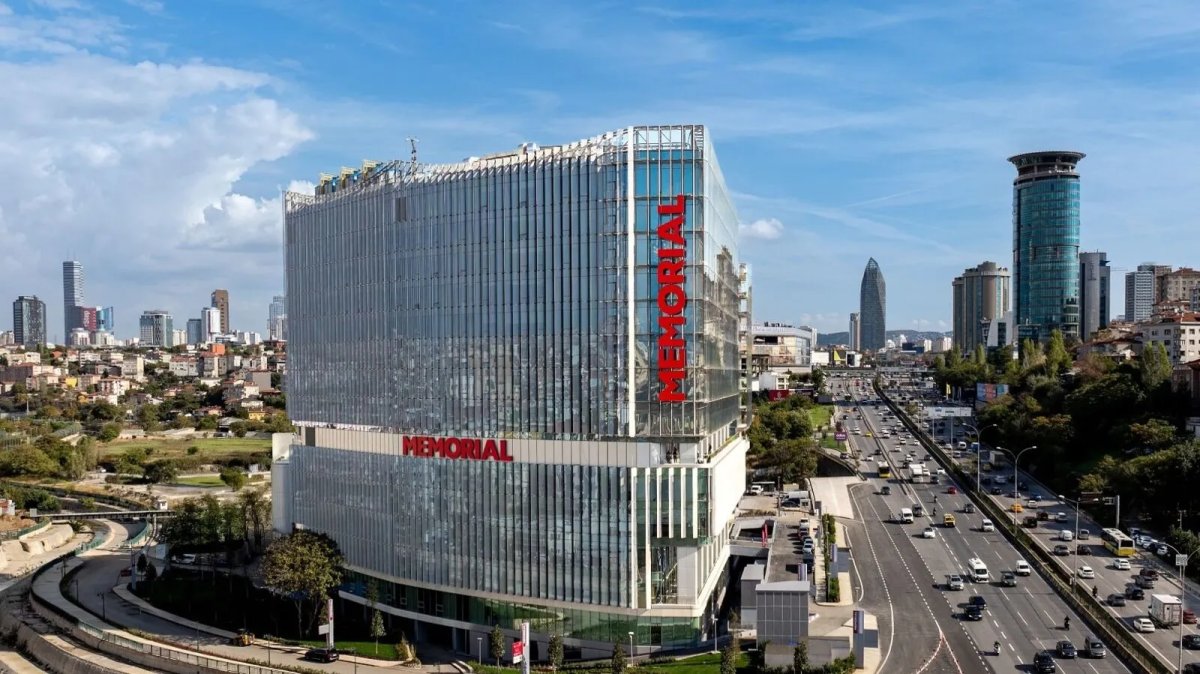
Memorial Göztepe Hospital
تركيا, إسطنبول


تمت مراجعة المقالة طبيا من قبل
فهد مولود

يتخصص الدكتور يشار داغ في حالات العيون المعقدة، ويتمتع بخبرة واسعة اكتسبها من العمل في العديد من أقسام طب العيون ذات الكثافة العالية.

ابتكر البروفيسور عثمان شوقي أرسلان تقنيتين جراحيتين أصليتين لإجراءات القرنية، ويرأس عيادة العيون في مستشفى إسطنبول فلورنس نايتنجيل.

الدكتورة أولفيية أسكيروفا، حاصلة على دكتوراه في الطب، هي طبيبة عيون. حصلت على شهادة الطب من جامعة أذربيجان الطبية في عام 2019. وهي تستكمل حالياً برنامج الإقامة في طب العيون في مستشفى جوزتيبي الحكومي / جامعة إسطنبول مدنيت (2021–2025). تشمل اهتماماتها السريرية جراحة الساد (الماء الأبيض) مع زراعة العدسات داخل العين (بما في ذلك العدسات ثلاثية البؤرة)، وطب الشبكية، وطب عيون الأطفال والحول، وجراحات تجميل العيون.
لديها بحثان علميان منشوران في دوريات دولية مُحكّمة (Graefes Arch Clin Exp Ophtha
 Anna Leonova
يُعد انسداد الشريان الشبكي المركزي (CRAO) حالة طبية طارئة في تركيا تتطلب التدخل في غضون 8 إلى 12 ساعة. توفر المستشفيات المتخصصة في إسطنبول وصولاً تشخيصياً على مدار الساعة طوال أيام الأسبوع. تستخدم المرافق مسح التصوير المقطعي المحوسب (CT) المتقدم بـ 512 شريحة لتأكيد الانسدادات الوعائية على الفور. يعد العلاج السريع ضروريًا للحفاظ على الرؤية.
رؤية خبراء Bookimed: تعطي مستشفيات إسطنبول مثل Memorial Göztepe ومستشفى Medipol Acibadem District الأولوية للحالات الوعائية الطارئة بسبب متطلبات اعتماد JCI الخاصة بها. تدير هذه المرافق ما يقرب من 40 قسماً متخصصاً في مبنى واحد. يسمح هذا الهيكل بالتشاور الفوري بين الأقسام بين أطباء الأعصاب وأطباء العيون. هذا التكامل حيوي لأن سكتات العين تشير غالباً إلى مخاطر قلبية وعائية أوسع.
إجماع المرضى: يؤكد المرضى أن فقدان الرؤية المفاجئ وغير المؤلم يتطلب التوجه المباشر إلى غرفة الطوارئ بدلاً من انتظار موعد عادي في العيادة. ويشيرون إلى أن وجود مرافق يساعد في ضمان التقييم الفوري في المراكز الطبية الح
توفر مراكز طب العيون التركية علاجات طارئة لانسداد الشريان الشبكي المركزي (OACR)، بما في ذلك العلاج بالأكسجين عالي الضغط. تقدم العيادات المتخصصة في إسطنبول جراحة الشبكية والجسم الزجاجي، وتخثير الشبكية بالليزر، وبروتوكولات الشبكية الطبية. تدير المنشآت المعتمدة من اللجنة الدولية المشتركة (JCI) هذه الحالات باستخدام فرق طوارئ وعائية متعددة التخصصات وتصوير متقدم للشبكية.
رأي خبير Bookimed: يُعامل انسداد الشريان الشبكي كحالة طوارئ وعائية في مستشفيات إسطنبول الكبرى. يركز الدكتور عثمان مراد أويار في مستشفى ليف أولوس بشكل خاص على أمراض الشبكية الوعائية. يعد اختيار منشأة بها قسم لطب العيون ومركز للأكسجين عالي الضغط أمراً بالغ الأهمية للحفاظ على الرؤية. غالباً ما توفر المستشفيات التابعة للجامعات هذه الخدمات المتكاملة في موقع واحد.
إجماع المرضى: يؤكد المرضى على أهمية العثور على مستشفى لديه بروتوكول طوارئ فوري لمشاكل العيون الوعائية. يلاحظ الكثيرون أن امتلاك توثيق دقيق لتوقيت الأعراض يحدد العلاجات التي يتم تقديمها.
تتخصص المراكز التركية مثل مستشفى ليف أولوس (Liv Hospital Ulus) في علاج انسداد الشريان الشبكي من خلال أقسام مخصصة للجراحة الزجاجية والشبكية. توفر هذه المرافق تدخلات طارئة مثل الحقن داخل الجسم الزجاجي وتخثير الشبكية بالليزر. يعتمد التشخيص على التصوير المتقدم بما في ذلك التصوير المقطعي للترابط البصري (OCT) وتصوير الأوعية بالفلورسين لاستعادة تدفق الدم على الفور.
رأي خبير Bookimed: بينما يبحث الكثيرون عن العيادات المشهورة، فإن أفضل نتيجة لانسداد الشريان تعتمد على معدات تصوير محددة مثل OCTA. يتميز مستشفى ليف أولوس بأن أخصائييهم، مثل الدكتور عثمان مراد أويار، يدرجون انسداد الشريان الشبكي كخبرة أساسية بشكل محدد. هذا نادر وأفضل من عيادات العيون العامة التي تركز بشكل رئيسي على جراحة المياه البيضاء أو جراحة العيون بالليزر.
إجماع المرضى: يؤكد المرضى أنه بالنسبة لهذه الحالة، يجب عليك إعطاء الأولوية للمستشفيات التي تحتوي على أقسام طوارئ للشبكية تعمل على مدار الساعة طوال أ
يحمل علاج انسداد الشريان الشبكي المركزي في تركيا مخاطر يمكن إدارتها تتعلق بشكل أساسي بالتدخلات الحساسة للوقت. تشمل المخاطر الإجرائية المباشرة العدوى، أو النزيف، أو تغيرات في ضغط العين. تستخدم المراكز التركية المتخصصة بروتوكولات معتمدة من JCI لتقليل هذه المضاعفات مع إعطاء الأولوية للتروية الشبكية العاجلة.
رؤية خبير Bookimed: بينما يبحث الكثيرون عن تقنيات محددة، فإن الخلفية الأكاديمية للجراح هي أقوى إشارة للجودة في تركيا. على سبيل المثال، الدكتور عثمان سيفكي أرسلان هو فاحص في المجلس الأوروبي لطب العيون. اختيار طبيب يتمتع بخبرة دولية يضمن أن علاجك يتبع أحدث بروتوكولات السلامة.
إجماع المرضى: يؤكد المرضى أن السرعة هي كل شيء في حالات انسداد الشريان الشبكي المركزي (CRAO). يقلق الكثيرون بشأن التواصل الواضح قبل إجراءات الطوارئ ويعطون الأولوية للعيادات التي توفر رعاية متابعة قوية للزوار الدوليين.
يجب على المرضى إحضار جميع فحوصات التصوير العيني السابقة بما في ذلك تصوير مقطعي للترابط البصري (OCT) وتصوير الأوعية. الملاحظات السريرية التي توضح الوقت الدقيق لفقدان الرؤية ضرورية للتقييم الطارئ. تحتاج إلى جواز سفر ساري المفعول، وتأشيرة، وأي أدوية حالية للحالات الجهازية مثل ارتفاع ضغط الدم أو الرجفان الأذيني.
رؤية خبير Bookimed: بينما يركز الكثيرون على عيادات العيون، فإن الحجم الكبير لأقسام القلب والأعصاب في مراكز مثل مستشفى ميموريال جوزتيبي يعد ميزة كبيرة. غالبًا ما يشير انسداد الشريان الشبكي المركزي إلى مشاكل وعائية كامنة. اختيار مستشفى متعدد التخصصات يضمن حصولك على إحالات أسرع لفحوصات السكتة الدماغية الإلزامية دون مغادرة المنشأة.
إجماع المرضى: يؤكد المرضى على أهمية إحضار مرافق لأن قطرات توسيع الحدقة تجعل التنقل في العيادات بمفردك أمرًا صعبًا. تمنى الكثيرون لو كانوا يعرفون أن العلاج الفوري غالبًا ما يركز على منع السكتات الدماغية المستقبلية بدلاً من استعادة الرؤية المفقودة بالكامل.