انسداد الشريان الشبكي المركزي العلاج في إسبانيا - التكاليف 2026


تمت مراجعة المقالة طبيا من قبل
فهد مولود
ما هي تكلفة انسداد الشريان الشبكي المركزي إجراءات التشخيص والعلاج في إسبانيا؟ اعرف الآن
مزاياك وضماناتك مع Bookimed
أسعار مباشرة
Bookimed لا يضيف رسوماً إضافية على أسعار علاج انسداد الشريان الشبكي المركزي. الأسعار مأخوذة من قوائم الأسعار الرسمية للعيادات. تدفع مباشرة في العيادة مقابل علاجك عند وصولك إلى البلد.
عيادات وأطباء معتمدون فقط
Bookimed ملتزم بسلامتك. نحن نعمل فقط مع المؤسسات الطبية التي تحافظ على معايير دولية عالية في علاج انسداد الشريان الشبكي المركزي ولديها التراخيص اللازمة لخدمة المرضى الدوليين في جميع أنحاء العالم.
مساعدة مجانية على مدار الساعة
Bookimed يقدم مساعدة خبراء مجانية. منسق طبي شخصي يدعمك قبل وأثناء وبعد العلاج، ويحل أي مشاكل. لن تكون وحيداً أبداً في رحلة علاج انسداد الشريان الشبكي المركزي.

منسقك الطبي الشخصي في Bookimed
- يدعمك في كل مرحلة
- المساعدة في اختيار العيادة الطبية المناسبة والطبيب المناسب
- يضمن الوصول السريع والمريح إلى المعلومات
اكتشف أفضل انسداد الشريان الشبكي المركزي العيادات في إسبانيا: 1 خيار معتمدة والأسعار
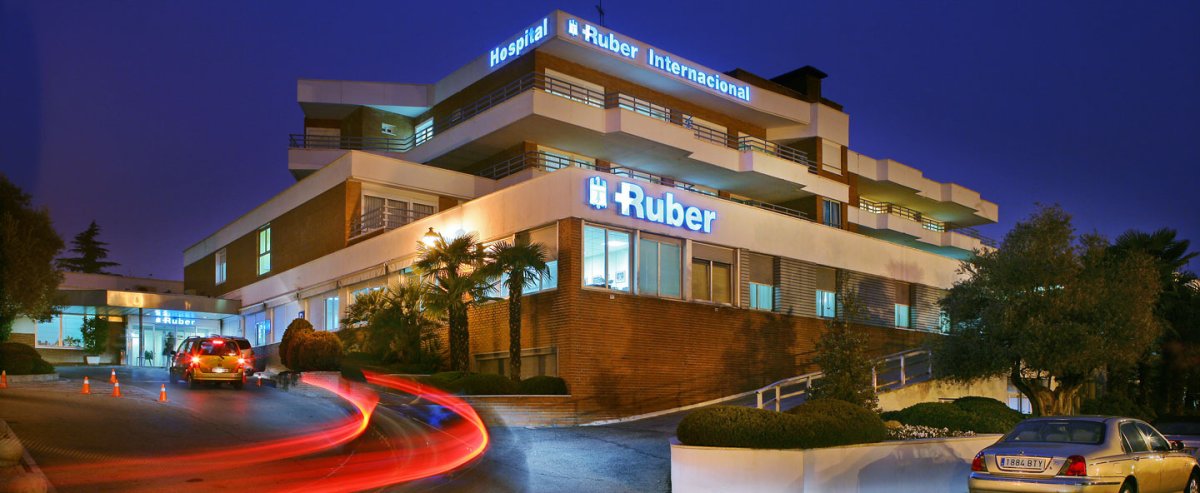


احصلوا على تقييم طبي لـ انسداد الشريان الشبكي المركزي في إسبانيا: استشيروا أطباء ذوي خبرة الآن
عرض جميع الأطباء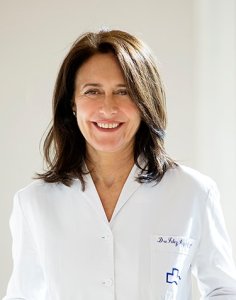
Dora Fernández Agrafojo
الطبيب متخصص في طب الأنف والأذن والحنجرة ويمارس عمله في مستشفى كيرونسالود توريفاييخا. بفضل حصوله على شهادة الطب والتخصص من الجامعة الكاثوليكية في لوفان، يركز الطبيب على تشخيص وإدارة حالات الأذن والأنف والحنجرة، بما في ذلك أعراض السمع والأنف والحنجرة. تشمل الممارسة السريرية استشارات الأنف والأذن والحنجرة للبالغين، والتشخيص في العيادات الخارجية، والتقييمات الطبية متعددة التخصصات داخل بيئة مستشفى خاص.
يحتفظ الطبيب بعضويات مهنية في الجمعية الملكية البلجيكية للأنف والأذن والحنجرة والجمعية ال
مشاركة المحتوى
قصص فيديو من مرضى Bookimed
 Anna Leonova
أسئلة متكررة حول علاج انسداد الشريان الشبكي المركزي في إسبانيا
ما مدى سرعة حاجتي لتلقي علاج انسداد الشريان الشبكي المركزي (CRAO) في إسبانيا؟
يتطلب علاج انسداد الشريان الشبكي المركزي (CRAO) في إسبانيا تدخلاً طارئاً في غضون 4.5 إلى 6 ساعات. يبدأ نسيج الشبكية في الموت في غضون 120 دقيقة من حدوث الانسداد. تقوم المستشفيات الإسبانية بتفعيل رموز طوارئ السكتة الدماغية المتخصصة لتقديم العلاج المذيب للخثرة (تجلط الدم). الرعاية الفورية في مستشفى من المستوى الثالث تحافظ على أكبر قدر ممكن من الرؤية.
- بروتوكول السكتة الدماغية: تتعامل المراكز الإسبانية مع CRAO كحالة طبية طارئة مطلقة.
- نافذة العلاج المذيب للخثرة: تكون الأدوية الوريدية أكثر فعالية في غضون 4.5 ساعة من ظهور الأعراض.
- الإجراءات المتقدمة: قد تمدد مراكز السكتة الدماغية المتخصصة جهود العلاج لمدة تصل إلى 6 ساعات.
- الاتصال في حالات الطوارئ: يجب على المرضى استخدام كلمات رئيسية مثل «رمز السكتة الدماغية» أثناء مكالمات 112.
رؤية خبير Bookimed: بينما تقدم العديد من العيادات المحلية خدمات طب العيون، فإن المستشفيات من المستوى الثالث فقط مثل مستشفى روبير الدولي (Hospital Ruber Internacional) هي التي تتعامل مع حالات الطوارئ العصبية. تدير هذه المنشأة أكثر من 93,000 استشارة سنوياً وتوفر تشخيصات متقدمة على مدار 24 ساعة. من الأفضل اختيار مستشفى متعدد التخصصات معتمد من اللجنة الدولية المشتركة (JCI) بدلاً من عيادة عيون خاصة لعلاج CRAO.
إجماع المرضى: يؤكد المرضى أن التعامل مع هذا الأمر كموعد روتيني للعين هو خطأ فادح. يندم معظمهم على الانتظار لبضع ساعات ويوصون بالذهاب مباشرة إلى قسم طوارئ كبير.
ما هي العلاجات الطبية القياسية المتاحة لانسداد الشريان الشبكي المركزي (CRAO) في إسبانيا؟
تركز العلاجات الطبية القياسية لانسداد الشريان الشبكي المركزي (CRAO) في إسبانيا على الإدارة الجهازية الطارئة وتقليل ضغط العين. تتعامل البروتوكولات الإسبانية مع هذه الحالة كسكتة دماغية في العين. تشمل الرعاية الفورية استخدام خافضات ضغط العين وبزل الغرفة الأمامية. قد تستخدم المراكز المتقدمة الأكسجين عالي الضغط أو انحلال الخثرة الوريدي في غضون 4.5 ساعة.
- تقليل ضغط العين (IOP): يستخدم الأطباء أسيتازولاميد عن طريق الوريد أو التدليك الرقمي لخفض ضغط العين بسرعة.
- البزل الجراحي: يقوم أطباء العيون بسحب السائل من العين لإزالة الانسداد الشرياني.
- بروتوكول السكتة الدماغية: تقوم فرق متعددة التخصصات بإجراء تصوير بالموجات فوق الصوتية للشريان السباتي وتخطيط صدى القلب للعثور على مصادر الصمة.
- إدارة التهاب الشرايين: يتلقى المرضى المصابون بالتهاب الشرايين ذو الخلايا العملاقة علاجاً فورياً بجرعات عالية من ميثيل بريدنيزولون عن طريق الوريد.
رؤية خبير Bookimed: يدير نظام الرعاية الصحية الإسباني حالات CRAO من خلال نظام "كود السكتة الدماغية" المنسق بدلاً من طب العيون المنعزل. تدمج المراكز ذات الحجم الكبير مثل مستشفى روبر الدولي في مدريد تشخيصات متقدمة مثل التصوير بالرنين المغناطيسي 3-تسلا. وهذا يضمن تحديد المخاطر الوعائية على الفور. يجب على المرضى إعطاء الأولوية للمستشفيات الثالثية المعتمدة من JCI. توفر هذه المرافق فرق الأعصاب والقلب متعددة التخصصات المطلوبة لرعاية شاملة بعد الحدث.
إجماع المرضى: يحذر المرضى من أن التعامل مع هذا كمسألة عين بسيط
هل يتوفر العلاج بالأكسجين عالي الضغط (HBOT) لانسداد الشريان الشبكي المركزي (CRAO) في إسبانيا؟
يتوفر العلاج بالأكسجين عالي الضغط (HBOT) في إسبانيا لعلاج انسداد الشريان الشبكي المركزي (CRAO) من خلال مستشفيات متخصصة من الدرجة الثالثة. تتطلب أنسجة الشبكية أكسجة عاجلة في غضون 24 ساعة لمنع العمى. توفر المرافق الرئيسية في مدريد وبرشلونة وسانتاندير غرف أكسجين مضغوطة تتراوح بين 2.0 إلى 2.8 ضغط جوي.
- نافذة العلاج: يكون العلاج أكثر فعالية عند بدئه في غضون 9 إلى 12 ساعة من فقدان الرؤية.
- المبادئ التوجيهية السريرية: تقترح اللجنة الأوروبية للطب عالي الضغط استخدام HBOT كتدخل حاد قياسي.
- توصيل الأكسجين: يتجاوز الأكسجين عالي الضغط انسدادات الشرايين عن طريق الانتشار عبر إمدادات الدم المشيمية البديلة.
- أنواع المرافق: توجد غرف الضغط العالي متعددة الأماكن عادةً في المجمعات الطبية الكبيرة المعتمدة من قبل JCI مثل Ruber Internacional.
رؤية خبير Bookimed: تحتل إسبانيا مرتبة عالية في البنية التحتية الطبية مع 83 عيادة متخصصة. تشير بياناتنا إلى البحث أولاً عن المستشفيات المعتمدة من قبل JCI مثل Ruber Internacional في مدريد. غالبًا ما تضم هذه المرافق أكثر من 800 طبيب و40 قسماً للتعامل مع حالات الطوارئ الإقفارية المعقدة بسرعة. اختيار مركز يتمتع بحجم كبير من المرضى يضمن بروتوكولات طوارئ أفضل للحالات النادرة مثل سكتات العين.
إجماع المرضى: يؤكد المرضى أن السرعة هي العائق الأكبر. يعتمد النجاح على الوصول إلى مرفق لديه بالفعل مسار نقل طارئ نشط للطب عالي الضغط.
هل يمكنني الذهاب إلى أي مستشفى إسباني محلي لعلاج سكتة العين؟
يمكنك ويجب عليك الذهاب فوراً إلى قسم الطوارئ في أي مستشفى إسباني محلي في حال الاشتباه في الإصابة بسكتة العين. يلزم القانون الإسباني جميع المستشفيات العامة بتقديم استقرار الطوارئ للجميع بغض النظر عن محل الإقامة. التدخل السريع في غضون 4.5 ساعة أمر بالغ الأهمية لتقليل فقدان الرؤية الدائم.
- أرقام الطوارئ: اتصل بالرقم 112 أو 061 للنقل الفوري بسيارة الإسعاف داخل إسبانيا.
- أولوية الفرز: اذكر أنك تعاني من فقدان مفاجئ وغير مؤلم للرؤية لتفعيل بروتوكولات السكتة الدماغية.
- نقل المستشفى: تقوم المستشفيات المحلية بتثبيت حالة المرضى قبل تنسيق عمليات النقل إلى مراكز إقليمية متخصصة.
- معايير المنشأة: تحافظ المراكز الكبرى مثل مستشفى روبر الدولي (Hospital Ruber Internacional) على شهادات الجودة JCI و ISO.
رؤية خبير Bookimed: سرعة الوصول أكثر أهمية من التخصصات الأولية للعيادة أثناء سكتة العين. في حين أن المراكز رفيعة المستوى مثل مستشفى روبر الدولي تجري أكثر من 6000 عملية جراحية سنوياً، يمكن حتى للمستشفيات المجتمعية الأصغر في مدريد أو برشلونة بدء الفحوصات اللازمة للحفاظ على الرؤية. الهدف هو التقييم الجهازي السريع بدلاً من انتظار موعد عيادة العيون الخارجية.
إجماع المرضى: يؤكد المرضى أنه يجب عليك الذهاب إلى أقرب غرفة طوارئ بدلاً من البحث عن أخصائي عيون. ويشيرون إلى أن فرق المستشفى تركز على صحة الأوعية الدموية أولاً لمنع حدوث مضاعفات أخرى.
ما هي الرعاية المتابعة التي تحدث بعد علاج انسداد الشريان الشبكي المركزي (CRAO) الأولي في إسبانيا؟
تركز الرعاية المتابعة في إسبانيا على منع السكتة الدماغية الثانوية والمضاعفات العينية. يخضع المرضى لفحوصات العين كل 4 إلى 6 أسابيع لمدة 4 أشهر. يراقب المتخصصون الضغط ونمو الأوعية الدموية الجديدة. تدير الفرق متعددة التخصصات المخاطر الجهازية من خلال الموجات فوق الصوتية للشريان السباتي والعلاج المضاد للصفيحات.
- فحص الأوعية الدموية الجديدة: يجري المتخصصون فحوصات توسيع العين لتتبع نمو الأوعية غير الطبيعي.
- مراقبة الضغط: يراقب الأطباء الجلوكوما الوعائية الجديدة لمنع آلام العين.
- الوقاية من السكتة الدماغية: تستخدم الفرق الموجات فوق الصوتية المزدوجة للشريان السباتي للتحقق من وجود لويحات شريانية.
- العلاج الطبي: يتلقى المرضى عادةً أدوية مضادة للصفيحات وستاتينات للحماية طويلة الأمد.
رؤية خبير Bookimed: تصنف إسبانيا كوجهة أولى للرعاية المعقدة مع 83 عيادة متخصصة. تمتلك مرافق مثل مستشفى روبير الدولي (Hospital Ruber Internacional) في مدريد اعتماد JCI. وهذا يضمن الالتزام ببروتوكولات السلامة العالمية أثناء رعاية المتابعة متعددة التخصصات. يشير حجم استشاراتهم المرتفع الذي يبلغ 93,000 استشارة سنويًا إلى خبرة عميقة في إدارة المخاطر الوعائية الجهازية.
هل تتبع المستشفيات الإسبانية إرشادات موحدة لعلاج انسداد الشريان الشبكي المركزي (CRAO)؟
تفتقر المستشفيات الإسبانية حاليًا إلى تفويضات وطنية لعلاج موحد لانسداد الشريان الشبكي المركزي (CRAO). تختلف الإدارة حسب المؤسسة والبنية التحتية الإقليمية. ومع ذلك، نشرت الجمعية الإسبانية للشبكية والجسم الزجاجي (SERV) مؤخرًا إرشادات سريرية موحدة. تقوم المرافق الرائدة بشكل متزايد بنمذجة الرعاية وفقًا لبروتوكولات الطوارئ الخاصة بالسكتة الدماغية.
- جهود التقييس: توفر جمعية SERV إرشادات ممارسة سريرية محددة.
- تكامل كود السكتة الدماغية: تطبق أفضل المستشفيات بروتوكولات كود السكتة الدماغية الشبكية للفرز السريع.
- الحساسية للوقت: تهدف المرافق إلى إجراء تحلل الخثرة الوريدي في غضون نافذة زمنية مدتها 4.5 ساعة.
- نطاق العلاج: تمتد الرعاية من التدليك المحافظ إلى علاجات إعادة التروية المتخصصة المتقدمة.
رؤية خبير Bookimed: بينما تحتل إسبانيا المرتبة الثانية في طلباتنا العالمية، اعتبر المراكز الطبية مثل مستشفى روبير الدولي (Hospital Ruber Internacional) كمعايير عالية المستوى. يخدم هذا المرفق المعتمد من JCI 25000 مريض سنويًا ويعمل به 800 طبيب. غالبًا ما توفر المراكز الثالثية الكبيرة في مدريد فرقًا أكثر تكاملاً في طب الأعصاب والعيون مقارنة بالعيادات الإقليمية الأصغر.
إجماع المرضى: يشير المرضى إلى أن سرعة المستشفى تهم أكثر من اسم المرفق. يحذرون من أن فقدان الرؤية المفاجئ قد يتم تشخيصه بشكل خاطئ، لذا اطلب صراحةً إجراء تقييم فوري للسكتة الدماغية والعيون.