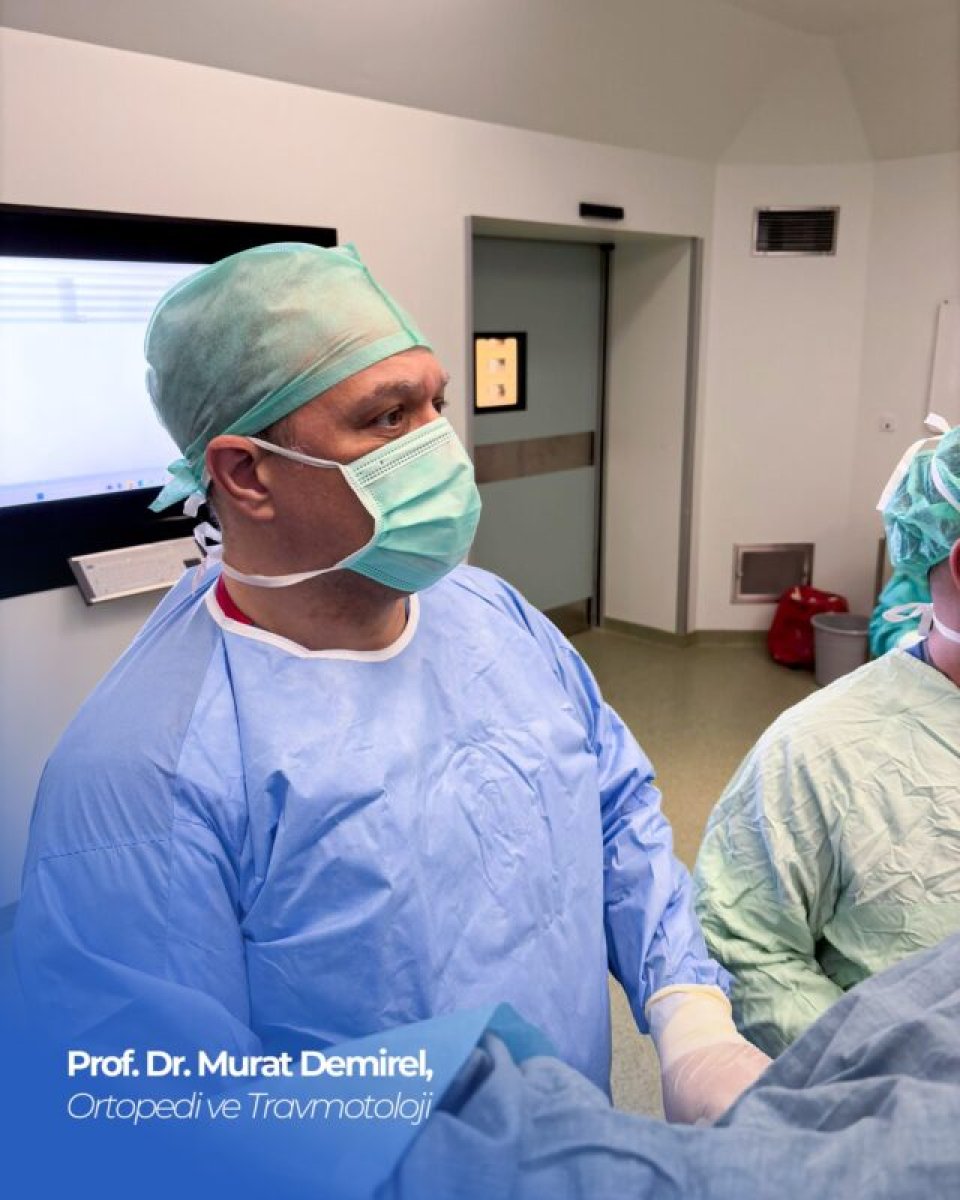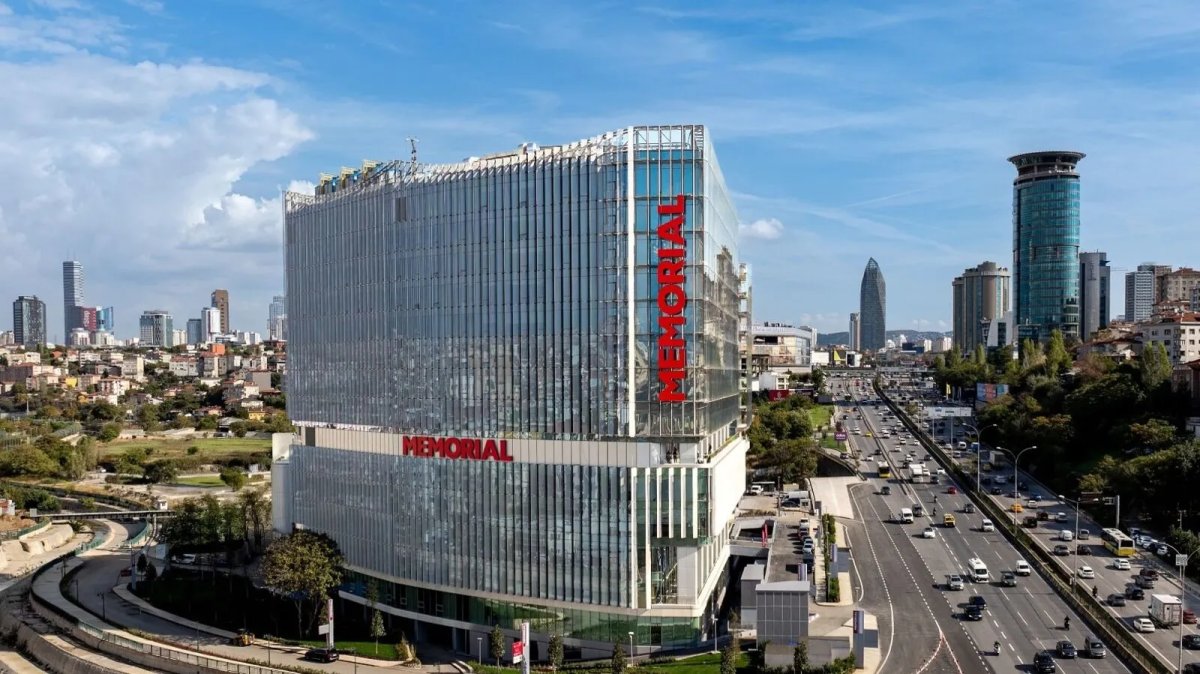
Memorial Göztepe Hospital
تركيا, إسطنبول


تمت مراجعة المقالة طبيا من قبل
فهد مولود

الدكتور مراد كيزر جراح عظام ذو خبرة، متخصص في إعادة بناء المفاصل وجراحات المفاصل والإصابات الرياضية. أتم تدريبات متقدمة في استبدال مفصل الركبة والورك الكلي والجزئي بتقنية MAKO. منذ عام 2002، شارك في أكثر من 20 مؤتمراً ودورة تدريبية محلية ودولية.
الدكتور كيزر عضو في الجمعية الطبية التركية، وجمعية جراحة مفصل الورك والركبة، والمؤتمر الدولي لإعادة بناء المفاصل، والجمعية التركية لجراحة العظام والكسور. يشتهر بمهارته في جراحات استبدال مفصل الورك والركبة، وله سجل ناجح في العمليات الجراحية، وي
د. مهمت أيدوغان اختصاصي في جراحة العظام والكسور وجراحة العمود الفقري في مستشفى ميموريال شيشلي. عمل هناك في جراحة العمود الفقري خلال 2024–2025، ويعمل في جراحة العظام منذ 2026. ترأّس سابقاً مركز جراحة العظام والكسور وجراحة العمود الفقري المتقدمة في مستشفى إمسِي (2018–2022). وتشمل خبرته مركز التميّز الجراحي للعمود الفقري EURO SPINE في سويسرا (2022–2024) وزمالة بحثية في مركز العمود الفقري الشامل بجامعة كاليفورنيا في لوس أنجلوس (2009–2011). كما شغل مناصب في مركز بوغازيتشي للعمود الفقري، ميديكال با
أخصائي في جراحة العظام والكسور مع التركيز على جراحات الأطراف السفلية، بما في ذلك علاج مسمار القدم في مجمع مستشفيات ميديكال بارك أنطاليا.

الدكتور ساميت إيرينك هو جراح عظام وعمود فقري في مستشفى VM Medical Park Florya في إسطنبول. وهو خبير في جراحات استبدال مفصل الركبة الروبوتية وتصحيح تشوهات العظام المعقدة. تدرب الدكتور إيرينك في جامعة لويولا بشيكاغو في الولايات المتحدة الأمريكية. وهو متخصص في علاج الجنف لدى الأطفال وأمراض العمود الفقري التنكسية.
 Anna Leonova
الجراحة ليست العلاج الوحيد لمسمار الكعب. يحقق أكثر من 90% من المرضى تخفيفاً للألم من خلال طرق غير جراحية. تعطي العيادات التركية الأولوية للعلاجات التحفظية مثل تقويم العظام والعلاج الطبيعي. تظل الجراحة ملاذاً أخيراً للحالات المزمنة والشديدة التي لا تستجيب للعلاجات الأخرى.
رؤية خبير Bookimed: بينما يركز العديد من المرضى على النمو العظمي، تظهر بياناتنا أن أخصائيي تقويم العظام الأتراك يعطون الأولوية لعلاج التهاب اللفافة الأخمصية الكامن. تحصل مراكز مثل مستشفى ميديكال بوينت الدولي على اعتمادات JCI وTemos، مما يضمن أن التدخلات الجراحية تتبع بروتوكولات دولية صارمة فقط بعد فشل العلاجات غير الجراحية. يمكن أن يؤدي اختيار منشأة بها وحدات إعادة تأهيل متكاملة إلى تحسين النتائج على المدى الطويل دون إجراءات جراحية تداخلية.
إجماع المرضى: يشير المرضى إلى أن المسمار غالباً ما يكون مجرد عرض ثانوي، ويؤكدون أن معالجة الالتهاب الأساسي هو ما يوقف الألم حقاً. لقد وجد الكثي
يركز العلاج الجراحي لمسمار الكعب على إزالة ترسبات الكالسيوم العظمية وتخفيف الالتهاب المرتبط بها. عادة ما يوصي الجراحون بهذا الإجراء بعد ستة أشهر من العلاج التحفظي غير الناجح. تتضمن الجراحة إما نهجاً مفتوحاً أو بالمنظار لاستئصال النمو وتخفيف التوتر على اللفافة الأخمصية.
رؤية خبير Bookimed: بينما يركز المرضى غالباً على المسمار نفسه، يؤكد المتخصصون الأتراك مثل الدكتور مراد كيزر أن علاج التهاب اللفافة الأخمصية الكامن هو المفتاح. تظهر بياناتنا أن العيادات في تركيا تستفيد من خبرات تقويم العظام المتنوعة، حيث يتم تدريب الأطباء غالباً على كل من الصدمات وإعادة بناء المفاصل لضمان استقرار القدم بعد الجراحة.
إجماع المرضى: يشير المرضى إلى أن الجراحين غالباً ما ينظرون إلى المسمار كمشكلة ثانوية لالتهاب اللفافة الأخمصية. ويوصون بالتأكد تماماً من مقدار الوزن المسموح بتحميله على القدم خلال فترة التعافي التي تستمر عدة أسابيع أثناء ارتداء الحذاء الطبي.
يتطلب التعافي من جراحة مسمار القدم عادةً من 6 إلى 12 أسبوعًا لاستعادة الحركة الكاملة. يرتدي المرضى عادةً حذاء مشي أو جبيرة لمدة 3 أسابيع مع تجنب أنشطة تحمل الوزن. يستأنف معظم الأفراد الروتين اليومي الخفيف خلال شهر واحد والأنشطة البدنية الكاملة خلال 6 أشهر.
رؤية خبير Bookimed: تعطي مراكز العظام التركية مثل مستشفى ميديكال بوينت الدولي الأولوية لمعايير السلامة المعتمدة من JCI لجراحات القدم. في حين أن التعافي الأساسي يستغرق أسابيع، تظهر البيانات أن العيادات التي تمتلك وحدات روبوتية متخصصة غالبًا ما تسهل تعديلات المفاصل بشكل أكثر دقة. قد تؤدي هذه الدقة إلى جداول زمنية أكثر قابلية للتنبؤ للتعافي في الحالات المعقدة التي تنطوي على إعادة بناء المفاصل.
إجماع المرضى: يشير المرضى إلى أنه من المهم اتباع قاعدة عدم تحمل الوزن بصرامة خلال الأسبوع الأول. ويؤكد الكثيرون أن إبقاء القدم مرفوعة يقلل بشكل كبير من التورم أثناء بداية التعافي.
لاختيار طبيب لعلاج مسمار القدم في تركيا، أعط الأولوية لجراحي العظام المعتمدين والمتخصصين في اضطرابات القدم والكاحل. اختر الأطباء ذوي الخبرة في التقييمات الميكانيكية الحيوية والعلاجات غير الجراحية مثل علاج الموجات التصادمية. تحقق من شهادات الجمعية التركية لجراحة العظام والرضوح (TOTBID) لضمان الجودة.
رؤية خبير Bookimed: تظهر البيانات أن كبار أطباء العظام الأتراك مثل الدكتور مراد كيزر غالبًا ما يحملون شهادات تخصص متعددة في جراحة المفاصل والقدم. إن اختيار جراح يتمتع بخبرة تزيد عن 20 عامًا، وخاصة أولئك الذين يعملون في مراكز أكاديمية تابعة مثل Memorial Göztepe، يحسن الوصول إلى أدوات التشخيص المتخصصة مثل التصوير بالرنين المغناطيسي 3 تسلا لرسم خرائط دقيقة للأوتار.
إجماع المرضى: يشير المرضى إلى أنه من الضروري العثور على طبيب يعالج التهاب اللفافة الأخمصية الكامن بدلاً من مجرد التركيز على المسمار العظمي. ويؤكد الكثيرون أن خطة إعادة التأهيل المكتوبة والحصول على رأي ثانٍ بشأن الضرورة الجراحية يؤدي إلى تخفيف آلام أفضل بكثير على المدى الطويل.
تسبب مهاميز الكعب ألمًا صباحيًا لأن رباط اللفافة الأخمصية يتقلص ويشد أثناء نومك. الخطوات الأولى تمدد فجأة هذا النسيج المختصر. هذا التوتر الميكانيكي يطلق ألمًا حادًا. الحركة تعمل على تدفئة الرباط وتخفيف الانزعاج تدريجيًا.
رؤية خبير Bookimed: بينما يركز الكثيرون على المسمار العظمي، تظهر بياناتنا أن العيادات تعطي الأولوية لصحة الأنسجة الرخوة. يؤكد الأخصائي الدكتور مراد كيزر أن أكثر من 1000 حالة مرضية غالبًا ما تنطوي على مشاكل ميكانيكا القدم المشتركة. يركز التعافي الناجح عادةً على مرونة الساق ومحاذاة المفاصل بدلاً من مجرد المسمار.
إجماع المرضى: يلاحظ المرضى أن المشي حافي القدمين على أرضيات صلبة فور الاستيقاظ يجعل الألم أسوأ بشكل ملحوظ. ويجدون أن أداء حركات دائرية بسيطة للكاحل قبل النهوض من السرير يساعد في إدارة تلك الخطوات الأولى المؤلمة.