كعب حفز العلاج في إسبانيا - التكاليف 2026


تمت مراجعة المقالة طبيا من قبل
فهد مولود
ما هي تكلفة كعب حفز إجراءات التشخيص والعلاج في إسبانيا؟ اعرف الآن
مزاياك وضماناتك مع Bookimed
أسعار مباشرة
Bookimed لا يضيف رسوماً إضافية على أسعار علاج كعب حفز. الأسعار مأخوذة من قوائم الأسعار الرسمية للعيادات. تدفع مباشرة في العيادة مقابل علاجك عند وصولك إلى البلد.
عيادات وأطباء معتمدون فقط
Bookimed ملتزم بسلامتك. نحن نعمل فقط مع المؤسسات الطبية التي تحافظ على معايير دولية عالية في علاج كعب حفز ولديها التراخيص اللازمة لخدمة المرضى الدوليين في جميع أنحاء العالم.
مساعدة مجانية على مدار الساعة
Bookimed يقدم مساعدة خبراء مجانية. منسق طبي شخصي يدعمك قبل وأثناء وبعد العلاج، ويحل أي مشاكل. لن تكون وحيداً أبداً في رحلة علاج كعب حفز.

منسقك الطبي الشخصي في Bookimed
- يدعمك في كل مرحلة
- المساعدة في اختيار العيادة الطبية المناسبة والطبيب المناسب
- يضمن الوصول السريع والمريح إلى المعلومات
اكتشف أفضل كعب حفز العيادات في إسبانيا: 1 خيار معتمدة والأسعار
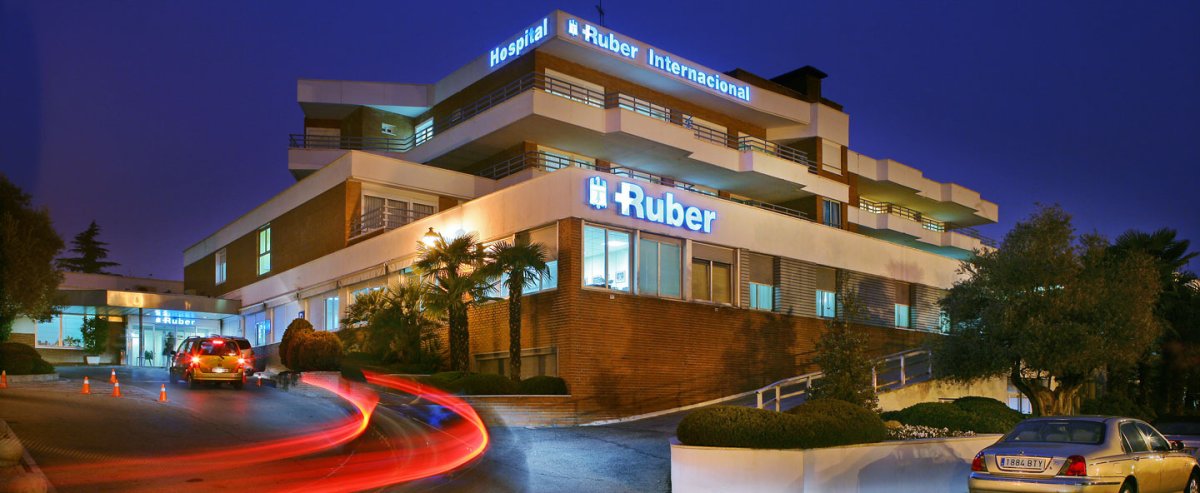


احصلوا على تقييم طبي لـ كعب حفز في إسبانيا: استشيروا أطباء ذوي خبرة الآن
عرض جميع الأطباء
Pablo De La Cuadra
الدكتور بابلو دي لا كوادره (Pablo Cuadra de la Virgili) جرّاح عظام واختصاصي طب الرضوح في مدريد. يختص بإصابات الرياضيين وجراحة الكتف في Hospital Ruber Internacional، حيث يعمل منذ عام 1999. لديه خبرة تفوق 25 عامًا. يقود وحدة متعددة التخصصات ويرأس فريقًا متخصصًا في طب الرضوح. يُعد خبيرًا معترفًا به في اضطرابات الكتف المعقدة. يستخدم تقنيات تنظير مفصلي وترميم متقدمة لعلاج عدم الاستقرار وإصابات الكفة المدورة.
المؤهلات: دكتور في الطب (1993) ودكتوراه في الطب (2001) من جامعة مدريد المستقلة. اخت
مشاركة المحتوى
قصص فيديو من مرضى Bookimed
 Anna Leonova
أسئلة متكررة حول علاج كعب حفز في إسبانيا
هل يمكن علاج مسمار القدم (المهماز العظمي) بالعلاج؟
لا يمكن إزالة مسمار القدم فيزيائياً من خلال العلاج غير الجراحي. ومع ذلك، فإن الألم المرتبط به غالباً ما يكون قابلاً للعلاج. تركز البروتوكولات الطبية على حل التهاب الأنسجة المحيطة. يحقق أكثر من 90% من المرضى حياة خالية من الألم من خلال العلاج التحفظي في غضون اثني عشر شهراً.
- تركيز العلاج: يعالج المتخصصون التهاب اللفافة الأخمصية الكامن بدلاً من العظم نفسه.
- الرعاية التحفظية: العلاج الطبيعي، والتقويمات المخصصة، والعلاج بالموجات الصدمية تخفف من الإجهاد الميكانيكي.
- الإزالة الجراحية: قد يقوم الجراحون ببرد العظم إذا استمر الألم بعد عام واحد.
- معدلات النجاح: يحل معظم المرضى أعراضهم دون إجراءات جراحية أو تغييرات دائمة في نمط الحياة.
رؤية خبير Bookimed: تحتل إسبانيا مرتبة عالية في رعاية العظام عالمياً. تحافظ مرافق مثل مستشفى روبير الدولي (Hospital Ruber Internacional) في مدريد على اعتماد JCI للسلامة. يؤكد الجراحون هنا، بما في ذلك الدكتور بابلو دي لا كوادرا، على النهج متعدد التخصصات. هذا أمر حيوي لأن المسمار نفسه غالباً ما يكون مجرد عرض. اختيار عيادة تضم أكثر من 800 طبيب يضمن معالجة المشكلات الثانوية مثل ميكانيكا المشي.
إجماع المرضى: يلاحظ المرضى أن التمدد المستمر والأحذية الأفضل توفر أكبر قدر من الراحة. يؤكد الكثيرون أن وجود مسمار مرئي في الأشعة السينية لا يعني دائماً وجود ألم مستمر.
ما هو علاج الخط الأول القياسي لمسمار القدم في العيادات الإسبانية؟
علاج الخط الأول القياسي لمسمار القدم (المهماز العظمي) في إسبانيا هو العلاج التحفظي. تركز البروتوكولات العظمية الإسبانية على تقليل التهاب اللفافة الأخمصية على مدى 6 أسابيع. تشمل العلاجات الأولية النعال الطبية المخصصة، والعلاج الطبيعي المتخصص، والأدوية المضادة للالتهابات غير الستيرويدية لإدارة الألم الحاد بفعالية.
- الحلول التقويمية: تعمل النعال المخصصة على إعادة توزيع الوزن وتقليل التوتر الميكانيكي على العظم.
- العلاج الطبيعي: يستخدم المعالجون تقنيات يدوية لاستعادة مرونة عضلات الساق والأوتار.
- تحليل المشية: تجري العيادات الإسبانية الرائدة دراسات ميكانيكية حيوية لتقييم أنماط المشي والضغط.
- تعديل النشاط: يوصي الأطباء بالراحة النسبية وبروتوكولات تمدد محددة للرعاية المنزلية.
رؤية خبير Bookimed: تحتل إسبانيا المرتبة الرابعة عالمياً في الطلبات الطبية في شبكتنا، مما يعكس ثقة عالية في معاييرها العظمية. يجمع متخصصون مثل الدكتور بابلو دي لا كوادرا في مستشفى روبر الدولي بين خبرة الرضوح وإعادة التأهيل الوظيفي. يضمن هذا النهج المتكامل حصول 25,000 مريض سنوياً على رعاية شاملة تتجاوز مجرد الأعراض.
إجماع المرضى: يلاحظ المرضى أن الراحة تبدأ غالباً بتغييرات بسيطة مثل الأحذية الداعمة وتمارين التمدد. يؤكد معظمهم أن إدارة الألم تركز على الأنسجة المحيطة بدلاً من إزالة المسمار نفسه.
ما هي العلاجات المتقدمة غير الجراحية المتاحة لمسمار القدم في إسبانيا؟
تقدم إسبانيا علاجات متقدمة غير جراحية لمسمار القدم مثل العلاج بالموجات التصادمية خارج الجسم (ESWT) وحقن البلازما الغنية بالصفائح الدموية (PRP). تستخدم العيادات التحليل الكهربائي عن طريق الجلد الموجه بالموجات فوق الصوتية (EPI) والليزر عالي الكثافة لإصلاح الأنسجة التالفة. تحفز هذه الطرق الشفاء الطبيعي وتفتت الترسبات الكلسية دون جراحة غازية.
- العلاج بالموجات التصادمية (ESWT): تخترق الموجات الصوتية عالية الطاقة الأنسجة لتقليل الألم المزمن والالتهاب.
- الحقن التجديدية: تستخدم البلازما الغنية بالصفائح الدموية (PRP) عوامل نمو مركزة لشفاء اللفافة الأخمصية.
- التحليل الكهربائي عن طريق الجلد: تستخدم الإبر الموجهة بالموجات فوق الصوتية تيارات جلفانية لتحفيز إصلاح الأنسجة بيولوجياً.
- العلاج بالليزر: تعمل الأطوال الموجية المتزامنة على تقليل المواد الكيميائية المسببة للالتهاب وتسريع نمو الخلايا.
- الدراسة الميكانيكية الحيوية: يساعد التحليل ثلاثي الأبعاد المحوسب في إنشاء تقويمات لتخفيف الضغط عن مسمار القدم.
رؤية خبير Bookimed: تحتل إسبانيا المرتبة الرابعة عالمياً في شبكتنا من حيث توفر الرعاية العظمية. يعالج مستشفى Ruber Internacional وحده 25,000 مريض سنوياً بفريق يضم 800 طبيب. يركز الدكتور بابلو دي لا كوادرا هناك على إصابات الرياضة والتعافي الوظيفي. هذا الحجم الكبير من المرضى يعني غالباً وصولاً أسرع إلى دراسات المشي التشخيصية وجلسات ESWT.
إجماع المرضى: يشير المرضى إلى أن العلاج بالموجات التصادمية ينطوي على بعض
كم يستغرق العلاج التحفظي قبل حدوث تحسن ملحوظ؟
يتطلب العلاج التحفظي لمسمار القدم في إسبانيا عادةً من 8 إلى 12 أسبوعًا لتحقيق تحسن ملحوظ. يلاحظ معظم المرضى تخفيفًا أوليًا للألم في غضون 2 إلى 6 أسابيع من العلاج المستمر. غالبًا ما يستغرق التعافي الكامل من 3 إلى 6 أشهر من الرعاية غير الجراحية للحصول على أقصى فائدة.
- التخفيف الأولي: غالبًا ما يشعر المرضى بتحسن في غضون 2 إلى 6 أسابيع.
- تحسن ملموس: تستغرق النتائج المهمة عادةً ما بين 8 و 12 أسبوعًا.
- مؤشرات النجاح: يعد تقليل ألم الصباح المؤشر الرئيسي للشفاء الفعال.
- مدة العلاج: يوصي الخبراء بمواصلة البروتوكولات لمدة 6 أشهر قبل التفكير في الجراحة.
رؤية خبير Bookimed: تجذب إسبانيا العديد من المرضى لإعادة التأهيل العظمي بفضل متخصصين مثل الدكتور بابلو دي لا كوادرا. وهو يقود فريقًا في مستشفى روبر الدولي يركز على التعافي السريع. تخدم هذه العيادة 25,000 مريض سنويًا وتحمل اعتمادات JCI و ISO. يضمن الحجم الجراحي المرتفع في مثل هذه المراكز أن تكون الخطط التحفظية دقيقة ومبنية على الأدلة.
إجماع المرضى: يلاحظ المرضى أن التقدم يبدو غير متساوٍ ويصفونه بأنه خطوتان للأمام وخطوة للخلف. ويؤكدون على تجنب المشي حفاة القدمين وتتبع اتجاهات ألم الصباح لقياس التعافي طويل الأمد بدقة.
متى يتم التفكير في جراحة مسمار القدم في إسبانيا؟
يعتبر الأخصائيون الإسبان جراحة مسمار القدم (شوكة العقب) الملاذ الأخير عندما تفشل العلاجات التحفظية لمدة تتراوح بين 6 إلى 12 شهرًا. يجب أن يعاني المرشحون للجراحة من ألم مزمن يحد من المشي اليومي أو العمل. يطلب الجراحون تأكيدًا تشخيصيًا عبر الأشعة السينية أو التصوير بالرنين المغناطيسي لتأكيد وجود المسمار وتقييم التهاب الأنسجة الرخوة الثانوي.
- مدة الألم: يجب أن تستمر الأعراض لأكثر من 6 أشهر على الرغم من اتباع البروتوكولات غير الجراحية الأولية.
- فشل العلاج: عدم وجود تحسن بعد العلاج بالموجات التصادمية، أو البلازما الغنية بالصفائح الدموية، أو النعال الطبية المخصصة.
- التأثير الوظيفي: الألم المستمر يمنع الحركة الروتينية أو القدرة على أداء المهام الأساسية.
- التقنيات الجراحية: تستخدم العيادات تقنية الكشط عن طريق الجلد طفيفة التوغل أو تحرير اللفافة الأخمصية بالمنظار.
رؤية خبير Bookimed: على الرغم من أن إسبانيا تحتل المرتبة الرابعة عالميًا من حيث طلبات المرضى على Bookimed، إلا أن الرعاية العظمية المتخصصة تتركز في مدريد. يتمتع الجراح الدكتور بابلو دي لا كوادرا في مستشفى روبر الدولي بأكثر من 25 عامًا من الخبرة في جراحة العظام. هذا العمق في الخبرة حيوي لأن الجراحة تركز على توتر الأنسجة بدلاً من مجرد إزالة العظم. تعطي العيادات المعتمدة من JCI في إسبانيا الأولوية لبروتوكولات العيادات الخارجية. وهذا يسمح لمعظم المرضى ببدء المشي الخاضع للرقابة بأحذية تقويم العظام في يوم الجراحة.
إجماع المرضى: يشير المرضى إلى أن ألم الكعب غالبًا ما ينبع