Moodist Psychiatry and Neurology Hospital
تركيا, إسطنبول
Pelin Tas Durmus
12سنة خبره ١٦ سنة

العيادة معتمدة من قبل : 


تمت مراجعة المقالة طبيا من قبل
فهد مولود
Bookimed لا يضيف رسوماً إضافية على أسعار علاج إدمان الكوكايين. الأسعار مأخوذة من قوائم الأسعار الرسمية للعيادات. تدفع مباشرة في العيادة مقابل علاجك عند وصولك إلى البلد.
Bookimed ملتزم بسلامتك. نحن نعمل فقط مع المؤسسات الطبية التي تحافظ على معايير دولية عالية في علاج إدمان الكوكايين ولديها التراخيص اللازمة لخدمة المرضى الدوليين في جميع أنحاء العالم.
Bookimed يقدم مساعدة خبراء مجانية. منسق طبي شخصي يدعمك قبل وأثناء وبعد العلاج، ويحل أي مشاكل. لن تكون وحيداً أبداً في رحلة علاج إدمان الكوكايين.

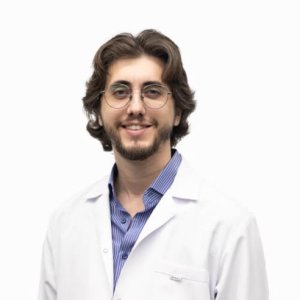
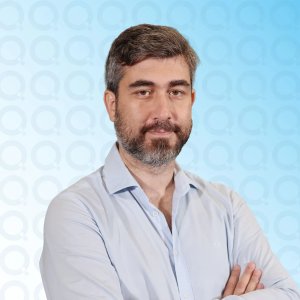
الدكتور Cagdas Yokusoglu استشاري الطب النفسي يتمتع بأكثر من 12 عامًا من الخبرة السريرية. يختص في طب نفس البالغين والعلاج النفسي المستند إلى الأدلة. تخرّج في برنامج الطب الإنجليزي بكلية طب جراح باشا بجامعة إسطنبول، وأتمّ تدريب الإقامة في الطب النفسي بكلية طب إسطنبول.
عمل في مؤسسات عامة وخاصة، ويقدّم حاليًا التقييم الطبي النفسي والعلاج النفسي في ممارسته الخاصة. رعايته فردية ومستندة إلى الأدلة، وتشمل مجموعة واسعة من الاضطرابات النفسية.
تشمل تدريباته المتقدمة العلاج السلوكي المعرفي
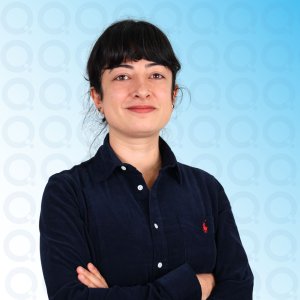
الدكتورة أوزغه يوكسلاي طبيبة نفسية. حصلت على درجة الطب من كلية الطب بجامعة إرجييس. أكملت الإقامة الطبية في مستشفى إرنكوي للأمراض العقلية والعصبية. عملت في مستشفى فان الإقليمي للتدريب والبحوث، ومستشفى إرنكوي للأمراض العقلية والعصبية، ومستشفى موديست للطب النفسي العصبي. تتمتع بخبرة سريرية واسعة.
تجمع بين العلاج النفسي والعلاج الدوائي، وتستخدم أيضاً العلاجات الجسدية مثل TMS وECT وtDCS والتغذية الراجعة العصبية. تشمل ممارستها الاكتئاب، واضطراب الوسواس القهري، واضطرابات القلق، والإدمان، والاض
 Anna Leonova
تتميز برامج علاج إدمان الكوكايين في تركيا بإزالة السموم تحت إشراف طبي يتبعها رعاية نفسية متعددة التخصصات. تعطي المرافق المعتمدة الأولوية للنهج العلمية العصبية. وتشمل هذه قياسات وظائف الدماغ وإدارة الحالات النفسية. تدمج معظم البروتوكولات العلاج المعرفي السلوكي وإدارة الرغبة الشديدة المكثفة في بيئات معتمدة من قبل JCI.
رؤية خبراء Bookimed: غالبًا ما توفر المستشفيات العصبية النفسية التركية أكثر من مجرد إعادة تأهيل سلوكي قياسي. مستشفى NP إسطنبول للدماغ، على سبيل المثال، هو ثاني أفضل مستشفى للدماغ في أوروبا. يستخدمون أدوية تركز على الفكر ورسم خرائط EEG متقدم. يساعد هذا النهج العلمي في تحديد الضرر العصبي المحدد الناجم عن المنشطات. يسمح هذا للأطباء بتصميم علاجات التعديل العصبي مثل TMS بشكل أكثر فعالية من مراكز إزالة السموم العامة.
إجماع المرضى: يشير المرضى إلى أن البرامج يجب أن تشمل دعمًا نفسيًا للقلق والاكتئاب
تستغرق برامج إعادة التأهيل من الكوكايين في تركيا عادةً ما بين 30 إلى 90 يومًا. تبدأ معظم خطط العلاج بمرحلة إزالة السموم لمدة تتراوح بين 7 إلى 10 أيام. توفر الإقامات السكنية الخاضعة للإشراف السريري علاجًا مركزًا. غالبًا ما تؤدي المدد الأطول إلى تحسين النتائج للمرضى الذين يعانون من مشاكل ثانوية في الصحة العقلية.
رؤية خبير Bookimed: تعطي المنشآت التركية مثل مستشفى NP إسطنبول للدماغ (NP Istanbul Brain Hospital) الأولوية للتقييم العصبي إلى جانب علاج الإدمان القياسي. تم تصنيف هذه العيادة كواحدة من أفضل مستشفيات الدماغ في أوروبا. وهي تستخدم قياس وظائف الدماغ لتتبع تقدم التعافي. تساعد هذه البيانات الموضوعية الأطباء على تحديد ما إذا كان المريض يحتاج إلى إقامة لمدة 30 يومًا أو أكثر. توظف البرامج هناك 110 أطباء لإدارة أعداد كبيرة من المرضى بفعالية.
إجماع المرضى: يلاحظ المرضى أن الأسابيع الأربعة الأولى هي الأصعب بسبب القلق ومشاكل النوم. يؤكد الكثيرون أن إزالة السموم القصيرة ليست كافية بدون خطة طويلة المدى للرعاية اللاحقة.
تظل السجلات الطبية في تركيا سرية بموجب قانون حماية البيانات الشخصية. المهنيون ملزمون قانونًا بحماية معلومات المرضى. تتبع المرافق التركية أطر عمل وزارة الصحة، مما يضمن حصول المرضى الأجانب على نفس حقوق الخصوصية التي يتمتع بها المرضى المحليون. يتطلب الكشف عن المعلومات موافقة المريض أو أوامر قضائية.
رؤية خبير Bookimed: تعتمد الخصوصية في علاج الإدمان غالبًا على الأنظمة الداخلية للعيادات. يستخدم مستشفى NP إسطنبول للدماغ ومستشفى Moodist برامج إدارة متخصصة لتتبع بيانات المرضى بأمان. يستخدم مستشفى Moodist نظام إدارة الحالة النفسية، وهي أداة تساعد الأطباء في تنسيق الرعاية مع الحد من الوصول غير المصرح به إلى سجلات الإدمان الحساسة.
إجماع المرضى: يقترح المرضى استخدام بريد إلكتروني مخصص للتواصل مع العيادة للحفاظ على خصوصية السجلات. يؤكد الكثيرون على أهمية الحصول على سياسات السرية كتابةً. غالبًا ما يطلبون من العيادات استخدام رموز تشخيصية سرية في ملخصات الخروج لتجنب الوصمة.
توفر تركيا مستشفيات عصبية نفسية متخصصة ومعتمدة من قبل JCI ومراكز إعادة تأهيل خاصة للمرضى الدوليين. تتميز هذه المرافق بأقسام مخصصة للإدمان. وهي تقدم عمليات تخلص من السموم تحت إشراف طبي مع التحفيز العميق للدماغ والدعم النفسي. تشمل خدمات التنسيق طاقم عمل متعدد اللغات ومساعدة إدارية للمسافرين.
رؤية خبير Bookimed: بينما تقدم العديد من الدول إعادة تأهيل عامة، فإن البنية التحتية في تركيا فريدة من نوعها لأن علاج الإدمان غالبًا ما يتم داخل مستشفيات الدماغ. يتم تصنيف مستشفى NP Istanbul Brain كثاني مستشفى للدماغ في أوروبا. كما يوفر مستشفى Moodist للطب النفسي والأعصاب خدمات الطب النفسي الطارئة على مدار الساعة. يضمن هذا النهج الطبي أولاً أن يجد المرضى الأمان خلال مرحلة الانسحاب عالية المخاطر.
إجماع المرضى: يلاحظ المرضى أنه من الضروري البحث عن التخلص من السموم داخل المستشفى بدلاً من مجرد الإقامة في أماكن تشبه المنتجعات. يؤكدون أن الإشراف النفسي المهني وتخطيط الرعاية اللاحقة أهم من وسائل الراحة الفاخرة وحدها.
يغطي التأمين الدولي علاج إدمان الكوكايين في تركيا إذا كانت البوليصة تشمل رعاية اضطرابات تعاطي المخدرات. تعتمد التغطية على الحصول على موافقة مسبقة لخدمات التخلص من السموم في المستشفى والخدمات النفسية. غالبًا ما تستوفي المرافق المعتمدة من قبل JCI معايير شركات التأمين. يجب على المرضى التحقق من المزايا قبل بدء العلاج لضمان استرداد التكاليف.
رؤية خبير Bookimed: تعتبر مؤشرات الجودة في تركيا عالية بشكل استثنائي في مجال علاج الإدمان. تدير مستشفى NP Istanbul Brain 20 عيادة خارجية و 7 مختبرات. كانت أول مستشفى عصبي نفسي خاص في البلاد. من المرجح أن يتم الاعتراف بالمرافق التي تضم هذا العدد الكبير من الأقسام المتخصصة من قبل شركات التأمين الدولية. تقدم هذه العيادات دعمًا طبيًا متكاملًا يتجاوز نطاق الاستشارة القياسية.
إجماع المرضى: يلاحظ المرضى أنه من الأسهل الحصول على تغطية للتخلص من السموم طبيًا في المستشفى مقارنة بإعادة التأهيل السكني. يؤكد الكثيرون على ضرورة الحصول على موافقة كتابية من شركات التأمين قبل السفر لتجنب دفع التكالي