إدمان الكوكايين العلاج في تايلاند - التكاليف 2026


تمت مراجعة المقالة طبيا من قبل
فهد مولود
ما هي تكلفة إدمان الكوكايين إجراءات التشخيص والعلاج في تايلاند؟ اعرف الآن
مزاياك وضماناتك مع Bookimed
أسعار مباشرة
Bookimed لا يضيف رسوماً إضافية على أسعار علاج إدمان الكوكايين. الأسعار مأخوذة من قوائم الأسعار الرسمية للعيادات. تدفع مباشرة في العيادة مقابل علاجك عند وصولك إلى البلد.
عيادات وأطباء معتمدون فقط
Bookimed ملتزم بسلامتك. نحن نعمل فقط مع المؤسسات الطبية التي تحافظ على معايير دولية عالية في علاج إدمان الكوكايين ولديها التراخيص اللازمة لخدمة المرضى الدوليين في جميع أنحاء العالم.
مساعدة مجانية على مدار الساعة
Bookimed يقدم مساعدة خبراء مجانية. منسق طبي شخصي يدعمك قبل وأثناء وبعد العلاج، ويحل أي مشاكل. لن تكون وحيداً أبداً في رحلة علاج إدمان الكوكايين.

منسقك الطبي الشخصي في Bookimed
- يدعمك في كل مرحلة
- المساعدة في اختيار العيادة الطبية المناسبة والطبيب المناسب
- يضمن الوصول السريع والمريح إلى المعلومات
اكتشف أفضل إدمان الكوكايين العيادات في تايلاند: 6 خيارات معتمدة والأسعار

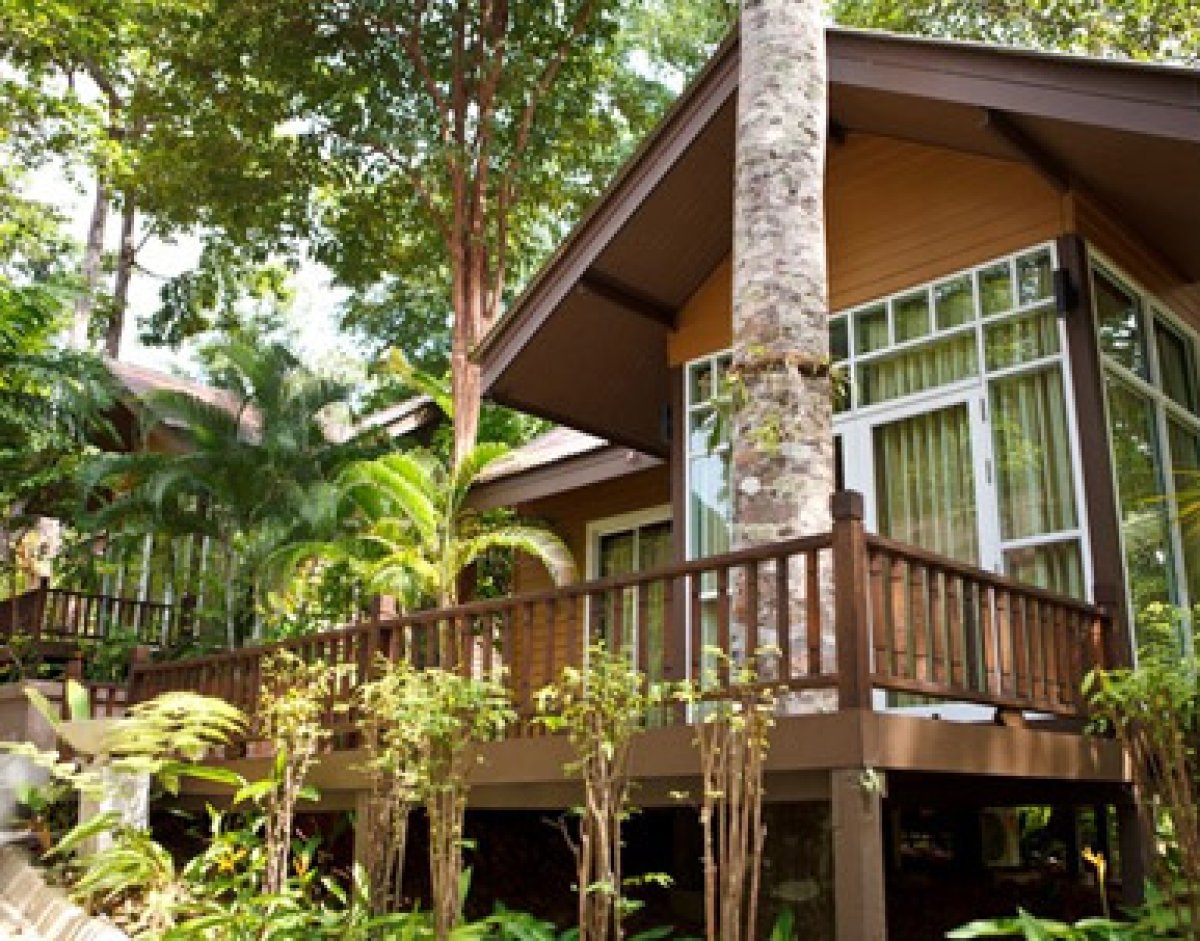

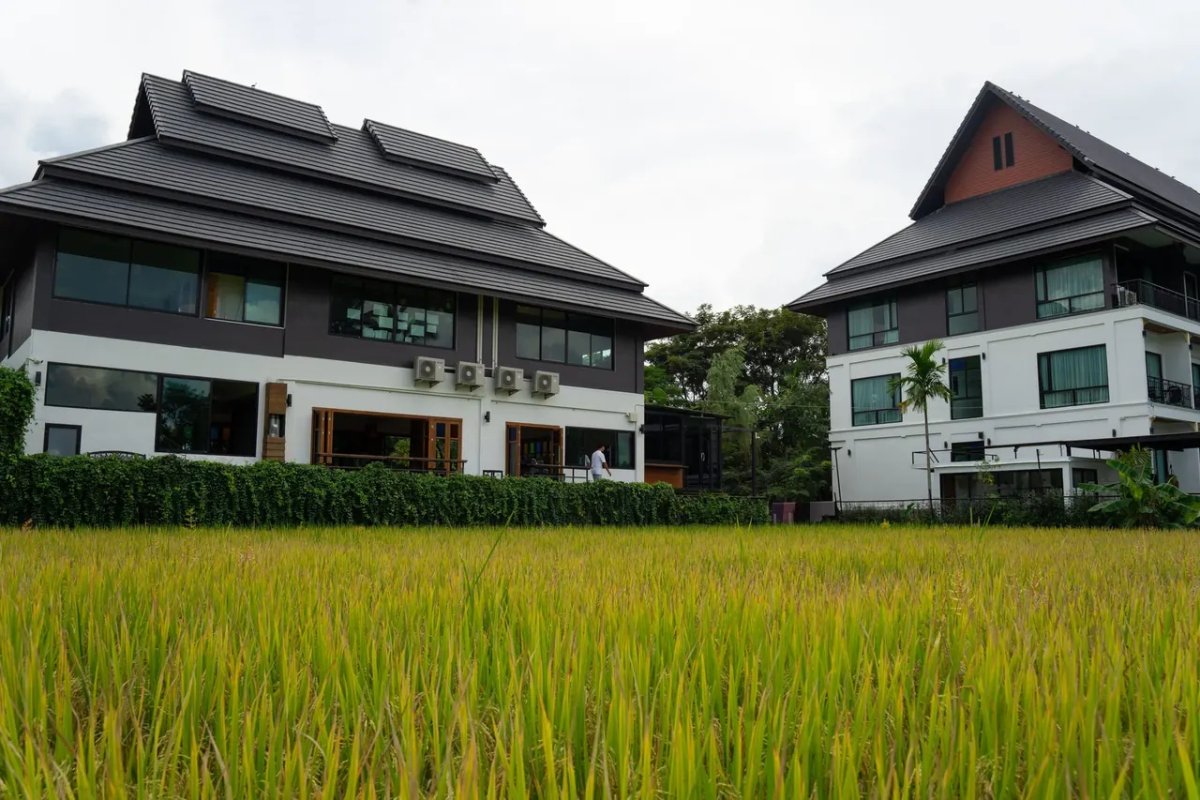
The Warmth Rehab
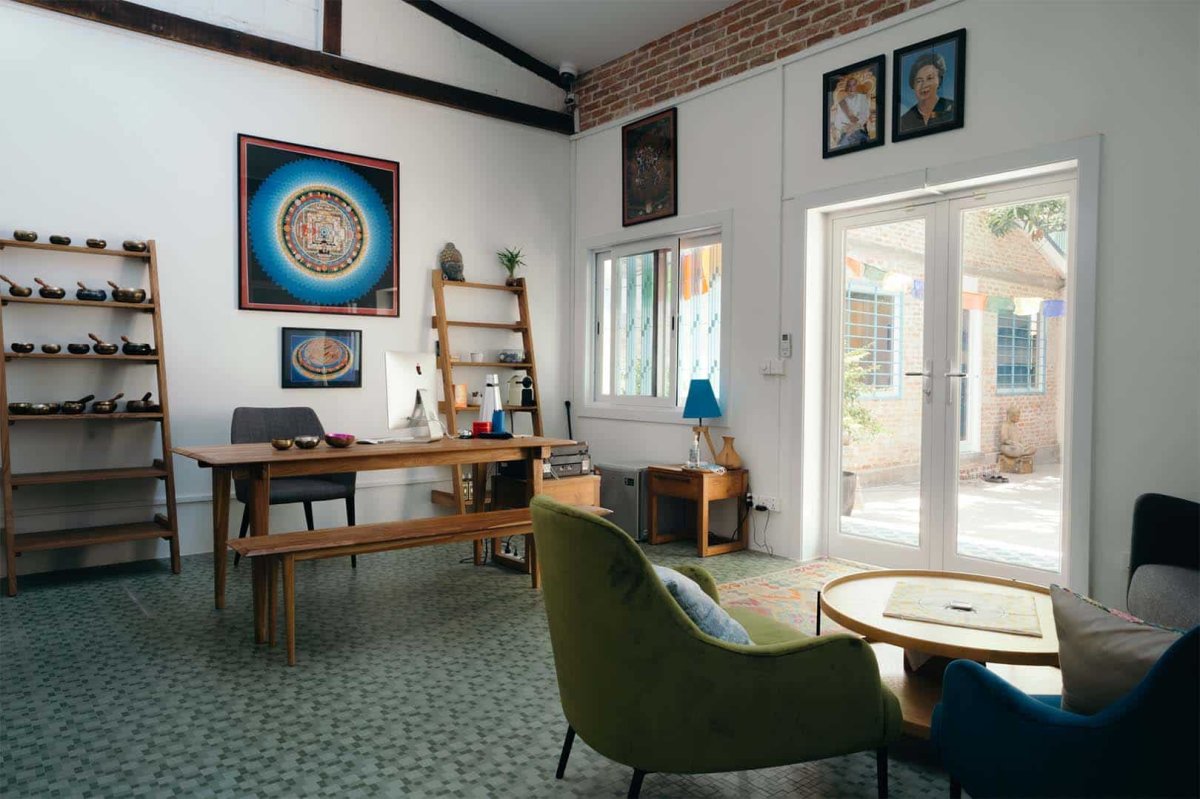
The Beekeeper House
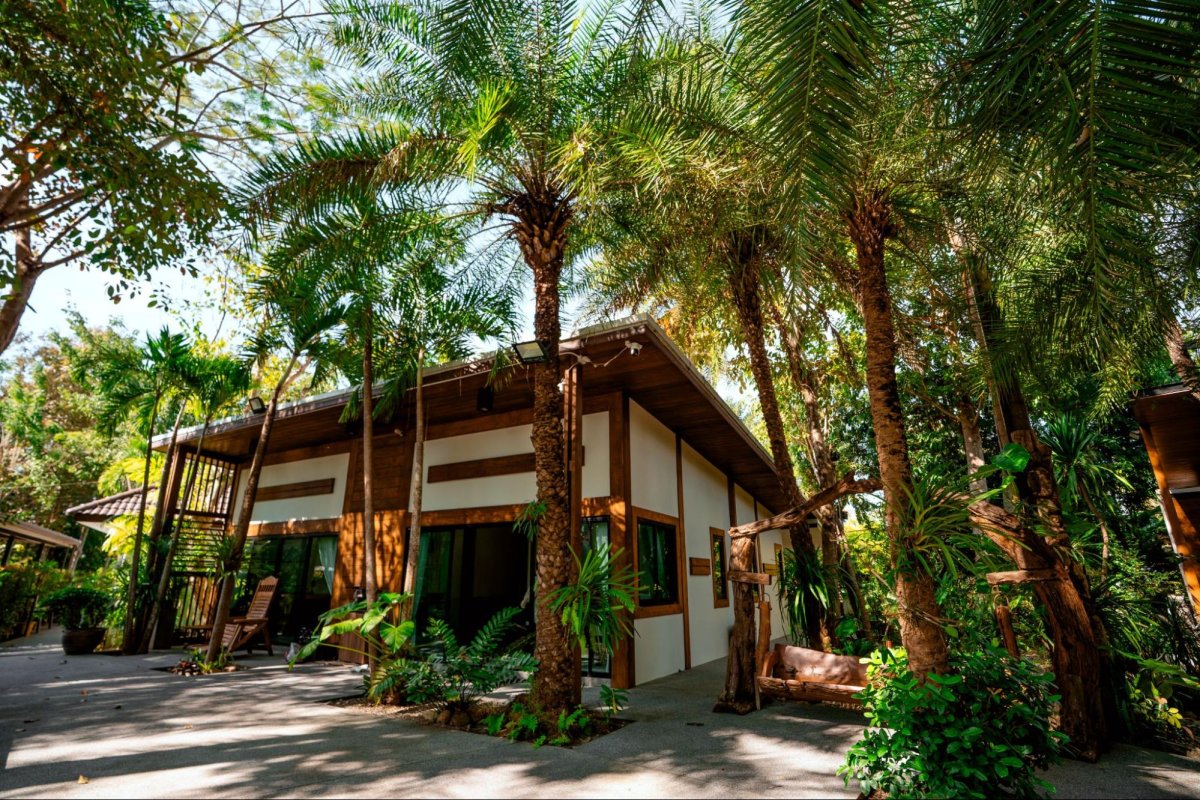
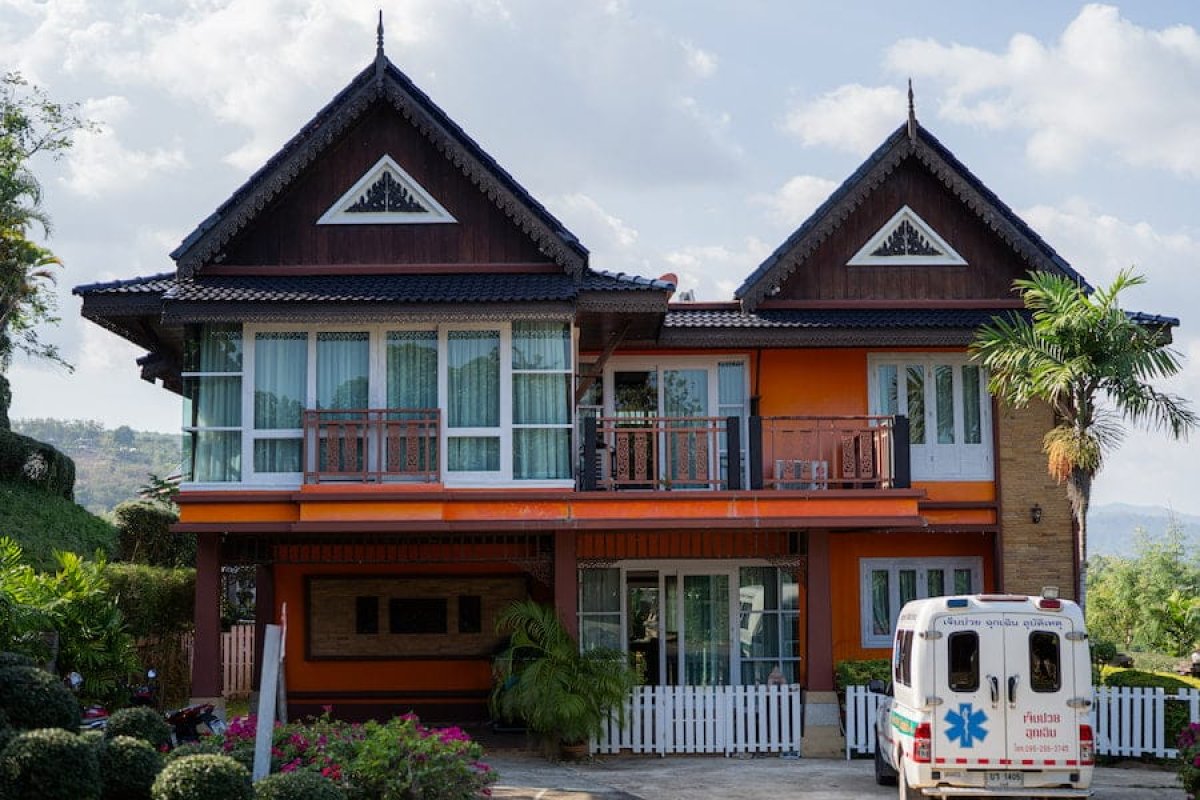
Phuket Island Rehab
احصل على تقييم طبي لـ في تايلاند. استشر الآن 6 أطباء ذوي الخبرة.
عرض جميع الأطباء
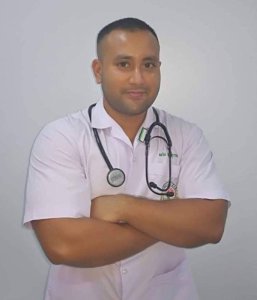
Pichayut Kasemphakdeephong
يتخصص الدكتور كاسيمفاكدي فونغ في الطب النفسي للإدمان ويقود برامج إعادة التأهيل في مستشفى فرامونجكوتكلاو في بانكوك.
- خبير في علاج اضطرابات تعاطي المخدرات، بما في ذلك إدمان الكوكايين
- يقدم محاضرات حول علاج الإدمان وأفضل الممارسات في الطب النفسي
- نشر أبحاثاً حول نماذج إعادة التأهيل الفعالة من حيث التكلفة للإدمان
- عضو في الجمعية التايلاندية للطب النفسي للإدمان

مشاركة المحتوى
قصص فيديو من مرضى Bookimed
 Anna Leonova
أسئلة متكررة حول علاج إدمان الكوكايين في تايلاند
ما الذي يجعل إعادة التأهيل من الكوكايين في تايلاند فعالاً للمرضى الدوليين؟
تنجح معالجة الإدمان في تايلاند من خلال الجمع بين العلاج القائم على الأدلة والفصل المادي عن محفزات المنزل. توفر المرافق رعاية مكثفة على مدار الساعة طوال أيام الأسبوع في بيئة سرية. تدمج البرامج العلاج السلوكي المعرفي واليقظة الذهنية ضمن بيئات سكنية معتمدة وطنياً لكسر دورات الانتكاس بشكل فعال للمرضى الدوليين.
- النطاق العلاجي: تجمع المراكز بين العلاج السلوكي المعرفي، وتعزيز التحفيز، وبرامج الـ 12 خطوة.
- التكامل الشامل: يحصل المرضى على علاجات بالفن والموسيقى والبستنة والعلاج المهني للتعافي العقلي.
- الخبرة السريرية: يتمتع أطباء مثل الدكتور بيشايوت كاسيمفاكدييفونج بعضوية الجمعية التايلاندية للطب النفسي للإدمان.
- هيكل المرفق: توفر مراكز مثل مركز Day One لإعادة التأهيل 22 سريراً لرعاية مركزة وشخصية.
رؤية خبير Bookimed: تحتل تايلاند المرتبة الثانية عالمياً في الطلبات الطبية الدولية على Bookimed. تدير مراكز مثل مركز Day One لإعادة التأهيل حوالي 120 مريضاً سنوياً بوجود 4 أطباء فقط. تضمن هذه النسبة العالية من الموظفين إلى المرضى حصول كل فرد على خطة تعافي مخصصة حقاً.
إجماع المرضى: يقدر المرضى الخصوصية التامة الموجودة في تايلاند لتقليل العار الاجتماعي أثناء التعافي. يؤكد الكثيرون أن مغادرة بيئتهم المعتادة هي الطريقة الوحيدة لتجنب المروجين المحليين.
هل تايلاند آمنة لعلاج الإدمان؟
تعد تايلاند آمنة لعلاج الإدمان عندما يختار المرضى مراكز إقامة معتمدة وطنياً. توفر منشآت مثل مركز Day One للتأهيل رعاية خاضعة للإشراف. توظف هذه العيادات فرقاً متعددة التخصصات للمراقبة على مدار الساعة طوال أيام الأسبوع. تضمن مجالس الطب النفسي التايلاندية والمعايير الدولية بروتوكولات قائمة على الأدلة في مراكز إعادة تأهيل المدمنين المتخصصة.
- الإشراف الطبي: توفر المراكز المعتمدة مراقبة سريرية على مدار الساعة طوال أيام الأسبوع خلال مرحلة الانسحاب الأولية.
- العلاج القائم على الأدلة: تستخدم البرامج العلاج السلوكي المعرفي (CBT) وعلاج التحسين التحفيزي (MET).
- الخبرة المتخصصة: متخصصون مثل د. بيشايوت كاسيمفاكدي بونغ متخصصون تحديداً في اضطرابات تعاطي المواد.
- السلامة الشاملة: تدمج العيادات اليقظة الذهنية والعلاج المهني لإدارة مسببات الانتكاس على المدى الطويل بأمان.
رؤية خبير Bookimed: تعتمد سلامة تايلاند غالباً على أوراق اعتماد الموظفين بدلاً من جماليات المنشأة. تظهر البيانات أن أفضل العيادات توظف متخصصين يخدمون في لجان مثل الجمعية التايلاندية للطب النفسي للإدمان. ابحث عن مرافق صغيرة تضم 22 سريراً بدلاً من المنتجعات الكبيرة. غالباً ما توفر هذه المراكز الأصغر رعاية نفسية أكثر تركيزاً لكل مريض.
إجماع المرضى: يقدر المرضى المسافة المادية عن المسببات المحلية لمساعدتهم على البقاء ملتزمين. يلاحظ الكثيرون أنه من الضروري اختيار منشأة طبية مرخصة بدلاً من منتجع صحي.
كم يستغرق علاج الكوكايين عادةً في تايلاند؟
عادة ما يتراوح علاج الكوكايين في تايلاند بين 28 و 90 يوماً. تتطلب معظم المراكز إقامة لمدة 4 أسابيع كحد أدنى لإعادة التأهيل السكني. وغالباً ما تستفيد الحالات الشديدة من البرامج الممتدة لـ 60 أو 90 يوماً. تستغرق إزالة السموم الطبية الأولية عادةً من 5 إلى 10 أيام قبل أن يبدأ العلاج.
- مرحلة إزالة السموم: يستغرق الاستقرار الطبي وإدارة الانسحاب من أسبوع إلى أسبوعين.
- إعادة التأهيل السكني: تستمر برامج العلاج المكثف عادةً ما بين 28 و 30 يوماً.
- الرعاية الممتدة: غالباً ما تمتد البرامج الخاصة بمخاطر الانتكاس العالية إلى 60 أو 90 يوماً.
- الرعاية الثانوية: يمكن أن يستمر دعم العيادات الخارجية لعدة أشهر إضافية.
رؤية خبير Bookimed: تستفيد مراكز التعافي التايلاندية مثل Day One من نسب الموظفين إلى المرضى العالية لتسريع التقدم. يركز الدكتور بيشاوت كاسمباكدي فونج على التشخيص المزدوج لعلاج المحفزات الأساسية. غالباً ما توفر المراكز التي تضم أقل من 25 سريراً ساعات علاج يومية أكثر كثافة. يساعد هذا النهج المركز المرضى على تحقيق معالم مهمة خلال فترة 28 يوماً القياسية.
إجماع المرضى: يشير المرضى إلى أن الإقامات القصيرة غالباً ما تبدو غير كافية لإدارة الرغبة الشديدة على المدى الطويل. ويؤكد الكثيرون أن اختيار منشأة ذات دعم قوي لما بعد الرعاية أمر حيوي للبقاء رزيناً بعد العودة إلى المنزل.
هل أحتاج إلى إكمال إزالة السموم قبل دخول برنامج إعادة التأهيل في تايلاند؟
تشمل معظم برامج إعادة التأهيل الداخلي في تايلاند إزالة السموم الطبية الخاضعة للإشراف كأول مرحلة من مراحل العلاج. عادةً لا تحتاج إلى إنهاء إزالة السموم قبل الوصول. توفر المراكز ذات القدرة الاستيعابية العالية مثل مركز Day One لإعادة التأهيل مراقبة على مدار الساعة طوال أيام الأسبوع خصيصاً لإدارة أعراض انسحاب الكوكايين بأمان.
- الاستقرار في الموقع: تدير المراكز عادةً أعراض الانسحاب الحادة خلال الأيام الخمسة إلى السبعة الأولى.
- بروتوكولات إزالة السموم: يستخدم الفرق الطبية علاجاً متخصصاً لمعالجة الاكتئاب والتعب والرغبة الشديدة في التعاطي.
- الإشراف المتخصص: يشرف أطباء نفسيون مثل الدكتور بيشاوت كاسمباكدي فونج على رعاية المرضى المعقدين ذوي التشخيص المزدوج.
- الانتقال العلاجي: ينتقل المرضى مباشرة من إزالة السموم إلى العلاج السلوكي المعرفي والبرامج القائمة على اليقظة الذهنية.
رؤية خبير Bookimed: تحتل تايلاند المرتبة الثانية عالمياً في رعاية الإدمان المتخصصة في شبكتنا. يسمح هذا الحجم الكبير للعيادات بالحفاظ على طاقم طبي بدوام كامل مثل الفريق في مركز Day One لإعادة التأهيل. هذا الحضور السريري على مدار الساعة يعني أنه يمكنهم قبول المرضى بأمان مباشرة من حالة التعاطي النشط. أنت تتجنب خطر الانتكاس العالي الذي يحدث غالباً عند الانتقال بين مرافق إزالة السموم وإعادة التأهيل المنفصلة.
إجماع المرضى: يشير المرضى إلى أنه من الضروري التأكد مما إذا كان المركز يقدم إزالة سموم طبية كاملة في الموقع. في حين أن معظم المراكز تقبل المستخدمين النشطين،
ما هي العلاجات والأنشطة المشمولة في برامج علاج الكوكايين في تايلاند؟
تدمج برامج علاج الكوكايين في تايلاند العلاجات القائمة على الأدلة مع أنشطة العافية الشاملة ضمن بيئات عالية الأمان. تجمع البرامج المكثفة مثل تلك الموجودة في مركز Day One للرعاية التأهيلية بين العلاج السلوكي المعرفي (CBT)، ونماذج الخطوات الـ 12، وعلاج تعزيز التحفيز. تتميز هذه المراكز بروتين يومي منظم يشمل التأمل واللياقة البدنية والدعم الغذائي.
- جوهر العلاج: تستخدم البرامج الاستشارات الفردية والعلاج الجماعي لإدارة مسببات الانتكاس.
- التكامل الشامل: تشمل الجداول اليومية اليقظة الذهنية واليوغا والتدليك لتقليل القلق المرتبط بالعلاج.
- الأنشطة التجريبية: يشارك المرضى في العلاج بالفن، والبستنة، والنزهات المنظمة إلى الشاطئ أو الطبيعة.
- التعافي البدني: تشمل روتين اللياقة البدنية جلسات رياضية خاضعة للإشراف، والسباحة، والمشي لتحقيق استقرار المزاج.
- الوقاية من الانتكاس: تطور الفرق السريرية خططاً للخروج واستراتيجيات دعم طويلة المدى قبل المغادرة.
رؤية خبير Bookimed: غالباً ما تجمع البرامج التايلاندية بين الطب النفسي السريري والقيادة المتخصصة في الإدمان. على سبيل المثال، يعمل الدكتور بيتشايوت كاسيمفاكدي فونغ في مركز Day One للرعاية التأهيلية كعضو لجنة في الجمعية التايلاندية للطب النفسي للإدمان. يضمن هذا الإشراف الأكاديمي عالي المستوى أن تحافظ حتى المنتجعات الصحية على بروتوكولات طبية صارمة ورعاية متعددة التخصصات على مدار الساعة طوال أيام الأسبوع.
إجماع المرضى: يلاحظ المرضى أن التعافي يبدو أشبه بمنتجع صحي منه إل
هل العلاجات في تايلاند سرية للمرضى الدوليين؟
تحافظ المرافق الطبية التايلاندية على سرية صارمة للمرضى الدوليين من خلال التزامات قانونية ومهنية. يجب على الممارسين حماية البيانات الشخصية بموجب القانون. يتطلب الكشف موافقة خطية من المريض أو تفويضاً قانونياً. تعطي المراكز المتخصصة مثل مركز Day One للرعاية التأهيلية الأولوية للخصوصية ضمن بروتوكولات الإقامة لعلاج الإدمان.
- حقوق المريض: يضمن القانون التايلاندي للمرضى الدوليين حماية كاملة للبيانات والسرية.
- التحكم في الوصول: تقيد العيادات الوصول إلى السجلات للطاقم الطبي المصرح له والمريض فقط.
- مرافق سرية: توفر مراكز الإقامة الخاصة غرفاً عالية الخصوصية لضمان عدم الكشف عن هوية المريض.
- تقارير آمنة: توفر المستشفيات تقارير طبية شاملة وآمنة باللغة الإنجليزية لرعاية المتابعة الخاصة.
رؤية خبير Bookimed: توفر المراكز السكنية صغيرة الحجم ميزة الخصوصية مقارنة بالمستشفيات الكبيرة. يدير مركز Day One للرعاية التأهيلية 22 سريراً فقط لـ 120 مريضاً سنوياً. يضمن هذا الحجم المنخفض تفاعل عدد أقل من الموظفين مع السجلات السريرية الحساسة. يقود الدكتور بيتشايوت كاسيمفاكدي فونغ هذه البرامج مع التركيز على سرية التشخيص المزدوج.
إجماع المرضى: يلاحظ المرضى أن مراكز إعادة التأهيل الخاصة تشعرك بخصوصية أكبر من المستشفيات العامة. ينصحون بالتأكد من كيفية التعامل مع نماذج القبول وبيانات جواز السفر قبل الوصول.
ما هي المرافق في تايلاند التي تعتبر ذات سمعة طيبة أو متخصصة في إدمان الكوكايين؟
تقدم تايلاند علاجًا موثوقًا لإدمان الكوكايين في مرافق معتمدة محليًا ودوليًا. توفر المراكز الرائدة مثل مركز Day One لإعادة التأهيل في بانكوك والعيادات المعتمدة من CARF في شيانغ ماي إزالة سموم طبية خاضعة للإشراف. تدمج هذه البرامج العلاج السلوكي المعرفي والدعم النفسي لحالات التشخيص المزدوج.
- أوراق اعتماد المزود: يقود الدكتور بيتشايوت كاسيمفاكدي فونغ برامج ذات خبرة في الطب النفسي للإدمان.
- الإشراف السريري: توفر المرافق ذات السمعة الطيبة رعاية على مدار الساعة طوال أيام الأسبوع من قبل فرق طبية متعددة التخصصات.
- العلاجات القائمة على الأدلة: تستخدم البرامج بروتوكولات العلاج السلوكي المعرفي وعلاج تعزيز الدافعية.
- التكامل الشمولي: غالبًا ما تجمع المراكز بين العلاج السريري واليقظة الذهنية والفن والبستنة.
رؤية خبير Bookimed: في حين يبحث الكثيرون عن بيئات على طراز المنتجعات، تظهر البيانات أن العمق السريري هو العامل المفرق الحقيقي. يحافظ مركز Day One لإعادة التأهيل على تصنيف 5 نجوم عالٍ من خلال تحديد القدرة الاستيعابية بـ 22 سريرًا. وهذا يضمن رعاية يقودها أطباء نفسيون للحالات المعقدة مثل التشخيصات المزدوجة المتعلقة بالكوكايين. غالبًا ما توفر الإعدادات السريرية الأصغر إشرافًا متخصصًا أكثر كثافة من المنتجعات الفاخرة الأكبر.
إجماع المرضى: يلاحظ المرضى أن التعافي من الكوكايين في تايلاند يعتمد على الدعم النفسي أكثر من الاعتماد على إزالة السموم الجسدية. تركز المراكز عالية الجودة على إدارة الرغبة الشديدة والاكتئاب بدلاً من مجرد تقديم الع