علاج الورم الحميد الغدة الكظرية في تركيا — احصل على 3 عيادات مختارة خصيصاً لك


تمت مراجعة المقالة طبيا من قبل
فهد مولود
كيف نعمل؟
ما هي تكلفة الورم الحميد الغدة الكظرية إجراءات التشخيص والعلاج في تركيا؟ اعرف الآن
تختلف تكلفة علاج الورم الحميد في الغدة الكظرية في تركيا اعتمادًا على خطة العلاج والإجراءات المطلوبة. يتم تسعير الاستشارة مع طبيب الأورام الطبي بـ $220، بينما تكلف فحوصات PET-CT $700. يمكن أن تتراوح تكاليف التشخيصات الإضافية، مثل اختبارات الدم والتصوير، من $2,000 إلى $2,500. تتراوح تكلفة إجراء استئصال الغدة الكظرية بالمنظار من $9,800 إلى $11,400، اعتمادًا على التعقيد والطريقة المستخدمة. يتم تخصيص خطة العلاج بعد تقييم دقيق من قبل المتخصصين في الرعاية الصحية.
اكتشف أفضل الورم الحميد الغدة الكظرية العيادات في تركيا: 26 خيارات معتمدة والأسعار





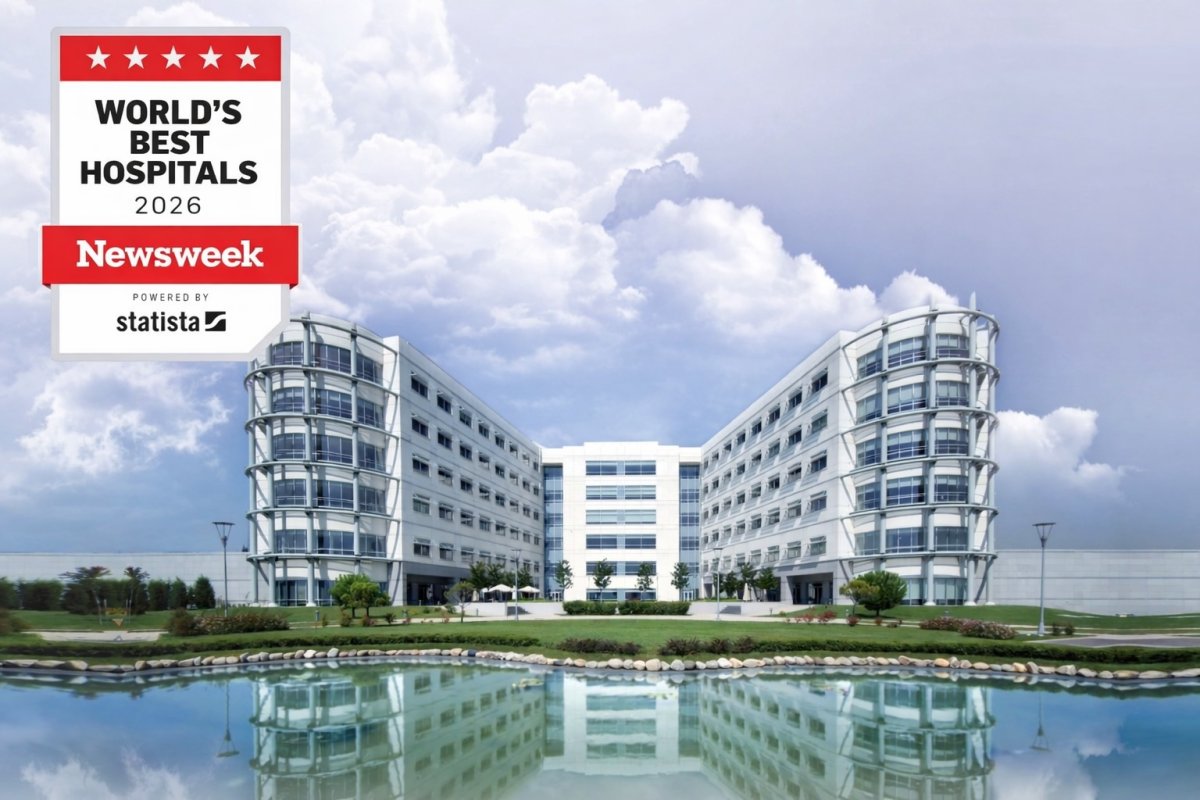




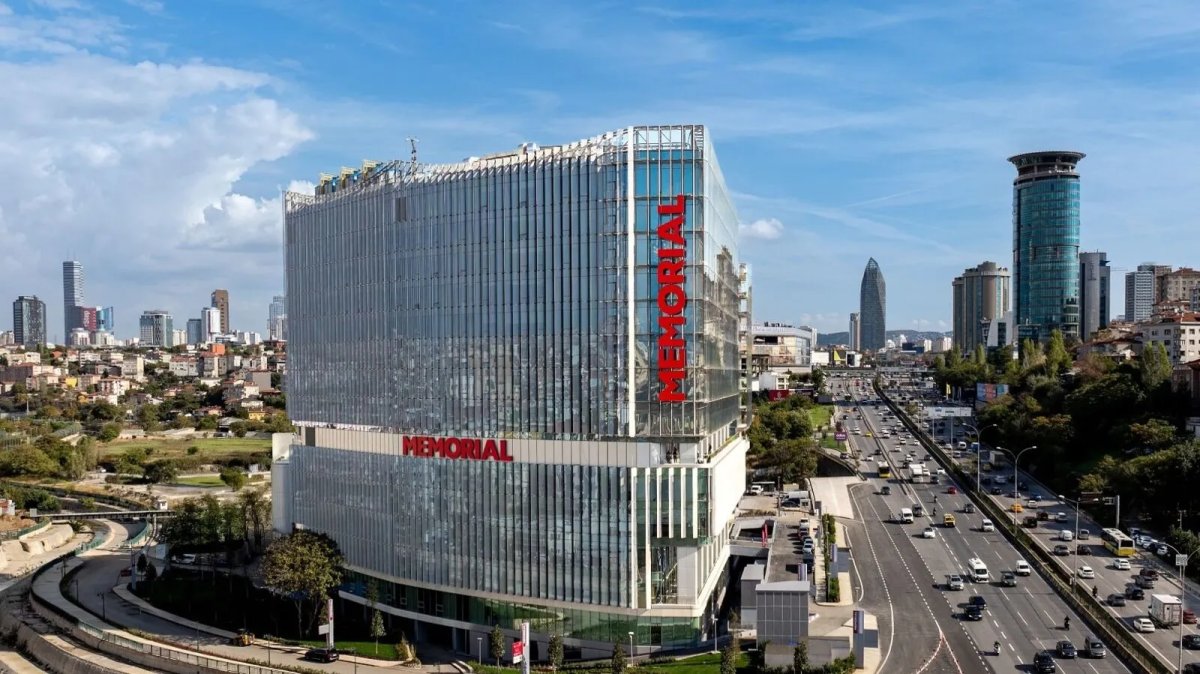
Memorial Göztepe Hospital
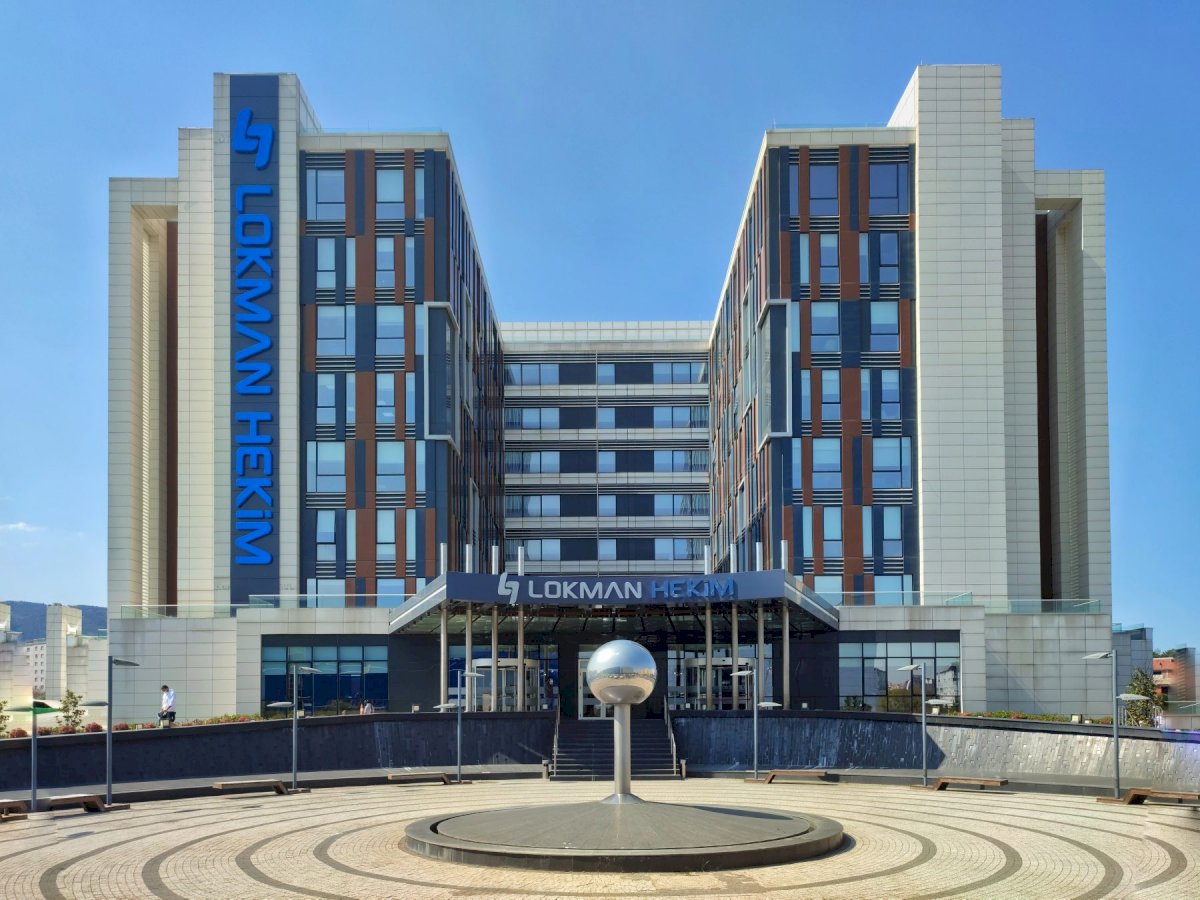

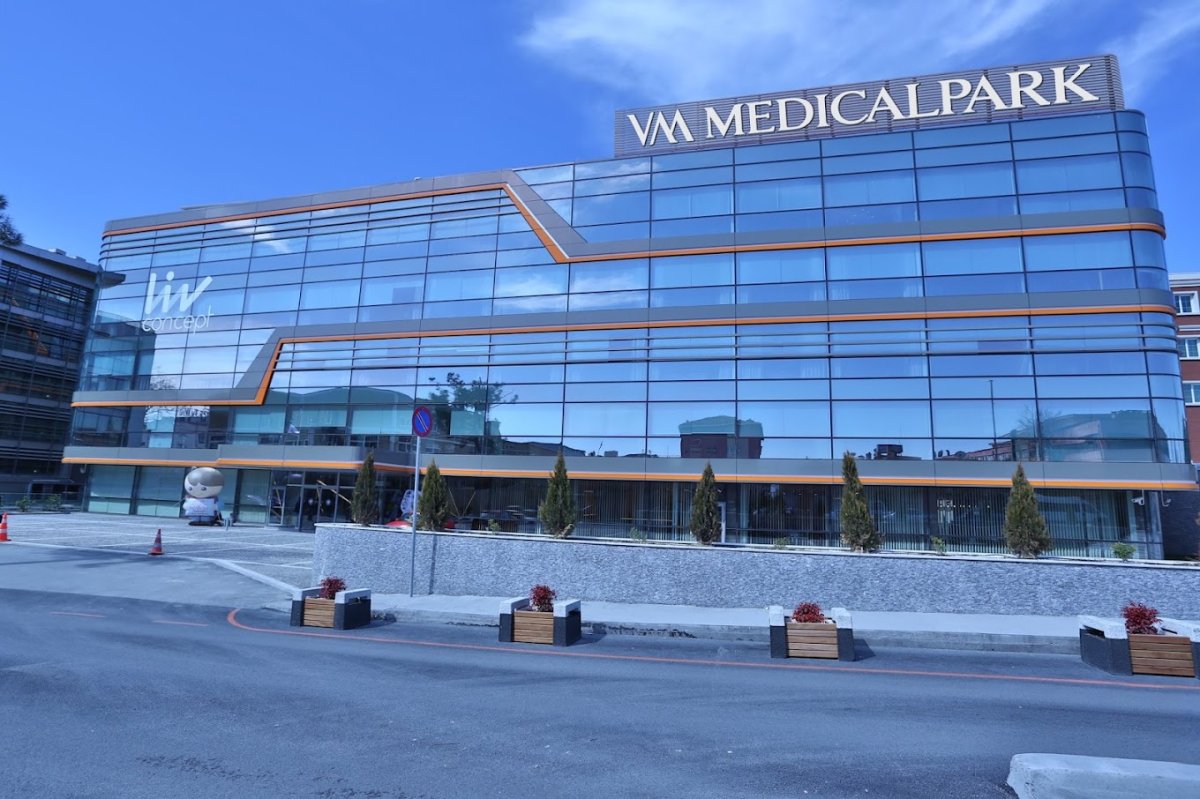


احصل على تقييم طبي لـ في تركيا. استشر الآن 16 أطباء ذوي الخبرة.
عرض جميع الأطباء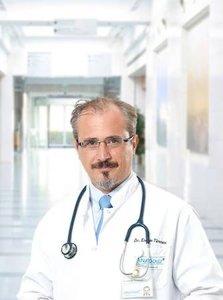
Erdem Turemen
أكمل الطبيب التعليم الطبي في كلية الطب بجامعة تراكيا، وكلية الطب جراح باشا، وكلية الطب بجامعة كوجايلي. متخصص في الغدد الصماء، يركز الطبيب على السكري، السمنة، اضطرابات الغدة الدرقية، وأمراض الغدة النخامية والغدد الكظرية.<\/p>
بفضل خلفية أكاديمية قوية، ساهم الطبيب في المجال الطبي بأكثر من 25 منشورًا وطنيًا ودوليًا، مما يظهر الخبرة والالتزام بتطوير المعرفة الطبية في هذه المجالات.<\/p>

Fatma Ela Keskin
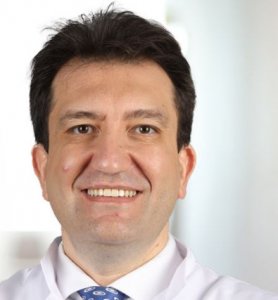
Bulent Hacimeoglu
يتخصص البروفيسور بولنت حاجيميوغلو في طب الغدد الصماء للأطفال، مع التركيز على حالات أورام الغدة الكظرية الحميدة لدى الأطفال.
- أكثر من _doctor_5910_ سنوات من الخبرة في طب الغدد الصماء للأطفال
- رئيس قسم صحة وأمراض الأطفال في جامعة إسطنبول أيدين
- عضو الجمعية الأوروبية لطب الغدد الصماء للأطفال (ESPE)
- حائز على جوائز لأبحاثه حول الاضطرابات الهرمونية لدى الأطفال
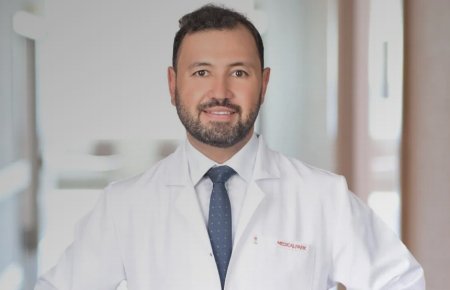
Hakan Duger
متخصص في علاج ورم الغدة الكظرية الحميد مع تدريب مكثف في الغدد الصماء والأمراض الأيضية. يمارس حالياً في مجمع مستشفيات ميديكال بارك أنطاليا.
- أكثر من _doctor_10770_عاماً_ من الخبرة في الغدد الصماء
- تدرب في مستشفيات أنقرة نوموني ودشكابي يلدريم بيازيد
- عضو في الجمعية التركية للغدد الصماء والأيض
- يعمل مع الجمعية التركية للسكري
مشاركة المحتوى
قصص فيديو من مرضى Bookimed
 Anna Leonova
أسئلة متكررة حول علاج الورم الحميد الغدة الكظرية في تركيا
ما مدى تأهيل الجراحين الأتراك لعلاج ورم الغدة الكظرية الحميد؟
يتمتع الجراحون الأتراك بتأهيل عالٍ لعلاج ورم الغدة الكظرية الحميد. يحمل العديد منهم شهادات معتمدة من JCI وتدريبات متخصصة من مؤسسات أمريكية رائدة مثل كليفلاند كلينك. يستخدمون أنظمة روبوتية متقدمة بالمنظار ودا فينشي. تضمن هذه التقنيات طفيفة التوغل تعافيًا أسرع وندوبًا جراحية أصغر.
- الخبرة المتخصصة: غالبًا ما يتخصص الجراحون في مجالات فرعية لأورام الغدد الصماء أو أورام المسالك البولية.
- التدريب الدولي: أكمل العديد من الأطباء زمالات في مراكز عالمية رائدة مثل كليفلاند كلينك.
- التكنولوجيا المتقدمة: تستخدم مرافق مثل ميموريال شيشلي أحدث أنظمة الروبوت دا فينشي XI.
- الرعاية متعددة التخصصات: يشمل العلاج مجالس الأورام مع أطباء الغدد الصماء وأخصائيي الأشعة ومتخصصي الأورام.
رؤية خبير بوكيميد: بينما تعتبر المهارة الجراحية حيوية، فإن عمق طب الغدد الصماء هو الميزة الحقيقية في تركيا. يتمتع متخصصون مثل الأستاذ المشارك بيرسيم أيشيشيك بأكثر من 20 عامًا من الخبرة في إدارة اضطرابات الهرمونات المعقدة. يضمن اختيار مركز يضم أطباء غدد صماء متخصصين توازنًا هرمونيًا فائقًا بعد الجراحة وتعافيًا أيضيًا أفضل.
ما هو العلاج الجراحي القياسي لورم الغدة الكظرية الحميد في تركيا؟
استئصال الغدة الكظرية بالمنظار هو العلاج الجراحي الأساسي لورم الغدة الكظرية الحميد في تركيا. يقوم الجراحون بإزالة الورم الحميد من خلال شقوق صغيرة باستخدام كاميرات متخصصة. تُعد هذه الطريقة طفيفة التوغل المعيار الذهبي للكتل النشطة هرمونيًا أو التي تتزايد في الحجم نظرًا لملف الأمان العالي الخاص بها.
- النهج الجراحي: تستخدم معظم العيادات التركية تقنيات المنظار أو الجراحة الروبوتية للأورام الحميدة الصغيرة.
- معايير العلاج: يوصى بالجراحة للأورام النشطة هرمونيًا أو تلك التي تزداد في الحجم.
- استراتيجية الحفاظ: يقوم الجراحون عادةً بإجراء استئصال أحادي الجانب، مع الحفاظ على سلامة الغدة الكظرية السليمة.
- البدائل المتقدمة: يستخدم مستشفى ميموريال شيشلي وميديبول ميجا أنظمة الروبوت دا فينشي للحالات المعقدة.
رؤية خبير بوكيميد: تعطي مراكز الغدد الصماء التركية الأولوية لنهج متعدد التخصصات قبل الجراحة. ترتبط مستشفيات مثل مركز أناضولو الطبي بمستشفى جونز هوبكنز، مما يضمن معايير تشخيصية دولية. نلاحظ اتجاهًا حيث يطلب كبار الجراحين اختبارات شاملة للغدد الصماء وتصوير مقطعي محوسب قبل تحديد أي عملية. يضمن هذا الفحص الصارم إجراء الجراحة فقط عندما يكون الورم نشطًا أو مشبوهًا. يوفر اختيار المرافق المعتمدة من قبل JCI في إسطنبول الوصول إلى تقنيات متنوعة، بدءًا من أجهزة التصوير المقطعي المكونة من 512 شريحة وصولاً إلى المنصات الروبوتية.
إجماع المرضى: يشير المرضى إلى أن الجراحة لا تكون فورية دائمًا. يؤكد الكثيرون على الارتياح لمعرفة أن الخيارات طفيفة ال
ما هي نسبة النجاح والشفاء لجراحة ورم الغدة الكظرية الحميد (أدينوما) في تركيا؟
تحقق جراحة ورم الغدة الكظرية الحميد في تركيا معدلات شفاء وظيفية تقارب 100% للحالات الحميدة مثل متلازمة كون. يتجاوز النجاح الجراحي لاستئصال الأدينوما 95% باستخدام تقنيات تنظير البطن. يحافظ جراحو الغدد الصماء ذوو الخبرة العالية على معدلات سلامة إجرائية تزيد عن 99% في المرافق المعتمدة من قبل اللجنة الدولية المشتركة (JCI) في إسطنبول وأنطاليا.
- معدل النجاح: يبلغ الجراحون الذين يستخدمون طرق تنظير البطن عن أكثر من 95% نجاحاً في استئصال الكتلة.
- معدل الشفاء: يقترب الشفاء الوظيفي للأورام الحميدة المنتجة للألدوسترون من 100% بعد الاستئصال الكامل.
- معيار السلامة: تحافظ المراكز المتخصصة على معدلات سلامة تبلغ 99% لاستئصال الغدة الكظرية طفيف التوغل.
- حجم حالات المتخصص: ترتبط النتائج المثلى بالجراحين الذين يجرون ما لا يقل عن 6-10 حالات كظرية سنوياً.
رؤية خبير Bookimed: النجاح في تركيا مدفوع بالتخصص الدقيق داخل مراكز متعددة التخصصات. على سبيل المثال، يركز الدكتور بولنت حاجي أوغلو في مستشفيات Valued Med Hub والدكتورة بيرسيم أيشيشيك في مستشفى ليف فادي إسطنبول بشكل خاص على الاضطرابات الهرمونية. في حين يخدم مركز الأناضول الطبي 65,000 مريض ببروتوكولات تابعة لجونز هوبكنز، توفر الوحدات المتخصصة الأصغر غالباً أحجاماً جراحية عالية ضرورية لمؤشرات سلامة ثابتة بنسبة 99%.
إجماع المرضى: يشير المرضى إلى أن الجراحة فعالة للغاية للمشاكل الهرمونية، لكنهم يحذرون من أن ضغط الدم أو التعب قد يستغرق أسابيع حتى يعود إلى طبيعته. يعتبر العثور على جراح غدد صما
متى يحتاج ورم الغدة الكظرية الحميد (أدينوما) إلى جراحة مقارنة بالمراقبة؟
تكون جراحة ورم الغدة الكظرية الحميد ضرورية عندما تكون الأورام وظيفية أو تظهر علامات خباثة. يوصي الأطباء بالاستئصال للآفات التي يزيد حجمها عن 4 سم أو تلك التي تنتج فائضاً من الهرمونات مثل الكورتيزول. تفضل المراكز التركية المعتمدة من قبل اللجنة الدولية المشتركة (JCI) المراقبة للأورام الحميدة غير الوظيفية التي يقل حجمها عن 4 سم باستخدام التصوير المقطعي أو الرنين المغناطيسي.
- الأورام الوظيفية: الجراحة ضرورية إذا كانت الأورام تنتج كميات زائدة من الكورتيزول أو الألدوسترون أو الأدرينالين.
- عتبة الحجم: الآفات التي يزيد حجمها عن 4 سم تتطلب عادةً الاستئصال لمنع الخباثة.
- معدل النمو: يتم النظر في الجراحة النشطة إذا نما الورم أكثر من 0.8 سم سنوياً.
- كثافة التصوير: غالباً ما تستدعي خصائص الكثافة العالية التي تزيد عن 10 وحدات هاونسفيلد تدخلاً جراحياً.
- بروتوكول المراقبة: تخضع الأورام المستقرة وغير الوظيفية للمراقبة في الأشهر 6 و 12 و 24.
رؤية خبير Bookimed: توفر مراكز الأورام التركية مثل مركز الأناضول الطبي ميزة فريدة من خلال ارتباطها بمستشفى جونز هوبكنز. يسمح هذا للمرضى بالحصول على خطط جراحية معقدة للغدة الكظرية تم التحقق من صحتها من قبل خبراء دوليين. يتخصص أطباء مثل الدكتور إردم توريمين تحديداً في أمراض الغدة الكظرية لضمان تشخيص دقيق قبل إجراء أي عملية.
إجماع المرضى: يشير المرضى إلى أن أخصائيي الغدد الصماء يفضلون عادةً المراقبة للآفات المستقرة. ويؤكدون على أهمية تكرار اختبارات الهرمونات قبل الموافقة على
كيف يقوم الأطباء في تركيا بتشخيص ما إذا كان ورم الغدة الكظرية وظيفياً أم لا؟
يقوم أخصائيو الغدد الصماء الأتراك بتشخيص وظيفة أورام الغدة الكظرية باستخدام فحوصات كيميائية حيوية متخصصة وتصوير عالي الدقة. يقوم الأطباء بإجراء اختبارات الدم والبول للكشف عن فائض الكورتيزول والألدوسترون والكاتيكولامينات. يضمن التشخيص الدقيق وضع بروتوكولات جراحية أو مراقبة مناسبة للأورام العرضية والكتل المنتجة للهرمونات.
- الفحص الهرموني: يقيس الأطباء مستويات الميتانفرين في البلازما ونسبة الألدوسترون إلى الرينين لتحديد الإفرازات.
- اختبار تثبيط الديكساميثازون: يحدد هذا الاختبار الليلي ما إذا كانت الأورام تنتج فائضاً من الكورتيزول.
- بروتوكولات التصوير: تقيم الأشعة المقطعية بدون تباين كثافة الورم للتمييز بين الأورام الحميدة والأورام الخبيثة.
- التقييم السريري: يقوم متخصصون مثل الدكتور إردم توريمين بتحليل ارتفاع ضغط الدم واختلال توازن الإلكتروليتات.
رؤية خبير Bookimed: غالباً ما يفترض المرضى أن نتيجة التصوير الواضحة تعني عدم الحاجة لأي إجراء. ومع ذلك، تُظهر البيانات الواردة من مركز الأناضول الطبي أن الفحوصات الهرمونية إلزامية حتى للأورام العرضية الصغيرة. تضمن شراكتهم مع جونز هوبكنز أن تعطي البروتوكولات الأولوية لتحديد المراحل الكيميائية الحيوية المعقدة على التصوير البسيط. هذا يمنع تفويت إنتاج الهرمونات الصامت الذي يؤثر على صحة القلب على المدى الطويل.
إجماع المرضى: يشير المرضى إلى أن التصوير وحده لا يروي القصة الكاملة أبداً. يؤكد الكثيرون أن الأطباء يطلبون اختبارات معملية متعددة، خاصة للكورتيزول والميتانفرين، قبل حتى مناقشة
ما هي المدة النموذجية للإقامة في المستشفى والتعافي بعد استئصال الغدة الكظرية بالمنظار؟
تتطلب عملية استئصال الغدة الكظرية بالمنظار في تركيا عادةً إقامة في المستشفى لمدة ليلة إلى ليلتين. يحقق معظم المرضى تعافيًا كاملاً في غضون أسبوعين إلى أربعة أسابيع. تستخدم هذه التقنية طفيفة التوغل شقوقًا صغيرة. وتسمح بشفاء أسرع وألم أقل من الجراحة المفتوحة التقليدية.
- الإقامة في المستشفى: يعود معظم المرضى إلى منازلهم خلال ليلة إلى ليلتين بعد الجراحة.
- استئناف الأنشطة: غالبًا ما يبدأ المرضى في المشي في نفس اليوم أو في الصباح التالي.
- جدول العودة للعمل: يُستأنف العمل المكتبي أو النشاط الخفيف عادةً في غضون أسبوع إلى أسبوعين.
- القيود البدنية: تجنب رفع أكثر من 10 أرطال (4.5 كجم) لمدة 4 أسابيع لمنع الفتق.
رؤية خبراء Bookimed: بينما يكون التعافي سريعًا، فإن التوازن الهرموني هو المتغير الحقيقي. قد يحتاج مرضى متلازمة كوشينغ إلى تقليل تدريجي للستيرويد لمدة 6 إلى 12 شهرًا. يركز متخصصون مثل الدكتور إردم توريمين في مركز الأناضول الطبي على هذا الاستقرار الأيضي. يعد التنسيق بين الجراح وطبيب الغدد الصماء أمرًا حيويًا لانتقال سلس بعد الخروج من المستشفى.
إجماع المرضى: يشير المرضى إلى أنه على الرغم من أن الشقوق صغيرة، فإن التعب والشعور بالتصلب عند الوقوف شائع خلال الأسبوع الأول. ويقترحون زيادة المشي يوميًا، لكنهم يحذرون من التواء الجسم أو الإجهاد المفرط في وقت مبكر جدًا.