عيادات استئصال الزجاجية في تايلاند


تمت مراجعة المقالة طبيا من قبل
فهد مولود
ما هي تكلفة استئصال الزجاجية في تايلاند؟ اكتشف الآن
تتراوح تكلفة عملية استئصال الجسم الزجاجي في تايلاند بين $3,000 / 102,000฿ و $4,800 / 163,200฿. تعتمد الأسعار على مدى تعقيد حالة الشبكية ومستوى المستشفى. تشمل باقات الرعاية الطبية في تايلاند عادةً أتعاب الجراح والتخدير وتكاليف غرفة العمليات.
- جراحة اعتلال الشبكية الخداجي (ROP): من $3,000 / 102,000฿ إلى $4,500 / 153,000฿ لعلاج اعتلال الشبكية لدى الأطفال الخدج.
- تحلل الجسم الزجاجي: من $550 / 18,700฿ إلى $1,100 / 37,400฿ لعلاج عوائم العين بالليزر.
- مستوى المستشفى: تتقاضى المرافق المتميزة في بانكوك أسعاراً أعلى بنسبة 15-20% مقارنة بالعيادات الإقليمية المتوسطة.
- الحالات المعقدة: تنطوي عمليات انفصال الشبكية أو الثقب البقعي عادةً على تكاليف جراحية إضافية.
رأي خبراء Bookimed: يوفر اختيار مستشفى عيون متخصص قيمة عالية عند إجراء جراحات الشبكية المعقدة. يركز مركز ليزر فيجن في مستشفى بانكوك للعيون حصرياً على طب العيون للبالغين والأطفال. وللحصول على تكنولوجيا متطورة، يُعد مستشفى بامرونجراد الدولي معتمداً من قبل JCI و GHA. ويصنف المستشفى ضمن أفضل المستشفيات عالمياً. تجذب هذه المرافق مرضى من أكثر من 190 دولة بفضل معاييرها التقنية العالية.
| تايلاند | تركيا | إسبانيا | |
|---|---|---|---|
| استئصال الزجاجية | ≈ $3,000 / 102,000฿ | من $4,600 / 156,400฿ | من $3,900 / 132,600฿ |
| اعتلال الشبكية من جراحة الخداج | ≈ $3,000 / 102,000฿ | من $6,200 / 210,800฿ | ≈ $4,200 / 142,800฿ |
| Vitreolisis | ≈ $550 / 18,700฿ | من $500 / 17,000฿ | من $2,200 / 74,800฿ |
مزاياك وضماناتك مع Bookimed
أسعار مباشرة
Bookimed لا يضيف رسوماً إضافية على أسعار استئصال الزجاجية. الأسعار مأخوذة من قوائم الأسعار الرسمية للعيادات. تدفع مباشرة في العيادة مقابل استئصال الزجاجية عند وصولك.
عيادات وأطباء معتمدون فقط
Bookimed ملتزم بسلامتك. نحن نعمل فقط مع المؤسسات الطبية التي تحافظ على معايير دولية عالية في استئصال الزجاجية ولديها التراخيص اللازمة لخدمة المرضى الدوليين في جميع أنحاء العالم.
مساعدة مجانية على مدار الساعة
Bookimed يقدم مساعدة خبراء مجانية. منسق طبي شخصي يدعمك قبل وأثناء وبعد العلاج، ويحل أي مشاكل. لن تكون وحيداً أبداً في رحلة استئصال الزجاجية.

منسقك الطبي الشخصي في Bookimed
- يدعمك في كل مرحلة
- المساعدة في اختيار العيادة الطبية المناسبة والطبيب المناسب
- يضمن الوصول السريع والمريح إلى المعلومات
اكتشف أفضل استئصال الزجاجية العيادات في تايلاند: 3 خيارات معتمدة والأسعار









نظرة عامة على استئصال الزجاجية في تايلاند
- استئصال الزجاجية - من $3,000
تزيل هذه العملية مادة تشبه الهلام في العين وتعالج مشاكل الرؤية عن طريق المساعدة في إصلاح الشبكية وتحسين البصر.
- Vitreolisis - من $550
يستخدم هذا العلاج الليزر لتفتيت عوامات العين ، مما يحسن الرؤية بدون جراحة باضعة.
اليوم الأول - الوصول
- الوصول إلى بلد المقصد.
- تحقق في مكان إقامتك.
اليوم 2 - ما قبل العملية
- التشاور الأول مع طبيب العيون.
- سيتم إجراء فحص قاع العين.
- سيتم جدولة اختبارات إضافية ، إذا لزم الأمر.
اليوم الثالث - استئصال الزجاجية
- الوصول إلى عيادة استئصال الزجاجية.
- قابل طبيب التخدير لمناقشة طريقة التخدير.
- يتم إجراء عملية استئصال الزجاجية ، والتي يمكن أن تستغرق 2-3 ساعات.
- فترة نقاهة قصيرة في منطقة ما بعد العملية.
اليوم 4 - بعد العملية
- استشارة متابعة مع طبيب العيون.
- شرح تعليمات واحتياطات ما بعد الجراحة.
- تسجيل الخروج من العيادة.
الأسبوع 1 إلى 6 - إعادة التأهيل
- المتابعة المنتظمة مع طبيب العيون المحلي.
- الحفاظ على نظافة العين الصارمة.
- يسمح بالأنشطة البدنية الخفيفة من الأسبوع الرابع.
- استأنف العمل والأنشطة الرياضية من الأسبوع السادس.
- تظهر النتائج النهائية بعد الأسبوع السادس.
يرجى ملاحظة أن شفاء كل مريض قد يختلف. الجدول الزمني أعلاه هو دليل عام ويمكن تعديله بناءً على تقدم الشفاء الفردي.
ماذا يحب المرضى:
- يكلف. تتراوح تكلفة استئصال الزجاجية في تايلاند من 3000 دولار إلى 5000 دولار. هذا أقل بكثير مقارنة بمتوسط السعر في الولايات المتحدة ، والذي يبلغ حوالي 15000 دولار.
- احتراف الأطباء. يثني المرضى على الدرجة العالية من الاحتراف التي أظهرها الأطباء التايلانديون. يحمل العديد منهم شهادات دولية وهم أعضاء في منظمات طبية مرموقة.
- مستوى الخدمة. الخدمة الطبية في تايلاند مشهورة عالميًا. يقدّر المرضى كرم الضيافة والنهج الدافئ والعناية للموظفين الطبيين.
- فعالية استئصال الزجاجية. نسبة نجاح استئصال الزجاجية في تايلاند عالية. يتم استخدام التقنيات الحديثة ، مما يؤدي إلى تحسين نتائج المرضى.
- الخدمات اللوجستية. يمكن الوصول إلى تايلاند بسهولة من خلال العديد من الرحلات الجوية الدولية. تقدم العديد من المستشفيات أيضًا المساعدة في ترتيبات السفر والإقامة.
ما لا يحبه المرضى:
- حاجز اللغة. يواجه بعض المرضى مشكلات في التواصل بسبب حواجز اللغة ، على الرغم من أن معظم المستشفيات بها طاقم يتحدث الإنجليزية.
- وقت الانتظار. على الرغم من كفاءة الخدمات ، يواجه المرضى أحيانًا فترات انتظار طويلة بسبب ارتفاع الطلب على الإجراءات.
- رعاية ما بعد الجراحة. أبلغ بعض المرضى عن عدم رضاهم عن رعاية المتابعة والدعم بعد الجراحة.
- إيداع Bookimed: 200 دولار أو 200 يورو.
- وديعة العيادة: ادفع نسبة محددة مقدمًا.
بصفتنا المنصة العالمية الرائدة في مجال السياحة العلاجية ، فإننا نتحمل مسؤولية كبيرة أمام عملائنا - المرضى والمراكز الطبية على حد سواء. جميع المعلومات المقدمة على Bookimed.com حول Vitrectomy في تايلاند تستند إلى البحث والتبصر والخبرة وتفي باهتمام كبير يتعلق بالمنتج وما يلي:
نظام التصنيف التلقائي الذكي
نحن نشكل قوائمنا لعيادات استئصال الزجاجية والأطباء في تايلاند مع لوائح صارمة لنظام التصنيف التلقائي الذكي الخاص بنا. يعتمد النظام على أسعار Bookimed الحقيقية للمرضى لتوفير المعلومات الأكثر موضوعية وشفافية حول العيادات والخدمات الطبية هناك.
يجمع عالم البيانات ذو الخبرة لدينا البيانات يوميًا ، ويراقب ويحسن نظام التصنيف باستخدام التعلم الآلي والذكاء الاصطناعي لضمان تحديث نظام التصنيف وتقديم نتائج دقيقة.
تجربة الناس الحقيقية فقط
نقوم بجمع آراء عملاء Bookimed فقط بعد الحصول على خبرة طبية مع عيادة استئصال الزجاجية في تايلاند - لذلك يمكن للجميع على المنصة الوثوق بالمنشأة التي يختارونها. نحن نسعى جاهدين لجعل المحتوى على منصتنا مفيدًا قدر الإمكان ونضمن حرية التعبير عن الآراء النقدية. وبالتالي ، ننشر مراجعات إيجابية وسلبية ، بهدف أن نكون مصدرًا لاتخاذ قرارات مستنيرة لعملائنا في المستقبل.
مواضيع ذات مستويات عالية من الخبرة والسلطة والجدارة بالثقة
قد تجد على Bookimed.com الاختيار والراحة للعثور على أفضل الحلول الطبية لاستئصال الزجاجية من كبار مزودي الخدمات الطبية في تايلاند في مكان واحد فقط ، وغالبًا ما تكون بأسعار تنافسية. للتأكد من تقديم أحدث المعلومات ، يقوم ممثلو العيادة بتحديث السير الذاتية للأطباء ، وقدرات العيادات ، والصور قبل وبعد ، والأسعار ، والحزم ، والعروض الخاصة بأنفسهم قريبًا. يمكنك مقابلة ممثل العيادة والتحقق من تاريخ المحتوى المحدث في صفحة كل عيادة للتأكد من مصداقيتها.
تم إنشاء مدونتنا والقطع الداعمة من قبل مؤلفين محترفين يتمتعون بخبرة لا تقل عن 3 سنوات في الكتابة الطبية ويتم تحريرها بواسطة متخصصين طبيين يتمتعون بخبرة إكلينيكية وبحثية ذات صلة - تم تعيينهم جميعًا بعناية في الفريق. نحن نسعى جاهدين لتعزيز وصول المريض إلى المعلومات الصحية ، مما يجعلها خبيرة ولكن يسهل فهمها. تتبع جميع القطع إرشادات التحرير الخاصة بـ Bookimed.
القيم المحجوزة
نحن مصنوعون من الناس ومن أجلهم - وهذه هي قيمتنا الأساسية. هذا هو السبب في أن جميع البيانات المقدمة على المنصة يتم جمعها وتحريرها ومراجعتها وتحديثها بانتظام من قبل مرضانا والعيادات الشريكة لنا في تايلاند وفريقنا ، بما في ذلك المجلس الاستشاري الطبي Bookimed ، الذي يتكون من الأطباء المشهورين عالميًا ذوي القيمة خبرة تزيد عن 20 عامًا من الممارسة ، وسمعة طيبة. تعلم المزيد عنا وعن مهمتنا .
في حال وجدت أي خطأ أو كان لديك أي أسئلة حول المعلومات المقدمة على Bookimed.com حول Vitrectomy في تايلاند ، فلا تتردد في الاتصال بنا على marketing@bookimed.com .
احصل على تقييم طبي لـ استئصال الزجاجية في تايلاند: اختر أخصائيك من بين الأفضل في هذا المجال
عرض جميع الأطباء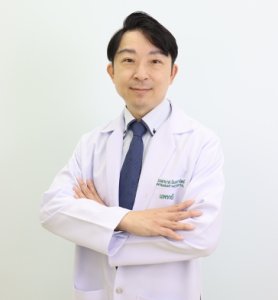
Sumet Supalaset
يتخصص الدكتور سوميت سوبالاسيت في تقنيات استئصال الزجاجية المتقدمة مع تدريب دولي في جراحة القرنية والجراحة الانكسارية.
- حاصل على شهادة في الجراحة الانكسارية من لندن وكيوتو
- يجري عمليات معقدة لزراعة القرنية وجراحات المياه البيضاء
- نشر العديد من الأوراق البحثية حول أمراض القرنية
- يجيد اللغات التايلاندية والإنجليزية والصينية واليابانية

Ponpawee Jindarak
يتخصص الدكتور جينداراك في استئصال الزجاجية مع تدريب متقدم من جامعة إلينوي، شيكاغو - الرائدة في طب العيون.
- طبيب عيون معتمد من المجلس ولديه خبرة في جراحات العيون المعقدة
- حاصل على زمالة في الجلوكوما من مستشفى إلينوي للعيون والأذن
- خريج جامعة شولالونغكورن - أفضل كلية طب في تايلاند
- يجري عمليات استئصال الزجاجية في مستشفى إنتارات

Wiwan Sansanayudh
يتمتع الدكتور سانسانا يود بخبرة دولية في جراحة القرنية وتصحيح الإبصار، حيث تدرب في مؤسسات مرموقة مثل مستشفى تورنتو الغربي وجامعة كاليفورنيا في سان فرانسيسكو (UCSF).
- زمالة سريرية في أمراض القرنية والعين الخارجية في جامعة تورنتو
- تدريب إضافي في مؤسسة بروكتور التابعة لجامعة كاليفورنيا في سان فرانسيسكو (UCSF)
- عضو هيئة تدريس في مستشفى فرامونجكولكلاو
- نشر أبحاث في مجلات طب العيون الدولية
- يجري العمليات في مركز ليزر فيجن الدولي لعمليات الليزك

Nawat Watanachai
أستاذ مساعد في جامعة ماهيدول – الدكتور واتاناشاي متخصص في إجراءات الجسم الزجاجي والشبكية في مستشفى بانكوك للعيون.
- خبرة في علاج الجسم الزجاجي والشبكية والمياه البيضاء
- أبحاث منشورة حول أمراض الشبكية ونتائج الإجراءات
- عضو هيئة التدريس في قسم طب العيون بمستشفى راماثيبودي
قصص فيديو من مرضى Bookimed
المراجعات
جميع المراجعات
مشاركة المحتوى
 Anna Leonova
أسئلة متكررة حول استئصال الزجاجية في تايلاند
كم من الوقت يجب أن أخطط للبقاء في تايلاند لإجراء عملية استئصال الزجاجية (الجدول الزمني للسفر والتعافي)؟
يجب على المرضى التخطيط للبقاء في تايلاند لمدة تتراوح بين 14 إلى 21 يوماً لإجراء عملية استئصال الزجاجية. على الرغم من أن الجراحة غالباً ما تكون إجراءً خارجياً، إلا أن التعافي يتطلب يوماً إلى يومين للفحوصات قبل الجراحة و10 إلى 14 يوماً للمراقبة بعد الجراحة قبل السماح بالسفر جواً دولياً بأمان.
- التحضير قبل الجراحة: توقع قضاء 1 إلى 3 أيام لفحوصات العين والتصريح الطبي في بانكوك.
- التعافي الفوري: خطط لمدة 7 أيام كحد أدنى لمراقبة التورم والعدوى وضغط العين.
- سلامة السفر جواً: يُمنع الطيران منعاً باتاً لمدة 3 إلى 8 أسابيع في حال استخدام فقاعات الغاز.
- الوضعية بعد الجراحة: تتطلب بعض الحالات 3 إلى 7 أيام من التعافي بوضعية الوجه للأسفل بدقة للشفاء.
رؤية خبير Bookimed: غالباً ما تستخدم مستشفيات العيون في تايلاند مثل Bumrungrad International أو Laser Vision تصويراً رقمياً متطوراً لمراقبة استقرار الشبكية يومياً. تظهر البيانات أن 10 إلى 14 يوماً هي الحد الآمن لفحص الغرز. حتى أن بعض العيادات توفر معدات متخصصة لوضعية الوجه للأسفل لاستخدامها في الفندق لضمان النجاح.
إجماع المرضى: يوصي العديد من المرضى بتخصيص ميزانية لفحصين إضافيين في الموقع. ويؤكدون أن أول 72 ساعة تتطلب راحة تامة في الفراش ويقترحون تجنب شركات الطيران منخفضة التكلفة لرحلة العودة لتجنب الانزعاج.
ما هي المخاطر المحتملة لعملية استئصال الزجاجية (Vitrectomy)؟
استئصال الزجاجية هي جراحة كبرى للعين تعتبر آمنة بشكل عام، حيث تحافظ على معدل نجاح يزيد عن 90% لمعظم المرضى. تشمل المخاطر الأولية التطور السريع لإعتام عدسة العين (المياه البيضاء) لدى 90% من المرضى الذين تزيد أعمارهم عن 50 عاماً، والارتفاع المؤقت في ضغط العين الذي يحدث في حوالي 10% إلى 20% من الحالات.
- تطور إعتام عدسة العين: يحتاج معظم المرضى الذين تزيد أعمارهم عن 50 عاماً إلى جراحة إعتام عدسة العين في غضون عامين بعد استئصال الزجاجية.
- انفصال الشبكية: تحدث تمزقات أو انفصال جديد في حوالي 5% من جميع الحالات الجراحية.
- عدوى شديدة: التهاب باطن العين هو حالة طارئة نادرة تصيب حوالي 1 من كل 1000 إلى 2000 مريض.
- مخاطر فقاعات الغاز: يجب على المرضى تجنب السفر الجوي والمرتفعات العالية حتى تذوب الفقاعة.
رؤية خبير Bookimed: تستخدم أفضل المرافق في تايلاند مثل مستشفى بامرونجراد الدولي ومركز ليزر فيجن في مستشفى بانكوك للعيون تصويراً رقمياً متطوراً لتقليل المخاطر. تظهر البيانات أن العيادات الحاصلة على اعتماد JCI غالباً ما تمتلك فرقاً متخصصة في الشبكية والجسم الزجاجي. يركز جراحون مثل الدكتور ناوات واتاناشاي بشكل خاص على هذه النتائج لتقليل النزيف المتكرر.
إجماع المرضى: يلاحظ العديد من المرضى تغيرات في الرؤية تتطلب نظارات جديدة بعد 3 إلى 6 أشهر من الجراحة. ويؤكدون على أهمية وجود طبيب عيون محلي في المنزل لمراقبة التعافي على المدى الطويل.
ما هو معدل نجاح استئصال الزجاجية في تايلاند؟
تتراوح معدلات نجاح استئصال الزجاجية في تايلاند من 85% إلى 95% لإعادة تثبيت الشبكية، مما يطابق المعايير السريرية الدولية. تحقق الإجراءات المتخصصة لعلاج عوائم العين (الذباب الطائر) نجاحاً يصل إلى 99%. تبلغ المراكز ذات الحجم الكبير مثل مستشفى بامرونجراد الدولي عن معدلات نجاح طب العيون تتجاوز 90% من خلال التصوير الرقمي المتقدم والجراحة المجهرية بمقياس 25.
- انفصال الشبكية: يحقق الجراحون التايلانديون معدلات إعادة تثبيت تتراوح بين 85% إلى 95% باستخدام تقنيات الشق المجهري المتقدمة.
- ثقوب البقعة الصفراء: تُظهر الإصلاحات القياسية لثقوب البقعة الصفراء معدل نجاح بنسبة 95% للإغلاق المادي.
- عوائم الزجاجية: تصل نتائج الرؤية الواضحة إلى 98% إلى 99% في الحالات غير المعقدة دون تلف في الشبكية.
- الحالات المعقدة: يحافظ النجاح التشريحي لانفصال الشبكية المرتبط بفيروس نقص المناعة البشرية على معدل مرتفع يتراوح بين 83% إلى 84%.
رؤية خبير Bookimed: مؤشرات الجودة في تايلاند مرتفعة للغاية. على سبيل المثال، يحمل مستشفى بامرونجراد الدولي اعتمادات Global Healthcare Accreditation (GHA) و Joint Commission International (JCI) بينما يخدم أكثر من مليون مريض سنوياً. غالباً ما تمتلك هذه المراكز ذات الحجم الكبير بيانات خاصة وخبرة أكبر في الحالات الزجاجية الشبكية المعقدة مقارنة بالعيادات الغربية الأصغر.
إجماع المرضى: يبلغ المرضى عن رضا عالٍ تجاه معدلات العدوى المنخفضة والمرافق الحديثة في بانكوك. يؤكد الكثيرون أن النجاح يعتمد على العثور على جراح يجري أكثر من
ما هي فترة التعافي بعد عملية استئصال الزجاجية؟
تستغرق فترة التعافي بعد عملية استئصال الزجاجية في تايلاند عادةً من أسبوعين إلى 6 أسابيع للحصول على تحسن بصري أساسي. بينما يستأنف المرضى أنشطتهم اليومية في غضون شهر، يتطلب استقرار الشبكية الكامل من شهر إلى 3 أشهر. يعتمد النجاح على الالتزام الصارم بوضع الرأس وقيود النشاط بعد الإجراء.
- الشفاء الأولي: تظل الرؤية ضبابية أو مشوهة لمدة 4 إلى 8 أسابيع قبل أن تصبح واضحة.
- متطلبات الوضعية: يجب على المرضى الحفاظ على وضعية الوجه للأسفل أو الاستلقاء على الجانب لمدة 3 إلى 14 يوماً.
- قيود السفر: يُمنع السفر جواً منعاً باتاً لمدة أسبوع إلى 8 أسابيع إذا بقيت فقاعات الغاز.
- حدود النشاط: تجنب رفع الأثقال التي تزيد عن 4.5 كجم والتمارين الشاقة لمدة أسبوعين إلى 4 أسابيع.
رؤية خبراء Bookimed: توفر العيادات الموجودة في تايلاند مثل مستشفى بامرونجراد الدولي ومركز ليزر فيجن في مستشفى بانكوك للعيون ميزة تعافي متميزة. تُظهر بياناتنا أن هذه المرافق توفر فحوصات تمريضية أكثر تكراراً وتجهيزات تعافي فندقية متخصصة. هذا الدعم الإضافي حيوي لإدارة وضعية الوجه للأسفل المكثفة لمدة 16-22 ساعة يومياً المطلوبة بعد جراحة الشبكية.
إجماع المرضى: يجد العديد من المرضى أن تقلبات الرؤية طبيعية وغالباً ما تزداد سوءاً قليلاً قبل أن تتحسن. إن التخطيط لإجازة عمل لمدة أسبوعين على الأقل وتأمين معدات وضعية الوجه للأسفل في وقت مبكر يقلل بشكل كبير من توتر التعافي.
ما هي أفضل المستشفيات لإجراء عملية استئصال الزجاجية (vitrectomy) في تايلاند؟
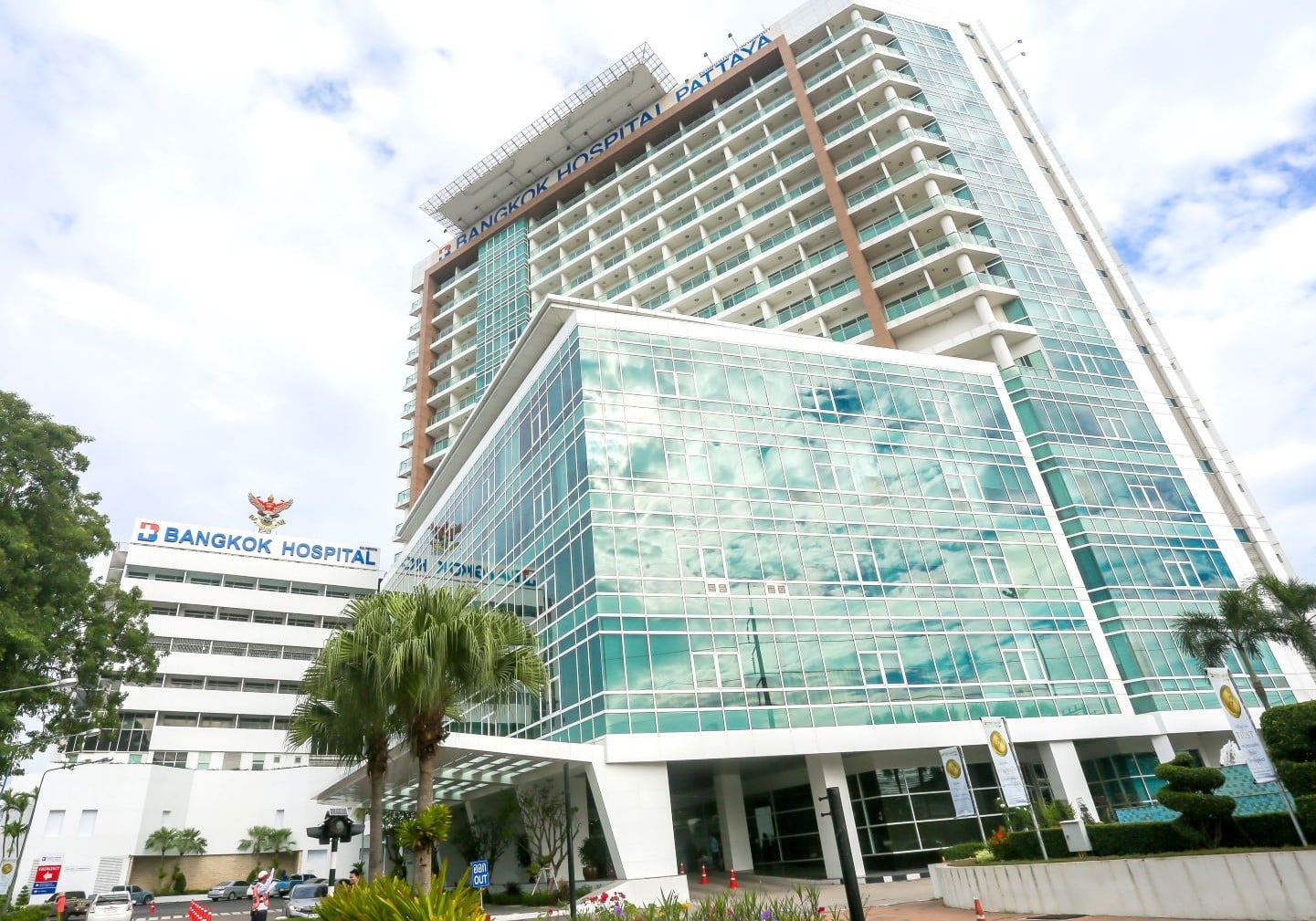
تشمل أفضل المستشفيات لإجراء عملية استئصال الزجاجية في تايلاند مستشفى بامرونجراد الدولي (Bumrungrad International Hospital)، ومستشفى بانكوك باتايا (Bangkok Hospital Pattaya)، والمراكز المتخصصة مثل ليزر فيجن (Laser Vision) في مستشفى بانكوك للعيون. تشتهر هذه المرافق المعتمدة من قبل اللجنة الدولية المشتركة (JCI) بعلاج حالات انفصال الشبكية المعقدة واعتلال الشبكية السكري باستخدام معدات متطورة عالية الدقة وتقنيات طفيفة التوغل.
- مستشفى بامرونجراد الدولي: يتميز بمركز تميز للعيون مع معدل نجاح في جراحات العيون يصل إلى 90%.
- مستشفى بانكوك باتايا: يعمل كمركز رئيسي للتشخيص والعلاج معتمد من JCI على الساحل الشرقي.
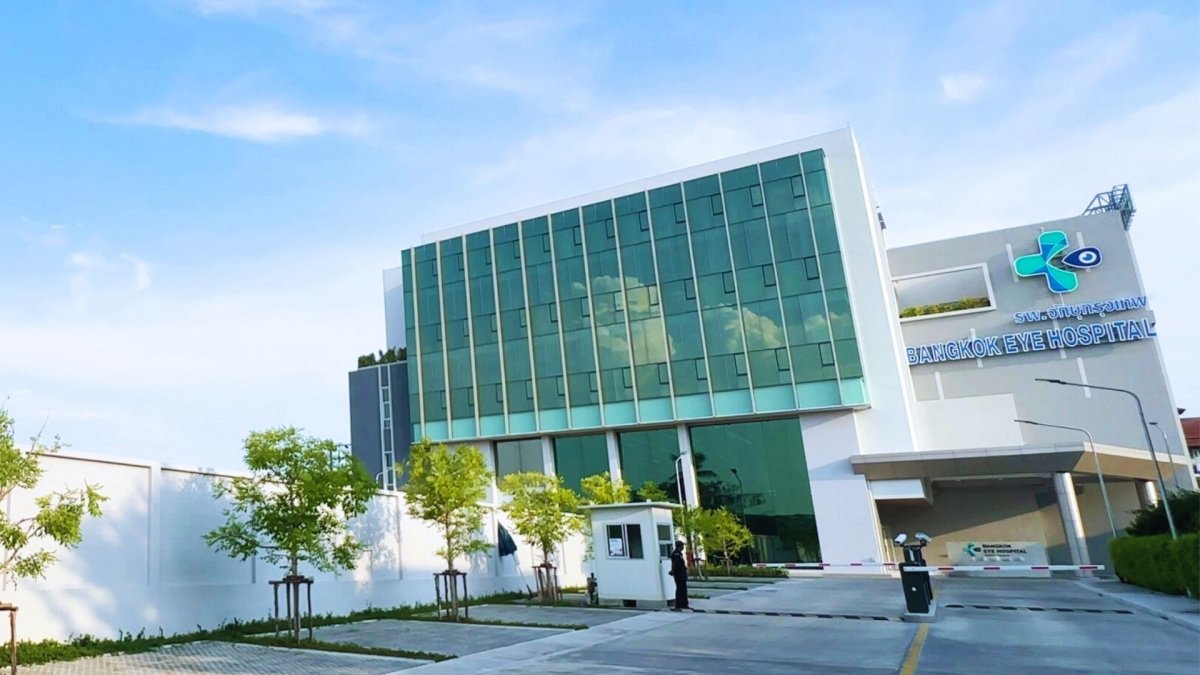
- مستشفى ليزر فيجن: مركز طب عيون متخصص في بانكوك يضم 13 طبيباً وأخصائيين مكرسين للشبكية.
- مستشفى فيثاني (Vejthani Hospital): معروف بجراحات الشبكية والجسم الزجاجي المصممة خصيصاً للحالات المزمنة مثل اعتلال الشبكية السكري.
رؤية خبير Bookimed: في حين أن المستشفيات متعددة التخصصات العامة مثل بامرونجراد تخدم أكثر من 1,000,000 مريض سنوياً، فإن اختيار منشأة أصغر ومتخصصة مثل ليزر فيجن يمكن أن يوفر جدولة أسرع. تظهر البيانات أن مستشفيات العيون المتخصصة غالباً ما تحافظ على نسبة أعلى من أطباء العيون إلى الأسرة، مما قد يضمن مراقبة أكثر تركيزاً بعد الجراحة لإصلاحات الشبكية الدقيقة.
إجماع المرضى: يبلغ المرضى عن تعافٍ مثالي (20/20) بعد إجراءات الشبكية في بانكوك، مع التأكيد على أهمية البقاء لمدة 7-10 أيام للمتابعة. يوصي الكثيرون بالتحقق من أ
من هم كبار أطباء العيون المتخصصين في استئصال الزجاجية في تايلاند؟
يشمل كبار أطباء العيون المتخصصين في استئصال الزجاجية في تايلاند أخصائيين مدربين دولياً مثل الدكتور نوات واتاناشاي في Laser Vision والدكتورة بونباوي جينداراك في مستشفى إنتارارات. يعمل هؤلاء الجراحون ضمن مرافق معتمدة من اللجنة الدولية المشتركة (JCI)، ويستخدمون أدوات جراحة مجهرية متقدمة بمقياس 25/27 لعلاج انفصال الشبكية المعقد ونزيف الجسم الزجاجي.
- الدكتور نوات واتاناشاي: أستاذ مساعد في جامعة ماهيدول متخصص في أمراض الجسم الزجاجي والشبكية.
- الدكتورة بونباوي جينداراك: أكملت زمالة سريرية في مستشفى إلينوي للعيون والأذن، الولايات المتحدة الأمريكية.
- الدكتور سوميت سوبالاسيت: خبير في استئصال الزجاجية المتقدم وجراحة القرنية مع تدريب من جامعة كاليفورنيا، لوس أنجلوس (UCLA)، الولايات المتحدة الأمريكية.
- الدكتورة مانشيما ماكورنواتانا: أخصائية شبكية أولى في مستشفى بامرونجراد الدولي، وهو مرفق من الدرجة الأولى ومعتمد من اللجنة الدولية المشتركة (JCI).
رؤية خبير Bookimed: تظهر البيانات تركيزاً عالياً لخبرات الشبكية في المراكز الموجودة في بانكوك مثل بامرونجراد، الذي يعالج أكثر من 1,000,000 مريض سنوياً. على الرغم من وجود عيادات متخصصة أصغر، إلا أن هذه المستشفيات الكبيرة تقدم فرقاً أكثر قوة في جراحة الشبكية والجسم الزجاجي. اختيار مرفق به قسم مخصص للشبكية يضمن الوصول على مدار الساعة طوال أيام الأسبوع إلى الدعم الجراحي الطارئ.
إجماع المرضى: يؤكد المرضى على اختيار المستشفيات المعتمدة من اللجنة الدولية المشتركة (JCI) بدلاً من العيادات الأصغر،
هل يمكنني السفر جواً مباشرة بعد عملية استئصال الزجاجية؟
يُمنع السفر جواً مباشرة بعد عملية استئصال الزجاجية إذا استخدم الجراح فقاعة غاز أو هواء. تؤدي التغيرات في ضغط مقصورة الطائرة إلى تمدد هذه الغازات بسرعة داخل العين. يمكن أن يؤدي هذا التمدد إلى ألم شديد، وارتفاع ضغط العين، وفقدان دائم للبصر في غضون ساعات.
- فقاعات الهواء: يحتاج المرضى عادةً إلى الانتظار من 5 إلى 7 أيام للامتصاص الكامل قبل السفر.
- غاز SF6: يتطلب هذا الوسيط فترة انتظار من 2 إلى 4 أسابيع للسفر بأمان.
- غاز C3F8: يتطلب الغاز طويل المفعول فترة حظر طيران تتراوح من 6 إلى 8 أسابيع أو أكثر.
- زيت السيليكون: السفر جواً آمن بشكل عام بعد 48 ساعة لأن الزيت لا يتمدد مع الارتفاع.
رؤية خبير Bookimed: غالباً ما تفرض المرافق التايلاندية مثل مستشفى بامرونجراد الدولي إقامة محلية لمدة 10 أيام للمرضى الدوليين. تسمح هذه الفترة بإجراء فحوصات حاسمة لضغط العين قبل المغادرة. من الضروري حجز تذاكر طيران مرنة، حيث يختلف معدل امتصاص الغاز الدقيق حسب الفرد ويحدد تصريحك النهائي.
إجماع المرضى: يصف المرضى ذوو الخبرة خطر السفر جواً مع وجود غاز بأنه يشبه انفجار بالون داخل العين. يوصي الكثيرون بالتخطيط للنقل البري على مستوى سطح البحر أو تمديد الإقامة في الفنادق في بانكوك لتجنب مضاعفات الطوارئ أثناء الرحلة.
هل هناك متطلبات خاصة بعد جراحة استئصال الزجاجية؟
يتطلب التعافي بعد جراحة استئصال الزجاجية في تايلاند التزاماً صارماً بوضعية الرأس وقيود النشاط لمنع فقدان البصر. يجب على المرضى الذين يتلقون فقاعات الغاز أو الزيت البقاء في وضعية الوجه للأسفل لمدة 45-50 دقيقة كل ساعة لمدة تصل إلى أسبوعين مع تجنب جميع الرحلات الجوية لمنع ارتفاع ضغط العين الخطير.
- وضعية محددة: حافظ على وضعية الوجه للأسفل لمدة 7-14 يوماً لدعم التئام الشبكية واستقرار الفقاعة.
- قيود السفر: يُمنع السفر بالطائرة والسفر إلى المرتفعات منعاً باتاً حتى تتبدد فقاعة الغاز تماماً.
- القيود البدنية: تجنب رفع أكثر من 4.5-9 كجم وممارسة التمارين الشاقة لمدة 2-6 أسابيع بعد الجراحة.
- العناية بالنظافة: حافظ على إبعاد الماء والصابون عن العينين لمدة أسبوعين لمنع العدوى.
رؤية خبير Bookimed: توفر المرافق الرائدة في تايلاند، مثل مستشفى بامرونجراد الدولي المعتمد من اللجنة الدولية المشتركة (JCI) ومستشفى بانكوك باتايا، دعماً تقنياً عالياً للتعافي. غالباً ما توفر العيادات تأجيراً بأسعار معقولة لمرايا وضعية الوجه للأسفل وكراسي متخصصة مقابل حوالي 100 دولار أسبوعياً. تساعد هذه البنية التحتية المرضى الدوليين في الحفاظ على متطلبات الوضعية الصعبة بشكل مريح أكثر من الإعدادات المنزلية.
إجماع المرضى: يؤكد المرضى أن وضعية الوجه للأسفل هي المتطلب الأكثر تحدياً ويوصون باستئجار معدات متخصصة قبل الجراحة. يقترح الكثيرون التخطيط لإجازة عمل لمدة لا تقل عن 2-4 أسابيع وترتيب المساعدة لنظام قطرات العين الطبية اليومي.