استئصال الزجاجية في ألمانيا — احصل على 3 عيادات مطابقة مع التكاليف


تمت مراجعة المقالة طبيا من قبل
فهد مولود
ما هي تكلفة استئصال الزجاجية في ألمانيا؟ اكتشف الآن
من $6,000. يعتمد السعر النهائي على مدى تعقيد حالة الشبكية وموقع العيادة والفحوصات التصويرية الضرورية مثل OCT. تشمل عروض الأسعار الألمانية القياسية عادةً التخدير ورسوم المرافق الجراحية وفحوصات قاع العين الأساسية قبل الجراحة.
- جراحة اعتلال الشبكية للخدج (ROP): من $4,200 إلى $7,600 لعلاج اعتلال الشبكية لدى المبتسرين.
- تحلل الزجاجية: من $1,400 لعلاج عتامات الجسم الزجاجي بالليزر.
- اختلافات المراكز الطبية: غالباً ما تكون الأسعار في مدن كبرى مثل برلين أو هامبورغ أو ميونخ أعلى بنسبة 15-20 %.
- عوامل التعقيد: إضافة علاج انفصال الشبكية أو تقشير الغشاء تزيد التكاليف الأساسية بنحو 20-30 %.
رأي خبراء Bookimed: يوفر اختيار مركز متخصص مثل مستشفى أسكليبيوس بارمبيك رعاية داخلية عالية القيمة. تبدأ باقاتهم من حوالي 10,400 $ وتشمل إقامة لمدة 4 ليالٍ في المستشفى. يُعد هذا خياراً مثالياً للمرضى الدوليين ممن يحتاجون إلى مراقبة فورية بعد الجراحة. يحظى جراحون بارزون مثل دكتور أولريش شاوديغ بخبرة تمتد لعقود في عمليات الشبكية والجسم الزجاجي المعقدة. تصنف مجلة فوكوس بانتظام هذه العيادات في هامبورغ ضمن أفضل أقسام العيون في ألمانيا.
المزايا الرئيسية
لماذا يختار المرضى ألمانيا لإجراء عملية استئصال الزجاجية؟
- عيادات معتمدة: العيادات في ألمانيا معتمدة من قبل KTQ والجمعية الطبية الألمانية. يضمن ذلك معايير عالية لرعاية المرضى والسلامة.
- أحدث التقنيات: تستخدم ألمانيا تقنيات مثل جراحة استئصال الزجاجية بالشقوق الدقيقة 25 و27 قياس. تستخدم هذه الإجراءات أجهزة رائدة مثل نظام الرؤية Alcon Constellation ومواد من علامات تجارية موثوقة مثل Bausch + Lomb.
- نسب نجاح عالية: تتمتع عمليات استئصال الزجاجية في ألمانيا بنسبة نجاح تزيد عن 90%. وهي فعالة لحالات مثل انفصال الشبكية وإغلاق الثقوب البقعية.
- جراحون خبراء: أطباء العيون المشهورون، والعديد منهم يحملون شهادات من المجلس الأوروبي لطب العيون، قاموا بإجراء آلاف عمليات استئصال الزجاجية. تساهم خبرتهم في تحقيق رضا عالي للمرضى.
احصل على حلول متقدمة لاستئصال الزجاجية في عيادات موثوقة من $6,000.
| تركيا | إسبانيا | ألمانيا | |
|---|---|---|---|
| استئصال الزجاجية | من $4,600 | من $3,900 | من $6,000 |
| اعتلال الشبكية من جراحة الخداج | من $6,200 | ≈ $4,500 | ≈ $4,200 |
| Vitreolisis | من $500 | من $2,200 | من $1,400 |
مزاياك وضماناتك مع Bookimed
أسعار مباشرة
Bookimed لا يضيف رسوماً إضافية على أسعار استئصال الزجاجية. الأسعار مأخوذة من قوائم الأسعار الرسمية للعيادات. تدفع مباشرة في العيادة مقابل استئصال الزجاجية عند وصولك.
عيادات وأطباء معتمدون فقط
Bookimed ملتزم بسلامتك. نحن نعمل فقط مع المؤسسات الطبية التي تحافظ على معايير دولية عالية في استئصال الزجاجية ولديها التراخيص اللازمة لخدمة المرضى الدوليين في جميع أنحاء العالم.
مساعدة مجانية على مدار الساعة
Bookimed يقدم مساعدة خبراء مجانية. منسق طبي شخصي يدعمك قبل وأثناء وبعد العلاج، ويحل أي مشاكل. لن تكون وحيداً أبداً في رحلة استئصال الزجاجية.

منسقك الطبي الشخصي في Bookimed
- يدعمك في كل مرحلة
- المساعدة في اختيار العيادة الطبية المناسبة والطبيب المناسب
- يضمن الوصول السريع والمريح إلى المعلومات
اكتشف أفضل استئصال الزجاجية العيادات في ألمانيا: 4 خيارات معتمدة والأسعار






Spreebogen Ophthalmology Clinic
نظرة عامة على استئصال الزجاجية في ألمانيا
- استئصال الزجاجية - من $6,000
تزيل هذه العملية مادة تشبه الهلام في العين وتعالج مشاكل الرؤية عن طريق المساعدة في إصلاح الشبكية وتحسين البصر.
- Vitreolisis - من $1,400
يستخدم هذا العلاج الليزر لتفتيت عوامات العين ، مما يحسن الرؤية بدون جراحة باضعة.
اليوم الأول - الوصول
- الوصول إلى بلد المقصد.
- تحقق في مكان إقامتك.
اليوم 2 - ما قبل العملية
- التشاور الأول مع طبيب العيون.
- سيتم إجراء فحص قاع العين.
- سيتم جدولة اختبارات إضافية ، إذا لزم الأمر.
اليوم الثالث - استئصال الزجاجية
- الوصول إلى عيادة استئصال الزجاجية.
- قابل طبيب التخدير لمناقشة طريقة التخدير.
- يتم إجراء عملية استئصال الزجاجية ، والتي يمكن أن تستغرق 2-3 ساعات.
- فترة نقاهة قصيرة في منطقة ما بعد العملية.
اليوم 4 - بعد العملية
- استشارة متابعة مع طبيب العيون.
- شرح تعليمات واحتياطات ما بعد الجراحة.
- تسجيل الخروج من العيادة.
الأسبوع 1 إلى 6 - إعادة التأهيل
- المتابعة المنتظمة مع طبيب العيون المحلي.
- الحفاظ على نظافة العين الصارمة.
- يسمح بالأنشطة البدنية الخفيفة من الأسبوع الرابع.
- استأنف العمل والأنشطة الرياضية من الأسبوع السادس.
- تظهر النتائج النهائية بعد الأسبوع السادس.
يرجى ملاحظة أن شفاء كل مريض قد يختلف. الجدول الزمني أعلاه هو دليل عام ويمكن تعديله بناءً على تقدم الشفاء الفردي.
ماذا يحب المرضى:
- يكلف. تتراوح تكلفة استئصال الزجاجية في ألمانيا من 5000 دولار إلى 7000 دولار. يعتبر هذا السعر ميسور التكلفة مقارنة بمتوسط تكلفة استئصال الزجاجية في دول مثل الولايات المتحدة الأمريكية ، حيث يبلغ حوالي 15000 دولار.
- احتراف الأطباء. يتمتع الأطباء الألمان بمهارات عالية ، ولديهم شهادات من المجالس الطبية المعترف بها. يقومون بإجراء العديد من إجراءات استئصال الزجاجية سنويًا ، مما يضمن الخبرة.
- مستوى الخدمة. يقدر المرضى الخدمة الممتازة المقدمة في ألمانيا. الموظفون مهذبون وسريع الاستجابة ومهنيون للغاية.
- فعالية استئصال الزجاجية. تقنيات استئصال الزجاجية الحديثة المستخدمة في ألمانيا تؤدي إلى نتائج ناجحة. أبلغ المرضى عن تحسن كبير في الرؤية بعد الجراحة.
- الخدمات اللوجستية. تعد البنية التحتية للرعاية الصحية في ألمانيا من الدرجة الأولى ، مما يضمن نقل المرضى وإقامتهم بشكل مريح.
ما لا يحبه المرضى:
- وقت الانتظار. يعاني بعض المرضى من فترات انتظار طويلة لإجراء الجراحة بسبب ارتفاع الطلب على الرعاية الصحية الجيدة في ألمانيا.
- حاجز اللغة. يعاني المرضى غير الناطقين بالألمانية أحيانًا من التواصل. ومع ذلك ، فإن العديد من المستشفيات لديها موظفين يتحدثون الإنجليزية للتغلب على هذه المشكلة.
- رعاية ما بعد الجراحة. يشعر قلة من المرضى بإمكانية تحسين الرعاية بعد الجراحة. إنهم يرغبون في مزيد من المعلومات والدعم خلال فترة التعافي.
- إيداع Bookimed: 200 دولار أو 200 يورو.
- وديعة العيادة: ادفع نسبة محددة مقدمًا.
بصفتنا المنصة العالمية الرائدة في مجال السياحة العلاجية ، فإننا نتحمل مسؤولية كبيرة أمام عملائنا - سواء المرضى أو المراكز الطبية في ألمانيا. تستند جميع المعلومات المقدمة على Bookimed.com إلى البحث والاستبصار والخبرة وتفي بالاهتمام الكبير المتعلق بالمنتج وما يلي:
نظام التصنيف التلقائي الذكي
نحن نشكل قوائمنا للعيادات والأطباء مع لوائح صارمة لنظام التصنيف التلقائي الذكي الخاص بنا. يعتمد النظام على أسعار Bookimed الحقيقية للمرضى لتوفير المعلومات الأكثر موضوعية وشفافية حول عيادات استئصال الزجاجية والخدمات الطبية في ألمانيا.
يجمع عالم البيانات ذو الخبرة لدينا البيانات يوميًا ، ويراقب ويحسن نظام التصنيف باستخدام التعلم الآلي والذكاء الاصطناعي لضمان تحديث نظام التصنيف وتقديم نتائج دقيقة.
تجربة الناس الحقيقية فقط
نقوم بجمع آراء عملاء Bookimed فقط بعد الحصول على خبرة طبية مع عيادة استئصال الزجاجية في ألمانيا - لذلك يمكن للجميع على المنصة الوثوق بالمنشأة التي يختارونها. نحن نسعى جاهدين لجعل المحتوى على منصتنا مفيدًا قدر الإمكان ونضمن حرية التعبير عن الآراء النقدية. وبالتالي ، ننشر مراجعات إيجابية وسلبية ، بهدف أن نكون مصدرًا لاتخاذ قرارات مستنيرة لعملائنا في المستقبل.
مواضيع ذات مستويات عالية من الخبرة والسلطة والجدارة بالثقة
قد تجد على Bookimed.com الاختيار والراحة للعثور على أفضل الحلول الطبية لاستئصال الزجاجية من أفضل مزودي الخدمات الطبية في ألمانيا في مكان واحد فقط ، وغالبًا ما تكون بأسعار تنافسية. للتأكد من تقديم أحدث المعلومات ، يقوم ممثلو العيادة بتحديث السير الذاتية للأطباء ، وقدرات العيادات ، والصور قبل وبعد ، والأسعار ، والحزم ، والعروض الخاصة بأنفسهم قريبًا. يمكنك مقابلة ممثل العيادة والتحقق من تاريخ المحتوى المحدث في صفحة كل عيادة للتأكد من مصداقيتها.
تم إنشاء مدونتنا والقطع الداعمة من قبل مؤلفين محترفين يتمتعون بخبرة لا تقل عن 3 سنوات في الكتابة الطبية ويتم تحريرها بواسطة متخصصين طبيين يتمتعون بخبرة إكلينيكية وبحثية ذات صلة - تم تعيينهم جميعًا بعناية في الفريق. نحن نسعى جاهدين لتعزيز وصول المريض إلى المعلومات الصحية ، مما يجعلها خبيرة ولكن يسهل فهمها. تتبع جميع القطع إرشادات التحرير الخاصة بـ Bookimed.
القيم المحجوزة
نحن مصنوعون من الناس ومن أجلهم - وهذه هي قيمتنا الأساسية. هذا هو السبب في أن جميع البيانات المقدمة على المنصة يتم جمعها وتحريرها ومراجعتها وتحديثها بانتظام من قبل مرضانا وعياداتنا الشريكة في ألمانيا وفريقنا ، بما في ذلك المجلس الاستشاري الطبي Bookimed ، الذي يتكون من الأطباء المشهورين عالميًا ذوي القيمة خبرة تزيد عن 20 عامًا من الممارسة ، وسمعة طيبة. تعلم المزيد عنا وعن مهمتنا .
في حال وجدت أي خطأ أو لديك أي أسئلة حول المعلومات المقدمة على Bookimed.com ، فلا تتردد في الاتصال بنا على marketing@bookimed.com .
احصل على تقييم طبي لـ استئصال الزجاجية في ألمانيا: اختر أخصائيك من بين الأفضل في هذا المجال
عرض جميع الأطباء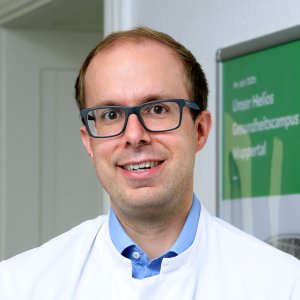
André Rosentreter Chief Of Ophthalmology
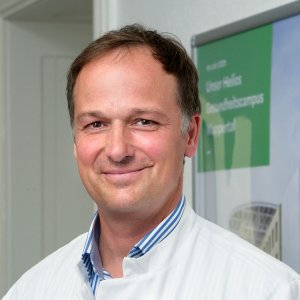
Ansgar Neußer
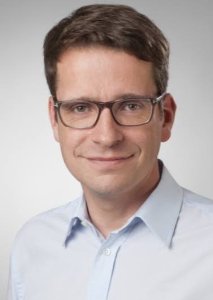
Gernot Rößler

Manfred Tetz
رئيس عيادة سبري بوغن للعيون – مانفريد تيتز متخصص في جراحات العيون المتقدمة، بما في ذلك عمليات استئصال الزجاجية.
- متخصص في علاج المياه البيضاء (الكتاركت) والمياه الزرقاء (الجلوكوما)
- خبير في زراعة القرنية
- ماهر في جراحات تصحيح النظر بالليزر
- يقود فريقاً في عيادة عيون بارزة
قصص فيديو من مرضى Bookimed
المراجعات
جميع المراجعاتمشاركة المحتوى
 Anna Leonova
أسئلة متكررة حول استئصال الزجاجية في ألمانيا
هل يتم إجراء الجراحة في العيادات الخارجية أم كإقامة داخلية في ألمانيا؟
يتم إجراء استئصال الزجاجية في ألمانيا في العيادات الخارجية وكمقيم داخلي اعتماداً على تعقيد الحالة. غالباً ما يتبع استئصال الزجاجية عبر pars plana (PPV) البسيط نموذج العيادات الخارجية في نفس اليوم. تتطلب إصلاحات الشبكية المعقدة أو الإجراءات التي تتطلب تخديراً عاماً في كثير من الأحيان ليلة واحدة على الأقل من المراقبة الداخلية في المستشفى.
- الأهلية للعيادات الخارجية: شائعة للحالات القياسية باستخدام التخدير الموضعي في عيادات العيون الخاصة.
- متطلبات الإقامة الداخلية: تتضمن عادةً إقامة ليلة واحدة للمراقبة بعد التخدير العام أو الجراحة المعقدة.
- الإعدادات السريرية: تتم الإجراءات في مراكز متخصصة مثل عيادة Spreebogen للعيون أو المستشفيات الجامعية.
- تأثير التأمين: يشجع القسم 115b من القانون الاجتماعي الألماني جراحة العيادات الخارجية لخفض تكاليف الرعاية الصحية.
رؤية خبير Bookimed: تظهر البيانات تمييزاً واضحاً بين مراكز العيون الخاصة والمستشفيات الجامعية الكبيرة. غالباً ما تفضل العيادات المتخصصة مثل Spreebogen في برلين جراحة اليوم الواحد للمرضى المحليين. على العكس من ذلك، يحافظ مستشفى Helios الجامعي في فوبرتال ومركز سولينغن الطبي على سعات سريرية عالية، مما يجعلها مجهزة بشكل أفضل لمراقبة الشبكية كإقامة داخلية.
إجماع المرضى: يلاحظ المرضى أن الخروج يتم بسرعة بمجرد استقرار ضغط العين. يوصي الكثيرون بتأكيد نوع التخدير في وقت مبكر، حيث يؤدي التخدير العام عادةً إلى إقامة إلزامية طوال الليل لأسباب تتعلق بالتأمين والسلامة.
ما هو معدل نجاح استئصال الزجاجية في ألمانيا؟
يبلغ متوسط نجاح استئصال الزجاجية في ألمانيا أكثر من 90% للحالات القياسية. تختلف معدلات النجاح حسب الحالة، حيث تصل إلى 95% لإغلاق ثقب البقعة الصفراء و99% لعوامات العين. تستخدم المستشفيات الجامعية الألمانية جراحة الشق الدقيق (MIVS) المتقدمة بمقياس 27 لضمان نتائج تشريحية يمكن التنبؤ بها وتعافي أسرع.
- انفصال الشبكية: تحقق الإجراءات الأولية نجاحاً بنسبة 85% إلى 90%، مع اقتراب عمليات المراجعة من 100% في إعادة الالتصاق.
- ثقوب البقعة الصفراء: يستخدم المتخصصون تقشير الغشاء المحدد الداخلي (ILM) للوصول إلى إغلاق تشريحي بنسبة 90.8%.
- الشد الزجاجي البقعي: يوفر التدخل الجراحي دقة بنسبة 100%، متفوقاً على بدائل الحقن غير الجراحية في الدراسات السريرية.
- مؤهلات المتخصصين: يحمل العديد من الجراحين مثل الدكتور تيم شولتز لقب زميل المجلس الأوروبي (FEBO).
رؤية خبير Bookimed: أجرت العيادات الألمانية مثل عيادة Spreebogen للعيون أكثر من 65,000 عملية جراحية ناجحة. تظهر البيانات أن معدلات النجاح الأولية تقفز من 83% إلى أكثر من 90% عند استخدام جراحي شبكية متخصصين. اختيار مركز ذو حجم كبير في برلين أو هامبورغ يضمن الوصول إلى هؤلاء المتخصصين ذوي الخبرة.
إجماع المرضى: على الرغم من أن النجاح التشريحي مرتفع، يشير المرضى إلى أن التعافي البصري غالباً ما يستغرق 6 أسابيع. يعد اتباع وضعية ما بعد الجراحة الصارمة وقيود فقاعة الغاز الجزء الأكثر تحدياً في التعافي.
ما هي المستشفيات في ألمانيا التي تحظى بتقييم عالٍ لعمليات استئصال الزجاجية؟
تشمل المستشفيات الألمانية ذات التقييم العالي لعمليات استئصال الزجاجية مراكز متخصصة مثل عيادة سبري بوغن لطب العيون في برلين والعمالقة الأكاديميين مثل مستشفى هيليوس الجامعي في فوبرتال. تتفوق هذه المرافق في استئصال الزجاجية عبر pars plana (PPV) لانفصال الشبكية واعتلال الشبكية السكري باستخدام تقنيات دقيقة طفيفة التوغل.
- التميز الأكاديمي: يعمل مستشفى هيليوس الجامعي في فوبرتال كموقع تعليمي رائد لجراحة العيون.
- حجم العمليات الجراحية: أكملت عيادة سبري بوغن لطب العيون أكثر من 65,000 عملية عيون ناجحة في برلين.
- الخبرة المتخصصة: المركز الطبي في سولينغن هو عيادة مصنفة من قبل Focus ومعترف بها لتشخيصات الشبكية والجسم الزجاجي عالية الجودة.
- المؤهلات المتقدمة: يحمل جراحون مثل الدكتور تيم شولتز شهادة FEBO مع خبرة في استئصال الزجاجية عبر Pars Plana.
رؤية خبير Bookimed: تحتل ألمانيا المرتبة الثانية عالمياً على Bookimed للطلبات الطبية، مما يعكس سمعتها في السلامة السريرية. تظهر البيانات أن مستشفى هيليوس فوبرتال يجذب حجماً كبيراً من المرضى الدوليين من مناطق رابطة الدول المستقلة والعالم العربي. يشير هذا إلى أن بنيتها التحتية مُحسّنة خصيصاً لحالات الشبكية المعقدة العابرة للحدود التي قد تجد العيادات العامة صعوبة في إدارتها.
إجماع المرضى: يعطي المرضى الأولوية للمستشفيات الجامعية ذات الحجم الكبير لمشاكل الشبكية المعقدة لضمان تغطية الطوارئ على مدار الساعة طوال أيام الأسبوع. غالباً ما تعتمد النتائج الناجحة على شرح الجراح بفعالية لخطوات التعافي م
ما هي التقنيات المتقدمة التي تستخدمها العيادات الألمانية لعمليات استئصال الزجاجية؟
تستخدم عيادات طب العيون الألمانية أنظمة استئصال الزجاجية ذات الشق الدقيق (MIVS) بمقياس 25 و27 لتمكين إصلاح الشبكية طفيف التوغل وبدون خياطة. تجمع هذه المراكز بين التصوير المقطعي للترابط البصري أثناء الجراحة (iOCT) وقواطع عالية السرعة، تصل إلى 20,000 قطعة في الدقيقة، لزيادة الدقة الجراحية وتسريع أوقات التعافي البصري للمرضى.
- أنظمة الشق الدقيق: يستخدم الجراحون منافذ بحجم 0.4 مم لعمليات الدخول بدون خياطة بمقياس 27 لتقليل الصدمات.
- التصوير أثناء الجراحة: يسمح نظام iOCT في الوقت الفعلي للجراحين بتصور طبقات الشبكية دون استخدام أصباغ كيميائية.
- القواطع عالية السرعة: تحافظ أنظمة الشفرات المزدوجة على ديناميكيات سوائل مستقرة مع حماية الشبكية من السحب.
- التصور ثلاثي الأبعاد: توفر قمرات القيادة "heads-up" إدراكاً فائقاً للعمق عبر شاشات LED عالية الدقة.
رؤية خبير Bookimed: في حين أن تقنية المقياس الصغير هي المعيار، فإن اختيار العيادة يؤثر بشكل كبير على الوصول إلى الأدوات المتخصصة. على سبيل المثال، أجرت عيادة Spreebogen لطب العيون في برلين أكثر من 65,000 عملية، وغالباً ما تستخدم جهاز megaTRON S4 HPS الألماني الصنع. عادة ما تضم المستشفيات الجامعية مثل Helios Wuppertal أحدث المجاهر المدمجة مع iOCT المطلوبة لتقشير الغشاء المعقد.
إجماع المرضى: يقدر المرضى كيف تلغي تقنيات المقياس 25/27 الحاجة إلى الغرز. يؤكد الكثيرون أن خبرة الجراح في حالات الشبكية الروتينية لا تقل أهمية عن أنظمة الإضاءة والليزر المتطورة المستخدمة.
كم تستغرق جراحة استئصال الزجاجية؟
تستغرق جراحة استئصال الزجاجية في ألمانيا عادةً ما بين 30 إلى 90 دقيقة. في حين أن الإجراء نفسه قصير نسبيًا، إلا أن الحالات المعقدة التي تنطوي على انفصال الشبكية أو إزالة الأنسجة الندبية يمكن أن تمتد إلى ساعتين. يجب على المرضى التخطيط ليوم كامل في المنشأة.
- استئصال الزجاجية الروتيني: تنتهي الإجراءات المستقلة عمومًا في غضون 30 إلى 45 دقيقة بفعالية.
- الحالات المعقدة: تتطلب العلاجات المركبة للثقوب البقعية أو الأغشية من 60 إلى 120 دقيقة.
- التحضير للتخدير: يضيف إعداد التخدير الموضعي أو الناحي حوالي 10 دقائق قبل بدء الجراحة.
- الوقت في المنشأة: تتطلب الفحوصات قبل الجراحة والمراقبة بعد العملية من نصف يوم إلى يوم كامل.
رؤية خبير Bookimed: تظهر البيانات أن العيادات الألمانية مثل عيادة Spreebogen للعيون تعطي الأولوية لاستئصال الزجاجية عبر مسطح pars plana (PPV) لدقة أفضل. على الرغم من أن الجراحة سريعة، فإن الاختيار بين التخدير الموضعي والعام هو العامل الأكبر في إجمالي وقتك في المنشأة. غالبًا ما يسمح اختيار التخدير الموضعي بخروج أسرع بكثير مقارنة بالخيارات العامة.
إجماع المرضى: يلاحظ المرضى أنه على الرغم من أن المرحلة الجراحية قصيرة، فإن وقت الانتظار قبل وبعد الإجراء يستهلك معظم يومهم. يؤكد الكثيرون أن العلاجات المركبة مثل الليزر أو حقن الغاز تطيل الوقت بشكل كبير.
ما هو نوع التخدير المستخدم؟
يتم إجراء استئصال الزجاجية في ألمانيا بشكل أساسي تحت التخدير الموضعي مع التخدير الوريدي، مما يوفر تجربة خالية من الألم مع بقائك مسترخياً. يظل التخدير العام خياراً لإصلاحات الشبكية المعقدة، أو حالات الأطفال، أو المرضى الذين يعانون من قلق شديد أو رهاب الأماكن المغلقة.
- التخدير الموضعي: يستخدم الجراحون كتل خلف المقلة أو حول المقلة لتخدير العين.
- التخدير الوريدي: يضمن التخدير الخفيف بقاءك هادئاً ونعساً أثناء الجراحة.
- التخدير العام: مخصص للإجراءات الطويلة أو المرضى غير القادرين على البقاء ساكنين.
- فريق التخدير: يقوم أطباء التخدير المعتمدون بمراقبة العلامات الحيوية في عيادات مثل مستشفى هيليوس الجامعي.
رؤية خبير Bookimed: تعطي العيادات الألمانية مثل عيادة سبري بوغن لطب العيون الأولوية لراحة المريض باستخدام كتل تحت غشاء تينون المحددة. غالباً ما تقلل هذه الكتل من أحاسيس الضغط التي يشعر بها المرضى عادةً. مع إجراء أكثر من 65,000 عملية في هذه المنشأة، يساعد نهجهم المطور في تقليل التعب بعد الجراحة مقارنة بالتخدير العام.
إجماع المرضى: يتفاجأ العديد من المرضى عندما يكتشفون أنهم يبقون مستيقظين. ومع ذلك، يبلغ معظمهم عن شعورهم بضغط خفيف فقط بدلاً من ألم حاد أثناء العملية.
ما هو الجدول الزمني للتعافي بعد استئصال الزجاجية؟
يستغرق التعافي بعد استئصال الزجاجية في ألمانيا عادةً من 4 إلى 8 أسابيع للشفاء الجسدي، على الرغم من أن الاستقرار البصري الكامل يتطلب غالبًا من 3 إلى 12 شهرًا. يعاني المرضى من ضبابية كبيرة في البداية، خاصة إذا تم استخدام فقاعة غاز أو سدادة زيت السيليكون لتثبيت الشبكية.
- الانزعاج الأولي: عادة ما تصل أحاسيس الخشونة أو الحكة إلى ذروتها خلال أول 48 ساعة.
- متطلبات الوضعية: قد تكون هناك حاجة إلى وضعيات رأس محددة، مثل الوجه لأسفل، لمدة أسبوع إلى أسبوعين.
- قيود السفر: يُمنع السفر بالطائرة والمرتفعات العالية منعًا باتًا حتى تذوب فقاعات الغاز تمامًا.
- النشاط البدني: يستأنف معظم المرضى العمل الخفيف والقيادة المحلية في غضون أسبوعين إلى 4 أسابيع.
رؤية خبير Bookimed: تعطي العيادات الألمانية مثل عيادة Spreebogen لطب العيون الأولوية للدقة، حيث أجرت أكثر من 65,000 عملية ناجحة. من $6,000. غالبًا ما تؤدي خبرته في استئصال الزجاجية عبر pars plana إلى تعافي وظيفي أسرع مقارنة بالنهج الجراحية القياسية.
إجماع المرضى: يجد العديد من المرضى أن الألم الفعلي أخف بكثير مما كان متوقعًا، ويصفونه بأنه ضغط أو جفاف بدلاً من ضيق حاد. ومع ذلك، غالبًا ما يسبب التشوه الأولي الناتج عن فقاعة الغاز قلقًا حتى يتحسن البصر بشكل مطرد بعد الأسبوع الثاني.
هل يمكنني السفر جواً إلى المنزل مباشرة بعد الجراحة؟
لا، لا يمكنك السفر جواً إلى المنزل مباشرة بعد جراحة استئصال الزجاجية في ألمانيا. السفر جواً مع وجود فقاعة غاز داخل العين أمر خطير لأن تغيرات ضغط المقصورة تؤدي إلى تمدد الغاز. يمكن أن يؤدي هذا التمدد إلى ألم شديد، أو تلف دائم في العصب البصري، أو عمى كامل.
- الجدول الزمني للسفر: انتظر من 2 إلى 6 أسابيع إذا استخدم الجراحون سدادات الغاز أو الهواء.
- التصريح الإلزامي: احصل على خطاب رسمي يفيد باللياقة للطيران من أخصائي طب العيون الألماني الخاص بك.
- عامل التقنية: قد تسمح الإجراءات التي لا تتضمن فقاعات غاز بالسفر في وقت أقرب، وذلك بناءً على فحص الاستقرار.
- لوجستيات التعافي: غالباً ما يحتاج المرضى إلى وضعية الوجه لأسفل لعدة أيام قبل البدء في أي سفر.
رؤية خبير Bookimed: غالباً ما تمتلك العيادات الألمانية مثل مجمع عيادات شمال الراين-وستفاليا شهادات متخصصة في طب الطيران. هذه الخبرة المزدوجة حاسمة لمرضى استئصال الزجاجية. يمكن للجراحين هنا حساب متى يكون الضغط داخل العين مستقراً بما يكفي للسفر على ارتفاعات عالية بعد خلطات غاز معينة بدقة. يوفر هذا التوقيع من الخبراء معيار أمان أعلى من التصريح الطبي العام.
إجماع المرضى: يؤكد العديد من الناجين من جراحة الشبكية أن وضعية الوجه لأسفل تجعل السفر الفوري مستحيلاً. يوصون بشدة بحجز إقامة محلية في مدن مثل برلين أو هامبورغ لمدة أسبوع واحد على الأقل.
من هم أفضل أخصائيي استئصال الزجاجية في ألمانيا؟
من بين أفضل أخصائيي استئصال الزجاجية في ألمانيا البروفيسور مانفريد تيتز، والدكتور تيم شولتز، والدكتور أولريش شاوديغ. يعمل هؤلاء الجراحون في مراكز ذات كثافة عالية مثل عيادة سبري بوغن لطب العيون ومركز أوجن سنتروم أم روتنباوم. وهم متخصصون في علاج انفصال الشبكية، وثقوب البقعة الصفراء، ونزيف الجسم الزجاجي باستخدام تقنيات متقدمة للشقوق الدقيقة.
- البروفيسور مانفريد تيتز: رئيس عيادة سبري بوغن، مع أكثر من 75,000 عملية عيون ناجحة.
- الدكتور تيم شولتز: أخصائي معتمد من FEBO في مركز أوجن سنتروم أم روتنباوم، يركز على استئصال الزجاجية عبر pars plana.
- الدكتور أندريه روزنتريتر: رئيس القسم في هيليوس فوبرتال، مع عقدين من الخبرة في التدخلات الزجاجية الشبكية.
- البروفيسورة أنطونيا جوسن: خبيرة رائدة في إجراءات الشبكية المعقدة في مستشفى شاريتيه الجامعي.
رؤية خبراء Bookimed: بينما توفر المستشفيات الجامعية مثل شاريتيه الهيبة، غالبًا ما توفر العيادات الخاصة المتخصصة كثافة إجراءات أعلى. سجلت عيادة سبري بوغن لطب العيون وحدها أكثر من 65,000 عملية. قد يجد المرضى الذين يبحثون عن استئصال الزجاجية لمشاكل الشبكية الشائعة أوقات انتظار أقصر في هذه المراكز الخاصة ذات الكثافة العالية مقارنة بمستشفيات الأبحاث الأكاديمية.
إجماع المرضى: يجد العديد من المرضى أن متطلبات ما بعد الجراحة مثل وضعية الوجه للأسفل أكثر صعوبة بكثير من الجراحة نفسها. يوصي الأخصائيون بالتأكد من حجم عمليات استئصال الزجاجية السنوي للجراح ومناقشة قيود السفر إذا تم استخدام فقاعات الغاز.
ما هي المستشفيات في ألمانيا التي تحظى بأعلى التقييمات في جراحة الأعصاب؟
تضم ألمانيا بعضًا من أرقى أقسام جراحة الأعصاب في العالم، بقيادة مستشفى شاريتيه الجامعي في برلين ومستشفى جامعة هايدلبرغ. وتتميز هذه المراكز بخبرتها الواسعة في علاج أورام الدماغ المعقدة وأمراض الأوعية الدموية الدماغية. ولتحقيق أقصى قدر من الفعالية في عملياتها، تستخدم هذه المراكز أحدث التقنيات، مثل التصوير بالرنين المغناطيسي أثناء الجراحة والتوجيه العصبي بمساعدة الحاسوب.
- مستشفى شاريتيه برلين: يُجري أكثر من 5000 عملية جراحية سنوياً. ويرأس العيادة جراح الأعصاب الشهير الدكتور بيتر فايكوتشي.
- المركز الطبي في سولينجن: أجرى الدكتور رالف بوهل أكثر من 4000 عملية جراحية، بما في ذلك جراحات العمود الفقري طفيفة التوغل.
- عيادة أسكليبيوس نورد: مجهزة بنظام التصوير بالرنين المغناطيسي الثنائي الوحيد في ألمانيا أثناء الجراحة لضمان الدقة الجراحية في الوقت الحقيقي أثناء إزالة الورم.
- عيادة نوردويست: تم الاعتراف بها من قبل مجلة نيوزويك كمستشفى رائد في مجال الابتكار في تكنولوجيا الموجات فوق الصوتية ثلاثية الأبعاد.
رأي خبراء بوكيمد: تشير البيانات إلى أن اختيار المراكز ذات الحجم الجراحي الكبير غالبًا ما يؤدي إلى توصيات علاجية أكثر تحفظًا. ففي مركز سولينجن الطبي، الذي يعالج أكثر من 60,000 مريض