جراحة اعتلال الشبكية لدى الخدج (المرحلتان 4–5) على يد متخصص في طب الزجاجية والشبكية بخبرة تتجاوز 900 إجراء
تركيا, إسطنبول
Muhammet Derda Ozer
22سنة خبره ١٦ سنة • تم تنفيذ 25000+ علاجات

حافظة الجراح
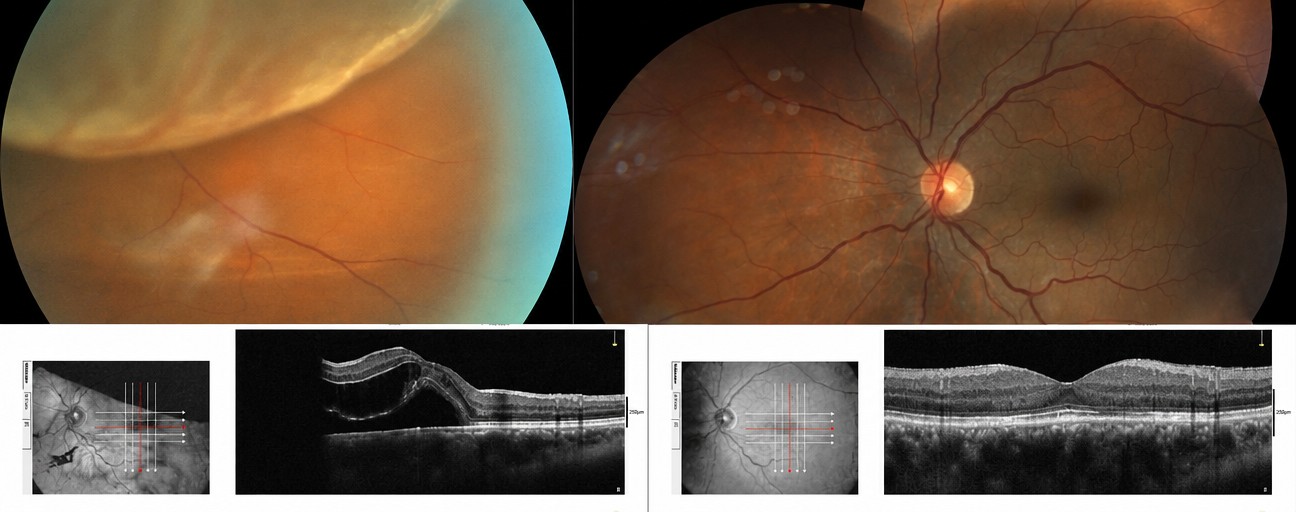
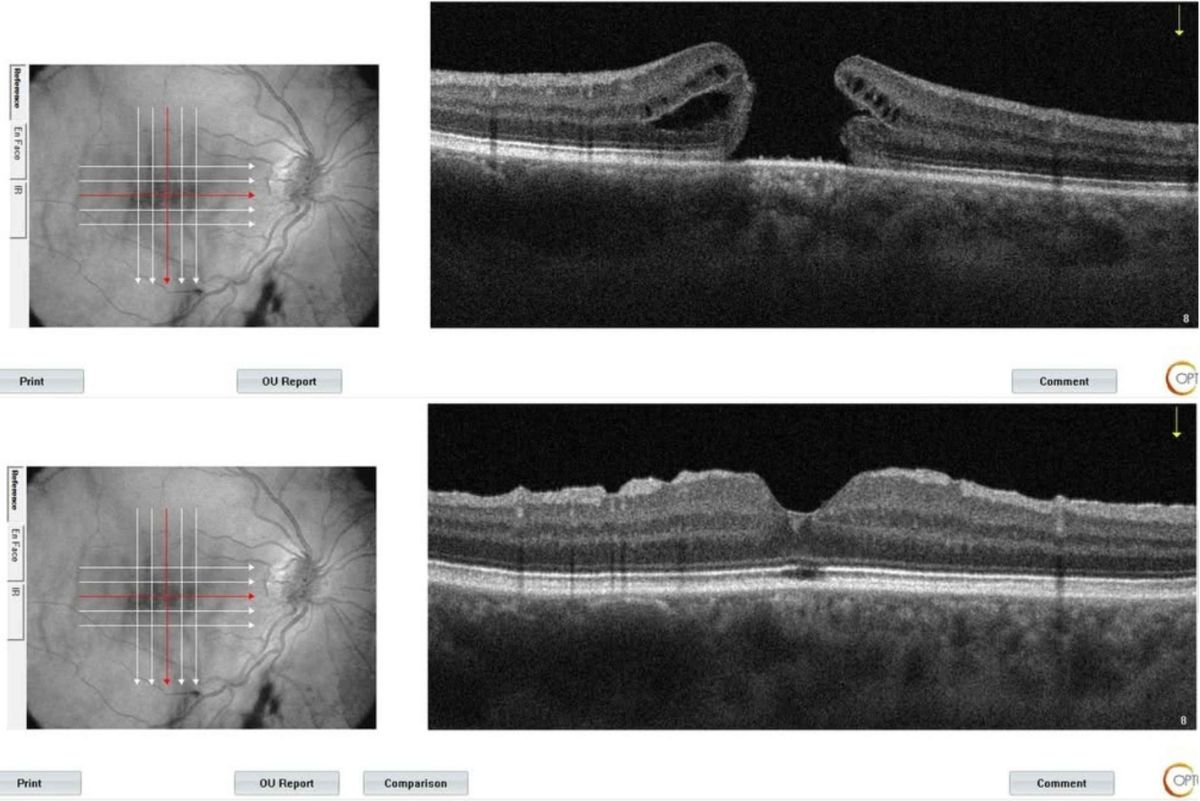

يقدم الدكتور محمد دردا أوزر، الذي أتم زمالة ICO-STAAR المرموقة في أمراض الشبكية والجسم الزجاجي، خياراً بين التخثير الضوئي بالليزر وحقن مضادات عامل نمو البطانة الوعائية (Anti-VEGF) للمرحلتين 4-5 من اعتلال الشبكية لدى الأطفال المبتسرين (ROP)، بما يتناسب مع احتياجات كل رضيع. يتضمن الإجراء في العيادة المعتمدة من TEMOS فريقاً متخصصاً لرعاية حديثي الولادة لضمان السلامة. تبلغ تكلفة الباقة حوالي 6,000 دولار – وهي تغطي تصوير OCT الشامل، والعلاج المختار لكل عين، وزيارات المتابعة، وإقامة لمدة 10 ليالٍ في فندق 4 نجوم.