تتراوح تكلفة التحفيز المغناطيسي عبر الجمجمة (TMS) في تايلاند بين $2,500 / 85,000฿ و $4,000 / 136,000฿. يعتمد السعر الإجمالي على عدد الجلسات، والبروتوكول الطبي المُستخدم، والحاجة إلى التوجيه العصبي. تبلغ تكلفة الإجراءات المماثلة في المملكة العربية السعودية حوالي _price_compare_SA_average_. توفر تايلاند وفراً يصل إلى _price_percent_discount_%. تشمل معظم الباقات تقييماً نفسياً أولياً وجلسات علاجية متخصصة.
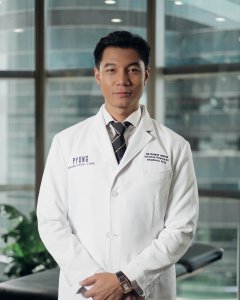
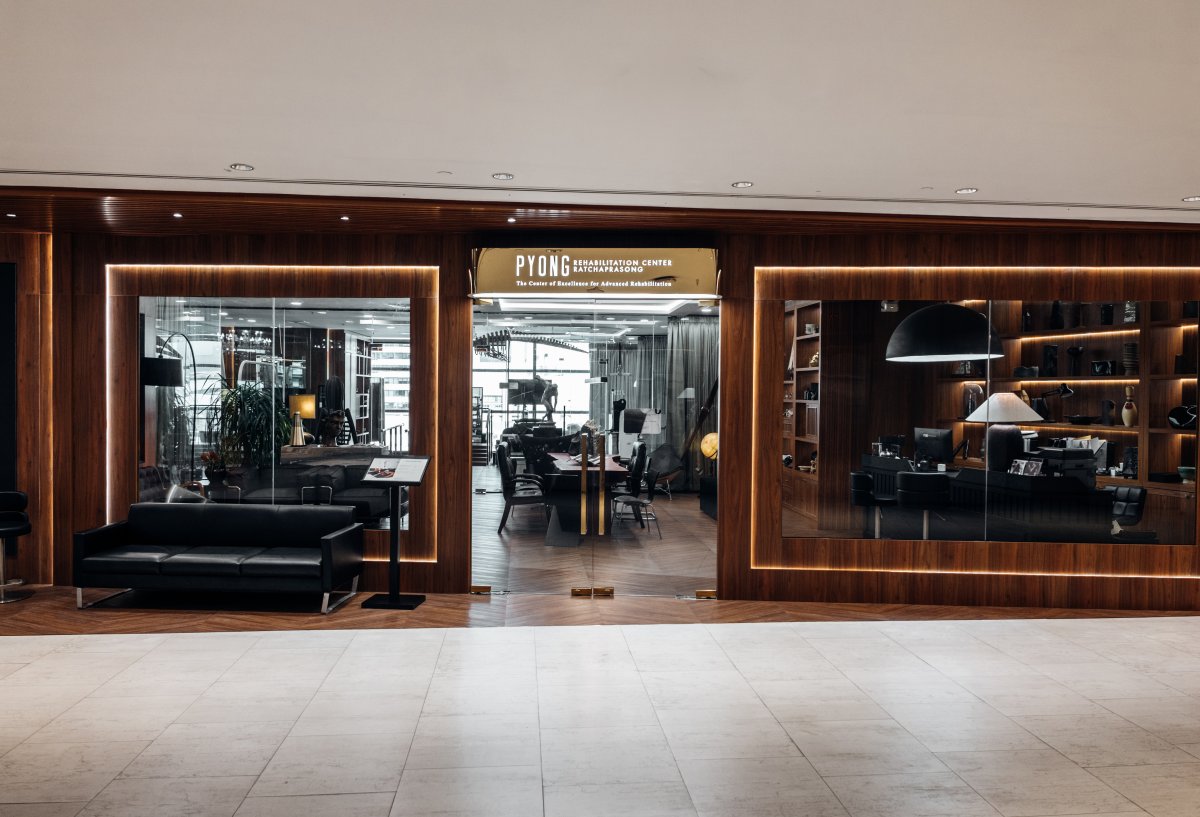
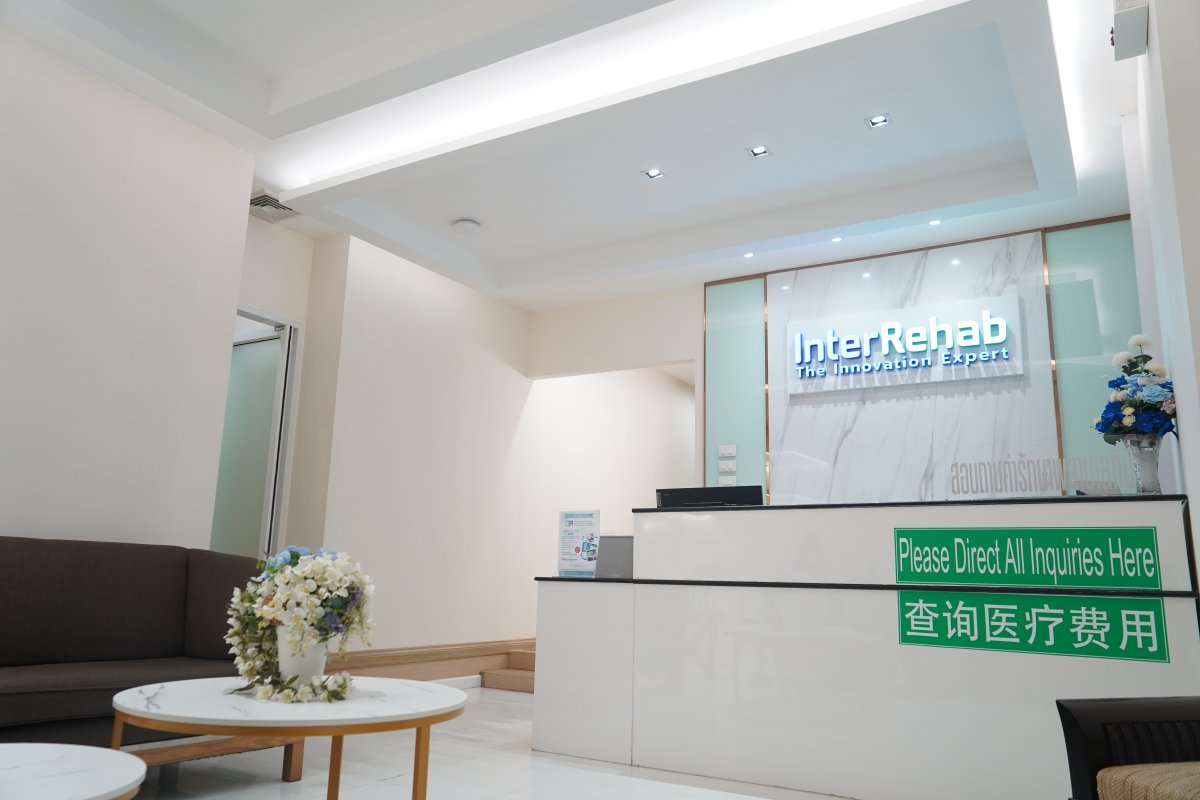
رأي خبراء Bookimed: يوفر اختيار مجموعات التأهيل المتخصصة قيمة أفضل مقارنة بالمستشفيات العامة. على سبيل المثال، تضم مجموعة بيونغ (PYONG) للتأهيل أطباء مثل كانتافونغ ثونغرونغ، الذي يرأس أقسام التأهيل العصبي. تستخدم عيادات متخصصة مثل إنتر ريهاب برين أند بين (InterRehab Brain&Pain) تقنيات معتمدة من FDA وتخدم أكثر من 1,000 مريض سنوياً. يلمس المرضى غالباً نتائج واضحة بدءاً من الجلسة الأولى. يؤدي التركيز على العيادات التي تضم أطباء أعصاب تلقوا تدريبهم في جامعة تشولالونغكورن إلى ضمان معايير أكاديمية عالية بأسعار محلية تنافسية.
| تايلاند | تركيا | إسبانيا | |
| التحفيز المغناطيسي عبر الجمجمة (TMS/TMS) | من $2,500 / 85,000฿ | من $2,500 / 85,000฿ | من $2,000 / 68,000฿ |
Bookimed لا يضيف رسوماً إضافية على أسعار التحفيز المغناطيسي عبر الجمجمة (TMS/TMS). الأسعار مأخوذة من قوائم الأسعار الرسمية للعيادات. تدفع مباشرة في العيادة مقابل التحفيز المغناطيسي عبر الجمجمة (TMS/TMS) عند وصولك.
Bookimed ملتزم بسلامتك. نحن نعمل فقط مع المؤسسات الطبية التي تحافظ على معايير دولية عالية في التحفيز المغناطيسي عبر الجمجمة (TMS/TMS) ولديها التراخيص اللازمة لخدمة المرضى الدوليين في جميع أنحاء العالم.
Bookimed يقدم مساعدة خبراء مجانية. منسق طبي شخصي يدعمك قبل وأثناء وبعد العلاج، ويحل أي مشاكل. لن تكون وحيداً أبداً في رحلة التحفيز المغناطيسي عبر الجمجمة (TMS/TMS).
يقوم الدكتور كانتافونج ثونجرونج بدمج الروبوتات المتقدمة والتقنيات غير الغازية في إعادة التأهيل العصبي في مجموعة PYONG للتأهيل.
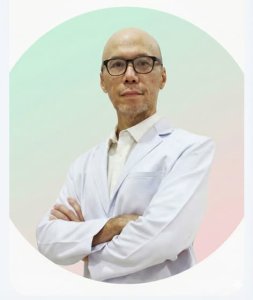
الدكتور Songpoj Tanprasert متخصص في الطب الفيزيائي وإعادة التأهيل (PM&R). يحمل درجة دكتور في الطب (M.D.)، وأكمل تدريبًا رسميًا في طب التأهيل. لديه خبرة واسعة في إعادة التأهيل لكلٍ من المرضى المقيمين ومرضى العيادات الخارجية.
تشمل خبراته تأهيل ما بعد السكتة الدماغية، والألم المزمن، وإصابات الرياضيين، واضطرابات العمود الفقري. يضع خطط تأهيل فردية قائمة على الأدلة. يركز على علاج الألم غير الجراحي والتمارين العلاجية، ويعمل مع أخصائيي العلاج الطبيعي والعلاج الوظيفي لتحسين الأداء الوظيفي.
تتخصص الدكتورة تارا راك-أريكول في طب الأعصاب المعرفي والاضطرابات العصبية المعرفية، وحصلت على زمالة في مستشفى الملك تشولالونغكورن التذكاري.
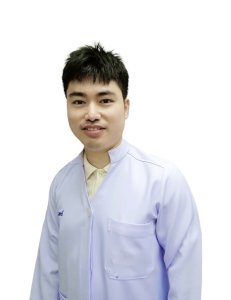
يتخصص الدكتور خومشوم في التحفيز المغناطيسي عبر الجمجمة (TMS) في مجموعة PYONG لإعادة التأهيل، حيث يجمع بين خبرة إعادة التأهيل العصبي والتقنيات المتقدمة لعلاج الألم المزمن والتعافي من السكتة الدماغية.
International patients typically do not need a formal referral from an Australian GP to start TMS in Thailand. Thai clinics, such as PYONG Rehabilitation Group, conduct their own psychiatric or neurological evaluations on-site. These assessments confirm suitability and rule out contraindications like epilepsy or metal implants before treatment begins.
Bookimed Expert Insight: While a referral is not mandatory, Australian patients should bring a summary of prior treatments. This helps maintain continuity of care. Data shows clinics like PYONG use multidisciplinary teams of up to 13 doctors. This includes neurologists and physiatrists. Having a medical history ready allows these specialists to integrate TMS with therapies like robotic gait training immediately.
Patient Consensus: Clinics in Thailand usually require an initial medical screening rather than a GP letter. Having records and medication history ready makes the assessment and scheduling much faster.
Common side effects of TMS in Thailand include mild headaches, scalp discomfort, and facial twitching. Research at clinics such as InterRehab Brain&Pain suggests these non-invasive treatments are generally well-tolerated. Symptoms typically subside quickly. Specialists like Dr Napassorn Khumchum at PYONG Rehabilitation Group adjust stimulation levels during sessions.
Bookimed Expert Insight: Thai clinics like InterRehab Brain&Pain often integrate TMS with therapies such as neurofeedback. This approach aims to speed up results. Many patients report noticeable improvements after just 1 session. Specialists at PYONG Rehabilitation Group use these FDA-approved devices for complex conditions like Parkinson's and Alzheimer's.
Patient Consensus: Patients in Thailand often describe the stimulation sensation as unusual at first but manageable. Many suggest planning for mild fatigue after early sessions even though they can resume normal activities.
Transcranial Magnetic Stimulation (TMS) is an effective, non-invasive treatment for depression in Thailand. It is helpful for treatment-resistant cases. Specialists in Bangkok use electromagnetic pulses to stimulate nerve cells. Many patients achieve a 50% reduction in symptoms or full remission after 4–6 weeks.
Bookimed Expert Insight: While single sessions cost around A$400, Bookimed data shows full protocols in Bangkok cost from $2,500 to $4,000. This is roughly 25% less than the $4,400 average in Australia. This makes intensive 5-day-a-week therapy more accessible for international patients.
Patient Consensus: Patients in Thailand report that TMS is easier to tolerate than medication. They suggest confirming whether protocols cover both depression and anxiety before starting a full course.
Specialists in Thailand use Transcranial Magnetic Stimulation (TMS) to treat major depressive disorder and anxiety. They also treat complex neurological conditions. Key applications include stroke rehabilitation and neurorehabilitation for Parkinson’s disease and Alzheimer’s care. Specialised centres also apply magnetic stimulation for chronic pain management and insomnia.
Bookimed Expert Insight: Thai clinics like PYONG Rehabilitation Group often integrate TMS into broader neurorehabilitation programs. Data shows they combine magnetic stimulation with robotic gait training and VR-based cognitive therapy. This multi-modal approach helps in complex stroke or brain injury cases.
Patient Consensus: Patients find TMS effective for treatment-resistant depression in Thailand. They often receive tailored protocols for combined anxiety symptoms. Many appreciate that major hospitals adjust stimulation settings based on individual symptom profiles.
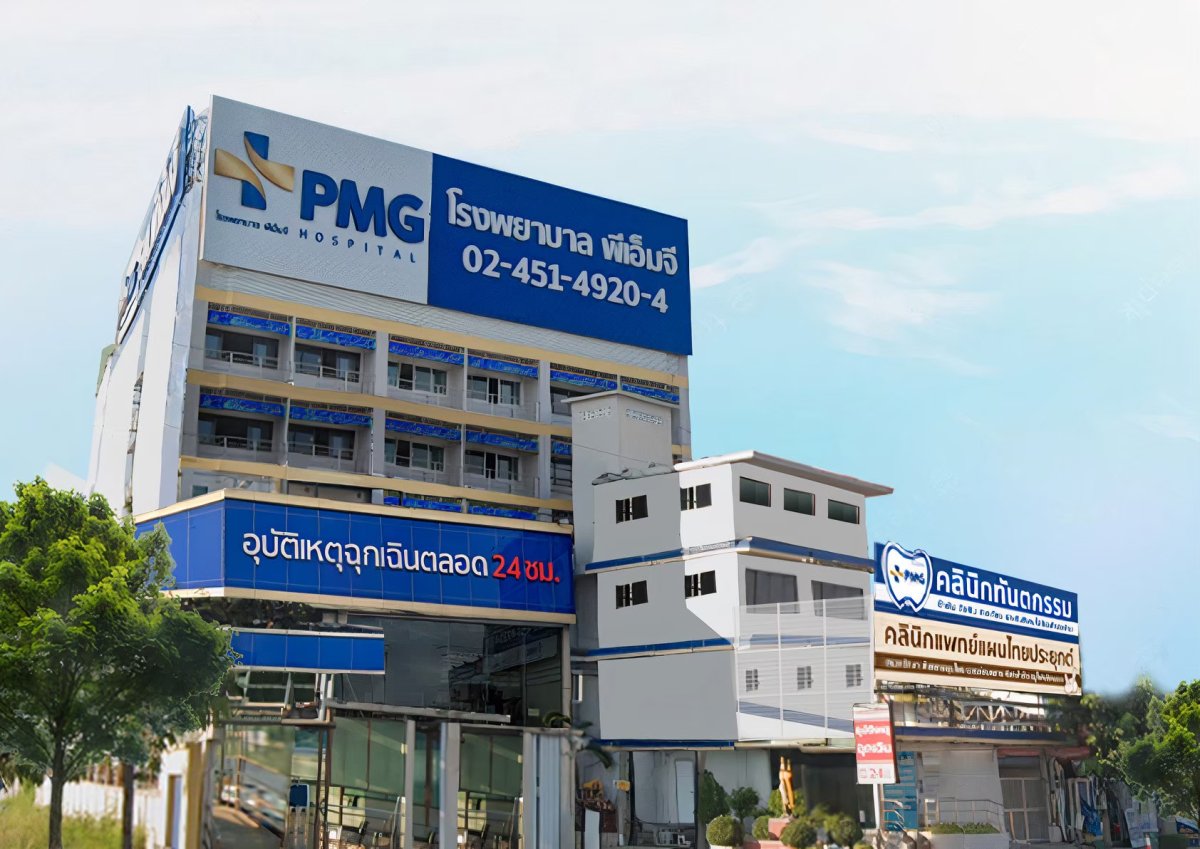
Primary facilities for Transcranial Magnetic Stimulation (TMS) in Thailand are concentrated in Bangkok and Pattaya. These centres specialise in neurorehabilitation and psychiatry. Leading clinics such as PYONG Rehabilitation Group and InterRehab Brain&Pain provide targeted brain stimulation for stroke recovery, depression, and cognitive disorders.
Bookimed Expert Insight: While major hospitals offer TMS, specialist centres like PYONG Rehabilitation Group provide higher patient-to-specialist ratios. Dr Kantaphong Thongrong leads this clinic and has shared expertise at events in Australia. This indicates clinical standards that align with what Australian patients expect from private specialists.
Patient Consensus: Focus searches on Bangkok as it is the primary hub for Thai magnetic stimulation services. Patients suggest confirming specific protocols and machine brands with clinics to check they match evidence-based standards.
اسم رسمي | مملكة تايلاند |
عملة | البات التايلندي (يمكنك أيضًا الدفع مقابل الخدمات بالدولار) |
أفضل فترة للسفر | نوفمبر - بداية أبريل |
لغة | التايلاندية (معظم الطاقم الطبي يتحدث الإنجليزية بطلاقة) |
تأشيرة | مطلوب لرحلة مدتها 3-6 أشهر |
فارق التوقيت مع أوروبا | الساعه 7 |
فارق التوقيت من الولايات المتحدة الأمريكية | 12 ساعة |
عاصمة | بانكوك |
مركز السياحة العلاجية | بانكوك |
منتجعات رائجة | كوه ساموي ، فوكيت ، شيانغ ماي ، كوه تشانج ، هوا هين |
الرعاية الصحية هي قطاع التنمية الرئيسي للحكومة التايلاندية. السلطات التايلاندية مقتنعة بأن رعاية صحة المواطنين يجب أن تكون أولوية غير مشروطة لسياسة الدولة ، وتنفق سنويًا حوالي 25 مليار بات على الرعاية الصحية.
نتيجة لذلك ، توفر 36673 منشأة طبية رعاية طبية ممتازة في البلاد. تم اعتماد 64 مركزًا طبيًا في المملكة من قبل اللجنة المشتركة الدولية (JCI) ، وهي هيئة دولية لتحسين جودة وسلامة الخدمات الطبية في جميع أنحاء العالم. فهرس الشهادات المتلقاة هو الأكبر. للمقارنة ، هناك 20 مؤسسة معتمدة من اللجنة الدولية المشتركة في إسرائيل ، و 10 عيادات فقط من هذا النوع في ألمانيا.
يوجد في مملكة تايلاند فنادق ذات نطاقات أسعار ومستويات خدمة مختلفة. مستوى الفنادق التايلاندية مشابه للفنادق في تونس أو المغرب أو مصر. يختار معظم السياح فنادق 4 و 5 نجوم مع وجبات شاملة كليًا. تحتوي هذه الفنادق على كل شيء لإقامة مريحة: طعام متنوع ، منطقة كبيرة جيدة الإعداد ، رسوم متحركة للأطفال والكبار. تحتوي بعض الفنادق على حديقة مائية خاصة بها ، والتي يمكن للضيوف استخدامها مجانًا. يمكن للمسافرين ذوي الميزانية المحدودة حجز فندق اقتصادي من فئة 3 نجوم مع نصف إقامة أو بدون وجبات على الإطلاق.
الميزة الرئيسية للمنتجعات التايلاندية هي موسم الشاطئ الطويل. يختلف المناخ على السواحل الشرقية والغربية ، لذا ضع ذلك في الاعتبار عند التخطيط لرحلتك. أفضل وقت للسفر هو خلال الموسم البارد والجاف من نوفمبر إلى أوائل أبريل. يحدث تدفق كبير للسياح في مارس ومايو ، عندما تصل درجة حرارة الهواء إلى + 30 درجة مئوية.
في الوقت الحالي ، تتطلب مملكة تايلاند أنظمة تأشيرات مختلفة لدول مختلفة. يمكن لبعض الأجانب البقاء في البلاد دون مراقبة التأشيرة لمدة 60 يومًا ، والبعض الآخر - 14 يومًا فقط.
كم من الوقت يمكنك البقاء في تايلاند وأي البلدان يمكن أن تعبر الحدود بسهولة اقرأ هنا .
للتقدم للحصول على تأشيرة دخول إلى تايلاند ، هناك عدد من المستندات المطلوبة. يمكن تقديم الأوراق اللازمة قبل 90 يومًا من المغادرة المخطط لها. قائمة الوثائق تشمل :