التحفيز المغناطيسي عبر الجمجمة (TMS/TMS) في ألمانيا — احصل على 3 عيادات مطابقة مع التكاليف


تمت مراجعة المقالة طبيا من قبل
فهد مولود
ما هي تكلفة التحفيز المغناطيسي عبر الجمجمة (TMS/TMS) في ألمانيا؟ اكتشف الآن
عادةً ما تتراوح تكلفة التحفيز المغناطيسي عبر الجمجمة (TMS) في ألمانيا من $2,200 إلى $4,300. تختلف الأسعار حسب العيادة، وخبرة الطبيب النفسي، وعدد الجلسات، وما إذا كانت تُستخدم بروتوكولات متقدمة مثل تحفيز ثيتا بيرست.
عادةً ما تشمل العيادات الألمانية في السعر التقييم النفسي الأولي، وجلسات TMS (عادةً من 20 إلى 30 جلسة)، وجميع المستلزمات المطلوبة، والتقييمات اللاحقة. في الولايات المتحدة، غالبًا ما يغطي السعر المعلن جلسة واحدة فقط، مع رسوم منفصلة للاستشارات، والتخطيط، والمتابعات. يجب دائمًا التأكد مما يتضمنه عرض كل عيادة قبل الحجز.
المزايا الرئيسية
لماذا يختار المرضى ألمانيا للعلاج بالتحفيز المغناطيسي عبر الجمجمة (TMS)؟
- عيادات معتمدة: العيادات المعتمدة من قبل KTQ وغيرها من المنظمات المعترف بها تضمن معايير عالية من الرعاية وسلامة المرضى.
- أحدث التقنيات: أجهزة TMS مثل MagVenture's MagPro R30 وNeuroStar تقدم علاجًا دقيقًا وفعالًا. هذه الأدوات تعزز بشكل كبير من نتائج العلاج للمرضى.
- نسب نجاح عالية: يظهر التحفيز المغناطيسي عبر الجمجمة فعالية تصل إلى 70% في علاج الاكتئاب. كما يحقق تحسينات كبيرة في أعراض القلق واضطراب ما بعد الصدمة.
- ممارسون خبراء: أطباء الأعصاب والأطباء النفسيون الرائدون، المعتمدون من قبل المجلس الأوروبي لطب الأعصاب، أجروا أكثر من 500 إجراء TMS. هذا يضمن رعاية ذات خبرة.
احصل على حلول متقدمة للتحفيز المغناطيسي عبر الجمجمة (TMS) في عيادات موثوقة من $2,200.
| تركيا | إسبانيا | ألمانيا | |
|---|---|---|---|
| التحفيز المغناطيسي عبر الجمجمة (TMS/TMS) | من $620 | ≈ $1,900 | ≈ $2,200 |
مزاياك وضماناتك مع Bookimed
أسعار مباشرة
Bookimed لا يضيف رسوماً إضافية على أسعار التحفيز المغناطيسي عبر الجمجمة (TMS/TMS). الأسعار مأخوذة من قوائم الأسعار الرسمية للعيادات. تدفع مباشرة في العيادة مقابل التحفيز المغناطيسي عبر الجمجمة (TMS/TMS) عند وصولك.
عيادات وأطباء معتمدون فقط
Bookimed ملتزم بسلامتك. نحن نعمل فقط مع المؤسسات الطبية التي تحافظ على معايير دولية عالية في التحفيز المغناطيسي عبر الجمجمة (TMS/TMS) ولديها التراخيص اللازمة لخدمة المرضى الدوليين في جميع أنحاء العالم.
مساعدة مجانية على مدار الساعة
Bookimed يقدم مساعدة خبراء مجانية. منسق طبي شخصي يدعمك قبل وأثناء وبعد العلاج، ويحل أي مشاكل. لن تكون وحيداً أبداً في رحلة التحفيز المغناطيسي عبر الجمجمة (TMS/TMS).

منسقك الطبي الشخصي في Bookimed
- يدعمك في كل مرحلة
- المساعدة في اختيار العيادة الطبية المناسبة والطبيب المناسب
- يضمن الوصول السريع والمريح إلى المعلومات
اكتشف أفضل التحفيز المغناطيسي عبر الجمجمة (TMS/TMS) العيادات في ألمانيا: 1 خيار معتمدة والأسعار

نظرة عامة على التحفيز المغناطيسي عبر الجمجمة (TMS/TMS) في ألمانيا
- إيداع Bookimed: 200 دولار أو 200 يورو.
- وديعة العيادة: ادفع نسبة محددة مقدمًا.
المراجعات
جميع المراجعاتمشاركة المحتوى
قصص فيديو من مرضى Bookimed
 Anna Leonova
أسئلة متكررة حول التحفيز المغناطيسي عبر الجمجمة (TMS/TMS) في ألمانيا
هل التحفيز المغناطيسي عبر الجمجمة (TMS) معتمد ومتاح في ألمانيا؟
يعتبر التحفيز المغناطيسي عبر الجمجمة (TMS) معتمداً ومتاحاً على نطاق واسع في ألمانيا لعلاج الاكتئاب والفصام. تعترف المبادئ التوجيهية الألمانية (S3) رسمياً بالتحفيز المغناطيسي المتكرر عبر الجمجمة (rTMS) كطريقة سريرية صالحة. توفر المراكز العصبية المتخصصة والمستشفيات الجامعية إجراءات تحفيز الدماغ غير الجراحية والخالية من الأدوية هذه على الصعيد الوطني.
- حالة الاعتماد: معتمد لعلاج الاكتئاب والهلوسة السمعية ضمن المبادئ التوجيهية السريرية الألمانية (S3).
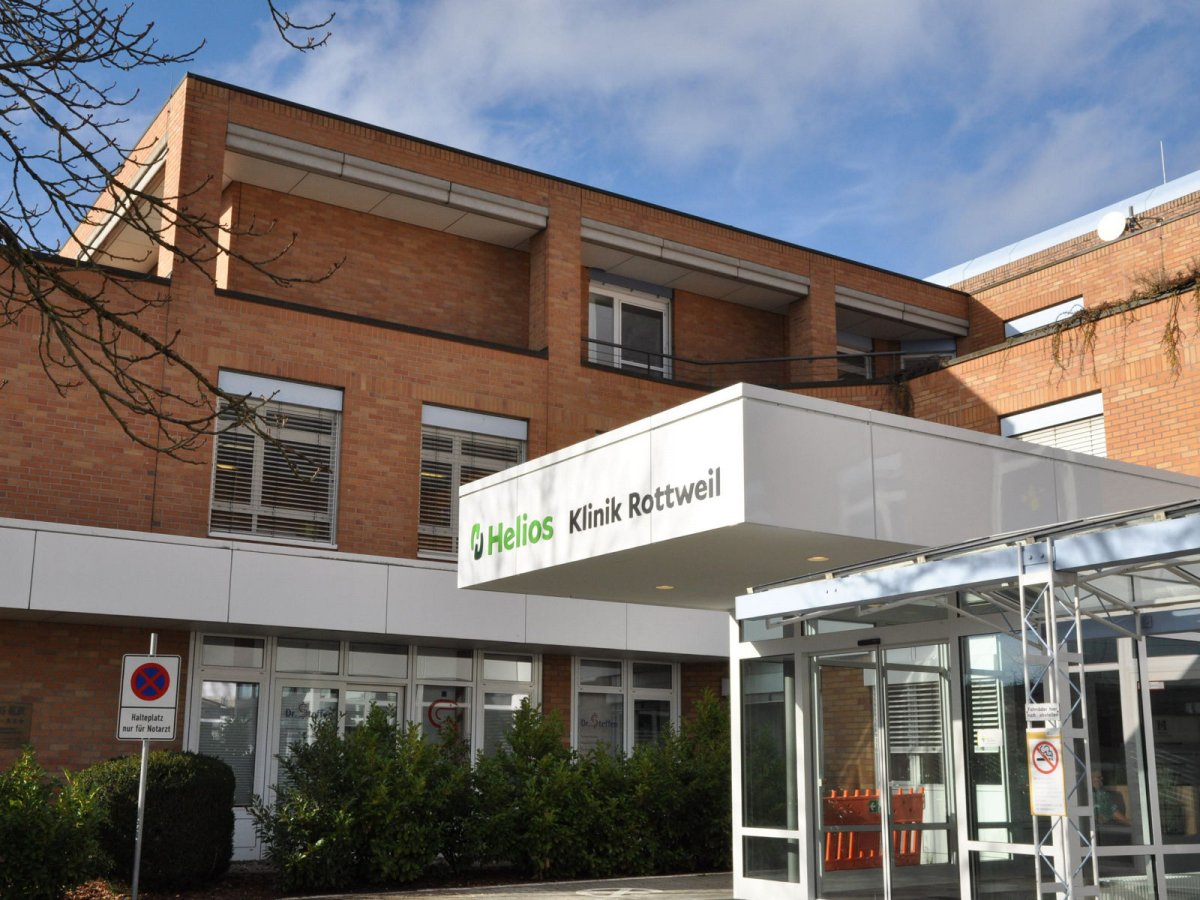
- مقدمو الخدمات السريرية: متاح في المراكز الكبرى مثل مستشفى هيليوس الجامعي في فوبرتال والعيادات المتخصصة.
- التغطية التأمينية: يغطي التأمين الخاص التكاليف بشكل عام، بينما يتطلب التأمين العام غالباً موافقة فردية.
- المتغيرات المتقدمة: تقدم العديد من المرافق تحفيز الاندفاع ثيتا (TBS) إلى جانب بروتوكولات (rTMS) القياسية.
رؤية خبير Bookimed: تصنف ألمانيا من بين أفضل 10 وجهات عالمية للرعاية الطبية لدينا مع 82 عيادة متخصصة. يعالج مستشفى هيليوس الجامعي في فوبرتال وحده 150,000 مريض سنوياً. غالباً ما توفر البيئات الجامعية الكبيرة إمكانية الوصول إلى أحدث البروتوكولات المتسارعة. تحافظ هذه المؤسسات على معايير جودة أعلى من خلال شهادات صارمة من جمعية السرطان الألمانية و(IASIOS).
إجماع المرضى: يوصي المرضى بالاتصال بالعيادات مباشرة للسؤال عن (rTMS) تحديداً. وينصحون بالتحقق مما إذا كان مقدم الخدمة يقدم جلسات متسارعة لتقليل مدة العلاج الإجمالية.
من هو الشخص الذي لا يعتبر مرشحاً لـ TMS؟
المرضى الذين لديهم غرسات معدنية غير قابلة للإزالة في الرأس أو الرقبة ليسوا مرشحين لـ TMS. يشمل ذلك مشابك تمدد الأوعية الدموية، وغرسات القوقعة، والدعامات، ومحفزات الدماغ. كما يواجه الأفراد الذين يعانون من الصرع النشط أو الذين لديهم أجهزة قلب وعائية مزروعة مثل أجهزة تنظيم ضربات القلب الاستبعاد بسبب تداخل المجال المغناطيسي.
- الغرسات المعدنية: تشكل الأجسام المغناطيسية الحديدية الموجودة على مسافة 12 بوصة (30 سم) من الملف مخاطر أمنية.
- اضطرابات التشنج: الصرع النشط أو النوبات الحديثة غير المبررة تؤدي عموماً إلى استبعاد المرضى من العلاج.
- الأجهزة الإلكترونية: قد تتعطل أجهزة تنظيم ضربات القلب ومحفزات العصب الحائر أثناء عملية التحفيز.
- عدم الاستقرار السريري: تتطلب الذهان أو الهوس غير المعالج تثبيتاً قبل بدء جلسات العلاج المغناطيسي.
رؤية خبير Bookimed: تعالج المستشفيات الجامعية الألمانية مثل هيليوس فوبرتال 150,000 مريض سنوياً باستخدام بروتوكولات متخصصة للغاية. تشير البيانات إلى أن العيادات غالباً ما تستبعد المرضى بناءً على عوامل نمط الحياة أيضاً. أولئك غير القادرين على الالتزام بجلسات يومية لمدة 4-6 أسابيع يتم توجيههم بشكل متكرر إلى علاجات بديلة.
إجماع المرضى: يقلق العديد من الأفراد في البداية بشأن حشوات الأسنان، لكن معظم أعمال طب الأسنان الحديثة آمنة. تسلط الملاحظات الواقعية الضوء على أن الاستقرار والجدول الزمني المتسق هما أكبر العقبات أمام نجاح الترشح.
ما هي الحالات التي يمكن لـ TMS علاجها؟
يعالج التحفيز المغناطيسي عبر الجمجمة الاكتئاب المقاوم للعلاج، واضطراب الوسواس القهري، والإقلاع عن التدخين باستخدام النبضات المغناطيسية. تستخدم العيادات الجامعية الألمانية أيضاً التحفيز المغناطيسي المتكرر (rTMS) للصداع النصفي، والقلق، واضطراب ما بعد الصدمة. يحفز هذا النهج غير الغازي الخلايا العصبية دون الحاجة إلى تخدير أو دخول المستشفى للمرضى.
- اضطرابات الاكتئاب: يعالج TMS الاكتئاب الحاد عندما تثبت عدم فعالية الأدوية أو العلاج النفسي.
- الحالات العصبية: تساعد البروتوكولات المتخصصة في إدارة الصداع النصفي المزمن وأعراض الألم العصبي.
- القلق واضطراب ما بعد الصدمة: تستخدم العيادات rTMS لتقليل كثافة الذكريات المؤلمة ونوبات الذعر.
- اضطراب الوسواس القهري: يقلل التحفيز المغناطيسي من الأفكار الاقتحامية والسلوكيات القهرية لدى البالغين.
رؤية خبير Bookimed: تدمج المراكز الأكاديمية الألمانية مثل مستشفى هيليوس الجامعي في فوبرتال rTMS مع العلاج النفسي. تشير البيانات إلى أن الجمع بين هذه العلاجات يسرع التعافي لمرضى القلق المزمن. هذا النهج المزدوج أكثر فعالية من استخدام التحفيز المغناطيسي وحده.
إجماع المرضى: يجد العديد من المرضى الراحة من الاكتئاب العميق بعد فشل علاجات أخرى. إنهم يقدرون البقاء مستيقظين وتجنب الآثار الجانبية الجهازية للأدوية.
هل توجد أي آثار جانبية؟
يسبب التحفيز المغناطيسي عبر الجمجمة (TMS) في ألمانيا عادةً آثاراً جانبية خفيفة ومؤقتة. يعاني معظم المرضى من انزعاج خفيف في فروة الرأس أو صداع موضعي خلال الجلسات الأولى. تتلاشى هذه التأثيرات عادةً بسرعة. المضاعفات الخطيرة نادرة للغاية. لا تتطلب الجلسات تخديراً أو أدوية جهازية.
- انزعاج فروة الرأس: غالباً ما يبلغ المرضى عن شعور بالنقر أو إيلام خفيف أثناء تحفيز الملف.
- الصداع الشائع: قد يحدث ألم خفيف في الرأس بعد الجلسات ولكنه يتحسن عادةً في غضون أيام.
- تشنج العضلات: قد تحدث تقلصات مؤقتة في عضلات الفك أو الوجه أثناء النبضات المغناطيسية.
- الإرهاق البدني: يشعر بعض الأفراد بالتعب أو يعانون من تغيرات قصيرة في النوم بعد جلسات العلاج.
رؤية خبير Bookimed: تستفيد المستشفيات الجامعية الألمانية مثل هيليوس فوبرتال من رسم الخرائط الدقيق لتقليل تهيج فروة الرأس. تظهر البيانات أن ضبط كثافة التحفيز خلال الجلسات الثلاث الأولى يحسن راحة المريض بشكل كبير. يساعد هذا المعايرة الشخصية أولئك الذين لديهم حساسية عالية على تجنب تشنجات الوجه المزعجة تماماً.
إجماع المرضى: يصف المرضى الإحساس بأنه نقر إيقاعي يبدو مزعجاً أكثر منه مؤلماً. يساعد البقاء رطباً وتناول الطعام بشكل جيد قبل المواعيد في تقليل احتمالية الإصابة بالصداع بعد الجلسة.
ما هو التحفيز المغناطيسي عبر الجمجمة (TMS) وكيف يعمل؟
التحفيز المغناطيسي عبر الجمجمة (TMS) هو إجراء غير جراحي يستخدم المجالات المغناطيسية لتحفيز الخلايا العصبية. يستهدف مناطق الدماغ المسؤولة عن التحكم في المزاج. يستخدمه الأطباء لعلاج الاكتئاب واضطراب الوسواس القهري عن طريق توصيل نبضات مغناطيسية من خلال ملف كهرومغناطيسي يوضع على فروة الرأس.
- توصيل النبضات: تخلق المجالات المغناطيسية تيارات كهربائية تحفز الخلايا العصبية دون جراحة أو تخدير.
- تنظيم المزاج: تعمل النبضات على إعادة تنشيط المناطق غير النشطة أو تهدئة المناطق المفرطة النشاط المرتبطة بالاكتئاب.
- جدول العلاج: يحضر المرضى عادةً جلسات مدتها 20 دقيقة لمدة 5 أيام أسبوعياً على مدار 6 أسابيع.
- وقت التعافي: لا يتطلب الأمر فترة نقاهة. يستأنف المرضى أنشطتهم الطبيعية فوراً بعد كل جلسة.
رؤية خبراء Bookimed: تدير العيادات الألمانية مثل مستشفى هيليوس الجامعي في فوبرتال أكثر من 150,000 مريض سنوياً. غالباً ما تقدم المراكز الجامعية الكبيرة بروتوكولات أكثر دقة. وهي تستخدم خرائط عالية الكثافة لاستهداف مناطق معينة في الدماغ. تؤدي هذه الخبرة عادةً إلى وضع أكثر دقة للأقطاب الكهربائية أثناء الجلسات الأولية.
إجماع المرضى: يصف العديد من المرضى إحساساً واضحاً بالخفقان أو ارتعاشاً طفيفاً في الوجه. يشير معظمهم إلى أنه على الرغم من أن الجلسات المبكرة تسبب صداعاً خفيفاً، إلا أن هذه الآثار الجانبية تتلاشى بسرعة.
كم عدد الجلسات المطلوبة؟
يتطلب التحفيز المغناطيسي عبر الجمجمة (TMS) القياسي في ألمانيا عادةً من 20 إلى 40 جلسة للحصول على نتائج مثالية. وعادةً ما يحضر المرضى جلسات يومية خمسة أيام في الأسبوع لمدة تتراوح بين 4 إلى 8 أسابيع. يساعد هذا البروتوكول المكثف في تحفيز الخلايا العصبية في الدماغ لتحسين أعراض الاكتئاب السريري.
- البروتوكول القياسي: يكمل معظم المرضى 30 جلسة لضمان تحسن سريري مستقر.
- وتيرة العلاج: تقوم العيادات بجدولة الجلسات يومياً خلال أيام الأسبوع للحفاظ على التحفيز العصبي.
- الاستجابة المبكرة: يبلغ بعض المرضى عن ملاحظة تغيرات في المزاج بعد 10 إلى 20 جلسة.
- الرعاية طويلة الأمد: قد يوصى بجلسات صيانة بعد دورة العلاج الحاد الأولية.
رؤية خبير Bookimed: تعالج المستشفيات الجامعية الألمانية مثل Helios Wuppertal حوالي 150,000 مريض سنوياً باستخدام بروتوكولات أوروبية موحدة. تشير البيانات إلى أنه على الرغم من أن العيادات تقدم دورات تبدأ من $2,200، إلا أن النتائج الأكثر نجاحاً تحدث عندما يلتزم المرضى بدورة الـ 30 جلسة الكاملة. غالباً ما تؤدي الدورات الأقصر إلى معدلات انتكاس أعلى.
إجماع المرضى: يؤكد المرضى أن التحفيز المغناطيسي عبر الجمجمة يتطلب التزاماً زمنياً كبيراً للحضور اليومي. يذكر الكثيرون أنه على الرغم من أن النتائج تدريجية، فإن إكمال البروتوكول بالكامل ضروري للحصول على فوائد دائمة.
هل التحفيز المغناطيسي عبر الجمجمة (TMS) هو نفسه العلاج بالصدمات الكهربائية (ECT)؟
التحفيز المغناطيسي عبر الجمجمة (TMS) ليس هو نفسه العلاج بالصدمات الكهربائية (ECT). يستخدم التحفيز المغناطيسي عبر الجمجمة نبضات مغناطيسية غير جراحية لتحفيز خلايا عصبية محددة منظمة للمزاج بينما يظل المرضى مستيقظين. يقوم العلاج بالصدمات الكهربائية بتحفيز نوبات تشنجية محكومة باستخدام تيارات كهربائية تحت التخدير العام لعلاج الحالات النفسية الشديدة والمقاومة للعلاج.
- طريقة العمل: يستخدم TMS ملفات كهرومغناطيسية؛ بينما يرسل ECT تحفيزاً كهربائياً مباشراً لتحفيز النوبات.
- متطلبات التخدير: يتطلب ECT تخديراً عاماً ومرخيات عضلية. لا تتطلب جلسات TMS أي تخدير.
- مكان العلاج: يقوم الجراحون بإجراء ECT في المستشفيات. أما TMS فهو إجراء سريري مريح في العيادات الخارجية.
- التأثير الإدراكي: يتجنب TMS مخاطر فقدان الذاكرة والارتباك المرتبطة غالباً بـ ECT.
رؤية خبير Bookimed: تستفيد المستشفيات الجامعية الألمانية مثل هيليوس فوبرتال (Helios Wuppertal) من TMS كجسر متخصص للحالات المقاومة للعلاج. وعلى الرغم من أن ألمانيا تحتل المرتبة الثامنة عالمياً في هذه الطلبات، إلا أن البنية التحتية هنا تركز على الدقة الأكاديمية. غالباً ما يختار المرضى المراكز الألمانية لأنها توفر رعاية نفسية متكاملة جنباً إلى جنب مع تقنية التحفيز.
إجماع المرضى: يصف المرضى TMS بأنه خيار أكثر لطفاً وأقل إزعاجاً يسمح لهم بالعودة إلى المنزل مباشرة. أولئك الذين اختاروا ECT غالباً ما يشيرون إلى نتائج أسرع للاكتئاب الشديد على الرغم من وجود فجوات مؤقتة في الذاكرة.
ما هي المستشفيات في ألمانيا التي تحظى بأعلى التقييمات في جراحة الأعصاب؟
تضم ألمانيا بعضًا من أرقى أقسام جراحة الأعصاب في العالم، بقيادة مستشفى شاريتيه الجامعي في برلين ومستشفى جامعة هايدلبرغ. وتتميز هذه المراكز بخبرتها الواسعة في علاج أورام الدماغ المعقدة وأمراض الأوعية الدموية الدماغية. ولتحقيق أقصى قدر من الفعالية في عملياتها، تستخدم هذه المراكز أحدث التقنيات، مثل التصوير بالرنين المغناطيسي أثناء الجراحة والتوجيه العصبي بمساعدة الحاسوب.
- مستشفى شاريتيه برلين: يُجري أكثر من 5000 عملية جراحية سنوياً. ويرأس العيادة جراح الأعصاب الشهير الدكتور بيتر فايكوتشي.
- المركز الطبي في سولينجن: أجرى الدكتور رالف بوهل أكثر من 4000 عملية جراحية، بما في ذلك جراحات العمود الفقري طفيفة التوغل.
- عيادة أسكليبيوس نورد: مجهزة بنظام التصوير بالرنين المغناطيسي الثنائي الوحيد في ألمانيا أثناء الجراحة لضمان الدقة الجراحية في الوقت الحقيقي أثناء إزالة الورم.
- عيادة نوردويست: تم الاعتراف بها من قبل مجلة نيوزويك كمستشفى رائد في مجال الابتكار في تكنولوجيا الموجات فوق الصوتية ثلاثية الأبعاد.
رأي خبراء بوكيمد: تشير البيانات إلى أن اختيار المراكز ذات الحجم الجراحي الكبير غالبًا ما يؤدي إلى توصيات علاجية أكثر تحفظًا. ففي مركز سولينجن الطبي، الذي يعالج أكثر من 60,000 مريض
ما هي نسب نجاح العمليات الجراحية العصبية المعقدة في ألمانيا؟
في ألمانيا، تتميز العمليات الجراحية العصبية بالغة التعقيد بمستوى أمان استثنائي. تصل نسبة نجاح عمليات دمج الفقرات إلى 99%، بينما تبلغ نسبة النجاة بعد استئصال أورام الدماغ الأولية 97%. كما يتمتع المرضى بقدرة عالية على الاعتماد على أنفسهم في أداء وظائفهم اليومية، حيث يغادر أكثر من 82% منهم المستشفى مباشرةً بعد العلاج. وتولي المراكز الألمانية اهتماماً بالغاً بالحفاظ على الوظائف العصبية باستخدام أحدث تقنيات التخطيط العصبي.
- استئصال الورم: يحقق الجراحون استئصالًا كاملاً للورم في 87.2% من حالات النقائل الدماغية.
- النجاح في علاج أمراض الأوعية الدموية: أفادت المستشفيات الألمانية بنسبة نجاة بلغت 98.7% لحالات تمدد الأوعية الدموية غير الممزقة.
- تحسن الحالة العصبية: يشهد ما يقرب من 43% من المرضى تحسناً في المعايير الوظيفية بعد عمليات الاستئصال المعقدة.
- سلامة التدخلات الجراحية: في المراكز الجراحية الكبيرة، تتراوح معدلات بقاء المرضى على قيد الحياة بعد جراحة العمود الفقري بين 98-99%.
رأي خبراء بوكيمد: يُجري جراحون ذوو خبرة، مثل الدكتور أوفه كولر من عيادة أسكليبيوس ألتونا، أكثر من 2000 عملية جراحية سنويًا. تُشير البيانات إلى أن هؤلاء المتخصصين يحافظون على معدلات نجاح تصل إلى 90%، حتى
ما هي التقنيات المتقدمة المتوفرة عادةً في عيادات جراحة الأعصاب الألمانية؟
تُدخل عيادات جراحة الأعصاب الألمانية بانتظام أدوات رقمية عالية الدقة وتقنيات تصوير فوري في الممارسة الجراحية. تشمل التقنيات الرئيسية الملاحة العصبية الحاسوبية لجراحات الدماغ والحبل الشوكي. تستخدم مؤسسات مثل عيادة أسكليبيوس نورد التصوير بالرنين المغناطيسي أثناء الجراحة للتحقق من استئصال الورم في الوقت الفعلي. توفر هذه الأنظمة للجراحين نظام ملاحة ثلاثي الأبعاد.
- الملاحة العصبية: توفر تصورًا ثلاثي الأبعاد وتتبعًا فوريًا للأدوات لتحقيق دقة جراحية تصل إلى مستوى أقل من المليمتر.
- التصوير أثناء العملية: تسمح أنظمة مثل التصوير بالرنين المغناطيسي أثناء العملية (iMRI) والتصوير المقطعي المحوسب ذي الذراع O (O-arm CT) بالتأكيد الفوري على نجاح عملية الاستئصال.
- المراقبة العصبية: تراقب الوظائف الحركية والحسية أثناء الجراحة لحماية الجهاز العصبي.
- التشخيص الفلوري: يتم استخدام صبغة 5-ALA لتسليط الضوء على حدود الورم من أجل إزالته بشكل أكثر اكتمالاً.
- المساعدة الروبوتية: تعمل أنظمة مثل نظام دافنشي على تحسين الدقة في الإجراءات المعقدة ذات التدخل الجراحي البسيط.
رأي خبراء بوكيمد: تُجري مراكز طبية كبيرة، مثل مستشفى شاريتيه الج