العلاج الجراحي لكسر الساعد في تايلاند — احصل على 3 عيادات مطابقة مع التكاليف


تمت مراجعة المقالة طبيا من قبل
فهد مولود
ما هي تكلفة العلاج الجراحي لكسر الساعد في تايلاند؟ اكتشف الآن
تتراوح تكلفة جراحة كسر الساعد في تايلاند ما بين $3,200 / 108,800฿ و $6,200 / 210,800฿. يعتمد السعر النهائي على تعقيد الكسر، ونوع الشرائح المستخدمة، وفئة العيادة. تشمل معظم الباقات الخاصة أتعاب الجراح، والتخدير، والبقاء في المستشفى لمدة ليلة أو ليلتين، والمواد الجراحية الأساسية.
- التثبيت الداخلي بالرد المفتوح (ORIF): يتطلب عادةً تكلفة إضافية نظراً لاستخدام شرائح ومسامير متخصصة.
- مراكز بانكوك الطبية: تزيد التكاليف في العاصمة عادةً بنسبة 15-20 % عن مدينة باتايا.
- مستوى المرافق الخاصة: قد تتجاوز أسعار المستشفيات الرائدة في بانكوك المعدلات المعتادة لحالات العظام المعقدة.
- الشرائح الجراحية: يؤثر الاختيار بين شرائح التيتانيوم القياسية أو شرائح القفل المتخصصة على التكلفة الإجمالية.
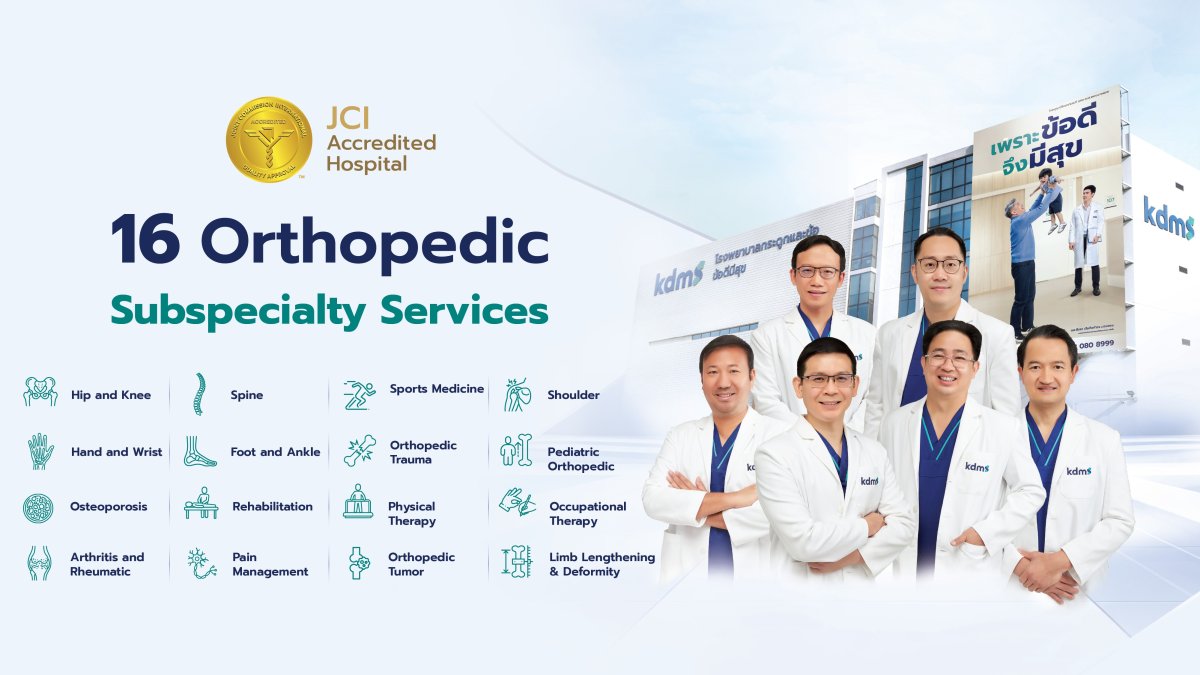
رأي خبراء Bookimed: يوفر اختيار مرفق متخصص قيمة استثنائية لحالات الإصابات المعقدة. يركز مستشفى KDMS المتخصص في العظام حصرياً على رعاية الجهاز العضلي الهيكلي، ويضم 50 طبيباً متخصصاً. في المقابل، يحمل مستشفى بامرونجراد الدولي اعتماد JCI، ويُصنف ضمن أفضل مستشفيات العالم وفقاً لنيوزويك. توفر هذه المراكز تصويراً رقمياً متطوراً ومساعدة روبوتية. تضمن هذه الخبرة التثبيت الدقيق للأدوات، وهو أمر حيوي للحفاظ على قوة الساعد وحركته الدورانية الكاملة.
| تايلاند | تركيا | إسبانيا | |
|---|---|---|---|
| العلاج الجراحي لكسر الساعد | ≈ $3,200 / 108,800฿ | من $3,800 / 129,200฿ | من $9,000 / 306,000฿ |
مزاياك وضماناتك مع Bookimed
أسعار مباشرة
Bookimed لا يضيف رسوماً إضافية على أسعار العلاج الجراحي لكسر الساعد. الأسعار مأخوذة من قوائم الأسعار الرسمية للعيادات. تدفع مباشرة في العيادة مقابل العلاج الجراحي لكسر الساعد عند وصولك.
عيادات وأطباء معتمدون فقط
Bookimed ملتزم بسلامتك. نحن نعمل فقط مع المؤسسات الطبية التي تحافظ على معايير دولية عالية في العلاج الجراحي لكسر الساعد ولديها التراخيص اللازمة لخدمة المرضى الدوليين في جميع أنحاء العالم.
مساعدة مجانية على مدار الساعة
Bookimed يقدم مساعدة خبراء مجانية. منسق طبي شخصي يدعمك قبل وأثناء وبعد العلاج، ويحل أي مشاكل. لن تكون وحيداً أبداً في رحلة العلاج الجراحي لكسر الساعد.

منسقك الطبي الشخصي في Bookimed
- يدعمك في كل مرحلة
- المساعدة في اختيار العيادة الطبية المناسبة والطبيب المناسب
- يضمن الوصول السريع والمريح إلى المعلومات
اكتشف أفضل العلاج الجراحي لكسر الساعد العيادات في تايلاند: 3 خيارات معتمدة والأسعار




LUX KOR Hospital

نظرة عامة على العلاج الجراحي لكسر الساعد في تايلاند
- العلاج الجراحي لكسر الساعد - من $3,200
تقوم هذه العملية بإعادة تنظيم العظام المكسورة في الذراع ، باستخدام ألواح أو قضبان أو براغي ، مما يوفر تعافيًا أسرع وأكثر راحة.
- علاج كسور العظام - من $30
يقوم هذا الإجراء بإصلاح العظام المكسورة ، من خلال الجبيرة أو الجراحة أو الجر ، مما يعزز التعافي السريع واستعادة القدرة على الحركة.
- جراحة تصحيح تشوه العظام - من $5,500
يصحح الإجراء أشكال العظام غير المنتظمة ، ويحسن الوظيفة البدنية ويقلل الانزعاج من خلال التعديلات الجراحية الدقيقة.
اليوم الأول - الوصول
- الوصول إلى المستشفى والتسجيل في مكتب الاستقبال.
- قابل موظفي المستشفى للاستشارة الأولية.
- مراجعة التاريخ الطبي والأدوية الحالية.
اليوم 2 - ما قبل العملية
- استشر جراح العظام وطبيب التخدير.
- إجراء الفحوصات الطبية اللازمة (فحوصات الدم والأشعة السينية).
- تلقي معلومات حول الإجراءات الجراحية والرعاية بعد العملية.
اليوم الثالث - الجراحة
- اخضع لعملية جراحية تحت التخدير العام.
- يتضمن الإجراء إعادة تنظيم وتثبيت العظام.
- تستغرق الجراحة حوالي 2-3 ساعات.
اليوم 4 - بعد العملية
- البقاء في المستشفى للمراقبة وإدارة الألم.
- استشر أخصائي العلاج الطبيعي لخطة إعادة التأهيل الأولية.
- تخطيط الخروج مع فريق الرعاية الصحية.
الأسبوع 1-2 - إعادة التأهيل
- ابدأ العلاج الطبيعي لاستعادة الحركة والقوة.
- تحكم في الألم والتورم بالأدوية والراحة.
الأسبوع 3-6 - إعادة التأهيل
- استمر في العلاج الطبيعي مع التركيز على المرونة والقوة.
- العودة التدريجية إلى الأنشطة اليومية الخفيفة.
الأسبوع 7-12 - إعادة التأهيل
- استأنف الأنشطة العادية تحت إشراف أخصائي العلاج الطبيعي.
- العودة إلى العمل حسب طبيعة الوظيفة.
الأسبوع 12 وما بعده - إعادة التأهيل
- استأنف الرياضة والأنشطة الشاقة الأخرى تدريجيًا.
- شاهد النتيجة النهائية للجراحة وإعادة التأهيل الكامل.
يرجى ملاحظة أن الجداول الزمنية والإجراءات قد تختلف بناءً على الظروف الفردية وسرعة الاسترداد.
- إيداع Bookimed: 200 دولار أو 200 يورو.
- وديعة العيادة: ادفع نسبة محددة مقدمًا.
بصفتنا المنصة العالمية الرائدة للسياحة الطبية ، نقدم معلومات عن جراحة كسر الساعد في تايلاند مع مسؤولية كبيرة أمام عملائنا - المرضى والمراكز الطبية على حد سواء. تستند جميع المعلومات المقدمة على Bookimed.com إلى البحث والاستبصار والخبرة وتفي بالاهتمام الكبير المتعلق بالمنتج وما يلي:
نظام التصنيف التلقائي الذكي
نحن نشكل قوائمنا للعيادات والأطباء مع لوائح صارمة لنظام التصنيف التلقائي الذكي الخاص بنا. يعتمد النظام على أسعار Bookimed الحقيقية للمرضى لتوفير المعلومات الأكثر موضوعية وشفافية حول العيادات والخدمات الطبية هناك.
يجمع عالم البيانات ذو الخبرة لدينا البيانات يوميًا ، ويراقب ويحسن نظام التصنيف باستخدام التعلم الآلي والذكاء الاصطناعي لضمان تحديث نظام التصنيف وتقديم نتائج دقيقة.
تجربة الناس الحقيقية فقط
نحن نجمع آراء عملاء Bookimed فقط بعد الحصول على خبرة طبية مع العيادة - لذلك يمكن للجميع على المنصة الوثوق بالمنشأة التي يختارونها. نحن نسعى جاهدين لجعل المحتوى على منصتنا مفيدًا قدر الإمكان ونضمن حرية التعبير عن الآراء النقدية. وبالتالي ، ننشر مراجعات إيجابية وسلبية ، بهدف أن نكون مصدرًا لاتخاذ قرارات مستنيرة لعملائنا في المستقبل.
مواضيع ذات مستويات عالية من الخبرة والسلطة والجدارة بالثقة
على موقع Bookimed.com ، قد تجد الخيار والراحة للعثور على أفضل الحلول الطبية لكسر الساعد من أفضل مزودي الخدمات الطبية في تايلاند في مكان واحد فقط ، وغالبًا بأسعار تنافسية. للتأكد من تقديم أحدث المعلومات ، يقوم ممثلو العيادة بتحديث السير الذاتية للأطباء ، وقدرات العيادات ، والصور قبل وبعد ، والأسعار ، والحزم ، والعروض الخاصة بأنفسهم قريبًا. يمكنك مقابلة ممثل العيادة والتحقق من تاريخ المحتوى المحدث في صفحة كل عيادة للتأكد من مصداقيتها.
تم إنشاء مدونتنا والقطع الداعمة من قبل مؤلفين محترفين يتمتعون بخبرة لا تقل عن 3 سنوات في الكتابة الطبية ويتم تحريرها بواسطة متخصصين طبيين يتمتعون بخبرة إكلينيكية وبحثية ذات صلة - تم تعيينهم جميعًا بعناية في الفريق. نحن نسعى جاهدين لتعزيز وصول المريض إلى المعلومات الصحية ، مما يجعلها خبيرة ولكن يسهل فهمها. تتبع جميع القطع إرشادات التحرير الخاصة بـ Bookimed.
القيم المحجوزة
نحن مصنوعون من الناس ومن أجلهم - وهذه هي قيمتنا الأساسية. هذا هو السبب في أن جميع البيانات المقدمة على المنصة يتم جمعها وتحريرها ومراجعتها وتحديثها بانتظام من قبل مرضانا وعياداتنا الشريكة وفريقنا ، بما في ذلك المجلس الاستشاري الطبي Bookimed ، الذي يتكون من أطباء مشهورين عالميًا يتمتعون بخبرة قيمة في أكثر من 20 عاما من الممارسة وسمعة طيبة. تعلم المزيد عنا وعن مهمتنا .
في حال وجدت أي خطأ أو كان لديك أي أسئلة حول المعلومات المقدمة على Bookimed.com حول جراحة كسر الساعد في تايلاند ، فلا تتردد في الاتصال بنا على marketing@bookimed.com .
احصل على تقييم طبي لـ العلاج الجراحي لكسر الساعد في تايلاند: اختر أخصائيك من بين الأفضل في هذا المجال
عرض جميع الأطباء
Dr Theeracha Wuttiphan
متخصص في جراحات كسور الساعد مع خبرة تقويم عظام واسعة. تدرب الدكتور ووتيفان وعمل في مستشفيات رائدة في بانكوك.
- دبلوم في العظام والمفاصل
- جراح تنظير مفاصل في مستشفى جامعة ثاماسات
- أجرى العديد من العمليات الجراحية في مستشفى فيموت فيبافادي
- خبير في العلاج بالخلايا الجذعية لآلام المفاصل

Dr Piya Assawaboonyadej
يتخصص الدكتور بيا أساوابونيادج في جراحة العظام مع التركيز على أورام العظام والأنسجة الضامة، ويتمتع بخبرة واسعة في حالات كسور الساعد.
- تدرب في طب أورام العظام في جامعة أيوا
- عضو الكلية الملكية لجراحي العظام في تايلاند
- نشر أبحاثاً حول علاجات أورام العظام
- محاضر في مستشفى جامعة ناريسوان

Dr Thongchai Theerajumyaporn
بفضل تدريبه على جراحة العمود الفقري بمساعدة الروبوت وعلاجات الجهاز العضلي الهيكلي المعقدة، يقدم الدكتور ثونغتشاي تقنيات متقدمة لإصلاح العظام بدقة.
- حاصل على زمالة في جراحة العمود الفقري من كلية الطب بجامعة كاليفورنيا، ديفيس
- متخصص في التقنيات طفيفة التوغل لتعافي أسرع
- نشر أبحاثاً حول التئام العظام ودمج الفقرات
- معتمد في علاجات البلازما الغنية بالصفائح الدموية (PRP) والخلايا الجذعية لحالات الجهاز العضلي الهيكلي
المراجعات
جميع المراجعاتمشاركة المحتوى
قصص فيديو من مرضى Bookimed
 Anna Leonova
أسئلة متكررة حول العلاج الجراحي لكسر الساعد في تايلاند
ما هي أفضل المستشفيات لجراحة العظام في تايلاند؟
تشمل أفضل المستشفيات لجراحة العظام في تايلاند مستشفى بامرونجراد الدولي، ومستشفى بانكوك الدولي، ومستشفى فيجثاني. تحمل هذه المرافق اعتماد اللجنة الدولية المشتركة (JCI) وشهادات متخصصة في استبدال المفاصل ورعاية العمود الفقري، وتوفر تقنيات روبوتية متقدمة وخبرة جراحية عالية.
- بامرونجراد الدولي: مرفق مشهور عالميًا يعالج أكثر من مليون مريض سنويًا وحاصل على اعتمادات JCI و GHA.
- مستشفى بانكوك الدولي: معروف بنهج «العظام والدماغ» (Bone x Brain) والاعتراف المتخصص في جراحة العظام في منطقة آسيا والمحيط الهادئ.
- مستشفى فيجثاني: يُطلق عليه غالبًا «ملك العظام»، وهو متخصص في العمود الفقري واستبدال المفاصل بالكامل.
- مستشفى KDMS التخصصي: أول مرفق متخصص في تايلاند مكرس حصريًا لرعاية العظام وإعادة التأهيل البدني.
- ساميتيفيج سوخومفيت: يضم مركزًا للرياضة والعظام مع 38 متخصصًا للتعافي من الإصابات الرياضية.
رؤية خبير Bookimed: على الرغم من أن بامرونجراد هو الأكثر شهرة، إلا أن مستشفى KDMS التخصصي للعظام يقدم ميزة فريدة من خلال تركيز 100% من موارده على صحة الجهاز العضلي الهيكلي. مع وجود 50 طبيبًا مخصصين لـ 4 أقسام فقط، فإنهم يوفرون نسبة أعلى من المتخصصين لكل مريض مقارنة بالمستشفيات الكبرى العامة. غالبًا ما يترجم هذا التركيز إلى بروتوكولات إعادة تأهيل أكثر تخصيصًا للتعافي من الكسور المعقدة.
إجماع المرضى: يقدر المرضى سرعة الانتقال من الطوارئ إلى غرفة العمليات في أفضل المستشفيات الخاصة، حيث غالبًا ما يتم إجراء الجراحة في غض
ما هي مدة الإقامة المعتادة في المستشفى بعد جراحة كسر الساعد؟
يقضي معظم المرضى من 0 إلى 1 ليلة في مستشفى تايلاندي بعد جراحة كسر الساعد. في حين أن العديد من الإجراءات تسمح بالخروج في نفس اليوم كمرضى خارجيين، قد تتطلب الكسور المعقدة أو ردود الفعل تجاه التخدير فترة مراقبة مدتها 24 ساعة لضمان استقرار التعافي.
- التعافي كمرضى خارجيين: يعود العديد من المرضى إلى منازلهم بمجرد زوال مفعول التخدير بعد إصلاح الكسور البسيطة.
- إقامة المراقبة: قد يوصي الجراحون بقضاء ليلة واحدة للتحكم في الألم أو مراقبة الكسور المعقدة.
- المراقبة الممتدة: قد تتطلب الحالات النادرة التي تنطوي على إصابات متعددة البقاء لمدة تتراوح من 2 إلى 10 أيام.
- المعايير السريرية: تتبع المرافق المعتمدة من قبل JCI مثل مستشفى بومرونجراد الدولي بروتوكولات صارمة للخروج الآمن.
رؤية خبير Bookimed: على الرغم من أن الإقامات في المستشفى قصيرة، فإن الاتجاه الحقيقي في تايلاند هو مرحلة التعافي في الفندق لمدة 3 أيام. تركز المراكز الرائدة مثل مستشفى KDMS التخصصي للعظام على التعبئة السريعة. وهذا يسمح للمرضى الدوليين بالانتقال إلى فنادق فاخرة قريبة في غضون 24 ساعة مع الحفاظ على سهولة الوصول لفحوصات المتابعة.
إجماع المرضى: غالبًا ما يسلط المسافرون الضوء على كفاءة الفرق الطبية التايلاندية، مشيرين إلى أن الخروج يتم بسرعة. يوصون بحزم أمتعة خفيفة وتأكيد حجز فندق بعد العملية للتعامل مع التورم بشكل مريح قبل السفر إلى الوطن.
ما هو متطلب «Fit to Fly» (اللياقة للطيران) قبل العودة إلى الوطن؟
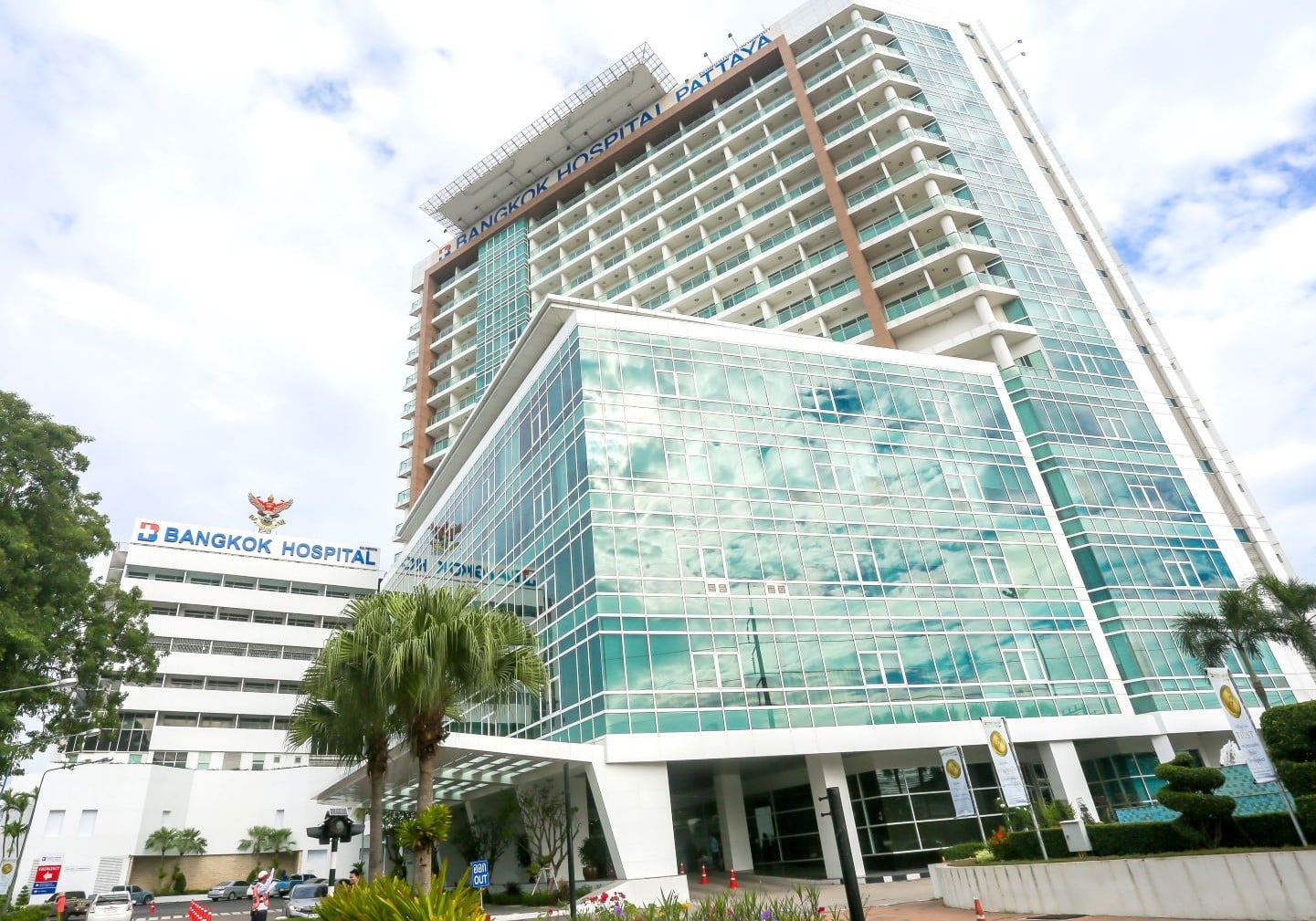
متطلب «Fit to Fly» هو تصريح طبي يثبت أنك بصحة جيدة بما يكفي للسفر جواً بعد الجراحة. بالنسبة لمرضى كسور الساعد في تايلاند، يتضمن هذا عادةً خطاباً رسمياً من جراحك في مرافق معتمدة من اللجنة الدولية المشتركة (JCI) مثل مستشفى بامرونجراد الدولي أو مستشفى بانكوك باتايا.
- الإطار الزمني القياسي: ينتظر المرضى عادةً من 24 إلى 48 ساعة بعد وضع الجبيرة قبل السفر.
- الوثائق الإلزامية: تطلب معظم شركات الطيران نموذج MEDIF أو خطاباً رسمياً من الجراح للصعود إلى الطائرة.
- بروتوكولات الجبيرة: قد تتطلب الرحلات الطويلة شق الجبيرة لاستيعاب التورم الناتج عن ضغط المقصورة.
- مدة الرحلة: تتطلب الرحلات الدولية التي تزيد مدتها عن 4 ساعات غالباً انتظاراً لمدة أسبوعين بعد العملية.
رؤية خبراء Bookimed: تخدم مراكز العظام التايلاندية مثل مستشفى KDMS التخصصي 1000 مريض سنوياً وتعطي الأولوية لملخصات الخروج التفصيلية. بالنسبة لكسور الساعد، العقبة الرئيسية ليست العظم نفسه، بل ضغط المقصورة الذي يؤثر على الدورة الدموية. تأكد من أن جراحك في مستشفى Intrarat أو عيادة ID يذكر قيوداً محددة لمدة الرحلة، حيث ترفض شركات الطيران غالباً ملاحظات اللياقة للسفر العامة التي تفتقر إلى تصريح محدد زمنياً.
إجماع المرضى: يقترح العديد من المسافرين إبقاء الذراع مثبتة في حمالة أثناء الرحلة حتى لو كنت تشعر بالتعافي. هذا التلميح البصري يمنع موظفي البوابة من التشكيك في استقرار حالتك ويضمن الحصول على مساعدة ذات أولوية أثناء الصعود.
متى يمكنني استئناف الأنشطة العادية وممارسة الرياضة بعد الجراحة؟
يستأنف معظم المرضى الأنشطة الخفيفة مثل العمل المكتبي بعد 6 أسابيع من جراحة كسر الساعد في تايلاند، بشرط أن تُظهر الأشعة السينية التئاماً كافياً للعظام. في حين يبدأ المشي الخفيف في غضون 48 ساعة، تتطلب الرياضات عالية التأثير أو رفع الأثقال عادةً من 12 إلى 16 أسبوعاً من التعافي تحت إشراف طبيب العظام.
- فترة التثبيت: توقع قضاء 4 إلى 6 أسابيع في جبيرة أو دعامة لضمان الاستقرار.
- التمارين الخفيفة: غالباً ما يبدأ الجري الخفيف في الأسبوع 8 إلى 10 إذا ظل محاذاة العظام مستقراً.
- الرياضات الكاملة: تجنب رياضات الالتحام لمدة 6 أشهر لمنع مخاطر إزاحة الأجهزة الجراحية.
- العلاج الطبيعي: ابدأ التأهيل المهني من الأسبوع الثاني لاستعادة قوة القبضة وحركة المعصم.
رؤية خبير Bookimed: تستخدم مراكز العظام التايلاندية مثل مستشفى بامرونجراد الدولي التصوير الرقمي والسجلات الصحية الإلكترونية لمراقبة الشفاء عن بُعد. تُظهر البيانات من 141 عيادة تايلاندية أن الالتزام بجلسات العلاج الطبيعي المحلية، والتي تتميز بأسعار معقولة جداً، يقلل بشكل كبير من خطر حساسية الأعصاب على المدى الطويل.
إجماع المرضى: يجد الكثيرون أن وخز الأعصاب يستمر لمدة 4 أشهر حتى بعد التئام العظم. يعد اتباع روتين صارم لاستخدام الثلج ورفع الطرف المصاب بدءاً من الأسبوع الثاني أمراً ضرورياً للتعامل مع هذا الانزعاج.
ما الذي تتضمنه عادةً باقة جراحة كسر الساعد في تايلاند؟
تتضمن باقات جراحة كسر الساعد في تايلاند عادةً الجراحة العظمية الأساسية، ورسوم التخدير، والإقامة في غرفة مستشفى خاصة لمدة تتراوح بين ليلتين إلى 4 ليالٍ. تغطي هذه الباقات الشاملة أيضًا التصوير التشخيصي قبل الجراحة، والأدوات الجراحية الأساسية مثل شرائح التيتانيوم، وجلسات التأهيل الأولية مع رعاية تمريضية احترافية.
- الطب الأساسي: يغطي أتعاب الجراح، والتخدير العام، والوصول إلى مرافق غرف العمليات المتقدمة.
- الإقامة في المستشفى: تشمل الإقامة من ليلتين إلى 4 ليالٍ في غرف خاصة مع دعم تمريضي على مدار 24 ساعة.
- الأدوات الطبية: تتضمن الباقات القياسية عادةً مواد التثبيت الداخلي مثل الشرائح والبراغي الطبية.
- التشخيص: تشمل الباقات صور الأشعة السينية قبل الجراحة، وتحاليل الدم المخبرية، والتصوير الأولي بعد الجراحة.
رؤية خبير Bookimed: تقدم تايلاند ميزة فريدة من خلال مراكز متخصصة مثل مستشفى KDMS التخصصي للعظام. يركز هذا المرفق حصريًا على حالات العظام والمفاصل مع 50 طبيبًا متخصصًا. غالبًا ما يضمن اختيار مثل هذه المستشفيات المتخصصة حجمًا أكبر من العمليات الجراحية ومسارات تعافي أكثر انسيابية مقارنة بالمراكز الطبية العامة.
إجماع المرضى: يقدر المرضى الطبيعة الشاملة لتكاليف الأدوات الطبية، والتي غالبًا ما يتم تجميعها دون رسوم إضافية. يوصي الكثيرون بتخصيص ميزانية إضافية بنسبة 20% للتصوير المتقدم أو جلسات العلاج الطبيعي الممتدة.
ما الذي يجب أن أتجنبه قبل المجيء إلى تايلاند لإجراء جراحة؟
قبل جراحة كسر الساعد في تايلاند، تجنب مميعات الدم، ومضادات الالتهاب غير الستيروئيدية مثل الإيبوبروفين، والمكملات العشبية لمدة أسبوعين. توقف عن التدخين وشرب الكحول قبل 4 أسابيع من إجراء العملية لمنع تأخر الشفاء. لا تأكل أو تشرب لمدة 8 ساعات قبل التخدير لضمان سلامة الجراحة.
- قيود الأدوية: تجنب الأسبرين وزيت السمك وفيتامين E لمنع حدوث كدمات مفرطة في الساعد.
- عادات نمط الحياة: توقف عن النيكوتين قبل 4 أسابيع من الجراحة لأنه يقيد تدفق الدم والتئام العظام.
- سلامة النظام الغذائي: تجنب طعام الشارع ومياه الصنبور لمنع الإسهال قبل موعد الجراحة.
- توقيت الوصول: لا تسافر جواً مباشرة قبل الجراحة؛ حيث يزيد ضغط المقصورة من تورم كسر الطرف.
رؤية خبير Bookimed: بينما تقدم العديد من المستشفيات العامة جراحات العظام، تركز مراكز مثل مستشفى KDMS التخصصي للعظام في بانكوك حصرياً على رعاية العظام والمفاصل. غالباً ما يوفر اختيار منشأة متخصصة إمكانية الوصول إلى فرق إعادة تأهيل متخصصة تتعامل مع حالات التثبيت والصفائح المعقدة يومياً. هذا التخصص هو سبب رئيسي لجذب تايلاند لأكثر من مليون مريض دولي سنوياً.
إجماع المرضى: يحذر المرضى من أن تناول الكحول أو التدخين بعد فترة وجيزة من إصلاح الكسر يمكن أن يتسبب في إعادة فتح الجروح. يقترح الكثيرون توقيت رحلتك خارج موسم الأمطار للحفاظ على جفاف الجبس وتجنب مخاطر العدوى.