عيادات جراحة تصحيح تشوه العظام في تايلاند


تمت مراجعة المقالة طبيا من قبل
فهد مولود
كيف نعمل؟
ما هي تكلفة جراحة تصحيح تشوه العظام في تايلاند؟ اكتشف الآن
من $9,700 / 329,800฿. تعتمد التكلفة النهائية على نوع التشوه، والتقنية الجراحية، وموقع العيادة. تشمل الأسعار القياسية عادةً الإجراء الجراحي، والتخدير، والإقامة الضرورية في المستشفى.
- بضع العظم: من السعر عند الطلب إلى السعر عند الطلب لإجراءات إعادة محاذاة العظام جراحياً.
- تصنيف المستشفى: غالباً ما تكون تكاليف المراكز المتخصصة في جراحة العظام في بانكوك أعلى من المرافق العامة.
- المراكز الطبية: يقع معظم مراكز العظام ذات معدلات العمليات المرتفعة في بانكوك وفوكيت.
- تكاليف التقنيات المتقدمة: ترتفع التكاليف بنسبة 20-30% للإجراءات التي تتطلب تقنيات الروبوت المساعدة لجراحات العمود الفقري أو المفاصل.
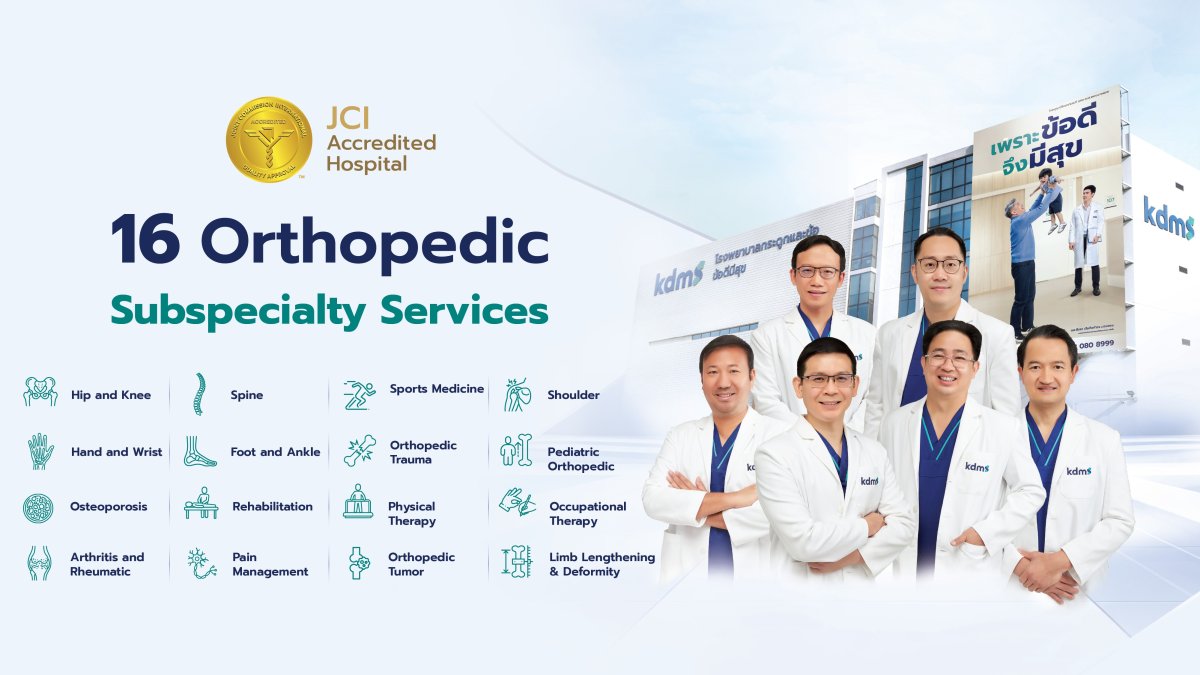
رأي خبراء Bookimed: يوفر اختيار مرفق متخصص في جراحة العظام مثل مستشفى KDMS المتخصص للعظام قيمة فائقة. رغم توفر المستشفيات العامة، يُعد KDMS أول مرفق رائد في تايلاند مخصص حصرياً لرعاية العظام والمفاصل. يعالج المستشفى 1,000 مريض سنوياً بتركيز تخصصي. يحمل الجراحون الخبراء هنا، مثل دكتور ثونغشاي ثيراجوميابورن، زمالات أمريكية مرموقة وشهادات في الجراحة المتقدمة بمساعدة الروبوت.
| تايلاند | تركيا | إسبانيا | |
|---|---|---|---|
| جراحة تصحيح تشوه العظام | من $9,700 / 329,800฿ | من $6,400 / 217,600฿ | من $22,500 / 765,000฿ |
اكتشف أفضل جراحة تصحيح تشوه العظام العيادات في تايلاند: 5 خيارات معتمدة والأسعار

LUX KOR Hospital
Dr. Chen Surgery Hospital International Center
نظرة عامة على جراحة تصحيح تشوه العظام في تايلاند
- العلاج الجراحي لكسر الساعد - من $3,200
تقوم هذه العملية بإعادة تنظيم العظام المكسورة في الذراع ، باستخدام ألواح أو قضبان أو براغي ، مما يوفر تعافيًا أسرع وأكثر راحة.
- علاج كسور العظام - من $30
يقوم هذا الإجراء بإصلاح العظام المكسورة ، من خلال الجبيرة أو الجراحة أو الجر ، مما يعزز التعافي السريع واستعادة القدرة على الحركة.
- جراحة تصحيح تشوه العظام - من $9,700
يصحح الإجراء أشكال العظام غير المنتظمة ، ويحسن الوظيفة البدنية ويقلل الانزعاج من خلال التعديلات الجراحية الدقيقة.
اليوم 1
- الوصول إلى المستشفى.
- تسجيل الوصول واستكمال الأوراق اللازمة.
- قابل الجراح للاستشارة قبل العملية.
اليوم الثاني
- اخضع لاختبارات ما قبل الجراحة ، مثل الأشعة السينية واختبارات الدم.
- قابل طبيب التخدير لمناقشة خيارات التخدير.
يوم 3
- تحدث جراحة تصحيح تشوه العظام.
- التخدير تدار.
- تستغرق الجراحة حوالي 2-4 ساعات.
اليوم الرابع
- نقاهة ما بعد الجراحة في المستشفى.
- المراقبة المنتظمة من قبل الطاقم الطبي للمضاعفات.
يوم 5
- الخروج من المستشفى إذا كانت الشفاء مرضية.
- التعليمات المعطاة للرعاية المنزلية والأدوية.
الأسبوع 1-2
- فترة التعافي الأولية في المنزل.
- مواعيد المتابعة المنتظمة مع الجراح.
الأسبوع 3-6
- ابدأ العلاج الطبيعي لاستعادة الحركة.
- العودة تدريجيًا إلى الأنشطة الخفيفة.
الأسبوع 7-12
- العودة إلى العمل حسب طبيعة الوظيفة.
- استمر في العلاج الطبيعي حسب الحاجة.
الشهر 6
- الفحص النهائي للتأكد من تصحيح العظام بنجاح.
- ناقش أي مخاوف أو مشاكل طويلة الأمد مع الجراح.
يرجى ملاحظة أن الجدول الزمني للتعافي لكل مريض سيختلف بناءً على الظروف الصحية الفردية ومدى تعقيد الجراحة. استشر جراحك دائمًا للحصول على مشورة شخصية.
- إيداع Bookimed: 200 دولار أو 200 يورو.
- وديعة العيادة: ادفع نسبة محددة مقدمًا.
احصل على تقييم طبي لـ جراحة تصحيح تشوه العظام في تايلاند: اختر أخصائيك من بين الأفضل في هذا المجال
عرض جميع الأطباء
Dr Theeracha Wuttiphan
متخصص في إجراءات العظام والمفاصل مع أكثر من عقد من الخبرة في جراحة العظام.
- خبير في الجراحة بالمنظار في مستشفى جامعة ثاماسات
- ماهر في جراحة العمود الفقري مع خبرة في مستشفيات راجافيثي وبولو ميموريال
- يمارس العلاج بالخلايا الجذعية لآلام المفاصل والظهر في مركز ID الطبي
- حاصل على دبلوم في العظام والمفاصل

Dr Thongchai Theerajumyaporn
متخصص في جراحة العمود الفقري بمساعدة الروبوت وتشوهات العظام المعقدة – تدرب في أفضل المؤسسات في الولايات المتحدة وتايلاند.
- زمالة في إعادة بناء مفصل الورك والركبة في جامعة كاليفورنيا كاليفورنيا، ديفيس
- خبير في تقنيات جراحة العمود الفقري طفيفة التوغل
- نشر العديد من الأوراق البحثية حول دمج الفقرات والبروتينات المكونة للعظام
- تدرب في مستشفى سيريراج، المؤسسة الطبية الرائدة في تايلاند
المراجعات
جميع المراجعاتمشاركة المحتوى
قصص فيديو من مرضى Bookimed
 Anna Leonova
أسئلة متكررة حول جراحة تصحيح تشوه العظام في تايلاند
ما هي المستندات المطلوبة للتقدم للحصول على تأشيرة لتايلاند للعلاج؟
للتقدم للحصول على تأشيرة دخول إلى تايلاند ، هناك عدد من المستندات المطلوبة. يمكن تقديم الأوراق اللازمة قبل 90 يومًا من المغادرة المخطط لها. قائمة الوثائق تشمل :
- بطاقة الهوية
- تأكيد التسجيل عبر الإنترنت وملء الاستبيان
- شهادة الدخل والأموال (20000 باهت لكل شخص / 40 ألف بات لكل أسرة)
- بوليصة التأمين لفترة الإقامة في تايلاند (الأصل والنسخة)
- 2 صورة (4x6)
- الحصول على تأشيرة
- تذكرة طيران ذهابًا وإيابًا (مدفوعة بالكامل) وحجز الفنادق
- رأي الطبيب في الحاجة للعلاج.
ما هو مستوى الطب في تايلاند؟
الرعاية الصحية هي قطاع التنمية الرئيسي للحكومة التايلاندية. السلطات التايلاندية مقتنعة بأن رعاية صحة المواطنين يجب أن تكون أولوية غير مشروطة لسياسة الدولة ، وتنفق سنويًا حوالي 25 مليار بات على الرعاية الصحية.
نتيجة لذلك ، توفر 36673 منشأة طبية رعاية طبية ممتازة في البلاد. تم اعتماد 64 مركزًا طبيًا في المملكة من قبل اللجنة المشتركة الدولية (JCI) ، وهي هيئة دولية لتحسين جودة وسلامة الخدمات الطبية في جميع أنحاء العالم. فهرس الشهادات المتلقاة هو الأكبر. للمقارنة ، هناك 20 مؤسسة معتمدة من اللجنة الدولية المشتركة في إسرائيل ، و 10 عيادات فقط من هذا النوع في ألمانيا.
ما هو أفضل وقت للذهاب إلى تايلاند؟
الميزة الرئيسية للمنتجعات التايلاندية هي موسم الشاطئ الطويل. يختلف المناخ على السواحل الشرقية والغربية ، لذا ضع ذلك في الاعتبار عند التخطيط لرحلتك. أفضل وقت للسفر هو خلال الموسم البارد والجاف من نوفمبر إلى أوائل أبريل. يحدث تدفق كبير للسياح في مارس ومايو ، عندما تصل درجة حرارة الهواء إلى + 30 درجة مئوية.
ما تحتاج لمعرفته عن تايلاند قبل رحلتك؟
اسم رسمي | مملكة تايلاند |
عملة | البات التايلندي (يمكنك أيضًا الدفع مقابل الخدمات بالدولار) |
أفضل فترة للسفر | نوفمبر - بداية أبريل |
لغة | التايلاندية (معظم الطاقم الطبي يتحدث الإنجليزية بطلاقة) |
تأشيرة | مطلوب لرحلة مدتها 3-6 أشهر |
فارق التوقيت مع أوروبا | الساعه 7 |
فارق التوقيت من الولايات المتحدة الأمريكية |
يوجد في مملكة تايلاند فنادق ذات نطاقات أسعار ومستويات خدمة مختلفة. مستوى الفنادق التايلاندية مشابه للفنادق في تونس أو المغرب أو مصر. يختار معظم السياح فنادق 4 و 5 نجوم مع وجبات شاملة كليًا. تحتوي هذه الفنادق على كل شيء لإقامة مريحة: طعام متنوع ، منطقة كبيرة جيدة الإعداد ، رسوم متحركة للأطفال والكبار. تحتوي بعض الفنادق على حديقة مائية خاصة بها ، والتي يمكن للضيوف استخدامها مجانًا. يمكن للمسافرين ذوي الميزانية المحدودة حجز فندق اقتصادي من فئة 3 نجوم مع نصف إقامة أو بدون وجبات على الإطلاق.
|