العلاج الدوائي للذئبة الحمامية الجهازية في تايلاند — احصل على 3 عيادات مطابقة مع التكاليف


تمت مراجعة المقالة طبيا من قبل
فهد مولود
ما هي تكلفة العلاج الدوائي للذئبة الحمامية الجهازية في تايلاند؟ اكتشف الآن
تتراوح تكلفة العلاج الدوائي للذئبة الحمراء الجهازية في تايلاند بين $800 / 27,200฿ و $1,600 / 54,400฿. يعتمد إجمالي النفقات على نوع الدواء وشدة المرض وتكرار المتابعة المطلوبة. تشمل الرعاية التايلاندية القياسية جلسات الاستشارة الأوليّة، وإدارة الوصفات الطبية، والتحاليل الدورية.
- الأدوية القياسية: من $800 / 27,200฿ إلى $1,600 / 54,400฿ لباقات الإدارة الأساسية.
- العلاج البيولوجي: غالباً ما يضيف تكلفة إضافية كبيرة نظراً للحاجة إلى حقن وريدية متطورة.
- الحقن المتخصصة: تتطلب العلاجات الموجهة لالتهاب الكلى الذئبي ميزانيات أعلى عادةً.
- الفحوصات التشخيصية: تزداد التكاليف مع إجراء تحاليل مناعية إضافية واختبارات وظائف الأعضاء.
رأي خبراء Bookimed: تُعد تايلاند مركزاً طبياً رئيسياً يضم أكثر من 130 عيادة متخصصة. تدمج المراكز الكبرى في بانكوك غالباً أتعاب الأطباء ورعاية التمريض ضمن باقات موحدة. هذا يمنع ممارسة الفواتير المنفصلة الشائعة في دول خارج السعودية. ورغم أن العلاج القياسي ميسور التكلفة، يمكن للأدوية البيولوجية زيادة التكاليف بنسبة 500%. يُنصح باختيار مراكز تحتوي على مختبرات مناعة داخلية للحصول على نتائج أسرع. يضمن ذلك تعديل الأدوية في الوقت المناسب أثناء نوبات نشاط المرض.
| تايلاند | تركيا | إسبانيا | |
|---|---|---|---|
| العلاج الدوائي للذئبة الحمامية الجهازية | ≈ $800 / 27,200฿ | ≈ $900 / 30,600฿ | ≈ $1,200 / 40,800฿ |
مزاياك وضماناتك مع Bookimed
أسعار مباشرة
Bookimed لا يضيف رسوماً إضافية على أسعار العلاج الدوائي للذئبة الحمامية الجهازية. الأسعار مأخوذة من قوائم الأسعار الرسمية للعيادات. تدفع مباشرة في العيادة مقابل العلاج الدوائي للذئبة الحمامية الجهازية عند وصولك.
عيادات وأطباء معتمدون فقط
Bookimed ملتزم بسلامتك. نحن نعمل فقط مع المؤسسات الطبية التي تحافظ على معايير دولية عالية في العلاج الدوائي للذئبة الحمامية الجهازية ولديها التراخيص اللازمة لخدمة المرضى الدوليين في جميع أنحاء العالم.
مساعدة مجانية على مدار الساعة
Bookimed يقدم مساعدة خبراء مجانية. منسق طبي شخصي يدعمك قبل وأثناء وبعد العلاج، ويحل أي مشاكل. لن تكون وحيداً أبداً في رحلة العلاج الدوائي للذئبة الحمامية الجهازية.

منسقك الطبي الشخصي في Bookimed
- يدعمك في كل مرحلة
- المساعدة في اختيار العيادة الطبية المناسبة والطبيب المناسب
- يضمن الوصول السريع والمريح إلى المعلومات
اكتشف أفضل العلاج الدوائي للذئبة الحمامية الجهازية العيادات في تايلاند: 1 خيار معتمدة والأسعار
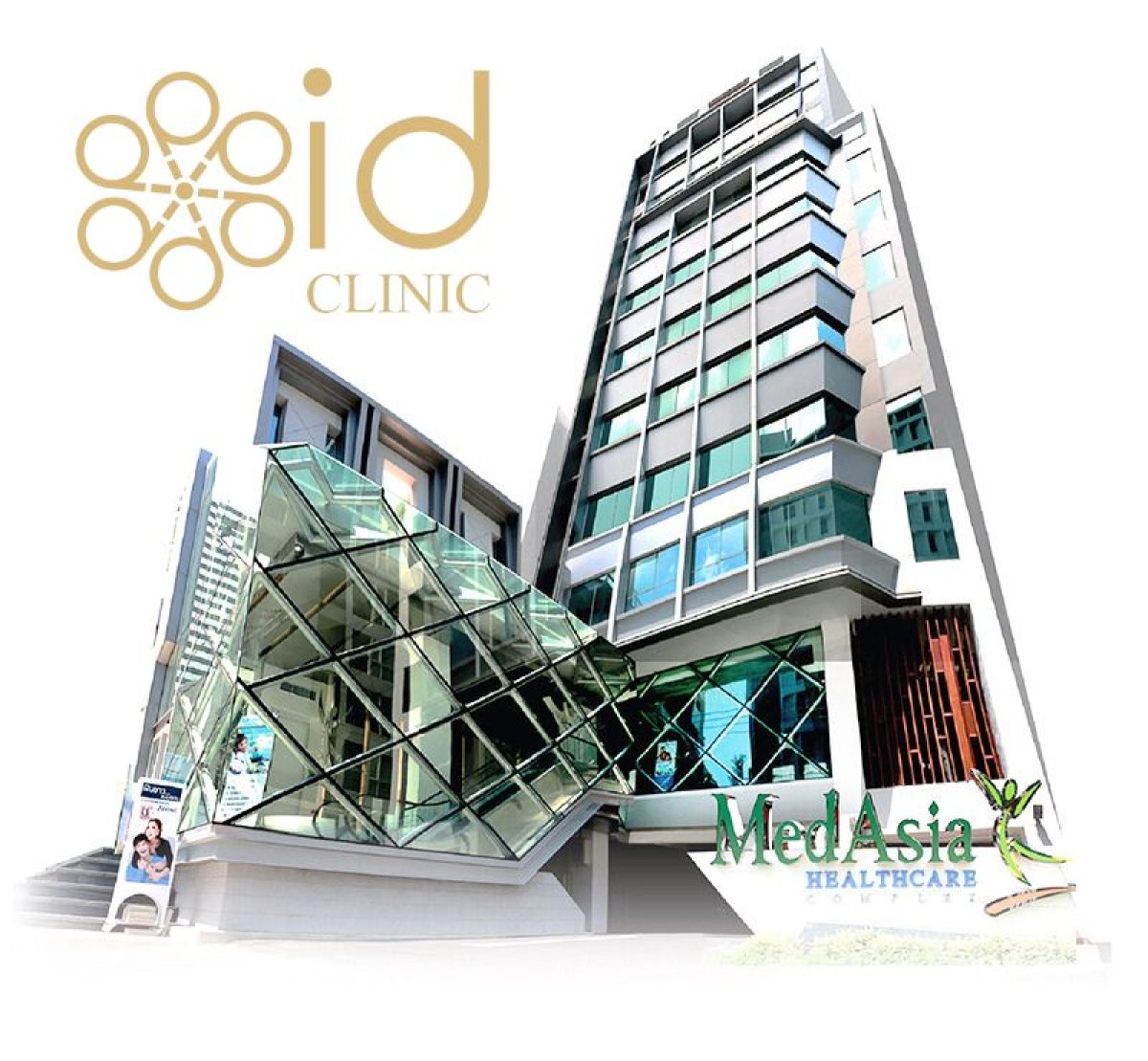

نظرة عامة على العلاج الدوائي للذئبة الحمامية الجهازية في تايلاند
- علاج الأعراض - من $170
يستهدف هذا العلاج الأعراض وليس الأسباب لتخفيف الانزعاج والمساعدة على التعافي السريع من أجل حياة أكثر راحة.
- العلاج الدوائي للذئبة الحمامية الجهازية - من $800
يهدف هذا العلاج إلى السيطرة على أعراض مرض الذئبة عن طريق الأدوية ، وتصميم العلاج وفقًا لاحتياجات المريض ، وتقديم تخفيف الأعراض.
اليوم الأول - الوصول
- نقل من المطار إلى العيادة.
- تحقق في جناح بسريرين.
- استشارة أولية مع الطبيب.
اليوم 2 - ما قبل العلاج
- التشاور مع أخصائي أمراض الروماتيزم.
- الخضوع للفحوصات الطبية اللازمة.
- ضع اللمسات الأخيرة على خطة العلاج مع الطبيب.
اليوم الثالث - العلاج الدوائي
- ابدأ العلاج الدوائي لمرض الذئبة الحمامية الجهازية.
- راقب الاستجابة للأدوية على مدار اليوم.
- البقاء بين عشية وضحاها في العيادة للمراقبة.
من اليوم الرابع إلى اليوم السابع - ما بعد العلاج
- المراقبة المستمرة للاستجابة للعلاج.
- استشارات المتابعة مع أخصائي أمراض الروماتيزم.
- تعديل العلاج حسب الحاجة.
الأسبوع الثاني - إعادة التأهيل
- ابدأ استشارات المتابعة الخارجية.
- استمر في تناول الدواء الموصوف حسب التوجيهات.
- تقييم التقدم وتعديل العلاج حسب الحاجة.
الأسبوع 3-4 - إعادة التأهيل الإضافية
- العودة التدريجية إلى الأنشطة العادية.
- استشارة متابعة مع أخصائي أمراض الروماتيزم.
- يتم تقييم النتائج النهائية للعلاج.
يرجى ملاحظة أن استجابة كل مريض للعلاج يمكن أن تختلف. اتبع دائمًا نصيحة طبيبك.
- إيداع Bookimed: 200 دولار أو 200 يورو.
- وديعة العيادة: ادفع نسبة محددة مقدمًا.
Bookimed.com هي عبارة عن منصة عالمية للسياحة الطبية تتحمل مسؤولية كبيرة لعملائها ، من المرضى والمراكز الطبية ، من خلال توفير معلومات وخبرات عالية الجودة تتعلق بالعلاج الدوائي لمرض الذئبة الحمامية الجهازية والخدمات الطبية الأخرى في تايلاند. تستند جميع المعلومات المقدمة على الموقع إلى البحث والاستبصار والخبرة لتلبية الاهتمام الكبير المتعلق بالمنتج وما يلي:
نظام التصنيف التلقائي الذكي
تشكل Bookimed.com قوائمها للعيادات والأطباء مع لوائح صارمة لنظام التصنيف التلقائي الذكي الخاص بها بناءً على الأسعار الحقيقية للمرضى لتوفير المعلومات الأكثر موضوعية وشفافية حول العيادات والخدمات الطبية في تايلاند. يجمع عالم البيانات ذو الخبرة في Bookimed.com البيانات يوميًا ، ويراقب ويحسن نظام التصنيف باستخدام التعلم الآلي والذكاء الاصطناعي لضمان تحديث نظام التصنيف وتقديم نتائج دقيقة.
تجربة الناس الحقيقية فقط
لا يجمع موقع Bookimed.com آراء عملائه إلا بعد الحصول على خبرة طبية مع العيادة ، لذلك يمكن للجميع على المنصة الوثوق بالمنشأة التي يختارونها للعلاج الدوائي لمرض الذئبة الحمامية الجهازية في تايلاند. يضمن الموقع حرية التعبير عن الآراء النقدية وينشر المراجعات الإيجابية والسلبية ، بهدف أن يكون مصدرًا لاتخاذ قرارات مستنيرة لعملائه في المستقبل.
مواضيع ذات مستويات عالية من الخبرة والسلطة والجدارة بالثقة
على Bookimed.com ، يمكن للمرضى العثور على الاختيار والراحة للعثور على أفضل الحلول الطبية من كبار مزودي الخدمات الطبية في تايلاند في مكان واحد فقط ، وغالبًا بأسعار تنافسية. يقوم ممثلو العيادة بتحديث السير الذاتية للأطباء ، وقدرات العيادات ، والصور قبل وبعد ، والأسعار ، والحزم ، والعروض الخاصة بأنفسهم قريبًا لتقديم أحدث المعلومات. يمكن للمرضى مقابلة ممثل العيادة والتحقق من تاريخ المحتوى المحدث في صفحة كل عيادة للتأكد من مصداقيتها.
تم إنشاء المدونة والقطع الداعمة من Bookimed.com من قبل مؤلفين محترفين يتمتعون بخبرة لا تقل عن 3 سنوات في الكتابة الطبية ويتم تحريرها بواسطة متخصصين طبيين يتمتعون بخبرة إكلينيكية وبحثية ذات صلة لتعزيز وصول المريض إلى المعلومات الصحية ، مما يجعلها خبراء ولكن يسهل فهمها . تتبع جميع القطع إرشادات التحرير الخاصة بـ Bookimed.
القيم المحجوزة
يقدر موقع Bookimed.com الأشخاص ويهدف إلى تقديم أفضل الخدمات الطبية المتعلقة بالعلاج الدوائي لمرض الذئبة الحمامية الجهازية والعلاجات الطبية الأخرى في تايلاند. يتم جمع جميع البيانات المقدمة على المنصة وتحريرها ومراجعتها وتحديثها بانتظام من قبل المرضى والعيادات الشريكة والفريق ، بما في ذلك المجلس الاستشاري الطبي Bookimed ، الذي يتكون من أطباء مشهورين عالميًا يتمتعون بخبرة قيمة تزيد عن 20 عامًا من الممارسة و سمعة إيجابية. تعلم المزيد عنا وعن مهمتنا .
في حالة ظهور أي خطأ أو أسئلة بخصوص المعلومات المقدمة على Bookimed.com بشأن العلاج الدوائي لمرض الذئبة الحمامية الجهازية في تايلاند ، يمكن للمرضى الاتصال بنا على marketing@bookimed.com .
مشاركة المحتوى
قصص فيديو من مرضى Bookimed
 Anna Leonova
أسئلة متكررة حول العلاج الدوائي للذئبة الحمامية الجهازية في تايلاند
ما هي الأدوية المستخدمة عادةً لعلاج الذئبة الحمراء الجهازية (SLE) في تايلاند، وهل تختلف قائمة الأدوية عن المعايير العالمية؟
تتبع تايلاند البروتوكولات الدولية لعلاج الذئبة الحمراء الجهازية (SLE) باستخدام هيدروكسي كلوروكوين، والكورتيكوستيرويدات، ومثبطات المناعة. وبينما تتماشى الأدوية مع المعايير العالمية، فإن التطبيق السريري يتبع إرشادات رابطة آسيا والمحيط الهادئ لجمعيات الروماتيزم (APLAR). تؤكد هذه الإرشادات على إجراء فحص مبكر للكلى ووقاية محددة من العدوى للمخاوف الإقليمية مثل السل.
- العلاج القياسي: يظل هيدروكسي كلوروكوين حجر الزاوية لجميع المرضى تقريبًا في تايلاند.
- الحالات الشديدة: تُستخدم جرعات النبض من ميثيل بريدنيزولون وسيكلوفوسفاميد لعلاج المظاهر التي تهدد الحياة مثل التهاب الكلية الذئبي.
- العوامل الموفرة للستيرويد: يُستخدم ميكوفينولات موفيتيل وآزاثيوبرين بشكل متكرر للصيانة طويلة الأمد.
- العلاجات البيولوجية المتقدمة: تتوفر علاجات معتمدة من إدارة الغذاء والدواء (FDA) مثل بيليموماب وريتوكسيماب للحالات المستعصية.
رؤية خبير Bookimed: في حين أن قوائم الأدوية تتطابق مع المعايير الغربية، غالبًا ما يعطي أطباء الروماتيزم التايلانديون الأولوية لفحص السل والتهاب الكبد قبل البدء في تثبيط المناعة القوي. يمكن للمرضى الحصول على هيدروكسي كلوروكوين عام بأقل من 15 دولارًا شهريًا. وهذا يجعل الصيانة طويلة الأمد ميسورة التكلفة بشكل ملحوظ مقارنة بالولايات المتحدة.
إجماع المرضى: يفيد المرضى أنه على الرغم من أن الأدوية البيولوجية تواجه بعض التأخير في الموافقة، فإن الأدوية العامة عالية الجودة توفر طريقة مستدامة لإدارة النوبات. يقدر الكثيرون نهج الرعاية المتك
هل علاج الذئبة الحمراء (SLE) في تايلاند آمن؟ كيف تتم مراقبة سلامة الأدوية؟
علاج الذئبة الحمراء (SLE) في تايلاند آمن. تتبع المراكز المتخصصة في بانكوك البروتوكولات الدولية لـ ACR و APLAR. تتم إدارة سلامة الأدوية من خلال نظام التيقظ الدوائي الوطني. تراقب هيئة الغذاء والدواء التايلاندية التفاعلات الضارة عبر مركز تيقظ المنتجات الصحية.
- المعايير السريرية: يستخدم المتخصصون معايير التصنيف والعلاج الخاصة بالكلية الأمريكية لأمراض الروماتيزم.
- الرقابة التنظيمية: تدير هيئة الغذاء والدواء التايلاندية سلامة الأدوية من خلال مركز تيقظ المنتجات الصحية.
- إبلاغ المرضى: يبلغ المرضى عن الأحداث الضارة مباشرة عبر برنامج الإبلاغ عبر الإنترنت AE.
- مراقبة الجودة: يقوم أطباء الروماتيزم بإجراء تحاليل ANA وخزعات الكلى واختبارات وظائف الأعضاء بانتظام.
رؤية خبير Bookimed: توفر المستشفيات الخاصة في بانكوك متابعة أدق مقارنة بالمرافق العامة. على الرغم من وجود 145 عيادة تخدم المنطقة، إلا أن الجودة هي الأعلى في العاصمة. يجب على المرضى التحقق من أصل الأدوية مباشرة مع صيادلة المستشفى. هذا يمنع المشاكل المتعلقة بالأدوية غير المعتمدة أو المزيفة التي توجد أحياناً في جنوب شرق آسيا.
إجماع المرضى: يقدر المرضى الوصول بأسعار معقولة إلى هيدروكسي كلوروكين والكورتيكوستيرويدات. يوصي الكثيرون بالاحتفاظ بطبيب روماتيزم غربي للحصول على آراء ثانية أثناء تغييرات الجرعات الكبيرة.
ما هي الآثار الجانبية المحتملة أو المخاطر طويلة المدى لأدوية الصيانة التي قد أتلقاها أثناء وجودي في تايلاند؟
تشمل أدوية صيانة الذئبة في تايلاند هيدروكسي كلوروكوين، وميثوتريكسات، والكورتيكوستيرويدات، والتي تحمل مخاطر مثل سمية الشبكية، وتليف الكبد، وتثبيط نخاع العظم. على الرغم من أن هذه الأدوية متاحة على نطاق واسع كأدوية عامة فعالة من حيث التكلفة، إلا أنها تتطلب مراقبة مستمرة من خلال تحاليل الدم والفحوصات المتخصصة لضمان السلامة على المدى الطويل.
- صحة العين: يتطلب هيدروكسي كلوروكوين إجراء فحوصات سنوية للعين للكشف عن سمية الشبكية في مراحلها المبكرة.
- مراقبة الأعضاء: يتطلب الاستخدام طويل الأمد للميثوتريكسات إجراء اختبارات متكررة لوظائف الكبد وتعداد دم كامل.
- الآثار التراكمية: يؤدي الاستخدام المزمن للستيرويدات غالبًا إلى هشاشة العظام، وإعتام عدسة العين، وارتفاع ضغط الدم الثانوي.
- خطر العدوى: يمكن لمثبطات المناعة مثل ميكوفينولات أن تزيد من القابلية للإصابة بالفيروس المضخم للخلايا أو القوباء المنطقية.
رؤية خبير Bookimed: غالبًا ما توفر العيادات في تايلاند أدوية الصيانة هذه كأدوية عامة عالية الجودة، مما يجعل العلاج طويل الأمد ميسور التكلفة بشكل ملحوظ. ومع ذلك، تكمن القيمة الحقيقية في تجميع الخدمات. يدرج بعض مقدمي الخدمة لوحات مختبرية أساسية وتشخيصات متخصصة في رسوم العلاج الأولية، والتي تتراوح بين $800 و $1,600.
إجماع المرضى: يؤكد المرضى أنه على الرغم من أن مكملات الفولات تعالج الآثار الجانبية للميثوتريكسات لدى 80% من المستخدمين، إلا أن اضطراب الجهاز الهضمي الأولي يظل عقبة شائعة. يقترح الكثيرون إحضار سجلاتك
هل يمتلك أطباء الروماتيزم التايلانديون المؤهلات والخبرة اللازمة لإدارة مرض الذئبة الحمراء (SLE)؟
يتمتع أطباء الروماتيزم التايلانديون بمؤهلات استثنائية لإدارة مرض الذئبة الحمراء (SLE). يحمل معظمهم دبلوم المجلس الفرعي التايلاندي لأمراض الروماتيزم. كما يحصل العديد من المتخصصين على شهادات البورد الأمريكية أو البريطانية. وهم يتبعون المبادئ التوجيهية الدولية للرابطة الآسيوية والمحيط الهادئ لجمعيات الروماتيزم (APLAR) للعلاجات البيولوجية والمثبطة للمناعة.
- التدريب المتخصص: يكمل الأطباء بشكل متكرر زمالات سريرية في الولايات المتحدة أو المملكة المتحدة أو أستراليا.
- العلاجات المتقدمة: توفر المستشفيات الخاصة في بانكوك وصولاً فورياً إلى الأدوية البيولوجية مثل بليموماب وريتوكسيماب.
- المعايير السريرية: يتبع المتخصصون بروتوكولات قائمة على الأدلة من الجمعية التايلاندية للروماتيزم لعلاج التهاب الكلية الذئبي.
- الرعاية متعددة التخصصات: تدمج مراكز التميز أطباء الكلى وأطباء الجلد لحالات إصابة الأعضاء المعقدة.
رؤية خبير Bookimed: على الرغم من أن تايلاند لديها حوالي 250 طبيب روماتيزم لـ 70 مليون نسمة، إلا أن الخبرة تتركز بشكل كبير. توظف المستشفيات الخاصة من الدرجة الأولى في بانكوك متخصصين يتعاملون مع أحجام أكبر بكثير من حالات SLE المعقدة مقارنة بأطباء الأقاليم. غالباً ما تؤدي هذه الكثافة السريرية إلى استقرار أسرع للمرضى الذين يحتاجون إلى تعديلات دوائية متقدمة.
إجماع المرضى: يوصي المرضى بطلب الرعاية في المؤسسات الكبرى في بانكوك لضمان الوصول إلى متخصصين يتحدثون الإنجليزية. يقترح الكثيرون إحضار السجلات الطبية الكاملة لتجاوز تأخيرات التشخيص
كم من الوقت سأحتاج للبقاء في تايلاند لخطة العلاج الأولية وتقييم المتابعة؟
يحتاج المرضى عادةً من 7 إلى 14 يومًا في تايلاند للعلاج الأولي بمرض الذئبة. تسمح هذه الفترة بإجراء فحوصات تشخيصية شاملة، ومراقبة حساسية الأدوية، وتعديلات الجرعات. غالبًا ما تنهي العيادات المتخصصة في بانكوك خطط العلاج وبروتوكولات الخروج في غضون 5 إلى 7 أيام.
- الفحص الأولي: تكتمل التقييمات السريرية الكاملة والاختبارات المعملية عادةً في غضون 48 ساعة.
- استقرار الدواء: يراقب الأطباء استجابات الأدوية الأولية لمدة 3 إلى 5 أيام بأمان.
- توقيت المتابعة: عادةً ما يتم تحديد مواعيد الزيارات الفعلية للمتابعة بعد شهر إلى 3 أشهر.
- التكامل الرقمي: يستخدم العديد من مقدمي الخدمات في بانكوك تطبيقات الصحة عن بُعد لتعديلات الأدوية الشهرية الروتينية.
رؤية خبير Bookimed: تتفوق البنية التحتية الطبية في تايلاند في سرعة التشخيص. بينما ينتظر المرضى في الولايات المتحدة غالبًا أسابيع للحصول على فحوصات الذئبة المتخصصة، تقدم المستشفيات الكبرى في بانكوك النتائج في غضون 24 ساعة. تسمح هذه الكفاءة للمرضى بالحصول على إمدادات دوائية لمدة 3 أشهر والعودة إلى ديارهم في وقت أقرب بكثير مما كان متوقعًا.
إجماع المرضى: يسلط المرضى الضوء بشكل متكرر على سهولة المغادرة مع جسر دوائي كامل. وجد معظمهم أن استخدام تطبيقات الهاتف المحمول للمتابعة قلل من الحاجة إلى السفر الدولي المتكرر.
أين توجد أفضل المستشفيات أو العيادات التي تتحدث الإنجليزية في تايلاند لرعاية مرض الذئبة الحمراء (SLE) الشاملة؟
تعد بانكوك المركز الرئيسي لرعاية مرض الذئبة الحمراء الجهازية باللغة الإنجليزية في تايلاند. تتميز المؤسسات الخاصة من الدرجة الأولى مثل مستشفى بامرونجراد الدولي (Bumrungrad International) ومقر مستشفى بانكوك (Bangkok Hospital Headquarter) بمراكز روماتيزم متخصصة. توظف هذه المرافق متخصصين مدربين في الغرب يتحدثون الإنجليزية بطلاقة لإدارة حالات الذئبة المعقدة التي تصيب أعضاء متعددة وبروتوكولات الأدوية المتخصصة.
- مستشفى بامرونجراد الدولي: تدير فرق متعددة التخصصات حالات معقدة مع أكثر من 50% من حجم المرضى الدوليين.
- مستشفى بانكوك: يتميز بعيادة مخصصة لالتهاب المفاصل والروماتيزم مع أجنحة رعاية متخصصة للمغتربين.
- مستشفى فيثاني (Vejthani Hospital): مرفق معتمد من اللجنة الدولية المشتركة (JCI) ويحظى بتقدير كبير من قبل المغتربين بسبب التواصل الواضح باللغة الإنجليزية.
- ساميتيفيج سوخومفيت (Samitivej Sukhumvit): يوفر دعمًا باللغة الإنجليزية على مدار الساعة طوال أيام الأسبوع وإدارة فعالة لتجديد الأدوية طويلة الأمد.
رؤية خبير Bookimed: في حين توفر المستشفيات الخاصة الفاخرة في بانكوك التجربة الأكثر سلاسة، غالبًا ما ينتقل المرضى الأذكياء إلى مستشفى سيريراي بياماهاراجكارون (Siriraj Piyamaharajkarun) للصيانة طويلة الأمد. يوفر هذا الجناح الخاص التابع لأقدم مستشفى جامعي في تايلاند إمكانية الوصول إلى أساتذة طب كبار. وهو يحافظ على كفاءة عالية في اللغة الإنجليزية بأسعار أكثر تنافسية للمراقبة الروتينية والعلاج المستقر.
إجماع المرضى: يوصي المرضى بال
هل يتم دعم طب الروماتيزم عن بعد واستمرارية الوصفات الطبية بعد مغادرتي تايلاند؟
يتم دعم طب الروماتيزم عن بعد واستمرارية الوصفات الطبية من خلال بوابات المرضى الدولية في المستشفيات التايلاندية الكبرى. توفر معظم المرافق متابعات افتراضية لتعديلات الأدوية والملخصات الطبية. ومع ذلك، فإن صرف الوصفات الطبية عبر الحدود مقيد قانوناً، وعادة ما يتطلب طبيباً محلياً لسد فجوة الرعاية بعد المغادرة.
- الاستشارات الافتراضية: تقدم المستشفيات الكبرى مواعيد عن بعد لإدارة مرض الذئبة المزمن وتعديلات خطة العلاج.
- الوثائق الطبية: يقدم المتخصصون ملخصات تفصيلية وتقارير مخبرية لتسهيل نقل الرعاية إلى الوطن.
- مستلزمات السفر: يمكن للمرضى قانوناً حمل مستلزمات شخصية من الأدوية تكفي لمدة تصل إلى 90 يوماً.
- قيود الشحن: غالباً ما يتم حظر تسليم الأدوية دولياً من قبل الجمارك أو قوانين التصدير الصارمة.
- وصفات طبية انتقالية: عادة ما يصدر الجراحون وصفة طبية لمدة 3 أشهر لتغطية الفترة الانتقالية إلى الرعاية المحلية.
رؤية خبير Bookimed: غالباً ما يستخدم أطباء الروماتيزم التايلانديون تطبيق MorProm للحفاظ على استمرارية لمدة عامين للأدوية غير الخاضعة للرقابة. في حين أن الجلسة تكلف ما بين 30 إلى 100 دولار تقريباً، فإن هذه الوصفات الإلكترونية تكون أكثر فعالية عند استخدام خدمات البريد الدولية. اطلب دائماً ملخصاً ورقياً موقعاً قبل المغادرة لتجنب فجوات الأدوية التي تستمر لمدة شهرين والتي يبلغ عنها المرضى عادةً.
إجماع المرضى: يستخدم العديد من المرضى الرعاية الصحية عن بعد بنجاح لمدة 6 أشهر بعد المغادرة. ومع ذلك، يحذرون من أن