علاج الأعراض في تايلاند — احصل على 3 عيادات مطابقة مع التكاليف


تمت مراجعة المقالة طبيا من قبل
فهد مولود
ما هي تكلفة علاج الأعراض في تايلاند؟ اكتشف الآن
من $130 / 4,400฿. يعتمد السعر النهائي على مستوى المؤسسة الطبية ومدى تعقيد الحالة. تشمل الرعاية القياسية استشارات المتخصصين الأولية، والفحوصات التشخيصية، والدورة الأولى من الأدوية الموصوفة.
- الرعاية في المستشفيات الخاصة: تزيد عادةً بنسبة 200-300 % عن المستشفيات العامة، لكنها توفر خدمات فندقية راقية.
- الاستشارات المتخصصة: تتراوح تكلفة جلسات الخبراء في المستشفيات الدولية عادةً بين 100 $ و 150 $.
- إعادة التأهيل بعد كوفيد: قد تضيف البرامج الطويلة ما بين 1,000 $ و 5,000 $ إلى التكاليف الأساسية.
- تكاليف التقنيات المتقدمة: تزيد العلاجات بالليزر أو التشخيص بمساعدة الروبوت من إجمالي تكلفة الباقة عادةً.
رأي خبراء Bookimed: يضمن اختيار مراكز معتمدة من JCI مثل مستشفى بامرونجراد الدولي الوصول إلى 1,300 طبيب عالمي. توفر المستشفيات الكبرى أسعاراً واضحة وتشخيصات تعتمد على الذكاء الاصطناعي، وإن كانت العيادات البسيطة أقل تكلفة. يستفيد المرضى من الرعاية المتكاملة بتعاون متخصصي إعادة التأهيل العصبي وطب الشيخوخة. غالباً ما يقلل هذا النهج المركزي من مدة الإقامة وتكاليف السفر الإجمالية.
| تايلاند | تركيا | إسبانيا | |
|---|---|---|---|
| علاج الأعراض | من $130 / 4,400฿ | من $220 / 7,500฿ | من $20,200 / 686,800฿ |
مزاياك وضماناتك مع Bookimed
أسعار مباشرة
Bookimed لا يضيف رسوماً إضافية على أسعار علاج الأعراض. الأسعار مأخوذة من قوائم الأسعار الرسمية للعيادات. تدفع مباشرة في العيادة مقابل علاج الأعراض عند وصولك.
عيادات وأطباء معتمدون فقط
Bookimed ملتزم بسلامتك. نحن نعمل فقط مع المؤسسات الطبية التي تحافظ على معايير دولية عالية في علاج الأعراض ولديها التراخيص اللازمة لخدمة المرضى الدوليين في جميع أنحاء العالم.
مساعدة مجانية على مدار الساعة
Bookimed يقدم مساعدة خبراء مجانية. منسق طبي شخصي يدعمك قبل وأثناء وبعد العلاج، ويحل أي مشاكل. لن تكون وحيداً أبداً في رحلة علاج الأعراض.

منسقك الطبي الشخصي في Bookimed
- يدعمك في كل مرحلة
- المساعدة في اختيار العيادة الطبية المناسبة والطبيب المناسب
- يضمن الوصول السريع والمريح إلى المعلومات
اكتشف أفضل علاج الأعراض العيادات في تايلاند: 5 خيارات معتمدة والأسعار






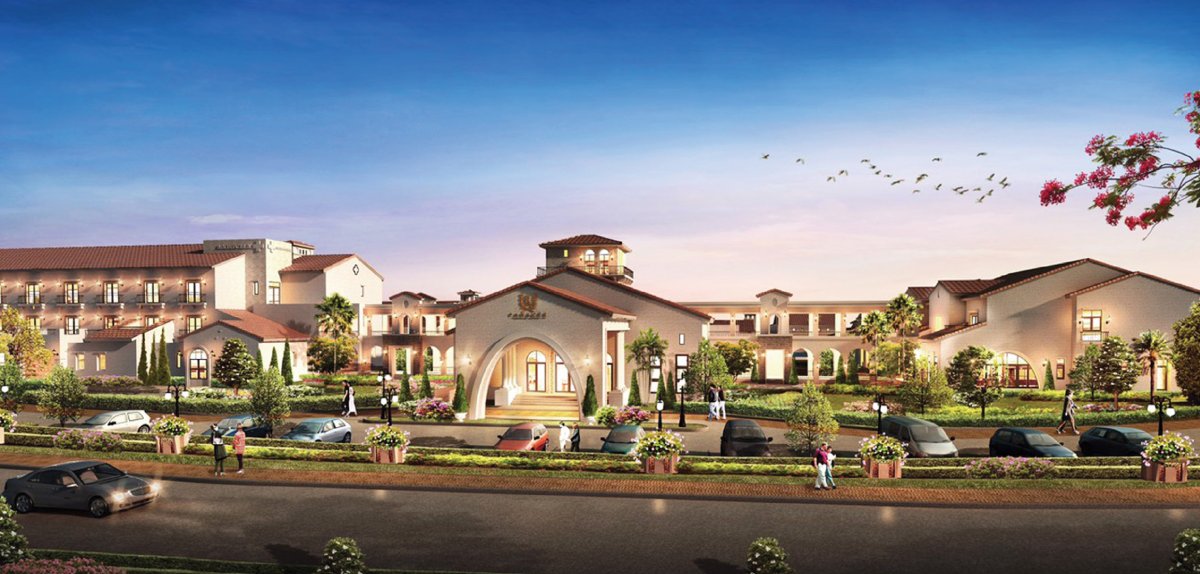

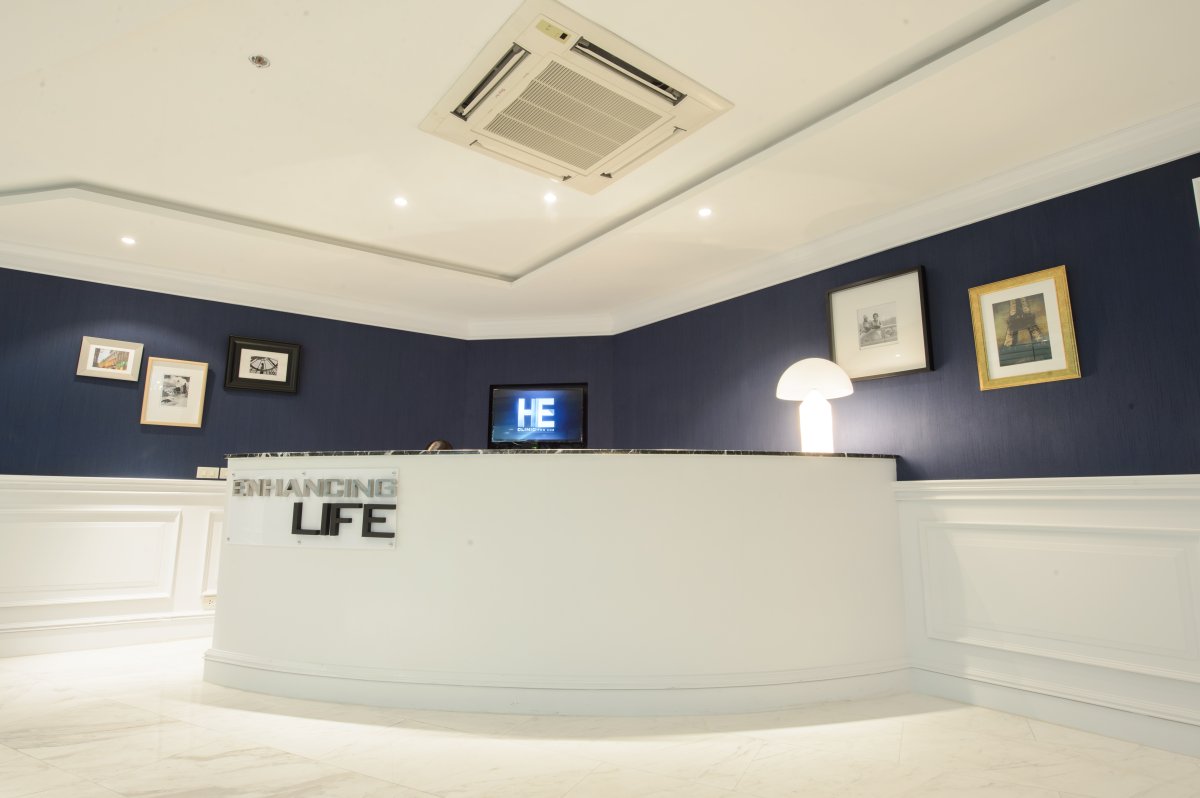
He Clinic Bangkok

Welida Health Wellness Center
نظرة عامة على علاج الأعراض في تايلاند
- علاج الأعراض - من $130
يستهدف هذا العلاج الأعراض وليس الأسباب لتخفيف الانزعاج والمساعدة على التعافي السريع من أجل حياة أكثر راحة.
- العلاج الدوائي للذئبة الحمامية الجهازية - من $800
يهدف هذا العلاج إلى السيطرة على أعراض مرض الذئبة عن طريق الأدوية ، وتصميم العلاج وفقًا لاحتياجات المريض ، وتقديم تخفيف الأعراض.
اليوم الأول - الوصول
- الوصول إلى البلاد.
- الانتقال إلى السكن (غير مشمول).
- الراحة والتأقلم مع البيئة الجديدة.
اليوم 2 - ما قبل العملية
- التقِ بالمتخصصين للاستشارة.
- اخضع لاختبار الانكسار الذاتي.
- يتم توفير المساعدة اللغوية إذا لزم الأمر.
اليوم الثالث - علاج الأعراض
- الوصول إلى العيادة.
- التحضير للإجراء (تطهير ، وارتداء ثوب الجراحة).
- اخضع لعلاج الأعراض (تختلف المدة حسب الحالة).
- تعافى بعد العملية تحت إشراف طبي.
اليوم 4 - بعد العملية
- ابق في العيادة للمراقبة.
- تلقي تعليمات ما بعد العملية من الفريق الطبي.
الأسبوع الأول - إعادة التأهيل
- اتبع خطة إعادة التأهيل المقررة.
- مراقبة التقدم وتعديل العلاج حسب الضرورة.
- العودة تدريجيًا إلى الأنشطة الخفيفة.
الأسبوع الثاني - إعادة التأهيل
- مواصلة برنامج إعادة التأهيل.
- العودة إلى العمل إذا وافق عليها الفريق الطبي.
- ممارسة الأنشطة الرياضية الخفيفة إذا وافق عليها الفريق الطبي.
الأسبوع 3 - النتيجة النهائية
- انظر النتيجة النهائية لعلاج الأعراض.
- العودة إلى الأنشطة الكاملة التي وافق عليها الفريق الطبي.
يرجى ملاحظة أن هذا دليل عام وأن العملية الدقيقة قد تختلف بناءً على الحالات الفردية.
- إيداع Bookimed: 200 دولار أو 200 يورو.
- وديعة العيادة: ادفع نسبة محددة مقدمًا.
بصفتنا المنصة العالمية الرائدة في مجال السياحة العلاجية ، فإننا نتحمل مسؤولية كبيرة أمام عملائنا - المرضى والمراكز الطبية على حد سواء. تستند جميع المعلومات المقدمة على Bookimed.com المتعلقة بعلاج الأعراض في تايلاند إلى البحث والاستبصار والخبرة وتلبي اهتمامًا كبيرًا كما يلي:
نظام التصنيف التلقائي الذكي
نحن نشكل قوائمنا للعيادات والأطباء مع لوائح صارمة لنظام التصنيف التلقائي الذكي الخاص بنا. يعتمد النظام على معدلات Bookimed الحقيقية للمرضى لتوفير المعلومات الأكثر موضوعية وشفافية حول العيادات والخدمات الطبية المتعلقة بعلاج الأعراض في تايلاند.
يجمع عالم البيانات ذو الخبرة لدينا البيانات يوميًا ، ويراقب ويحسن نظام التصنيف باستخدام التعلم الآلي والذكاء الاصطناعي لضمان تحديث نظام التصنيف وتقديم نتائج دقيقة.
تجربة الناس الحقيقية فقط
نحن نجمع آراء عملاء Bookimed فقط بعد الحصول على خبرة طبية مع العيادة المتعلقة بعلاج الأعراض في تايلاند - لذلك يمكن للجميع على المنصة الوثوق بالمنشأة التي يختارونها. نحن نسعى جاهدين لجعل المحتوى على منصتنا مفيدًا قدر الإمكان ونضمن حرية التعبير عن الآراء النقدية. وبالتالي ، ننشر مراجعات إيجابية وسلبية ، بهدف أن نكون مصدرًا لاتخاذ قرارات مستنيرة لعملائنا في المستقبل.
مواضيع ذات مستويات عالية من الخبرة والسلطة والجدارة بالثقة
على موقع Bookimed.com المتعلق بعلاج الأعراض في تايلاند ، قد تجد الاختيار والراحة للعثور على أفضل الحلول الطبية من كبار مزودي الخدمات الطبية في مكان واحد فقط ، وغالبًا بأسعار تنافسية. للتأكد من تقديم أحدث المعلومات ، يقوم ممثلو العيادة بتحديث السير الذاتية للأطباء ، وقدرات العيادات ، والصور قبل وبعد ، والأسعار ، والحزم ، والعروض الخاصة بأنفسهم قريبًا. يمكنك مقابلة ممثل العيادة والتحقق من تاريخ المحتوى المحدث في صفحة كل عيادة للتأكد من مصداقيتها.
تم إنشاء مدونتنا والقطع الداعمة المتعلقة بعلاج الأعراض في تايلاند بواسطة مؤلفين محترفين يتمتعون بخبرة لا تقل عن 3 سنوات في الكتابة الطبية وتحريرها بواسطة متخصصين طبيين يتمتعون بخبرة إكلينيكية وبحثية ذات صلة - تم تعيينهم جميعًا بعناية في الفريق. نحن نسعى جاهدين لتعزيز وصول المريض إلى المعلومات الصحية ، مما يجعلها خبيرة ولكن يسهل فهمها. تتبع جميع القطع إرشادات التحرير الخاصة بـ Bookimed.
القيم المحجوزة
نحن مصنوعون من الناس ومن أجلهم - وهذه هي قيمتنا الأساسية. هذا هو السبب في أن جميع البيانات المقدمة على النظام الأساسي المتعلقة بعلاج الأعراض في تايلاند يتم جمعها وتحريرها ومراجعتها وتحديثها بانتظام من قبل مرضانا وعياداتنا الشريكة وفريقنا ، بما في ذلك المجلس الاستشاري الطبي Bookimed ، الذي يتكون من العالم- أطباء مشهورون يتمتعون بخبرة قيمة تزيد عن 20 عامًا من الممارسة ، وسمعة طيبة. تعلم المزيد عنا وعن مهمتنا .
في حال وجدت أي خطأ أو لديك أي أسئلة حول المعلومات المقدمة على Bookimed.com المتعلقة بعلاج الأعراض في تايلاند ، فلا تتردد في الاتصال بنا على marketing@bookimed.com .
احصل على تقييم طبي لـ علاج الأعراض في تايلاند. استشر الآن 6 أطباء ذوي الخبرة.
عرض جميع الأطباء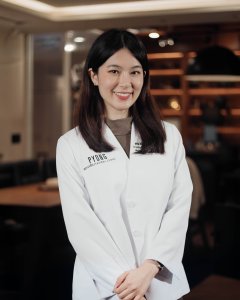
Sirinda Kittiprachakul
طبيب فيزيائي معتمد متخصص في إعادة التأهيل العصبي وإعادة التأهيل القلبي، مع تركيز قوي على دمج التقنيات المتقدمة في رعاية المرضى.
- خبرة في تقنية الوخز بالإبر الجافة الغربية (Western Dry Needling) لإدارة الألم
- نشط في الأبحاث السريرية والتدريس في جامعة شولالونغكورن
- تدرب في كلية الطب بجامعة هارفارد على تطبيقات الطب عن بعد
- نشر أبحاثاً في مجلات مرموقة مثل مجلة الكلية الأمريكية لأمراض القلب (JACC)
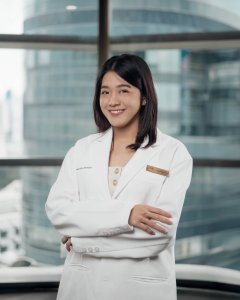
Ornicha Thititagul
يتخصص الدكتور ثيتيتغول في طب الشيخوخة مع التركيز على الشيخوخة والرعاية الوقائية في مجموعة بيونغ لإعادة التأهيل.
- حاصل على دبلوم في طب الشيخوخة وطبيب معتمد في طب نمط الحياة
- محاضر في كلية الطب بمستشفى سيريراج في جامعة ماهيدول
- مضيف ومنسق للمؤتمر الآسيوي العاشر للوهن وساركوبينيا 2024
- متحدث ضيف حول الشيخوخة ومتلازمات الشيخوخة للبرامج التدريبية
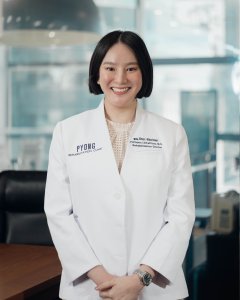
Patthama Likitwittaya
تتخصص الدكتورة باتاما ليكيتويتايا في طب إعادة التأهيل مع التركيز على تقنيات مبتكرة لإدارة الألم.
- حاصلة على شهادة المجلس التايلاندي لطب إعادة التأهيل
- باحثة رئيسية في دراسات مشية مرضى باركنسون
- مدربة على تقنيات متقدمة لإدارة الألم
- تخرجت بمرتبة الشرف الأولى في الطب
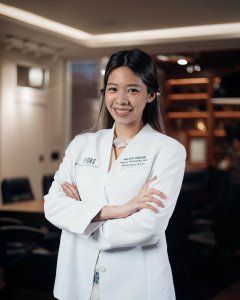
Rawipa Khunnarong
يتخصص الدكتور خونارونغ في إدارة الألم وإعادة التأهيل العصبي، مع تدريب متقدم في التقنيات التداخلية والطب الرياضي.
- طبيب فيزيائي في مستشفى الشرطة العام، بانكوك
- خبير في التعافي من السكتة الدماغية وإصابات الحبل الشوكي
- مدرب على الوخز بالإبر الجاف والتدخلات العضلية الهيكلية
- يقدم تقييم وإدارة عسر البلع
- نشط في تدريس والإشراف على الأطباء المقيمين
مشاركة المحتوى
قصص فيديو من مرضى Bookimed
 Anna Leonova
أسئلة متكررة حول علاج الأعراض في تايلاند
كيف أعالج إسهال المسافر أثناء وجودي في تايلاند؟
يتطلب علاج إسهال المسافر في تايلاند تعويض السوائل عن طريق الفم فوراً وإدارة الأعراض بالأدوية المتاحة محلياً. تتحسن معظم الحالات في غضون 24 إلى 48 ساعة باستخدام أملاح الإرواء الفموي (ORS) المتوفرة في الصيدليات أو المتاجر الصغيرة. اطلب الرعاية السريرية في المرافق المعتمدة من قبل اللجنة الدولية المشتركة (JCI) مثل مستشفى بامرونجراد الدولي إذا استمرت الأعراض لأكثر من 3 أيام.
- استراتيجية الإرواء: قم بإذابة أكياس أملاح الإرواء الفموي (Oresol) في مياه معبأة لاستعادة الإلكتروليتات الأساسية فوراً.
- خيارات الأدوية: استخدم لوبيراميد (إيموديوم) للتحكم في وتيرة الإسهال ما لم تكن تعاني من حمى أو دم.
- التعافي الغذائي: تناول "خاو توم" (حساء الأرز التايلاندي) لتوفير تغذية خفيفة أثناء مراحل التعافي.
- الرعاية المهنية: قم بزيارة عيادات السفر المتخصصة للحصول على العلاج الوريدي في حال حدوث جفاف شديد أو قيء.
رؤية خبراء Bookimed: بينما يقوم العديد من المسافرين بمعالجة أنفسهم ذاتياً باستخدام مضادات حيوية بدون وصفة طبية من الصيدليات المحلية، فإن تايلاند لديها أنماط محددة لمقاومة البكتيريا. تشير البيانات السريرية إلى أن العلاج الوريدي في المراكز الدولية يوفر راحة فورية للحالات الشديدة. اختيار مستشفى معتمد من JCI يضمن معايير سلامة عالية للمرضى الدوليين.
إجماع المرضى: يوصي العديد من المسافرين بالاحتفاظ بأكياس أملاح الإرواء الفموي من متاجر 7-Eleven في متناول اليد لأنها أكثر فعالية من الماء العادي. يجد معظمهم أن تناول عصيدة الأرز البسيطة من الباعة
ما الذي يجب علي فعله إذا ساءت أعراضي (مثل الحمى أو السعال)؟
تتطلب الأعراض المتفاقمة مثل الحمى الشديدة التي تزيد عن 39.4 درجة مئوية (103 درجة فهرنهايت) أو صعوبة التنفس تقييماً طبياً فورياً في المستشفى. في تايلاند، إذا كان السعال مصحوباً بدم أو استمر لأكثر من ثلاثة أسابيع، قم بزيارة منشأة معتمدة من قبل اللجنة الدولية المشتركة (JCI) مثل مستشفى بامرونجراد الدولي للحصول على تصوير تشخيصي متقدم ورعاية متخصصة.
- مؤشرات الطوارئ: اطلب الرعاية في حالة ازرقاق الجلد، أو ضغط الصدر، أو الارتباك المفاجئ.
- الحمى المستمرة: اتصل بالطبيب إذا استمرت الحمى لأكثر من 3 أيام على الرغم من تناول الدواء.
- الاستشارة المهنية: قم بزيارة الصيدليات التي تعمل على مدار الساعة طوال أيام الأسبوع مثل Boots لإجراء فحوصات درجة الحرارة الأولية والحصول على التوجيه.
- المساعدة اللغوية: اختر المستشفيات الخاصة في بانكوك لضمان الوصول إلى طاقم طبي يتحدث الإنجليزية.
رؤية خبير Bookimed: توفر البنية التحتية للرعاية الصحية الخاصة في تايلاند، بما في ذلك العيادات رفيعة المستوى التي تستقبل أكثر من مليون مريض سنوياً، خدمات سريعة للمرضى دون حجز مسبق لتخفيف الأعراض. توفر العيادات التي يعمل بها أطباء مثل الدكتورة بيتشايانيث سريسوان استشارات متخصصة عن بُعد، وهي مثالية للتقييمات الأولية قبل التوجه إلى مستشفى فعلي أثناء نوبة المرض.
إجماع المرضى: يوصي المرضى بتتبع درجة الحرارة كل ساعة ويقترحون استخدام تطبيقات النقل للتوجه مباشرة إلى غرف الطوارئ الخاصة إذا تجاوزت الحمى 39 درجة مئوية. تسلط الرؤى المحلية الضوء على أنه على الرغم من أن الصيادل
هل أحتاج إلى وصفة طبية للمضادات الحيوية أو مسكنات الألم القوية في تايلاند؟
تتوفر معظم المضادات الحيوية الشائعة بدون وصفة طبية في تايلاند بعد استشارة قصيرة مع صيدلي مرخص. ومع ذلك، فإن مسكنات الألم القوية مثل المواد الأفيونية أو الأدوية النفسية تخضع لرقابة صارمة، وتتطلب وصفة طبية فعلية من طبيب تايلاندي، وعادة ما يتم صرفها فقط في المستشفيات أو العيادات المتخصصة.
- المضادات الحيوية: متوفرة بسهولة في صيدليات مثل Boots أو Fascino بدون وصفة طبية مسبقة.
- مسكنات الألم القوية: تتطلب المواد الأفيونية مثل المورفين أو الأوكسيكودون استشارة شخصية في المستشفى.
- المسكنات الخفيفة: تُباع أدوية مثل الإيبوبروفين أو الباراسيتامول بحرية في المتاجر الصغيرة.
- القنب الطبي: متاح من خلال مرافق مرخصة مثل HE Clinic Bangkok لاحتياجات علاجية محددة.
رؤية خبير Bookimed: تُظهر البيانات الواردة من مرافق رفيعة المستوى مثل مستشفى بامرونجراد الدولي أنهم يعالجون أكثر من 500,000 مريض دولي سنويًا. غالبًا ما تشمل هذه المستشفيات جميع أدوية التعافي اللازمة مباشرة في باقات الجراحة الخاصة بهم. هذا أكثر موثوقية من صيدليات الشوارع حيث يمكن أن تختلف فعالية الدواء بين العلامات التجارية المحلية المختلفة.
إجماع المرضى: أفاد العديد من المسافرين بسهولة العثور على توجيهات مهنية في سلاسل الصيدليات الكبرى في بانكوك وفوكيت. وغالبًا ما يلاحظون أن مسكنات الألم ذات الجودة الاستشفائية توفر راحة أكثر قابلية للتنبؤ من الخيارات المتاحة بدون وصفة طبية الموجودة في المتاجر الريفية الصغيرة.
هل تختلف جرعات الأدوية التي لا تستلزم وصفة طبية في تايلاند عنها في الولايات المتحدة أو المملكة المتحدة؟
غالبًا ما تتجاوز جرعات الأدوية التي لا تستلزم وصفة طبية في تايلاند القوى القياسية الموجودة في الولايات المتحدة أو المملكة المتحدة. تبلغ أقراص الإيبوبروفين التايلاندية النموذجية 400 مجم أو 600 مجم، مما يضاعف الحد الغربي للبيع بالتجزئة البالغ 200 مجم. تظل العديد من الأدوية التي تتطلب وصفة طبية في الخارج، بما في ذلك مضادات حيوية محددة، متاحة مباشرة من خلال الصيادلة التايلانديين المرخصين.
- قوة الإيبوبروفين: الجرعات القياسية هي 400 مجم إلى 600 مجم لكل قرص.
- تركيز الباراسيتامول: تحتوي الأقراص عادةً على 500 مجم، وهو أعلى من المستوى الأساسي في الولايات المتحدة البالغ 325 مجم.
- نظام التصنيف: يقوم الصيادلة بصرف الأدوية الخطرة من خلف المنضدة دون وصفة طبية رسمية من الطبيب.
- الوصول إلى المضادات الحيوية: أدوية مثل أموكسيسيلين 500 مجم متاحة بدون وصفة طبية في معظم الصيدليات.
رؤية خبير Bookimed: تخدم المرافق الطبية التايلاندية مثل مستشفى بامرونجراد الدولي أكثر من 1,000,000 مريض سنويًا بمعايير صيدلانية منظمة للغاية. في حين تقدم الصيدليات المحلية أدوية عالية الفعالية، تستخدم المستشفيات الدولية بروتوكولات معتمدة من JCI لضمان سلامة الجرعات للمسافرين الأجانب. تأكد دائمًا من عدد المليجرامات الدقيق على شرائط الألمنيوم التايلاندية، لأنها غالبًا ما تتجاوز حدود الجرعة الواحدة التي حددتها إدارة الغذاء والدواء (FDA) أو هيئة الخدمات الصحية الوطنية (NHS).
إجماع المرضى: غالبًا ما يجد المرضى أن علاجات البرد والإنفلونزا المحلية أقوى بكثير من نظيراتها
هل يمكنني شراء أدوية أساسية بدون وصفة طبية من متاجر مثل 7-Eleven؟
يمكنك شراء الأدوية الأساسية التي لا تستلزم وصفة طبية من 7-Eleven ومتاجر أخرى في جميع أنحاء تايلاند على مدار الساعة طوال أيام الأسبوع. عادة ما تخزن هذه المتاجر العلاجات الأساسية للألم والحمى ومشاكل الجهاز الهضمي وأعراض البرد. تتوفر معظم العناصر في عبوات نفطة ذات جرعة واحدة أو زجاجات صغيرة بحجم السفر.
- تسكين الألم: الباراسيتامول والإيبوبروفين هما المعيار للتعامل مع الصداع أو الحمى.
- صحة الجهاز الهضمي: مضادات الحموضة، واللوبيراميد للإسهال، وأملاح الإماهة الفموية متاحة على نطاق واسع.
- علاجات البرد: عادة ما يتم تخزين مضادات الهيستامين مثل لوراتادين ومختلف مثبطات السعال.
- العناية الموضعية: الضمادات اللاصقة، والكريمات المطهرة، وبلسم النمر هي سلع أساسية في معظم المتاجر.
من $130. إذا استمرت أعراضك، توفر هذه المرافق المعتمدة من JCI تشخيصات شاملة ورعاية متخصصة لا يمكن للخيارات المتاحة بدون وصفة طبية معالجتها.
إجماع المرضى: يجد المسافرون أن 7-Eleven أكثر سهولة من الصيدليات بعد ساعات العمل للحصول على راحة سريعة من المشاكل البسيطة. تحديد العلامات التجارية المحلية أسهل باستخدام تطبيقات الترجمة أو عن طريق سؤال الموظفين باستخدام إيماءات بسيطة.
ما هو أفضل مكان لشراء الأدوية لضمان أنها أصلية؟
الطريقة الأكثر موثوقية لضمان أن الأدوية أصلية في تايلاند هي الشراء مباشرة من صيدليات المستشفيات المرخصة أو سلاسل البيع بالتجزئة الوطنية الكبرى. تحافظ المراكز الطبية الكبيرة مثل مستشفى بامرونجراد الدولي على سلاسل توريد صارمة ومعايير سلامة معتمدة من اللجنة الدولية المشتركة (JCI) لضمان صحة جميع الأدوية المصروفة.
- صيدليات المستشفيات: الصرف المباشر في المرافق المعتمدة من JCI مثل بامرونجراد يضمن شرعية الأدوية بنسبة 100%.
- سلاسل البيع بالتجزئة الكبرى: تعمل العلامات التجارية الدولية مثل Boots وWatsons بموجب لوائح صارمة من إدارة الغذاء والدواء التايلاندية (FDA).
- رواد الصيدليات المحلية: Fascino هي سلسلة وطنية مرموقة للغاية ومعروفة بالإمدادات الطبية الأصلية.
- التحقق من التغليف: يجب أن تحتوي المنتجات الأصلية على رقم تسجيل من إدارة الغذاء والدواء التايلاندية وأختام هولوغرافية سليمة.
رؤية خبير Bookimed: على الرغم من شيوع الصيدليات الموجودة على جوانب الشوارع في المراكز السياحية، يجب على المرضى إعطاء الأولوية لصيدليات المستشفيات للوصفات الطبية المتخصصة. تظهر البيانات أن مستشفيات المستوى الأول في بانكوك تخدم أكثر من 1,000,000 مريض سنويًا، مما يعني أن معدل دوران مخزونها مرتفع ويتم مراقبة بروتوكولات انتهاء الصلاحية بصرامة مقارنة بالبائعين الأصغر.
إجماع المرضى: يوصي المسافرون ذوو الخبرة بالالتزام بالسلاسل الكبيرة حتى لو كانت الأسعار أعلى قليلاً. ويحذرون من الشراء من أكشاك الشوارع غير المنظمة أو المتاجر الصغيرة في مناطق مثل باتونج لتجنب
ما هي العلاجات التايلاندية الشائعة لالتهاب الحلق أو السعال؟
تشمل العلاجات التايلاندية الشائعة لالتهاب الحلق أو السعال أقراص الأعشاب مثل حبوب Takabb المضادة للسعال وBotan، إلى جانب الشاي التقليدي المصنوع من الزنجبيل والليمون والعسل. تستخدم هذه العلاجات مكونات طبيعية مثل Andrographis paniculata وعنب الثعلب الهندي لتقليل الالتهاب وطرد البلغم بفعالية.
- أقراص الأعشاب: توفر حبوب Takabb المضادة للسعال وأقراص Botan تبريداً فورياً وراحة للحلق.
- المشروبات الطبيعية: يساعد شاي الزنجبيل الساخن مع الليمون والعسل على توسيع المسالك الهوائية وطرد المخاط.
- الأعشاب الطبية: تعالج كبسولات Fah Talai Jone الحمى والتهاب الحلق باستخدام Andrographis paniculata.
- المكونات التقليدية: يوفر نبات Fingerroot والخولنجان خصائص مضادة للبكتيريا لصحة الفم والجهاز التنفسي.
رؤية خبير Bookimed: بينما يمكن العثور على العلاجات الأساسية في أي متجر 7-Eleven، تقدم مرافق متخصصة مثل He Clinic Bangkok علاجات القنب الطبي المرخصة لأعراض متنوعة. بالنسبة للمشاكل المستمرة، تخدم المراكز المعتمدة من JCI مثل مستشفى بامرونجراد الدولي أكثر من 1,000,000 مريض سنوياً بدعم تشخيصي متقدم.
إجماع المرضى: يجد الكثيرون أن مضغ أوراق التنبول أو شرب شاي الزنجبيل والليمون والعسل يقضي على السعال في غضون يومين. غالباً ما يُفضل استنشاق البخار مع عشبة الليمون أو الليمون الكفيري على البلسم القياسي لتخفيف الاحتقان بسرعة.